
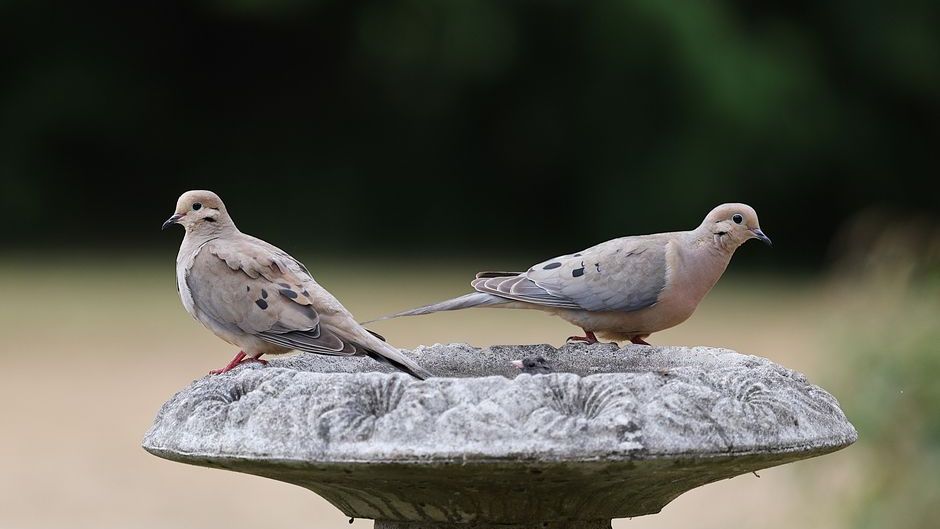
Have you ever noticed a pair of mourning doves returning to your backyard day after day, their soft cooing becoming a familiar part of your daily routine? This consistent behavior isn’t mere coincidence; it’s deeply rooted in the doves’ natural instincts and habits. Let’s explore the reasons behind their steadfast visits.
Abundant Food Sources
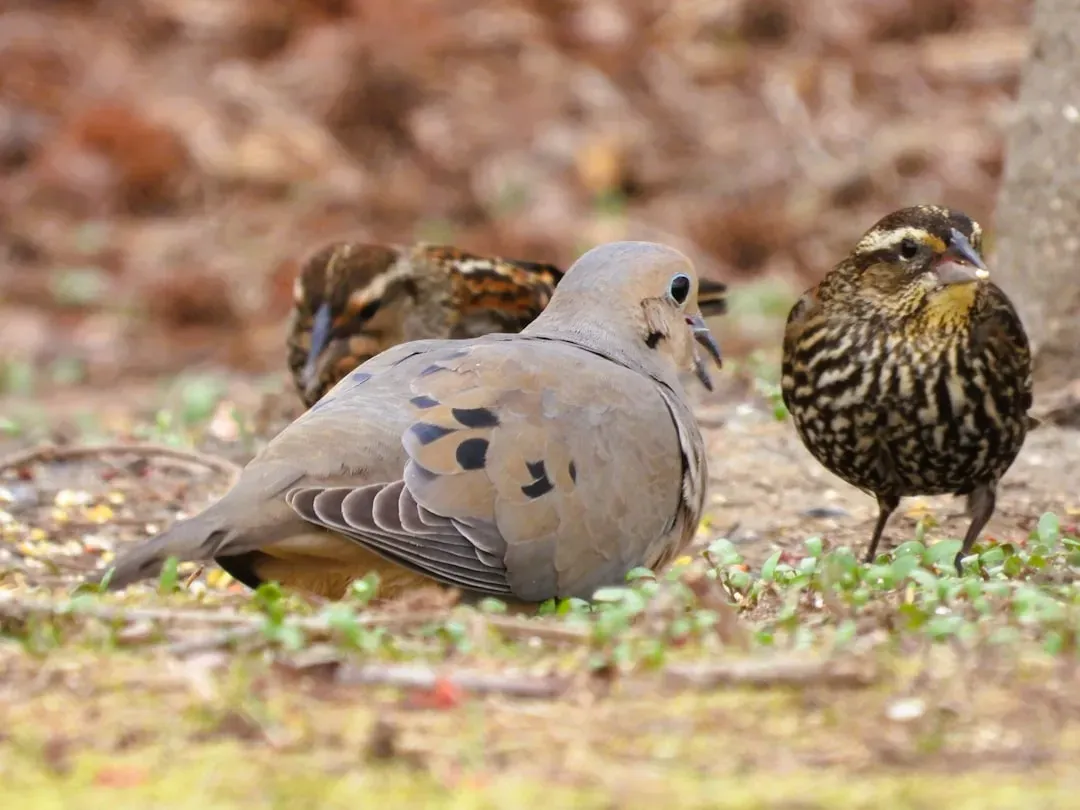
Mourning doves primarily feed on seeds, making backyards with accessible food sources particularly attractive. If your yard offers a steady supply of seeds – whether from bird feeders filled with millet and sunflower seeds or naturally occurring plants like grasses and weeds – doves are likely to return regularly. Their preference for ground feeding means spilled seeds beneath feeders are especially enticing.
Additionally, doves consume a significant portion of their body weight in seeds daily. A reliable food source not only meets their nutritional needs but also reduces the energy expended searching for sustenance elsewhere, reinforcing their daily visits.
Safe and Suitable Nesting Sites
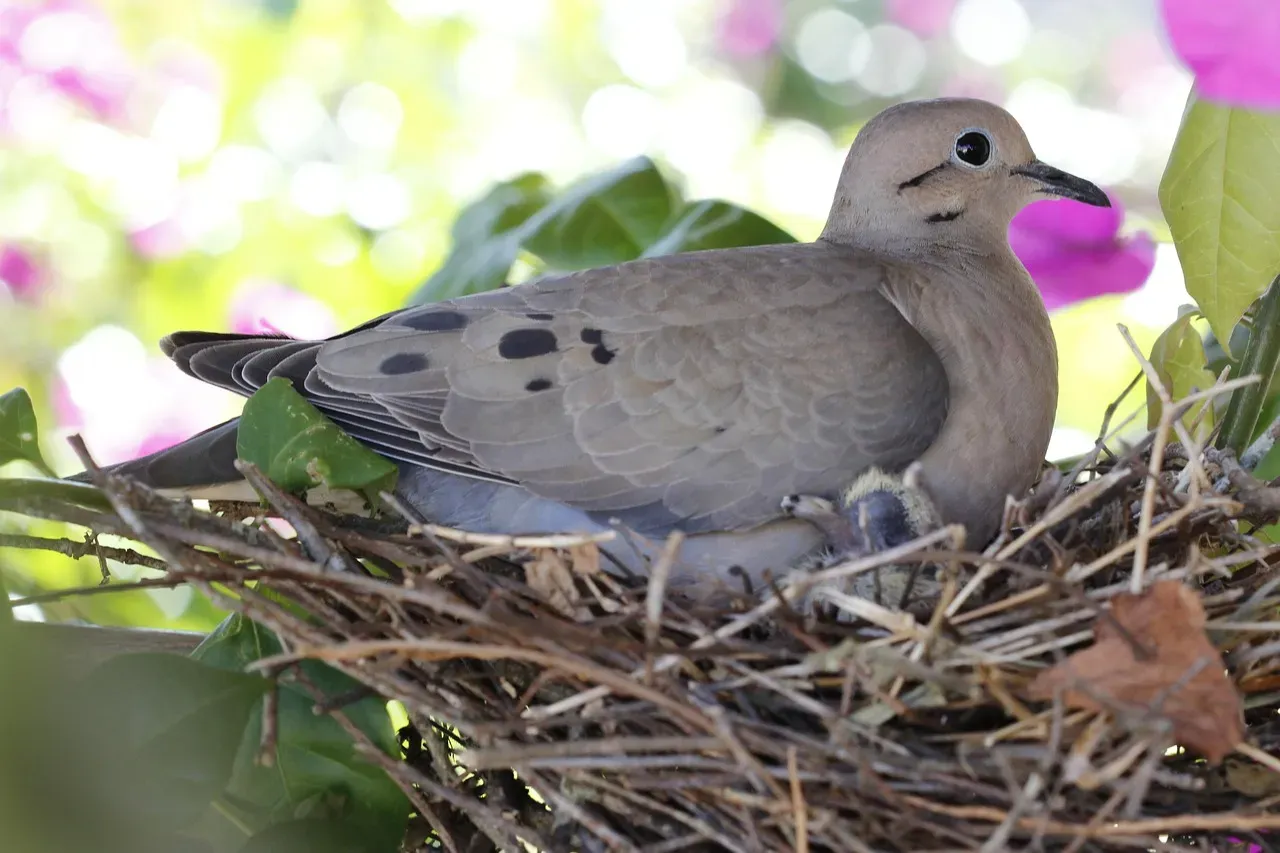
Beyond food, mourning doves seek safe nesting sites. They often choose locations that offer some concealment yet are easily accessible. Your backyard’s trees, shrubs, or even man-made structures like eaves and gutters can serve as ideal nesting spots. Their nests are typically simple platforms of twigs, and the proximity to a consistent food source makes your yard even more appealing.
Once a suitable nesting site is established, doves exhibit strong site fidelity, often returning to the same location for multiple broods throughout the breeding season. This behavior ensures familiarity and safety for raising their young.
Availability of Water
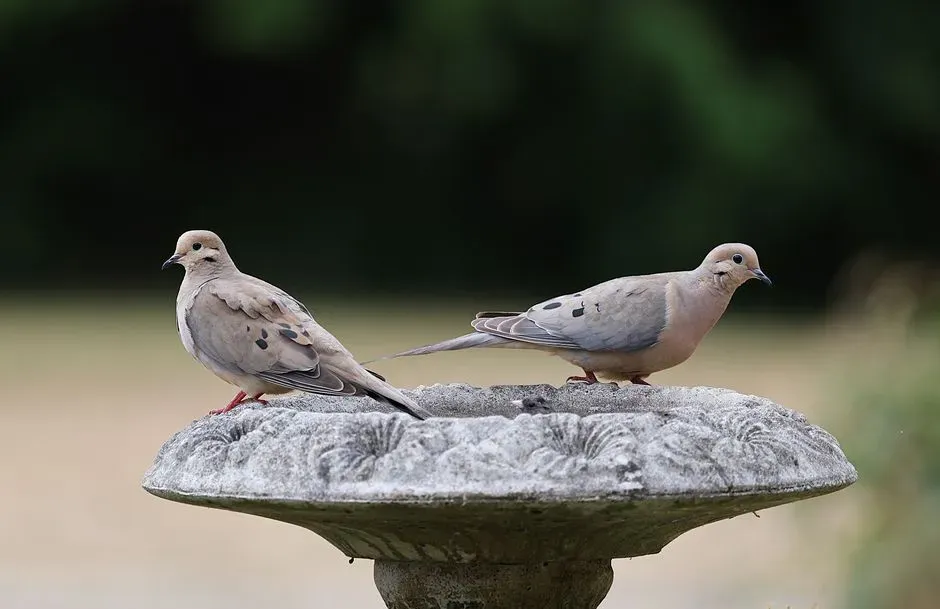
Water is essential for mourning doves, not only for drinking but also for bathing. A backyard with a clean, accessible water source, such as a birdbath or shallow pond, becomes a daily destination. Doves are known to visit water sources at dawn and dusk, and the presence of water can significantly increase the likelihood of their return.
Providing a consistent water source not only attracts doves but also supports their hydration and hygiene, crucial for their overall health and breeding success.
Minimal Disturbance and Predation
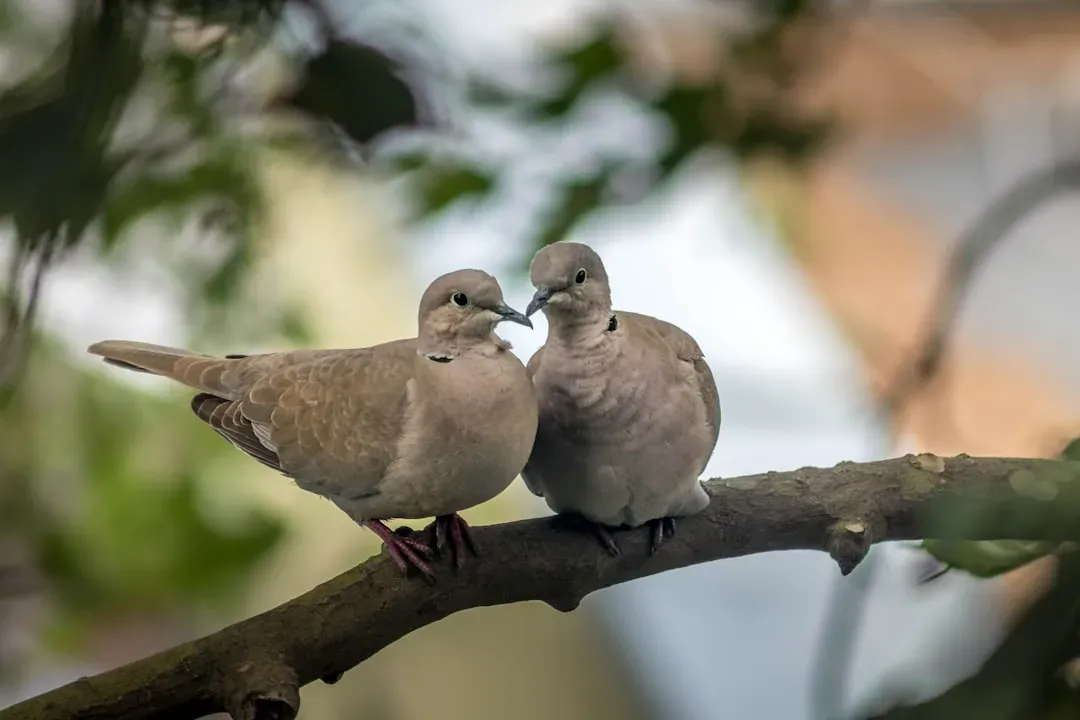
Mourning doves prefer environments where they feel safe from predators and human disturbances. A tranquil backyard with minimal noise, limited pet activity, and few predators like cats or hawks creates a sanctuary for these birds. The sense of security encourages them to return daily.
Ensuring that your yard remains a peaceful haven by keeping pets indoors during peak feeding times and avoiding sudden movements near nesting sites can further solidify their trust and consistent visits.
Familiarity and Site Fidelity
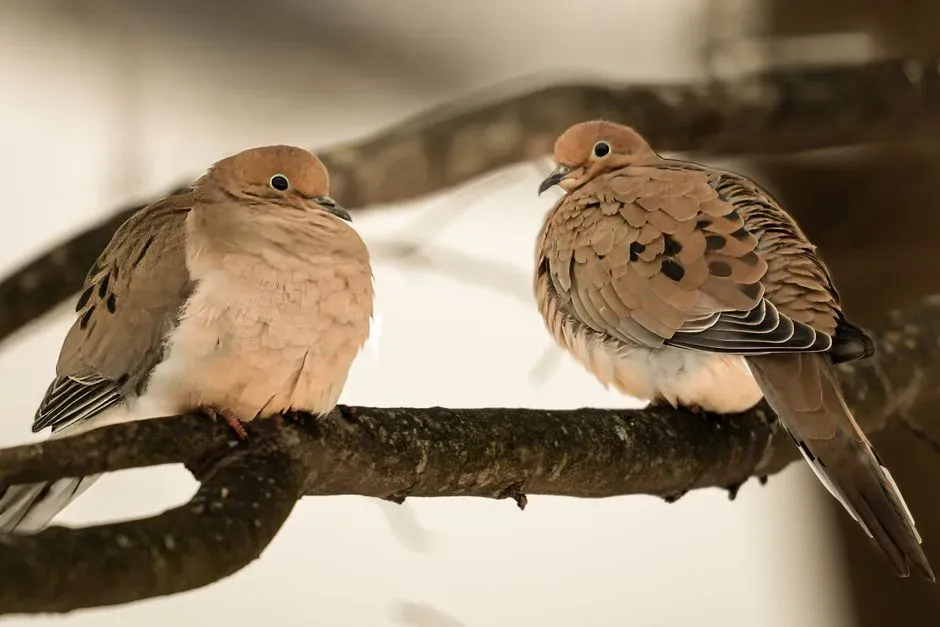
Once mourning doves find a location that meets their needs, they exhibit strong site fidelity, meaning they return to the same spot repeatedly. This behavior is advantageous as it reduces the risks associated with unfamiliar territories and predators. Familiarity with the environment allows them to efficiently locate food, water, and shelter.
Over time, this repeated behavior can lead to generational visits, with offspring returning to the same backyard, creating a lasting bond between the doves and your outdoor space.
Social Behavior and Pair Bonding
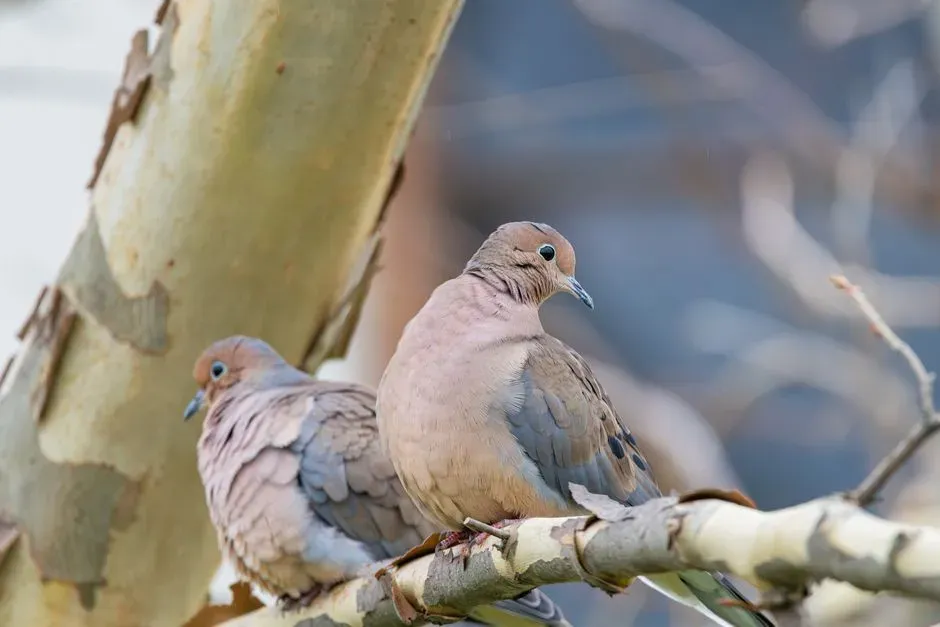
Mourning doves are monogamous and often seen in pairs. Your backyard may serve as a communal area where pairs engage in courtship behaviors, such as mutual preening and cooing. These interactions strengthen their pair bonds and are essential for successful breeding.
The presence of other doves can also attract more individuals, as these birds are known to form loose flocks, especially outside the breeding season. This social aspect can contribute to the regularity of their visits.
Seasonal Movements and Migration Patterns
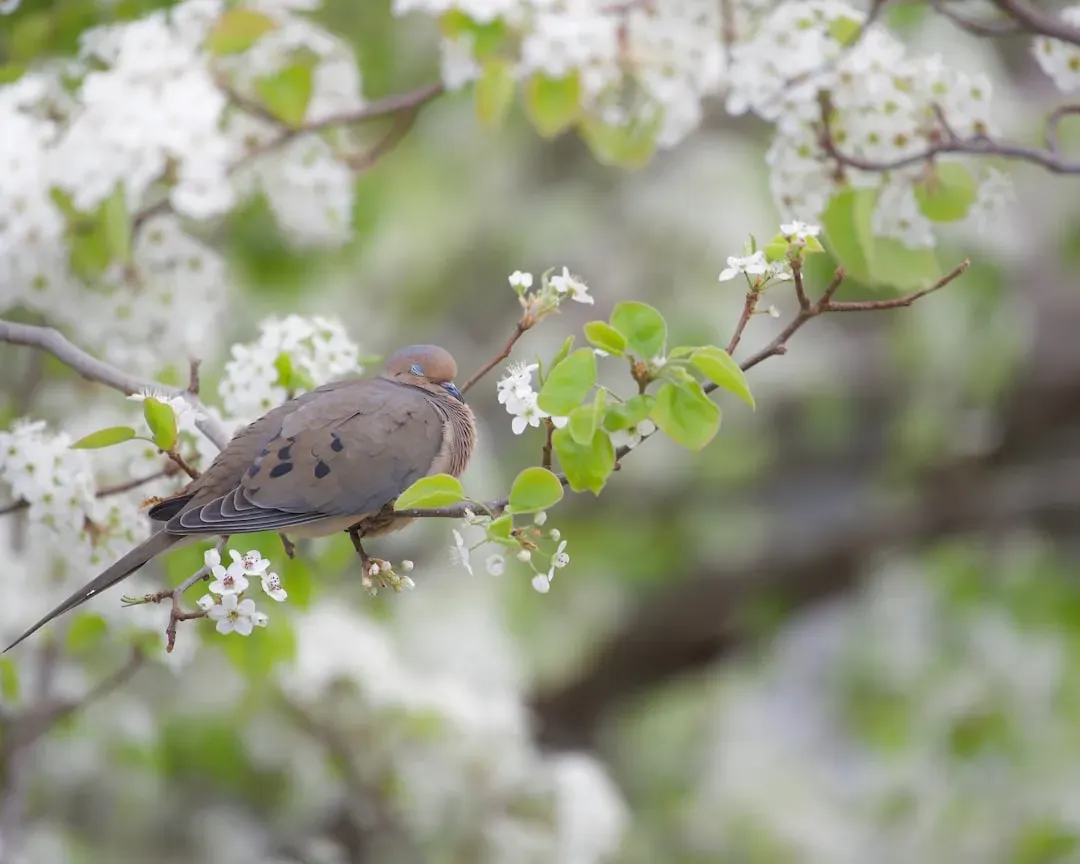
While mourning doves are migratory in some regions, many populations are year-round residents, especially in areas with mild winters. If your backyard provides consistent resources, it can become a favored spot throughout the year, even during migration periods.
Understanding the seasonal behaviors of doves in your region can offer insights into their visiting patterns and help you provide appropriate resources during different times of the year.
In conclusion, the daily visits of mourning doves to your backyard are a testament to the environment you’ve cultivated. By offering food, water, shelter, and safety, you’ve created a haven that meets their essential needs. This relationship highlights the delicate balance between human habitats and wildlife, reminding us of the simple joys that come from coexisting with nature. So, the next time you hear that gentle cooing, take a moment to appreciate the trust these doves have placed in your backyard sanctuary.

- Is Your Ageing Horse Still Genuinely Comfortable? 17 Signs Equine Vets Always Check First - August 11, 2026
- 8 Incredible Facts About the Blue Whale - August 11, 2026
- 7 Surprising Ways Your Dog Uses Its Tail to Communicate Complex Emotions - August 11, 2026