


Worried about unexpected vet bills?
Pet insurance can cover thousands in unexpected vet costs. Get a free quote from Lemonade in under 2 minutes.
Get My Free Quote →Sponsored · Opens Lemonade.com
Natural disasters have shaped human history in profound ways, leaving permanent scars on the landscapes they ravage and the societies they impact. While the resilience of communities often shines through these tragedies, the transformation these disasters impose can alter a nation’s trajectory forever. Here is a look at ten natural disasters that have significantly changed entire countries, through the scale of their destruction and the global response they provoked.
10. The 2004 Indian Ocean Tsunami

On December 26, 2004, an undersea megathrust earthquake triggered a series of devastating tsunamis, which became one of the deadliest natural disasters in recorded history. Affected countries included Indonesia, Sri Lanka, India, and Thailand among others, with more than 230,000 people losing their lives. Indonesia’s Aceh Province, near the quake’s epicenter, faced catastrophic damage. International aid poured in, leading to extensive rebuilding efforts and a new focus on tsunami warning systems to prevent such a tragedy from repeating.
9. Hurricane Katrina in the United States

In August 2005, Hurricane Katrina struck the Gulf Coast of the United States, leaving an indelible mark, especially on New Orleans, Louisiana. The hurricane exposed the vulnerabilities of the city’s levee system, resulting in catastrophic flooding. Over 1,800 people died, and the disaster highlighted significant governmental shortcomings in the response phase. Katrina reshaped New Orleans’ demographics, infrastructure, and economy, spurring widespread reforms in emergency management practices.
8. The 2010 Haiti Earthquake

On January 12, 2010, a staggering magnitude 7.0 earthquake struck Haiti near its capital, Port-au-Prince. The disaster caused immense loss of life, with estimates exceeding 160,000 casualties, and left more than a million people homeless. The earthquake crippled the already struggling infrastructure and economy of Haiti, prompting a massive international humanitarian response. However, recovery has been prolonged and challenging, with the nation still grappling with rebuilding efforts and political instability.
7. The 2011 Tōhoku Earthquake and Tsunami

Japan was struck by a magnitude 9.0 earthquake on March 11, 2011, followed by a devastating tsunami. The natural disaster caused widespread damage, taking about 19,000 lives and triggering the Fukushima Daiichi nuclear disaster. This event spurred a reevaluation of nuclear energy policies in Japan and worldwide, while also initiating a global dialogue on disaster preparedness and technological advancement in early-warning systems.
6. Cyclone Nargis in Myanmar

In May 2008, Cyclone Nargis inflicted severe destruction on Myanmar, particularly in the low-lying Irrawaddy Delta. The cyclone claimed the lives of an estimated 138,000 people, with vast populations displaced. The disaster highlighted the importance of timely governmental response and preparedness in mitigating the effects of natural disasters, which were inadequately managed by Myanmar at the time, leading to international condemnation and humanitarian crises.
5. The 1986 Chernobyl Disaster
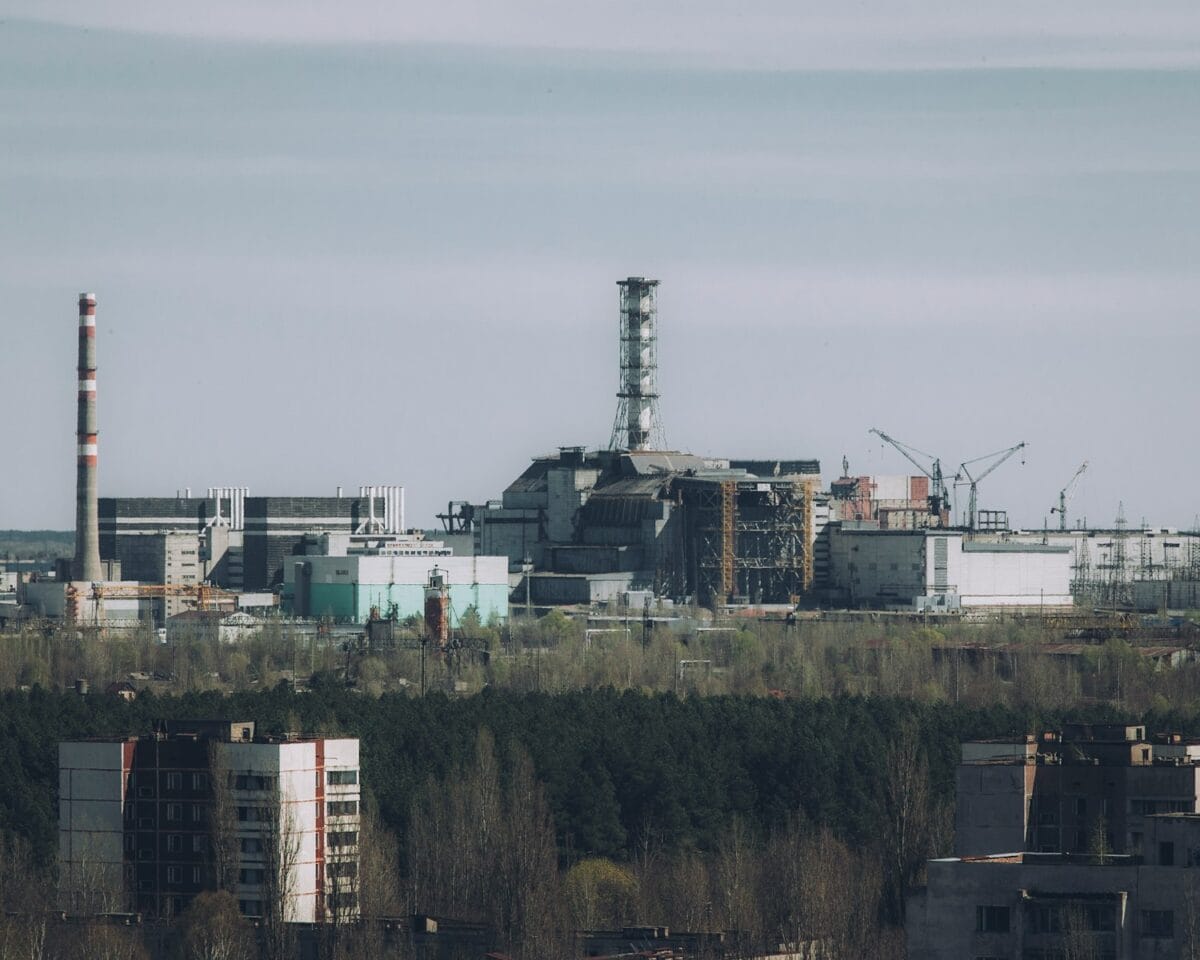
Though it was a nuclear plant accident rather than a natural disaster, the aftermath of Chernobyl profoundly affected Ukraine and neighboring countries. On April 26, 1986, a reactor explosion led to a catastrophic release of radioactive material. The incident displaced tens of thousands and resulted in long-term health and environmental consequences. Its global impact prompted a reevaluation of nuclear safety standards worldwide, and the zone remains uninhabitable, a testament to the disaster’s enduring legacy.
4. The 1970 Bhola Cyclone in Bangladesh
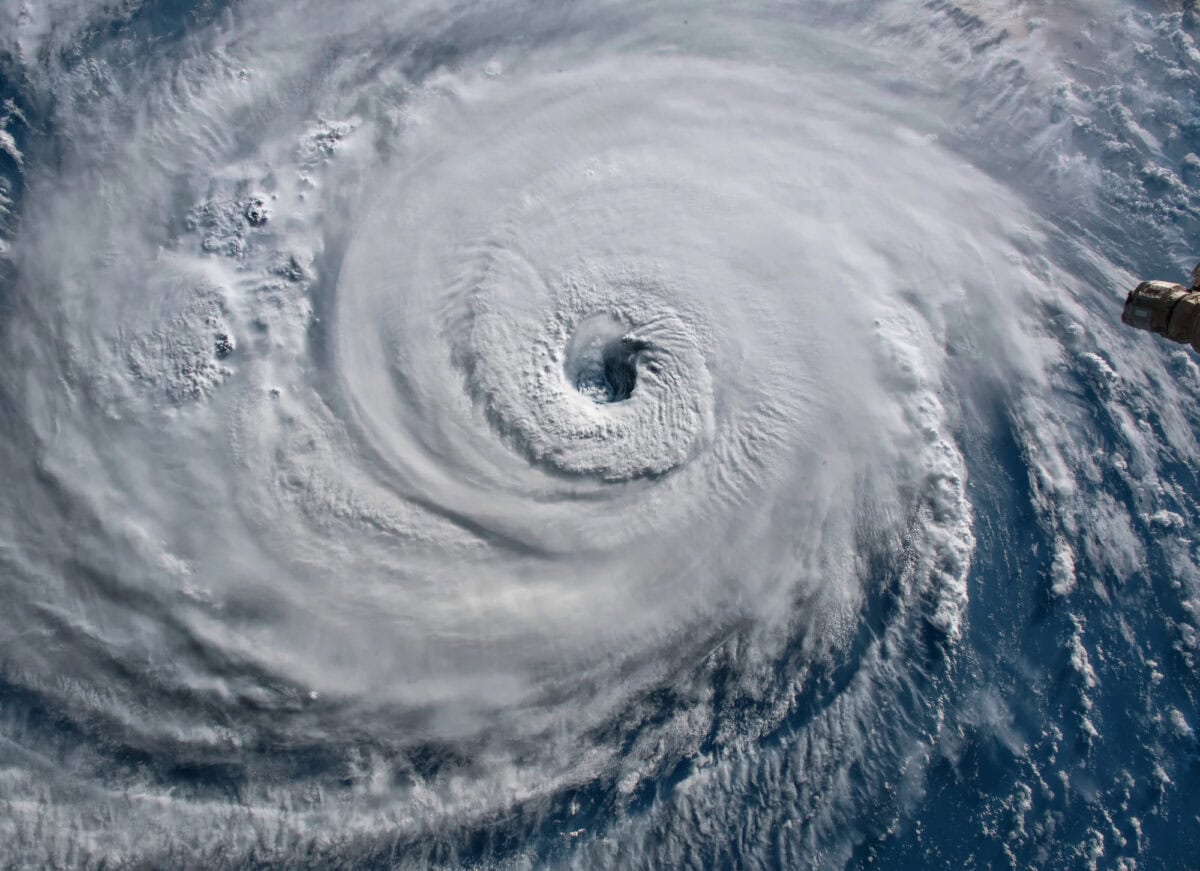
The deadliest tropical cyclone ever recorded hit the region now known as Bangladesh on November 13, 1970. The Bhola Cyclone led to the deaths of an estimated 500,000 people, illustrating the country’s vulnerability to natural calamities. The massive loss of life and inadequate response stirred political unrest, facilitating movements for Bangladesh’s independence from Pakistan, which occurred the following year. This shaped the country’s national identity and increased focus on disaster preparedness.
3. Mount Vesuvius Eruption in 79 AD
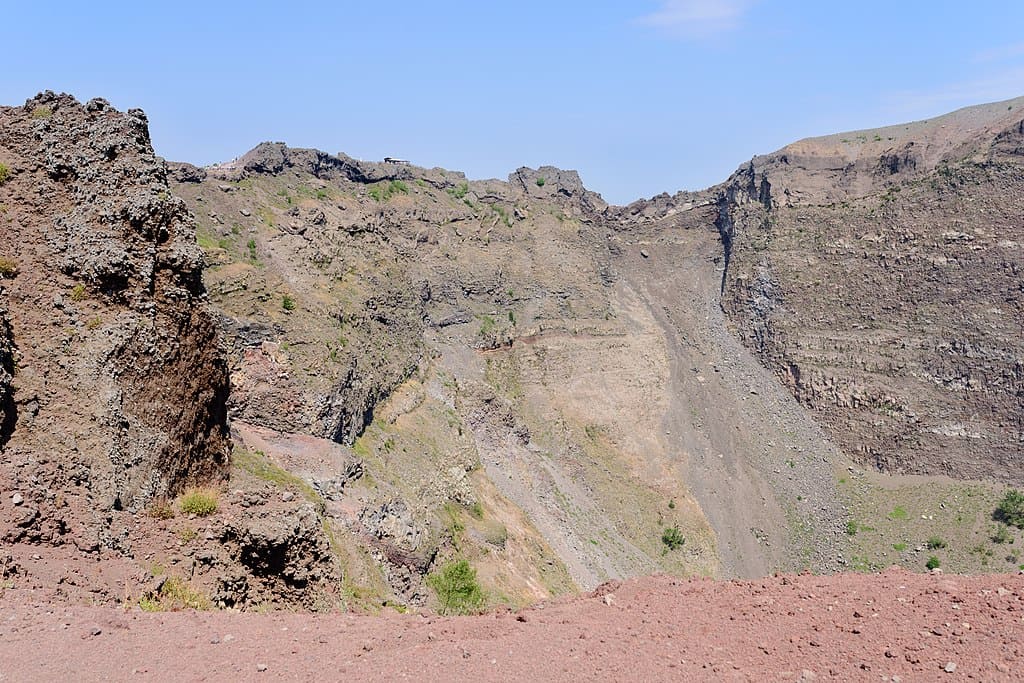
The eruption of Mount Vesuvius in 79 AD is one of history’s most infamous volcanic disasters. It buried the Roman cities of Pompeii and Herculaneum under a thick blanket of volcanic ash and pumice. The eruption killed thousands and froze daily Roman life in time, providing crucial archaeological evidence about ancient civilizations. This event serves as a stark reminder of the power of nature and the risks posed by living in volcanically active regions.
2. The 1906 San Francisco Earthquake

The 1906 earthquake, followed by massive fires, left San Francisco in ruins. The quake and fires resulted in over 3,000 deaths and destroyed more than 80% of the city. Its aftermath triggered major revisions in building codes and urban planning in San Francisco and beyond, impacting how American cities adapted to seismic risks going forward. The disaster significantly influenced urban growth and geological research.
1. The 1931 China Floods

In 1931, China experienced one of the deadliest series of floods in recorded history, affecting the Yangtze and Huai Rivers and the Yellow River. The floods claimed the lives of an estimated 1 to 4 million people through drowning, disease, and famine. The disaster highlighted severe environmental issues, exacerbated by human activities such as deforestation, and it emphasized the need for better water management policies. The floods had long-term effects on China’s economy and society, shaping subsequent governmental strategies regarding disaster management.
Conclusion
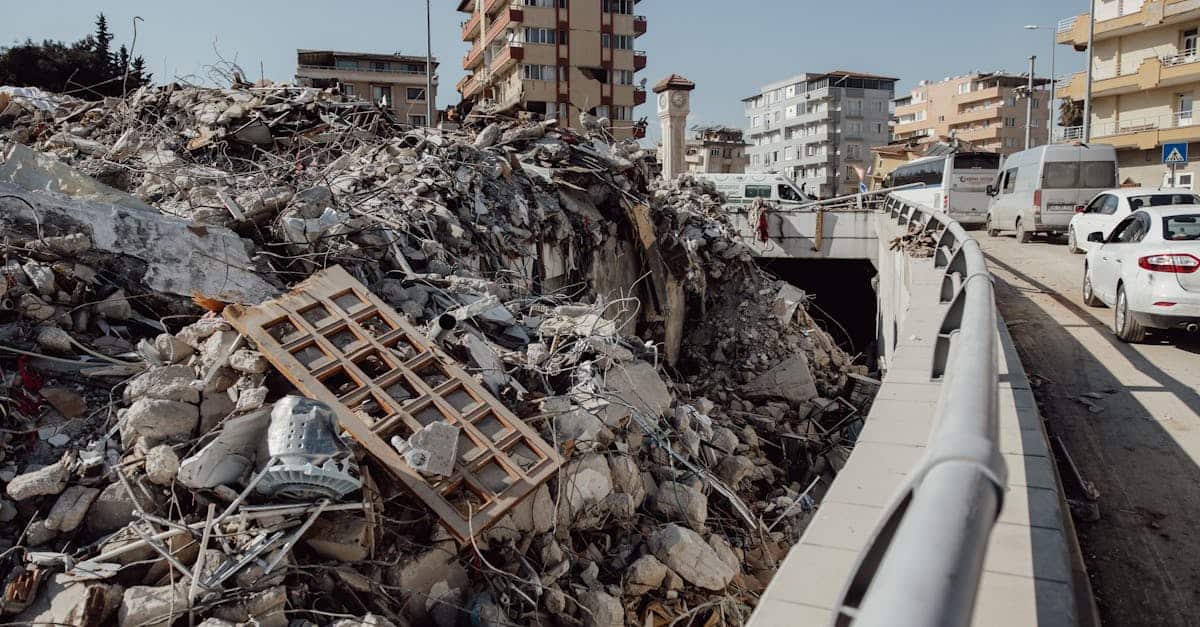
Natural disasters not only physically alter the landscapes but are pivotal in reshaping the societal and political structures of the affected countries. They demand a global perspective that combines rapid response with long-term strategies in preparedness and recovery. In understanding these events, we gain insights into both the vulnerability and resilience of nations, a crucial step in building more robust responses to future natural disasters.
Worried about unexpected vet bills?
Pet insurance can cover thousands in unexpected vet costs. Get a free quote from Lemonade in under 2 minutes.
Get My Free Quote →Sponsored · Opens Lemonade.com

As a little kid, I fell in love with nature, wildlife, and animals. Living in the USA, South Africa, Italy, China and Germany gave me the opportunity to discover the world's Wildlife. My favorite animals are Mountain Gorillas, Siberian Tigers, and Great White Sharks.
I'm a certified PADI Open Water Diver, went to Everest Base Camp and Trekked Gorillas in Uganda. I hold a Master of Science in Economics and Finance.
Please send any feedback to feedback@animalsaroundtheglobe.com
- Top 10 Animals and Wildlife in the Arctic - June 9, 2026
- 12 Monkeys That Use Tools Just Like Humans - June 9, 2026
- 10 Most Alligator-Infested Swamps in the United States - June 9, 2026