
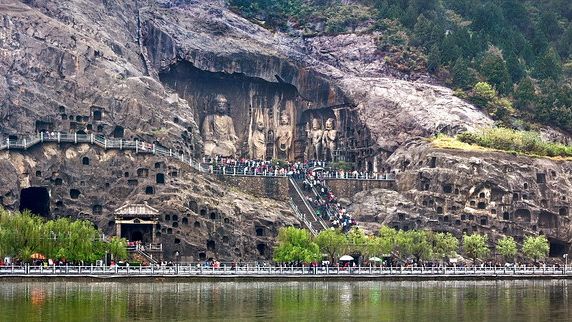
Think about standing in complete darkness, surrounded by stone walls that have witnessed the very dawn of human creativity. Caves aren’t just holes in the ground. They’re time capsules, preserving secrets from tens of thousands of years ago when our ancestors first began expressing themselves through art, seeking shelter from predators, and building mysterious structures we still don’t fully understand today.
Some of these underground wonders have protected prehistoric paintings for longer than modern civilization has existed. Others contain fossils that rewrite what we know about human evolution. Let’s be real, there’s something deeply humbling about entering a space that ancient humans considered sacred or important enough to transform with their own hands. So let’s dive into ten of the most remarkable ancient caves on Earth.
Lascaux Cave, France – The Prehistoric Art Gallery That Changed Everything
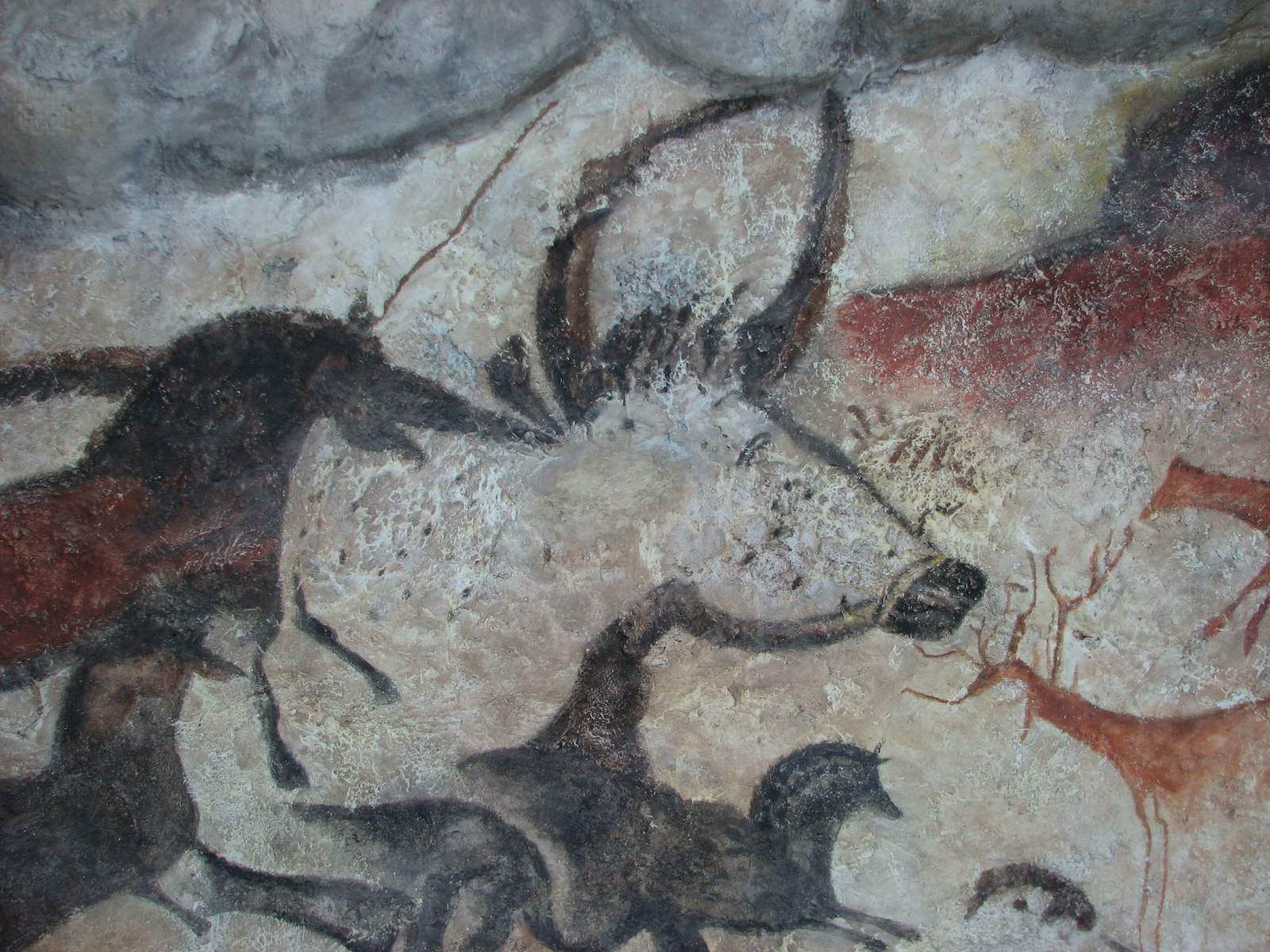
Discovered accidentally by four boys and their dog in 1940, Lascaux Cave in southwestern France contains over 600 paintings and 1,500 engravings created around 17,000 years ago. The stunning renditions include aurochs, horses and deer painted with such skill that they still captivate viewers today. These aren’t primitive stick figures – they’re masterworks demonstrating exceptional artistic ability and observation.
The original cave had to be closed to the public in the 1960s because the breath and presence of too many visitors caused the paintings to deteriorate rapidly. A facsimile was created inside reinforced concrete, and Lascaux II opened in 1983, allowing people to experience the majesty without damaging the originals. Walking through this cave, even a replica, you can’t help but wonder what drove those ancient artists to venture deep underground with primitive torches to create such beauty.
El Castillo Cave, Spain – Where Neanderthals May Have Left Their Mark
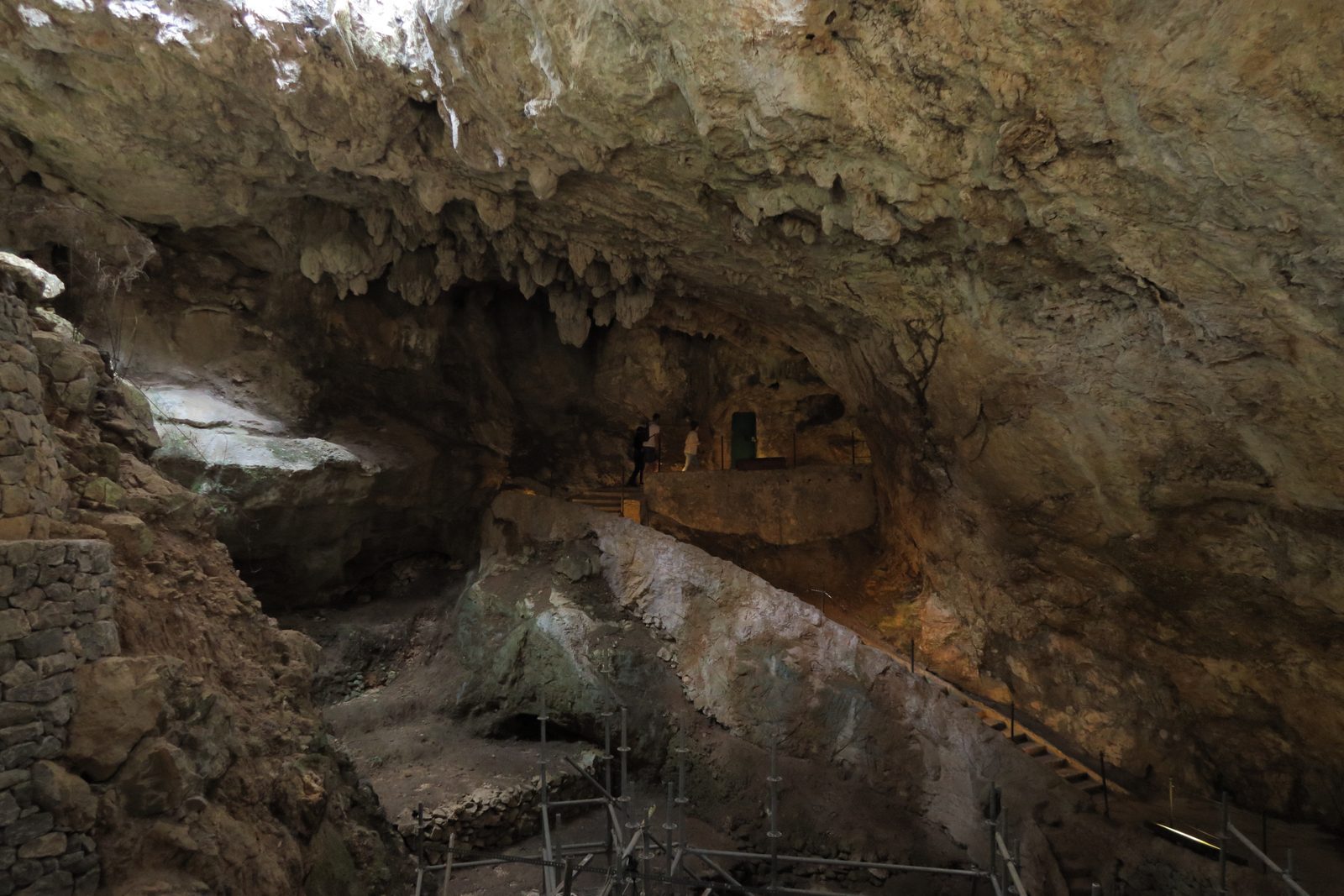
Here’s something that’ll blow your mind: El Castillo contains what researchers believe to be the world’s oldest cave paintings, with one large reddish disk found to be more than 40,000 years old. The truly shocking part? Some experts claim their record-breaking age means they were actually created by Neanderthals, not modern humans.
Researchers found more than a dozen examples of wall paintings that are more than 65,000 years old across three caves in Spain, and at Cueva de los Aviones, they also found perforated seashell beads and pigments that are at least 115,000 years old. If Neanderthals really did create this art, it fundamentally challenges our assumptions about which species were capable of symbolic thought and creative expression. Honestly, it’s humbling to think our extinct cousins might have been artists too.
Altamira Cave, Spain – The Sistine Chapel of Prehistory
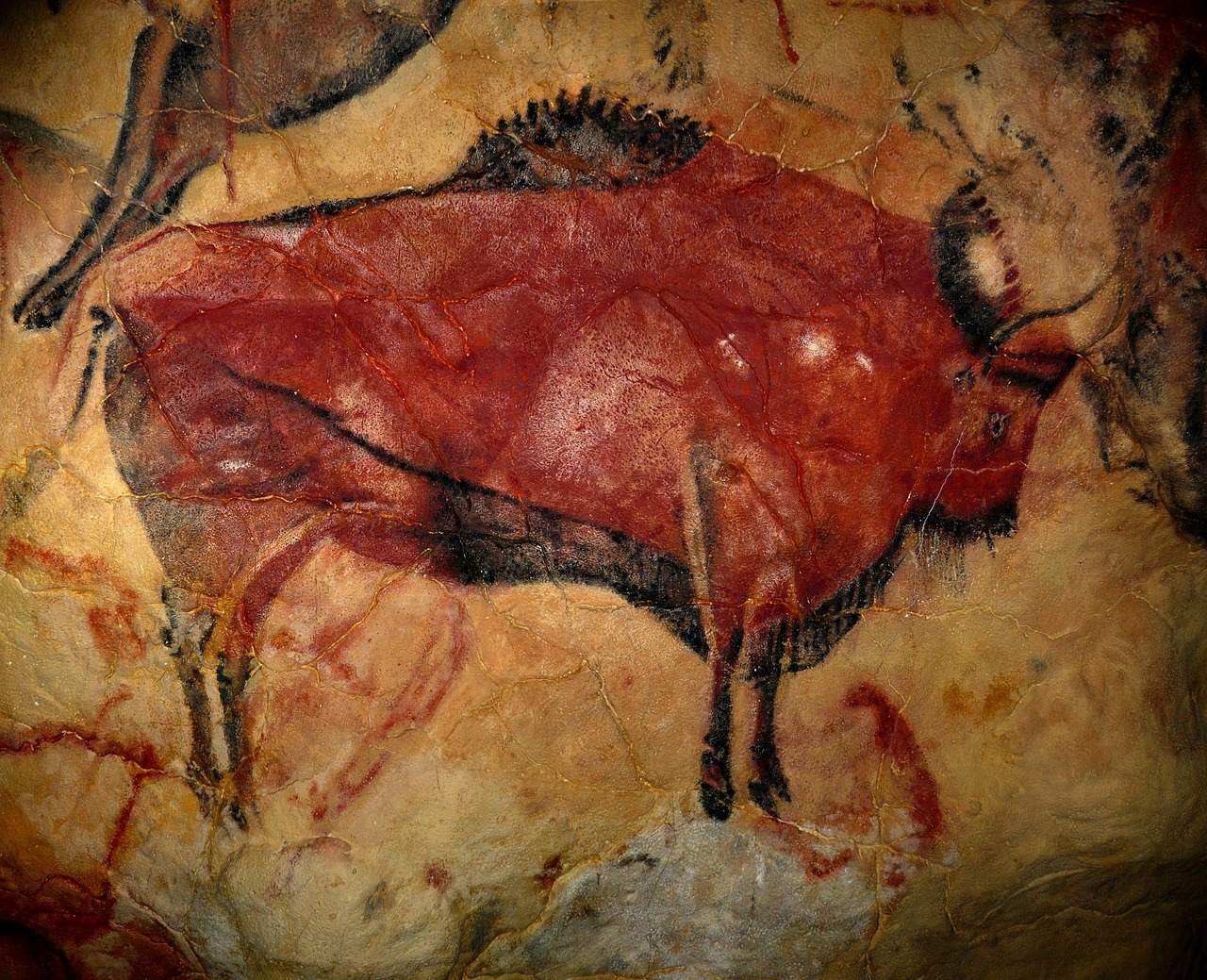
Located in Cantabria, Spain, Altamira Cave holds extraordinary Paleolithic rock art dating back approximately 14,000 years, known for its breathtaking paintings of bison and other animals. The cave is often referred to as the “Sistine Chapel of Paleolithic Art” due to the exceptional quality and artistic sophistication of its rock paintings. When these paintings were first discovered in 1879, many scholars refused to believe prehistoric humans could have created such refined artwork.
Perhaps the most remarkable example is a ceiling with colorful paintings depicting 25 bison that are up to 5.6 feet in length, alongside two horses and a deer. The artists used the natural contours of the cave ceiling to give the animals a three-dimensional quality that seems to make them move in flickering torchlight. These weren’t just drawings – they were performances, stories told in pigment and stone.
Sterkfontein Caves, South Africa – Where Human Ancestors Were Born
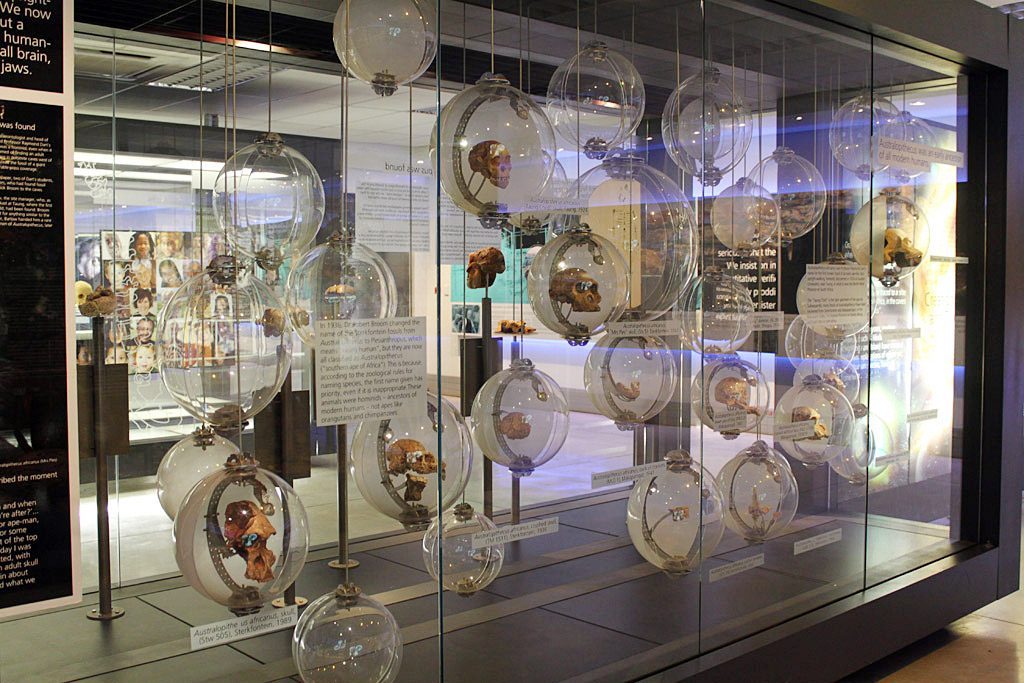
Part of the UNESCO World Heritage Cradle of Humankind site established in 1999, the six linked caves of Sterkfontein in South Africa have yielded some thrilling finds. Analysis of the Sterkfontein caves had by 2010 resulted in over a third of the early hominid fossils ever found. Think about that for a second – more than one-third of all early human ancestor fossils discovered on Earth came from this single cave system.
It’s also where a near-complete skull of a possible adult female Australopithecus africanus was recovered in 1947, subsequently nicknamed Mrs. Ples. In 1936 researchers found fossils of Australopithecus africanus, and in 1947 discovered most of the skull of an adult australopith who lived an estimated 2.5 million years ago. Walking through these caves is like stepping into the birthplace of humanity itself, where creatures not quite human but not quite ape left behind evidence of their existence millions of years ago.
Ajanta Caves, India – A Monastery Carved From Living Rock
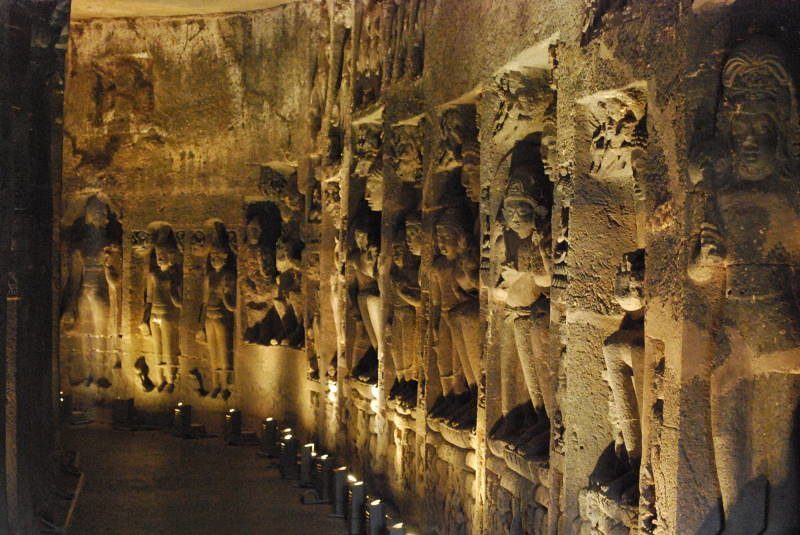
During the 1st or 2nd century BCE, caves began to appear at Ajanta in Maharashtra, western India, deliberately carved out of rock and divided into prayer halls and monastic cells. The caves grew to further prominence between the 3rd and 6th century CE, when their location became part of an important trade route. These aren’t natural caves modified by humans – they’re entirely human-made structures chiseled from solid rock.
Approximately 30 man-made caves were created between the 2nd century BC and 5th century AD, and they were significant sites for Buddhist worship, containing some of the finest ancient Indian artwork. The dedication required to carve entire temples and monasteries from mountainsides using primitive tools is staggering. The paintings and sculptures inside depict the life of Buddha with such devotion and artistry that they remain pilgrimage sites today.
Mogao Caves, China – The Thousand Buddhas Along the Silk Road
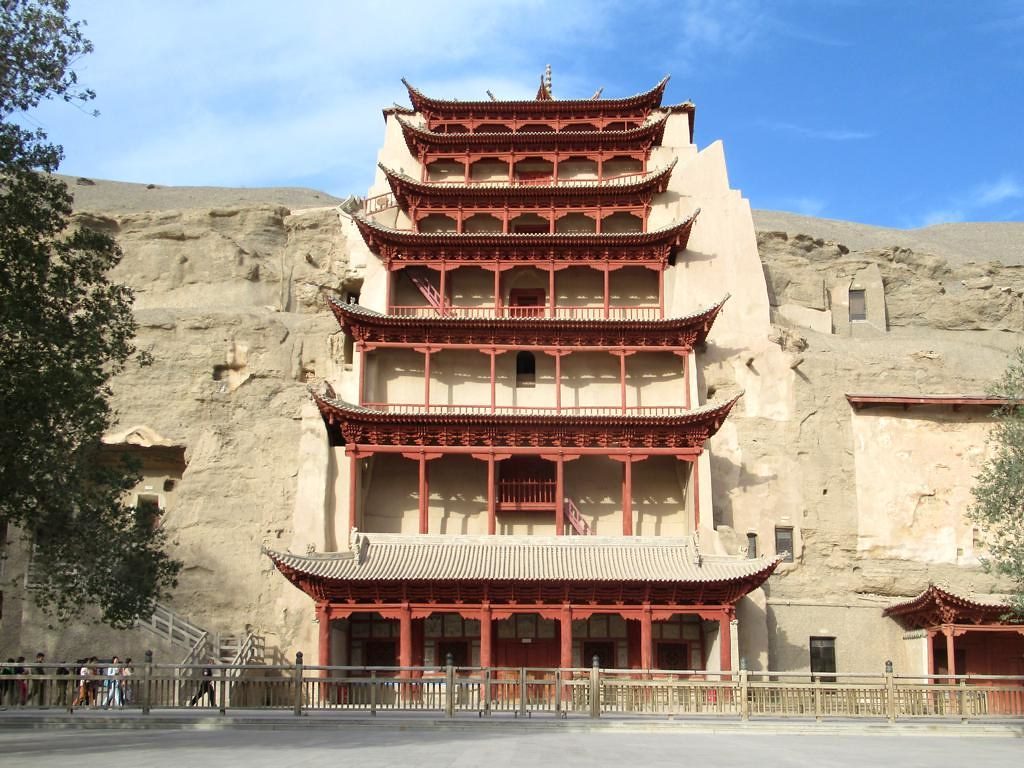
The earliest caverns among the Caves of the Thousand Buddhas date to the 4th century AD, and for centuries served as respite for travellers on the historic Silk Road, consisting of a system of 500 temples which contain a wide range of Buddhist art. Located near the Dunhuang oasis in western China, these caves became a meeting point where cultures, religions, and artistic traditions merged.
The Mogao Caves encapsulate a millennium of Buddhist history, and the site served for centuries as a popular resting place for travelers, traders, wandering monks, and pilgrims. The caves’ wealth of artistic treasures include murals, clay sculptures, and priceless manuscripts. Imagine the countless pilgrims who sought refuge here, adding their own contributions to this ever-growing gallery of devotion spanning a thousand years.
Chauvet Cave, France – Where Lions and Mammoths Still Roam
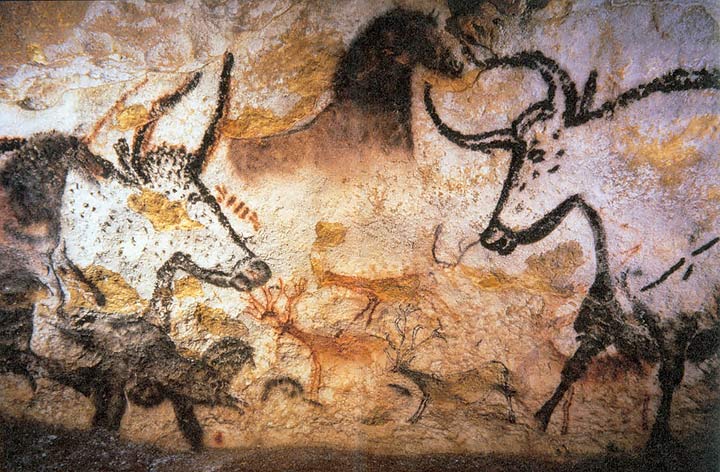
The spectacular lions and rhinos of Chauvet Cave in southeastern France are commonly thought to be around 30,000 to 32,000 years old. What makes Chauvet extraordinary is that it features animals that were among the most dangerous predators of the Ice Age. During the earliest millennia when cave art was first being made, the species most often represented were the most-formidable ones, now long extinct – cave lions, mammoths, woolly rhinoceroses, cave bears.
Once thought to house the oldest representational art, the more than 1,000 paintings of predators like lions and mammoths are unmatched in their sophistication. The artists didn’t just paint what they hunted for food – they immortalized the creatures they feared and respected most. It’s hard to say for sure, but maybe these paintings were a way of understanding or controlling the dangerous world around them through art.
Hang Sơn Đoòng Cave, Vietnam – A Cathedral Built by Nature
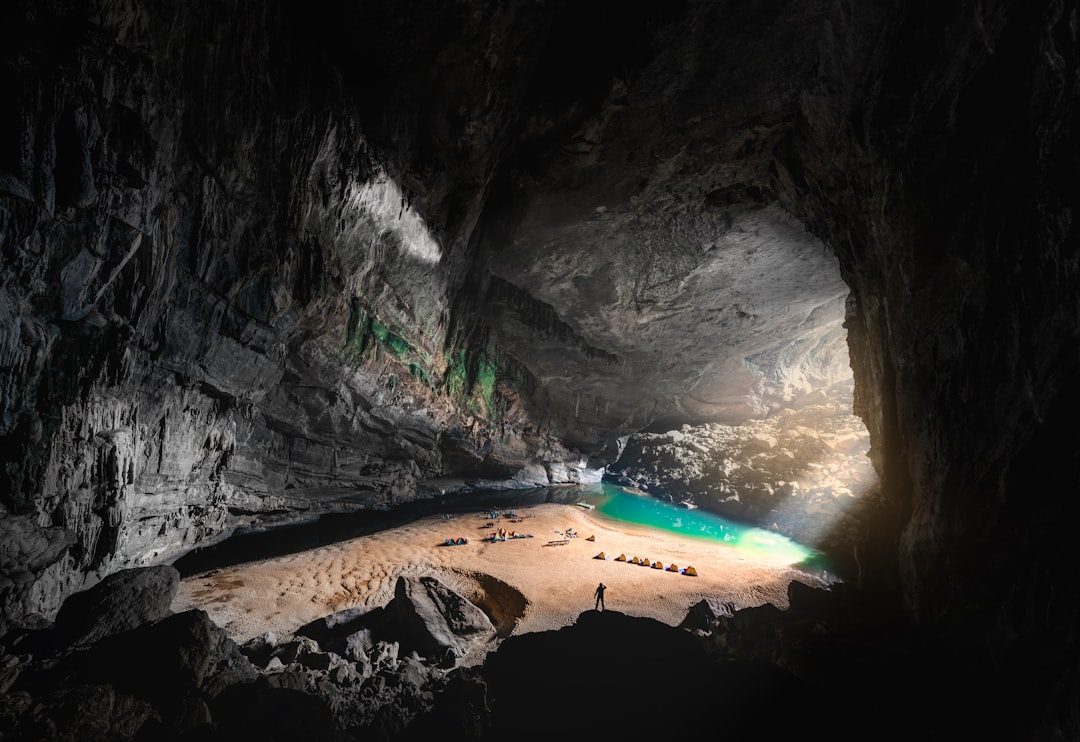
This colossal feat of nature is the largest known natural cave in the world, so large that a Boeing 747 airplane could fly through it without its wings touching the stone walls. At an unimaginably huge 38.5 million cubic metres, it’s also home to the world’s tallest stalagmite. This natural giant stands approximately 80 meters tall – about the height of the Statue of Liberty.
The Sơn Đoòng cave was formed between 2 to 5 million years ago, and although only formally surveyed in 2009, the immense proportions of the cave draw in a huge number of visitors each year. Inside, you’ll find entire ecosystems, including jungles growing where the ceiling has collapsed, creating what some call “Garden of Eden” areas. It’s like discovering an alien landscape right here on Earth.
Longyou Caves, China – The Mystery No One Can Solve
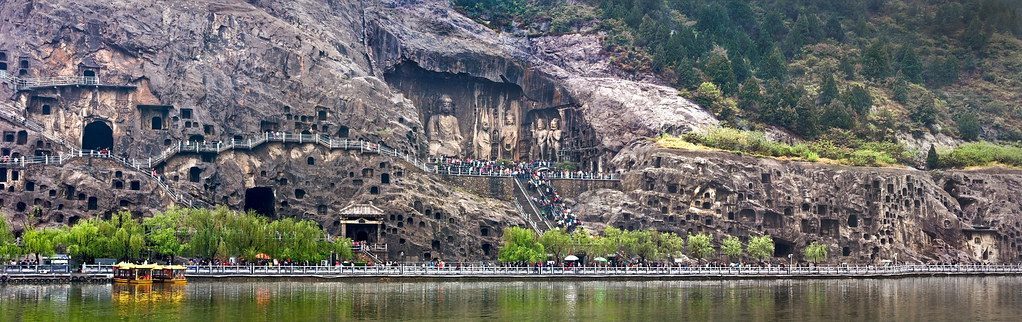
Located near the village of Shiyan Beicun in Zhejiang province, China, the Longyou caves are an extensive, magnificent and rare ancient underground world considered in China as ‘the ninth wonder of the ancient world,’ thought to date back at least 2,000 years. First discovered in 1992 by a local villager, 36 grottoes have now been discovered covering a massive 30,000 square meters, carved into solid siltstone, each descending around 30 meters underground and containing stone rooms, bridges, gutters and pools.
Scientists from around the world in the fields of archaeology, architecture, engineering, and geology have absolutely no idea how they were built, by whom, and why. Here’s the thing – there are no historical records mentioning their construction, no debris from the excavation, and the precision of the carving defies explanation given the tools available 2,000 years ago. Sometimes the most ancient mysteries remain the most baffling.
Mammoth Cave, Kentucky – Where Ancient Americans Left Their Traces
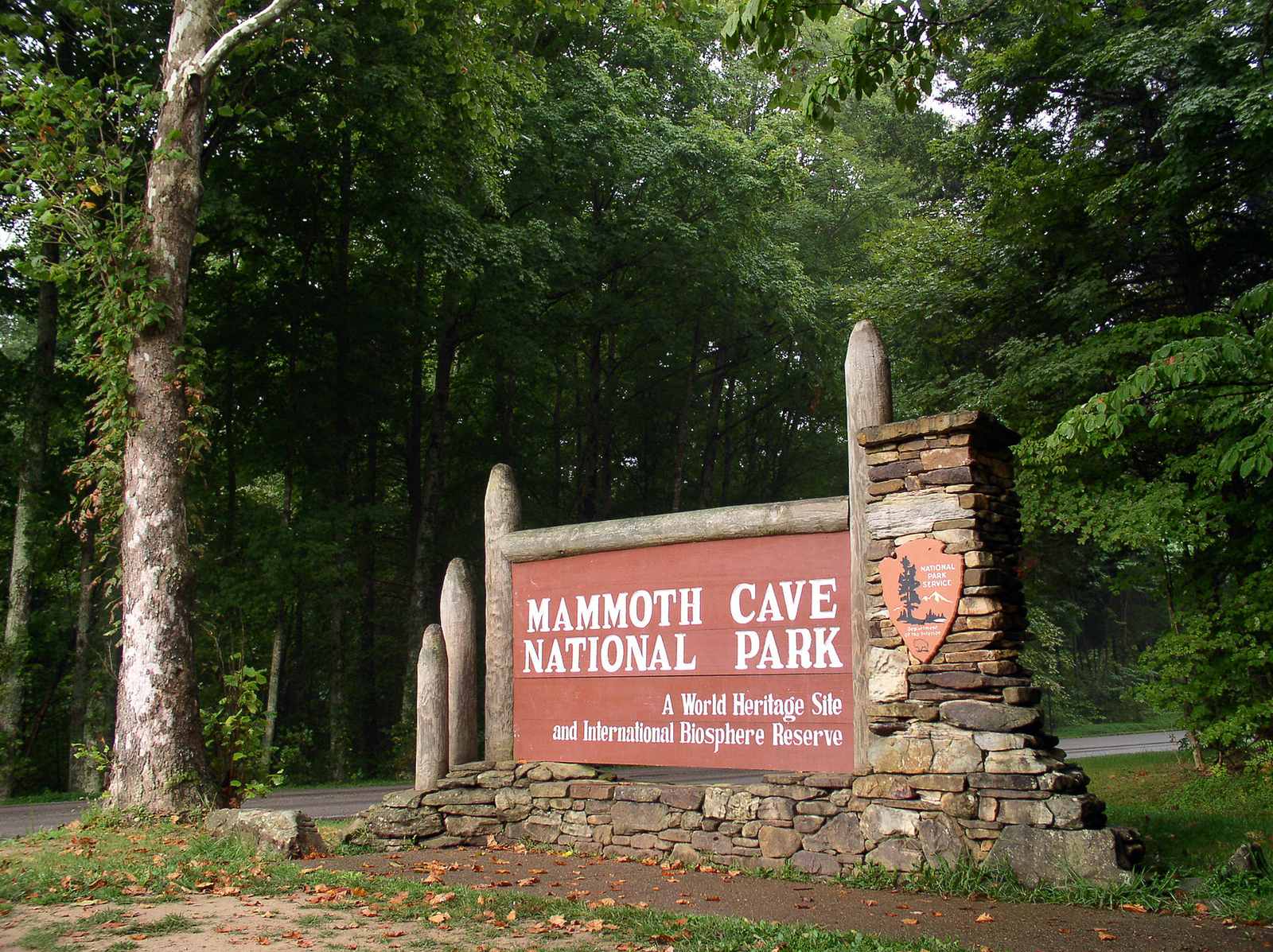
This American natural landmark has the distinction of being the longest cave system in the world, with around 420 miles of surveyed passageways, and it has been the site of human activity for thousands of years before the arrival of Europeans. Throughout the modern history of Mammoth Cave, discoveries of some of the earliest Indigenous people have been found throughout, including items like cane reed torches, mussel shells, gourd bowls, or woven sandals.
In 1935, men who worked for the Civilian Conservation Corps discovered the remains of an ancient Native American who had likely been mining the mineral gypsum when he had been trapped beneath a large boulder. The preservation is so remarkable that archaeologists could determine exactly what he was doing when tragedy struck thousands of years ago. These passages weren’t just shelters – they were workplaces, sacred spaces, and pathways into the unknown.
Conclusion
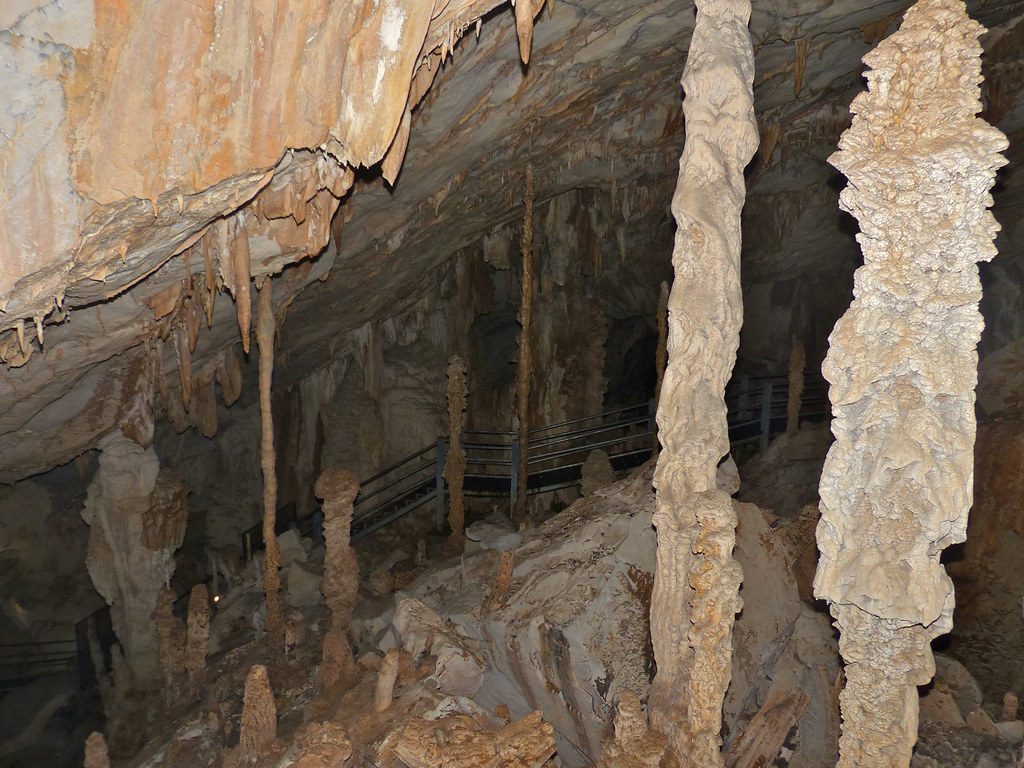
These ten caves represent far more than geological formations. They’re witnesses to human creativity, spirituality, and survival spanning hundreds of thousands of years. From Neanderthals painting in Spanish caves to Buddhist monks carving temples along the Silk Road, from our earliest ancestors leaving fossils in South African limestone to Native Americans mining minerals in Kentucky’s darkness, caves have sheltered and inspired humanity throughout our entire existence.
What strikes me most is how our ancient ancestors ventured into these dark, dangerous places not just for survival, but to create beauty, worship their gods, and leave messages for the future. They succeeded beyond anything they could have imagined. Their handiwork still moves us, still challenges our assumptions, and still holds secrets waiting to be discovered.
Which of these ancient caves would you most want to explore? Tell us in the comments.
