
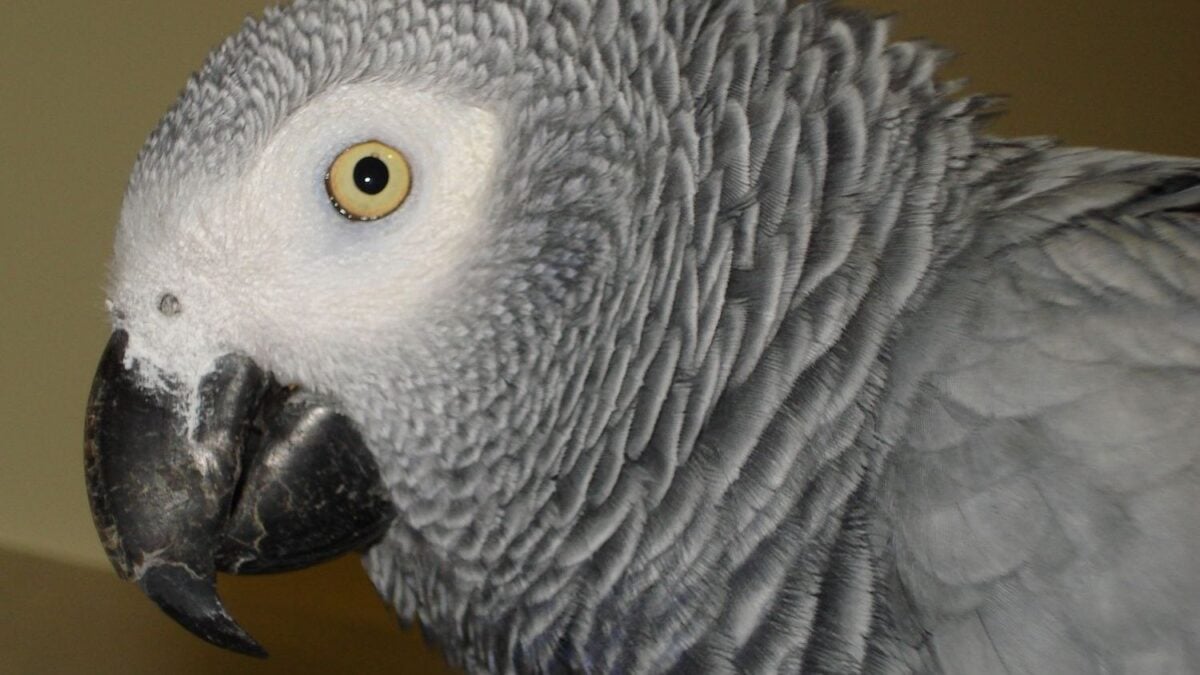
Have you ever stopped to think that birds might be smarter than us in ways we barely understand? For too long, we’ve underestimated these winged creatures. Honestly, it’s time to rethink everything we know about animal intelligence.
Birds pack their brains with neurons more densely than mammals, creating an incredibly efficient thinking machine inside those tiny skulls. The creatures we’re about to explore don’t just survive on instinct alone. They solve puzzles, use tools, remember human faces for years, and even understand concepts that stump young children. So let’s get started and meet these extraordinary aviators who prove that size doesn’t matter when it comes to brainpower.
New Caledonian Crow
The New Caledonian crow is a bird species known for its impressive problem solving skills. These crows not only use tools, they also make them. They’ll shape sticks into hooks to retrieve food from hard-to-reach places. What truly blows my mind is how they create these tools with such precision, bending twigs just the right way to extract insects from deep crevices.
Some crows have even been observed using a tool to get another tool, which they then use to access food. This behavior, called meta-tool use, places these birds alongside chimpanzees in terms of cognitive complexity. New Caledonian crows are famous for their sophisticated use of tools to extract insects from tree bark.
Common Raven
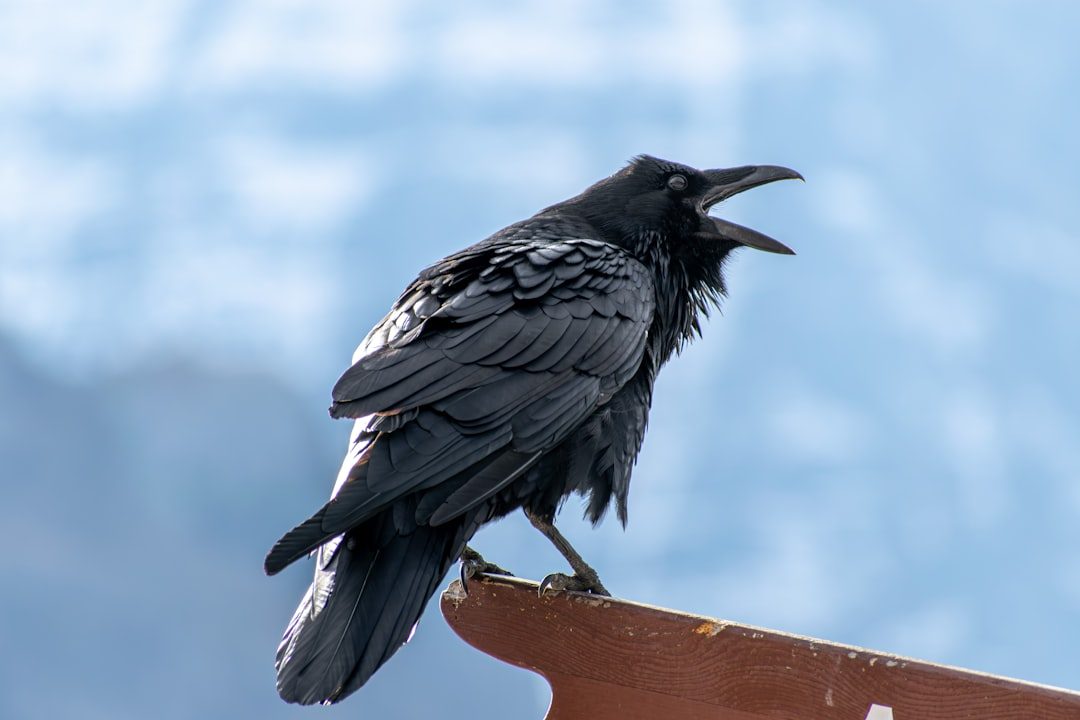
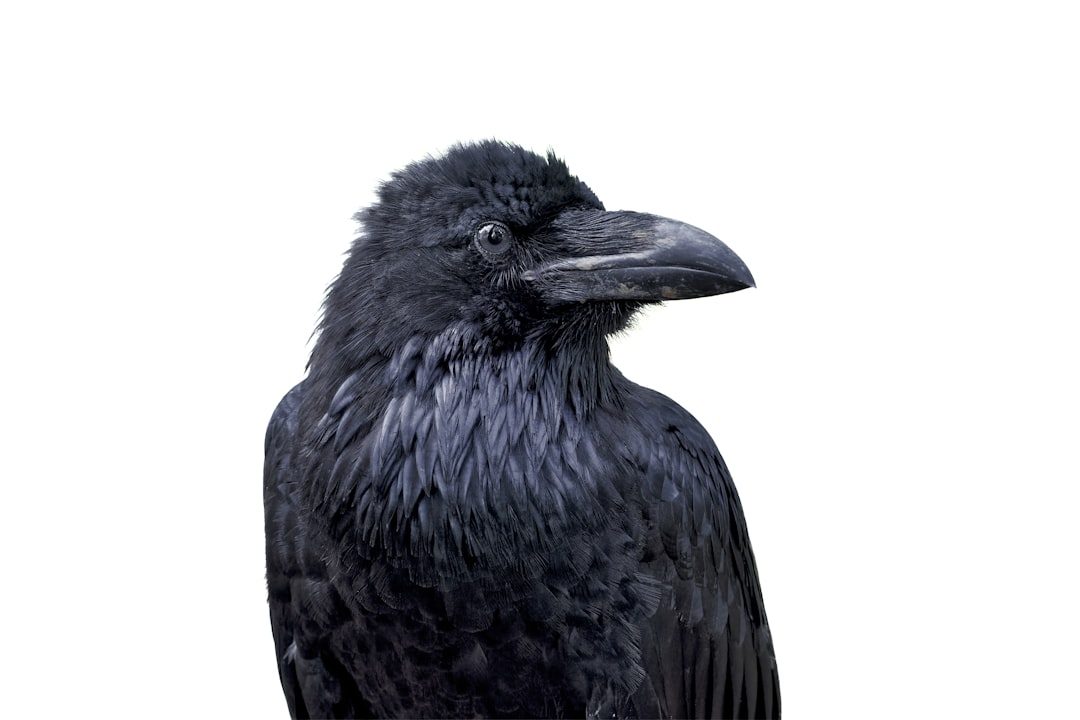
Members of the corvid family are among the , though common ravens may have the edge on tackling tough problems. These magnificent black birds demonstrate planning abilities that were once thought to be exclusive to humans and great apes.
A study published in 2017 revealed that ravens even pre-plan tasks. In a simple experiment, scientists taught the birds how a tool can help them access a piece of food. When offered a selection of objects almost 24 hours later, the ravens selected that specific tool again and performed the task to get their treat. Ravens were actually more skilled than human children, and in almost identical experiments on four-year-olds, the ravens were technically more successful in planning ahead to open the reward box than toddlers. That’s genuinely impressive when you consider the evolutionary distance between birds and mammals.
African Grey Parrot
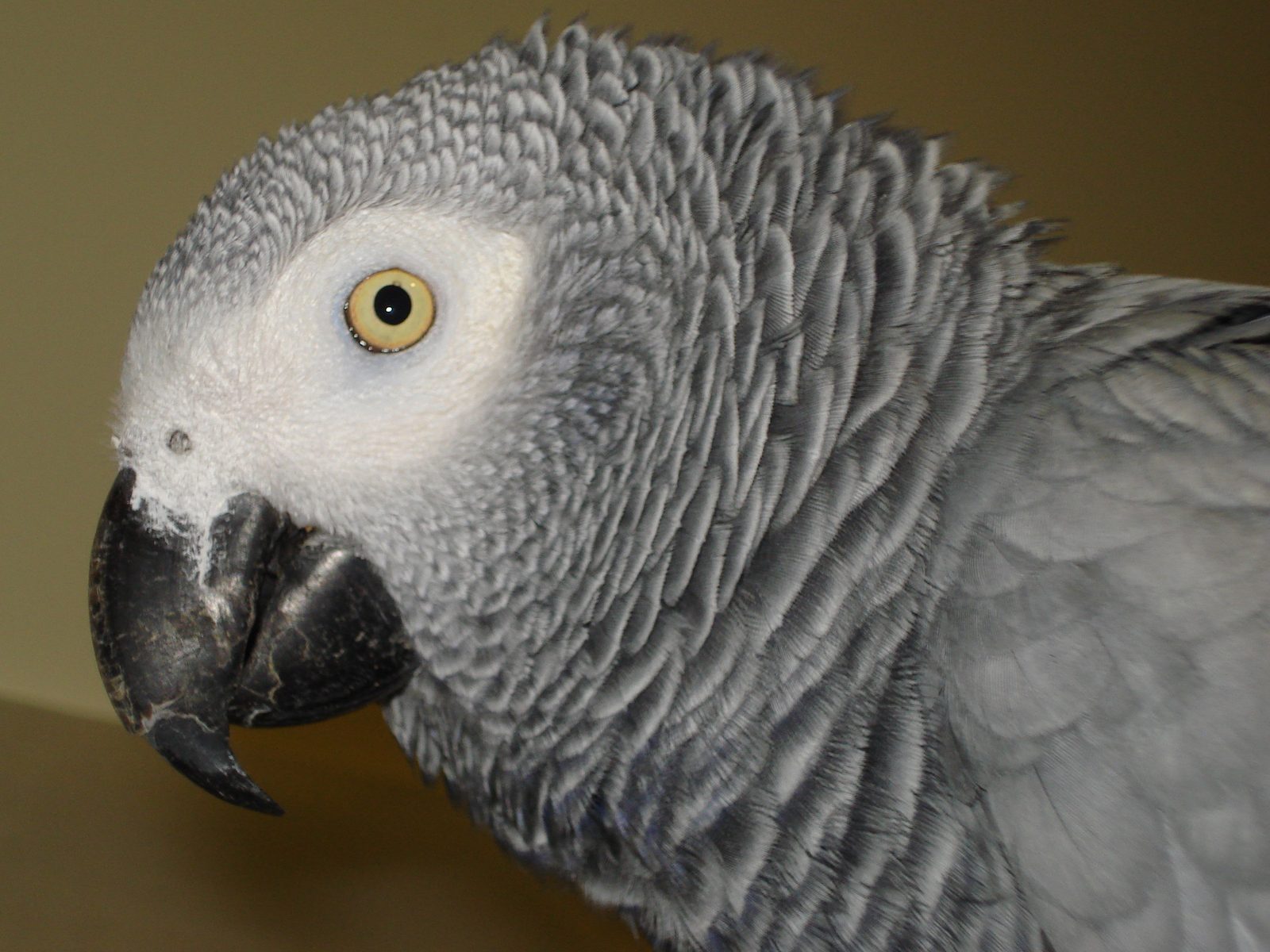
Here’s where things get really fascinating. Most scientists rank the African Grey Parrot as the most intelligent bird, thanks to its language and reasoning abilities. The famous Alex, studied for three decades by Dr. Irene Pepperberg, changed everything we thought we knew about bird cognition.
Alex seemed to show the intelligence of a five-year-old human in some respects, and had not reached his full potential by the time he died. Alex could identify 50 different objects, recognise quantities up to six, and distinguish seven colours and five shapes. He was also able to understand the concept of zero and had a vocabulary of over 150 words.
A new study shows the African grey can perform some cognitive tasks at levels beyond that of 5-year-old humans. The results not only suggest that humans aren’t the only species capable of making complex inferences, but also point to flaws in a widely used test of animal intelligence. Let’s be real, these birds understand language in ways most people never expected from a non-primate species.
American Crow
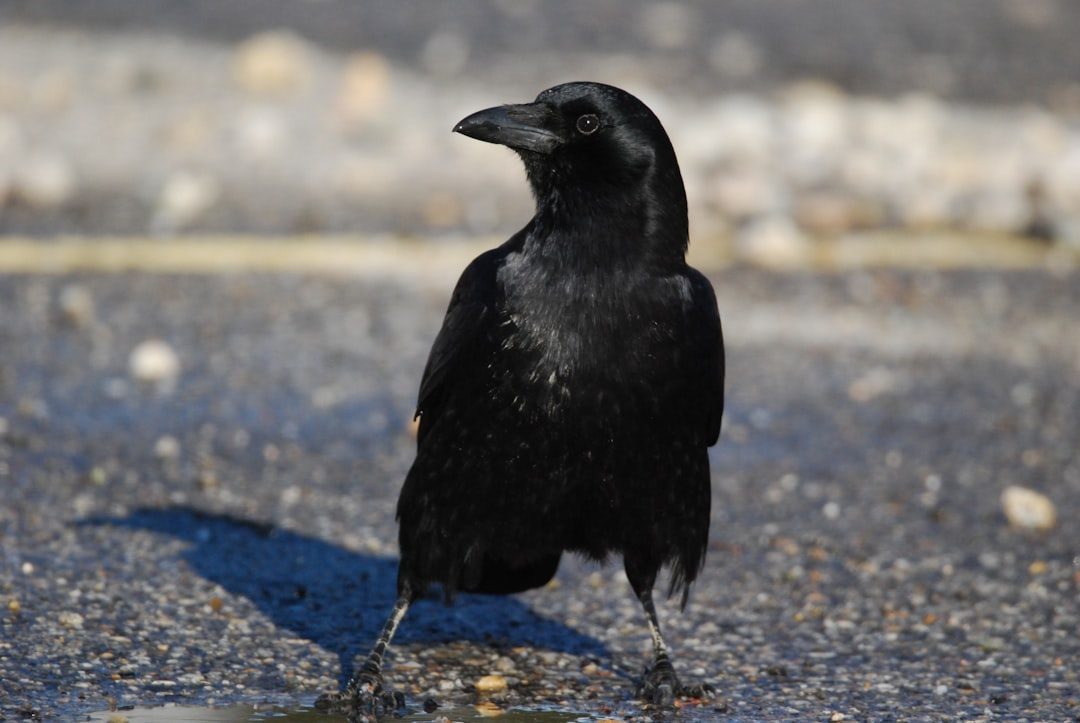
The American crow is widely recognized for its impressive problem-solving skills and remarkable memory. One of the most famous studies from the University of Washington demonstrated that American crows can recognize human faces, remembering individuals who have posed a threat. This facial recognition system is downright spooky when you experience it firsthand.
Studies on American Crows show that they can remember human faces for years and even pass on information about people they don’t trust to younger generations. Think about that for a moment. These birds literally gossip about humans to their children, creating a cultural memory that spans generations. Crows are amazing birds that can solve problems, use tools, and even remember people’s faces. Scientists have found that crows might be as smart as a 7-year-old human child.
Kea Parrot
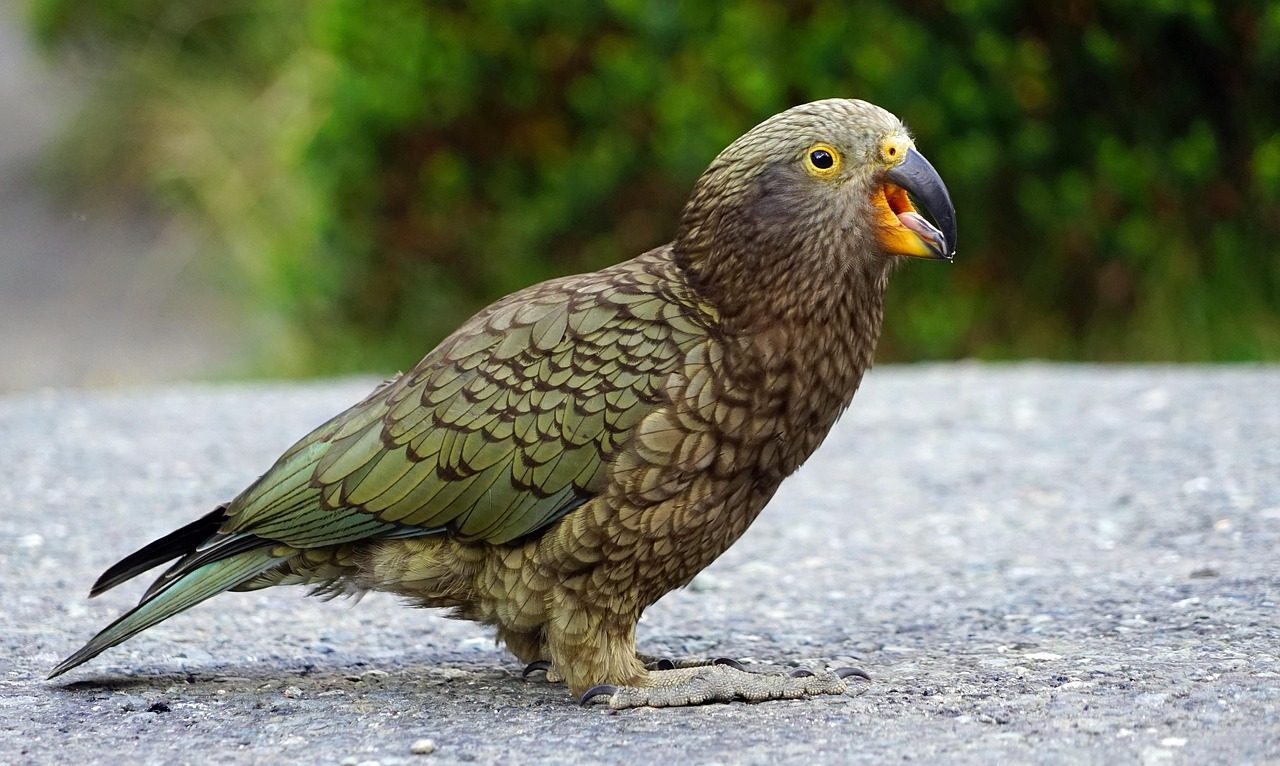
These parrots from New Zealand are known for their curiosity and problem-solving abilities. They can solve logical puzzles and even work together to achieve a goal. The kea’s playfulness shouldn’t fool you into thinking they’re just clowns of the bird world.
In a study comparing their abilities against the New Caledonian Crow (considered one of the world’s smartest birds), Keas showed off their playful, exploratory nature and came out on top by discovering alternative problem-solving solutions roughly three times faster than their corvid competitor. Keas are known for their intelligence, curiosity, and playfulness, often engaging with human-made objects and solving complex puzzles. Their social interactions and ability to use tools reflect a sophisticated level of cognitive processing. Keas have been observed working together to achieve goals, indicating a form of collaborative intelligence.
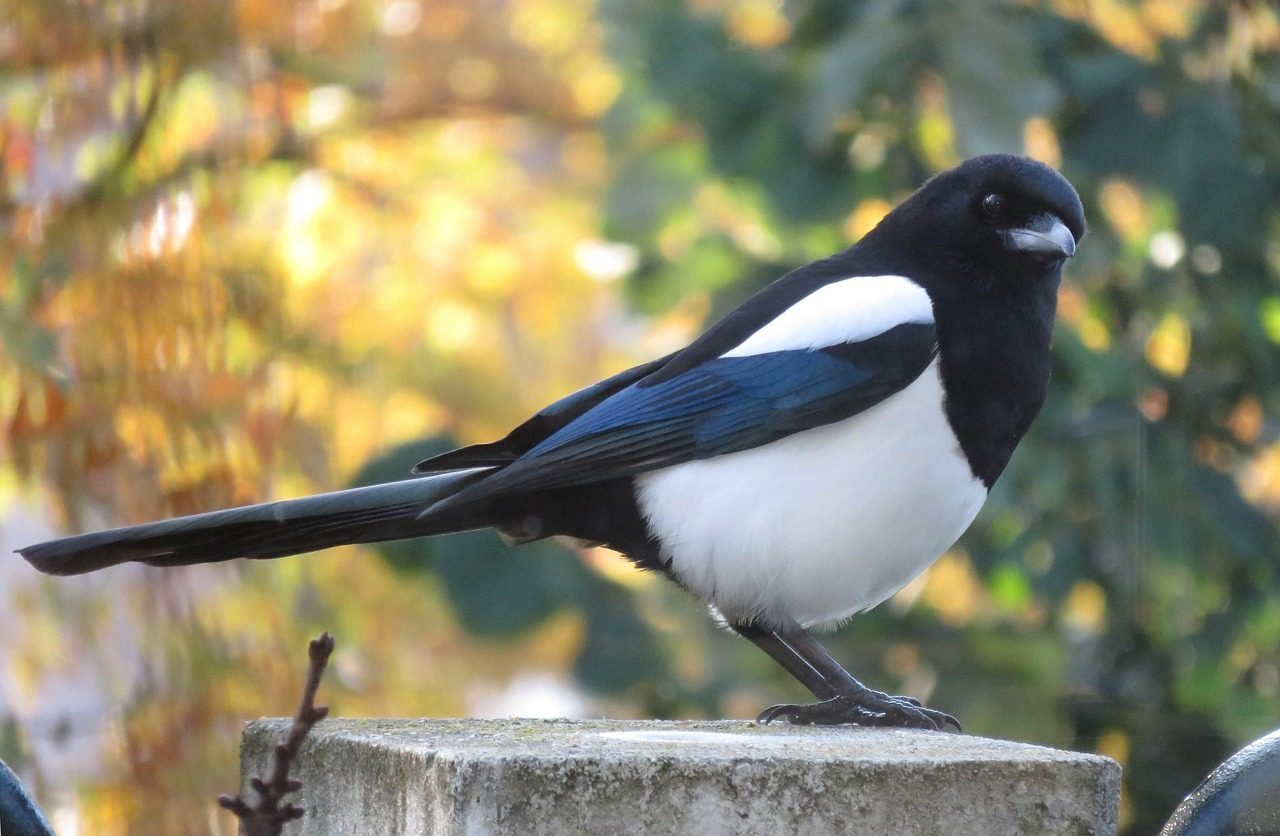
Eurasian Magpie
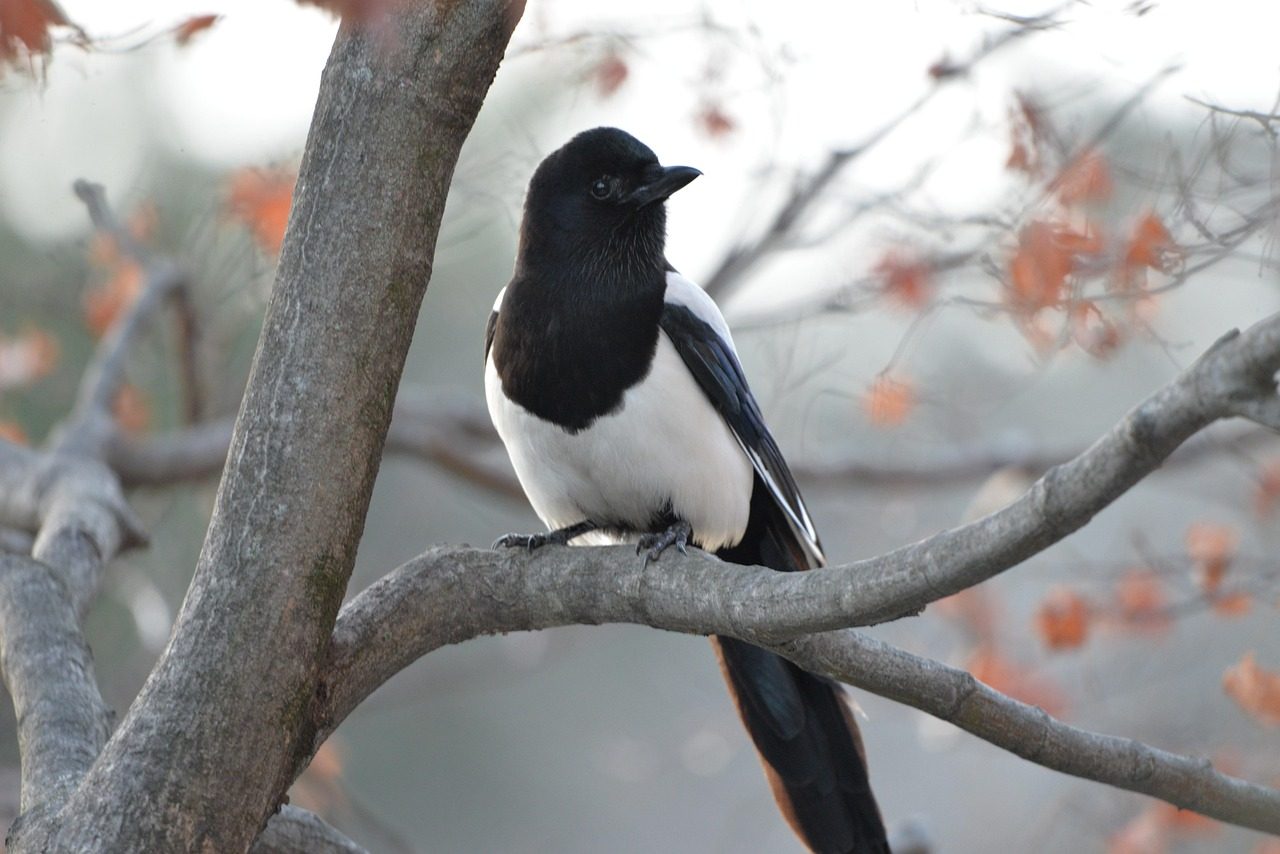
Mirror self-recognition has been demonstrated in European magpies, making them one of only a few animal species to possess this capability. This is huge because it suggests a level of self-awareness that most animals simply don’t have.
When marked and presented with a mirror, they attempt to remove the mark, indicating self-recognition. Prior to this research, self-recognition was thought to be limited to mammals with a neocortex. Birds do not have a neocortex. This finding suggests that self-recognition, a complex cognitive ability, can occur in species with different brain structures than those of mammals. It’s hard to say for sure, but this challenges so much of what neuroscience once considered fundamental about brain structure and consciousness.
Rook
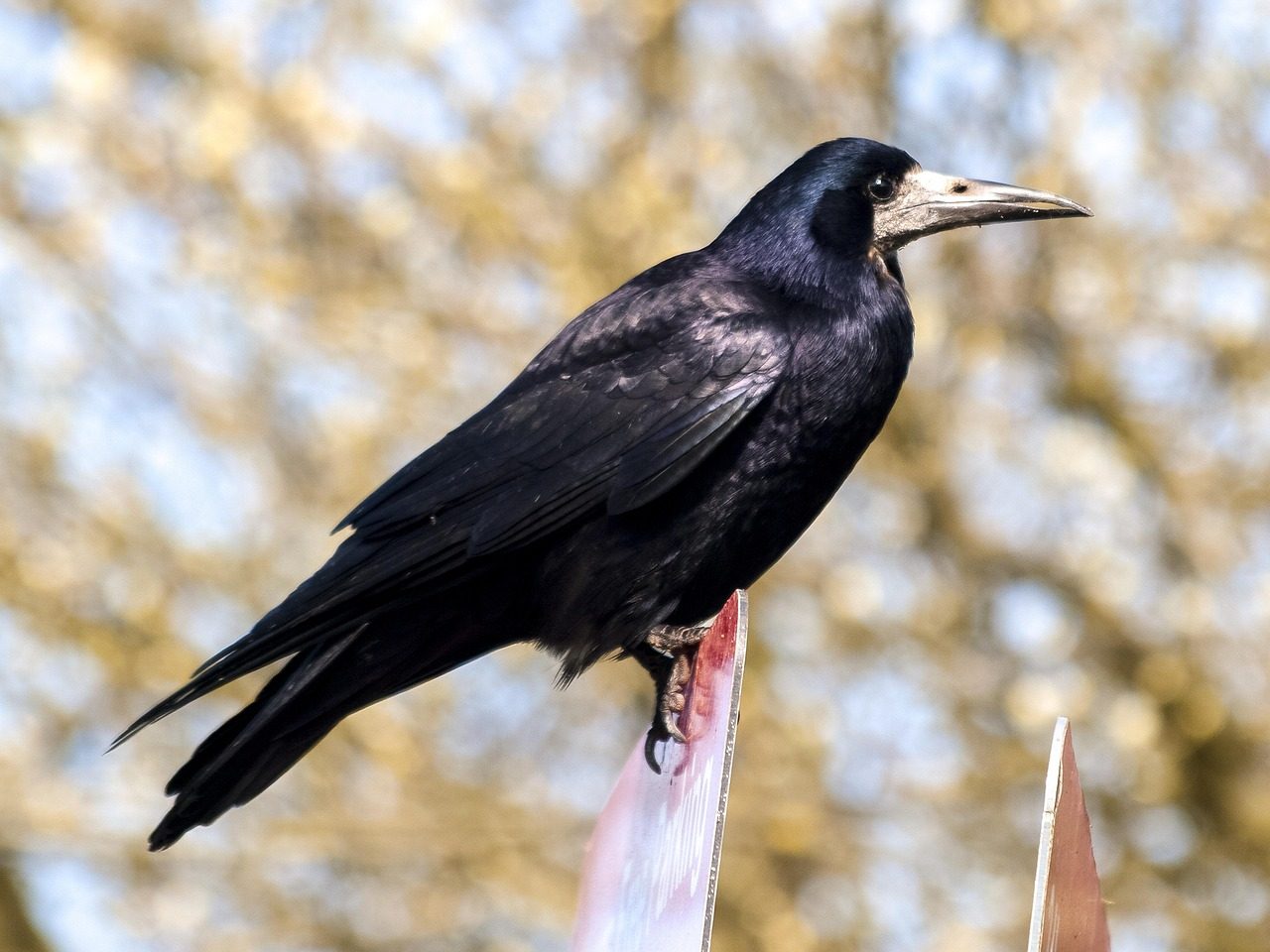
The rook has great problem-solving abilities. The rook is on the most intelligent bird list because of its ability to solve simple problems. Their talent for figuring things out rivals that of their more famous corvid cousins.
One notable experiment done with a rook involves a bottle half-filled with water. A small worm is floating on the surface of the water in the bottle. Of course, the rook sees the worm and wants to eat it. Though it knows to stick its beak into the bottle, the worm is out of reach due to the low water level. A rook will drop stones into the bottle to raise the water level to reach the worm. This echoes Aesop’s fable about the crow and the pitcher, except it’s real and scientifically documented. Nature imitating ancient literature is genuinely mind-blowing.
California Scrub Jay
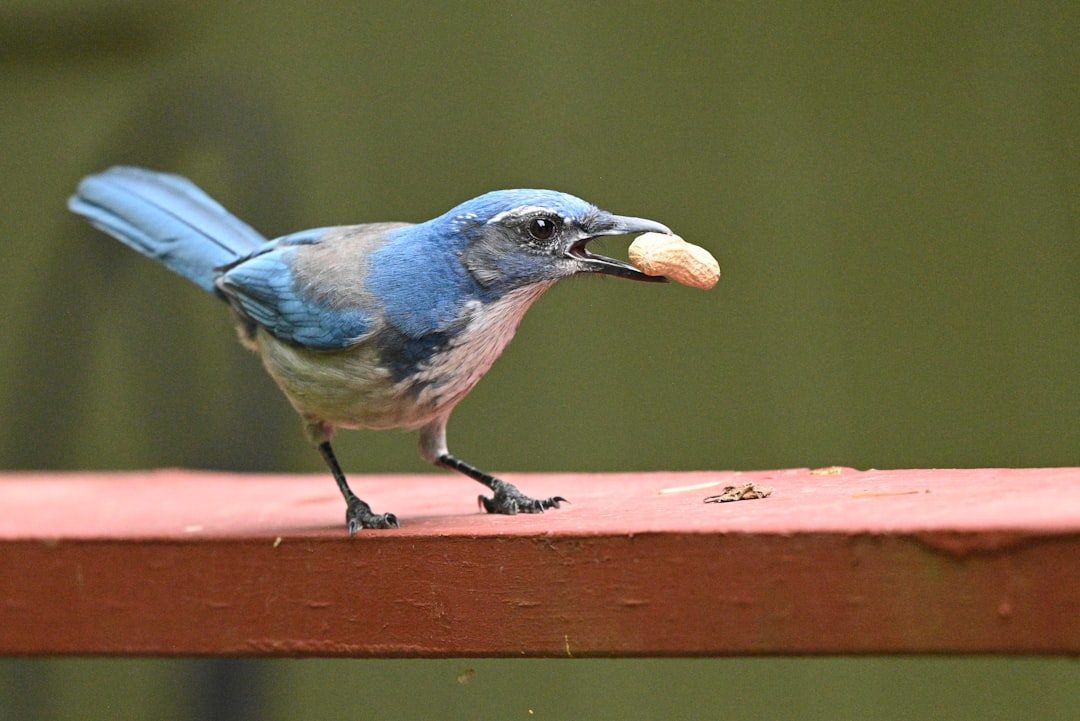
If a jay suspects it has been observed while hiding food, it will often return later to move the cache to a new, secret location. This behavior suggests an understanding of perspective-taking, or the ability to anticipate what other birds might know or do (an advanced cognitive skill linked to theory of mind).
Theory of mind means understanding that others have thoughts and intentions separate from your own. That’s a cognitive milestone human children don’t reach until they’re several years old. Memory plays a crucial role in the lives of intelligent birds, particularly those that cache food. Corvids, such as jays and ravens, are known for their exceptional spatial memory, allowing them to remember the locations of thousands of food caches over extended periods.
Goffin’s Cockatoo
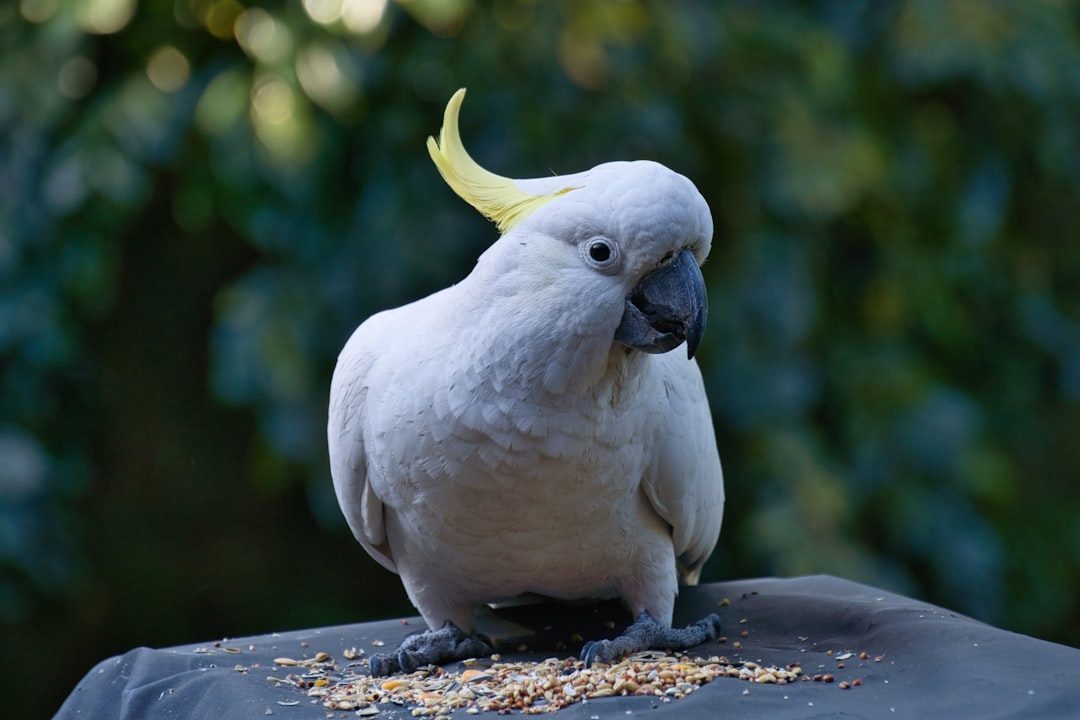
One famous study demonstrated that Goffin’s cockatoos could unlock a series of five locks in sequence to access a reward, showing an understanding of multi-step problem-solving. Their cognitive flexibility is further highlighted by their ability to adapt and innovate when faced with new challenges, a trait more commonly associated with primates.
Experiments have shown cockatoos have the capacity to understand cause-and-effect relationships and to adapt their behavior to achieve desired outcomes. Studies indicate that they also possess cognitive flexibility, meaning they can adjust their strategies and behaviors in response to changing circumstances. This adaptability is a hallmark of intelligence. Their white plumage and dramatic crests might grab your attention first, but it’s their problem-solving brain that really deserves the applause.
Blue Jay
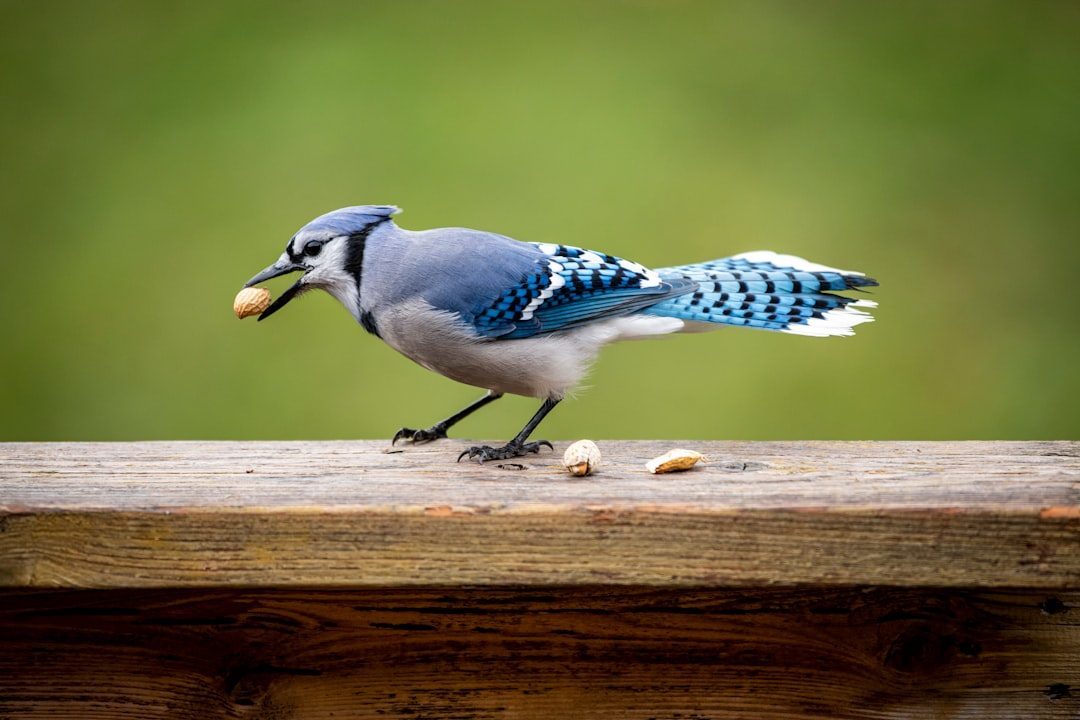
The blue jay can mimic the calls of some hawk species. These calls may inform other jays that a hawk is around, or may be used to deceive other species into believing a hawk is present, demonstrating their advanced cognitive abilities. This deceptive behavior shows strategic thinking and an understanding of how their actions affect others.
Blue jays belong to the corvid family, which means they share genetic ties with crows and ravens. They use vocal mimicry not just for communication, but as a tactical tool for survival. Some researchers believe they intentionally create false alarms to scare other birds away from food sources. That level of cunning requires planning, foresight, and a certain amount of what we might call sneakiness.
Conclusion
The intelligence displayed by these ten bird species forces us to reconsider the boundaries we’ve drawn around consciousness and cognition. The total number of neurons in crows (about 1.5 billion) is about the same as in some monkey species. But because they are more tightly packed, communication between the neurons seems to be better, and the overall intelligence of crows may be closer to that of Great Apes such as the gorilla.
From tool-making crows to self-aware magpies, from problem-solving cockatoos to language-using parrots, these birds demonstrate that intelligence evolved along multiple pathways. Brain size doesn’t tell the whole story. What matters is how efficiently those neurons connect and communicate. Next time you see a crow eyeing you from a telephone wire or hear a parrot’s voice echo through a room, remember you’re in the presence of a genuinely intelligent mind. What surprises you most about bird intelligence?
