

Imagine walking through a rugged desert canyon, the sun beating down on ancient rocks, when suddenly you spot a shadow moving between the boulders. Not a mountain lion. Something bigger, more powerful, with spots that shimmer like liquid gold in the harsh light. Jaguars in the American Southwest might sound like something from a century ago, but here’s the thing: they’re coming back. These magnificent cats, once hunted nearly to extinction in the United States, are quietly reclaiming their ancestral territories, crossing invisible borders that mean everything to humans and nothing to wild predators.
The northernmost jaguar population on the continent now lives in pockets of wilderness stretching from deep into Mexico up into Arizona and New Mexico. We’re talking about terrain so remote that some areas go months without seeing a human footprint. Let’s be real, your chances of actually spotting one of these elusive cats are incredibly slim, but knowing where they roam adds a whole new dimension to exploring the Southwest. So let’s dive into the wild places where jaguars still walk.
The Huachuca Mountains, Arizona
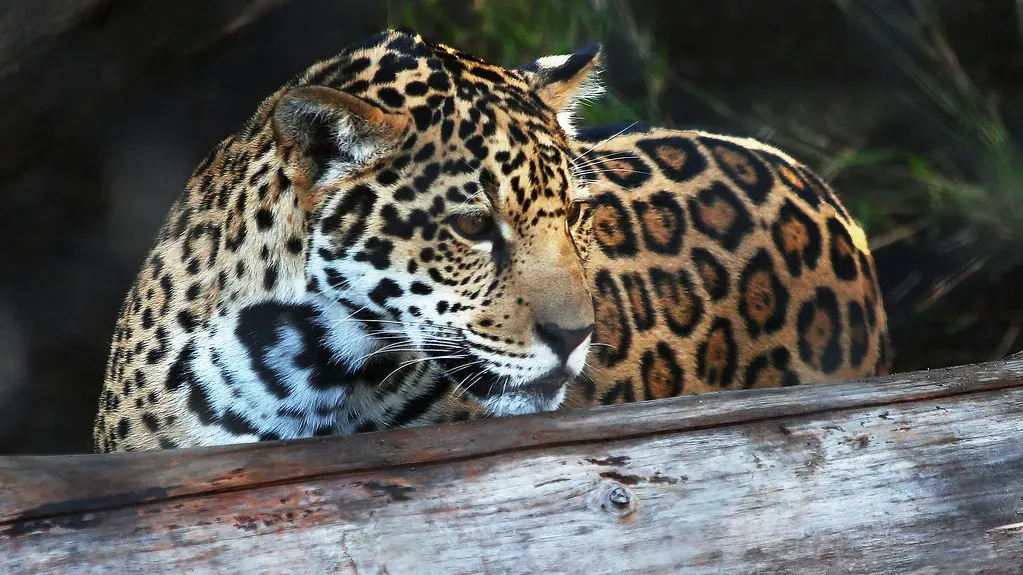
The Huachuca Mountain range in southern Arizona has become one of the most reliable spots for recent jaguar documentation. This rugged terrain near Tucson offers everything a wandering jaguar needs: steep canyons, abundant water sources, and a healthy population of prey animals.
Trail camera footage from this area has captured jaguars roaming through the mountains, confirming what wildlife biologists have long suspected. The mountains create natural corridors connecting habitat patches, allowing these big cats to move between feeding and resting areas without much human interference.
The elevation here varies dramatically, creating diverse microclimates that support everything from desert scrub at lower elevations to pine forests higher up. Deer, javelina, and smaller mammals thrive in these mountains, providing ample food for an apex predator. It’s hard to say for sure, but the Huachucas might be one of the best jaguar habitats north of Mexico.
What makes this range particularly special is its position relative to the border. Jaguars still live in mountainous habitat in southeastern Arizona south of the Interstate 10 freeway. The proximity to Mexican populations means jaguars can move back and forth, following ancient migration routes their ancestors used for thousands of years.
Wildlife researchers have set up extensive camera networks throughout these mountains. Every new photo represents hope that jaguars will continue using this landscape as they expand northward. The Huachucas stand as testament to what’s possible when wilderness remains relatively intact.
The Northern Jaguar Reserve, Sonora, Mexico
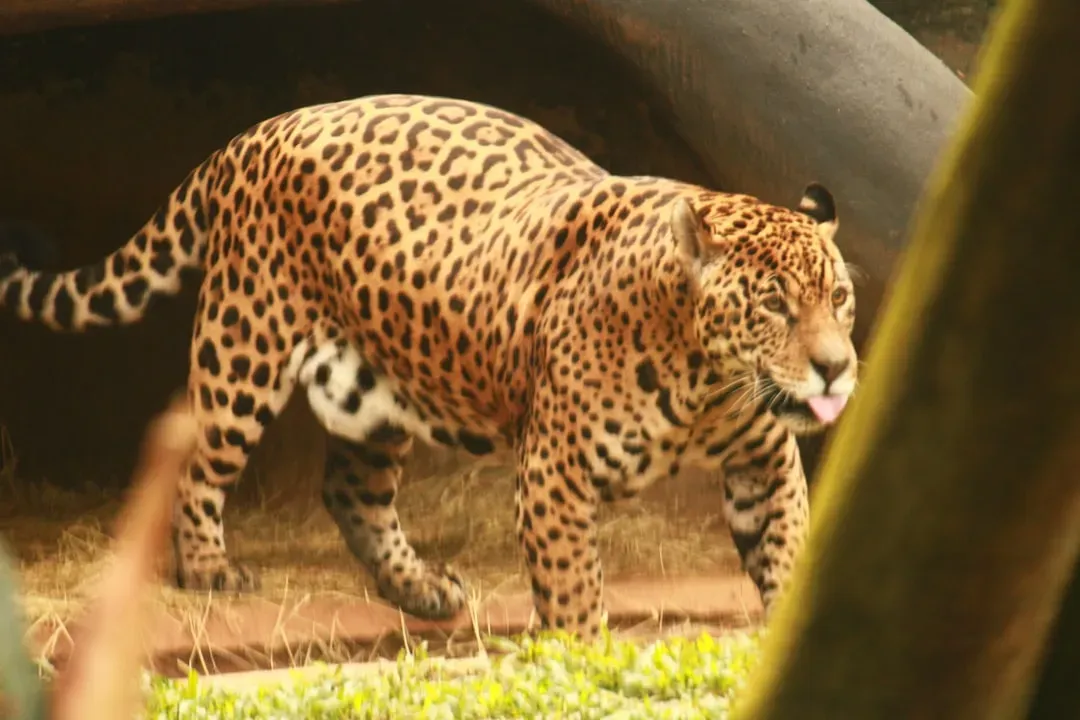
The Northern Jaguar Reserve in Sonora encompasses over 56,000 acres and boasts the highest number of northern jaguar sightings in recent years. This protected area represents the beating heart of jaguar conservation in North America’s most northerly breeding population.
Motion-triggered cameras have photographed more than 80 jaguars on the reserve and nearby ranches. Think about that for a moment: more than 80 individual cats documented in one concentrated area. That’s an incredible success story in a region where jaguars were hunted to near extinction just decades ago.
The landscape here feels otherworldly. Deep canyons cut through volcanic rock, perennial streams lined with oaks and palms support lush vegetation, and mountain peaks rise from the surrounding thornscrub. Jaguars in this region are critically endangered, with an estimated population of 80 to 120 individuals.
Young female jaguars have grown to adults with cubs of their own on the reserve, proving this habitat supports not just wandering males but actual breeding populations. For conservationists, this is the gold standard: a place where jaguars can live, hunt, mate, and raise young in relative safety.
The reserve sits at the northern extreme of jaguar range, making it crucial for any potential recolonization of the United States. Every cub born here represents a possible future Arizona or New Mexico resident.
Pima, Santa Cruz, and Cochise Counties, Arizona
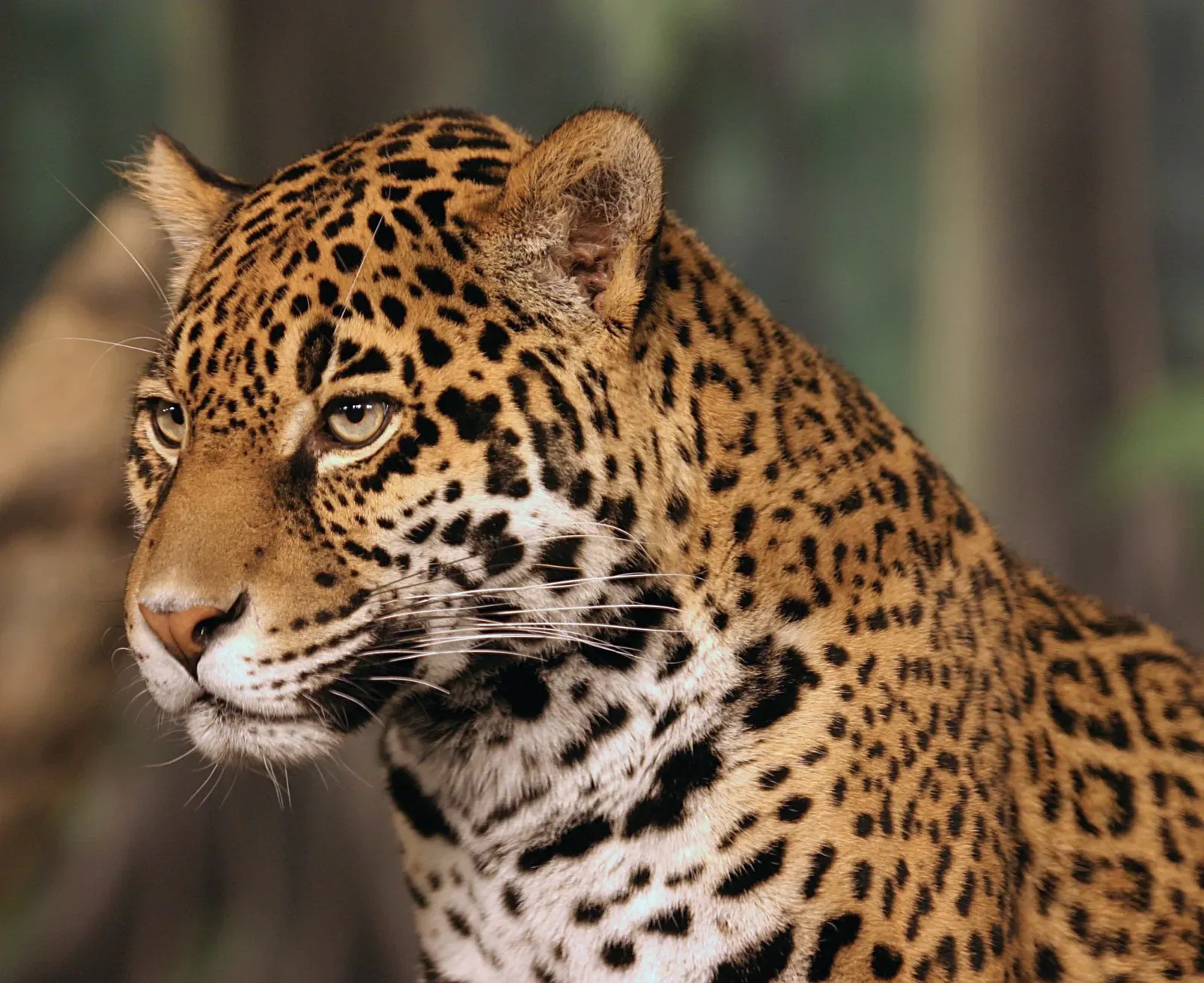
The U.S. Fish and Wildlife Service revised jaguar habitat to about 1,000 square miles in Arizona’s Pima, Santa Cruz and Cochise counties. This officially designated critical habitat represents the government’s recognition that jaguars belong in the American Southwest.
These three counties share a common thread: they all border Mexico, and they all contain the kind of rugged, water-rich terrain jaguars prefer. Five jaguars have been spotted in the area over the last 15 years after crossing the U.S.-Mexico border. That might not sound like many, but considering how close jaguars came to total extirpation from the United States, it’s actually remarkable.
Movement is often tied to the availability of water, and this tri-county area offers numerous springs, streams, and watering holes scattered across otherwise arid landscapes. During drought years, these water sources become magnets for all wildlife, concentrating prey and predators alike.
The terrain varies from desert grasslands to oak woodlands to high-elevation mixed conifer forests. This diversity means jaguars can find suitable habitat regardless of season. Summer heat drives them to higher, cooler elevations. Winter allows them to range more widely across lower elevations.
Remote camera stations scattered throughout these counties continue documenting jaguar presence. Each photo represents not just a single animal, but the possibility of a sustainable population returning to landscapes where they once thrived.
The San Rafael Valley, Arizona
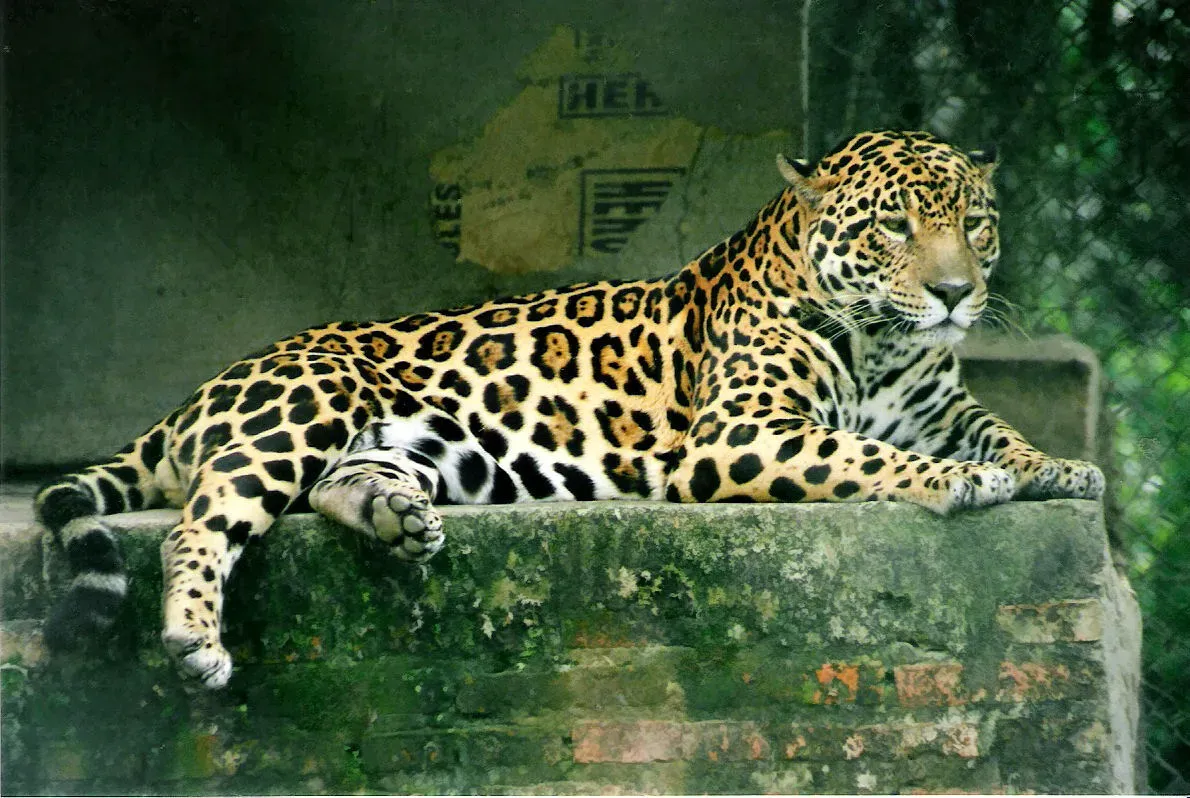
The San Rafael Valley occupies a special place in borderlands ecology, a grassland paradise surrounded by mountains that serves as a natural funnel for wildlife moving between the United States and Mexico. This broad valley offers some of the most pristine habitat remaining in southern Arizona.
The region is considered a biological hotspot because it serves as a migration corridor for dozens of species including the ocelot and northern jaguar. Think of it as a highway for wildlife, connecting populations that would otherwise become isolated and vulnerable to genetic bottlenecks.
Rolling grasslands here support large herds of pronghorn and deer, while the surrounding mountains provide escape terrain and denning sites. Water flows through the valley seasonally, and the Santa Cruz River headwaters originate here, creating ribbons of riparian habitat through otherwise dry country.
The valley’s importance extends beyond its current boundaries. It represents one of the last remaining gaps in border infrastructure, making it crucial for maintaining connectivity between Mexican and American populations. Close the corridor, and you potentially cut off jaguars trying to move north.
Honestly, the San Rafael feels like stepping back in time. Wide open spaces stretch to distant mountain ranges, and on a quiet morning, you can almost imagine what this landscape looked like when jaguars were common. The valley holds that promise, waiting for the day when jaguar sightings become regular rather than remarkable.
Sonoran Thornscrub and Desert Grasslands, Sonora
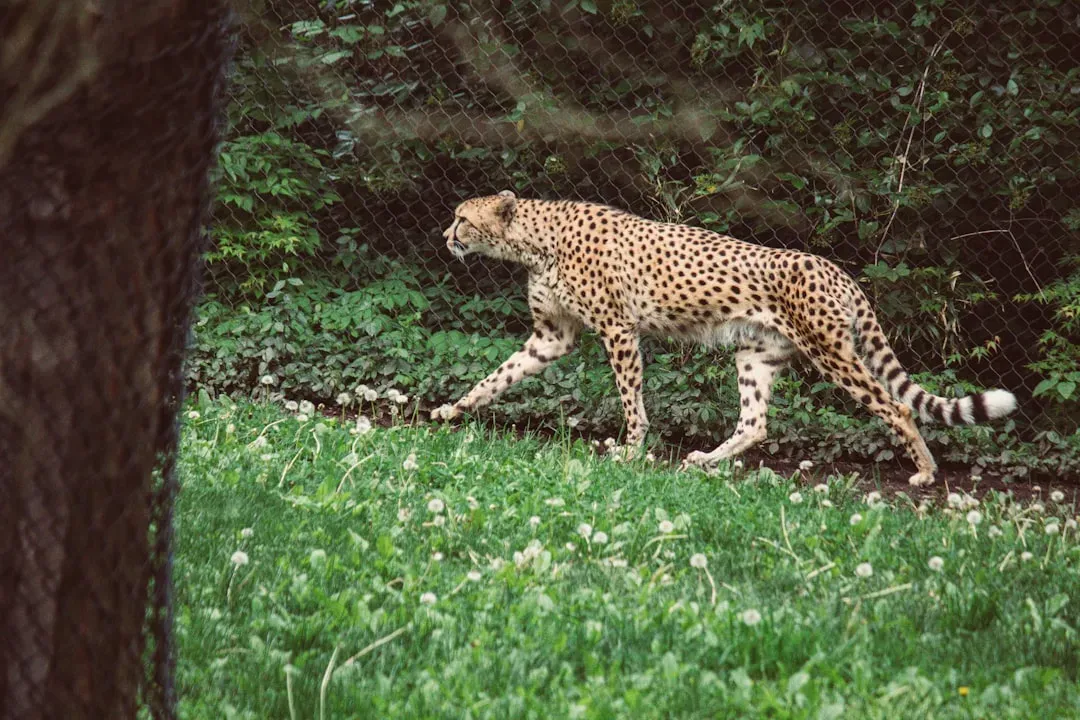
The population of jaguars closest to the USA that includes both males and females currently inhabits the thornscrub of Sonora, Mexico, 80 to 100 km south of the international boundary. This habitat type doesn’t match most people’s image of jaguar country, but these cats are remarkably adaptable.
Jaguar densities in the drier subtropical sites in northwestern Mexico average around 1.05 individuals per 100 square kilometers in Sonora. Those numbers are lower than in tropical forests further south, but they demonstrate that jaguars can thrive in arid environments when prey and water are available.
The thornscrub here consists of drought-adapted trees and shrubs that provide just enough cover for a stalking predator. Desert grasslands intersperse with denser vegetation along drainages and in protected canyons. During monsoon season, the landscape transforms briefly into something approaching tropical.
Prey availability fluctuates with rainfall patterns. Good monsoon years bring abundant vegetation, which supports healthy deer and javelina populations, which in turn support jaguars. Dry years stress the entire system. The high turnover of individuals and large year-to-year fluctuations in population size make the viability of this northernmost breeding population uncertain.
This habitat represents the frontline of jaguar conservation. If populations can remain stable here despite challenging conditions, it bodes well for range expansion northward. The thornscrub teaches us that jaguars need not be tropical specialists; they’re desert survivors too.
The Peloncillo Mountains, Arizona and New Mexico
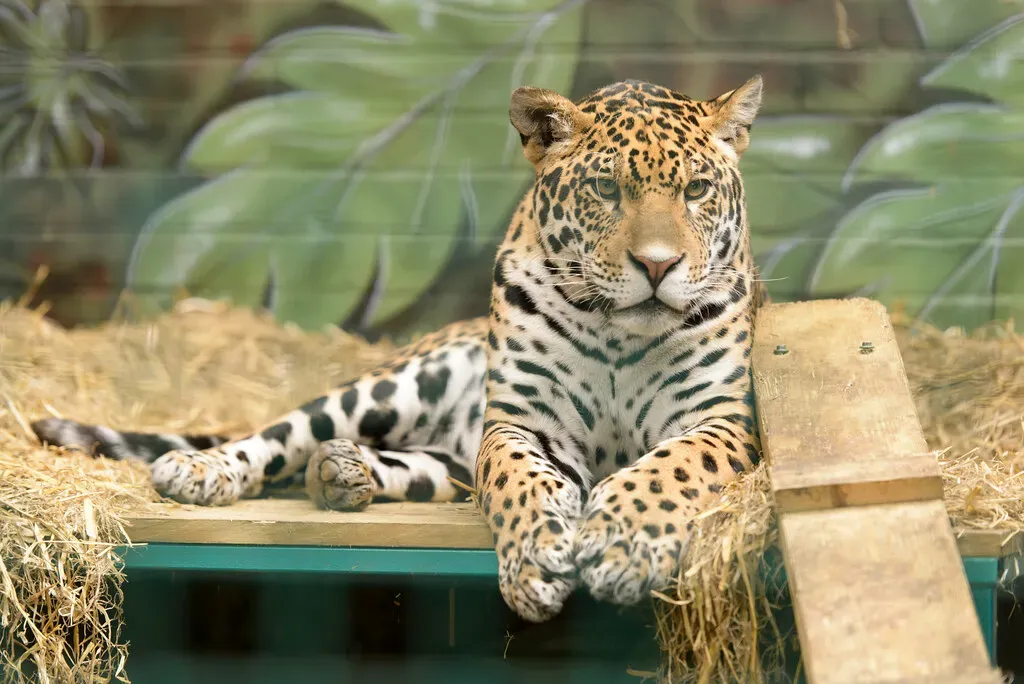
The Peloncillo Mountains straddle the Arizona-New Mexico border, creating a north-south running spine of habitat that jaguars have used historically and continue using today. In 1996, an outdoor guide and a hunter photographed a male jaguar in the Peloncillo Mountains in southeastern Arizona, marking the modern rediscovery of jaguars in the United States.
This mountain range epitomizes what biologists call “sky island” habitat: forested mountains rising from desert valleys, each peak an ecological island surrounded by a sea of low-elevation scrub and grassland. Animals moving through sky islands face a unique challenge: they must cross inhospitable low country to move between hospitable high country.
The Peloncillos offer everything from juniper-dotted foothills to ponderosa pine forests at higher elevations. Springs and seasonal streams provide water, while rocky terrain offers countless hiding spots and ambush points for a patient predator. White-tailed deer are common, and javelina root through the lower elevations.
What’s remarkable about this range is its position as a natural corridor. Animals moving north from Mexico’s Sierra Madre can follow connected habitat through the Peloncillos deep into New Mexico. For jaguars attempting to recolonize historic range, these mountains represent a pathway to the interior.
Standing on a Peloncillo ridgeline, you can see how the landscape forms natural travel routes. Drainages funnel movement, saddles offer passage between valleys, and the continuous nature of the habitat allows animals to move without ever leaving cover. It’s exactly the kind of connectivity jaguars need.
The Mogollon Rim and Central Arizona Mountains
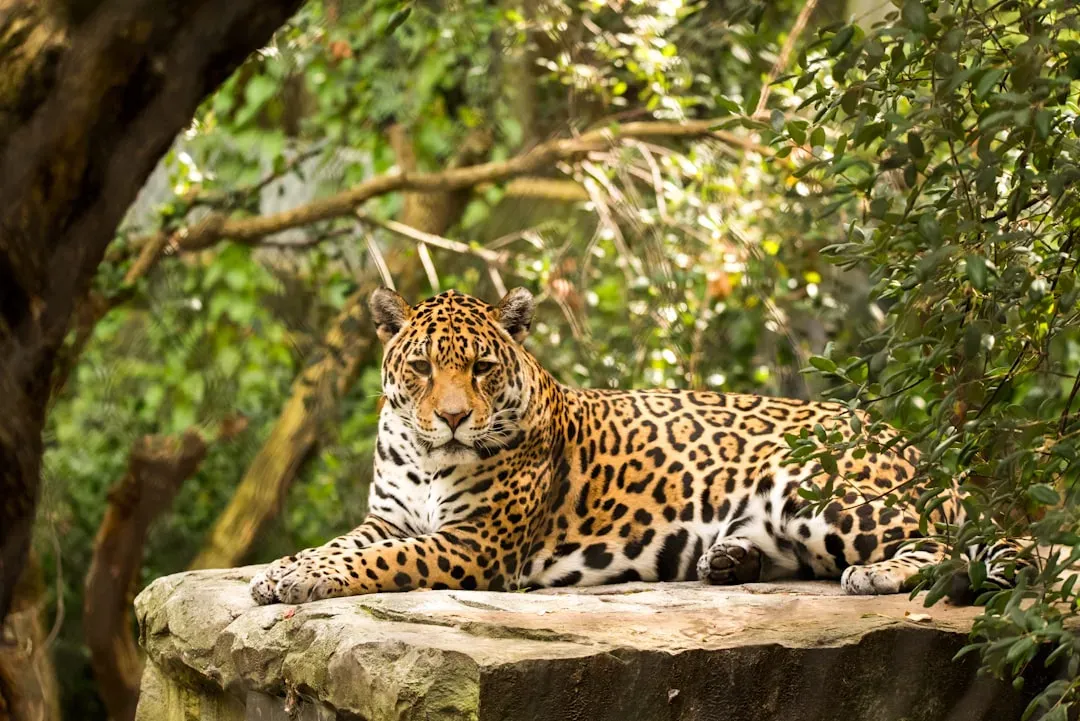
The Central Arizona/New Mexico Recovery Area or CANRA could eventually support up to 150 jaguars. This rugged landscape stretching as far north as the Grand Canyon contains vast expanses of evergreen, deciduous and mixed forests, and an abundance of whitetail deer.
Here’s where things get really interesting. Most people think of jaguars as tropical rainforest animals, but one-quarter of the more than 60 jaguars documented in the U.S. since 1900 lived in coniferous forest of at least 9,000 feet elevation. High-elevation habitat, cold winters, snowfall: jaguars handled all of it historically.
The Mogollon Rim forms a dramatic escarpment cutting across Arizona, separating the low desert from high country. Above the rim, ponderosa pine forests stretch for miles, interspersed with meadows, aspen groves, and thick stands of fir at the highest elevations. It’s bear and elk country, and it used to be jaguar country too.
The last jaguar killed in central Arizona was killed in 1964 by a US government hunter north of the Interstate-10 highway. That historical presence demonstrates these mountains once supported jaguars year-round. Food was plentiful, water abundant, and the sheer vastness of the forested landscape provided security.
The vision of jaguars returning to the Mogollon country might sound crazy, but the habitat is there. The prey base is there. What’s missing is connectivity allowing jaguars to reach these northern mountains. If corridors remain open, though, we might someday see el tigre prowling under ponderosa pines once again.
Rio Sonora and Rio Yaqui Drainages, Sonora
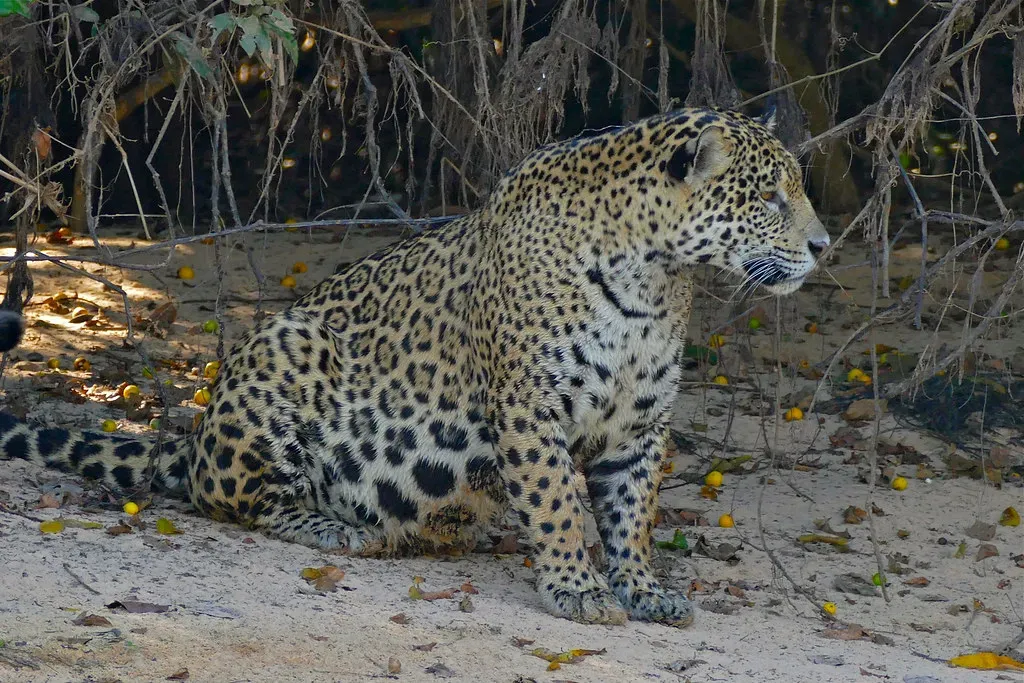
The principal rivers of Sonora including the Rios Bavispe-Yaqui, Mayo, and Sonora drain the Sierra Madre Occidental and provide dispersal corridors that jaguars use to move across the landscape. These riparian ribbons represent lifelines in an otherwise arid region.
Rivers in the desert Southwest create oases that concentrate biodiversity. Trees grow tall along perennial streams, providing shade and cover. Dense vegetation offers concealment for stalking predators. Prey animals must visit these water sources regularly, creating predictable hunting opportunities.
The Rio Sonora flows from high mountain headwaters down through desert valleys toward the coast. Jaguars following the river can move between vastly different habitat types while maintaining access to water and cover. During dry seasons when surrounding country becomes inhospitable, these drainages remain productive.
The Northern Jaguar Reserve includes frontage along northern Mexico’s longest undammed river, the Río Aros, attracting a wide range of species. The ecological importance of free-flowing rivers cannot be overstated: they allow natural processes to function, supporting entire ecosystems that depend on seasonal flooding and silt deposition.
Jaguars are strong swimmers, comfortable in water in ways most big cats are not. They hunt along riverbanks, sometimes taking prey directly from the water. River corridors offer connectivity that allows them to move long distances while avoiding the most extreme desert conditions.
Madrean Sky Islands, Arizona and Sonora
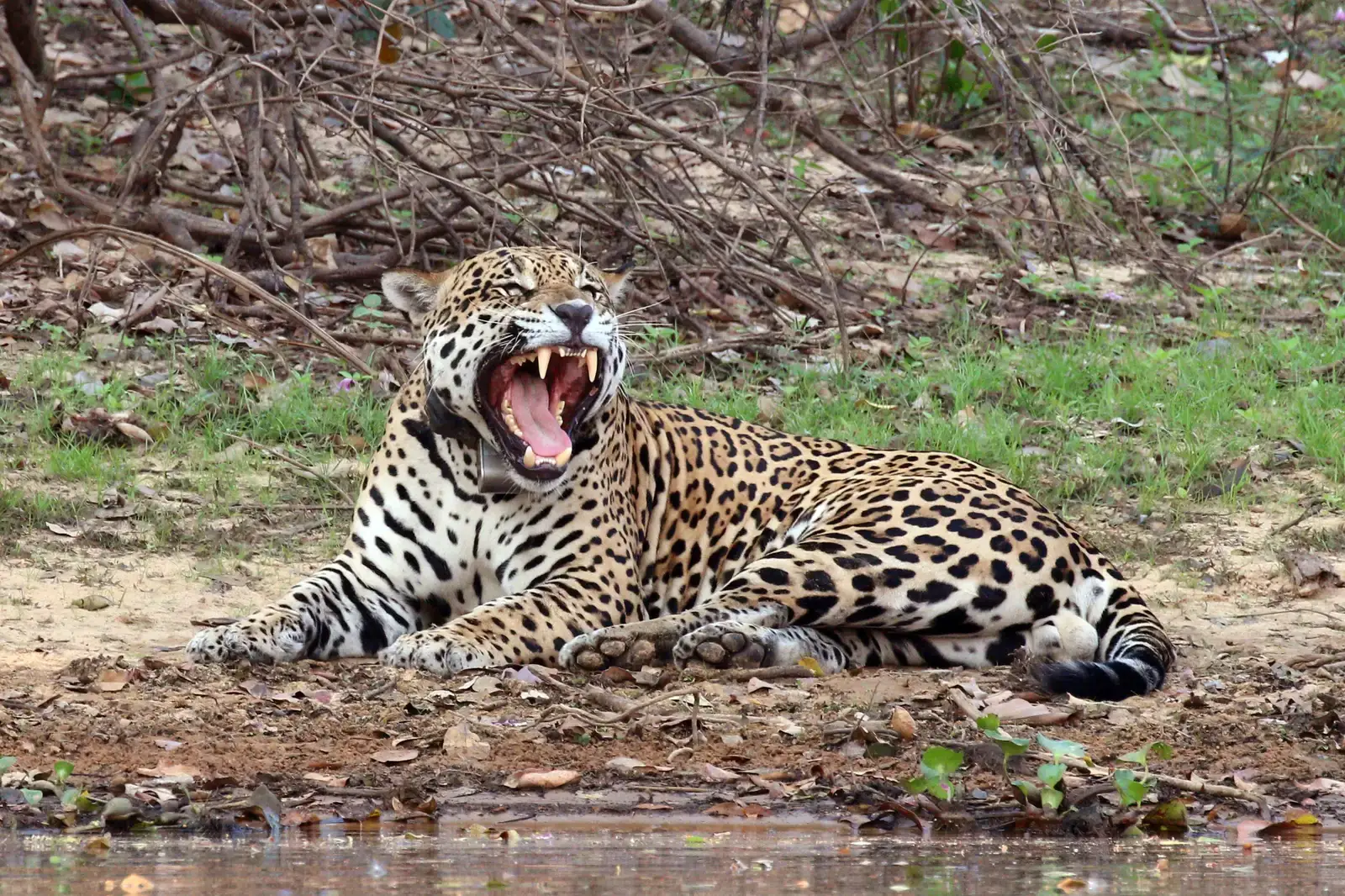
The Madrean Sky Islands are 55 mountains covered with pine and oak trees at the highest elevations, separated by desert and grassland topographies. A sky island often covers six different biomes, from low elevation scrubland to oak, and then high elevation fir forests.
This unique landscape creates incredible biodiversity by packing multiple climate zones into relatively small geographic areas. Species typically separated by hundreds of miles of latitude exist within a few miles of elevation change. For jaguars, this means diverse prey communities and year-round access to suitable conditions.
The sky islands exist across southern Arizona, southwestern New Mexico, and the Sonora and Chihuahuan Deserts in Mexico, and are important habitat and corridors for jaguars and other endangered species. The scattered nature of these mountains creates challenges for wildlife conservation but also opportunities.
Each mountain range supports slightly different ecological communities. Some host robust deer populations, others more javelina and smaller prey. Jaguars can move between ranges following prey availability and seasonal patterns. A rough year in one range might coincide with abundance in another, providing population stability through spatial diversity.
The sky island region represents ground zero for jaguar conservation north of Mexico. More jaguar photos come from these mountains than anywhere else in the United States. The combination of proximity to Mexican populations and high-quality habitat creates conditions where jaguars can persist, even thrive.
Cajon Bonito and Border Wilderness, Sonora
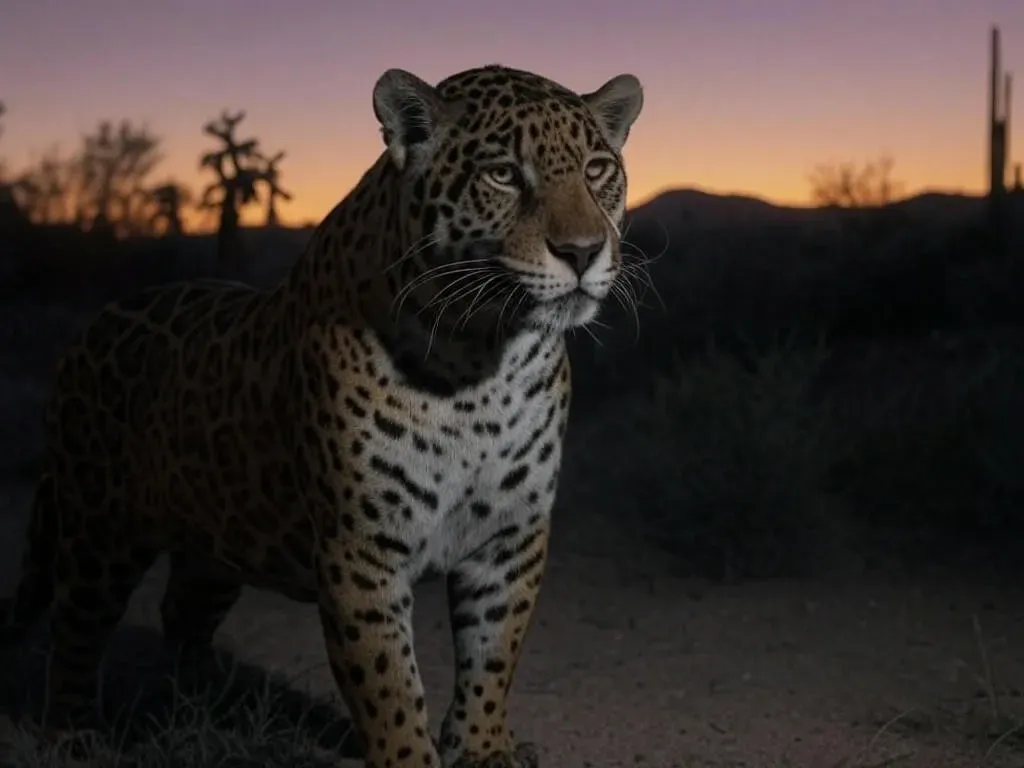
The Cajon Bonito stream, which flows from the west slope of the San Luis mountain range, supports jaguars and other large animals including black bears, American beavers and ocelots. El Bonito, a jaguar that lives in the borderlands, uses the Cajon Bonito area in northeast Sonora.
This remote wilderness exemplifies what border conservation can achieve. For two decades lands surrounding the stream have been under a restoration program, and are now part of a voluntary protected area program under Mexico’s Natural Protected Areas system.
The Cajon Bonito area remains largely undeveloped, preserving natural processes that sustain wildlife populations. Water flows year-round in most years, creating a ribbon of lush vegetation through dry country. Rocky canyons provide denning sites and escape terrain. The surrounding uplands offer hunting grounds.
Named jaguars like El Bonito become ambassadors for their species. When researchers can document an individual cat using an area repeatedly, it demonstrates that habitat quality is sufficient to support long-term residence rather than just brief visits. El Bonito’s continued presence proves Cajon Bonito provides what jaguars need.
The Janos Biosphere Reserve includes habitat for jaguars, and a combination of ranches dedicated to conservation and natural protected areas provides the habitat connectivity that jaguars need to move between Mexico and the U.S. This patchwork of protected lands represents the future of wildlife conservation: connecting landscapes across jurisdictions and ownership types.
Conclusion
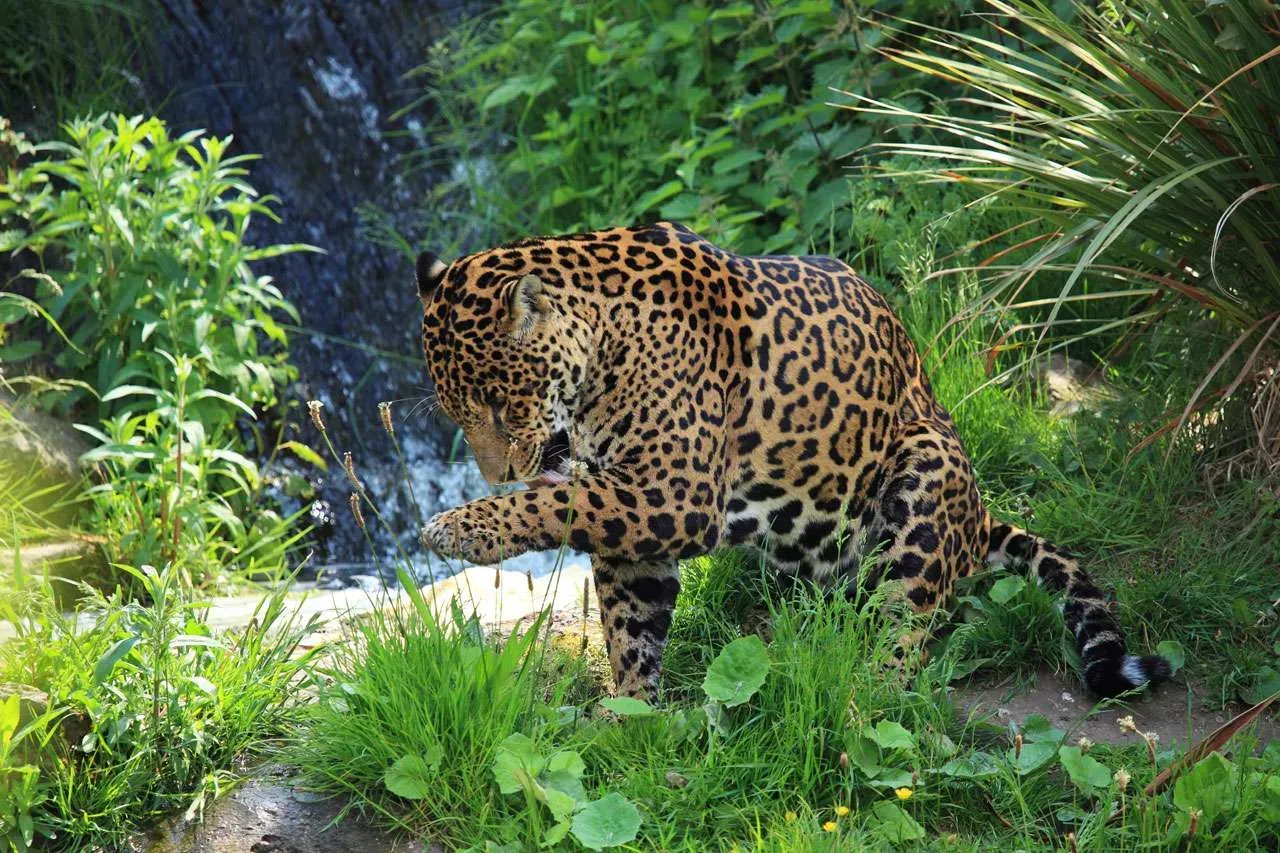
The species is recovering, representing this edge population of jaguars that continues to come to these areas because they’re finding what they need. That simple statement carries enormous implications for the future of jaguars in North America.
These ten locations represent more than just spots on a map where you might glimpse a jaguar. They’re proof that with sufficient habitat, prey, water, and connectivity, these magnificent cats can reclaim their ancestral range. We still have a chance to get it right and keep these corridors open.
The Southwest’s jaguar story is far from finished. Every new photo, every confirmed sighting, every cub born in the Northern Jaguar Reserve adds another chapter. These places remind us that wilderness still exists, that apex predators still roam, and that conservation efforts can succeed against long odds.
Will you ever see a jaguar in the wild? Honestly, probably not. They’re incredibly elusive, and there simply aren’t many of them north of Mexico yet. What do you think: should we be doing more to help jaguars return to the United States, or do the challenges outweigh the benefits?

- 10 Cat Breeds That Form the Strongest Bonds With One Person - July 19, 2026
- 7 Heartwarming Ways Cats Quietly Say "I Love You" - July 19, 2026
- 10 Emotional Things Cats Remember About Their Favorite Humans - July 19, 2026