
There’s nothing quite like planning a perfect evening outdoors, only to have it hijacked by a swarm of mosquitoes before you’ve even sat down. We’ve all been there. The frantic swatting, the itchy welts the next morning, the slow creep of regret for not staying indoors. It’s miserable.
Here’s what most people don’t know though: nature already has an answer, and it’s been sitting right there in garden centers all along. Certain plants produce powerful essential oils and compounds that insects genuinely cannot stand, turning your backyard into something closer to a no-fly zone than a bug buffet. Most insect-repelling plants do so with their natural fragrances, which keep annoying mosquitoes away and introduce wonderful scents throughout your garden.
The best part? These plants don’t just work hard. They look incredible doing it. Let’s dive in.
1. Lavender: The Fragrant Force Field
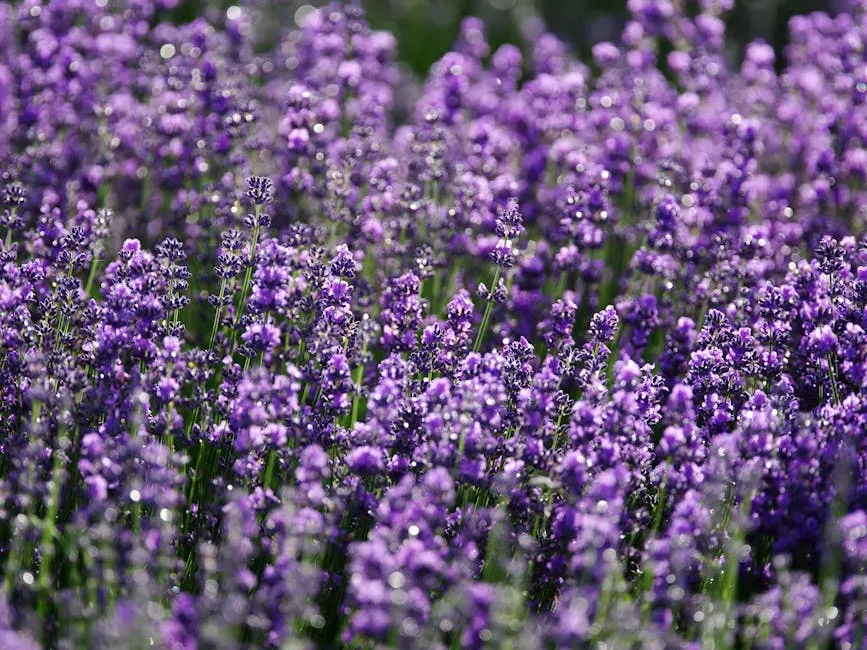
Lavender has this beautiful contradiction going on. Calming and lovely to us, and absolutely insufferable to insects. Lavender is an herbaceous perennial with tall purple flowers that range from light to dark, and it produces a fragrance that is calming to humans and unpleasant to pests like mosquitoes, flies, fleas, and moths.
The science behind this is genuinely impressive. A 2009 study highlighted lavender oil’s impressive repellent rate against mosquitoes, both indoors and outdoors, underscoring its potential as one of the most effective natural mosquito repellants. Think about that for a second. Something this beautiful actually works.
Varieties with higher camphor properties are the most effective insect repellents, including ‘Provence’ and ‘Grosso’ lavender. On a sunny day, lavender releases its aromatic oils naturally. Plant it near seating areas and let it do its thing. Honestly, it’s one of the easiest wins in gardening.
2. Citronella Grass: The Original Bug Buster
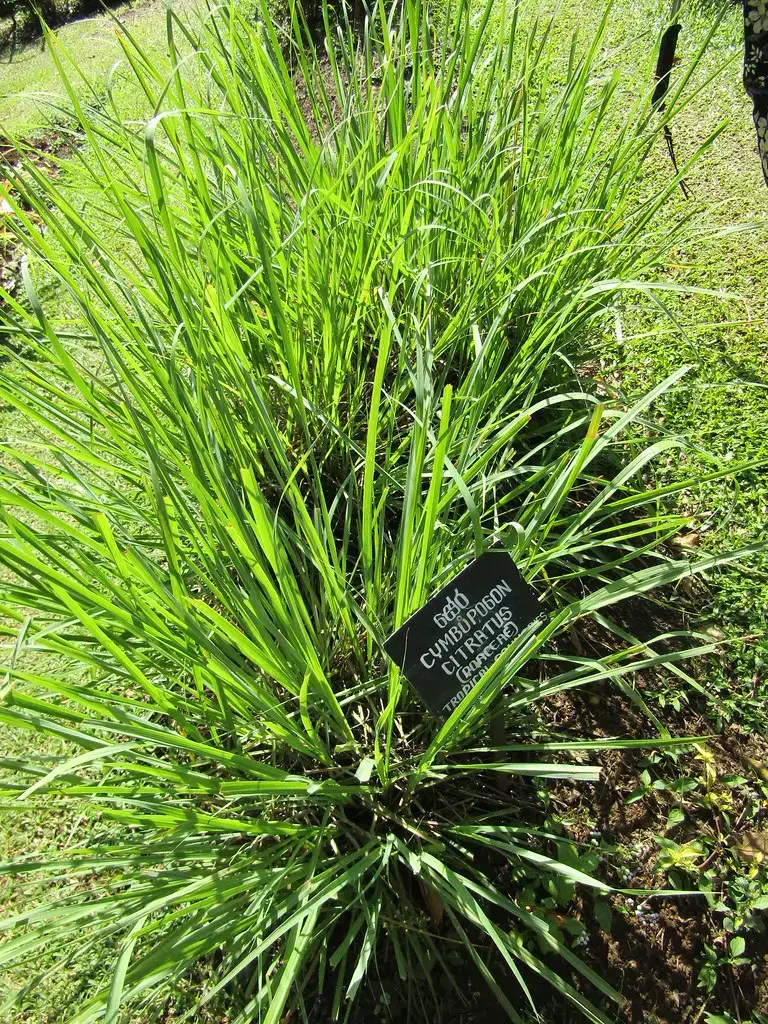
Citronella is perhaps the most well-known mosquito-repelling plant. This grass, often called the “mosquito plant,” contains oils that keep mosquitoes away. It’s the reason your grandma always had those yellow candles burning on the porch during summer cookouts.
But here’s the thing: the living plant is far more powerful than the candle. Citronella plants’ scent interferes with mosquitoes’ olfactory receptors, masking the scent of lactic acid and carbon dioxide that attracts them to humans, causing them to move on from the area. That’s basically insect-level sensory overload.
When you purchase citronella, look for true varieties such as Cybopogon nardus or Citronella winterianus, which offer the most potent repelling qualities. Citronella thrives in full sun and well-drained soil. You can plant it directly in the ground or in large planters, making it versatile for many outdoor spaces.
3. Catnip: Surprisingly More Powerful Than DEET
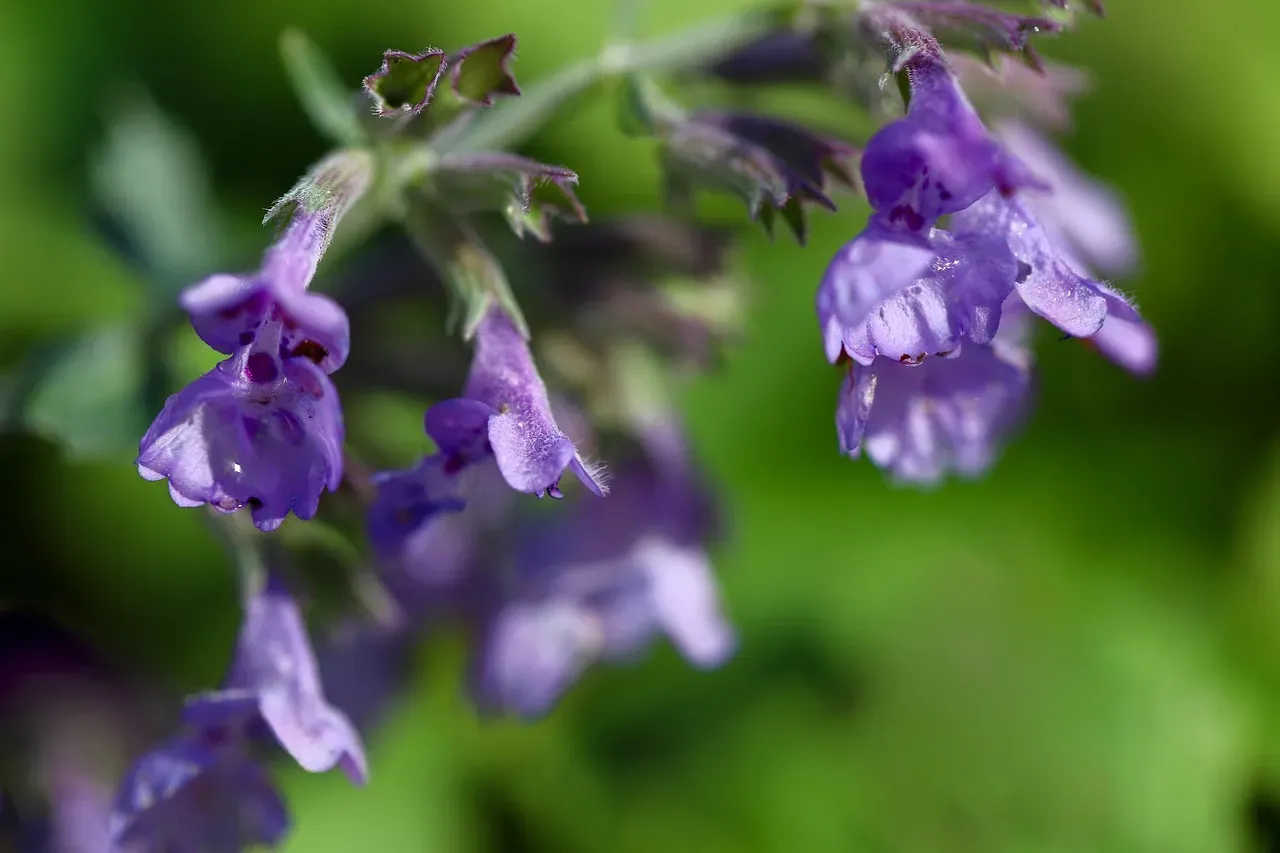
I know it sounds crazy, but catnip might be the most underrated weapon on this entire list. People walk right past it at the nursery without a second glance, yet the research is genuinely startling. Catnip contains nepetalactone, a compound shown in studies to be even more effective than DEET at repelling mosquitoes.
It’s been known that catnip repels insects for millennia, but only recently did researchers discover why. Catnip triggers a chemical receptor that makes insects feel sensations like pain or itch, which makes mosquitoes flee the area. Essentially, it’s like tear gas for bugs. Wild, right?
Catnip is very easy to take care of and may even start to invade other areas of your garden. However, if you are willing to forgo this plant’s insidious nature, it makes for an amazing mosquito repellant. Just keep it contained in a pot, especially if you have neighborhood cats who might treat your garden like their personal spa.
4. Marigolds: The Cheerful Garden Guardian
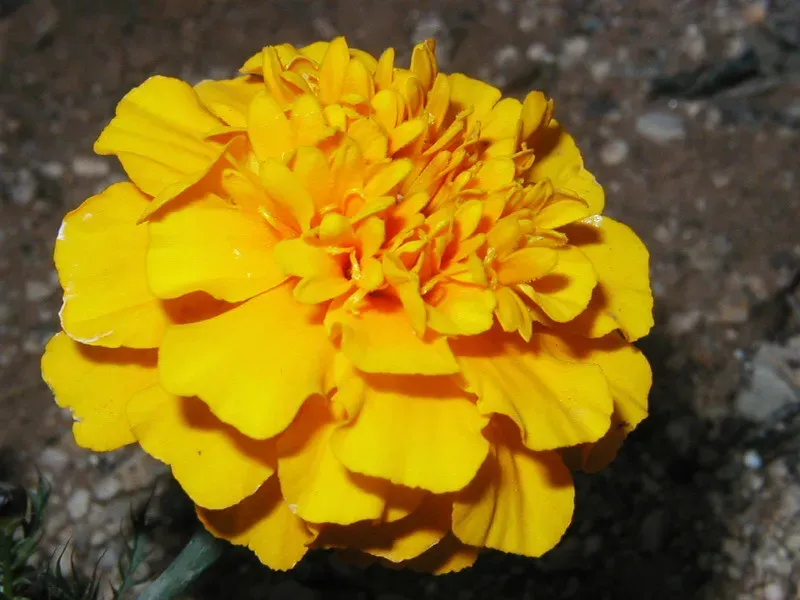
Marigolds are the workhorses of the pest-repelling plant world, and they bring a riot of color along with them. Marigolds pack a punch to many insects, including mosquitoes, thanks to the chemical insecticides they release. That’s why marigolds have such a strong odor when you touch them. Both flowers and leaves release the chemicals, but blossoms deliver the strongest dose.
Their talent doesn’t stop at mosquitoes either. According to the New York Botanical Garden, not only can they keep away mosquitoes, but they also dissuade aphids, thrips, whiteflies, Mexican bean beetles, squash bugs, and tomato hornworms. That’s basically an entire army of garden villains dispatched by one cheerful little flower.
To maximize marigolds’ mosquito-repelling properties, consider planting them in pots near high-traffic areas such as patios, entrances, or even within your vegetable garden. This strategic placement ensures that their scent acts as a natural barrier against mosquitoes while adding a splash of color to your outdoor space.
5. Rosemary: From Kitchen Herb to Insect Nightmare
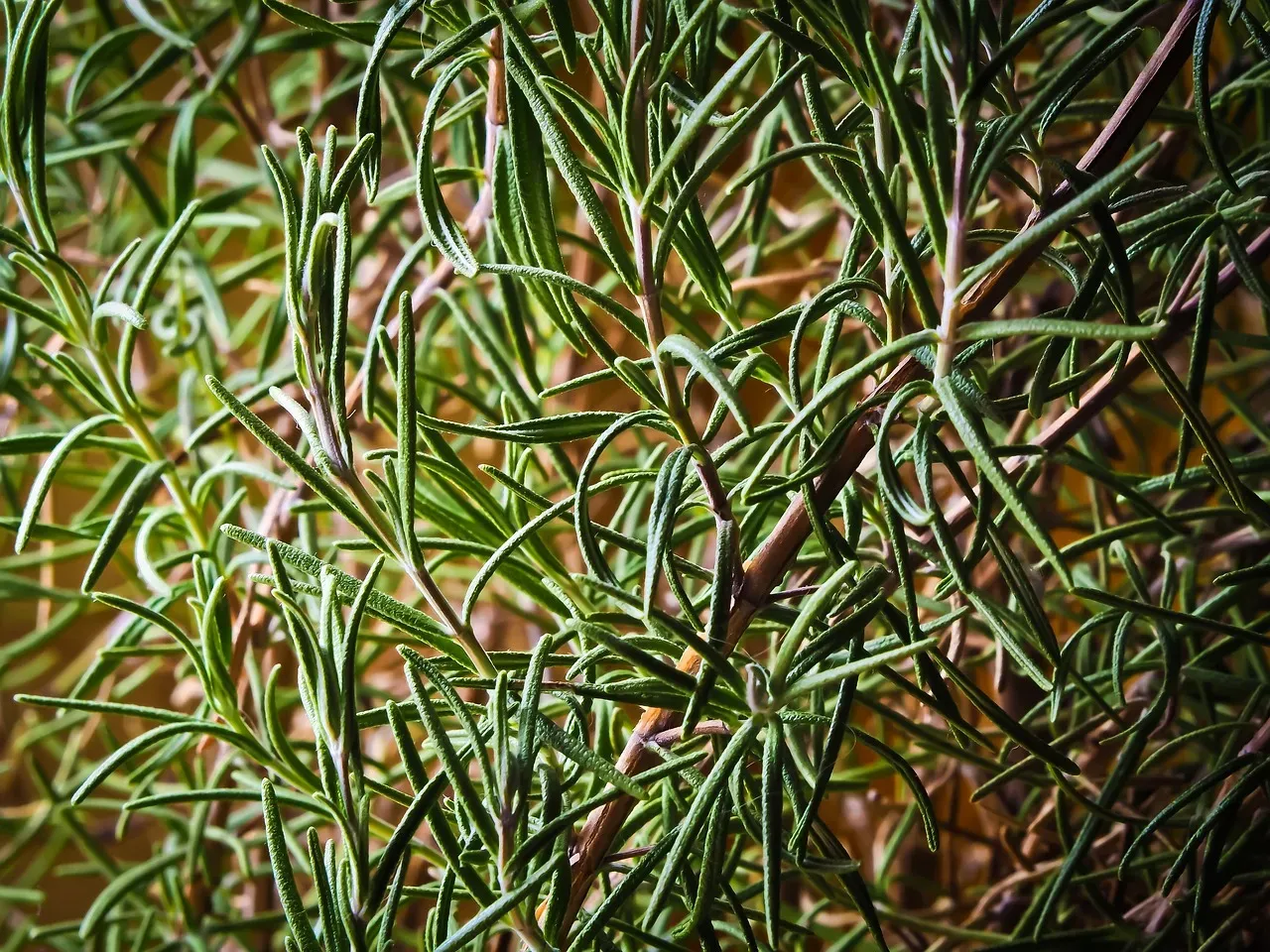
Rosemary is one of those plants that pulls double or triple duty without breaking a sweat. You season your roast chicken with it, your garden looks structured and lovely because of it, and mosquitoes want absolutely nothing to do with it. Rosemary does it all: adds pretty purple flowers to your garden, is a versatile herb in the kitchen, and is among the best plants to repel mosquitoes with its potent fragrance. Other insects, such as flies and spiders, are also repelled by rosemary.
Rosemary’s woody scent is exactly what keeps mosquitoes as well as cabbage moths and carrot flies away. Think of it as a scented perimeter fence around your vegetable patch.
Sage and rosemary, when dried and burned, release oils into smoke that mosquitoes find repellent. They’re particularly good options for outdoor gatherings. Toss a sprig on the fire at your next garden party and enjoy the bonus of zero mosquitoes crashing the event.
6. Mint: The Powerfully Invasive Pest Fighter
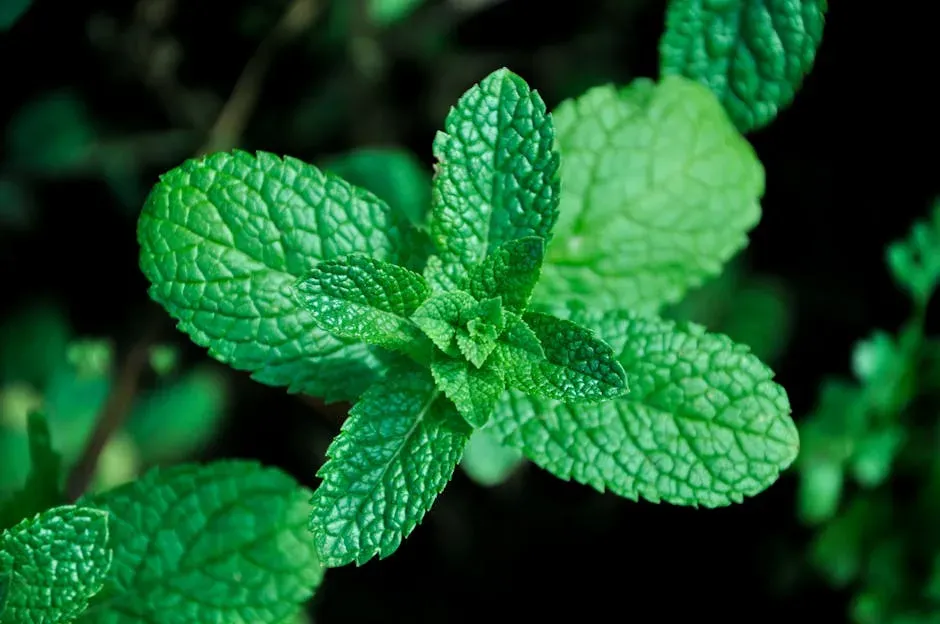
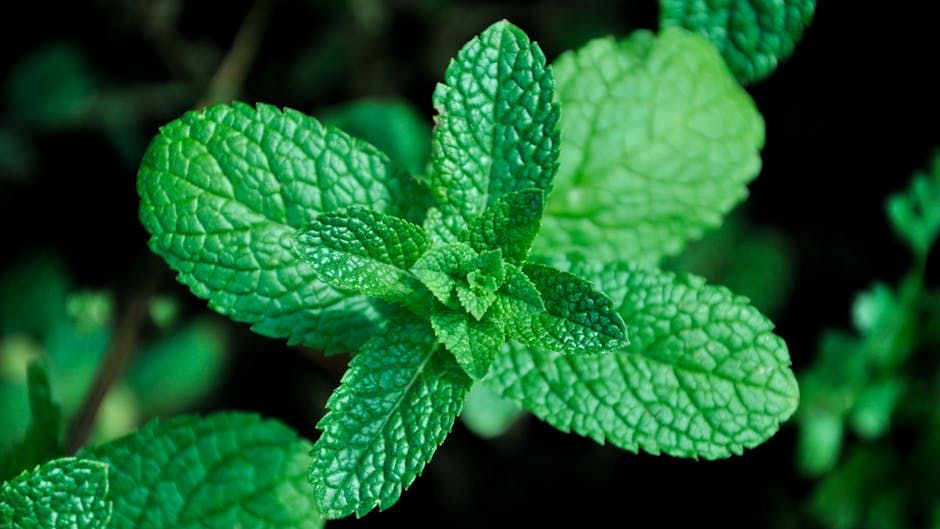
Mint is one of those plants you have to respect, and slightly fear. It grows with unstoppable ambition. Left unchecked, it’ll take over your entire garden like a leafy green empire. Mint is an upright perennial that forms thickets through underground stolons. Most mints are very high in oily aromatics that are easily extracted from the leaves. Mint repels cabbage moths, ants, mice, and fleas, and it’s best planted in containers, as it is a prolific grower that can take over the landscape.
Mint, in all its varieties, is a fantastic mosquito repellent. Its strong menthol scent confuses and repels mosquitoes, making it harder for them to find humans. That’s essentially like putting your scent in a fog machine as far as mosquitoes are concerned.
You can rub peppermint oil or crushed peppermint leaves on your skin as a form of natural bug spray. As an added bonus, the menthol in peppermint creates a cooling effect on your skin that feels nice on hot summer nights outdoors. Two problems solved with one plant. Not bad at all.
7. Lemon Balm: The Citrusy Secret Weapon
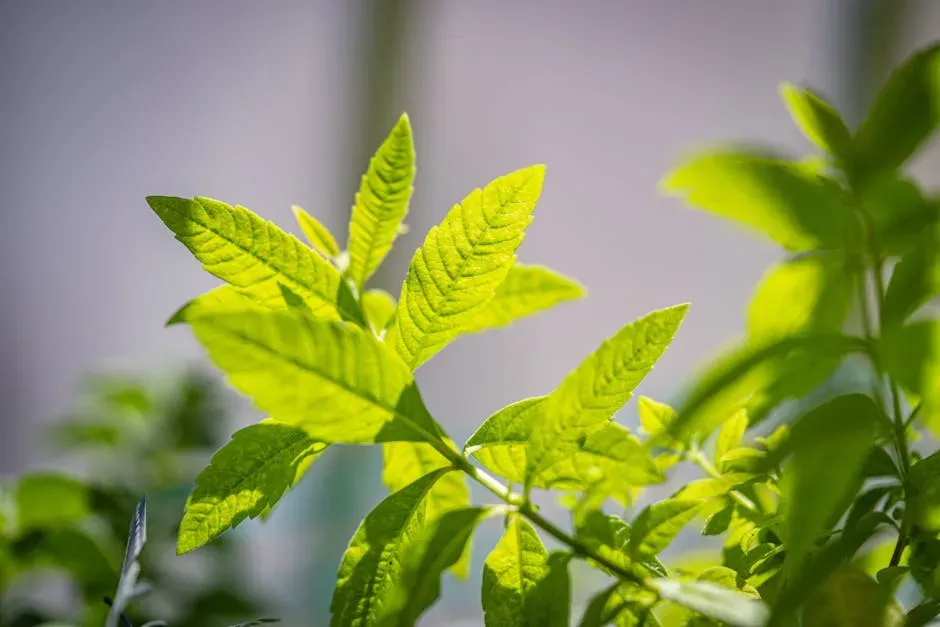
Lemon balm flies way under the radar, and honestly, that surprises me every time I think about it. This is a plant with serious repelling credentials backed by actual chemistry. Lemon balm stands out as a versatile herb not only for its culinary and medicinal uses but also for its ability to repel mosquitoes. This plant is particularly effective due to its high citronellal content, a compound that closely mimics the mosquito-repelling properties of citronella oil. In fact, some forms of lemon balm contain nearly 38% citronellal, making it a formidable foe against these pests.
Lemon balm also contains eucalyptol, meaning it may kill mosquitoes and their larvae. It also contains citronellal, meaning it emits that citrusy scent that critters hate. That’s a double punch in one pretty little plant.
Here’s a practical tip most people skip: the citrus scent of lemon balm, which mosquitoes find unpleasant, is most effectively released through the bruising of its leaves. This simple action can help maximize the plant’s repellent qualities without requiring extensive effort. Just brush against it as you walk past. Easy.
8. Basil: The Culinary Herb With a Deadly Side
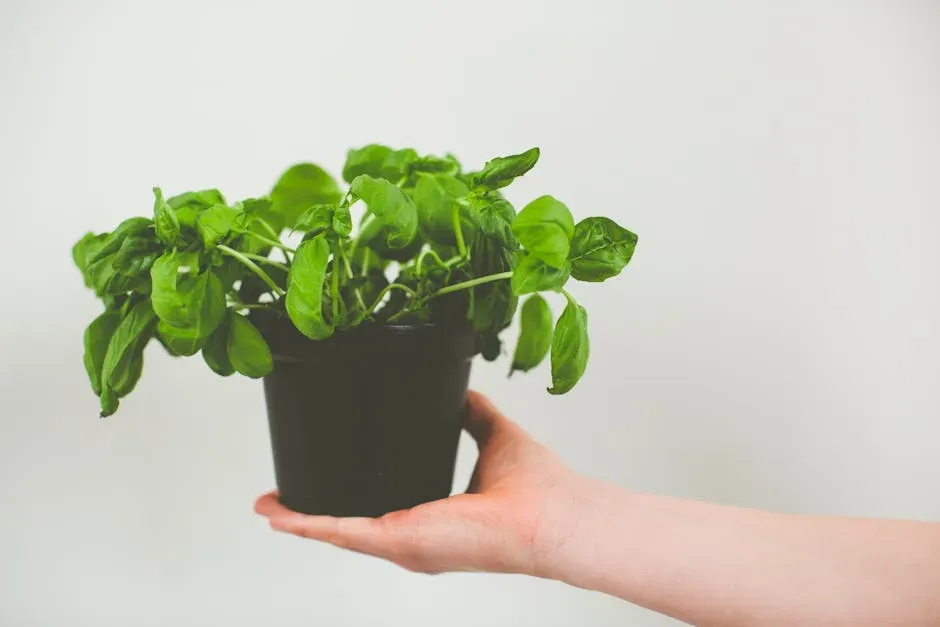
Basil is probably the most useful plant on this entire list in a purely practical sense. You grow it, you cook with it, you make gorgeous caprese salads with it, and all the while it’s quietly waging war on the insect world. Basil can keep mosquitoes, flies, aphids, mites, and tomato hornworms away from the garden thanks to its strong aroma. It can also help keep insects from coming inside. Plant it near doors and windows to discourage pests from entering.
What makes basil particularly fascinating is that it targets insects at more than one life stage. Basil oil is toxic to mosquito larvae, and the scent confuses adult mosquitoes. That’s generational insect warfare happening right next to your tomatoes.
Basil isn’t just for cooking, as its strong scent also repels mosquitoes. You can even make a homemade insect repellent by boiling basil leaves, steeping them for a few hours, and then mixing with vodka in a spray bottle. Keep this handy for those times when you’re out in the garden. Practical, natural, and a little bit clever. What’s not to love?
9. Chrysanthemums: The Beautiful Insect Assassin
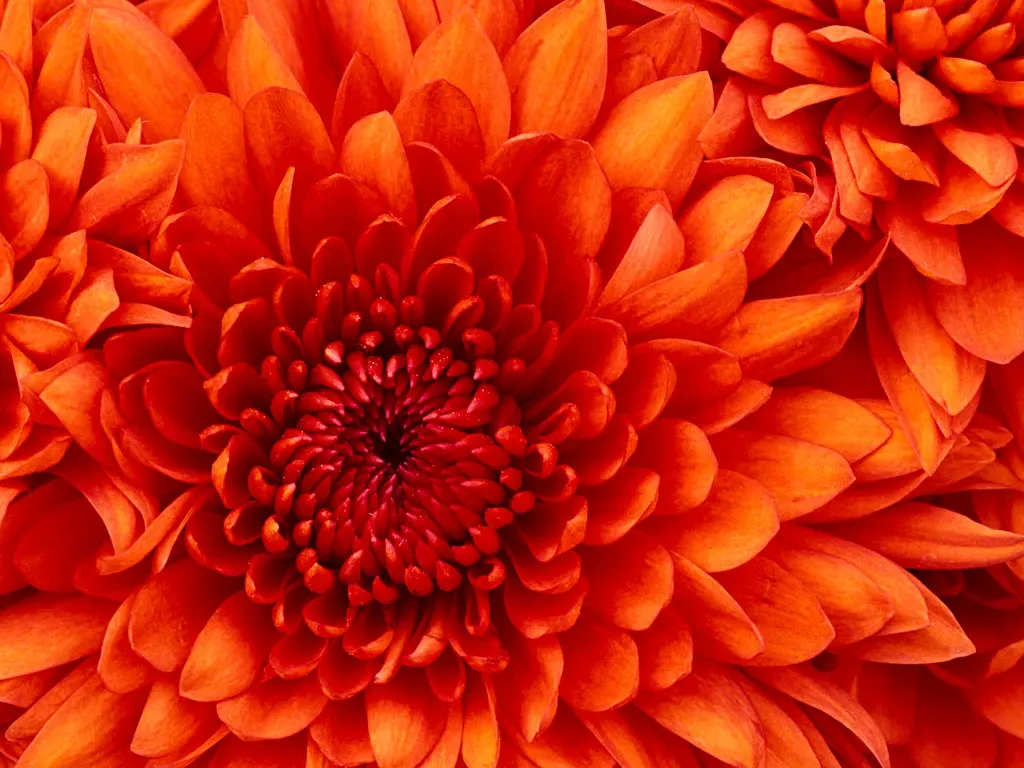
Chrysanthemums look like something straight out of a floral arrangement, all bright and bursting and full of autumn color. What most people don’t realize is that underneath all that prettiness is a genuinely potent natural insecticide. Chrysanthemums contain a natural insecticide called pyrethrin. While effective against a variety of insects, including mosquitoes, it’s important to note that pyrethrin can also harm beneficial insects.
Chrysanthemums contain chemical compounds that act as natural insecticides. These compounds are processed and sold as pyrethrum. It’s a go-to natural pesticide for dealing with fleas, ants, ticks, silverfish, and bedbugs. Essentially, what you’re planting is a living pesticide factory. That’s pretty remarkable.
Chrysanthemums are known for their fall interest, but they also have pest-repellent properties. They contain pyrethrum, a natural insect repellent commonly used in insecticides. Their daisy-like blooms repel ants, cockroaches, ticks, fleas, bedbugs, and Japanese beetles. Use them strategically and place them where insect problems are most severe.
10. Scented Geraniums: The Underestimated Patio Plant
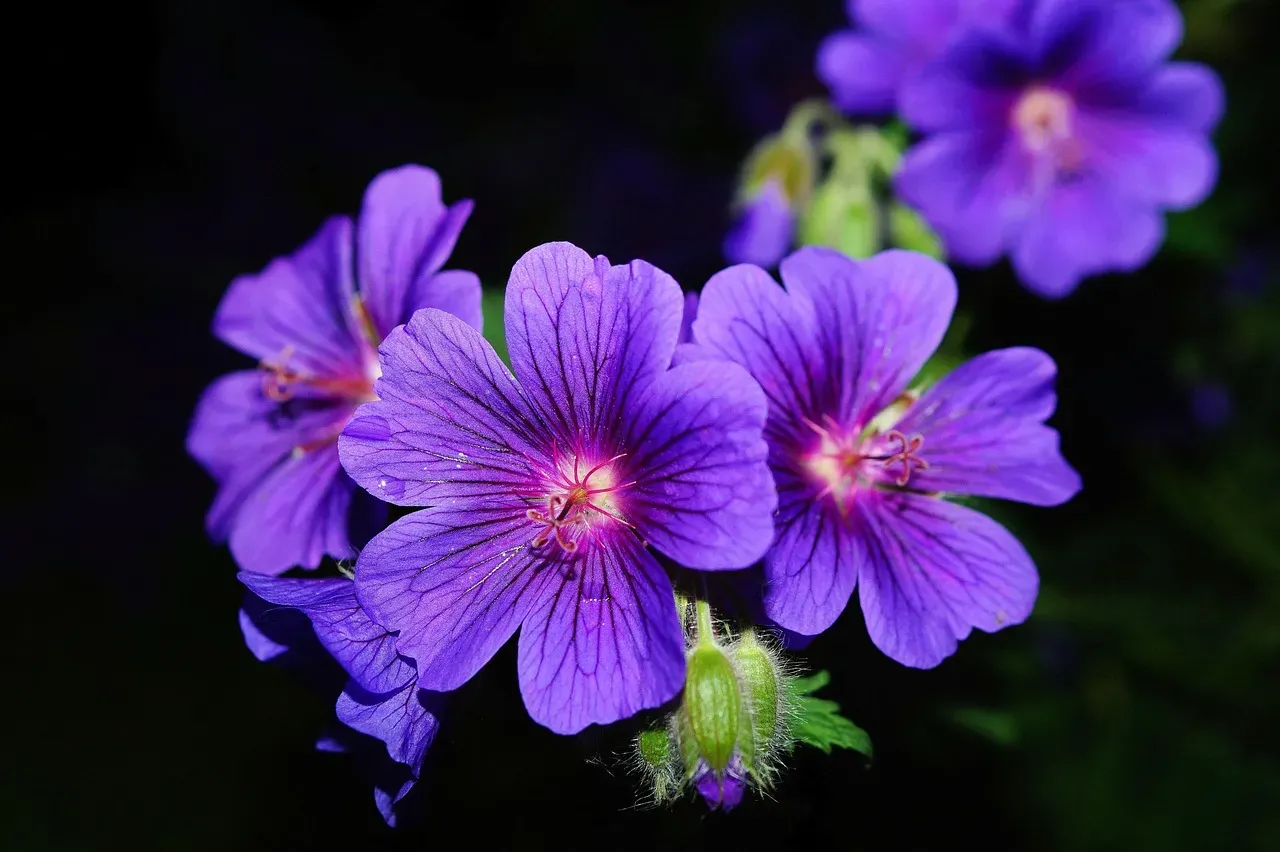
Scented geraniums tend to be grouped in with regular geraniums and wildly underappreciated as a result. They deserve far better. Known for their citronella-like fragrance, these flowering plants are excellent in pots on patios or near doors. Think of them as citronella’s beautiful, flower-bearing cousin.
While most varieties of Pelargonium are grown for their colorful flowers, scented geraniums are valued primarily for the pleasant fragrances of their leaves. There are many varieties of scented geranium, but lemon, lime, orange, and peppermint geraniums are some of the most effective plants that deter mosquitoes.
Rub the leaves between your fingers to release oils before outdoor gatherings. It takes about two seconds and turns your patio into a significantly less hospitable environment for anything with six legs. Place a few pots near your seating area and you’ll notice the difference on your very first warm evening outside.
A Few Things Worth Knowing Before You Plant
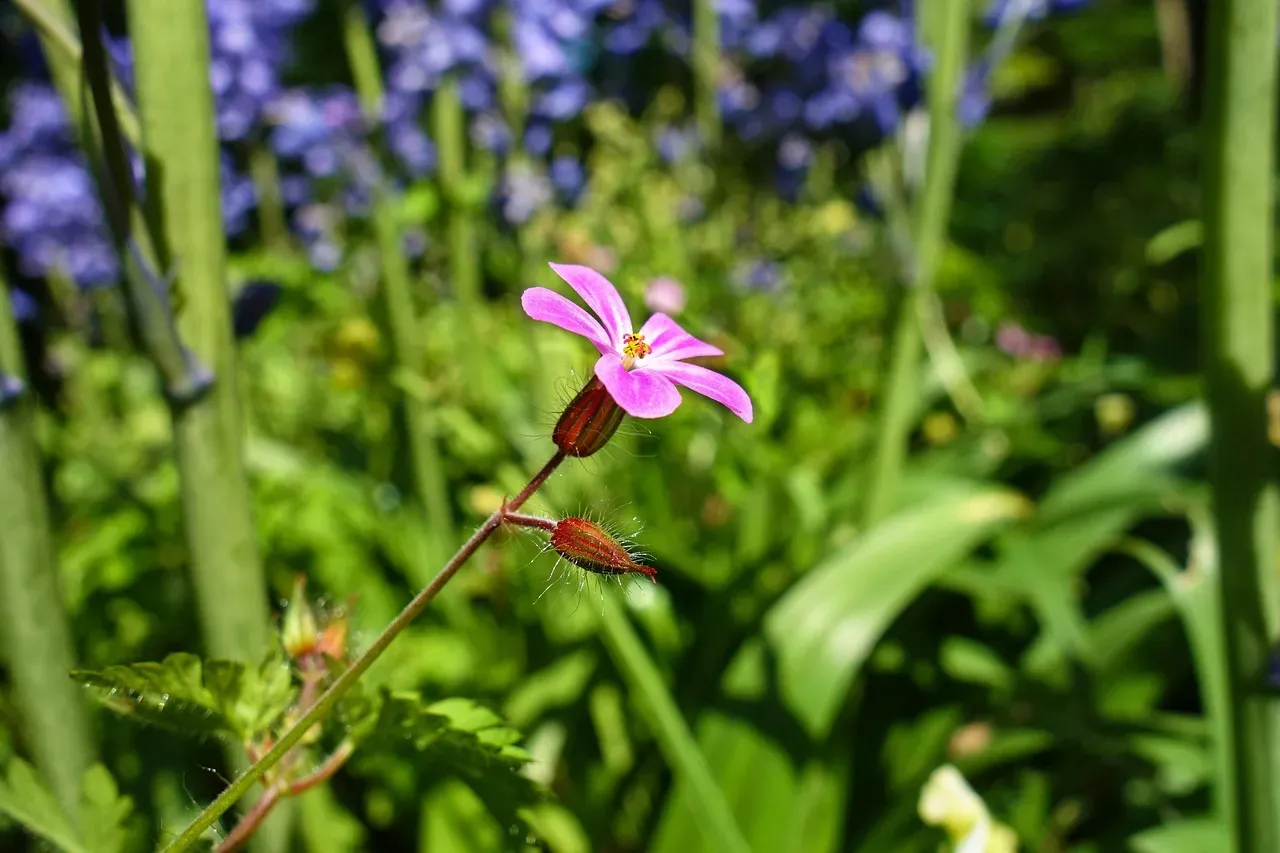
Let’s be real: no single plant is going to turn your backyard into a perfectly mosquito-free paradise. That’s just not how nature works. The key to generating a strong enough insect-repellent scent is to release the essential oils within a plant’s leaves. These oils actually have an insect-repelling effect. Burning sprigs of the plant or crushing the foliage are the best ways to release their oils.
Planting various mosquito-repelling plants around your outdoor area can help create a more comprehensive defense against these pests. While there is no specific guideline on the number of plants needed to make a noticeable difference, incorporating these plants alongside other proven mosquito-repelling methods can enhance your garden’s ability to keep mosquitoes away.
One more thing worth mentioning: one of the most effective things you can do to cut the mosquito population down is to eliminate any standing water where their larvae may be living. Combine that habit with a thoughtfully planted garden and you genuinely shift the odds in your favor. Nature gave us the tools. We just have to use them right.
Conclusion
There’s something quietly satisfying about solving a problem with a plant. No chemicals, no sticky sprays, no weird smells lingering on your arms all evening. Just smart, beautiful, purposeful gardening that works with nature instead of against it.
The ten plants on this list each bring something unique to the table, whether it’s lavender’s scientific-grade repelling power, catnip’s jaw-dropping ability to outperform DEET, or basil’s rare talent of targeting mosquitoes at every stage of their life cycle. Mix and match them, cluster them around seating areas, let them grow near your windows and doors.
Your outdoor space deserves to be enjoyed without constantly swatting the air around your head. The garden you build this season might just be your most pleasant one yet. Which of these plants surprised you the most? Drop your thoughts in the comments below.
