
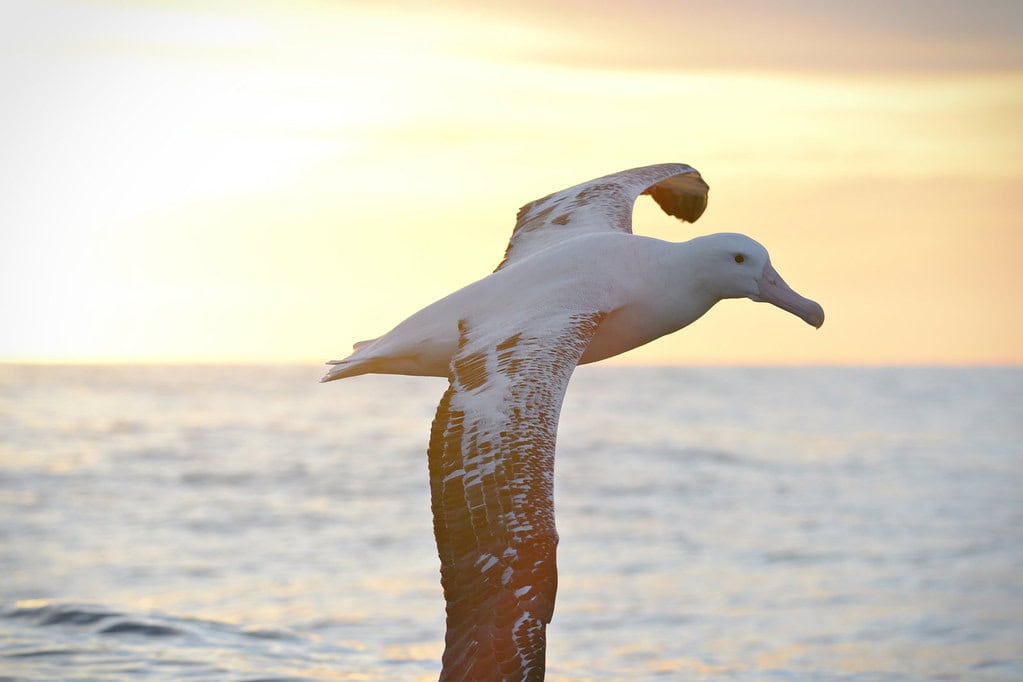
When we gaze skyward and spot a bird soaring through the clouds, we rarely consider the remarkable engineering behind those outstretched wings. Among all flying creatures on our planet, one stands out with a wingspan so impressive it dwarfs all others. The wandering albatross (Diomedea exulans) holds the undisputed title for the widest wingspan of any living bird—and indeed any living creature on Earth. These magnificent seabirds, with wings stretching up to 3.7 meters (12 feet) from tip to tip, are true marvels of evolution. Their enormous wingspan not only makes them instantly recognizable but also provides them with unique advantages that have helped this species thrive in some of the planet’s most challenging environments.
The wandering albatross has fascinated scientists, sailors, and nature enthusiasts for centuries. These oceanic giants spend most of their lives in flight over the Southern Ocean, touching down on land only to breed. Their remarkable wings allow them to harness ocean winds with minimal energy expenditure, enabling journeys that span thousands of kilometers without a single flap. In this article, we’ll explore the extraordinary adaptations, lifestyle, and challenges facing these wingspan champions, delving into why their aerial architecture makes them one of nature’s most perfectly adapted creatures.
The Wandering Albatross: Nature’s Wingspan Champion

The wandering albatross belongs to the Diomedeidae family and is the largest member of the albatross group. Its scientific classification places it among approximately 22 albatross species, though it stands alone in terms of wingspan dimensions. Adult wandering albatrosses typically weigh between 6.2 to 11.3 kg (13.7 to 24.9 lbs), with males generally larger than females. Their bodies, while substantial, are proportionally small compared to their enormous wings, creating an almost disproportionate appearance when seen up close.
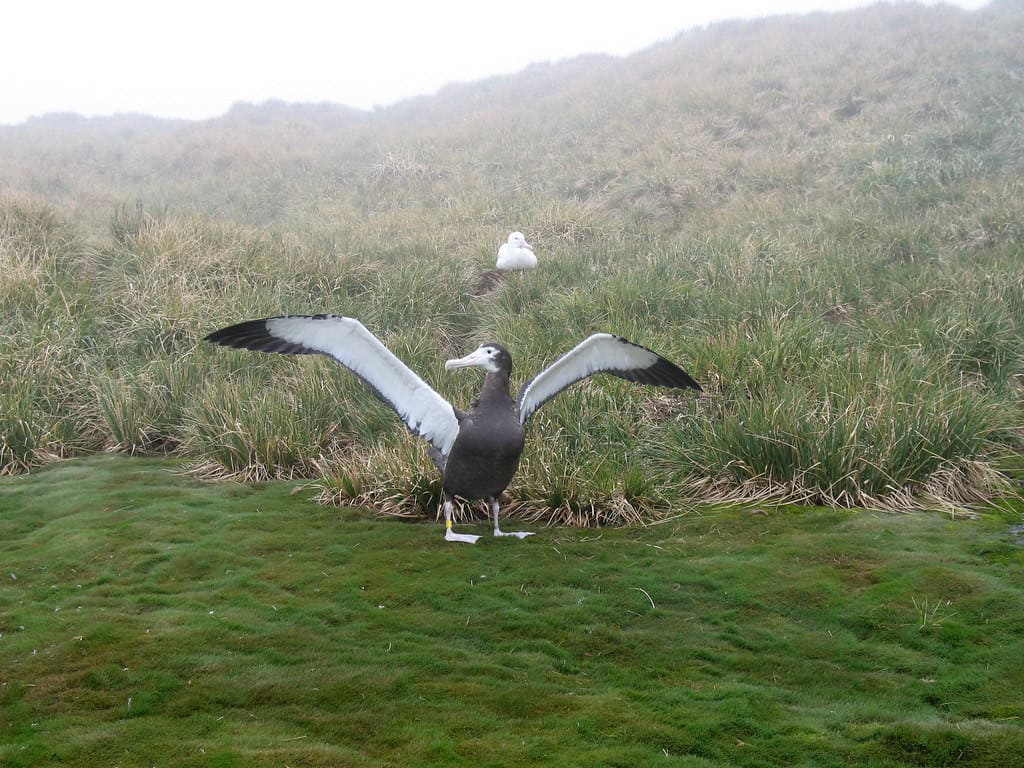
What makes these birds truly remarkable is their record-breaking wingspan, which can reach up to 3.7 meters (12 feet) in the largest individuals. The average adult typically displays a wingspan of about 3.1 meters (10.2 feet). To put this in perspective, their wings are wider than the height of most human beings and longer than many small cars are wide. This extraordinary wingspan even exceeds that of extinct flying creatures like the pterosaur Quetzalcoatlus, though those prehistoric flyers had different wing structures. Among modern birds, the wandering albatross’s nearest competitor is the southern royal albatross, whose wingspan reaches approximately 3.5 meters (11.5 feet)—still impressive but falling short of the wandering albatross’s record.
The Engineering Behind the Wings
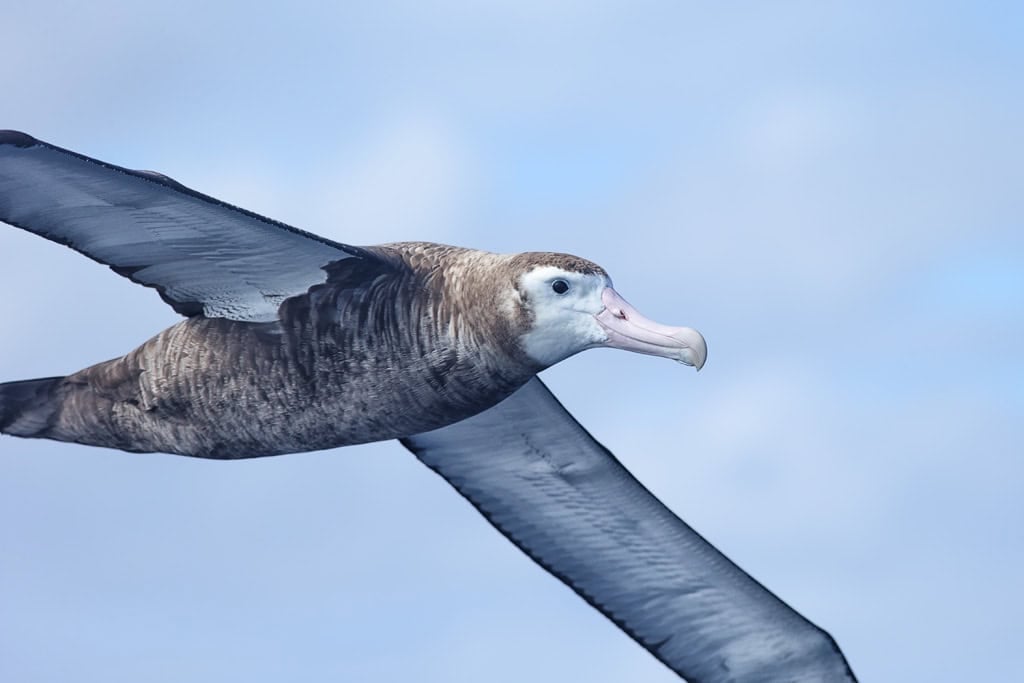
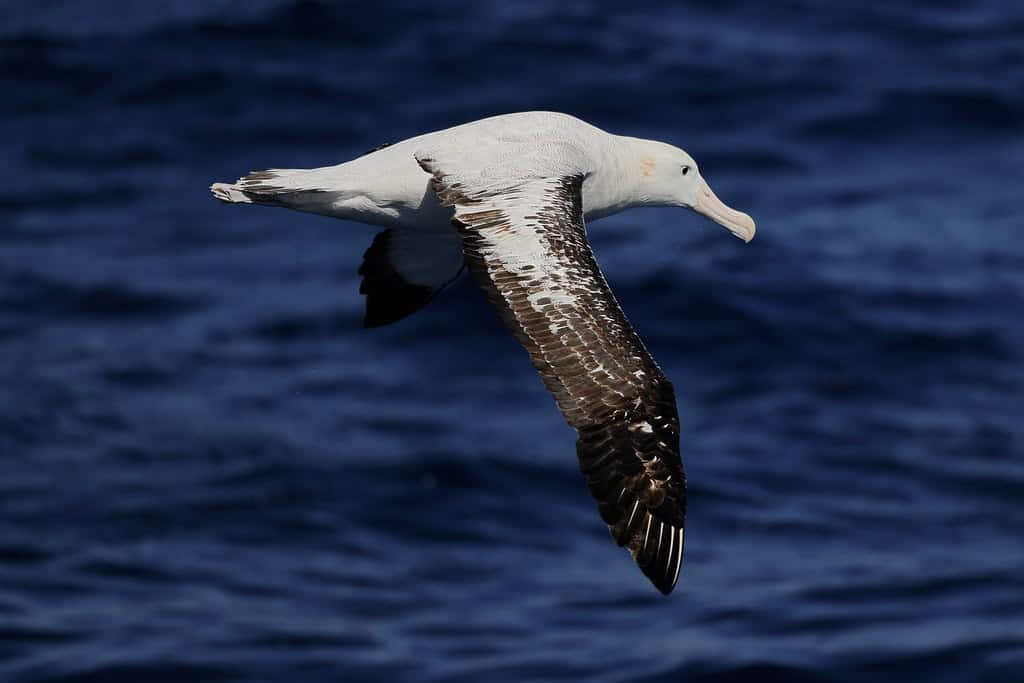
The wings of a wandering albatross represent a masterpiece of natural engineering. Unlike many birds that rely on frequent flapping, albatross wings are designed for dynamic soaring—a flight technique that harnesses energy from wind gradients above ocean surfaces. The wings themselves are remarkably thin and elongated, with specialized “locking” shoulder joints that allow the bird to keep its wings fully extended with minimal muscular effort. This adaptation is crucial for a species that may spend years at sea without returning to land, flying almost continuously day and night.
The wing’s aspect ratio—the relationship between length and width—is among the highest in the bird world. This high aspect ratio creates exceptional lift with minimal drag, similar to the design principles used in high-efficiency glider aircraft. Additionally, the feather structure of albatross wings includes unique adaptations that prevent feather damage from the constant exposure to salt water and wind. The primary flight feathers can extend to over 60 cm (24 inches) in length and are arranged to create a slightly curved airfoil when extended. This curve generates lift even in relatively gentle winds, allowing the albatross to stay aloft with barely perceptible adjustments to its wing position.
Evolutionary Development of Record-Breaking Wings
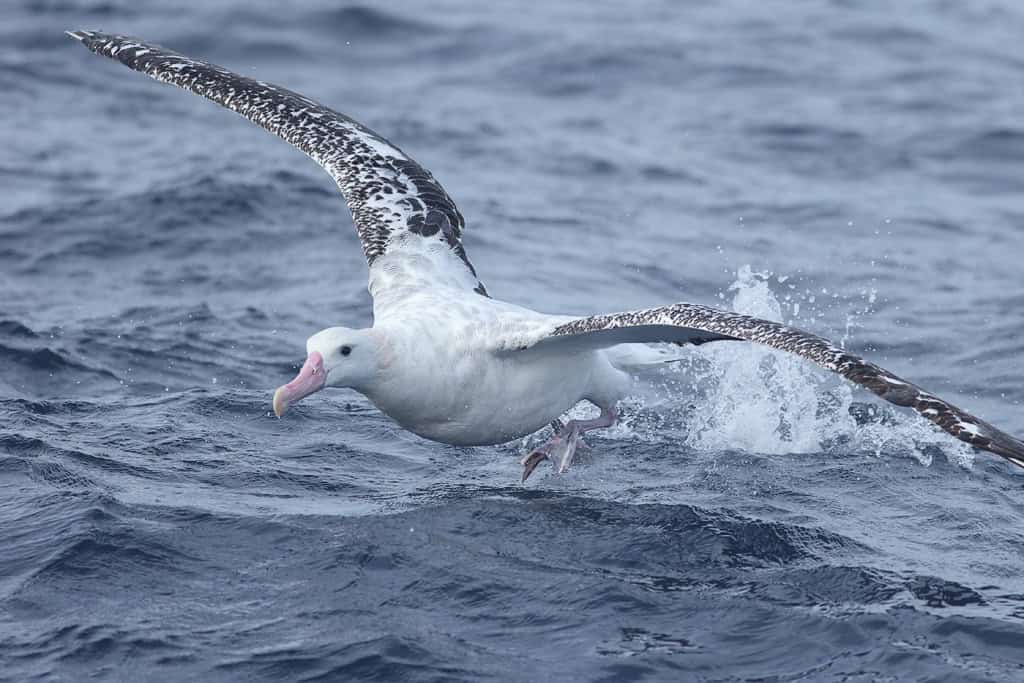
The evolution of the wandering albatross’s enormous wingspan represents millions of years of adaptation to the challenging environment of the Southern Ocean. Scientists believe albatrosses diverged from other seabirds approximately 35 million years ago, gradually developing their specialized wings as they adapted to life in the windswept open oceans. Fossil evidence suggests that the transition to these extreme proportions was a gradual process, with wing size increasing as these birds specialized in covering vast oceanic distances in search of food.
The evolutionary pressure driving this adaptation was likely related to food distribution in their marine habitat. Fish and squid—the albatross’s primary food sources—are patchily distributed across vast ocean expanses. Birds that could cover greater distances with less energy expenditure would have a significant advantage in finding sufficient food. Additionally, the constant strong winds of the Southern Ocean’s “Roaring Forties” and “Furious Fifties” latitudes provided perfect conditions for the evolution of dynamic soaring flight. Rather than fighting these winds, the albatross evolved to exploit them, developing wing structures that turn challenging wind conditions into an energy advantage, allowing them to travel up to 10,000 miles in a single foraging trip.
Masters of Efficient Flight
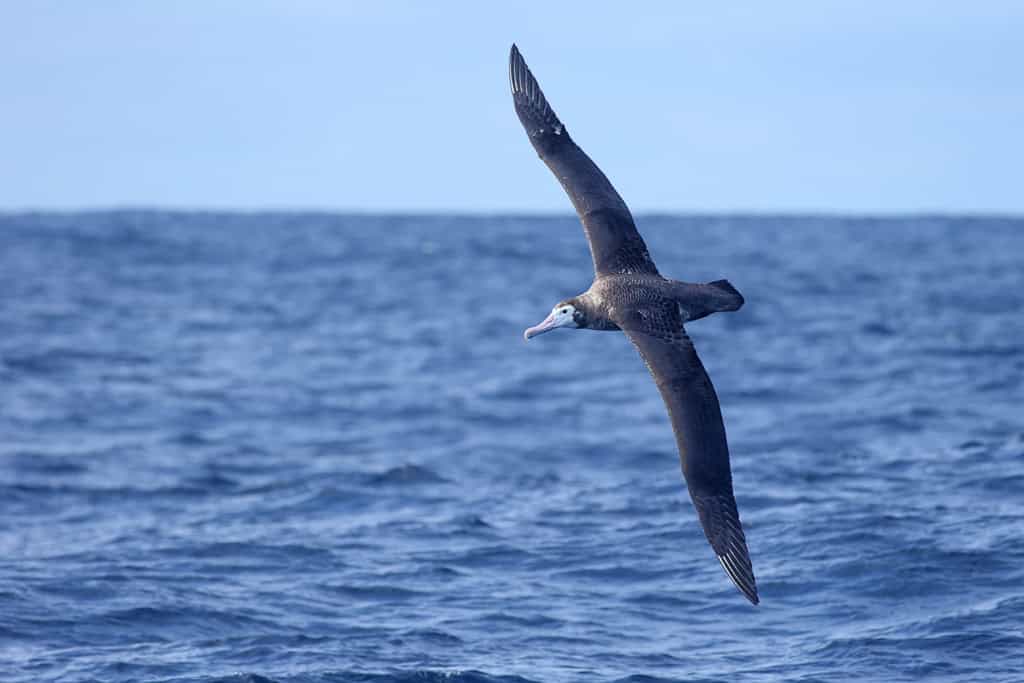
The wandering albatross has perfected a flying technique known as dynamic soaring, which represents one of the most energy-efficient forms of animal locomotion ever evolved. This remarkable method allows them to fly for hours, days, and even weeks without flapping their wings. The technique involves a repeating cycle where the bird climbs into stronger winds at higher altitudes, then turns and descends with the wind, gaining speed in the process. By cycling between these wind layers, the albatross extracts energy from the wind gradient itself, effectively using the difference in wind speeds at different heights above the ocean.
Research using GPS tracking has revealed that wandering albatrosses can maintain average speeds of 50-65 km/h (31-40 mph) for extended periods, occasionally reaching burst speeds of up to 110 km/h (68 mph) when riding favorable winds. Their heart rate during flight barely rises above resting levels, confirming the extraordinary efficiency of their flight. This efficiency is so remarkable that studies suggest a wandering albatross expends less energy while flying than when sitting on its nest. Scientists estimate that these birds can travel up to 16,000 kilometers (10,000 miles) in a single foraging journey, circling the entire Southern Ocean without landing, an unmatched feat in the animal kingdom made possible by their record-breaking wingspan.
Life Cycle and Breeding Behavior
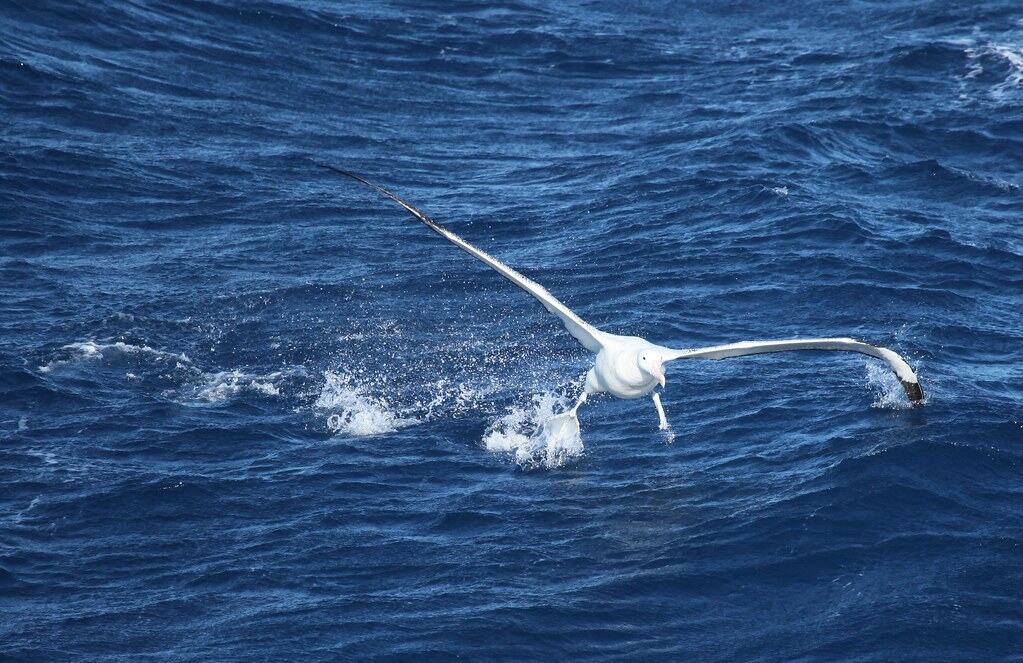
Wandering albatrosses are among the longest-lived birds, with lifespans that can exceed 60 years. Their reproductive cycle is equally extraordinary, featuring one of the longest breeding periods of any bird. These wingspan champions typically begin breeding between 8 and 10 years of age, forming monogamous pairs that often remain together for life. The breeding cycle begins when they return to their natal islands after years at sea. Prime breeding sites include remote subantarctic islands such as South Georgia, the Crozet Islands, Kerguelen Islands, and islands near New Zealand.
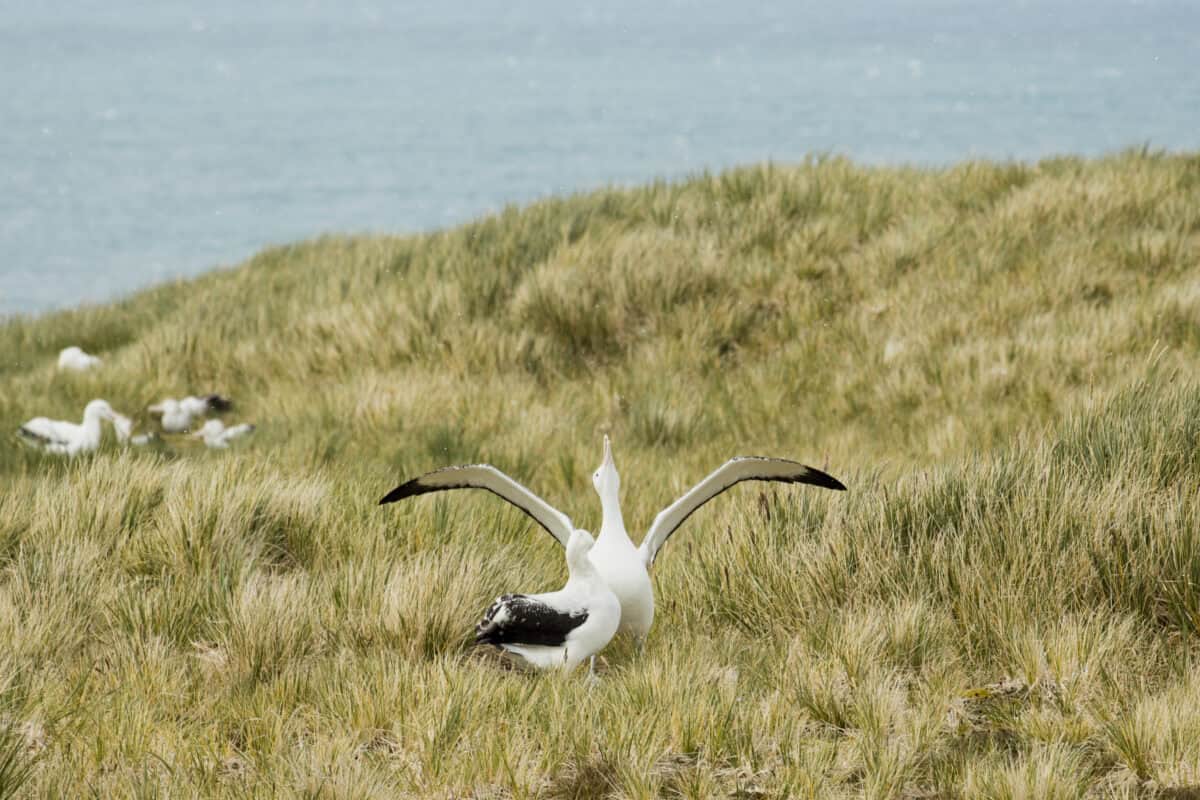
Once a pair bonds, they construct a simple nest mound from vegetation and soil, typically on exposed ridges where takeoff is easier with their enormous wingspans. Females lay a single large egg, and both parents take turns incubating it for approximately 78 days. After hatching, the chick requires an astonishing 280 days to fledge—nearly a full year. During this time, parents make alternating foraging trips that can last weeks or even months, returning to feed the chick with regurgitated fish, squid, and stomach oil. This extended breeding cycle means pairs typically breed only every other year, as the process from egg-laying to fledging spans more than 12 months. Their extraordinary wingspan enables parents to forage thousands of kilometers from the breeding colony while raising their single chick, a strategy made possible by their unparalleled flight efficiency.
Geographic Distribution and Habitat
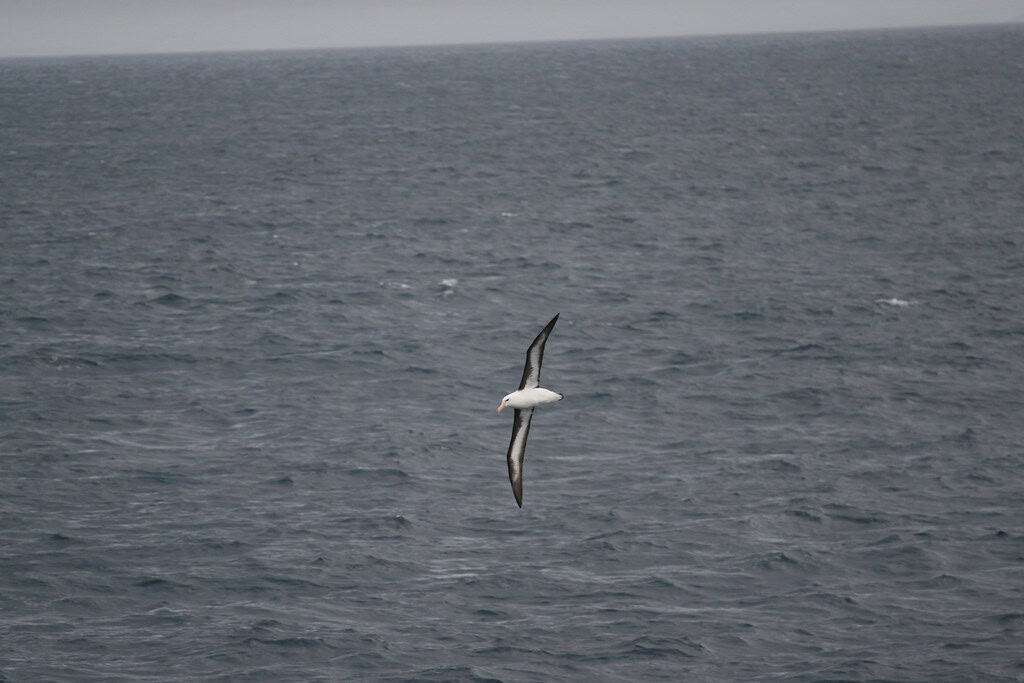
The wandering albatross inhabits the vast Southern Ocean, circling the globe in the windswept latitudes between 30° and 60° South. These birds truly live up to their name “wandering,” as satellite tracking has shown individual birds circumnavigating the entire Antarctic region, covering distances of over 120,000 kilometers (75,000 miles) in a single year. They particularly favor the powerful westerly winds known as the “Roaring Forties” and “Furious Fifties,” which provide ideal conditions for their dynamic soaring flight technique. Despite their enormous range, wandering albatrosses are tied to just a handful of remote islands for breeding.
The primary breeding colonies are found on subantarctic islands including South Georgia, Marion Island, Prince Edward Islands, Crozet Islands, Kerguelen Islands, Macquarie Island, and islands south of New Zealand such as the Auckland Islands and Campbell Island. These isolated locations provide the undisturbed nesting grounds these birds require. Outside of breeding season, wandering albatrosses are pelagic (open ocean) birds that rarely approach continental coastlines. Their habitat requirements are specific: they need consistent strong winds to support their soaring flight and productive ocean areas where prey is abundant. The confluence of these factors in the Southern Ocean has created the perfect environment for these wingspan champions to evolve and thrive.
Diet and Feeding Behavior
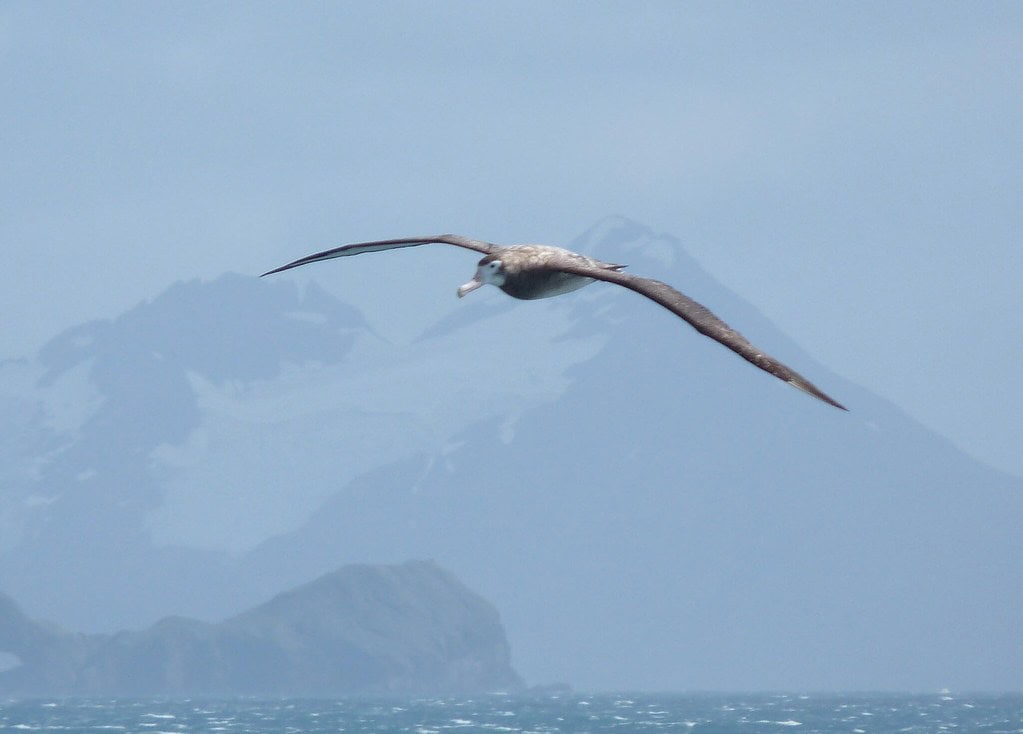
The wandering albatross’s diet consists primarily of squid, fish, and crustaceans, though they will opportunistically feed on carrion and fishery discards when available. Their hunting strategy relies heavily on their ability to cover vast distances efficiently, essentially allowing them to search enormous areas of ocean for food patches. They typically feed at night, when many squid species rise closer to the surface. The bird’s exceptional low-light vision allows it to spot prey from the air, after which it will settle on the water’s surface to feed. A unique feature of their feeding behavior is that they can consume prey too large to swallow whole; using their powerful hooked beak, they can tear larger prey into manageable pieces.
The relationship between their record-breaking wingspan and feeding ecology is direct. The energy-efficient flight made possible by these enormous wings allows wandering albatrosses to search approximately 16,000 square kilometers of ocean per day. Research has shown that a single foraging trip during the breeding season can cover distances equivalent to flying from New York to Los Angeles and back multiple times. Their feeding strategy represents a high-risk, high-reward approach: they may fly for days without finding food, but when they do locate productive feeding grounds, they can consume large amounts quickly. The average adult requires approximately 500 grams (1.1 pounds) of food daily, though they can consume up to 1 kg (2.2 pounds) in a single feeding when food is abundant, storing energy as fat to sustain them through lean periods.
Conservation Status and Threats
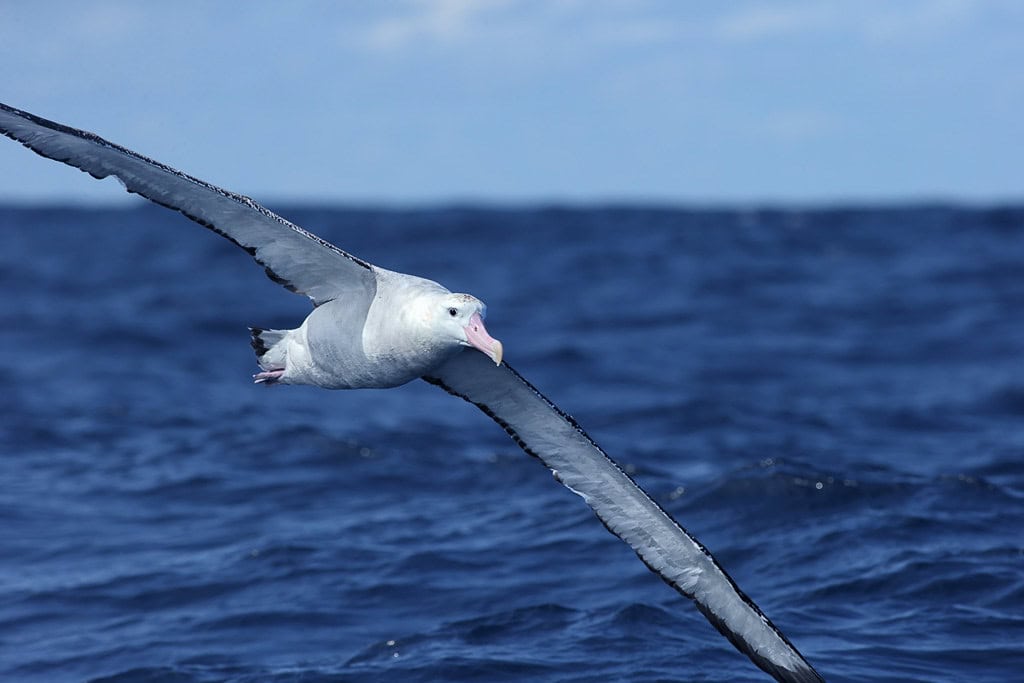
Despite their impressive wingspan and remarkable adaptations, wandering albatrosses face serious conservation challenges. The International Union for Conservation of Nature (IUCN) lists the species as “Vulnerable,” with population trends showing concerning declines. Current global population estimates suggest approximately 20,000 mature individuals remain, with numbers having decreased by more than 30% over the past three generations (about 70 years). The primary threat comes from longline fishing operations, where albatrosses attempt to take baited hooks and become accidentally caught and drowned—a practice known as bycatch. An estimated 100,000 albatrosses (across all species) are killed annually by fishing operations.
Additional threats include plastic pollution, which albatrosses can mistake for food; climate change, which is altering wind patterns and ocean productivity; and introduced predators such as rats and cats on breeding islands. The wandering albatross’s naturally slow reproductive rate—producing at most one chick every two years—makes population recovery particularly challenging. Conservation efforts include the development and implementation of bird-safe fishing practices such as setting lines at night when albatrosses are less active, using streamers to scare birds away from baited hooks, and adding weights to make lines sink faster. International agreements like the Agreement on the Conservation of Albatrosses and Petrels (ACAP) have been established specifically to protect these magnificent birds and their record-breaking wingspans for future generations.
Cultural Significance Throughout History
The wandering albatross has captured human imagination for centuries, featuring prominently in maritime folklore and literature. Perhaps the most famous literary reference is Samuel Taylor Coleridge’s 1798 poem “The Rime of the Ancient Mariner,” in which the killing of an albatross brings terrible misfortune upon a ship’s crew. This poem helped cement the superstition among sailors that harming an albatross would bring bad luck. For many seafaring cultures, these birds with their enormous wingspans were seen as the embodiment of the souls of lost sailors, and their appearance was often considered a good omen for safe passage.
In scientific history, the wandering albatross played a significant role in early studies of bird migration and flight mechanics. Their unparalleled ability to stay aloft for days without landing challenged early ornithologists’ understanding of avian physiology and inspired research into the principles of soaring flight. Today, these birds continue to hold cultural significance as symbols of freedom, endurance, and natural engineering. Their image appears on postage stamps, coins, and national emblems of countries with territories in the Southern Ocean. Conservation campaigns often feature the wandering albatross as a flagship species, using their impressive wingspan and charismatic appearance to raise awareness about ocean conservation issues and the impacts of commercial fishing practices.
Comparing Wingspans Across the Animal Kingdom
While the wandering albatross holds the title for the largest wingspan among living creatures, it’s illuminating to compare this record to other impressive flying animals. The Andean condor, with a wingspan of up to 3.3 meters (10.8 feet), comes closest among living birds, followed by the great white pelican at approximately 3.1 meters (10.2 feet). Among mammals, the giant golden-crowned flying fox (a bat species from the Philippines) holds the record with a wingspan reaching 1.7 meters (5.6 feet)—impressive for a mammal but less than half that of the wandering albatross. Insects naturally have much smaller absolute wingspans, with the atlas moth’s 25-30 cm (10-12 inch) wingspan being among the largest.
Looking to the fossil record, certain extinct flying creatures did surpass the wandering albatross. The pterosaur Quetzalcoatlus, which lived during the Late Cretaceous period about 68 million years ago, had an estimated wingspan of 10-11 meters (33-36 feet)—roughly three times that of the albatross. Another pterosaur, Hatzegopteryx, may have had a similar or even larger wingspan. However, these prehistoric flyers had fundamentally different wing structures based on a single elongated finger supporting a membrane, rather than the feathered wings of birds. Among extinct birds, Pelagornis sandersi, which lived 25-28 million years ago, may have had a wingspan of up to 6.4 meters (21 feet), making it the largest known flying bird in Earth’s history. This prehistoric context makes the wandering albatross’s modern-day record all the more remarkable—it represents the pinnacle of wing evolution among all currently living creatures.
Scientific Research and Modern Discoveries
Modern research on the wandering albatross has yielded fascinating insights into their biology and behavior. The advent of miniaturized GPS and satellite tracking technology has revolutionized our understanding of their movements, revealing previously unknown migration patterns and confirming the extraordinary distances these birds cover. Recent studies have documented individual albatrosses circumnavigating the entire Southern Hemisphere multiple times in a single year, with some birds covering more than 120,000 kilometers (75,000 miles) annually. These tracking studies have also revealed that young albatrosses spend the first 5-7 years of their lives entirely at sea before returning to their natal islands to breed.
Biomechanical research has provided new insights into how their record-breaking wingspan functions during flight. High-speed photography and wind tunnel testing have helped scientists understand the precise aerodynamics of albatross wings, inspiring new designs in glider aircraft and drone technology. Genetic studies have revealed that despite their enormous range, wandering albatrosses maintain relatively distinct populations associated with different breeding islands, with limited gene flow between these groups. Perhaps most concerning are recent studies documenting the impacts of climate change on these birds. Research indicates that changing wind patterns in the Southern

- The Secret Language of Dolphins Decoded by Researchers - July 20, 2026
- 7 Animals That Can Survive Extreme Environments You Couldn’t - July 20, 2026
- The Longest Snake Ever Found in the U.S. - July 20, 2026