
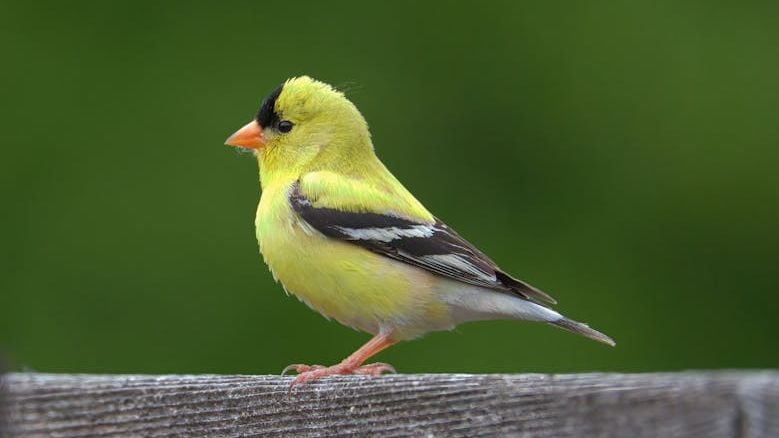
California’s wild corners pulse with secrets that draw birders from across the globe. Picture desolate islands off the coast or vast valleys dotted with ancient oaks, home to feathers that shimmer in ways you’ll find nowhere else. These elusive creatures thrive in habitats shaped by the Golden State’s unique geography.
From towering raptors to tiny songbirds, the state’s rare birds demand respect and patience. Ready to meet the ones that make California a birder’s dream? Let’s dive into these ten hidden gems.[1]
1. Island Scrub-Jay
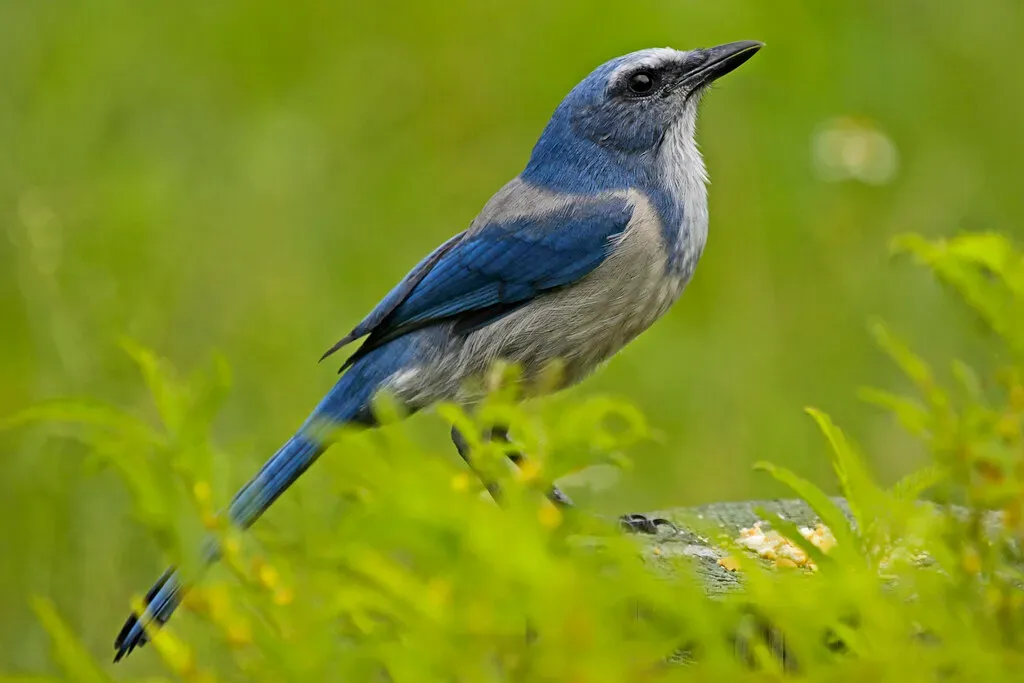
This bold blue beauty calls only Santa Cruz Island home, a rugged Channel Island outpost far from the mainland bustle. With its striking azure wings and inquisitive stare, it flits through pine and oak scrub like a living jewel. Spotting one feels like uncovering buried treasure amid the island’s wild trails.[1]
These jays stay put year-round, caching acorns in the island’s sparse soils. Their isolation has kept them pure, untouched by mainland kin. Honestly, a boat trip out there is worth every wave just for this singular sight.
2. Yellow-billed Magpie
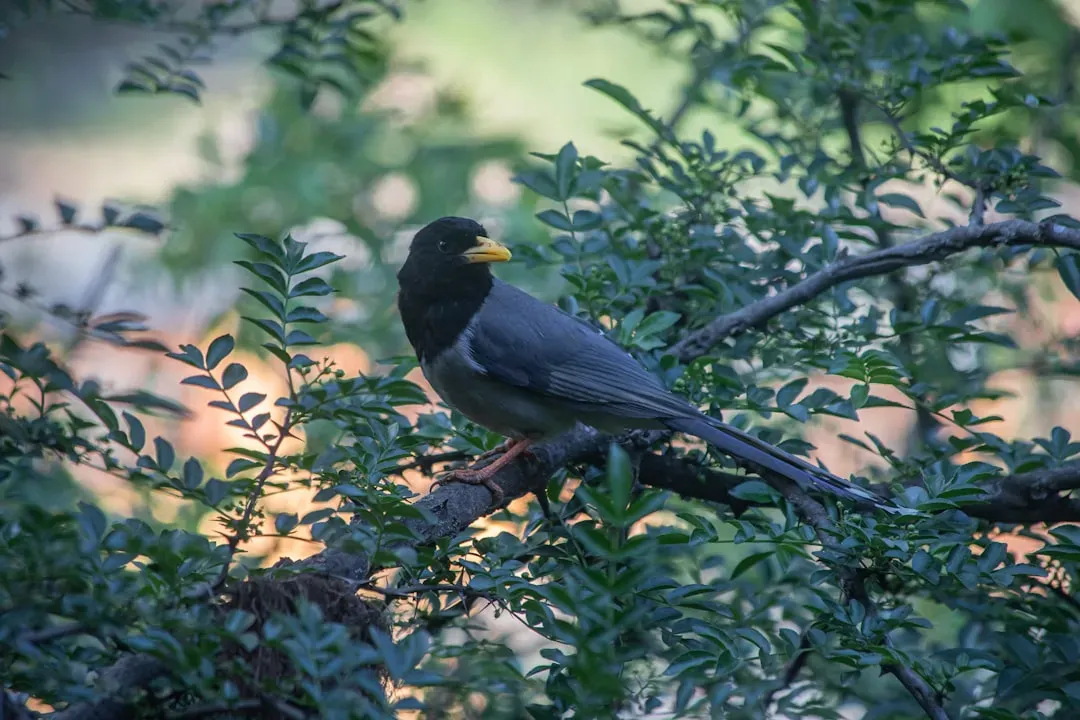
Flashy and noisy, the Yellow-billed Magpie haunts California’s oak savannas and valley edges, nowhere else on earth. That sunny yellow beak and bill pop against sleek black feathers, turning heads in open woodlands. They flock in chattering gangs, raiding insects with acrobatic flair.[2]
West Nile Virus hit them hard years back, slashing numbers, but resilient survivors cling on in the Coast Ranges and Central Valley. Their range stops cold at the Sierra Nevada, blocked from black-billed cousins. I think their comeback story adds extra thrill to every sighting.
Keep eyes peeled near rivers; they’re social but shy around humans.
3. Lawrence’s Goldfinch
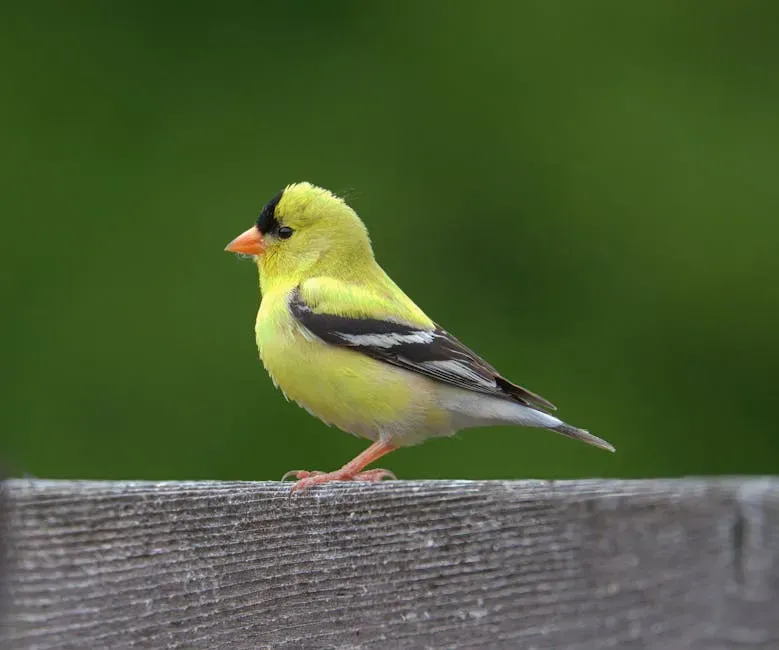
A subtle stunner in gray and lemon hues, Lawrence’s Goldfinch breeds mostly in California’s grassy hills and chaparral, with a nod to Baja. Males glow brightest in spring, singing from perches amid wildflower bursts. They chase seeds from fiddlenecks, fluttering like golden confetti.[3]
Erratic wanderers, they vanish in dry years, reappearing where rain sparks green. Open habitats suit their nomadic ways best. It’s hard to predict, but that’s the chase birders love.
4. California Gnatcatcher
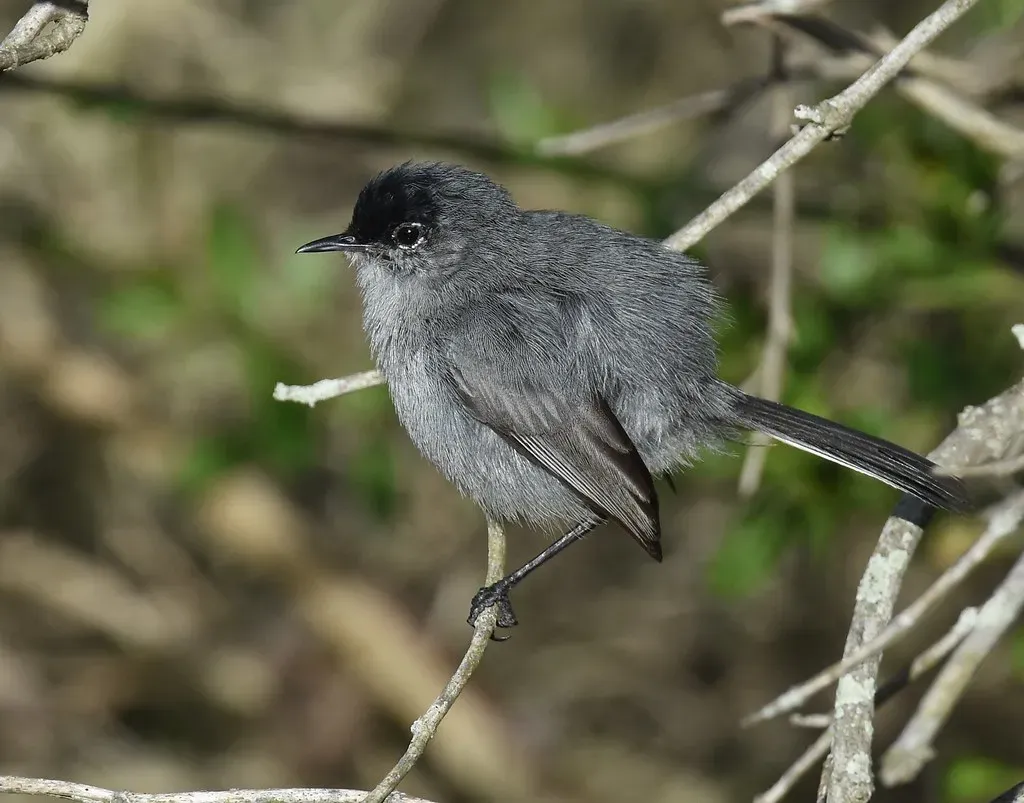
Tiny and feisty, this gray sprite darts through coastal sage scrub, a habitat vanishing fast under development. Its sooty tail flicks like a flag as it hawks gnats mid-air. Restricted to southern California’s foggy shores, it’s a federally threatened gem.[4]
Listen for its zeee-zee call in spring thickets. Conservation fights rage to save their scrubby world. Spot one, and you grasp why this bird defines fragile ecosystems.
Patience pays off near San Diego’s canyons.
5. California Condor
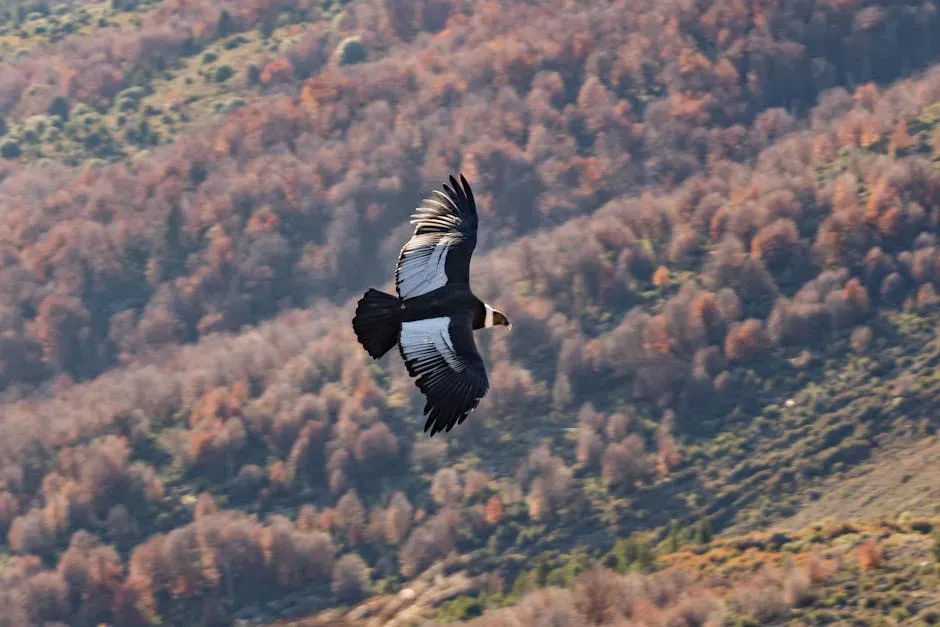
The ultimate sky monarch, with a nine-foot wingspan, soars over Big Sur cliffs and desert rims. Once down to mere dozens, captive breeding brought them back, mostly to California’s wilds. Their bald heads and massive presence scream prehistoric power.[5]
Track them via spotting scopes at release sites like Pinnacles. Lead poisoning and power lines still lurk as threats. Seeing one glide feels like time travel; it’s raw wilderness alive.
6. Wrentit
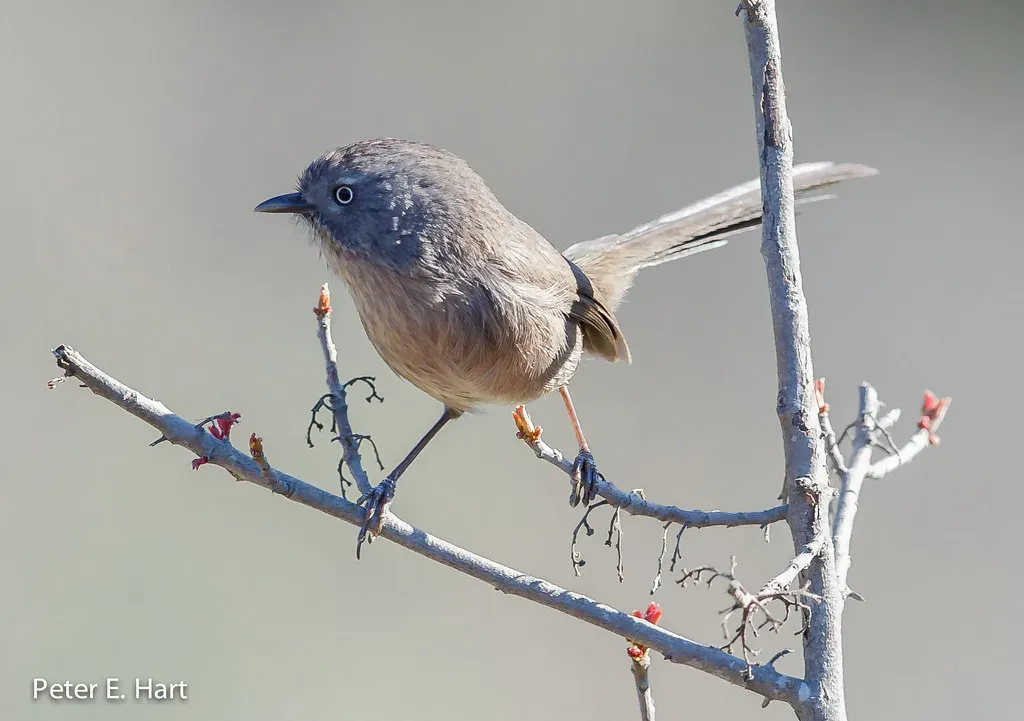
Skulking in dense chaparral, the Wrentit’s rich, accelerating song echoes through coastal hills from Oregon to Baja, but California claims the heartland. Plain brown but vocally unmatched, it belts out a machine-gun trill. These secretive singers stick to thick tangles.[6]
Year-round residents defend brushy patches fiercely. Fire reshapes their world, forcing adaptations. Here’s the thing: their call hooks you before your eyes catch the bird.
Try Point Reyes for prime eavesdropping.
7. Tricolored Blackbird
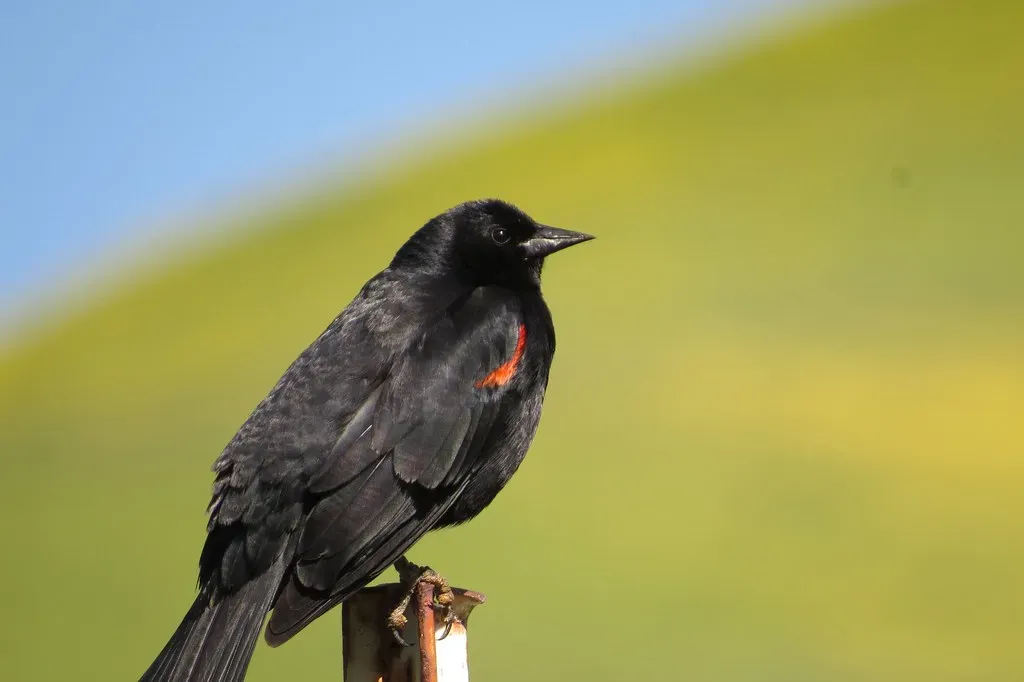
Vast colonies explode in spring across Central Valley dairies and marshes, males flaunting white wing flashes atop purple-black sheen. This icterid breeds nearly exclusively in California, flocking by the tens of thousands. Agricultural shifts threaten their massive rookeries.
Watch from roadsides as they swarm skies like living smoke. Their decline shocks, yet pockets persist. I know it sounds crazy, but one colony sighting rivals any spectacle.
8. Ridgway’s Rail
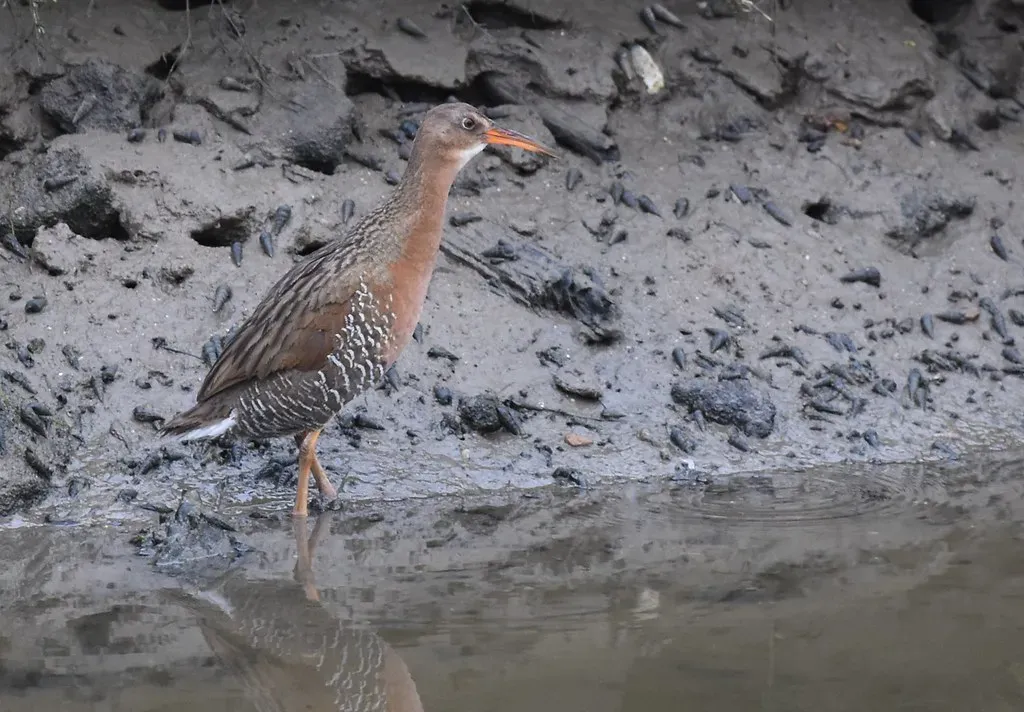
Sneaky marsh dwellers, these rusty rails skulk in tidal sloughs of San Francisco Bay and beyond. California’s subspecies, once called clapper rails, cry harsh kek-kek from pickleweed cover. Salt marshes are their sole stage, shrinking with sea rise.[4]
Early morning scans reveal their furtive probes for crabs. Restoration projects boost hopes. Elusive? Absolutely, but that call lingers in memory.
9. California Thrasher
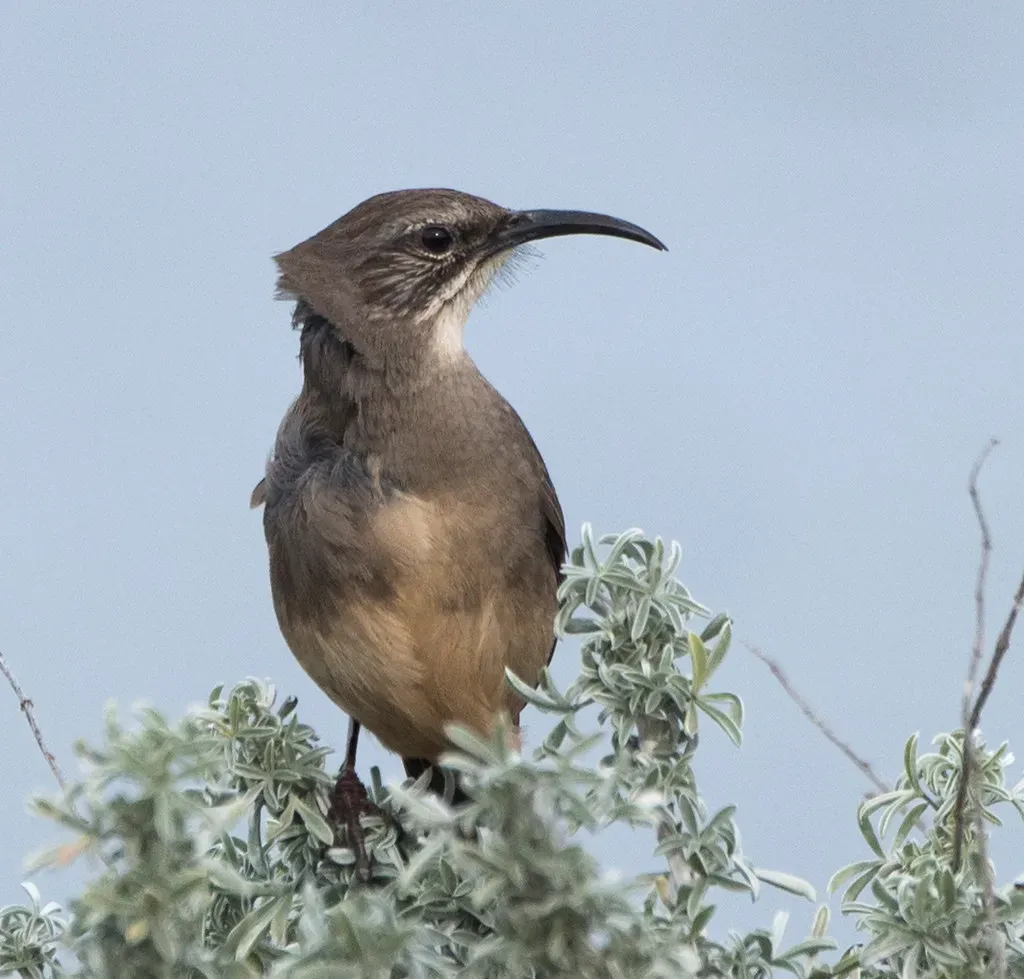
A long-tailed maestro of the chaparral, probing leaf litter with curved bill for bugs and berries. Pale underparts contrast rich brown back in this southern California specialty. It belts varied songs from treetops at dawn.[7]
Adapts to suburbs but shines in wild scrub. Pairs duet in harmony. Spotting its deliberate hops feels intimately local.
10. California Least Tern
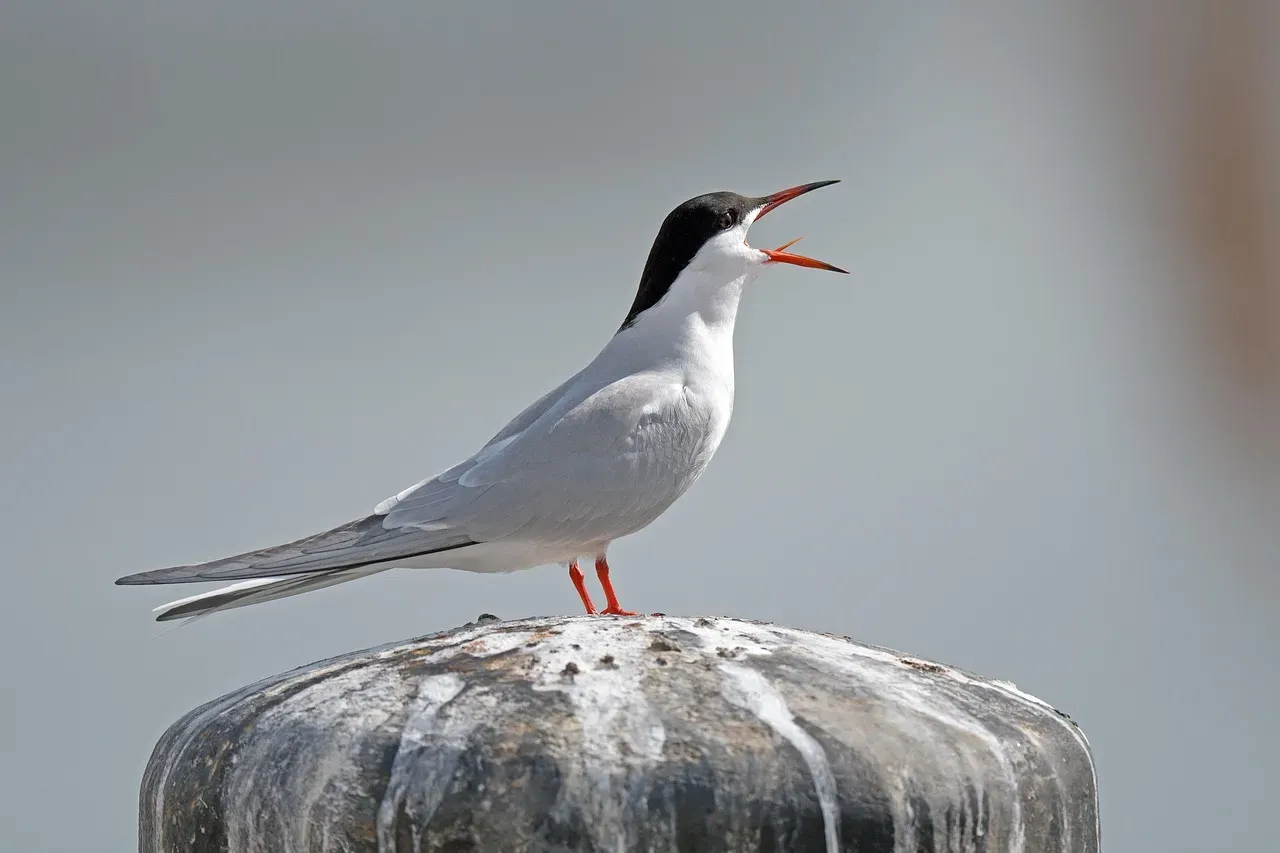
Dive-bombing beaches in summer, these pint-sized piscivores nest on barren sands from Ventura to Baja, but California’s beaches host key colonies. Bright yellow bills gleam as they plunge for fish. Human crowds and predators challenge their ground nests.
Fenced sites protect chicks; volunteers guard fiercely. Their aerial acrobatics dazzle. A tern hovering overhead? Pure coastal magic.
California’s rare birds remind us how fragile beauty thrives amid chaos. From island isolation to marsh whispers, they demand we protect their realms. What hidden wing will you chase next? Share your sightings below.

- Why Veterinarians Say If Your Cat Sleeps With Their Back to You, It's the Highest Form of Trust in Feline Behavior - July 20, 2026
- Animal Science Says Ravens Remember Human Faces for Years and Warn Other Ravens About Dangerous People - July 20, 2026
- Marine Biology Says When Dolphins Suddenly Go Silent in Open Water It's Not Rest – They've Detected a Predator You Cannot See and Their Survival Strategy Reveals How They Read Danger - July 20, 2026