

The American frontier represents one of the most iconic chapters in our nation’s history—a time of exploration, survival, and the forging of a national identity. As pioneers pushed westward across the vast plains, mountains, and deserts, they encountered wildlife that would become synonymous with the frontier spirit. These animals were more than just fauna; they were symbols of freedom, obstacles to overcome, resources for survival, and companions along the journey. From the mighty bison that roamed the Great Plains in massive herds to the agile mustangs that came to embody the untamed wilderness, these creatures defined the American frontier experience. Their presence shaped the development of pioneer culture, Native American traditions, and ultimately our understanding of what it means to be American. This article explores the remarkable animals that embodied the essence of the frontier and their lasting impact on American history and identity.
The American Bison: Symbol of the Great Plains
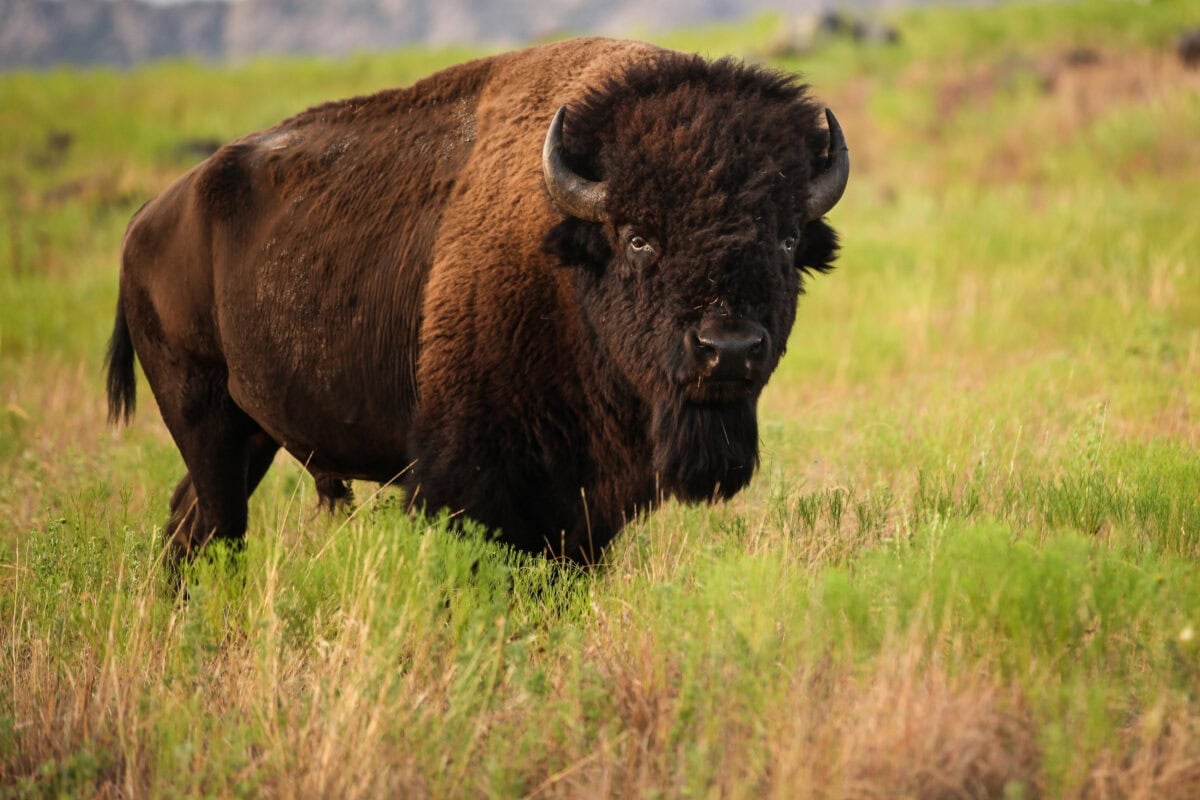
Perhaps no animal symbolizes the American frontier more completely than the American bison, often incorrectly called buffalo. Before European settlement, an estimated 30-60 million bison thundered across the Great Plains in herds so vast that pioneers described them darkening the land “from horizon to horizon.” These magnificent creatures, weighing up to 2,000 pounds, provided Native American tribes with virtually everything they needed for survival: meat for food, hides for shelter, bones for tools, and dung for fuel. The relationship between Plains tribes and bison was so intertwined that their cultural practices, spiritual beliefs, and annual migrations all centered around these animals.
Tragically, the bison population was driven to near extinction during the 19th century as settlers moved west. By 1889, fewer than 1,000 remained, victims of commercial hunting, government-sanctioned slaughter aimed at subduing Native American tribes, and habitat loss. This decimation represented not just an ecological disaster but a cultural one as well. Today, conservation efforts have restored the American bison population to approximately 500,000, though most live on private ranches. The bison’s resilience and eventual recovery stand as a powerful reminder of the frontier’s complex legacy—both the destruction that accompanied westward expansion and the potential for ecological redemption.
Wild Mustangs: The Free Spirits of the Western Landscape
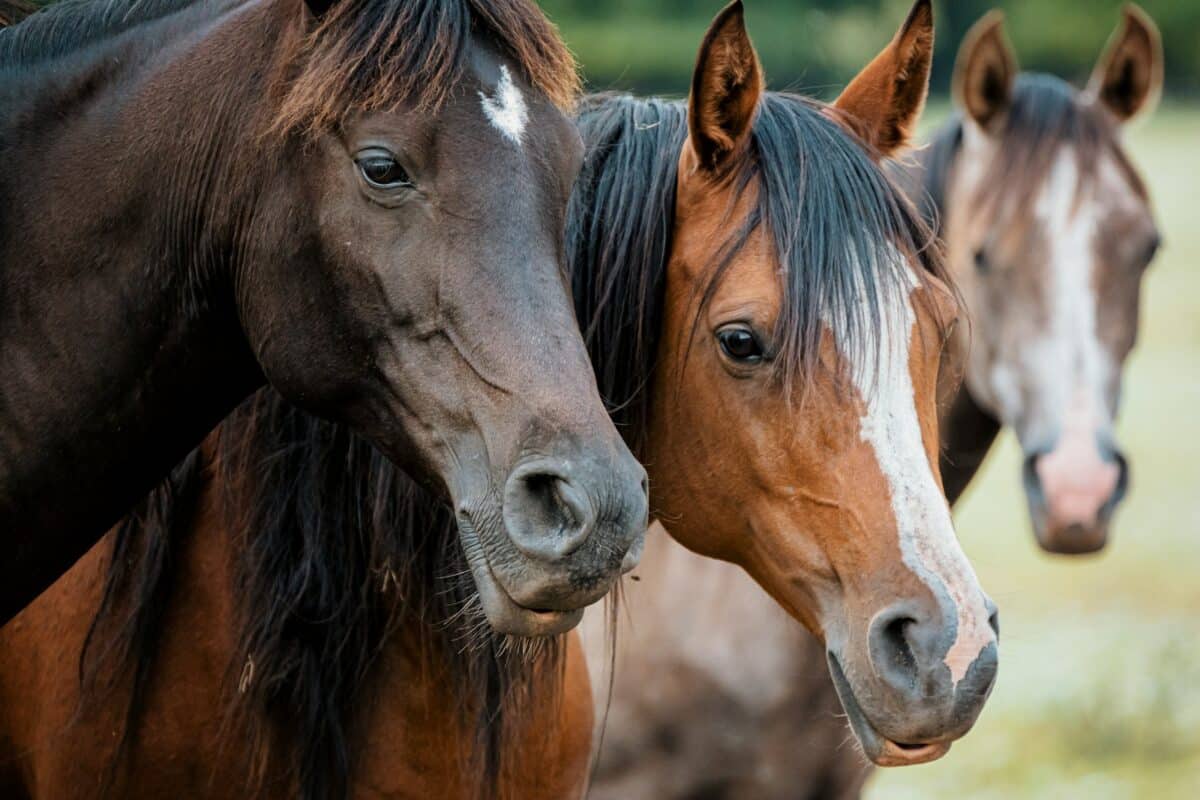
The wild mustang galloping across open plains embodies the freedom and untamed spirit of the American West. Though horses were not native to North America—having been introduced by Spanish conquistadors in the 16th century—those that escaped or were released quickly adapted to the wild. By the 1700s, mustang herds numbered in the millions across the western territories. These horses transformed Native American cultures, particularly among Plains tribes like the Comanche and Lakota, who became masterful riders and developed horse-centered societies. For pioneers and settlers, mustangs represented both opportunity and challenge—animals to be captured and broken for farm work, transportation, and cattle herding.
The mustang population dwindled dramatically throughout the 20th century as they were captured for domestic use, slaughtered for pet food, or removed from rangelands to make way for livestock. Today, approximately 86,000 wild horses roam public lands, protected since 1971 by the Wild Free-Roaming Horses and Burros Act. Management of these herds remains controversial, with constant tension between those who see mustangs as living symbols of American heritage deserving protection and ranchers who view them as competition for grazing resources. Despite these challenges, the wild mustang continues to captivate the American imagination as a powerful symbol of the frontier’s promise of freedom.
Gray Wolves: The Contested Predators
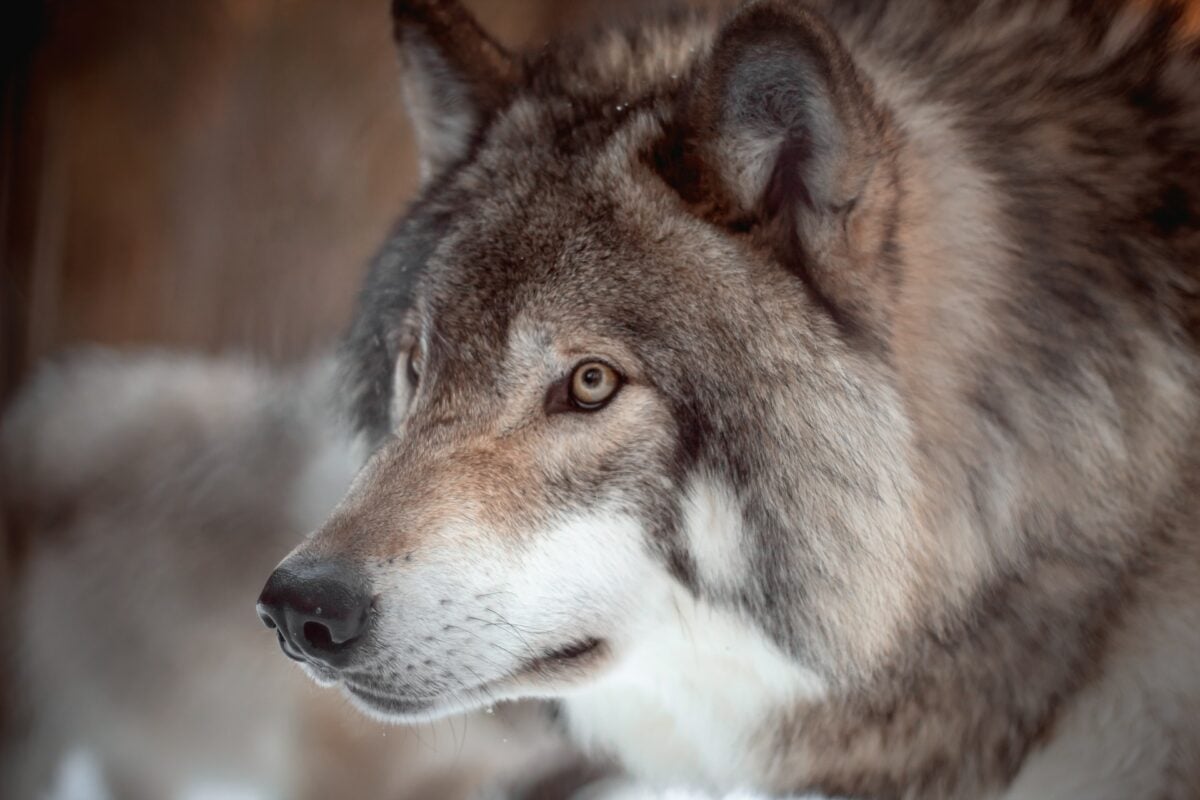
The haunting howl of the gray wolf once echoed across nearly the entire North American continent, making this apex predator one of the most widely distributed mammals in the frontier landscape. Weighing between 70-150 pounds, these social canids lived in packs that hunted cooperatively across vast territories. Native American tribes often revered wolves, incorporating them into creation stories and viewing them as teachers or spiritual guides. Many tribes observed wolf hunting techniques and pack dynamics, adopting similar strategies in their own hunting practices and social structures. The relationship between indigenous peoples and wolves was typically one of mutual respect rather than antagonism.
As European settlers pushed westward, however, wolves became targets of systematic extermination campaigns. Viewed as threats to livestock and dangerous competitors for game animals, wolves were trapped, poisoned, and shot with government bounties encouraging their destruction. By the mid-20th century, wolves had been virtually eliminated from the contiguous United States. This persecution reflected frontier attitudes that prioritized taming the wilderness and eliminating perceived threats to agricultural development. The reintroduction of wolves to Yellowstone National Park in 1995 and their subsequent natural expansion have sparked both celebration and controversy, mirroring the complex legacy of humanity’s relationship with this iconic predator throughout frontier history.
The Grizzly Bear: Apex Predator of the Frontier

Few creatures inspired as much awe and fear among frontier explorers as the grizzly bear. Lewis and Clark’s expedition journals contain numerous accounts of encounters with these massive omnivores, which they described as ferocious and nearly impossible to kill with the firearms of their era. Weighing up to 800 pounds with distinctive shoulder humps and long front claws, grizzlies dominated the western wilderness as apex predators. Native American tribes held complex relationships with grizzlies—respecting their power while also hunting them in coming-of-age rituals that demonstrated exceptional bravery. Many tribes incorporated bears into their spiritual practices, believing these animals possessed medicinal knowledge and supernatural strength.
As settlement expanded westward, conflict between humans and grizzlies intensified. Hunters targeted them for their furs and to eliminate competition for game animals, while farmers and ranchers killed them to protect livestock and homesteads. By the early 20th century, grizzly populations had plummeted from an estimated 50,000 in the contiguous United States to fewer than 1,000 today, primarily in Montana, Wyoming, Idaho, and Washington. The decline of the grizzly illustrates how frontier expansion fundamentally altered the ecological balance of the American West, pushing apex predators to the margins of their former territories. Contemporary conservation efforts focus on maintaining viable grizzly populations in wilderness areas, though conflicts over their management continue to reflect frontier-era tensions between wilderness preservation and human development.
Prairie Dogs: Ecosystem Engineers of the Plains
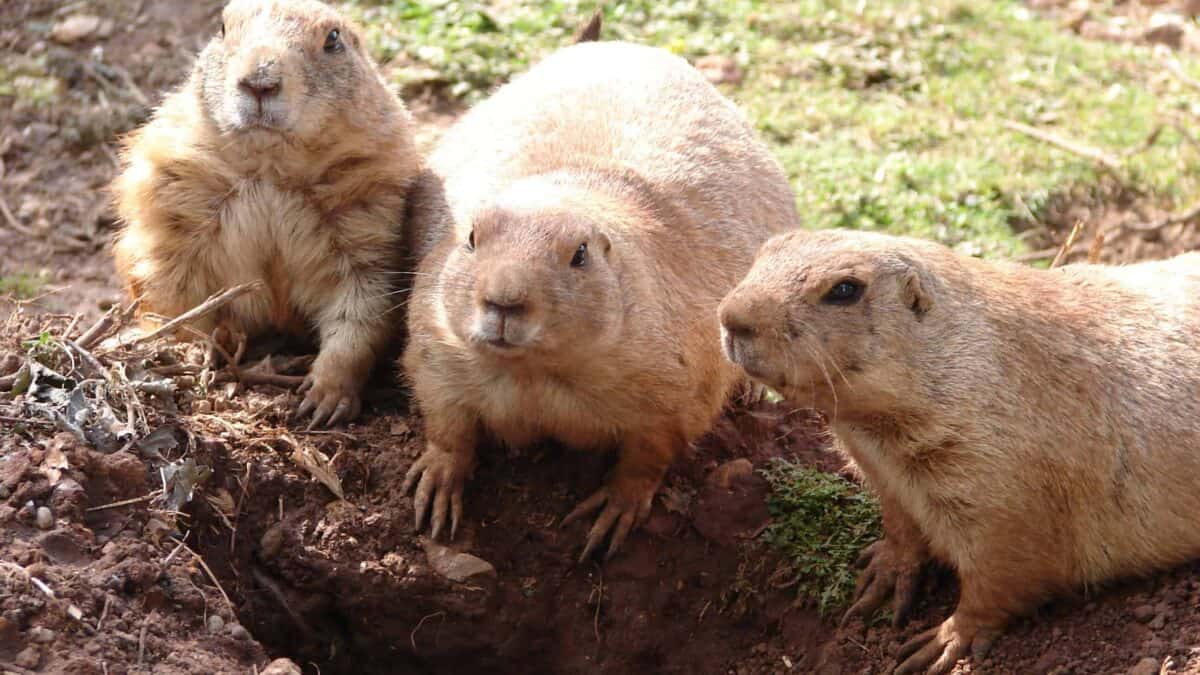
Though less imposing than bison or wolves, prairie dogs played an equally important role in shaping the frontier landscape. These highly social ground squirrels created vast underground colonies called “towns” that could span thousands of acres and house millions of individuals. Early explorers and settlers were astonished by these elaborate communities, with one prairie dog town in Texas historically documented to cover 25,000 square miles. With their constant burrowing and grazing, prairie dogs functioned as ecosystem engineers, aerating soil, promoting plant diversity, and creating habitat for numerous other species including burrowing owls, black-footed ferrets, and swift foxes.
Despite their ecological importance, prairie dogs became targets of one of the most extensive eradication campaigns in American history. Viewed as competitors for livestock forage and hazards for horses and cattle that might step in their burrows, prairie dogs were poisoned, shot, and plowed under as grasslands were converted to farmland and ranches. Since the beginning of European settlement, prairie dog populations have declined by over 95%. Their near-elimination from much of their native range fundamentally altered the prairie ecosystem, contributing to the decline of numerous dependent species. The prairie dog’s story exemplifies how frontier development often prioritized short-term agricultural productivity over ecological complexity, with consequences that continue to affect Great Plains ecosystems today.
The American Beaver: Nature’s Engineer and Fur Trade Catalyst
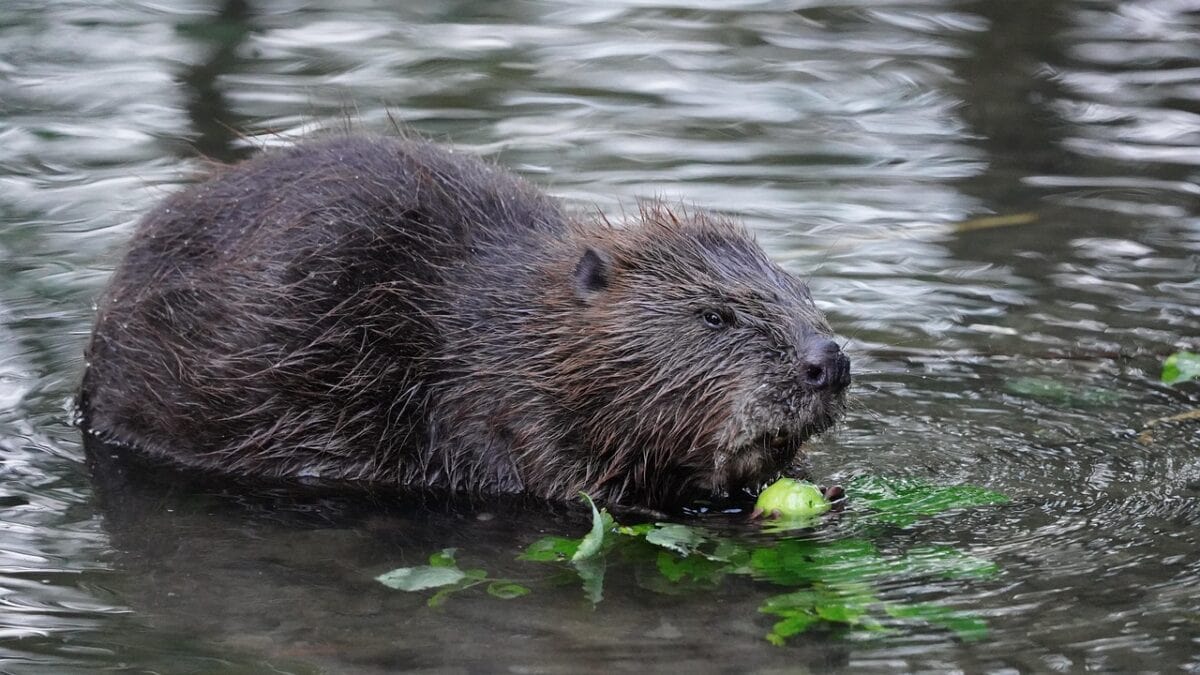
The American beaver, North America’s largest rodent, played a pivotal role in frontier history that far exceeded its modest appearance. These industrious animals, weighing 35-65 pounds with distinctive flat tails, transformed landscapes by building dams and creating wetlands that supported diverse ecosystems. Native American tribes relied on beavers for food and fur while developing complex spiritual beliefs around their remarkable engineering abilities. However, it was European demand for beaver pelts that would catapult this species into economic prominence and drive westward expansion. Beaver felt hats became fashionable in Europe during the 17th and 18th centuries, creating an insatiable market that would reshape North America’s political and ecological landscape.
The pursuit of beaver pelts drove explorers, trappers, and traders deep into unexplored territories, establishing trade routes that would later become pioneer trails. Mountain men like Jim Bridger and Jedediah Smith mapped vast regions while trapping beaver, effectively serving as vanguards of westward expansion. By the mid-19th century, beaver populations had been decimated across much of their range, with some regions seeing localized extinctions. The collapse of beaver populations altered waterways and wetland habitats, decreasing biodiversity and water retention across broad landscapes. Today, beaver populations have recovered substantially under protection, and their dam-building activities are increasingly recognized as valuable ecosystem services that improve water quality, reduce erosion, and create habitat complexity—demonstrating how frontier wildlife continues to shape American landscapes even in the modern era.
Coyotes: The Adaptable Survivors
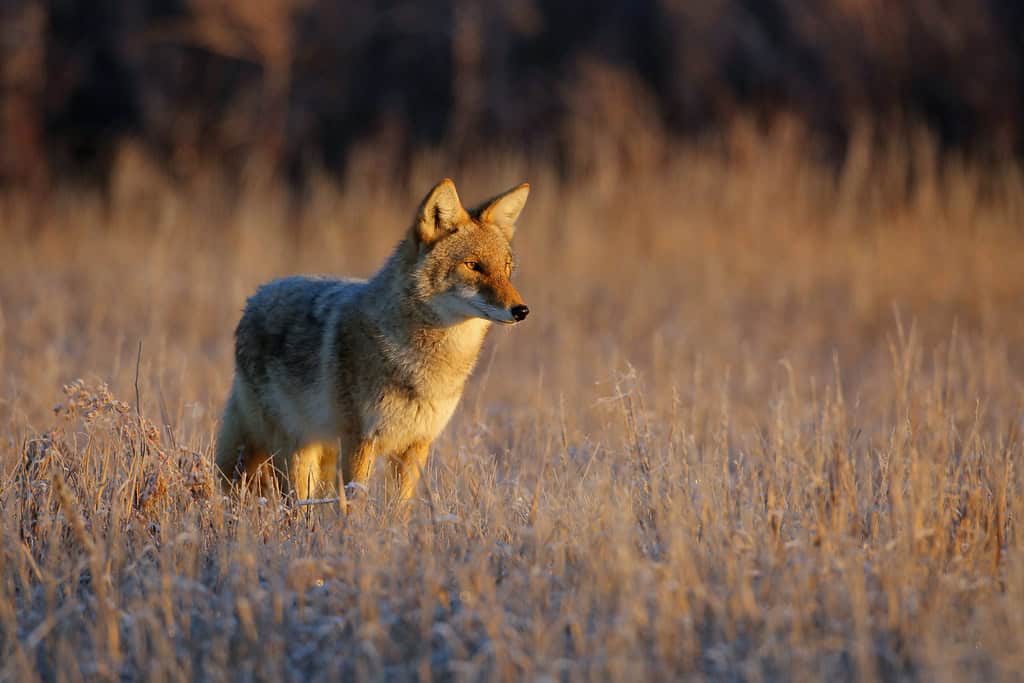
While many frontier species declined in the face of westward expansion, the coyote demonstrated remarkable adaptability that has allowed it to thrive despite persecution. These medium-sized canids, weighing 20-50 pounds, were originally confined primarily to the Great Plains and western deserts. Native American traditions often portrayed coyotes as clever tricksters or creators, acknowledging their intelligence and adaptability. As settlers moved west, coyotes quickly learned to take advantage of human-modified landscapes, scavenging from settlements and preying on livestock. This adaptability earned them the enmity of ranchers and farmers, who labeled them vermin and mounted extensive eradication campaigns that continue in some regions today.
Despite more than a century of poisoning, trapping, and shooting, coyote populations have expanded rather than contracted, now occupying nearly every habitat type across North America from remote wilderness to urban centers. Their remarkable success stems from biological adaptability—they adjust their reproduction rates in response to population pressure and have expanded their diet to include everything from fruits and insects to small pets in suburban environments. The coyote’s ability to not merely survive but thrive amid human development offers a counterpoint to the narrative of frontier wildlife succumbing to westward expansion. Instead, these opportunistic canids represent nature’s resilience and capacity for adaptation, earning them a permanent place in both the historical frontier and contemporary American landscapes.
Pronghorn Antelope: The Prairie Racers

Often mistakenly called antelopes, pronghorns are uniquely North American ungulates that evolved on the continent over millions of years. These remarkable creatures stand as the second-fastest land mammals on Earth, capable of sustained speeds of 35 mph and bursts up to 55 mph—adaptations developed to escape now-extinct American cheetahs. Before European settlement, an estimated 35 million pronghorns inhabited the western plains and deserts, second in number only to bison. Native American tribes hunted pronghorns for their meat and hides, developing specialized techniques to capture these fleet-footed animals, including coordinated drives that funneled them into traps or ambush sites.
As pioneers pushed westward, pronghorns became important sources of meat for wagon trains and early settlements. Market hunting and habitat conversion to agriculture drove their numbers down to approximately 13,000 by the early 20th century. Unlike bison, however, pronghorns have made a remarkable recovery, with current populations estimated at around 700,000 across their western range. Their recovery story highlights both the devastating impact of unregulated frontier hunting and the potential for conservation success. Pronghorns face contemporary challenges from habitat fragmentation, particularly from fences that block their traditional migration routes. Unlike deer, pronghorns evolved to dash away from predators rather than jump over obstacles, making barbed wire fences significant barriers. Conservation efforts now focus on creating pronghorn-friendly fence designs and protecting migration corridors, ensuring these living symbols of prairie speed continue to race across the American West.
Bald Eagles: From National Symbol to Conservation Success
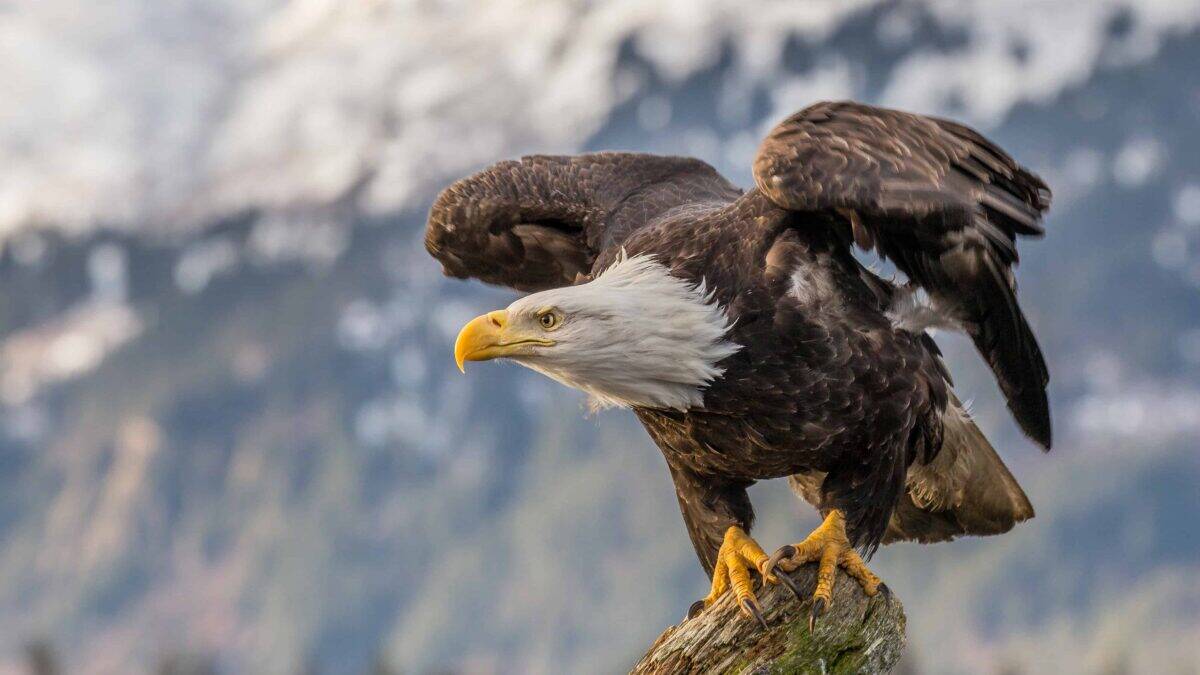
When the Continental Congress adopted the bald eagle as the national symbol in 1782, they selected a creature that embodied the wild frontier spirit of the young nation. These majestic raptors, with wingspans reaching 7.5 feet, commanded the skies over rivers and lakes across North America. Native American cultures revered eagles, considering their feathers sacred items used in religious ceremonies and important regalia. For frontier settlers, however, eagles were often viewed with ambivalence—respected as symbols but sometimes persecuted as potential predators of livestock and competitors for fish. Despite their iconic status, by the mid-20th century, bald eagles faced potential extinction in the lower 48 states due to habitat destruction, hunting, and especially DDT poisoning, which caused catastrophic reproductive failure.
The bald eagle’s recovery represents one of America’s most significant conservation success stories. Protected by the Bald Eagle Protection Act of 1940 (later amended to include golden eagles) and the subsequent ban on DDT in 1972, eagle populations slowly rebounded from a low of approximately 417 nesting pairs in the 1960s to more than 9,700 breeding pairs today. Their successful recovery led to their removal from the endangered species list in 2007. This remarkable turnaround illustrates how Americans’ relationship with frontier wildlife has evolved—from the utilitarian view that dominated the frontier era to a conservation ethic that recognizes the intrinsic and symbolic value of native species. Today, the sight of a bald eagle soaring over American waterways connects modern citizens with the frontier wilderness that shaped their national character while showcasing the potential for environmental restoration.
Frontier Cattle: From Longhorns to Industry
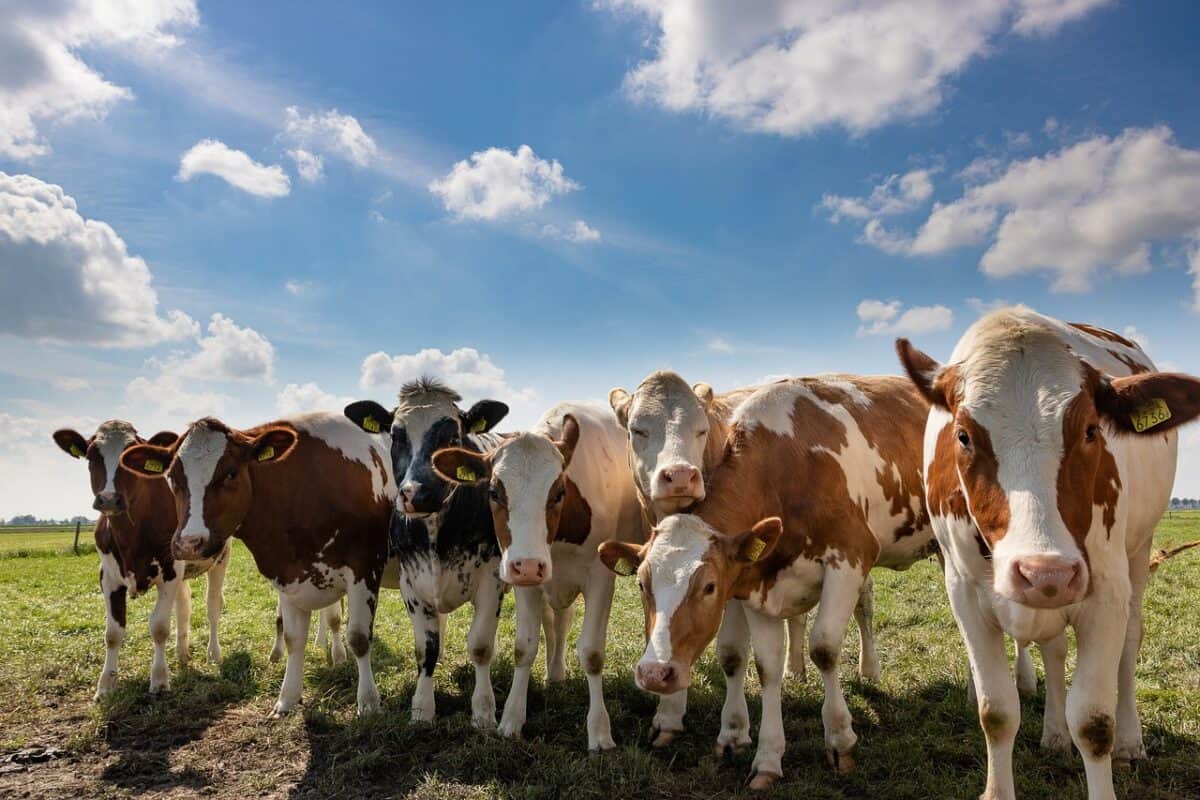
Though not native to North America, no discussion of frontier animals would be complete without acknowledging the transformative role of cattle, particularly Texas Longhorns. Descended from Spanish cattle brought to Mexico in the 1500s, these hardy bovines developed naturally over centuries into animals uniquely adapted to the harsh conditions of the American Southwest. Longhorns could travel long distances without water, resist diseases that devastated other breeds, and defend themselves with impressive horns spanning up to seven feet tip to tip. Following the Civil War, an estimated five million longhorns roamed freely in Texas, representing untapped wealth in northern markets where beef commanded high prices.
The resulting cattle drives of the 1860s-1880s have become legendary in American frontier history, with cowboys moving herds of thousands of longhorns along trails like the Chisholm and Western from Texas to railheads in Kansas and elsewhere. These epic journeys created an entire culture and mythology around the cowboy way of life. As railroads expanded and open range gave way to fenced ranches, longhorns were gradually replaced by breeds like Herefords and Angus that provided more meat and fat but required more care. The rise of the cattle industry fundamentally altered western landscapes, replacing native grazers like bison with domestic livestock and transforming the open prairie into a managed rangeland dominated by human economic interests. Today, cattle ranching remains a defining feature of western identity, though methods have evolved considerably from the wild cattle drives of frontier lore.
Working Dogs: The Frontier’s Faithful Companions

While wolves faced persecution on the frontier, their domesticated relatives became indispensable partners to pioneers and settlers. Dogs served multiple crucial roles in frontier life, with different types bred or trained for specific purposes. Hunting dogs like coonhounds helped provide meat for frontier tables, tracking game through difficult terrain. Livestock guardians, including large breeds like Great Pyrenees, protected vulnerable sheep and cattle from predators on remote ranches. Perhaps most valuable were herding dogs—collies, shepherds, and heelers—that could control livestock movements with remarkable precision, doing the work of several human hands and making large-scale ranching operations viable in sparsely populated regions.
Beyond their practical contributions, dogs provided companionship and emotional support in the often-isolated conditions of frontier life. They stood guard over homesteads, warned of approaching strangers or animals, and offered warmth during cold winter nights. Native American tribes had incorporated dogs into their cultures long before European arrival, using them as pack animals, hunting assistants, and camp sentinels. As European and indigenous cultures clashed and intermingled on the frontier, working dogs often represented a common point of appreciation and understanding. The bond between humans and canines was so fundamental to frontier success that many pioneer journals and letters specifically mention beloved dogs by name, documenting their contributions to family survival and wellbeing. This partnership continues today on working ranches across the American West, where specialized herding and guardian dogs still perform.

- 10 Animals That Cheat Death in the Most Unexpected Ways - July 19, 2026
- The Shrimp That Punches Like a Bullet - July 19, 2026
- This Tiny Mammal Can Slow Its Heartbeat to One Beat Per Minute - July 19, 2026