
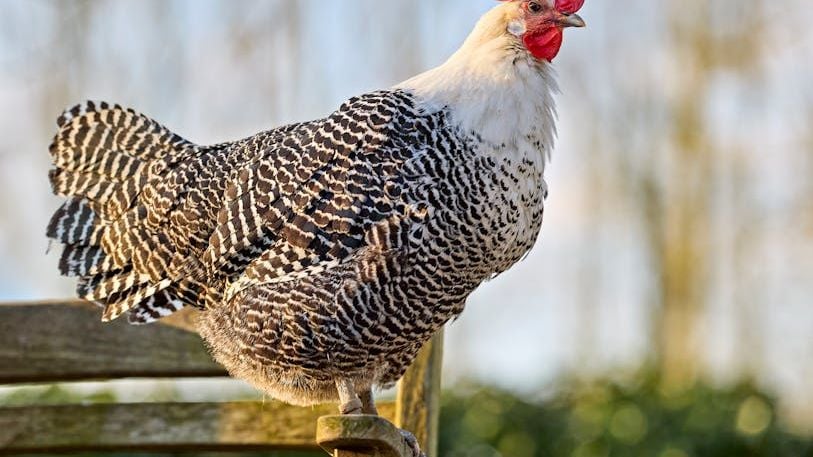
Most people think of chickens as a fairly uniform category of bird. White feathers, clucking, eggs, repeat. What they don’t realize is that beneath the surface of commercial poultry farming lies a quietly extraordinary world of breeds so rare, so striking, and so historically deep that some of them came perilously close to vanishing forever.
Between 1940 and 1960, chickens went from quaint backyard residents to industrialized food machines. Hybrid breeds, engineered for rapid growth and efficient meat production, took center stage. The slower, more distinctive breeds got left behind. With the industrialization of chickens, many breeds were sidelined in preference to a few rapidly growing hybrids. The Livestock Conservancy now lists over three dozen breeds of chickens in danger of extinction. What follows are ten of the most fascinating, rare, and genuinely surprising chicken breeds you can still find in the United States today.
#1. The Holland: America’s Rarest Homegrown Chicken
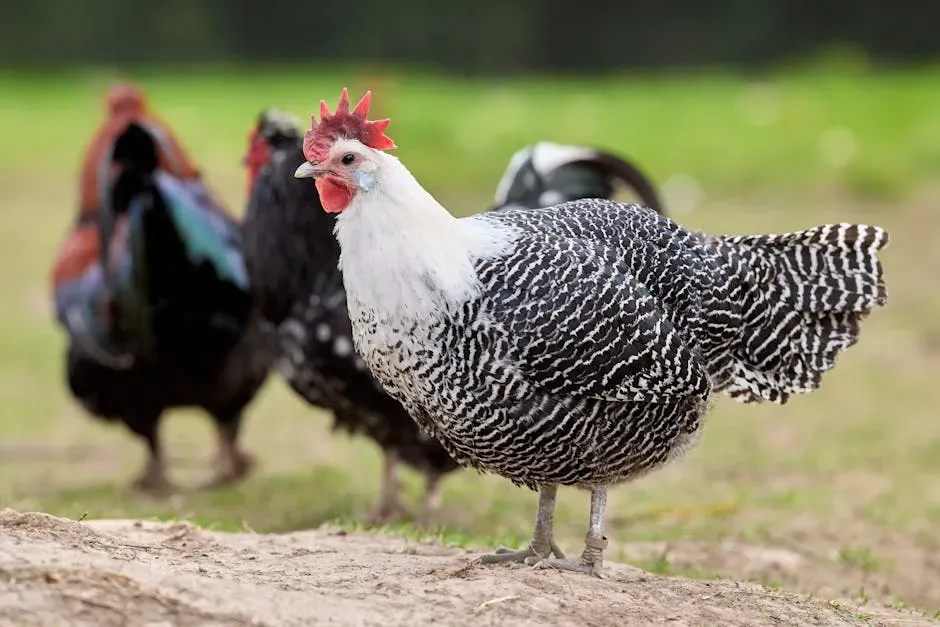
The Holland is the rarest American-bred chicken breed. It is a dual-purpose breed that is cold hardy and has the unique feature of being one of the only American-classed breeds that lays white eggs. That alone makes it stand out from almost every other American chicken. Despite its name, the Holland chicken originated in New Jersey, USA. Holland chickens were initially bred in the mid-1930s because there was a growing demand for white eggs instead of brown. Rutgers Breeding Farms in New Jersey was the first to breed Holland chickens.
Today, Hollands of both varieties are rare. White Hollands may even have disappeared entirely. The Livestock Conservancy lists the breed status as Critical. This is a low-maintenance, healthy breed; they have cheerful personalities and enjoy interacting with humans, so they are a good choice as pets and for children. Raising them isn’t just rewarding on a personal level. By raising Holland chickens, flock owners help conserve what is considered to be America’s rarest chicken.
#2. The Java: A Living Piece of American Poultry History
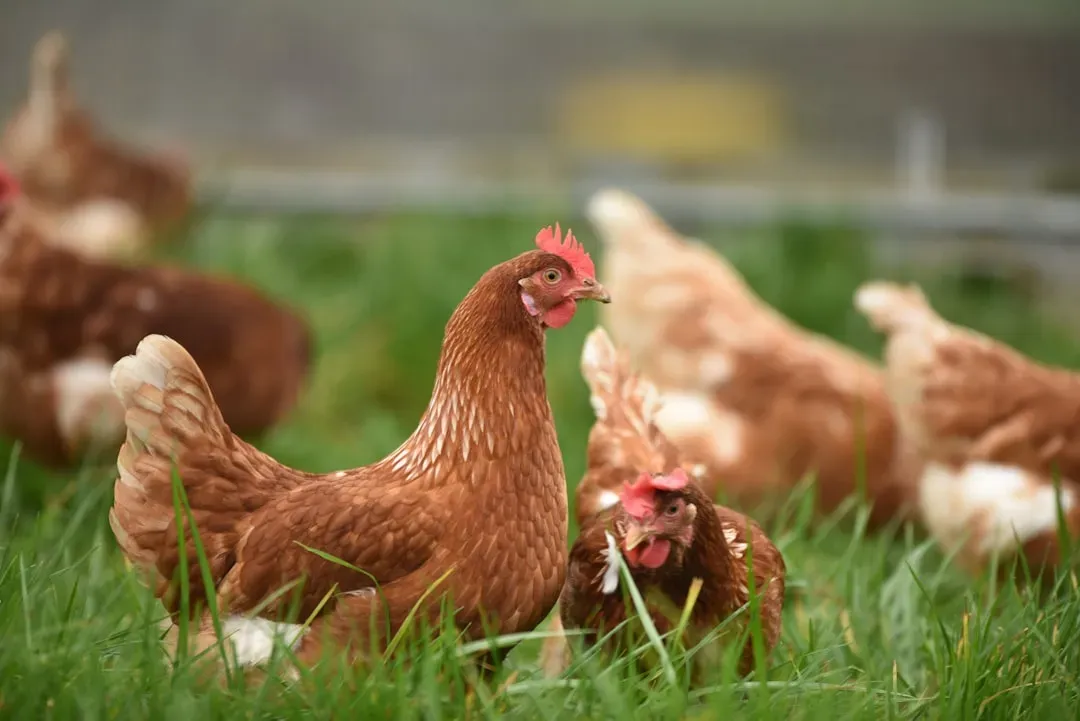
The Java is the second oldest breed of chicken developed in America. Its history before arriving in America is not certain, but its ancestors were reputed to have come from the Far East, some possibly from the isle of Java, in the first half of the 19th century. Think about the gravity of that for a moment. This is a bird with deep roots in the American agricultural story, one that predates the Civil War. The Java breed was used to develop many other American breeds, including the Jersey Giant, Plymouth Rock, and Rhode Island Red. Unfortunately, these breeds later eclipsed the Java in popularity.
Javas had nearly vanished by the end of the 20th century, having been pushed to the fringes of the poultry world by the intense focus on one or two breeds by commercial growers. The American Livestock Breeds Conservancy continues to list Javas as Critical on its watchlist, meaning fewer than 500 breeding birds from five or fewer primary breeding flocks are known. The breed is also listed as part of Slow Food USA’s Ark of Taste, a catalog of heritage foods in danger of extinction. Few chickens carry that kind of cultural weight.
#3. The Dominique: The Oldest American Breed
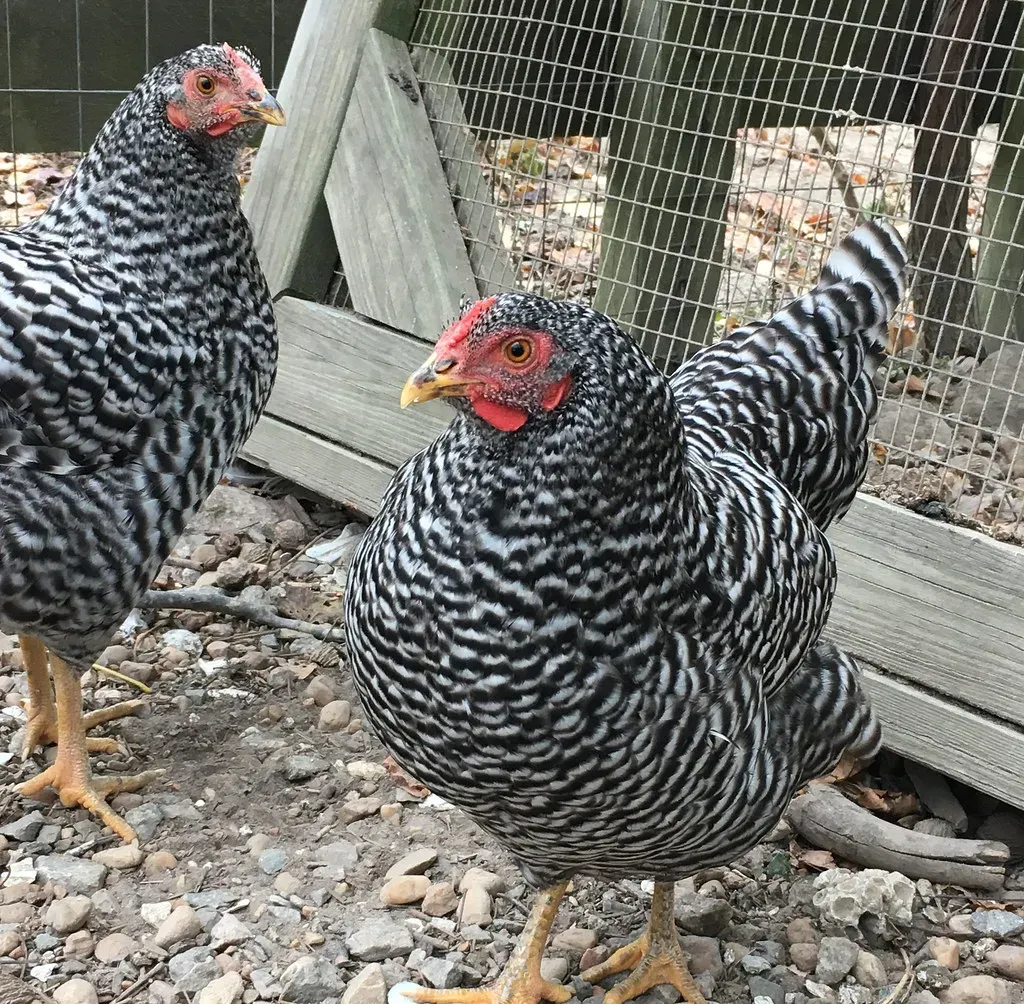
The Dominique chicken is recognized as America’s first and oldest chicken breed. There are several theories for its origin. Some feel it was brought from southern England by early colonists, the Pilgrims – hence an original name “Pilgrim Fowl.” Others believe it originated in the French colony of Saint Dominique on what is now the island of Haiti. It’s been known in America since at least the 1750s, which makes it older than the country itself. The Dominique was bred plentifully on American farms as early as the 1820s. Breeders refined the bird by crossing with some of the Asian varieties, and later, attention was given to developing more uniformity in chicken breeds.
By 1970, there were only four known flocks in the United States. They belonged to Henry Miller, Edward Uber, Robert Henderson, and Carl Gallaher. That’s not a typo. Four flocks. Through the effort of dedicated individuals and The Livestock Conservancy, the remaining owners were contacted and convinced to participate in a “breed rescue.” Through their efforts, many of the old bloodlines were saved, including one flock line that had been in existence for more than a hundred years. The plumage is held fairly tight to the body; because of this and the rose comb, it has better resistance to frostbite than some other breeds. The Dominique is a dual-purpose breed, but is kept principally for its brown eggs, of which hens lay about 200 per year.
#4. The Buckeye: Ohio’s One-of-a-Kind Cold-Hardy Breed
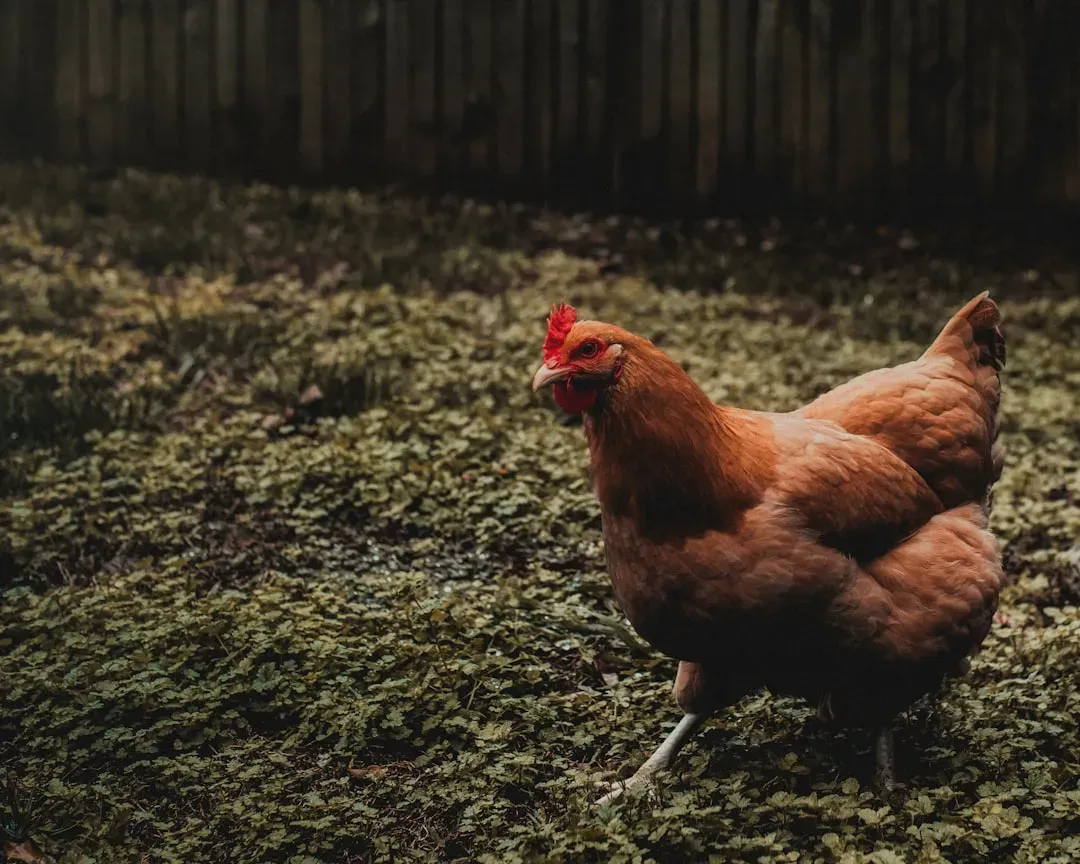
The Buckeye was developed in 1896 in Warren, Ohio by a woman named Nettie Metcalf and is the only American breed of chicken known to be developed by a woman. She wanted to create a dual-purpose breed that would do well in the bitter Midwest winters. They were admitted into the APA in 1904. That’s a genuinely distinctive piece of agricultural history. The Buckeye is the only purely American breed to sport a pea comb, and this, combined with its stocky build, makes it a supremely cold-hardy chicken. With a unique slanted body, meaty thighs, and powerful wings, Buckeyes are active hunters, even compared to cats for their mouse-catching abilities.
Until fairly recently, Buckeye chickens were critically endangered according to The Livestock Conservancy. Their status has since been updated to “Watch,” but their numbers remain fragile. They tolerate confinement well but love to forage. They have decent laying ability of approximately 200 brown eggs per year and have strong meat production characteristics. They are a generally calm but active breed and are noted for being good mousers. In addition, they are inquisitive and friendly, but the odd rooster may become aggressive due to its game fowl background.
#5. The Crevecoeur: The Bird With a Broken Heart
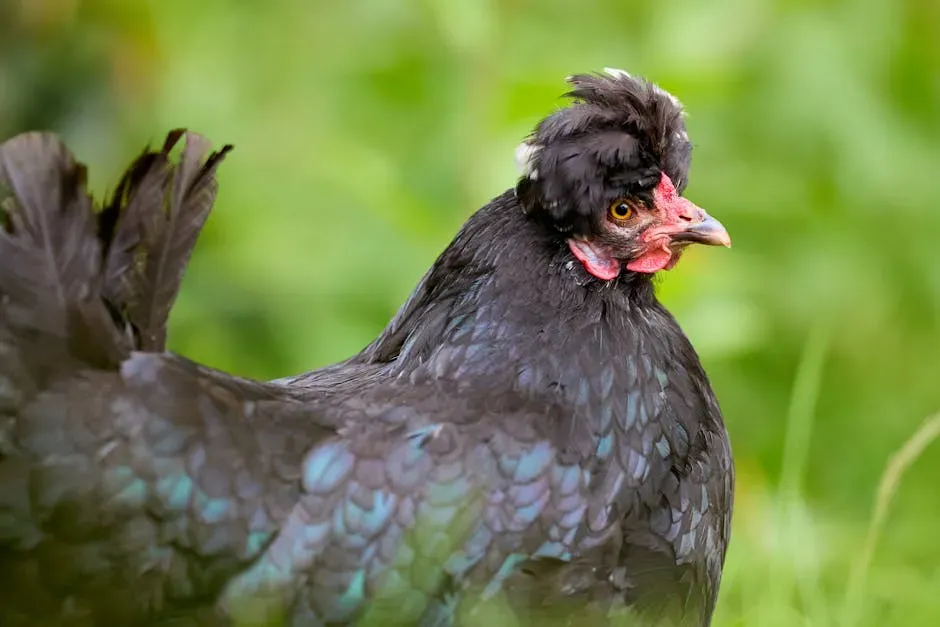
The Crevecoeur breed is a rare continental breed of chicken originating from Normandy, France during the 17th century. The breed was named after a town, and the name also means “broken heart.” There’s something quietly poetic about a bird so beautiful carrying such a melancholy name. The Crevecoeur, affectionately called “Morticia” by enthusiasts, is both elegant and rare. Their black plumage and crest give them a gothic beauty, but their temperament is anything but dark. They are friendly, quiet, and enjoy human interaction.
Though historically used for meat, they also lay a fair number of white eggs, and keeping Crevecoeurs helps preserve this heritage breed. Conservation efforts have recently moved the Crevecoeur from “critical” to “threatened” status, with a growing breeding population drawing renewed excitement among rare breed enthusiasts. That’s a meaningful step forward for a breed that spent a very long time on the edge. Finding a Crevecoeur in the United States still takes genuine effort, but dedicated breeders are slowly bringing this French beauty back from the brink.
#6. The Redcap: The Breed Almost Nobody Has Seen
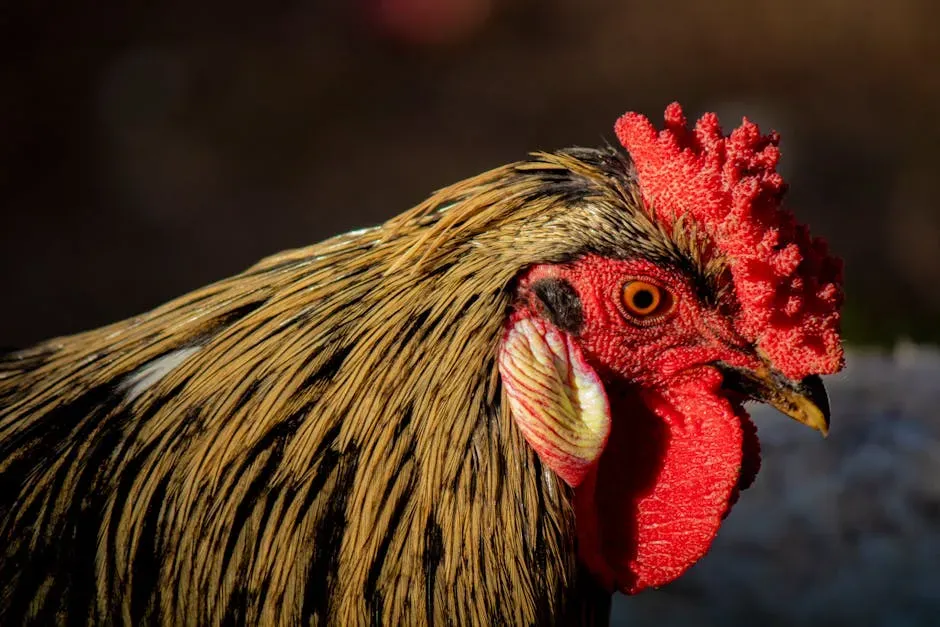
Ask even experienced chicken keepers about the Redcap, and you will likely get a blank stare. One of the rarest is the Redcap. It is the only breed in the APA Standard of Perfection that many seasoned enthusiasts have never personally seen. That is a staggering statement about just how invisible this breed has become. The Redcap appears on The Livestock Conservancy’s critical category list, alongside breeds like the Holland, Sultan, and Crevecoeur. The Redcap is an old English breed, known for its signature enormous rose comb, which gives it its name. It is a hardy, active forager historically valued for both eggs and meat.
The Redcap’s defining feature, that oversized rose comb that crowns its head, is truly unlike anything else in the poultry world. It’s a striking, almost theatrical look for a bird that has otherwise lived an understated, practical life. Another unique fact about the Redcap is that its genetic history is fairly pure, with little crossbreeding. This means that the breed is very hardy and not prone to disease or illness. The hens are good layers of white eggs. For poultry enthusiasts, spotting a Redcap in person is practically a poultry bucket-list moment.
#7. The Sultan: A Chicken Fit for a Palace
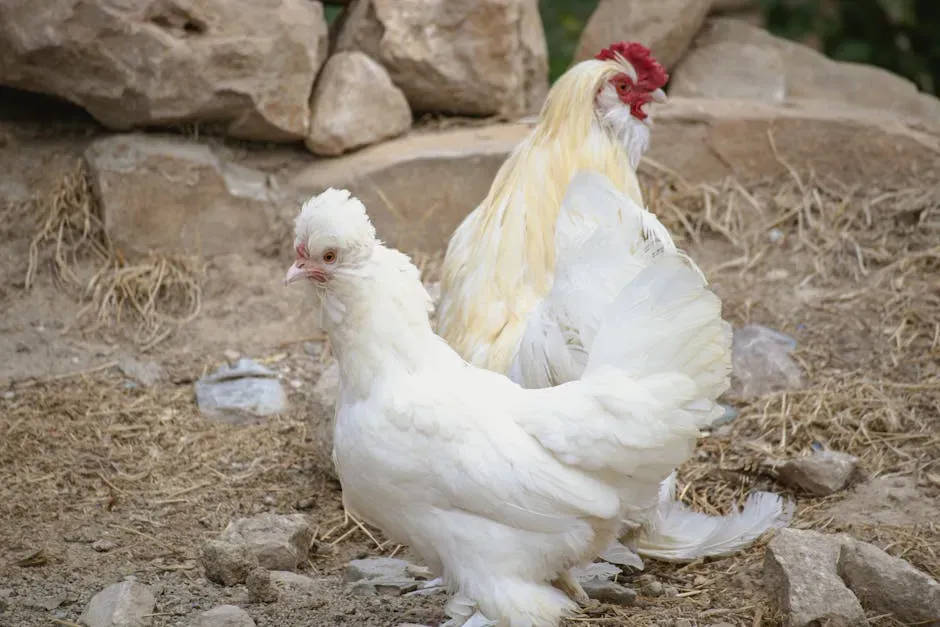
The Sultan is a Turkish breed of crested chicken. The name derives from the original Turkish name “Sarai-Tavuk,” which translates as “fowls of the palace.” They have always been primarily ornamental, having been kept in the gardens of the Ottoman sultanate. It’s hard not to appreciate a bird with that kind of backstory. The Sultan is a unique chicken breed indeed considering it sports nearly every unique feature a chicken can have. It has a medium size, V-shaped comb that is often hidden by a full crest of feathers on top of its head.
The Sultan breed from Turkey shows features like crested head feathers, feathered toes, and five toes per foot, a peculiar appearance among rare chicken breeds. Those five toes, that dramatic feathered crest, and those elaborately plumed feet make the Sultan one of the most visually theatrical birds you’ll ever encounter. The Redcap appears on The Livestock Conservancy’s critical category list, alongside breeds like the Holland, Sultan, and Crevecoeur, which tells you just how endangered the Sultan’s presence in the US really is. They exist here mostly through the commitment of show breeders and dedicated heritage flock keepers.
#8. The Svart Hona: The All-Black Swedish Rarity
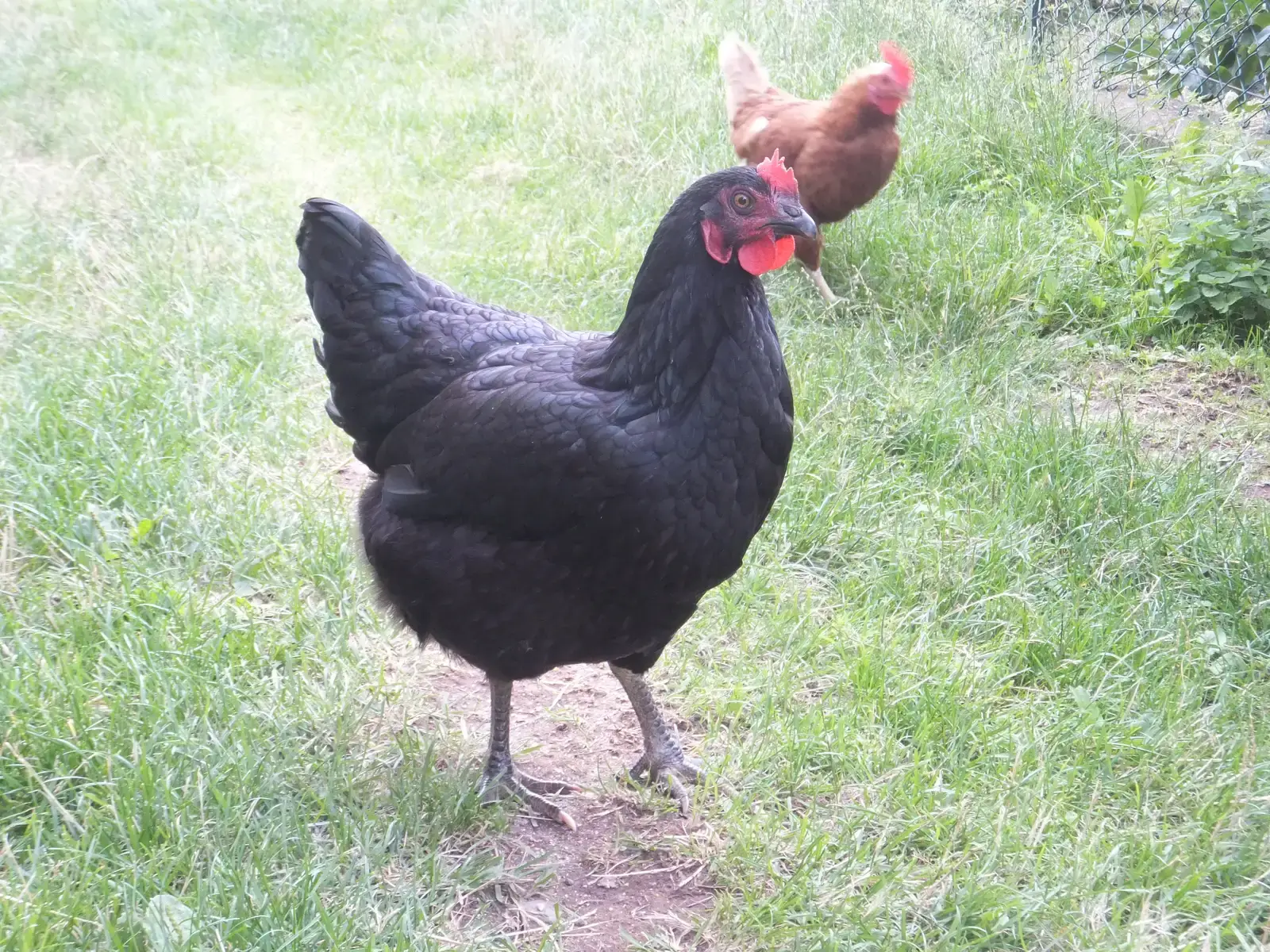
The Svart Hona is one of two chicken breeds who are completely fibromelanistic, the other being the Ayam Cemani. Being fibromelanistic means that the bird is completely black including its feathers, skin, bones, and meat. It’s the kind of thing you have to see to fully believe. Even the internal organs are black. Svart Honas are known to be very cold hardy and excellent foragers. The hens make good broody mothers and the cocks are protective but friendly. Svart Hona hens are excellent layers of medium-sized, creamy white eggs.
There’s an odd and wonderful contrast to the Svart Hona: this jet-black bird, striking enough to stop people in their tracks, quietly produces pale creamy eggs and thrives in conditions that would challenge many other breeds. Swedish Black Hens are a good multipurpose bird that can do well in variable climates. Understanding is that the birds can run $250-$300 each, so they would make a great choice for an experienced chicken keeper who can absorb potential livestock losses at that price or for those who would like to start a breeding flock. Not such a great choice for beginners or those raising birds on a tight budget.
#9. The La Fleche: The Devil Bird of French Heritage
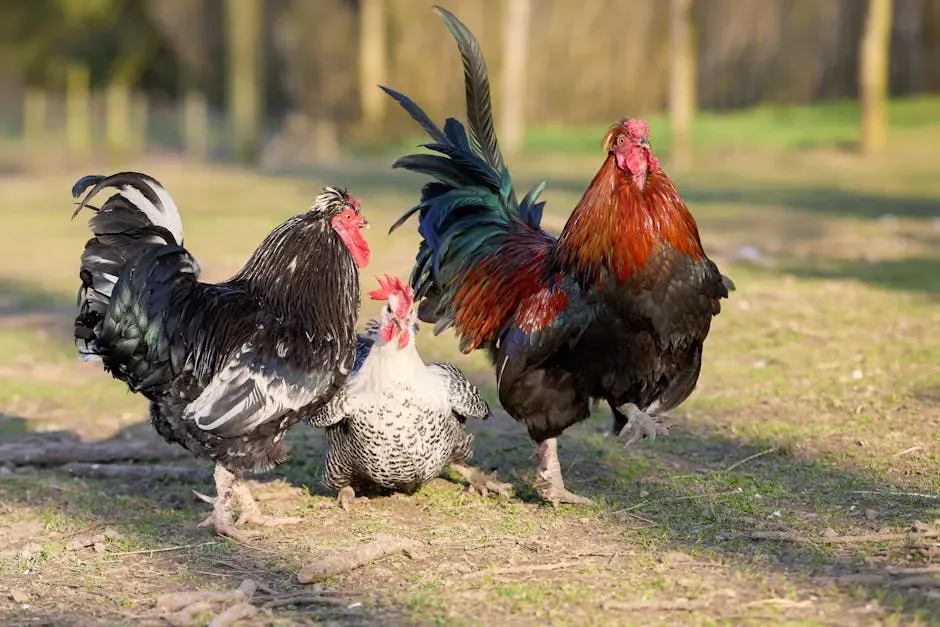
The La Fleche is known as the Devil Bird because its comb is shaped like a horn. La Fleches are good layers of large, creamy white eggs. They come in black, blue, white, and cuckoo colors. Fairly good as meat birds, they’re quick to mature. They’re now quite rare. That devil-horn comb is genuinely striking, almost sci-fi in appearance, and it’s the first thing anyone notices about this breed. Of all the French chicken breeds, La Fleche is said to have the best quality meat. La Fleche meat has thin white skin with tender, juicy, delicate, short-grained flesh. The breed also fattens well, with the fat distributed across the breasts, legs, thighs, and even the back.
The La Fleche is a large chicken breed that has a distinctive V-shaped comb, giving the bird its nickname of “devil bird.” The actual meaning of the breed’s name is “the arrow” because of its V-shaped comb. La Fleche are good foragers and the hens rarely go broody, which makes them consistent layers as well. The La Fleche is a heat-tolerant breed that does better in warm climates versus cold climates. They’ve never been easy to find in the United States, and that remains true in 2026. Still, their combination of culinary quality and visual drama makes them quietly coveted among serious poultry enthusiasts.
#10. The Dominique’s Near-Extinct Cousin: The Campine
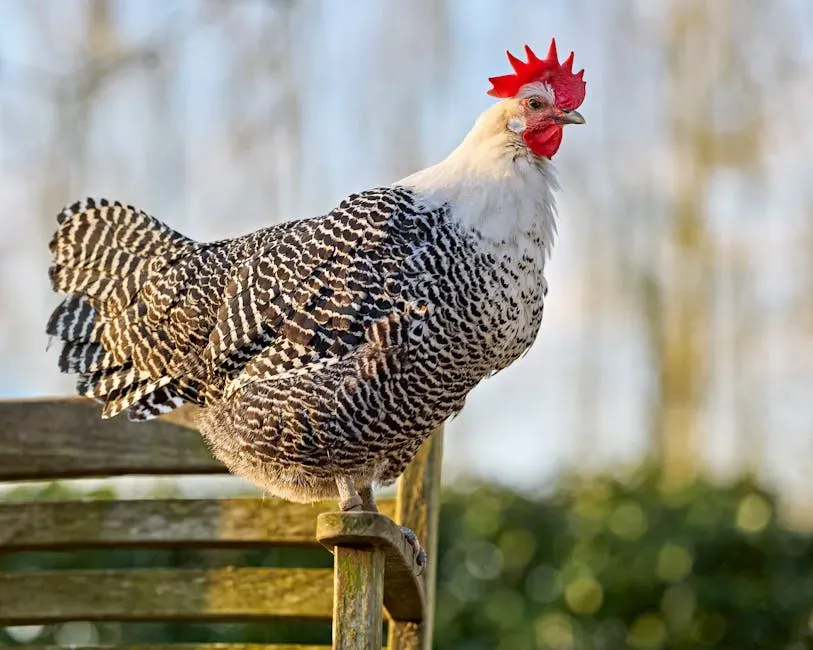
The Campine is an old breed that originally came from Belgium. It has two color varieties, gold and silver. The gold has golden feathers marked with black bars, and the silver is gray-white with black bars. It’s a sharp-looking bird, almost geometric in its feather patterns. When the two colors are crossed, they produce chicks that can be sexed by color right after hatching. Female chicks are a red-buff color, and males have a gray cap on their head. Campines were originally developed as a dual-purpose breed and are fairly good layers of white eggs. Both colors are rare now, with silver being the rarest.
The Campine is a small chicken breed that is still considered a dual-purpose breed. The hens are good layers of small white eggs. They are not a very hardy breed, which contributes to them being a rare breed. That fragility has made conservation genuinely difficult. Finding a Campine in the United States today requires patience and persistence, usually through specialty breeders or heritage poultry networks. Their rarity is real, and their feather patterning is one of the most distinctive in all of domestic poultry, which makes them all the more worth seeking out.
Why These Breeds Matter More Than Ever
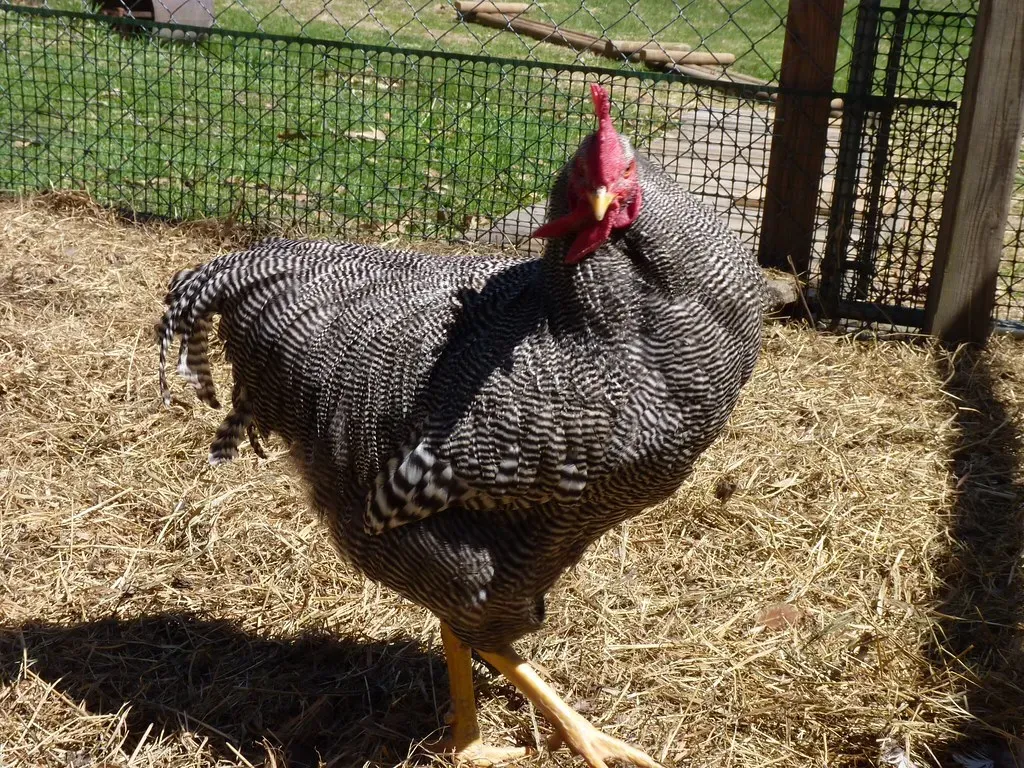
Heritage breeds are the genetic time capsules of chicken history. Their DNA carries stories of settlers, pioneers, and homesteaders. As industrial breeds take over, genetic diversity dwindles. The Livestock Conservancy sounds the alarm: more than three dozen heritage breeds are on the endangered list. The stakes here are higher than they might seem. Genetic diversity in poultry is not just a matter of historical sentiment. It’s an agricultural asset.
These breeds represent an irreplaceable piece of earth’s biodiversity and offer an incredible variety that may be needed for future farms, including robust health, mothering instincts, foraging, and the ability to thrive in a changing climate. A chicken breed is considered rare when it reaches “critical” status as determined by The Livestock Conservancy. The Livestock Conservancy considers a breed to be deemed “critical” when there are fewer than 500 breeding individuals in the United States and the worldwide population for the breed is fewer than 1,000 birds. Those numbers are sobering.
The encouraging truth is that none of these breeds require a working farm to save. A backyard flock, a small urban setup, or even a few hens on a half-acre lot can make a real difference. Every Holland egg laid, every Buckeye chick hatched, every Crevecoeur kept is a small act of preservation with outsized meaning. These birds survived wars, economic upheavals, and the bulldozing era of industrial agriculture. Whether they survive the next fifty years is largely up to the people who decide they’re worth caring about. That’s an open question, and frankly, the answer matters.

- 7 Hidden Conditions That Invite Termites Into Your Walls - August 6, 2026
- 10 Rare Types of Chickens You Can Find in the United States - August 6, 2026
- What It Means When Hummingbirds Return on Nearly the Same Date Every Year - August 6, 2026