

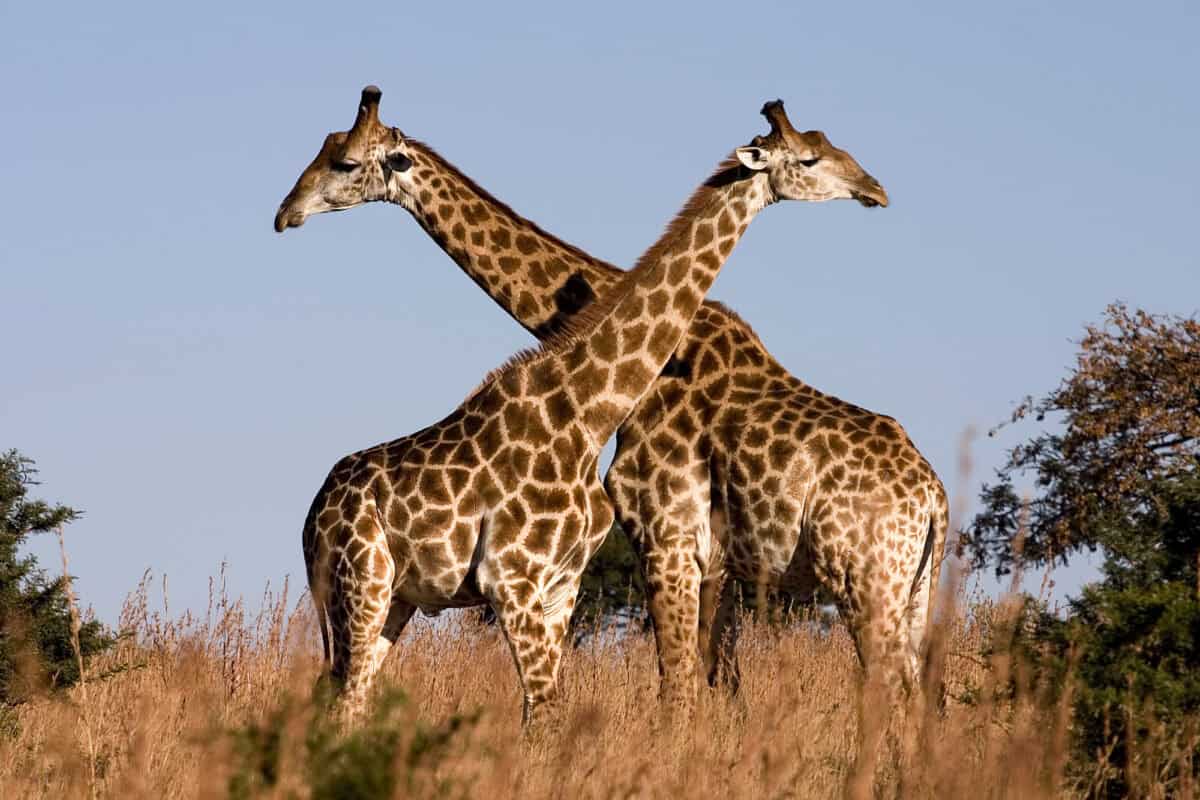
When most people think of giraffes, they picture gentle giants gracefully munching on acacia leaves. But beneath that calm exterior lies one of nature’s most remarkable survivors. These towering creatures aren’t just tall for show – they’re walking biological marvels equipped with features that would make even the toughest animals jealous. From deadly kicks that can shatter skulls to cardiovascular systems that defy physics, giraffes are far more formidable than their peaceful appearance suggests. What makes these elegant giants so surprisingly tough?
Their Kicks Can Kill Lions

Think a giraffe can’t defend itself? Think again. A giraffe’s kick can kill a lion! When confronted by a predator, a giraffe will kick in every direction with both hind legs at once. Their sharp, cloven hooves can cause serious damage. Giraffes, over six times that much, with well over a ton of power behind their kicks. Lions weigh around 400 pounds, but when a giraffe unleashes its hooves, it’s like getting hit by a wrecking ball. An adult male giraffe can kill them easily with one kick – that’s why even the king of the jungle thinks twice before attacking one. The impact of a single kick in the head or a sensitive part of a predator is enough to kill it, but the experienced predators are extremely cautious, and therefore know the exact moment to attack. They give deadly kicks, which more predators fear. Wildlife photographers have captured giraffes fighting off entire lion prides, with the big cats getting knocked around like rag dolls. It’s no wonder predators usually target the young – adult giraffes are walking danger zones.
They Have Extreme Blood Pressure Without Dropping Dead

To have a blood pressure of 110/70 at the brain — about normal for a large mammal — giraffes need a blood pressure at the heart of about 220/180. That’s double what humans have, and it would kill us instantly. The giraffe has an extremely high blood pressure (280/180 mm Hg), which sounds terrifying, but giraffes handle it like it’s nothing. It doesn’t faze the giraffes, but a pressure like that would cause all sorts of problems for people, from heart failure to kidney failure to swollen ankles and legs. The giraffe’s physiology seems to have adapted to this high blood pressure in a number of ways, including a sophisticated system of valves that keeps the giraffe’s blood from pooling in its head and protects its lower limbs from higher arterial pressure. They’ve essentially evolved into living pressure cookers that somehow don’t explode. Special support structures in the arteries withstand 300/180 millimeters of mercury, preventing them from bursting. As it drops its head down to drink, specialized valves in the neck counter the potentially explosive effects of gravity, blocking blood flowing back into the skull.
They Can Run 35 MPH Despite Being 18 Feet Tall

You’d expect something that tall to be slow and clumsy, but giraffes are surprisingly fast. They can run as fast as 35 miles an hour over short distances, or cruise at 10 mph over longer distances. These long legs allow giraffes to run as fast as 35 miles an hour over short distances and cruise comfortably at 10 miles an hour over longer distances. Picture an 18-foot-tall animal galloping across the savanna – it’s like watching a living skyscraper sprint. A giraffe’s legs are also about 6 feet long, allowing them to run quickly. Those incredibly long legs that make them look awkward actually give them a massive advantage. Giraffes can run at 30 mph, and they use that speed to charge their foes and trample them underfoot – imagine being chased by something that tall moving that fast. Their unique galloping style looks almost otherworldly, but it gets the job done when escaping predators or charging at threats.
Their Hearts Are Biological Powerhouses
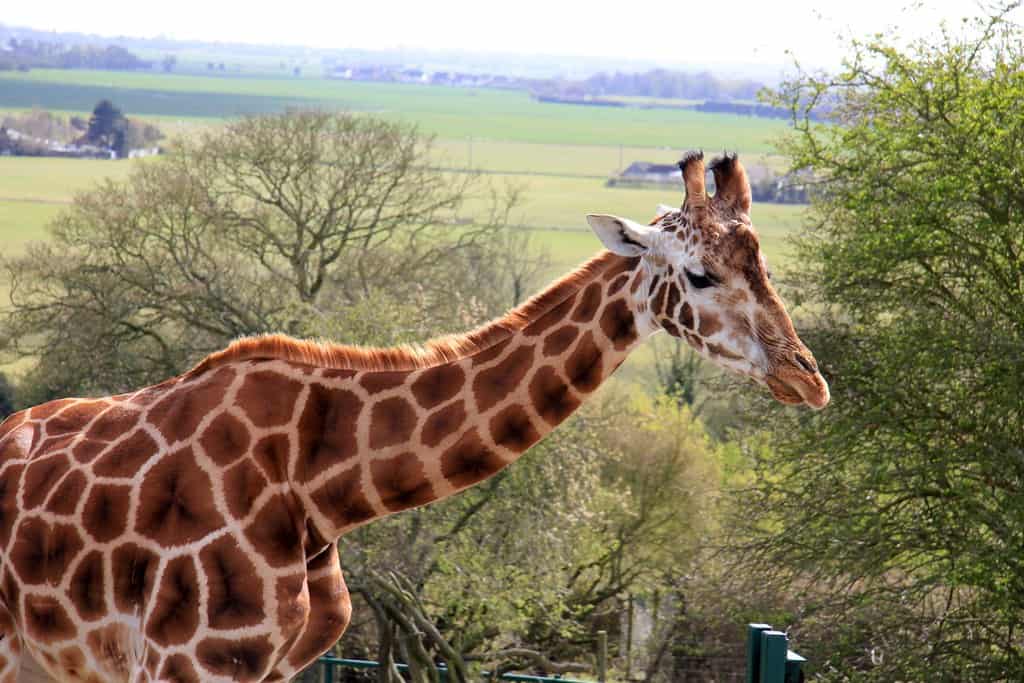
A giraffe’s heart is 2 feet (0.6 meters) long and weighs about 25 pounds (11 kilograms), and its lungs can hold 12 gallons (55 liters) of air! That’s a heart the size of a small child pumping blood up a neck that’s taller than most people. A weighty 25-pound heart keeps the powerful beat needed to flow blood to the brain. Instead, the giraffe has a relatively small heart (relative to the size of the animal) and its power comes from a very strong beat as a result of the incredibly thick walls of the left ventricle. A giraffe’s heart has evolved to have thick muscle walls and a small radius giving it great power to overcome this pressure. It’s like having a supercharged engine in a massive truck – everything about it is built for extreme performance. This allows the heart to pump more blood with each stroke, allowing a giraffe to run hard despite its thicker heart muscle. The heart muscle walls are so thick they could probably stop a bullet.
They Have Built-In Compression Socks

Giraffes wear natural compression socks on their necks and legs in the form of very tight skin. This keeps blood moving back up to the heart instead of pooling in their legs. Tight skin of giraffe legs assists blood circulation by creating extravascular pressure. Imagine having skin so tight it acts like medical equipment – that’s exactly what giraffes have evolved. Pedley [Tim Pedley of the University of Cambridge] says that high blood pressure would encourage blood to pool in a giraffe’s legs. The tight skin acts like a support stocking, forcing blood back up into the body. Meanwhile, a built-in pressure suit in its extraordinarily long legs prevents fluid and blood from pooling in its feet. Without this natural pressure suit, they’d probably pass out every time they stood up. It’s like they’re wearing the world’s most advanced athletic gear 24/7, except it’s part of their actual body. This biological pressure system is so effective that scientists study it to improve human medical devices.
They Can Survive Three Weeks Without Water

Giraffes can survive for up to three weeks without drinking water. That’s longer than most humans can survive without food. Giraffes only need to drink once every several days because they get most of their water from the luscious plants they eat. Giraffes drink water when it is available, but they don’t need to drink water on a daily basis, which allows them to survive in areas with scarce water. While other animals desperately search for water holes, giraffes are casually browsing leaves like they’re at an all-you-can-eat buffet. It takes a lot to fuel such a large mammal, and a giraffe may eat up to 75 pounds of food per day. They’re basically living water recycling plants, extracting every drop of moisture from their leafy meals. This incredible water efficiency means they can thrive in harsh environments where other animals would quickly dehydrate and die.
They Sleep Only 30 Minutes to 2 Hours Per Day

Giraffes only need 5 to 30 minutes of sleep in a 24-hour period! They often achieve that in quick naps that may last only a minute or two at a time. Did you know giraffes sleep less than two hours a day? In general, giraffes sleep with their feet tucked under them and their head resting on their hindquarters, but they can also sleep for short periods of time standing up. That’s less sleep than a busy CEO gets during crunch time. Most animals need 6-8 hours of sleep, but giraffes have figured out how to function on power naps that would leave humans completely exhausted. Giraffes spend most of their lives standing up; they even sleep and give birth standing up. They’ve essentially evolved to be the ultimate insomniacs, always alert and ready for danger. While you’re getting your beauty sleep, giraffes are standing guard over the African savanna, barely closing their eyes but somehow staying sharp and focused.
Baby Giraffes Drop 6 Feet at Birth and Walk Within Hours

Newborns are welcomed to the world with a 1.5m drop to the ground! But these infants are quick to get on their feet – within 30 minutes they are standing, and only hours later they’re able to run with their mothers. That means baby giraffes fall about 2 m (6 ft.) to the ground when they’re born! Newborns are about 2 m (6 ft.) tall and weigh 70 kg (150 lb.). Imagine if human babies had to survive a 6-foot drop as their welcome to the world – most wouldn’t make it. The giraffe calf can stand up and walk after about an hour and within a week, it starts to sample vegetation. Giraffes grow about 4 feet (1.2 meters) in their first year of life. A newborn giraffe is about 6 feet (1.9 meters) tall at birth and weighs about 150 pounds (68 kilograms). These babies are born already taller than most adult humans and hit the ground running – literally. It’s like nature’s version of extreme parenting, and somehow it works perfectly.
They Have Excellent Vision That Spans Miles
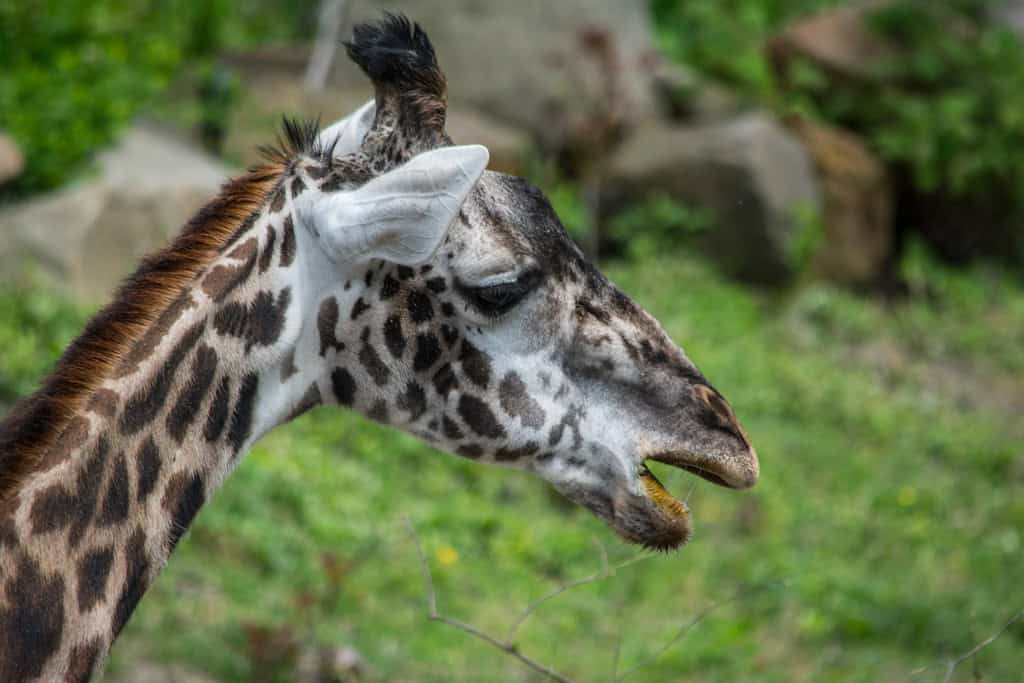
They have excellent eyesight, and when one giraffe stares, for example, at a lion a kilometre away, the others look in that direction too. The giraffes’ height and excellent vision give them a wide view of the grasslands where they live, making it easy to spot predators from a distance. Some scientists believe that other animals—such as zebras, antelope, and wildebeests—often congregate near giraffes to take advantage of their ability to see danger from a distance. A giraffe can see well over great distances and—with bulging eyes set in the sides of its head—in almost every direction. From an evolutionary biology perspective, keen eyesight has obviously been critical to giraffes’ survival. They’re like living watchtowers for the entire African savanna. The giraffe could be considered the early warning system of the African grasslands. Other animals literally use giraffes as their personal security system, knowing that if danger approaches, the giraffes will spot it first. They have an excellent vision that allows them to react in time. Besides they also have an excellent sight so they can be long gone before a predator can get too close to them.
They Can Handle Thorny Acacia Trees Like They’re Soft Grass

While these trees have long thorns, which prevent most animals from eating them, giraffes use their long tongues and prehensile lips to reach around the thorns. Giraffes have thick, sticky saliva, which coats any thorns they might swallow. The tongue and inside of the mouth are coated with tough tissue as protection. Their 18-inch tongue helps them reach some of the tougher leaves. Most animals avoid acacia trees because they’re covered in razor-sharp thorns, but giraffes treat them like a five-star restaurant. The front part of a giraffe’s tongue is blue, purple, or black, while the back part is pink. It is thought that this darker coloration in the front protects their tongues from sun damage while the giraffe is eating. The 21-inch tongue helps them pluck tasty morsels from branches. They’ve essentially evolved natural armor in their mouths, allowing them to eat what other animals can’t even touch. It’s like having a built-in protective suit for your tongue and throat.
Conclusion

These towering giants prove that appearances can be deceiving. Behind their gentle demeanor lies a collection of biological superpowers that would make any action hero envious. From hearts that pump like industrial machines to kicks that can fell lions, giraffes are walking examples of nature’s incredible engineering. They’ve solved problems that kill other animals – extreme blood pressure, water scarcity, predator attacks – with solutions so elegant they seem almost magical. Giraffes, it turns out, have solved a problem that kills millions of people every year: high blood pressure. Their solutions, only partly understood by scientists so far, involve pressurized organs, altered heart rhythms, blood storage — and the biological equivalent of support stockings. Next time you see a giraffe calmly munching leaves, remember you’re looking at one of evolution’s greatest success stories. Did you expect these gentle giants to be nature’s ultimate survivors?

As a little kid, I fell in love with nature, wildlife, and animals. Living in the USA, South Africa, Italy, China and Germany gave me the opportunity to discover the world's Wildlife. My favorite animals are Mountain Gorillas, Siberian Tigers, and Great White Sharks.
I'm a certified PADI Open Water Diver, went to Everest Base Camp and Trekked Gorillas in Uganda. I hold a Master of Science in Economics and Finance.
Please send any feedback to feedback@animalsaroundtheglobe.com
- 13 Cat Breeds That Get Along with Dogs - July 20, 2026
- The 12 Largest Dog Breeds That Still Love to Cuddle - July 20, 2026
- 12 Pet Habits That Secretly Mean They Love You - July 20, 2026