

Many cat owners have watched their pets linger near someone who later receives a serious diagnosis. These quiet moments spark curiosity about what felines truly notice in the people around them.
The idea draws from both everyday observations and research into how cats read human cues. It raises questions about the depth of the bond between species.
The Science Behind Feline Sensory Abilities
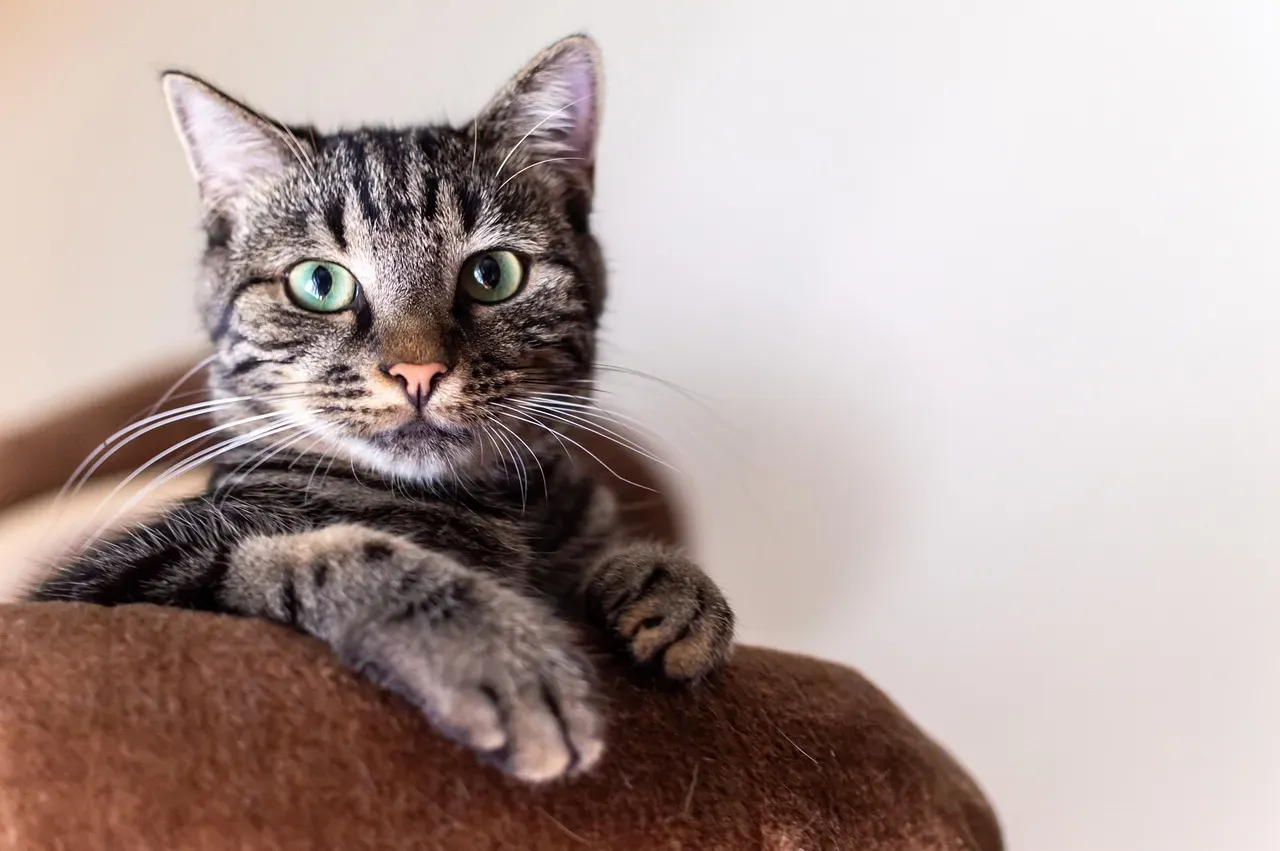
Cats possess an olfactory system far more developed than that of humans. Their noses contain hundreds of millions of scent receptors that allow them to register faint chemical shifts in the air around a person.
These changes can stem from shifts in hormones or metabolic processes. Studies on emotion recognition show cats respond differently to scents linked with fear or stress, suggesting a similar pathway for noticing physical alterations.
Behavioral Patterns That Reveal Awareness
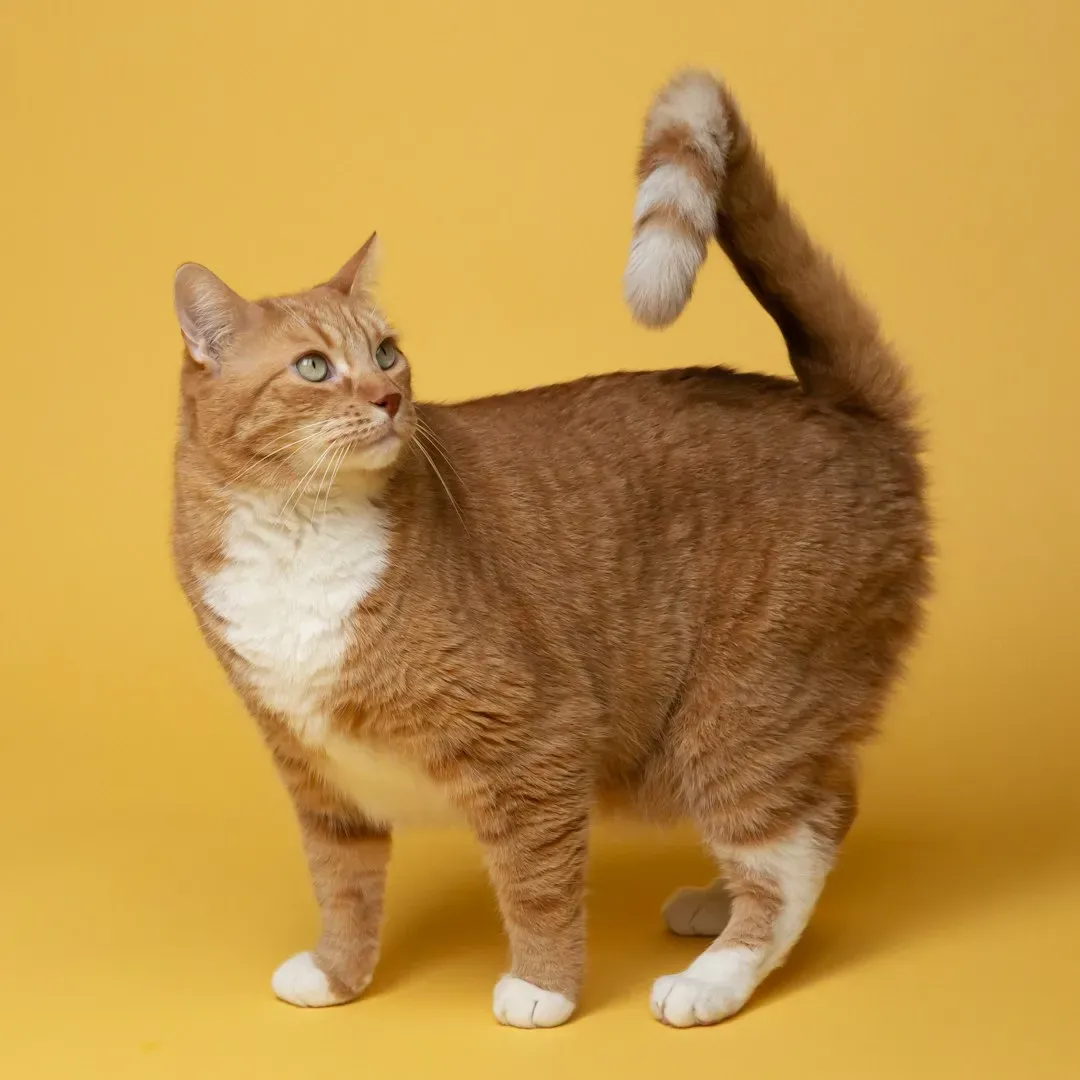
Owners frequently report cats becoming unusually attentive or choosing specific spots on the body to rest. Such actions often coincide with periods when the person feels unwell or experiences discomfort.
These responses appear tied to reading body language and routine disruptions. Cats integrate visual signals with other cues, adjusting their interactions in ways that stand out to attentive humans.
Connections to Emotional and Physical Shifts
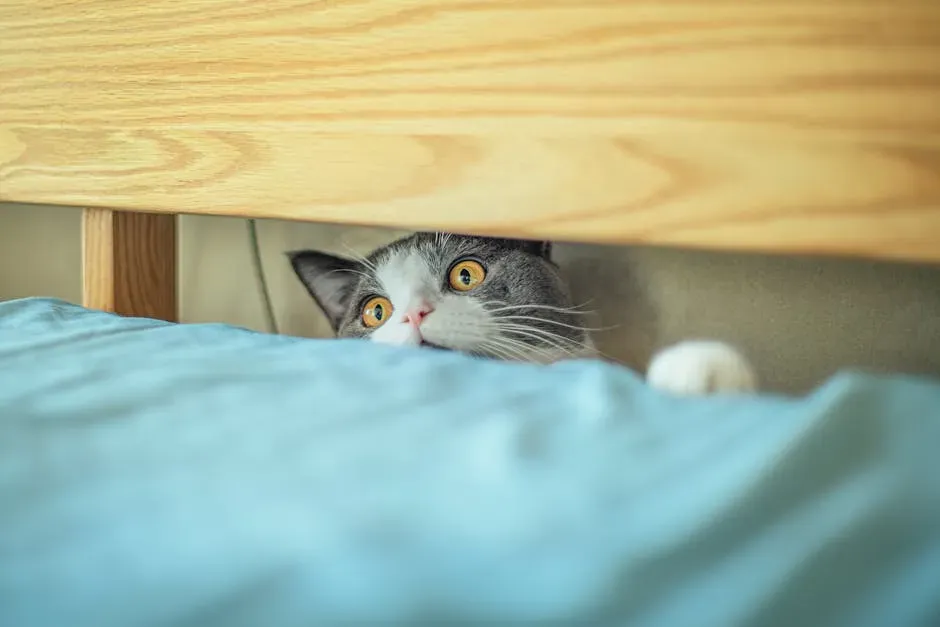
Research demonstrates that cats can distinguish between happy and angry expressions or tones. This skill extends to broader changes in a household when someone faces health challenges.
Heightened sensitivity to stress hormones or altered breathing patterns may play a role. The result is a cat that seems to mirror or respond to the emotional climate created by illness.
Observations from Real World Settings
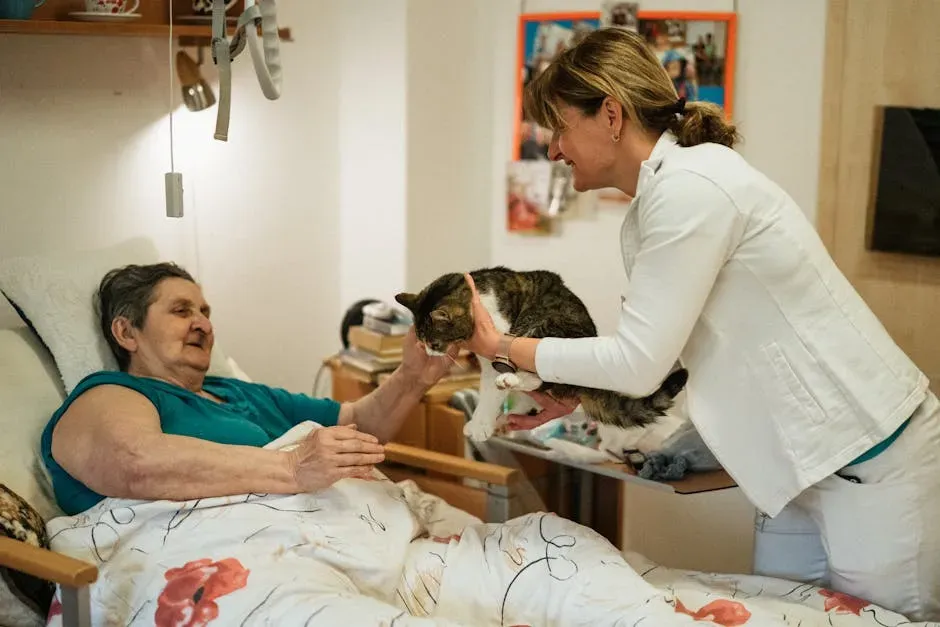
In care facilities, certain cats have shown a pattern of seeking out particular residents during their final days. These interactions occur without obvious training or prompting from staff.
Similar accounts surface in private homes where pets alter their habits around family members dealing with chronic conditions. The consistency across stories points to an innate capacity rather than coincidence.
Implications for How We View Our Feline Friends
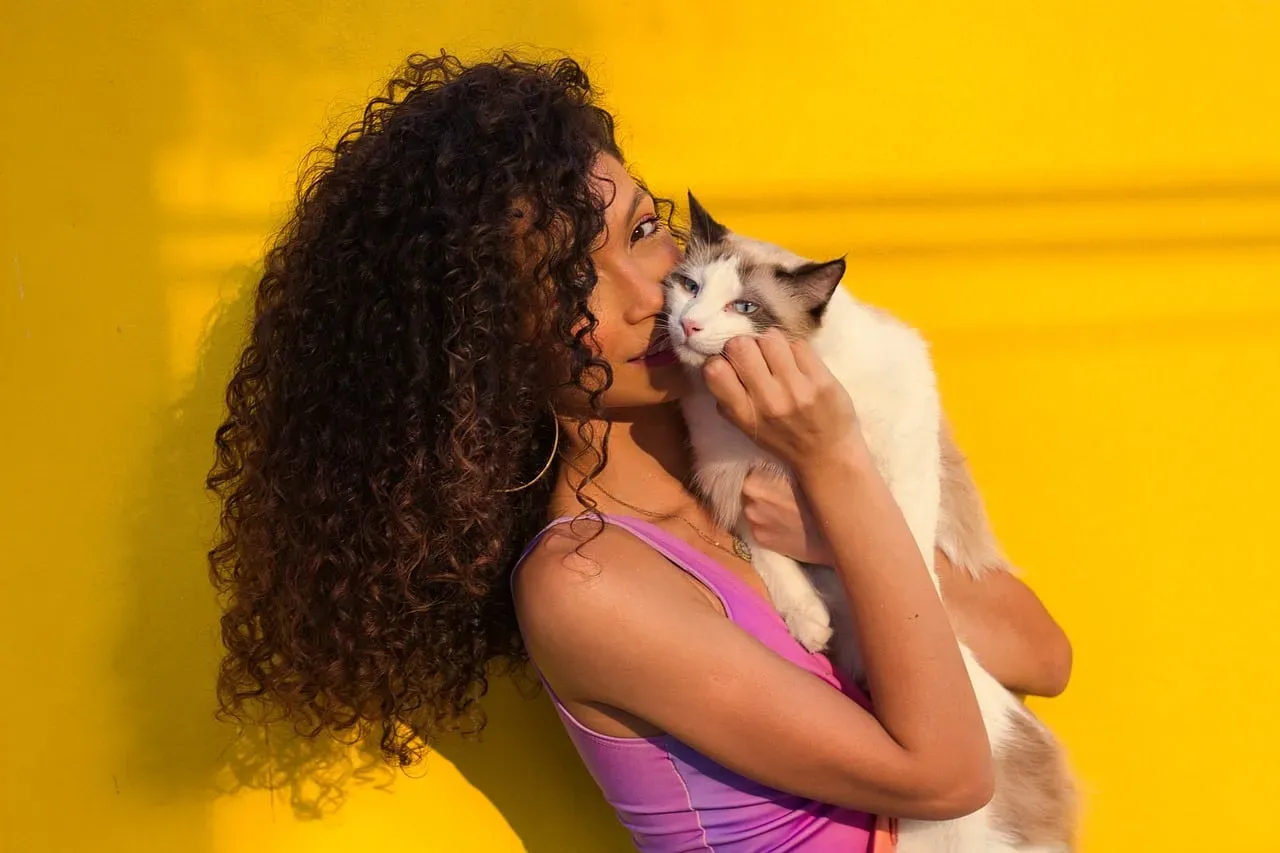
Such abilities remind us that cats form nuanced relationships beyond simple companionship. They respond to layers of human experience that often go unnoticed in daily life.
Recognizing this capacity encourages greater attention to the signals our pets send back. It fosters a deeper appreciation for the quiet ways they participate in our well being and transitions.
