

Most dog owners spend a lot of time thinking about what’s inside the house – the chocolate on the counter, the medications in the cabinet, the grapes left on the kitchen table. The backyard, by comparison, feels safe. It’s open air, familiar ground, a place your dog runs every single day without incident. That comfort, though, can be dangerously misleading.
Dogs are naturally curious and often explore their environment by chewing, which increases their risk of exposure. Most dogs will chew on a plant at some point in their lives. The real problem is that many of the deadliest things lurking outside look completely ordinary – a beautiful shrub, a decorative pond, a bag of garden pellets tucked near the fence. Because some plant exposures can quickly become life-threatening, it’s important to know which plants are toxic and when to seek emergency care. What follows is not a list designed to frighten you, but to arm you.
#1. Sago Palm – The Deadliest Ornamental Plant You Probably Don’t Recognize
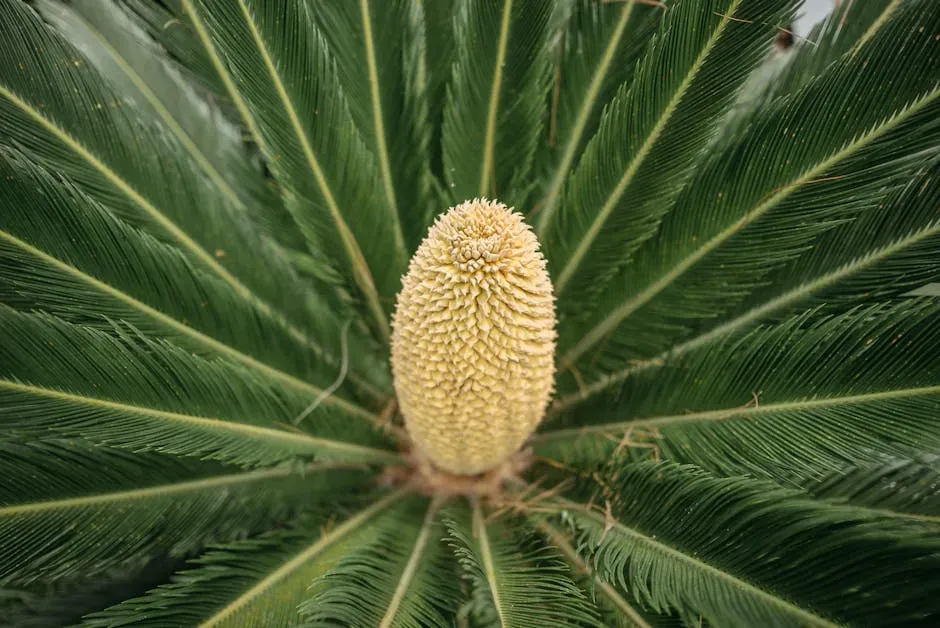
Sago palms are a popular landscaping feature, especially in warmer states, and they look harmless enough – a low, feathery plant with a tropical feel. The danger hidden inside them, however, is extraordinary. All parts of the sago palm are considered poisonous, with the seeds being the most toxic part of the plant. Sago palm contains cycasin, which is the primary active toxic agent resulting in severe liver failure in dogs.
Ingesting as little as one seed can result in poisoning and even death in dogs. What makes this plant particularly terrifying is the timeline. Ingestion results in acute gastrointestinal signs within 15 minutes to several hours. Central nervous system signs including weakness, seizures, and tremors can be seen within 4 hours, and severe liver failure can develop within 2 to 3 days post-ingestion. Even with aggressive treatment, the survival rate is only about 50%. If you have this plant in your yard and you own a dog, removing it entirely is the only truly safe choice.
#2. Oleander – A Stunning Shrub With a Lethal Secret
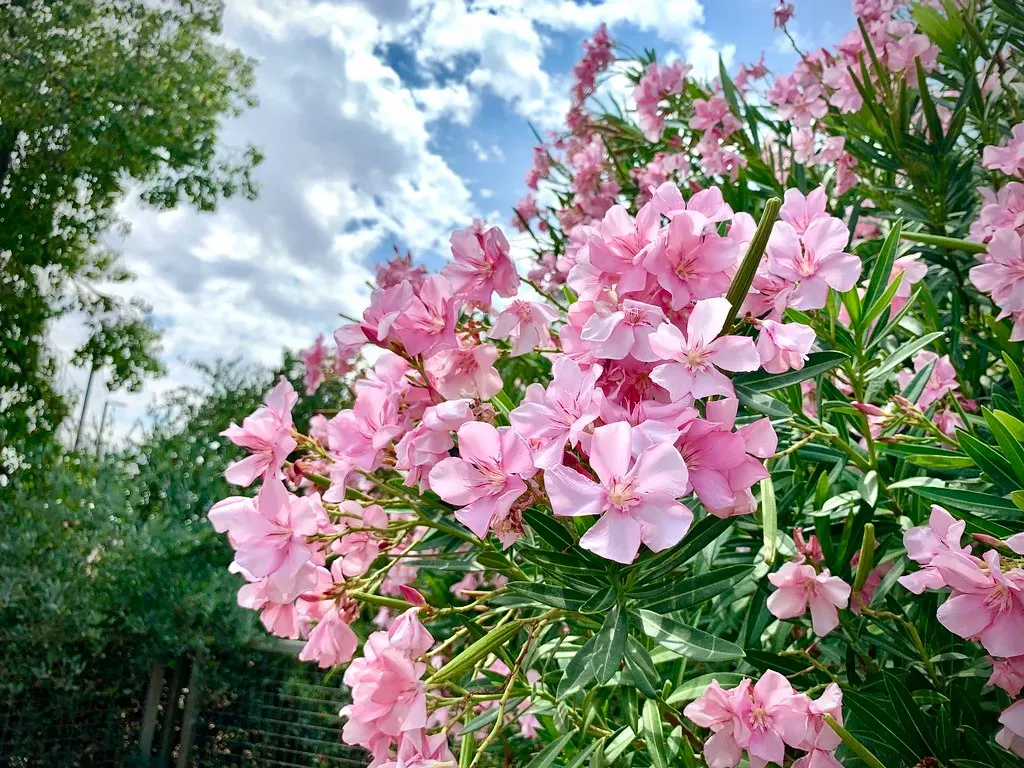
Oleander is one of the most commonly planted ornamental shrubs in warm climates. Its pink and white blooms make it a landscape favorite for fences and borders. What most people don’t realize is that it carries one of the most potent toxin profiles of any garden plant. Commonly grown as an ornamental shrub, oleander is one of the most toxic plants to pets. Ingestion can lead to drooling, abdominal pain, tremors, irregular heartbeat, and potentially fatal poisoning.
Some of the most dangerous plants for dogs include oleander, and these plants can cause severe symptoms such as organ failure, abnormal heart rhythms, seizures, or even death if ingested. The cardiac effects are what make oleander especially dangerous – the toxins it contains interfere directly with heart function. This common plant can cause vomiting, diarrhea, a drop in blood pressure, weakness, cardiac failure, coma, and can even be life-threatening. Every part of the plant is toxic, including fallen leaves and the water in a vase that holds cut oleander stems.
#3. Foxglove – The Tall, Pretty Flower That Stops Hearts
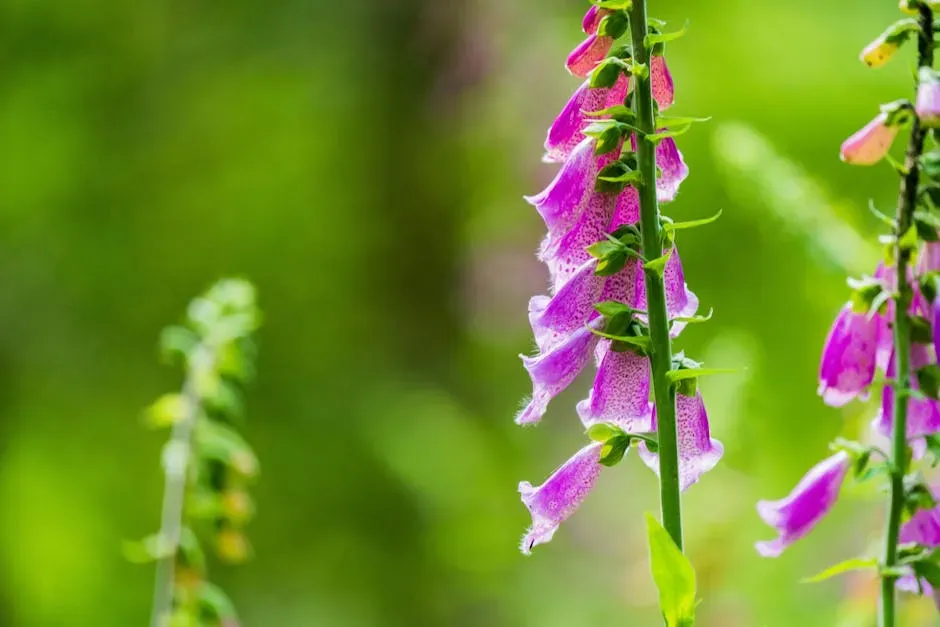
Foxglove is one of those plants that looks like it belongs in a fairy-tale garden. The tall spires of bell-shaped flowers are genuinely beautiful – and genuinely dangerous. All parts of these tall beautiful flowers, from the seeds to the petals, are extremely toxic to dogs. Ingestion can cause cardiac failure and even death.
The toxins in foxglove, known as cardiac glycosides, affect the electrical rhythm of the heart. Foxglove is among the most dangerous plants for dogs and can cause severe symptoms such as organ failure, abnormal heart rhythms, seizures, or even death if ingested. The cruel irony is that dogs are sometimes drawn to the plant’s scent. If your dog has eaten a poisonous plant, contact your veterinarian or the Pet Poison Helpline immediately. Quick action is important, as some plant toxins can cause serious or life-threatening effects. Don’t wait to see how symptoms develop – with foxglove, time matters enormously.
#4. Azalea and Rhododendron – The Most Common Deadly Hedge in America
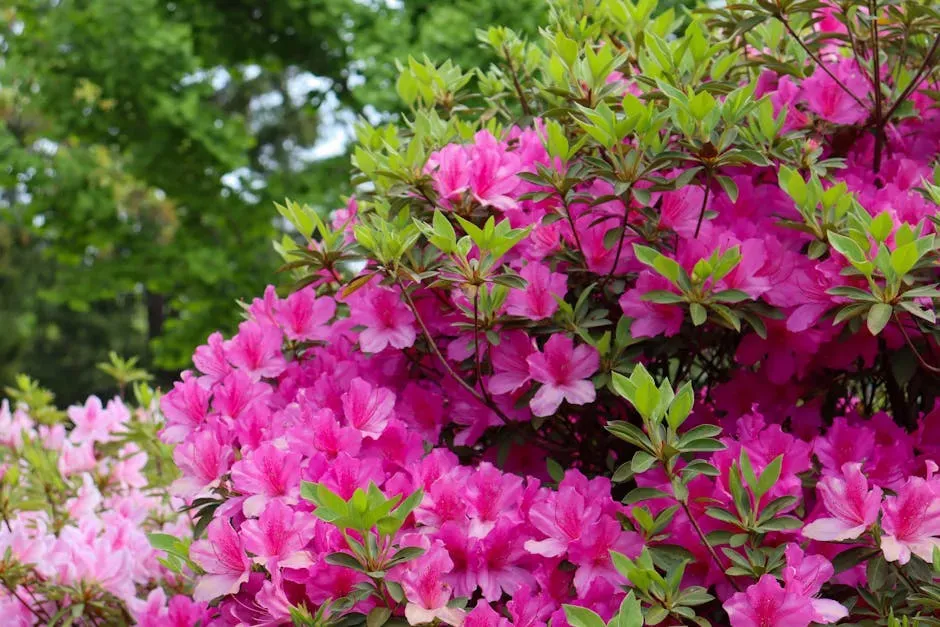
Walk through almost any residential neighborhood and you’ll find azaleas. They’re everywhere – lining driveways, framing front porches, filling garden beds with vivid spring color. Their popularity is precisely what makes them so dangerous: they’re too common to seem threatening. Despite their beautiful showy flowers, azaleas are highly toxic to dogs. Symptoms can occur when a dog has consumed as little as 0.2% of his or her body weight. Grayanotoxins in azaleas primarily affect the dog’s heart and intestinal tract.
Even small amounts can trigger vomiting, diarrhea, drooling, weakness, abnormal heart rhythms, and, in severe cases, cardiovascular collapse. Rhododendrons carry the same risks – they belong to the same plant family and contain identical toxins. These popular landscaping plants contain grayanotoxins, which affect a dog’s heart and nervous system. Even a small bite can cause drooling, vomiting, diarrhea, weakness, and, in severe cases, fatal heart arrhythmias. The fact that these shrubs are found in nearly every suburban garden makes awareness that much more urgent.
#5. Blue-Green Algae – The Invisible Killer in Backyard Ponds
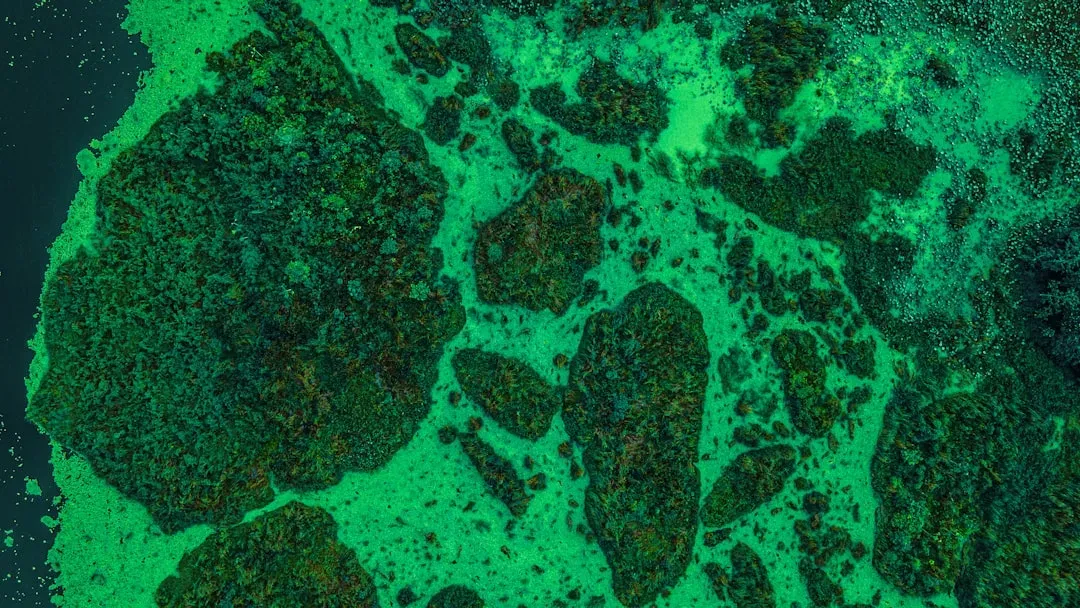
If you have a decorative pond, a birdbath, or any standing water feature in your backyard, this one deserves your full attention. Blue-green algae, technically a type of bacteria called cyanobacteria, can bloom in stagnant water – especially during warm, dry months. Toxic algae can grow in backyard pools and decorative ponds if they aren’t routinely cleaned. The terrifying part is that you can’t reliably tell a toxic bloom from a harmless one just by looking at it.
Blue-green algae poisoning occurs when dogs drink or swim in water contaminated by an algal bloom. These blooms are an overgrowth of cyanobacteria that can produce numerous types of cyanotoxins. The two most serious types, microcystin and anatoxin, can cause liver or neurologic injury. Shock, liver failure, respiratory arrest, and even death can occur. Death can follow within minutes to hours of exposure as a result of respiratory paralysis in the most acute cases. There is no antidote for the toxins produced by blue-green algae, so early, aggressive veterinary treatment is essential.
#6. Autumn Crocus – The Bulb That Bleeds From the Inside
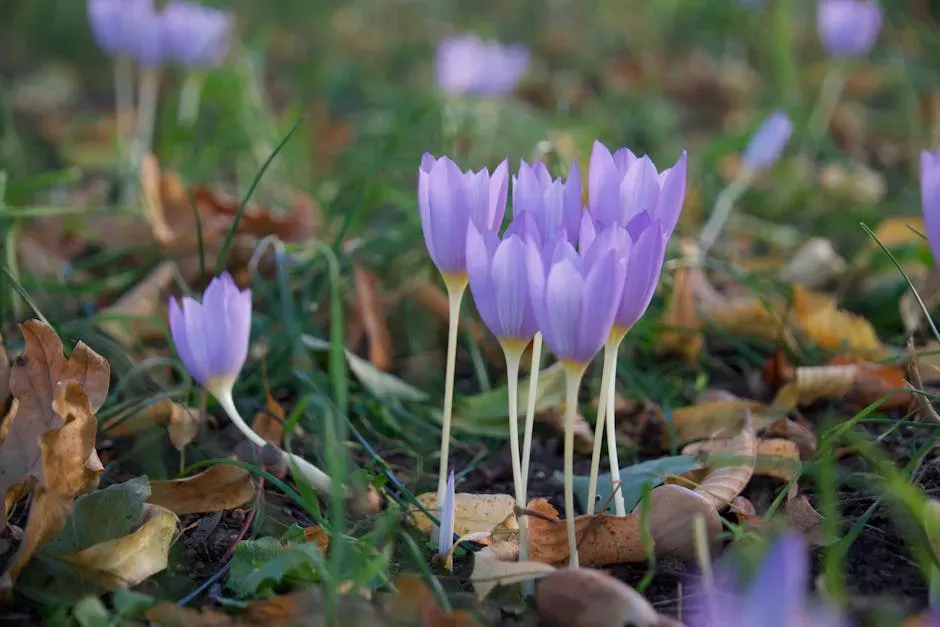
The autumn crocus is a popular flowering bulb that many gardeners plant precisely because it blooms in fall, adding color when most other flowers have faded. It looks delicate and harmless. The toxin inside it is anything but. Autumn crocus plants contain colchicine, which is extremely toxic, causing gastrointestinal bleeding, severe vomiting, kidney and liver damage, and respiratory failure.
The whole plant is poisonous to dogs when ingested, but the highest concentration of the toxin is found in the bulbs. Colchicine, the toxic agent in the plant, is highly toxic and can cause death when the dog eats as little as 0.8 milligrams per kilogram. One of the most alarming features of this plant is the delayed symptom onset. Symptoms might be delayed for several days, so don’t wait to seek veterinary attention if your dog has ingested any part of this plant. By the time obvious signs appear, significant internal damage may already be underway.
#7. Slug and Snail Bait – The Pellets That Look Like Dog Treats
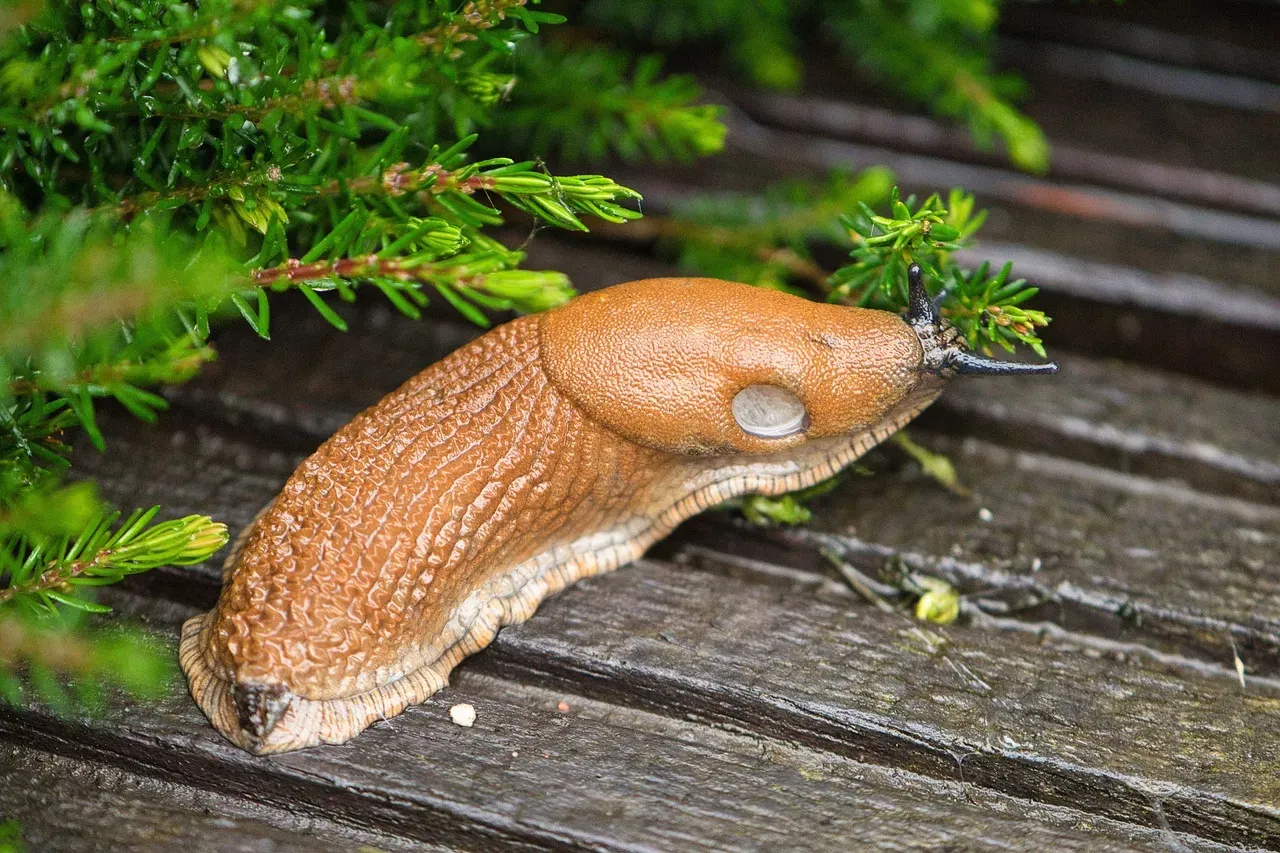
This one isn’t a plant – it’s something many gardeners use routinely without giving it a second thought. Slug and snail bait pellets are scattered at ground level, which puts them exactly where dogs explore. These products often contain metaldehyde, a highly toxic substance that can cause seizures, tremors, and death if consumed by dogs. Unfortunately, the bait’s scent is appealing to many pets.
The active ingredient in slug bait, metaldehyde, can cause uncontrollable seizures in pets. The damage can escalate with frightening speed. Metaldehyde, the common active ingredient in these products, is toxic to dogs. With early treatment the prognosis is good, but if you don’t catch it in time, ingestion can be fatal. If you use slug bait in your garden, consider switching to pet-safe alternatives like copper tape or diatomaceous earth, and always store garden chemicals where your dog simply cannot reach them.
#8. Wild Mushrooms – The Backyard Forager’s Nightmare
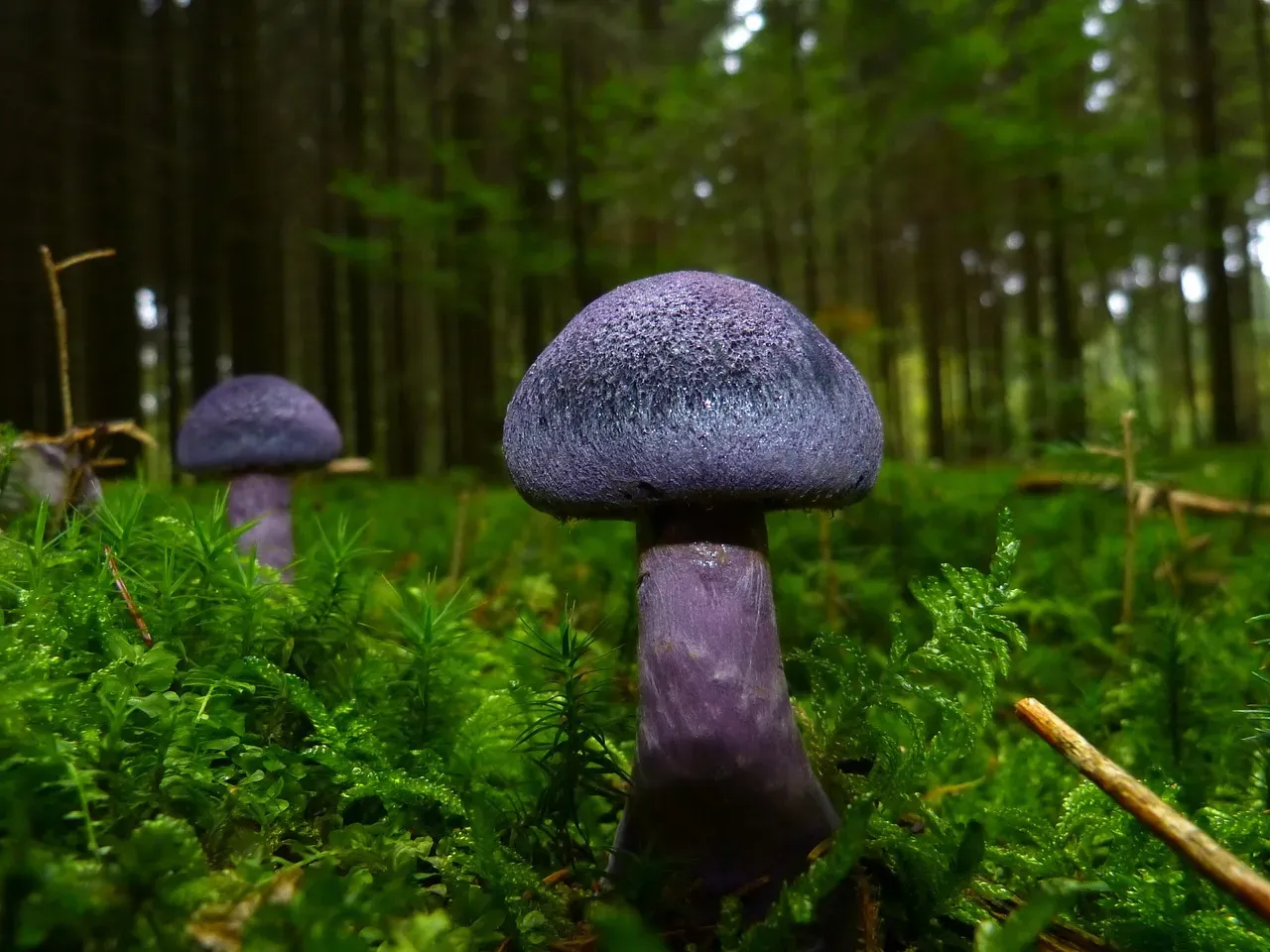
After a few days of rain, mushrooms can appear almost overnight in lawns and garden beds. Most are harmless, but the problem is that identifying which species is which requires expertise that most of us simply don’t have. Certain backyard mushrooms can be deadly to dogs, particularly Amanita phalloides (Death Caps) and Inocybe species. These mushrooms contain muscarine, which is toxic to canines. Symptoms of mushroom poisoning include vomiting, diarrhea, and liver failure.
While it’s safe for dogs to eat mushrooms you find in the fridge, many wild species pose a significant risk to your pets. Some only cause stomach upset, while others cause neurologic signs, liver failure, or kidney failure. The practical advice from veterinary experts is consistent: unless you’re an experienced mycologist, removing all mushrooms growing in your garden is the safest option. Regular lawn checks after wet weather are a simple habit that could genuinely save your dog’s life.
#9. Daffodils – The Spring Staple That’s Toxic Throughout
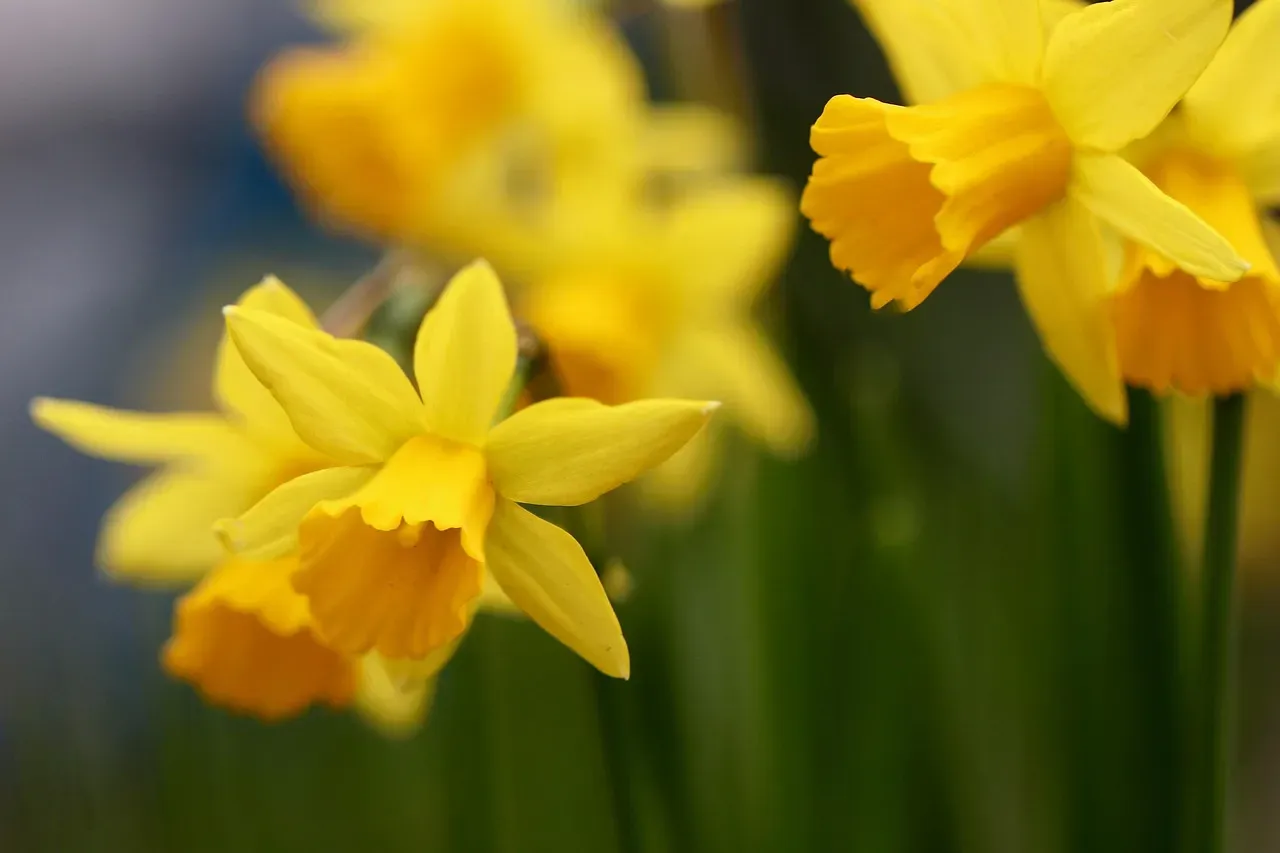
Daffodils are one of the most recognizable signs of spring. They’re cheerful, they’re beautiful, and they’re almost universally planted in gardens across the country. They’re also toxic to dogs from root to petal. All parts of the daffodil plant are potentially toxic, containing a poisonous substance called lycorine, but the bulb is the most harmful.
Daffodils are poisonous for dogs to eat; signs of plant poisoning in dogs may include diarrhea, lethargy, drooling, trembling, abdominal pain, vomiting, and possibly death. A dog just brushing up against them can also cause skin irritations. The bulbs are the most concentrated source of toxin, which becomes particularly relevant in autumn when many gardeners plant new bulbs – and curious dogs start digging. Sometimes eating a small amount of the daffodil plant will only cause mild signs, but in larger amounts, daffodil ingestion, especially of the bulb, can cause some potentially dangerous symptoms.
#10. Cocoa Mulch – The Garden Bed Addition That Contains Chocolate Toxins
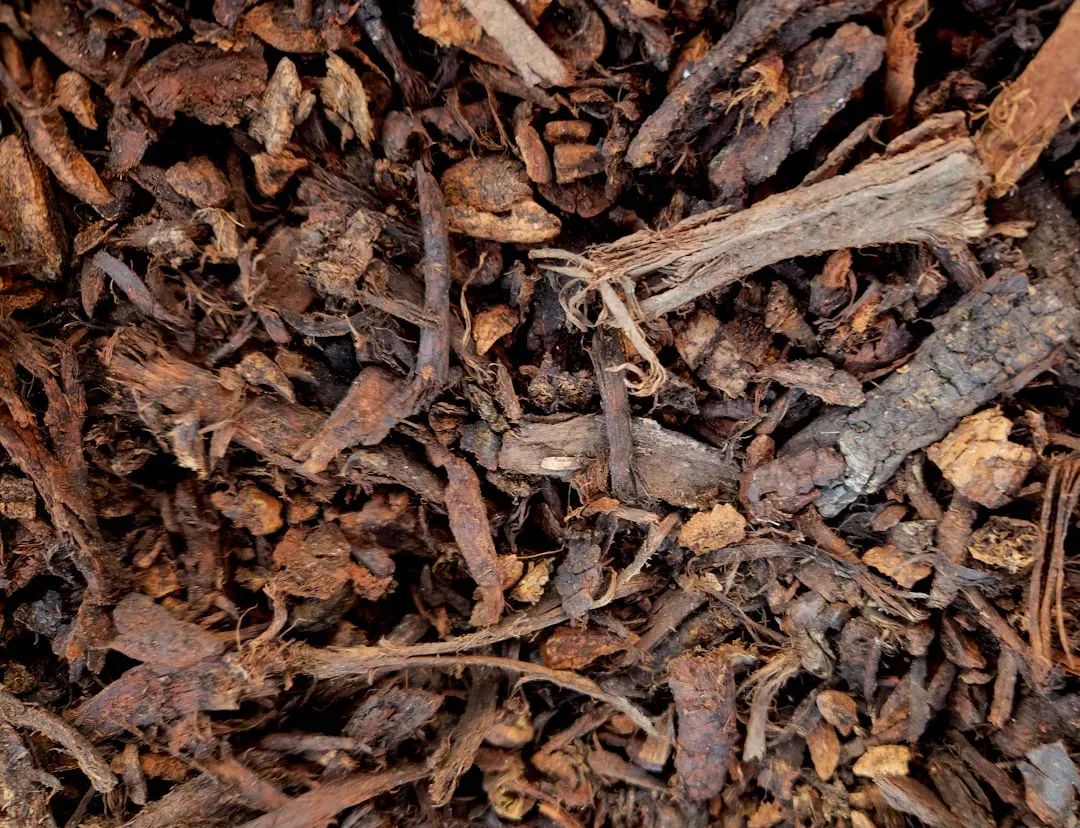
Cocoa bean mulch has become popular among gardeners because it’s eco-friendly, smells wonderful, and looks attractive in flower beds. That pleasant chocolate smell is exactly what makes it a serious hazard for dogs. The worst offender is eco-friendly, sweet-smelling cocoa bean mulch. It contains theobromine – the ingredient that makes chocolate dangerous for dogs – and caffeine. Eating a lot can lead to heart rate increases, arrhythmia, hyperactivity, and seizures.
Cocoa mulch, in particular, contains theobromine – the same toxic compound found in chocolate – which is highly poisonous to dogs. Even non-toxic mulch and wood chips can cause choking or intestinal blockages if ingested. The aroma acts almost like an invitation to sniff and chew, making this a particularly tricky hazard to manage. Pine straw is a suitable alternative pet-safe mulch, which dogs rarely want to eat. It’s a simple swap that eliminates the risk entirely.
What to Do If You Suspect Poisoning
Speed is everything. Symptoms can develop quickly and vary by toxin, so it’s crucial to act fast if you suspect your dog has eaten something harmful. Don’t spend time searching the internet or waiting to see if things get worse on their own. Contact your veterinarian or the ASPCA Animal Poison Control Center at 888-426-4435 immediately.
Do not try to induce vomiting at home unless specifically instructed by a veterinarian. Improperly inducing vomiting – or doing so in the wrong situation – can make your dog’s condition worse or cause additional complications. If possible, take a photo of the plant to help your veterinarian identify the toxin and provide the best treatment. Stay calm, move your dog away from the source, and get professional help without delay.
Your backyard will always carry some level of risk, but knowing what’s out there changes everything. Preventing exposure to toxic plants is the most effective way to protect your dog. A walk around your yard with this list in hand – followed by a few smart removals or substitutions – is one of the most genuinely protective things you can do for the animal that trusts you completely with its safety.
