

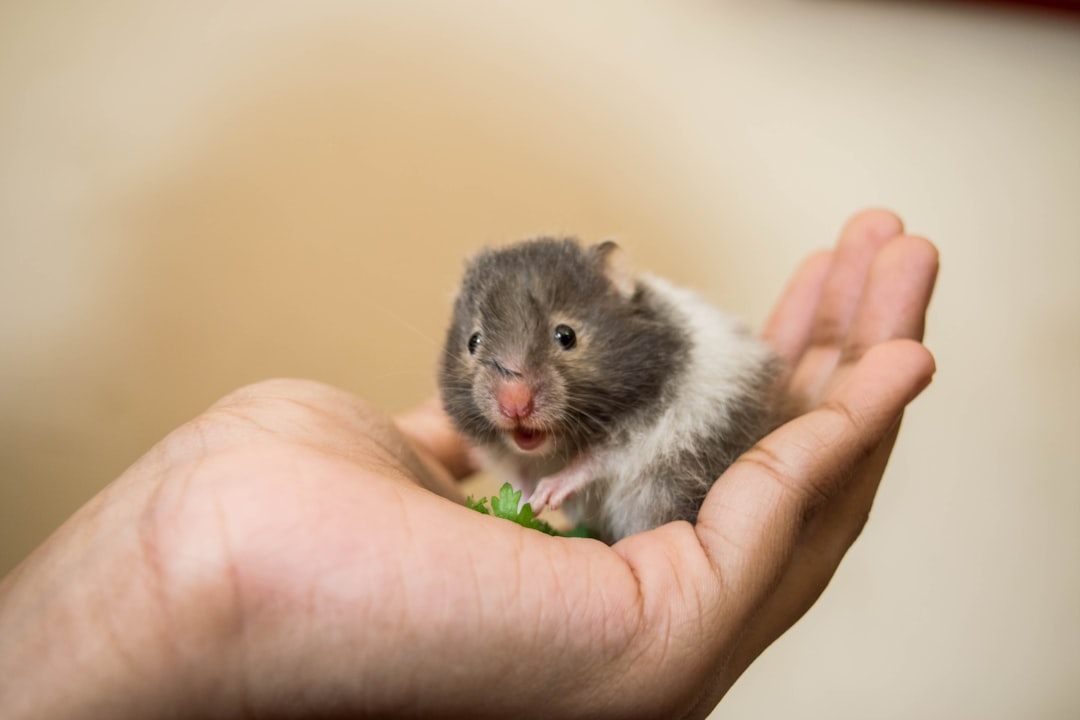
Picture this scenario. You’re walking through the forest when something minuscule catches your eye. It’s a creature so tiny that you could cradle it in your palm without any trouble at all. The world contains some absolutely breathtaking mammals that would make even the most jaded observer stop in their tracks with wonder.
These pocket-sized wonders challenge everything we thought we knew about survival and adaptation. They represent millions of years of evolution, compressed into the most compact packages imaginable. From bats smaller than bumblebees to shrews that eat their own body weight daily, these creatures prove that being small doesn’t mean being insignificant.
The Bumblebee Bat Takes the Crown
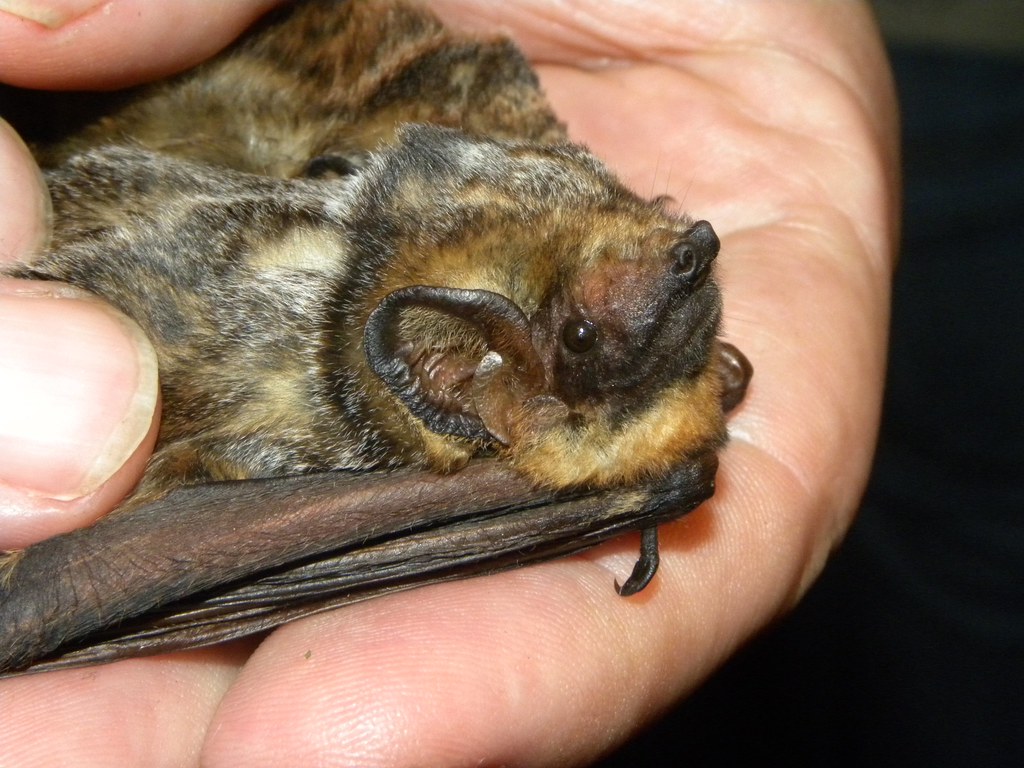
The bumblebee bat, measuring only 1 to 1.3 inches in length and weighing barely 2 grams, officially holds the title of the world’s smallest mammal. This remarkable species was discovered by Thai zoologist Kitti Thonglongya in 1974. The tiny creature earned its nickname because it’s literally the size of a large bumblebee.
Found only in a small region along the Thailand-Myanmar border, these diminutive bats weigh just 2 grams and measure about 3 centimeters in length. Their most distinctive feature is their pig-like snout, which gives them their alternate name, and despite being discovered only in 1974, they’re already listed as endangered. These tiny mammals roost in limestone caves and emerge for just 30 minutes at dusk and 20 minutes at dawn to feed on small insects, using high-pitched echolocation calls beyond human hearing.
The Etruscan Shrew Champions Metabolic Madness
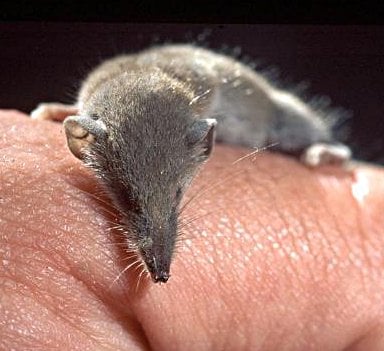
Weighing just 1.8 grams and measuring a mere 3.5 centimeters long, the Etruscan shrew holds the title of the world’s smallest mammal by mass. This incredible creature weighs only two grams, or less than the weight of a dime, and can grow to a length ranging between 1.5 to 2 inches. Think about that for a moment – you could balance one on a penny.
Because of its high ratio of surface area to body volume, the Etruscan shrew has an extremely fast metabolism and must eat 1.5–2.0 times its body weight in food per day. These tiny mammals are distinguished by having the largest brain to body weight ratio of any animal in the world and must eat up to 25 times a day due to their high metabolism. Due to its small size, the shrew is at constant risk of hypothermia and would quickly freeze to death if not for its extremely rapid metabolism, with skeletal muscles contracting at about 13 contractions per second during respiration alone.
Pygmy Jerboa Hops Like a Tiny Kangaroo
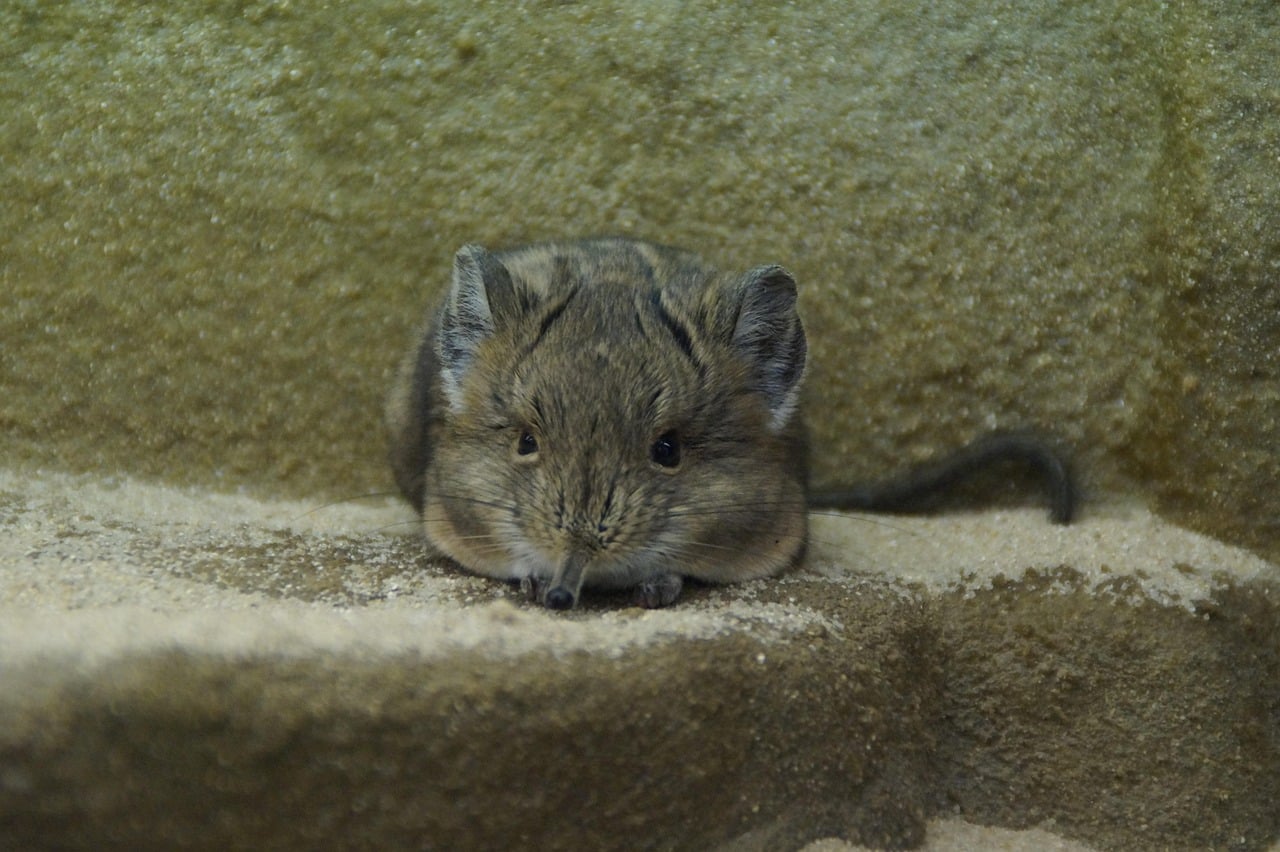
The pygmy jerboa is the world’s smallest rodent, weighing in at about 3 grams. This remarkable creature measures only 4.4 cm in head and body length. The average pygmy jerboa is 2 inches in length, with a tail that’s 3 to 10 inches long.
The pygmy jerboa hopped into the spotlight when it became a viral YouTube sensation in 2010, looking like a cross between a mouse and a baby kangaroo. This tiny creature is native to Pakistan and Afghanistan, but 25 different species of jerboa live across Central Asia and China. Native to the deserts of Pakistan and Afghanistan, this tiny rodent weighs just 3 grams and measures about 4.5 centimeters.
Long-Tailed Planigale Squeezes Through Impossibly Narrow Spaces
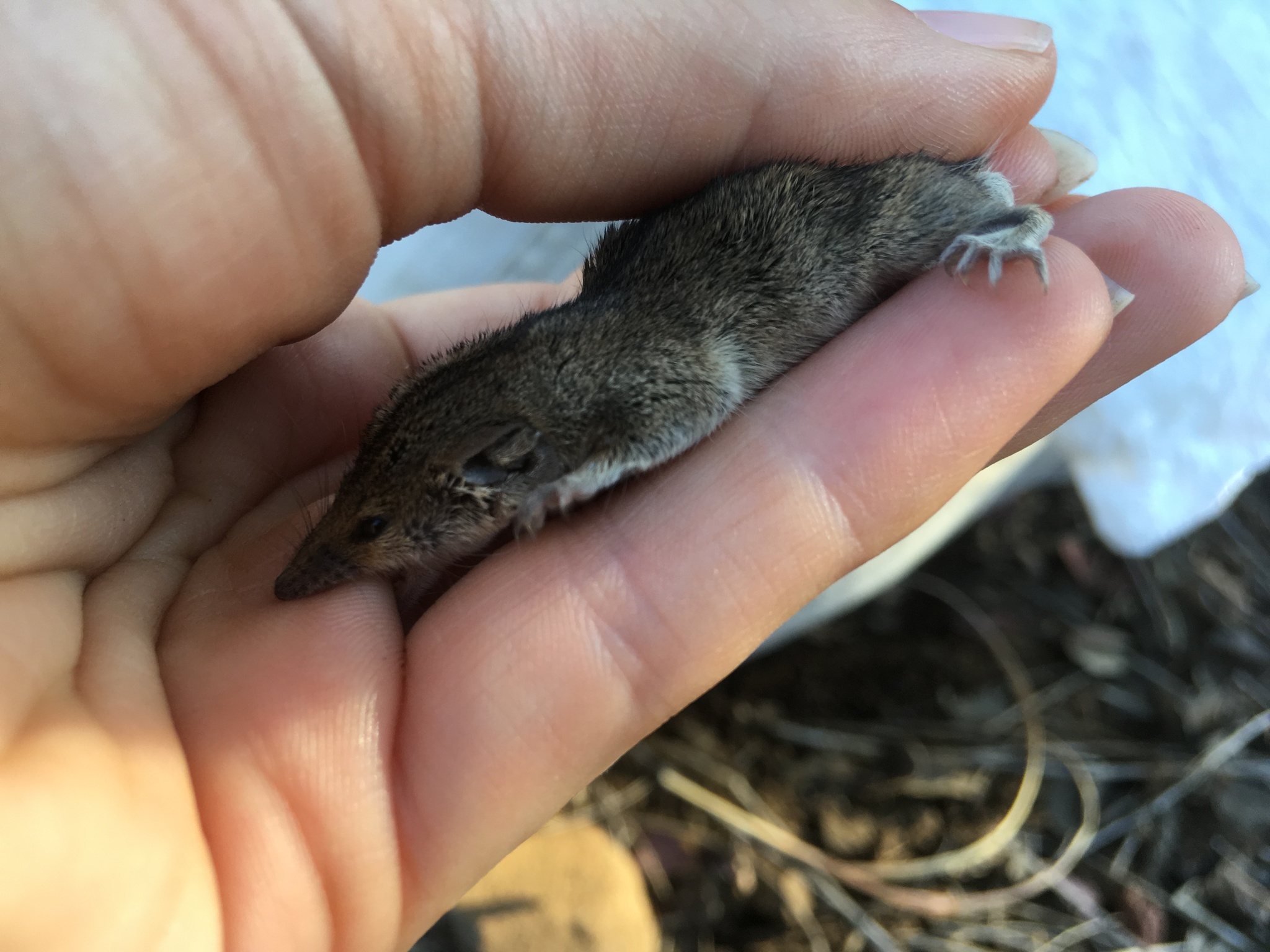
The long-tailed planigale weighs a mere 4.3 grams on average and measures around 5 centimeters from nose to tail. This marsupial is the world’s smallest marsupial, native to Australia, averaging 6 centimeters in length including their tail and 4.3 grams in weight. Its head is remarkably flattened, allowing it to squeeze into impossibly narrow cracks in search of insects and larvae.
They are strong nocturnal hunters, chasing down insects and young mammals almost as large as themselves, and their small size and body shape allow them to squeeze into tiny crevices to hide from predators. The long-tailed planigale’s agility and speed make it a fearsome predator in the miniature world of soil and leaf litter, and despite its tiny size, it is fiercely territorial. Their marsupial pouch even faces backward to keep it clean while they burrow.
Mouse Lemur Represents the Tiniest Primate
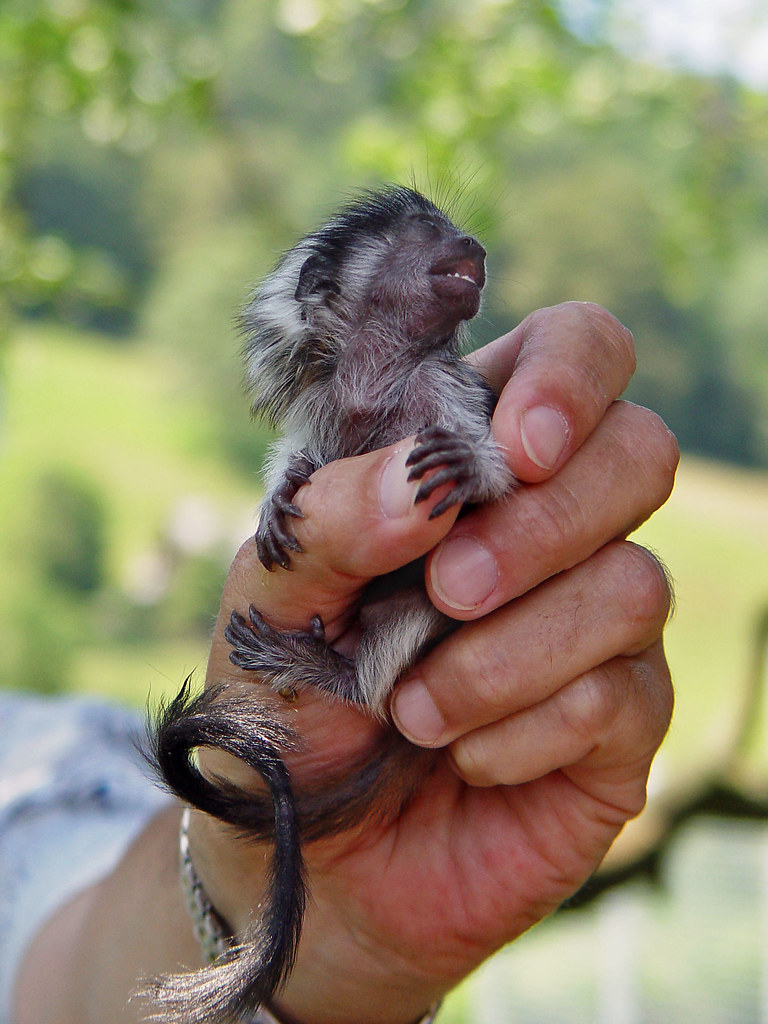
The mouse lemur, a species unique to Madagascar, is the world’s smallest primate. There are over 24 known species of mouse lemur, but on average, they weigh between 1.5 and 3 ounces. Weighing just 30 grams, it lives high in the canopy, avoiding ground predators.
Their big eyes are adapted for nocturnal life, scanning the dark forests for food. These primates forage for food at night, looking for insects, mostly beetles, fruit, flowers and leaves. The lemur’s diet consists of fruits, flowers, and insects. Their large eyes help them navigate the darkness with remarkable precision.
American Shrew Mole Breaks the Underground Mold
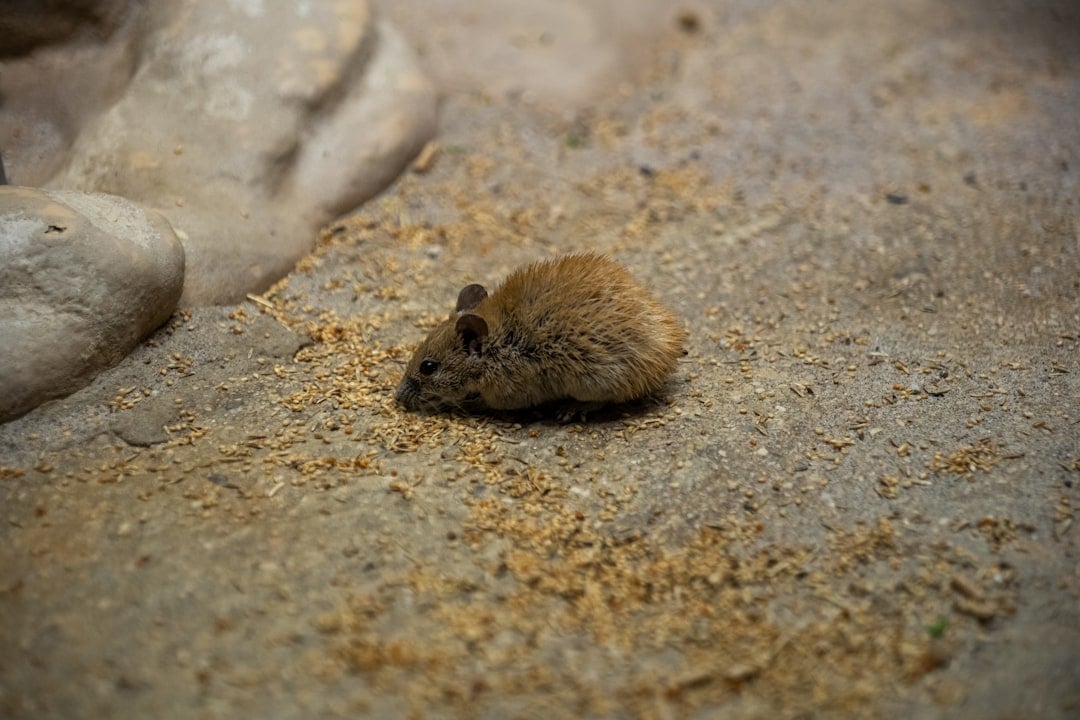
The American shrew mole is one of the smallest mammals around and is the smallest species of mole in the world, measuring 6-7.5 centimeters long plus tail and weighing 7-11 grams, with no external ears and eyes so small they’re hardly visible. The American Shrew Mole is the smallest mole species in North America and one of the tiniest mammals in the world, measuring just 7 to 10 cm in length and weighing around 10 to 14 grams.
Unlike other moles that spend most of their lives underground, the American shrew mole is often seen foraging for food above ground in its native northwestern United States and southwestern British Columbia. It also has a remarkable mole-skill of being able to climb bushes to hunt for insects. Found in the moist forests of the Pacific Northwest, this elusive creature spends most of its life underground, tunneling through soft soil in search of insects, worms, and larvae, with a more shrew-like appearance than its larger cousins.
Least Weasel Dominates as the Tiniest Carnivore
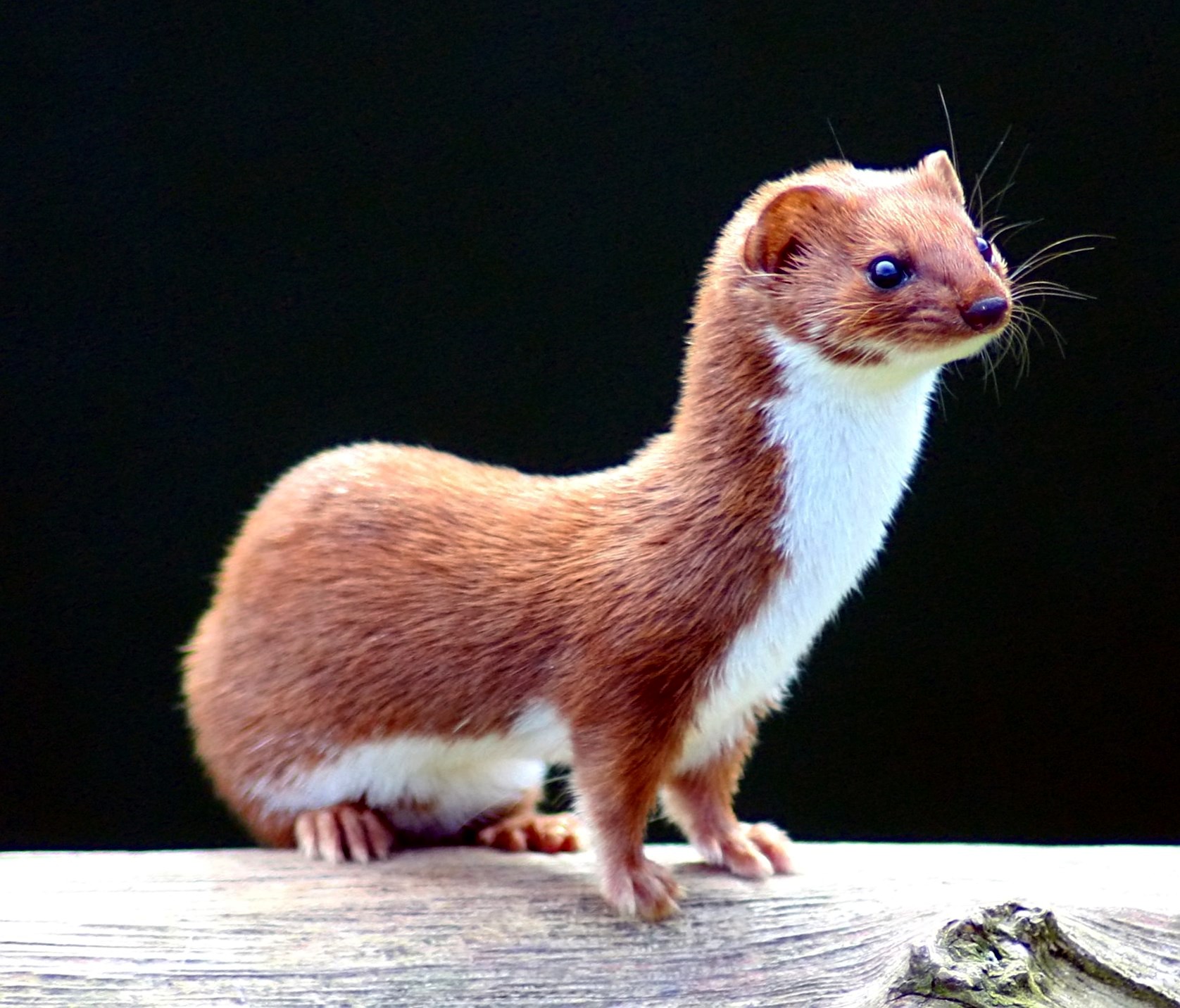
The Least Weasel stands out for its small size and fierce nature, weighing as little as 25 grams and measuring just 11 to 26 cm in length. Small but fierce, the least weasel is just 4-10 inches long and weighs a mere 0.9 ounces, making it lighter than a slice of bread. The least weasel is considered the world’s smallest carnivore alive today and the smallest species of the Carnivora order.
Found across Europe, Asia, and North America, the Least Weasel is a master hunter, feeding mainly on rodents and small birds. A specialized predator, the least weasel is a relentless hunter with an insatiable appetite, primarily hunting mice and small voles, though it may also feed on insects and ground-nesting birds, consuming up to a third of its body weight daily. Despite its small stature, the Least Weasel is bold and tenacious, a perfect example of how size doesn’t determine strength.
Pygmy Marmoset Charms as the World’s Smallest Monkey
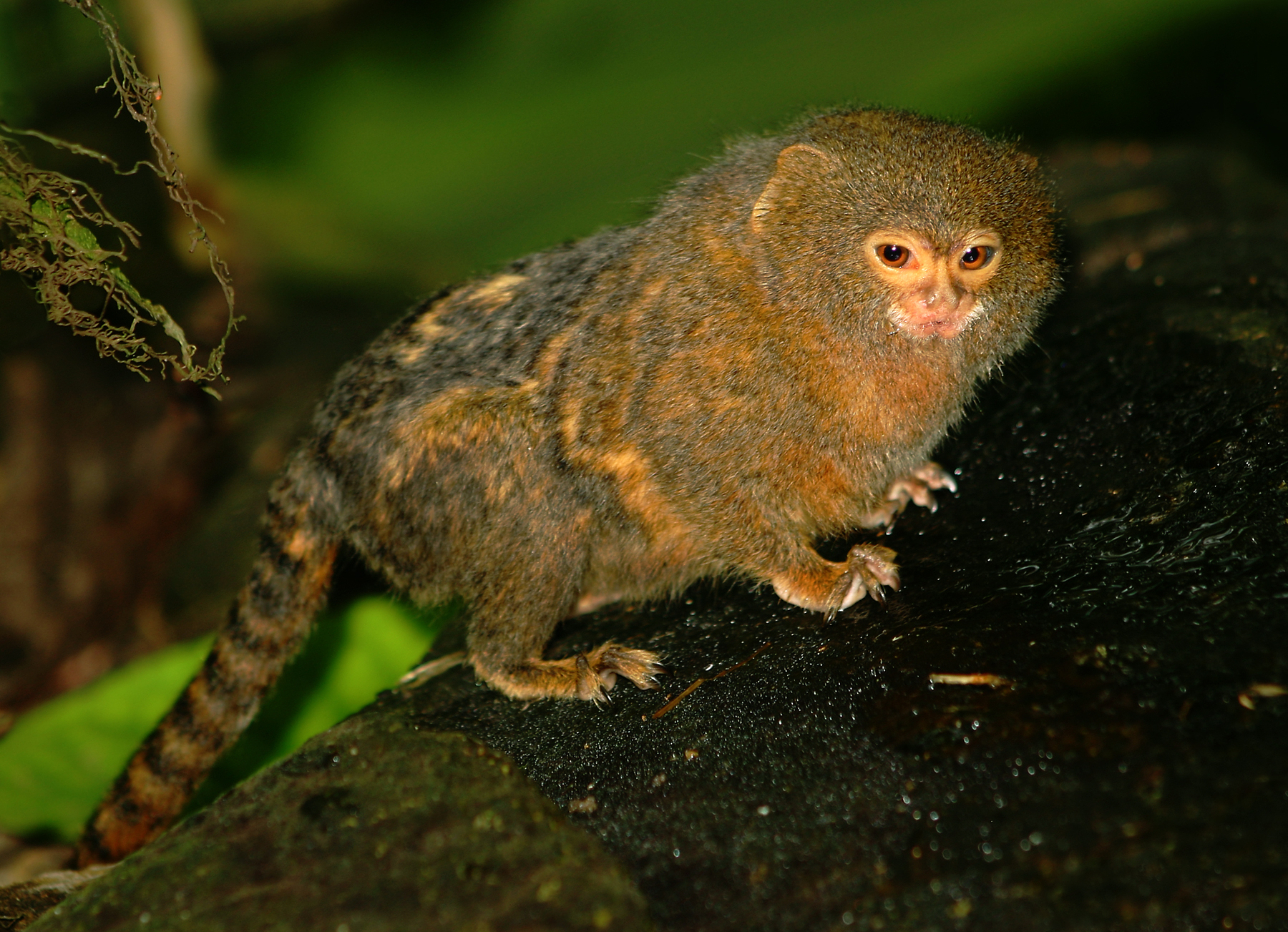
The pygmy marmoset is officially the world’s smallest monkey, excluding their tail, with an average height of just 130 millimeters. The Pygmy marmoset, also known as the pocket monkey, is the smallest monkey in the world, measuring only 5-6 inches in length and weighing just 4-5 ounces. They are also known as ‘finger monkeys’ because they are small enough to perch comfortably on a person’s finger.
Weighing just over 100 grams, it captures hearts with its tiny stature and playful antics. Because of their tiny size, these monkeys are incredible jumpers, capable of leaping up to 16 feet, with their long tails helping them stay balanced as they move through the dense rainforest canopy. The species mainly feeds on tree sap, using sharp incisors to gnaw through the bark and access the sticky fluid inside.
African Pygmy Mouse Masters Desert Survival
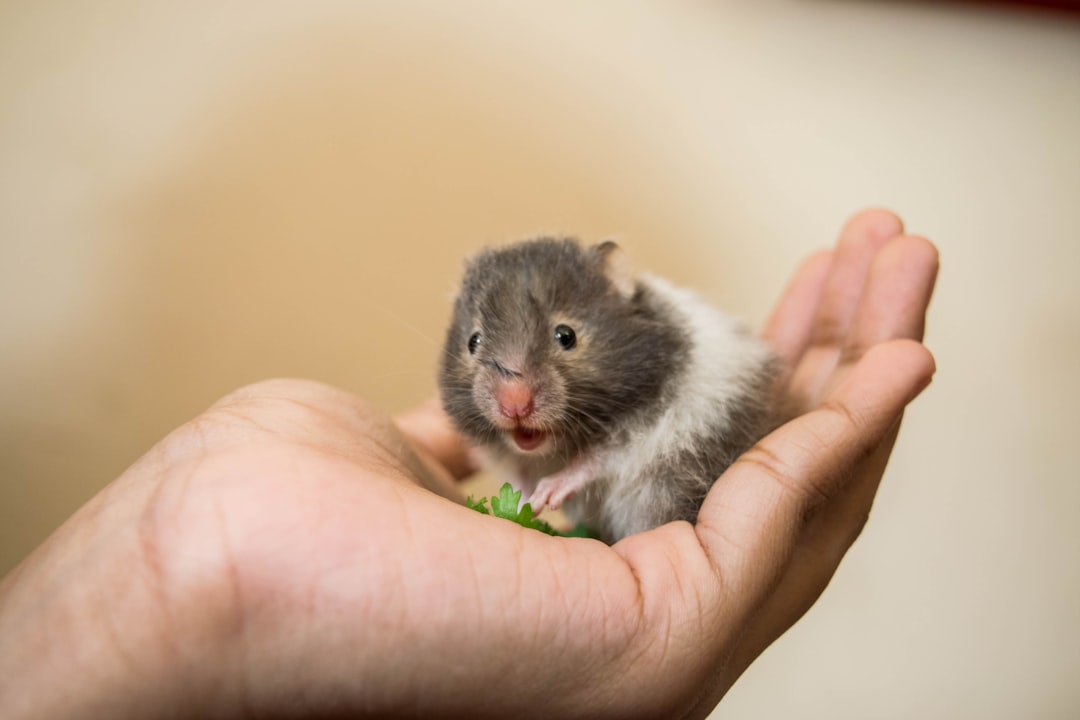
The African pigmy mouse measures between two and seven centimeters and is considered the world’s smallest mouse. They range from 3cm to 7 cm in length and weigh as little as 3 grams. It’s so small that it stays hydrated by licking dew off tiny pebbles that it cleverly stacks in front of its burrow.
They’re so small that their main water source is not a river or stream, but dew that accumulates on tiny pebbles it stacks by its burrow entrance for that specific purpose. Their geographical range extends from Central Africa all the way across to Eastern Africa and down to South Africa, and they are social species living in burrows or individual family units constructed under piles of debris or fallen logs. These clever creatures have turned water collection into an art form.
American Pygmy Shrew Defies Winter’s Grasp
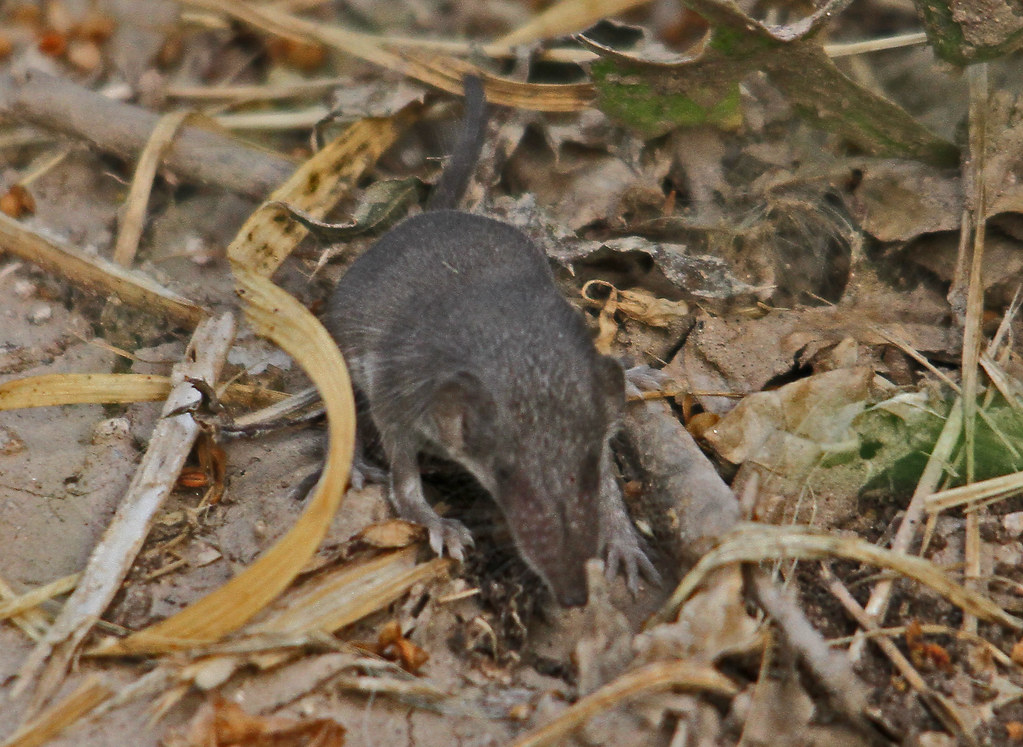
Some adults weigh only 2-3 g and thus are among the smallest mammals in the world. It is believed to be the second-smallest mammal in the world, but has an extremely large appetite for its size. Weighing about as much as a paperclip, it spends its life in a perpetual search for food with an extraordinarily high metabolism, necessitating constant feeding on insects and spiders.
Due to its high metabolism, the pygmy shrew is active year-round and does not engage in any form of torpor or hibernation, with shrews known to burrow through snow to find food. The American pygmy shrew is found throughout much of Alaska, Canada, and the northern contiguous United States, as well as south along the Appalachian Mountains. The maximum lifespan of a pygmy shrew is believed to be about 16–17 months.
Conclusion
These ten remarkable creatures prove that nature’s most impressive innovations often come in the smallest packages. Each species has evolved extraordinary adaptations to survive in a world built for giants. From the bumblebee bat’s precision echolocation to the Etruscan shrew’s lightning-fast metabolism, these animals demonstrate that size limitations can spark incredible creativity.
Their survival stories remind us that every creature, no matter how tiny, plays a vital role in our planet’s intricate web of life. These pocket-sized mammals face mounting challenges from habitat loss and climate change. Yet they continue to thrive through remarkable resilience and specialized adaptations that have taken millions of years to perfect.
What do you think about these incredibly small survivors? Which one surprised you the most with its unique abilities?
