
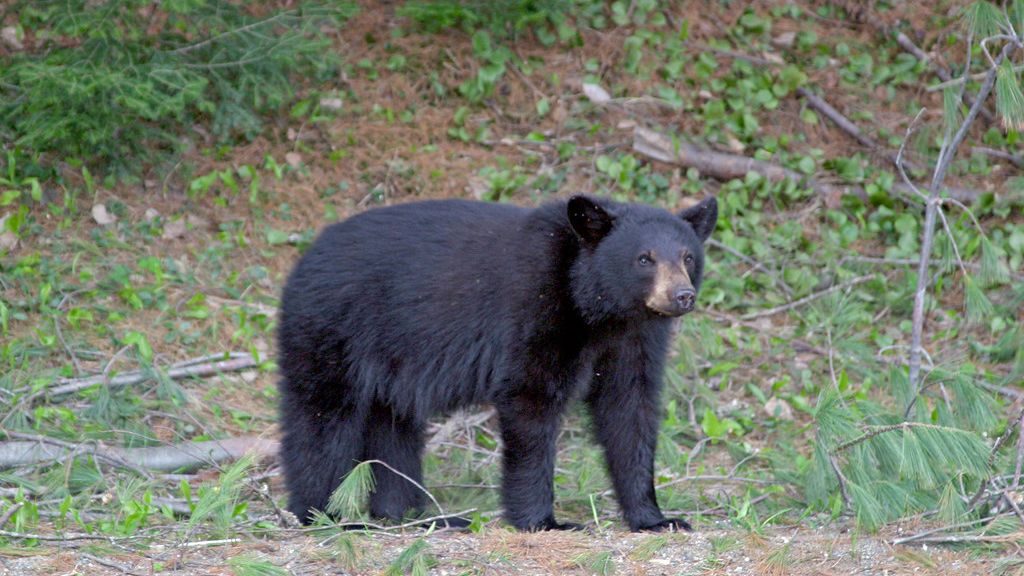
There is something undeniably thrilling about catching a glimpse of a black bear in the wild. That unmistakable silhouette moving through the tree line, the quiet crunch of leaves underfoot, and your heart suddenly doing about three times its normal job. It is the kind of moment that leaves you breathless.
The total North American black bear population is thought to be somewhere between 600,000 and 900,000 bears. That sounds like a lot, until you realize how unevenly they are distributed across the country. Some states are absolutely teeming with them. Others? Not a single confirmed sighting for years.
So where exactly do you go if you want a real chance at spotting one in its natural habitat? The answer might surprise you. Let’s dive in.
1. Alaska: The Undisputed Kingdom of the Black Bear
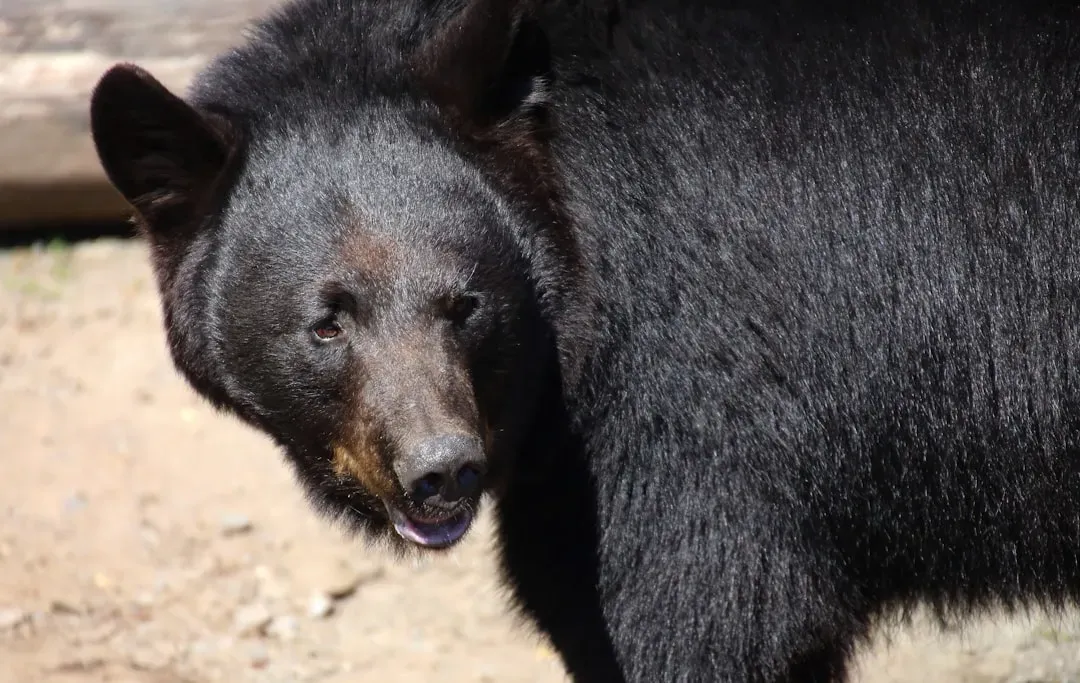
Let’s start big. Like, really big. Alaska has a larger population of black bears than any other U.S. state by far, with an estimated 100,000 or more. That is a staggering number, and honestly, it puts every other state to shame.
These bears are found throughout the state, from coastal rainforests to interior wilderness areas, and they are highly adaptable, even thriving in colder, harsher climates. Think of Alaska as the bear version of New York City. Dense, active, and everywhere you look.
Black bears in Alaska live in most of the state’s forested areas and most of its islands, and in the summer, they fish for spawning salmon in Alaska’s rivers. Watching a bear fish for salmon is honestly one of those bucket-list moments that no nature documentary can fully prepare you for.
2. California: Surprisingly the Biggest in the Lower 48
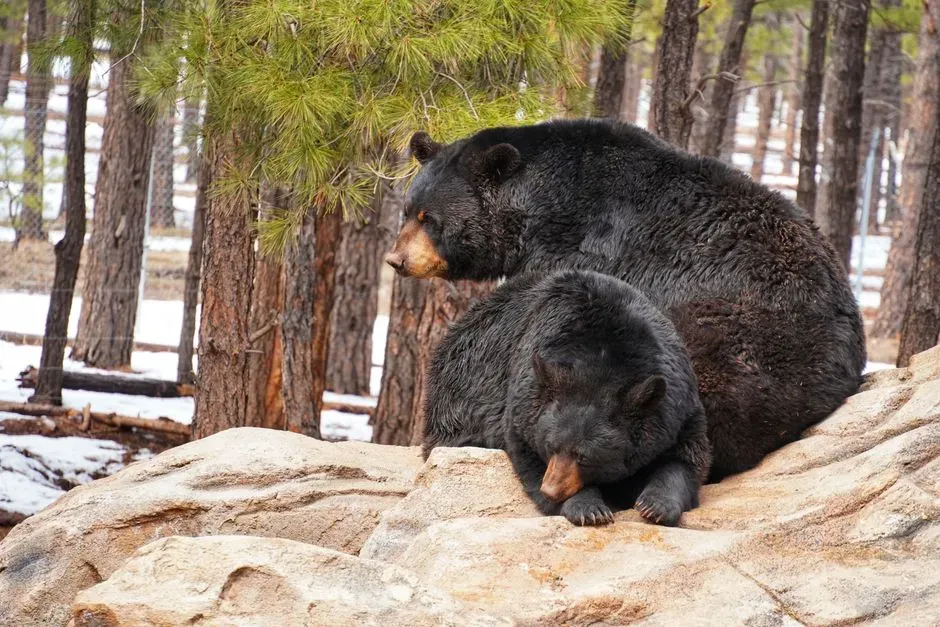
Most people picture California and think beaches, traffic, and Hollywood. Bears rarely come to mind. Yet here is the thing: California is thought to have the largest black bear population in the lower 48 states, with an estimated 30,000 to 40,000 bears, a significant jump from their population numbers in 1982 when the population was between 10,000 and 15,000 bears.
From the Sierra Nevada mountains to the coastal forests, California’s black bears have adapted to various environments, and they are an iconic part of California’s wildlife, often seen in national parks like Yosemite. Yosemite, in particular, is practically legendary for bear encounters.
Black bears were classified as game mammals in the state in 1948, and even though they are hunted by humans, their population continues to thrive due to restrictive regulations and laws. Conservation clearly works. California is proof of that.
3. Maine: New England’s Bear Capital
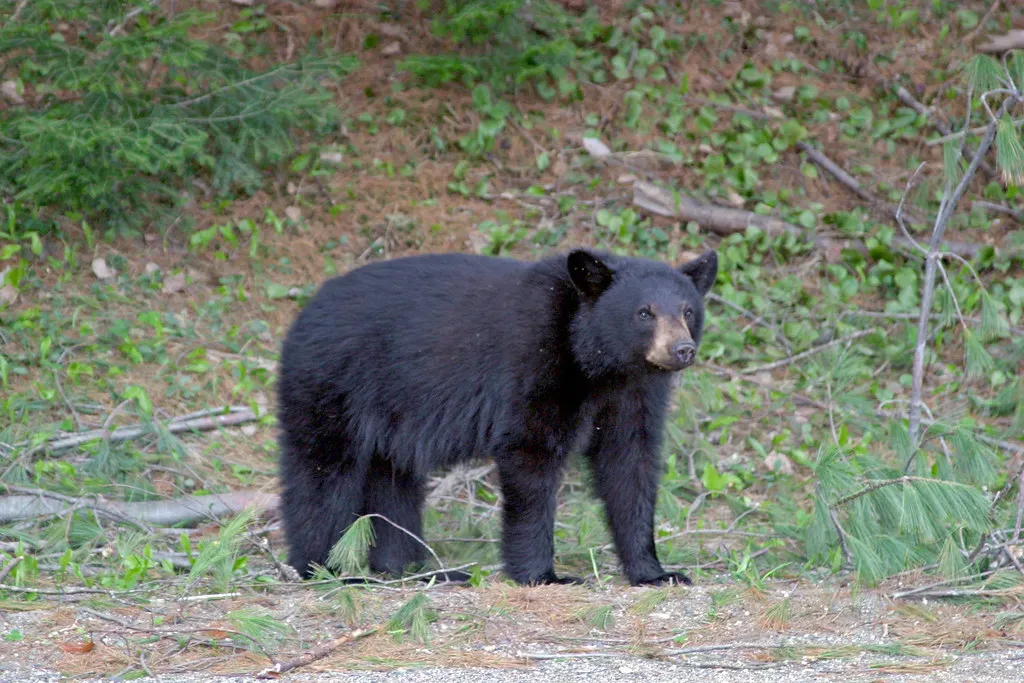
Maine has a larger population of black bears than any other New England state by far, with an estimated 35,000 bears living in the state, and the growing bear population has been closely monitored for many years. That is an extraordinary number for a state that many still think of primarily as lobster country.
Maine’s black bears are particularly active in late summer and fall, preparing for hibernation by consuming large quantities of food, and they are often spotted in the northern and western parts of the state, where wilderness dominates. Plan a late-summer hiking trip up there and your odds of a sighting go up considerably.
It is hard to say for sure exactly where the best single trail is to spot one, but the vast stretches of remote boreal forest in Maine’s north create near-perfect conditions. Bears thrive when humans stay mostly out of the way, and Maine gives them plenty of room.
4. Idaho: The Mountain State Loaded With Bears
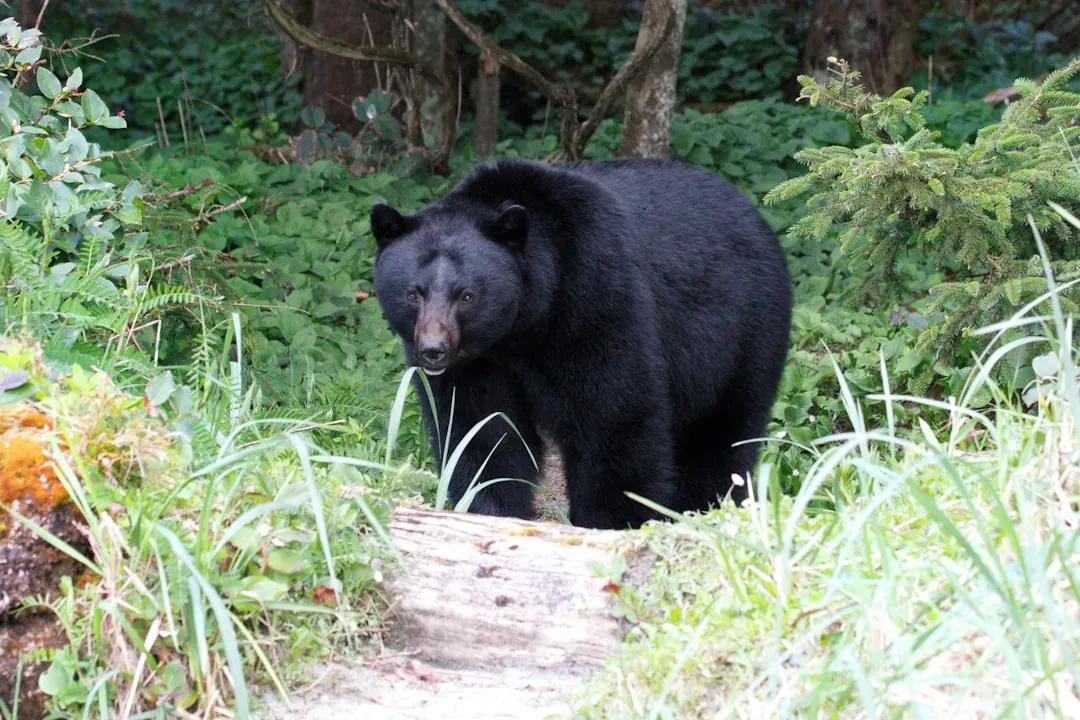
Idaho has a growing population of black bears with as many as 30,000 in the state, and its mountainous and forested regions make a wonderful home for these animals. Thirty thousand is a serious number for a state that does not always make wildlife headlines.
Idaho is home to approximately 30,000 black bears mainly in its mountainous regions, and the state’s wilderness areas, including the Sawtooth and Bitterroot ranges, provide excellent habitats, with Idaho’s black bears known for their varied diets ranging from berries and nuts to small mammals.
With the increase in black bear population and the increase in urbanization, it is likely that human-bear conflict will increase. That is the trade-off with thriving wildlife populations. More bears means more moments of sharing the landscape, which requires both respect and awareness from visitors.
5. Oregon: Dense Forests, Dense Bear Population
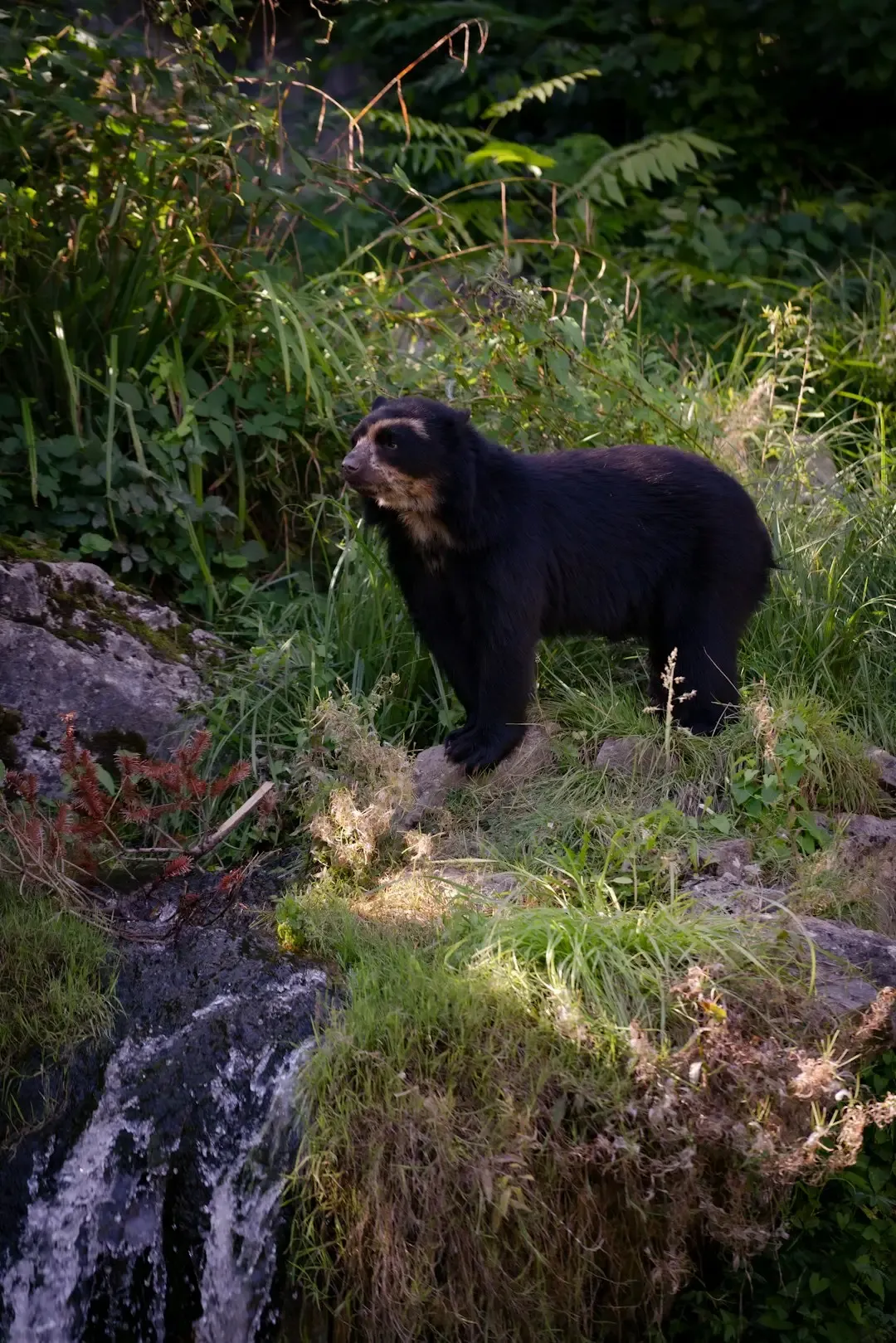
Oregon is one of those states that quietly punches above its weight in wildlife terms. The Oregon Department of Fish and Wildlife estimates the black bear population to be between 25,000 and 30,000, making it one of North America’s most prominent black bear populations.
These bears are essential to Oregon’s ecosystem, contributing to forest health by dispersing seeds and helping control insect populations, and they are often found foraging in the dense, misty forests that characterize much of the state. Honestly, a black bear in Oregon’s old-growth forests looks almost like a nature painting come to life.
The state’s forests, particularly in the Cascade Mountains, are prime bear territory. If you are planning a Pacific Northwest road trip, adding a stop in the Cascades with bear-watching in mind is absolutely worth the detour.
6. Tennessee and North Carolina: Smoky Mountains Magic
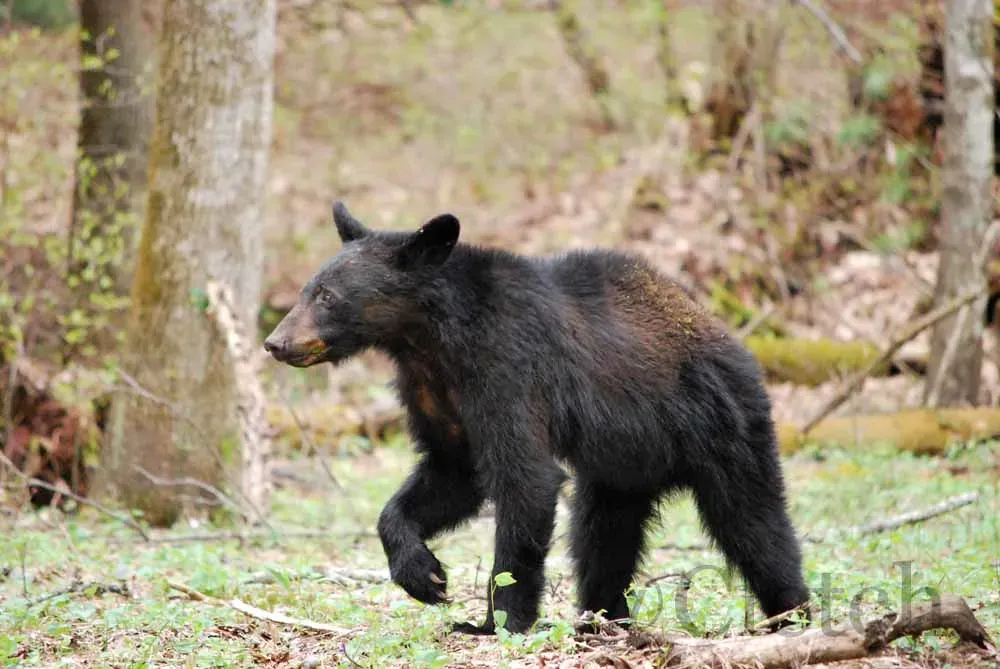
Few places in the entire United States offer a more reliable and awe-inspiring black bear sighting experience than the Great Smoky Mountains. With its thriving wildlife and large biodiversity, the Great Smoky Mountains National Park in Tennessee and North Carolina has been declared a UNESCO World Heritage site.
In 2020, there were about 1,500 bears in Great Smoky Mountains National Park, where the population density is about two bears per square mile. Two bears per square mile. Let that sink in. That is basically the bear equivalent of a busy city neighborhood.
In western North Carolina, the black bear population has dramatically increased from about 3,000 in the early 2000s to over 8,000 in the 2020s. The Smokies are not just a tourist attraction. They are genuinely one of the best places on the entire continent to see black bears in the wild, safely and reliably.
7. Pennsylvania: Bears in Your Backyard
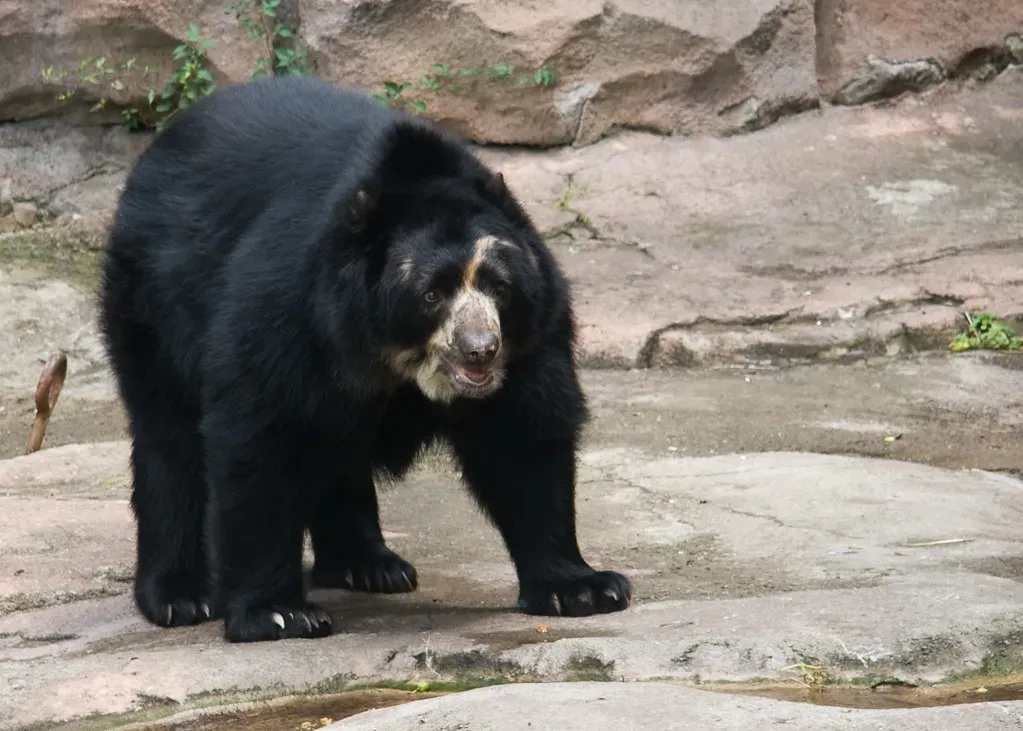
Pennsylvania might not be the first state you think of for bear sightings, but it absolutely should be. Black bear numbers have increased substantially in Pennsylvania, from around 4,000 in the 1970s to around 18,000 today. That is a fourfold increase, which is nothing short of remarkable.
Pennsylvania’s estimated black bear population is between approximately 18,000 and 20,000 animals, with most found in dense forests such as those in the Allegheny and Appalachian regions, where woodlands supply diverse vegetation and shelter that bears use year-round.
A dramatic growth has provided more opportunities for people to see bears, which is an experience many treasure. Pennsylvania residents near the Pocono Mountains or the northern forest regions know this well. Spotting a bear near the tree line on a morning hike has become almost a regular occurrence for locals.
8. Wisconsin: The Cheese State Has a Bear Problem (In the Best Way)
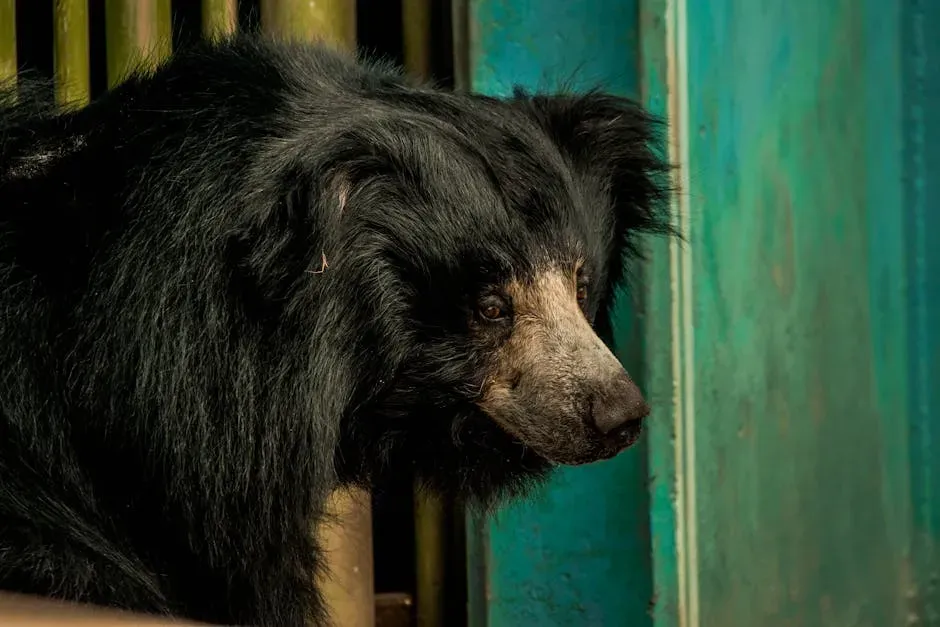
Wisconsin’s black bear population is considerably higher than it was 30 years ago. The bear population was estimated to be about 9,000 in 1989, and the most recent data indicates the population is currently estimated to be a little over 24,000 bears. Nearly tripling in population over three decades is genuinely impressive.
Wisconsin’s occupied bear range is expanding, which means residents can expect to see black bears in areas outside of the bear’s traditional range, as an abundant population and suitable habitat have facilitated the southerly movement of occupied bear range. Bears are, in a sense, reclaiming territory they once held.
Historically found mostly in the northern counties, bears are now regularly showing up in the central and even southern parts of the state, and campers have reported close encounters in the Chequamegon-Nicolet National Forest. Let’s be real, if you are camping up in northern Wisconsin without making noise around your food storage, you are basically sending out a dinner invitation.
9. Colorado: Rocky Mountain Bears With Attitude
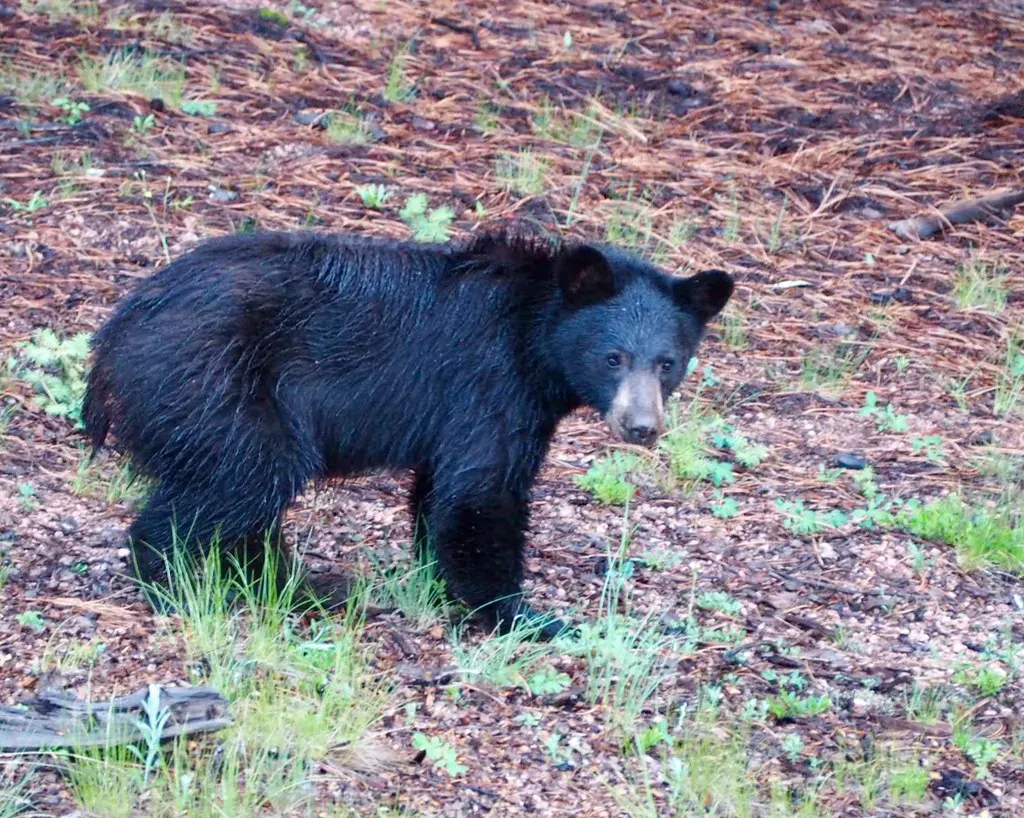
Colorado has a reputation for stunning mountain landscapes. What fewer people realize is that those mountains are well-stocked with black bears. An estimated 17,000 to 20,000 black bears live in Colorado, found mostly in Central and Western Colorado, and they are commonly seen in mountainous and forested regions west of Denver.
According to the Colorado Department of Parks and Wildlife, roughly nine in ten of the state’s black bears are brown, honey-colored, or cinnamon-colored. This often surprises visitors, who expect jet-black fur. Colorado’s bears frequently look more like oversized golden retrievers roaming the mountainside than the stereotypical black bear.
There are an estimated 16,000 black bears in Colorado, and most of the state’s bears live in the expansive oak and aspen forests. The aspen forests in fall, glowing gold and orange with a bear foraging among the trees, is honestly one of the most beautiful wildlife scenes in all of North America.
10. Washington: Pacific Rainforests and Bear Country
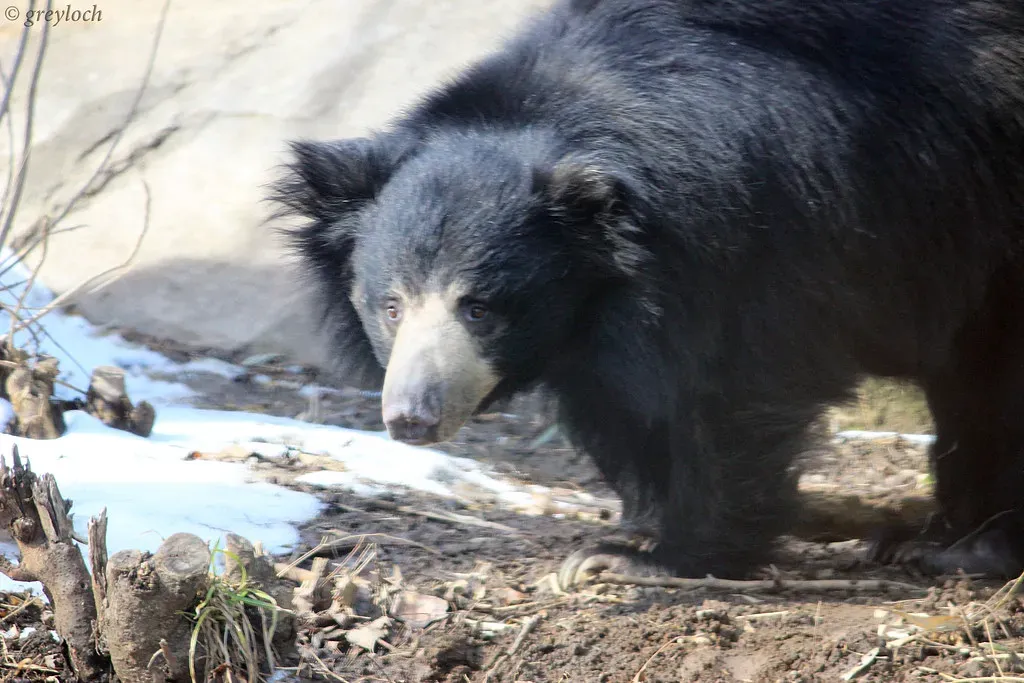
With 25,000 to 30,000 black bears, Washington is a bear lover’s paradise, and the lush Olympic Peninsula, dense rainforests, and glacier-carved valleys give these animals plenty of cover and plenty of food sources. It is almost as if the geography of Washington was designed with bears in mind.
The Olympic National Park and the North Cascades are particularly productive areas for sightings. Dense canopy cover, abundant berry crops in late summer, and relatively limited human foot traffic in the backcountry create ideal conditions. Patience and early morning timing are your best tools as a wildlife watcher.
Washington is not alone in its expanding bear range. A survey of eastern United States and Canadian provinces that actively manage black bear populations indicated that roughly three quarters of these jurisdictions report an increase in bear range. This is a continent-wide story, and Washington is one of its most dramatic chapters.
Conclusion: Go Out There and Look Up
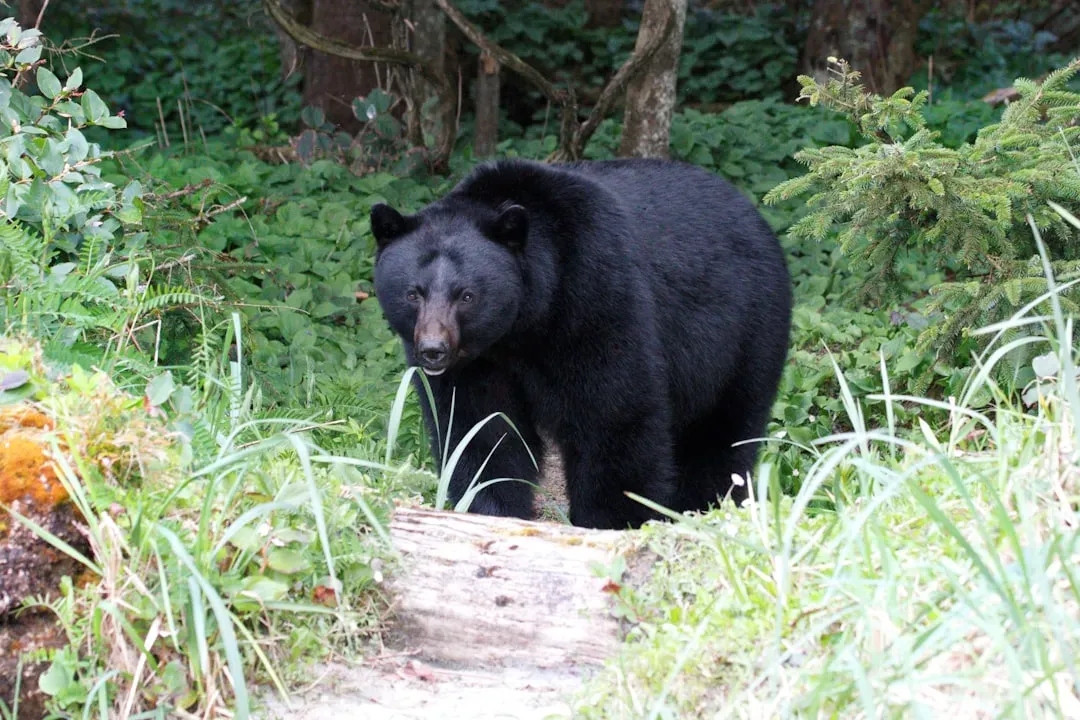
The black bear comeback across America is one of the great conservation success stories of the last half century. Although black bears experienced large reductions in numbers and contractions in range historically, they are considered a recovery success story, having rebounded in areas they were previously extirpated thanks to conservation and restoration efforts.
From Alaska’s vast wilderness to Pennsylvania’s forest trails, these ten states offer genuinely extraordinary chances to see one of North America’s most iconic animals in its natural element. You do not need to be a wildlife biologist or an expert tracker. You need good timing, a bit of patience, and a willingness to step away from the pavement.
I think the most powerful thing about spotting a black bear in the wild is the reminder that nature is still out there, thriving, doing its thing without asking for permission. Respect it, admire it from a safe distance, and remember: you are in their home, not the other way around. So which of these ten states is going on your bear-watching bucket list first?

- 12 Architectural Wonders From The Ancient World That Inspire Us Today - July 18, 2026
- 6 Beautiful Ancient Cities That Time Forgot (But Shouldn’t) - July 18, 2026
- 6 Common Animal Behaviors That Are Often Misunderstood by Humans - July 18, 2026