


In the face of accelerating biodiversity loss and ecosystem degradation, governments worldwide are exploring innovative approaches to wildlife conservation. One increasingly popular strategy involves directly paying individuals, communities, or organizations to protect wildlife and their habitats. These payment programs—variously known as payments for ecosystem services (PES), conservation incentives, or wildlife protection subsidies—represent a market-based approach to conservation that recognizes the economic value of ecosystem services and compensates those who safeguard them. But the critical question remains: does paying people to protect wildlife actually work? This article explores the various government-funded wildlife protection payment schemes around the world, examining their effectiveness, challenges, and the lessons learned from their implementation.
The Evolution of Conservation Payment Programs

Conservation payment programs emerged in the late 20th century as traditional command-and-control conservation approaches showed limitations. Early conservation efforts relied heavily on strict protection measures, including establishing protected areas and imposing penalties for wildlife exploitation. While these approaches achieved some success, they often failed to address the economic needs of local communities who depend on natural resources for their livelihoods. This frequently led to conflicts between conservation goals and human welfare, undermining long-term conservation success.
The paradigm shift toward payment-based conservation began in earnest in the 1990s, with Costa Rica pioneering one of the first national PES programs in 1996. This innovative approach recognized that ecosystem services—such as carbon sequestration, watershed protection, biodiversity conservation, and landscape beauty—have economic value that should be compensated. Since then, payment programs have evolved from simple subsidy schemes to sophisticated market-based mechanisms incorporating conditional payments, performance metrics, and adaptive management frameworks. Today, governments from Costa Rica to China, Sweden to South Africa have implemented various forms of wildlife protection payment programs, each adapted to local ecological, economic, and social contexts.
Types of Wildlife Protection Payment Schemes

Government-funded wildlife protection payment schemes come in various forms, each with distinct structures and objectives. Direct payment programs provide financial compensation to landowners or communities for specific conservation actions, such as maintaining forest cover, protecting watersheds, or preserving habitats for endangered species. Conservation easements involve payments to landowners who agree to legally binding restrictions on land use that benefit wildlife. Conservation tax incentives offer tax reductions or exemptions for landowners who engage in conservation activities on their properties.
Community-based conservation payments provide funds to local communities that collectively manage and protect wildlife resources. Performance-based payments link compensation to measurable conservation outcomes, such as increases in wildlife populations or reductions in poaching incidents. Government-funded wildlife protection programs can also take the form of employment initiatives, where local community members are hired as rangers, guides, or monitors, creating jobs while simultaneously protecting wildlife. The diversity of these approaches allows for flexibility in addressing the specific conservation challenges and socioeconomic contexts of different regions.
Costa Rica’s Pioneering PES Program

Costa Rica’s Pago por Servicios Ambientales (PSA) program stands as one of the world’s most established and successful government payment schemes for ecosystem services. Launched in 1996, the program pays landowners to protect forests, reforest degraded areas, establish agroforestry systems, and manage forests sustainably. Funded primarily through a national fuel tax and supplemented by international donors and the World Bank, the PSA program has contributed significantly to Costa Rica’s remarkable forest recovery, with forest cover increasing from 21% in the 1980s to over 52% by 2020.
The program’s wildlife conservation impacts have been equally impressive. By protecting forest habitats, the PSA has benefited numerous species, including jaguars, tapirs, and countless bird species. Research indicates that areas enrolled in the PSA program have higher biodiversity and more stable wildlife populations than non-enrolled areas. The program’s success stems from its legal framework, sustainable funding mechanisms, and the integration of social, economic, and ecological objectives. Costa Rica’s experience demonstrates that well-designed payment programs can effectively protect wildlife while simultaneously providing income to rural communities and supporting national economic development through ecotourism and other ecosystem services.
China’s Massive Ecological Compensation Programs

China has implemented some of the world’s largest ecological compensation programs, with the Grain for Green Program (also known as the Sloping Land Conversion Program) and the Natural Forest Conservation Program being the most prominent. Launched in 1999 following devastating floods, these programs pay farmers to convert cropland on steep slopes to forests and grasslands and to protect existing natural forests. With investments exceeding $100 billion, these initiatives represent China’s commitment to ecological restoration and wildlife conservation on an unprecedented scale.
The wildlife conservation impacts of these programs have been substantial. Studies show increases in wildlife populations in program areas, including endangered species like the giant panda, golden snub-nosed monkey, and snow leopard. In the Wolong Nature Reserve, a key giant panda habitat, researchers documented habitat improvements directly linked to the payment programs. However, challenges remain, including ensuring the quality of restored habitats and addressing the long-term sustainability of payments. China’s experience highlights both the potential and the complexities of implementing large-scale payment programs for wildlife conservation, especially in regions with high population densities and development pressures.
Community-Based Conservation in Africa

Africa has pioneered innovative community-based conservation payment schemes that directly involve local populations in wildlife protection. Programs like Kenya’s Northern Rangelands Trust, Namibia’s Community Conservancies, and Zimbabwe’s CAMPFIRE (Communal Areas Management Programme for Indigenous Resources) provide communities with financial incentives to protect wildlife on their lands. These initiatives recognize that local communities bear significant costs from living alongside wildlife, including crop damage, livestock predation, and human safety risks, and that compensation for these costs is essential for successful conservation.
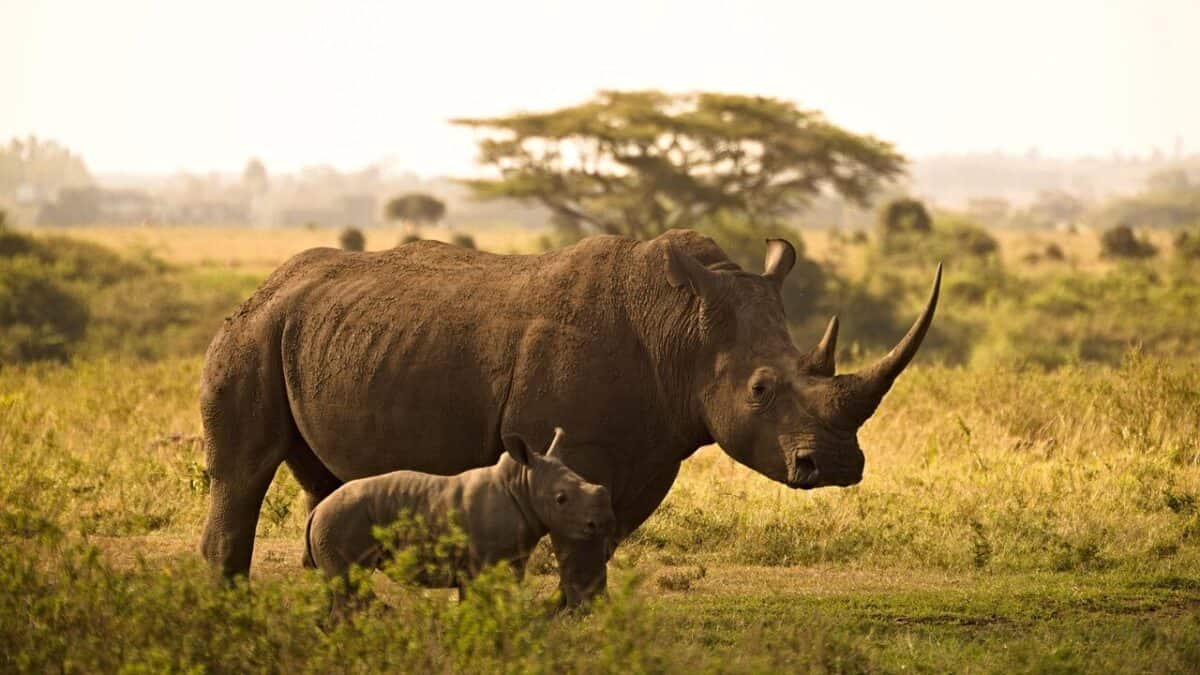
Evidence suggests these programs can be highly effective when properly implemented. In Namibia, community conservancies have contributed to remarkable recoveries of wildlife populations, including elephants, lions, and black rhinos. Tourism revenues and direct payments for conservation have generated significant income for participating communities, creating economic incentives for wildlife protection. Kenya’s conservancy model has similarly shown promise, with participating areas demonstrating higher wildlife densities and reduced poaching compared to unprotected areas. However, success varies considerably across different programs and regions, with factors such as governance structures, benefit distribution, and community engagement playing crucial roles in determining outcomes.
European Agri-Environment Schemes

The European Union has developed extensive agri-environment schemes that pay farmers to adopt wildlife-friendly farming practices. These programs, funded primarily through the Common Agricultural Policy, provide financial incentives for practices such as maintaining hedgerows, creating wildlife corridors, reducing pesticide use, and managing lands for specific endangered species. With annual expenditures exceeding €3.5 billion, these schemes represent one of the largest government investments in biodiversity conservation globally.
The effectiveness of these programs shows mixed results. Some well-designed schemes have demonstrated significant benefits for target species. For example, in the UK, specific programs for corn buntings and cirl buntings have helped reverse population declines. In Sweden, payments for wetland management have benefited numerous bird species. However, broader evaluations suggest that many schemes have had limited impacts on overall biodiversity, often because payments are insufficient to compensate for the opportunity costs of intensive agriculture or because the specific management requirements are inadequately tailored to wildlife needs. Recent reforms aim to address these shortcomings by shifting toward more results-based payment approaches that directly reward measurable conservation outcomes rather than simply paying for prescribed practices.
Indigenous-Led Conservation Initiatives

Indigenous-led conservation initiatives supported by government payments have emerged as powerful models for wildlife protection. Countries including Australia, Canada, and Brazil have developed programs that pay Indigenous communities to manage their traditional territories for conservation. Australia’s Indigenous Protected Areas and Indigenous Ranger programs provide funding for Indigenous communities to manage millions of hectares of land, combining traditional ecological knowledge with modern conservation techniques. These programs have created thousands of jobs while protecting threatened species and ecosystems.
Evidence suggests these approaches can be highly effective for wildlife conservation. Research in Australia has documented improvements in threatened species populations in Indigenous-managed areas, including recoveries of rock wallabies, bilbies, and numerous bird species. In the Brazilian Amazon, Indigenous territories with government support have shown lower deforestation rates and better wildlife conservation outcomes than many conventional protected areas. These successes stem from the deep ecological knowledge of Indigenous communities, their long-term connection to the land, and the integration of conservation with cultural values and practices. Government payment programs that respect Indigenous sovereignty while providing sustainable financial support represent promising models for effective wildlife conservation.
Conservation Performance Payments

Performance-based conservation payments link financial incentives directly to measurable wildlife conservation outcomes. Unlike traditional approaches that pay for specific actions or land management practices, performance payments reward actual conservation results, such as increases in wildlife populations or reductions in hunting pressure. Sweden’s carnivore conservation performance payments, which compensate Sami reindeer herders based on the number of wolverine and lynx offspring documented on their lands, exemplify this approach. Similarly, programs in Mongolia pay herders for documented snow leopard presence on their grazing lands.
Early evidence suggests performance payments can be highly effective when well-designed. A snow leopard conservation program in Pakistan that pays villagers based on camera-trap evidence of snow leopards has contributed to population increases and reduced retaliatory killings. Performance payments create strong incentives for active conservation management rather than passive compliance with regulations. However, these approaches face challenges, including the need for robust monitoring systems to verify outcomes, potential perverse incentives (such as protecting one species at the expense of ecosystem health), and difficulties in establishing appropriate payment levels. Despite these challenges, performance-based approaches represent a promising evolution in government payment programs for wildlife conservation.
Key Factors Influencing Program Success
Research across multiple countries has identified several key factors that influence the success of government payment programs for wildlife protection. First, payment amounts must be sufficient to offset opportunity costs—the income forgone by not developing or exploiting land. Programs that underpay participants typically show poor compliance and limited conservation impacts. Second, effective targeting is crucial; programs achieve greater conservation returns when they focus on high-priority habitats or species and on landowners who would not conserve without payments (avoiding “deadweight” payments for conservation that would happen anyway).
Other critical success factors include strong monitoring and enforcement systems, secure land tenure for participants, appropriate contract duration, and equitable benefit distribution within communities. Programs that integrate conservation with livelihood development and that engage local communities in program design tend to show better outcomes. Institutional factors also matter significantly—successful programs typically feature clear legal frameworks, sustainable funding mechanisms, coordination across government agencies, and adaptive management approaches that allow for learning and improvement over time. When these elements align, government payment programs can achieve substantial wildlife conservation outcomes while simultaneously supporting rural livelihoods and sustainable development.
Measuring Effectiveness: Challenges and Solutions

Evaluating the effectiveness of government payment programs for wildlife conservation presents significant methodological challenges. Establishing causal links between payments and wildlife outcomes requires controlling for numerous confounding variables, from environmental conditions to market forces affecting land use decisions. The most robust evaluations employ experimental or quasi-experimental approaches, comparing conservation outcomes between program participants and similar non-participants. However, such rigorous designs remain rare in conservation evaluations, with many programs relying on simple before-after comparisons that cannot confidently attribute observed changes to the payment intervention.
Promising approaches to improve effectiveness measurement include satellite monitoring of habitat changes, systematic wildlife surveys using camera traps and other technologies, and mixed-method evaluations that combine quantitative outcome measures with qualitative assessments of program implementation and social impacts. Some innovative programs now incorporate evaluation frameworks from the outset, establishing baseline conditions and control sites before payments begin. Advances in remote sensing, environmental DNA sampling, and other monitoring technologies are making wildlife conservation outcomes increasingly measurable, enabling more accurate assessment of program effectiveness and facilitating adaptive management to improve outcomes over time.
Criticisms and Potential Downsides

Despite their growing popularity, government payment programs for wildlife conservation face several substantial criticisms. Some conservationists and ethicists argue that monetizing nature through payment schemes fundamentally devalues wildlife, reducing complex ecological relationships to market commodities. Critics also point to the potential for “motivation crowding,” where financial incentives potentially undermine intrinsic motivations for conservation, such as cultural values or ethical commitments. If payments cease, conservation behaviors may decline below pre-program levels if these intrinsic motivations have been eroded.
Other concerns include equity issues, as payments may disproportionately benefit wealthier landowners who control larger areas, potentially exacerbating socioeconomic inequalities. Program leakage is another challenge, where conservation in one area simply displaces harmful activities to non-participating areas. Additionally, the long-term financial sustainability of many payment programs remains uncertain, with some governments struggling to maintain funding commitments over time. These legitimate concerns highlight the importance of thoughtful program design that considers social, cultural, and ethical dimensions alongside ecological and economic factors, and of viewing payment approaches as complementary to, rather than replacements for, protected areas and regulatory approaches to conservation.
The Future of Conservation Payment Programs

The future of government payment programs for wildlife conservation will likely involve several important evolutions. First, programs are increasingly shifting from action-based to results-based payments, rewarding actual conservation outcomes rather than prescribed practices. Second, integration with carbon markets and other ecosystem service markets is expanding, allowing wildlife conservation to tap into climate finance and other funding sources. Third, technological advances in remote sensing, environmental DNA, artificial intelligence, and blockchain are enabling more precise monitoring of wildlife outcomes and more transparent payment systems.
Policy innovations are also emerging, including “reverse auctions” where landowners bid competitively to provide conservation services, potentially increasing cost-effectiveness. Some jurisdictions are experimenting with bundled payment approaches that simultaneously reward multiple ecosystem services, including wildlife habitat, carbon sequestration, and water quality protection. As climate change intensifies, payment programs will likely increasingly incorporate climate adaptation measures alongside traditional conservation objectives. The most promising future models will combine the economic logic of payment approaches with strong regulatory frameworks, cultural sensitivity, and participatory governance structures that engage local communities as genuine partners in conservation.
Conclusion: Do Wildlife Protection Payments Work?

The evidence suggests that government payment programs for wildlife protection can indeed work effectively, but their success depends critically on design, implementation, and context. When payment programs incorporate adequate compensation, appropriate targeting, strong monitoring, secure land tenure, and community engagement, they have demonstrated significant positive impacts on wildlife populations and habitats. From Costa Rica’s forest recovery to Namibia’s rhino resurgence, well-designed payment programs have contributed to important conservation successes around the world.
However, payment approaches are not panaceas and work best as part of integrated conservation strategies that also include protected areas, regulations, education, and cultural initiatives. The most successful programs recognize the complex social, economic, and ecological contexts in which conservation occurs, adapting payment mechanisms to local conditions rather than applying one-size-fits-all approaches. They also acknowledge that financial incentives alone cannot sustain conservation without supporting intrinsic motivations and cultural values that foster human-wildlife coexistence.
As biodiversity loss accelerates globally, government payment programs represent an important tool in the conservation toolkit—one that explicitly recognizes the economic value of wildlife and compensates those who bear the costs of protecting it. When thoughtfully designed and implemented, these programs offer promising pathways to reconcile human needs with wildlife conservation, creating financial incentives that align individual and community interests with the broader public interest in preserving Earth’s remarkable biodiversity for future generations.
Looking ahead, the continued refinement of wildlife protection payment approaches, based on rigorous evaluation and adaptive learning, will be essential to maximize their effectiveness in addressing the urgent biodiversity conservation challenges of the 21st century. With appropriate investment, innovation, and institutional support, government payment programs can make significant contributions to wildlife conservation while simultaneously supporting sustainable development and human wellbeing.

From exploring the marine wonders in the Azores and witnessing the vast savannas of Kenya, to delving deep into the rich biodiversity of South Africa and traversing iconic landscapes in Australia and the US like Yellowstone, Chris's experiences are vast.
With a penchant for diving alongside sharks, the ocean holds a special place in his heart.
Through his academic insights, he champions wildlife conservation, striving with 'Animals Around The Globe' to cultivate a profound connection between humans and animals, enhancing our mutual appreciation.
Connect with him at Feedback@animalsaroundtheglobe.com.
- Frozen Fish from the Ice Age Still Has Scales - July 18, 2026
- This Sea Creature Can Regenerate Its Entire Body Multiple Times - July 18, 2026
- The Most Fascinating Natural History Museums in the World - July 18, 2026