

Their Stripes Are a Deliberate Arrow Pointing at Their Weapon
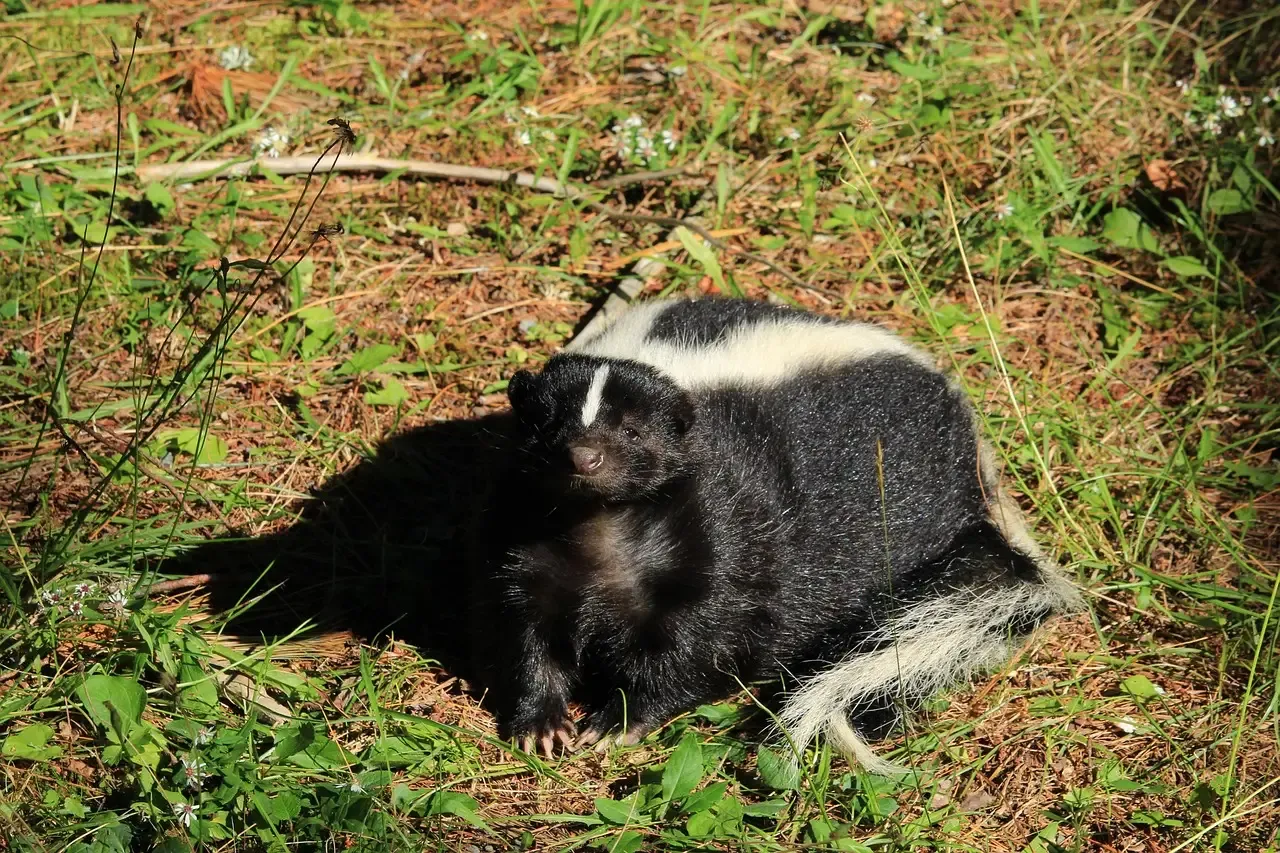
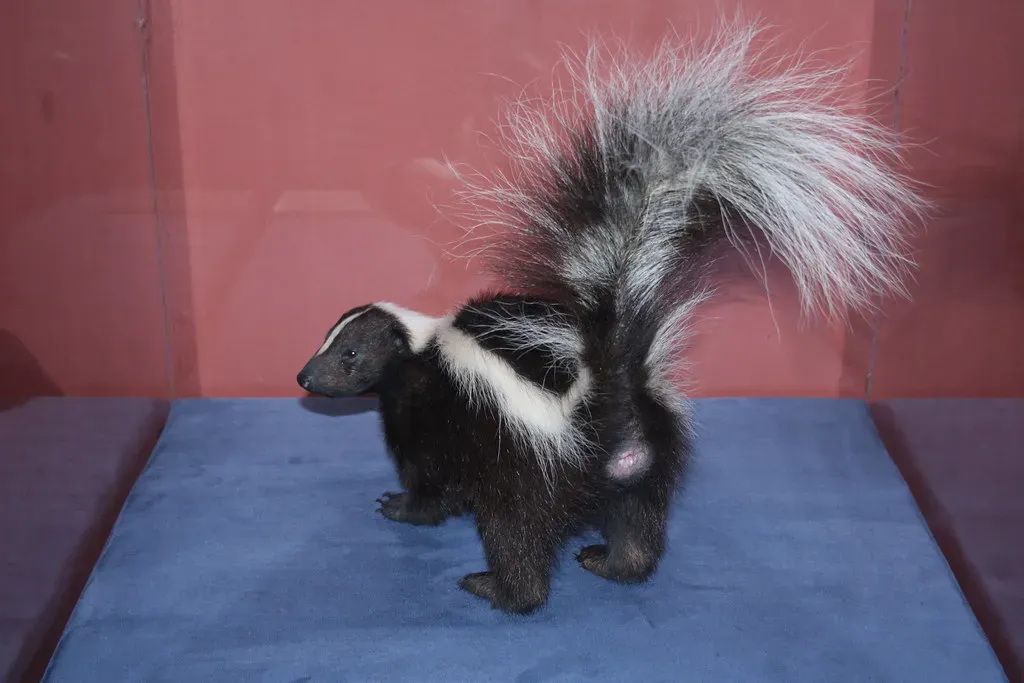
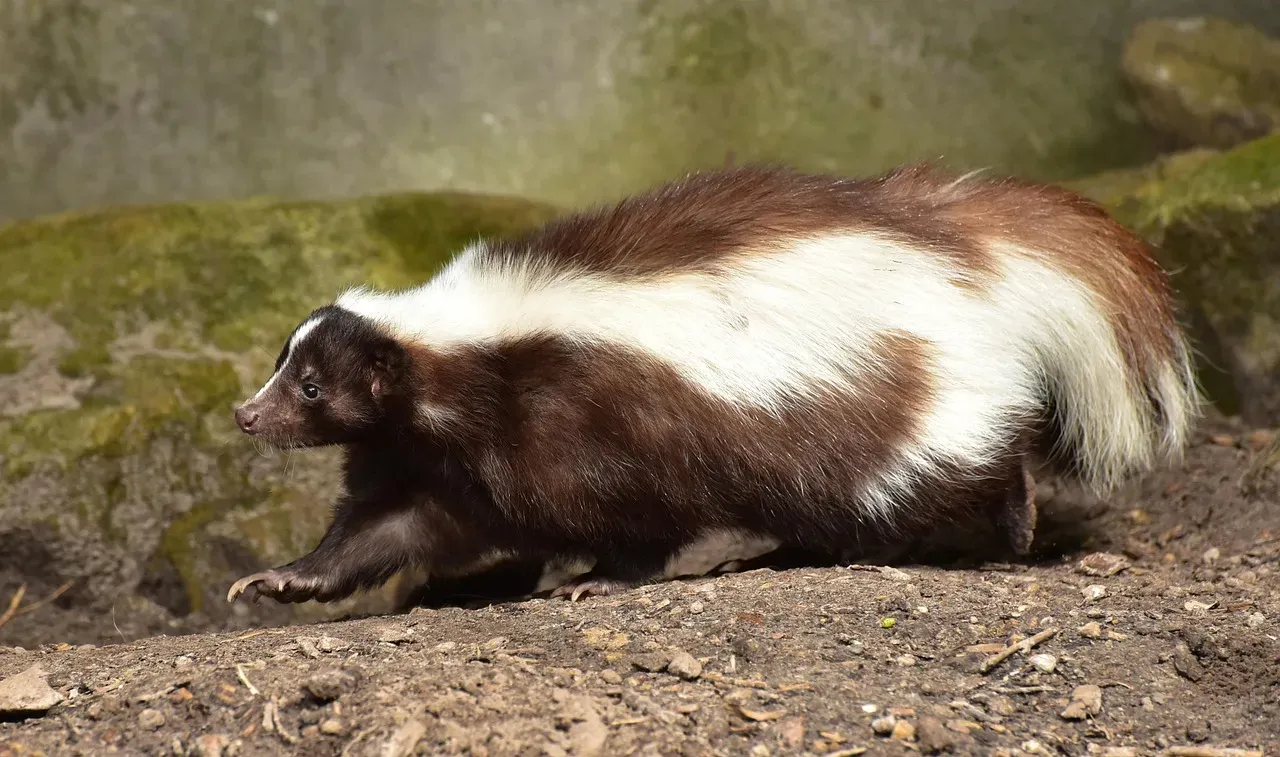
It might look like a simple color pattern, but the skunk’s bold black and white markings are far more purposeful than they appear. If it seems like the skunk’s stripes are pointing right to where the noxious spray comes out, that’s because they are. A 2011 study found that animal species that choose fight over flight when faced with a predator often have markings that draw attention to their best weapon.
While many animals rely on their coloring to help camouflage them in their environment, skunks use theirs as a warning. Their black fur might help them blend in at night, when they are typically most active, but those white stripes are attention-getting. The coloration is easy to recognize and remember, so once an animal is sprayed, they will likely remember to give skunks a wide berth when encountering them in the future. In an odd way, those stripes are the skunk’s first and most passive line of defense, doing protective work long before any spray is involved.
The Chemistry Behind the Smell Is Surprisingly Complex
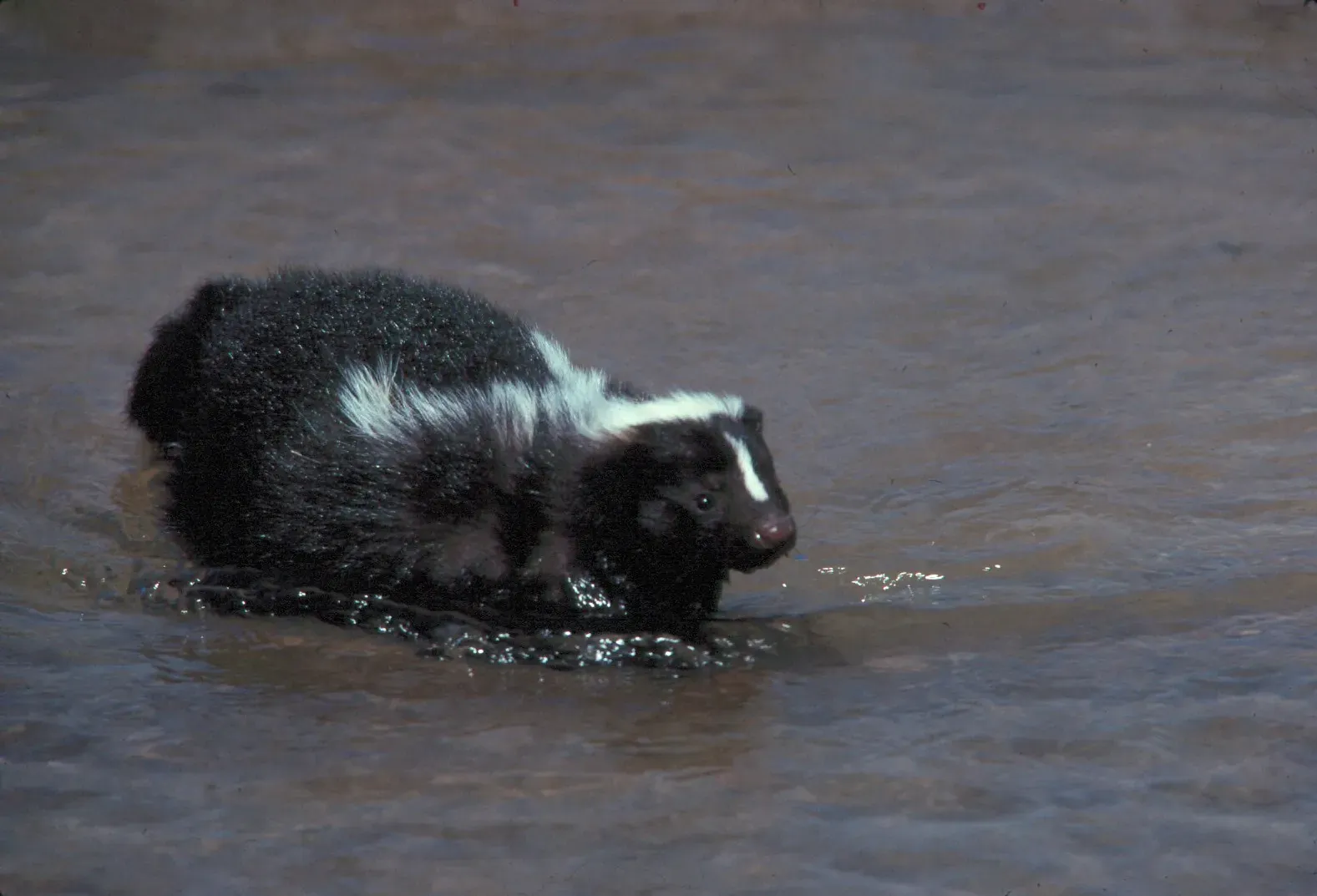
The intense smell of skunk spray originates from sulfur-containing organic compounds known as thiols, which are also called mercaptans. These molecules are volatile organic compounds that easily vaporize and travel through the air. The same basic chemical family, interestingly, is responsible for the sharp smell of garlic and onions.
The spray of the striped skunk is a complex cocktail of at least seven major volatile components. The immediate stench is primarily caused by two specific thiols: trans-2-butene-1-thiol and 3-methyl-1-butanethiol. These two compounds account for over half of the total defensive secretion, ensuring a potent and immediate repellent effect. Beyond just smelling terrible, this discharge is a sophisticated chemical mixture designed for maximum impact and lasting deterrence, powerful enough to cause nausea and temporary blindness in an attacker.
Skunk Spray Gets Worse When It Gets Wet
Here’s a detail that catches most dog owners completely off guard. All skunks contain special compounds called thiols. Three other molecules in the spray are what are called thioacetates. Those compounds don’t have a strong scent, but they can easily become thiols when they’re exposed to water, and that might explain why a pet that gets sprayed may start to smell skunky again after a bath.
The spray isn’t just a mix of potent chemicals; it’s also oily in nature. This oily consistency helps the spray stick to whatever it lands on, making it difficult to remove. That double-whammy of oiliness and water-activated chemistry is exactly why a quick rinse with shampoo doesn’t solve the problem. The compounds essentially reactivate with moisture, making the smell resurface just when you thought you’d fixed it.
Skunks Can Smell Detectable From Miles Away
The spray can cause irritation and even temporary blindness, and is sufficiently powerful to be detected by a human nose up to 5.6 km, or roughly 3.5 miles, downwind. That’s a remarkable distance for a defense mechanism produced by an animal that typically weighs less than ten pounds. The reason it travels so far comes down to pure chemistry.
Skunk spray is composed mainly of three low-molecular-weight thiol compounds, as well as acetate thioesters of these, and these compounds are detectable by the human nose at concentrations of only 11.3 parts per billion. Think about that for a moment. The human nose can pick up the equivalent of a few drops dissolved in an Olympic swimming pool. It’s not that skunks smell especially loud – it’s that our noses are extraordinarily sensitive to exactly the molecules they produce.
Skunks Are Nearly Blind, Yet Remarkably Precise
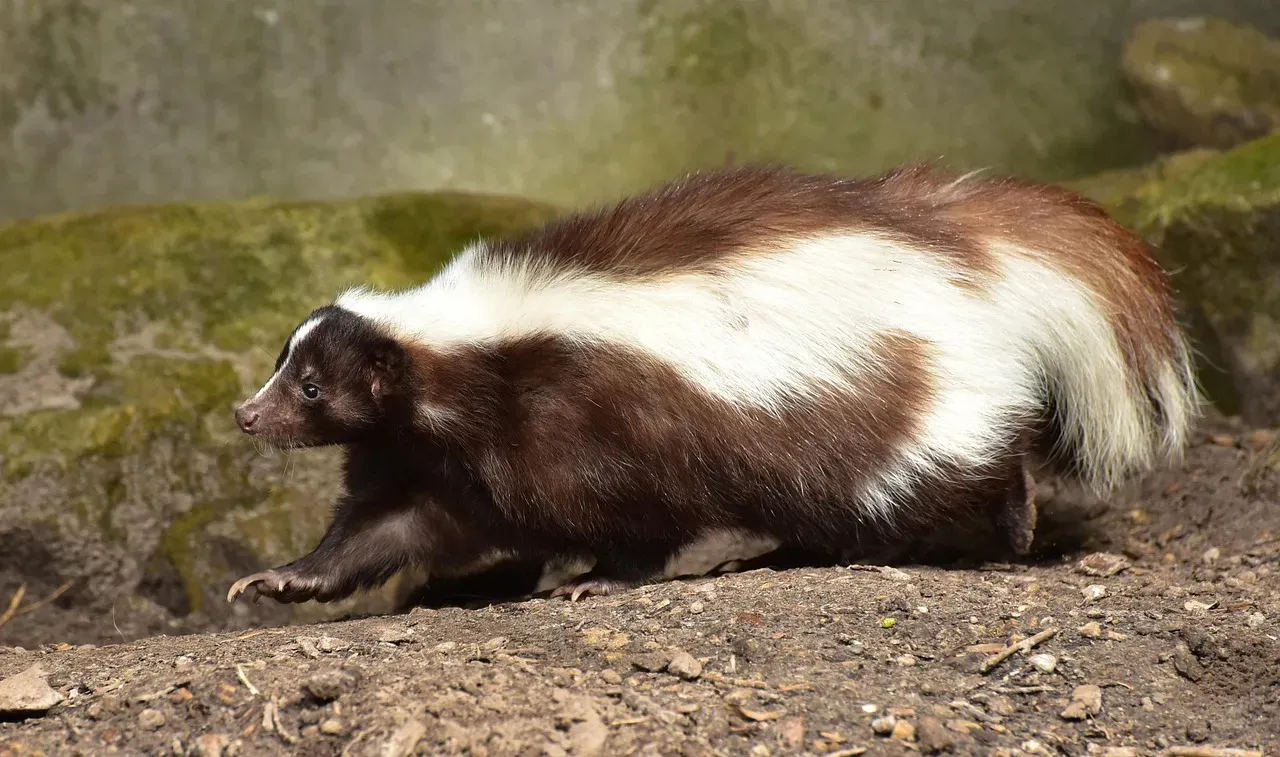
For an animal that seems so alert and aware of danger, skunks are surprisingly close to visually impaired. Skunks are nearsighted animals with weak visual depth perception, and because of this, they can only see within a relatively short distance. In fact, although they have excellent senses of smell and hearing, they have poor vision, being unable to see objects more than about 3 meters (10 feet) away, making them vulnerable to death by road traffic.
What makes this strange contrast so striking is that their spray accuracy tells a completely different story. Skunks can aim their spray at the target with remarkable precision. They often target their opponent’s eyes because their spray can blind predators temporarily, giving them time to escape undetected. Skunks primarily hunt using their keen sense of smell and hearing, which are exceptionally well developed to compensate for vision that barely works beyond a few feet.
They Perform an Elaborate Warning Ritual Before Spraying
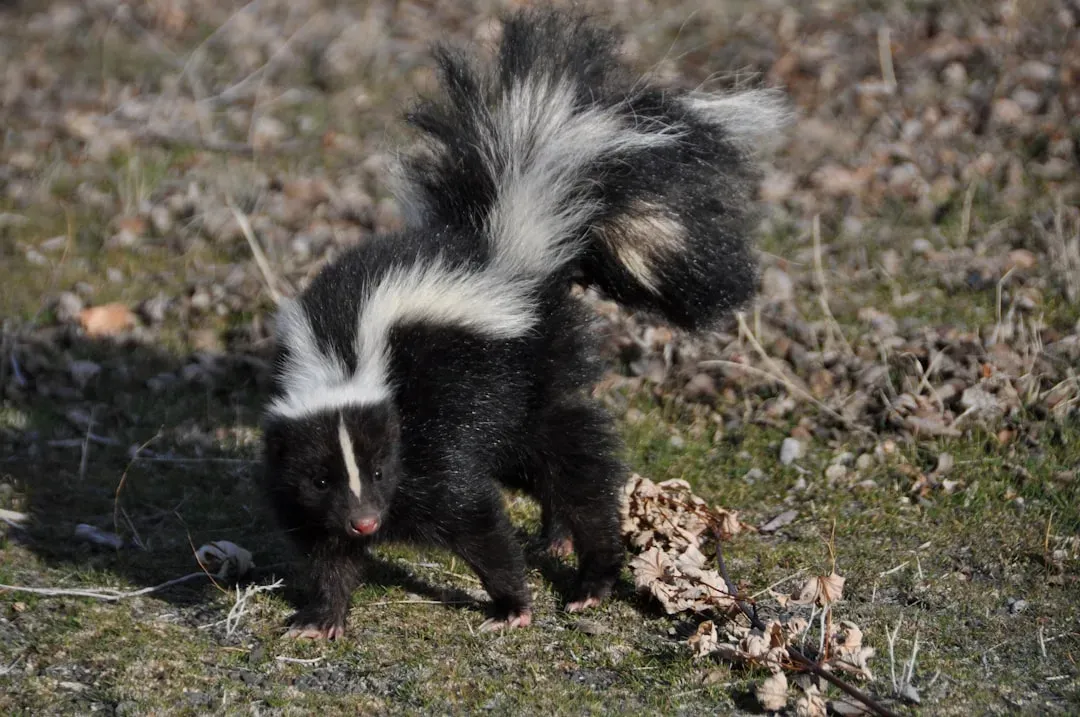
Skunks genuinely do not want to spray you. That’s not anthropomorphism – it’s basic biology. The last thing the skunk wants to do is spray you, because it takes up to 10 days for their body to generate more musk, and in the meantime they are defenseless. So before resorting to that last resort, they go through a surprisingly theatrical series of warnings.
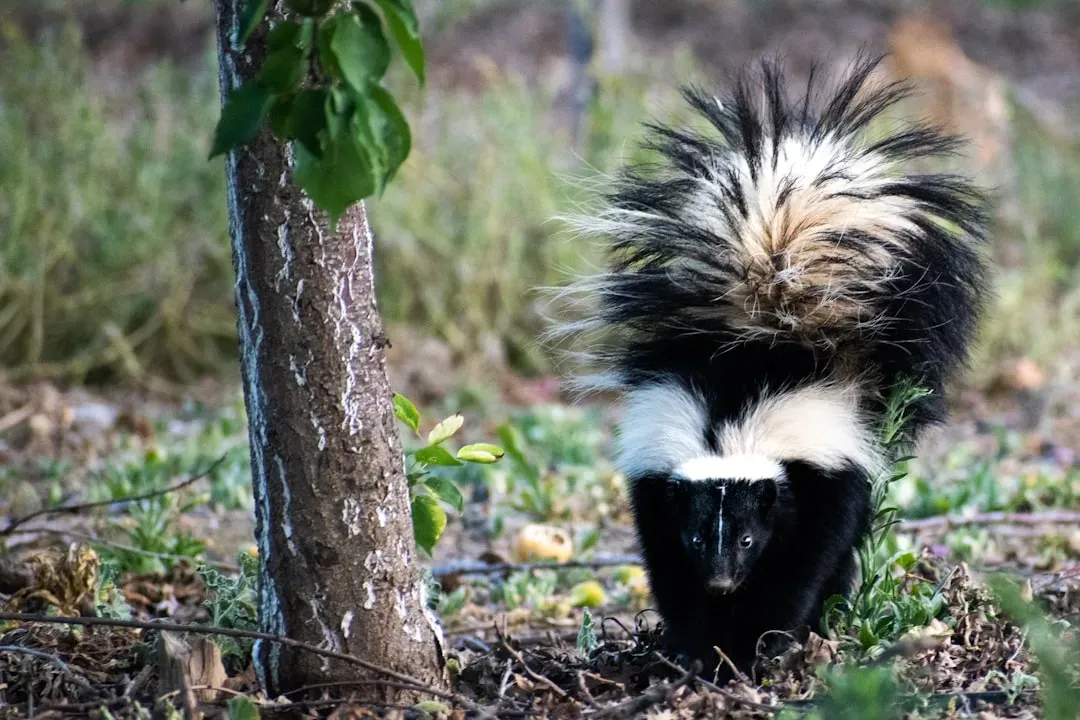
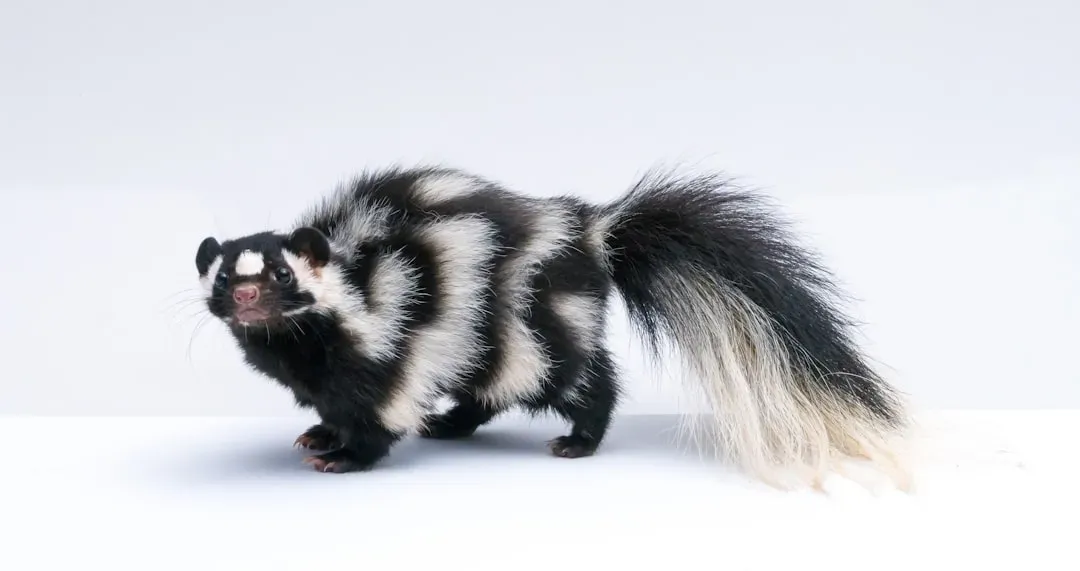
A skunk will stomp its feet, raise its tail, or click its teeth to warn potential threats to retreat. If that doesn’t work, they will charge at the threat, stopping just short. If that still is not enough to send the threat scampering away, they turn around and let rip with the stinky spray. A distinctive defensive repertoire across spotted skunks includes warning postures frequently described as a “handstand” before spraying. That’s right – one species literally does a handstand as a final ultimatum.
Some People Simply Cannot Smell Skunks at All
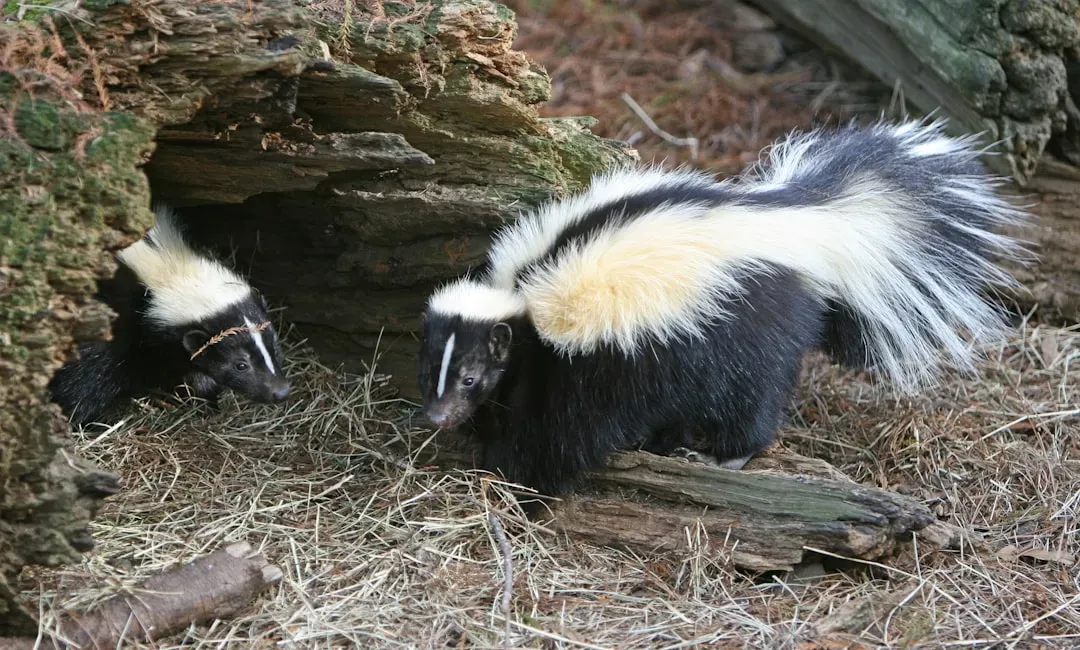
While most of the world recoils at the first whiff of skunk, a small portion of the population genuinely cannot detect it. One in a thousand people cannot detect skunk spray. An individual who cannot smell generally is said to have congenital anosmia. However, some people can smell other things but cannot smell a skunk’s odor at all. This inability to smell, called specific anosmia, is only related to a specific smell.
Approximately 1 in 1000 people have what’s called specific anosmia, or insensitivity to one particular smell. It’s a quirk of human genetics that means some people can walk through a cloud of skunk spray and register nothing unusual. It’s genuinely hard to know whether to envy them or feel suspicious of their reaction in certain social situations.
Skunks Are Immune to Snake Venom
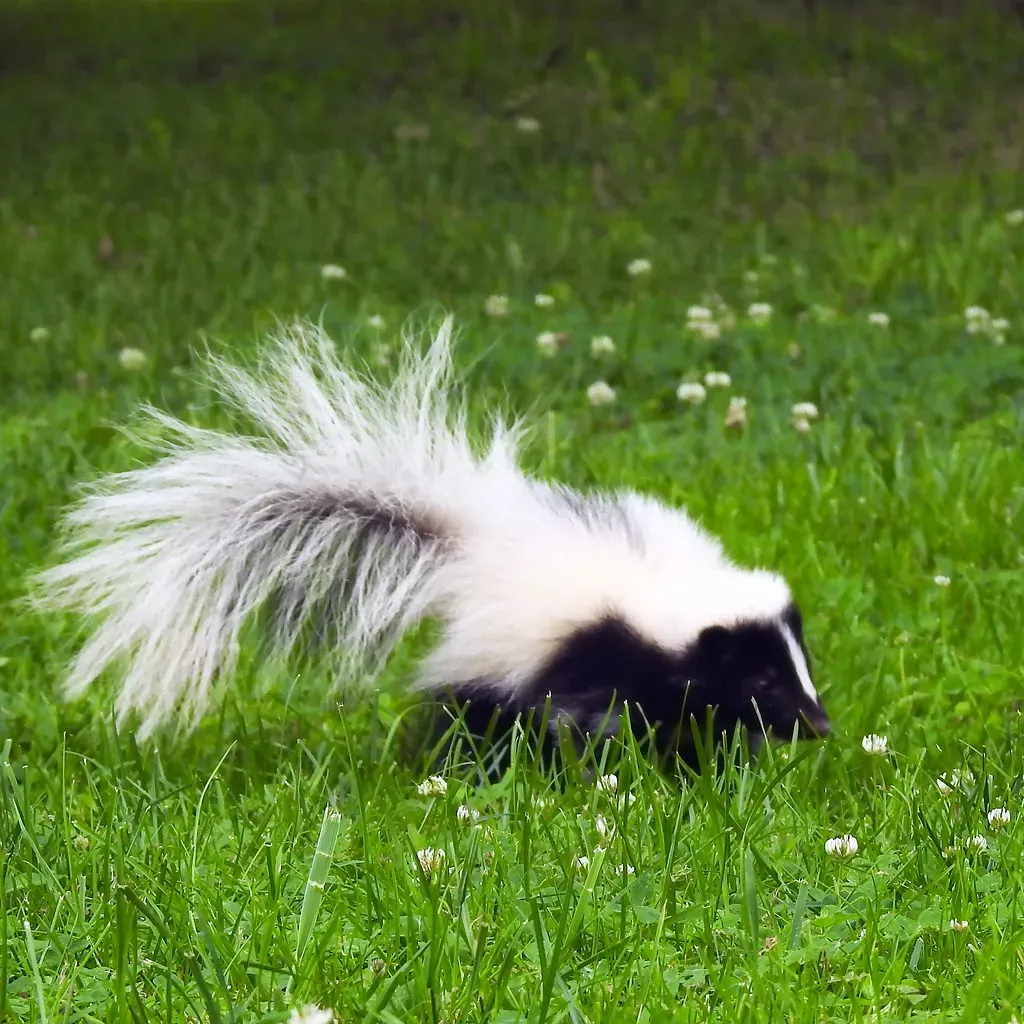
This is the fact that tends to land with the most impact, and it’s completely real. Skunks are resistant to snake venom and will consume venomous snakes. Skunks are one of the few animals with this immunity and are unaffected by venom doses 100 times higher than what would kill a household pet. That alone reframes the skunk’s place in the ecosystem rather dramatically.
The ability likely evolved because animals that were able to shrug off the toxic effects had a much wider variety of food from which to choose and therefore a better chance of surviving when food gets scarce. The animals that survive then have a better chance of reproducing and passing their helpful traits onto their offspring. Skunks also eat wasps and honeybees and are immune to their sting, making them integral to keeping wasp populations low. A rattlesnake-eating, wasp-hunting, near-blind creature that smells from three miles away – skunks really are something else.
They Don’t Hibernate – They Do Something Stranger
Winter arrives, temperatures drop, and most people assume skunks disappear underground for months like bears. The truth is considerably more interesting. Skunks do not hibernate like some other animals. Instead, they enter a state called torpor. Torpor conserves energy just like hibernation but lasts less than 24 hours at a time, and they cycle in and out of this slowed metabolic state rather than staying under for months.
During particularly cold weather, skunks will sometimes gather in communal dens, seeking the warmth and comfort of shared shelter. This social behavior is mostly limited to these chilly periods and the mating season, as skunks are primarily solitary animals. For creatures that spend most of the year actively avoiding each other, the sudden winter huddle is a striking behavioral shift. It’s a rare glimpse of sociability from an animal that generally prefers its own company.
Their Spray Is Already Active Before Their Eyes Even Open
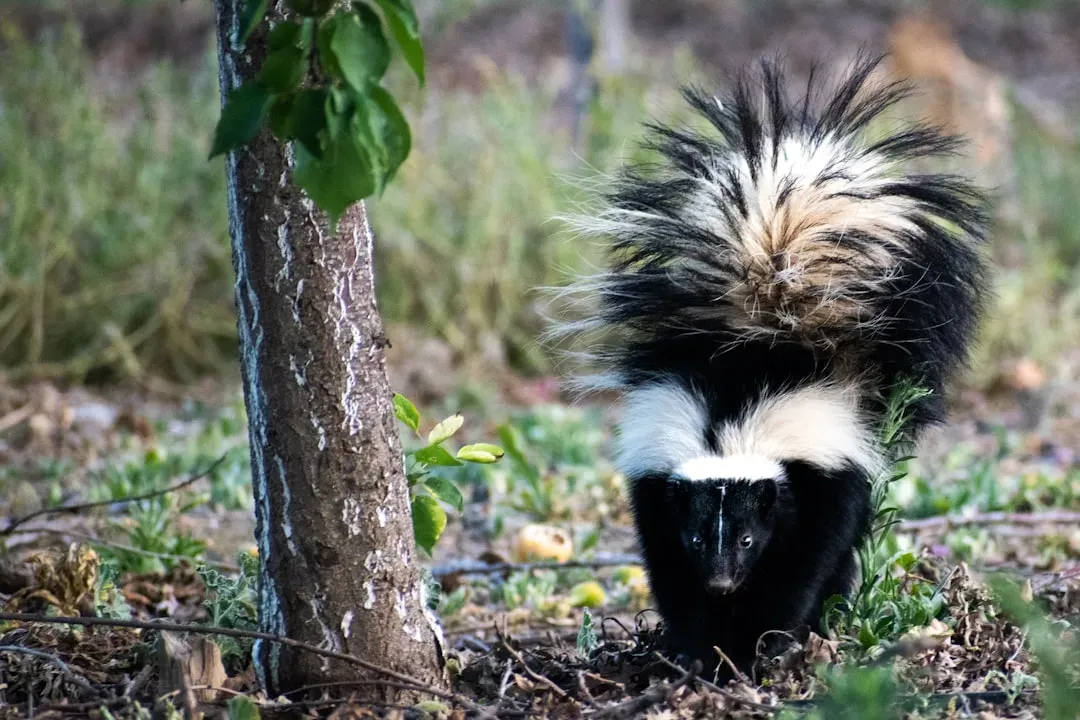
Skunk kits arrive in the world in a remarkably undeveloped state. When born, skunk kits are blind and deaf, but already covered by a soft layer of fur. About three weeks after birth, they first open their eyes. Yet despite being essentially helpless at birth, their chemical defense is already online.
Skunks aren’t born with the ability to use their spray to protect themselves, but they are able to do so when they are as young as eight days old, according to the Smithsonian National Zoo. That’s about two weeks before they are even able to open their eyes! A skunk’s musk gland is developed at birth, though most cannot release musk until around 7 days old. While they may emit odors at this age, a skunk’s anal glands are not fully developed until they are around 3 months old. By 4 months, they are able to spray with accuracy. This coincides with the time they leave their mother and are no longer under her protection.
Conclusion
Skunks deserve considerably more credit than they get. The reputation is loud, the smell is legendary, and the instinct to keep your distance is understandable – but the actual animal behind all that notoriety is one of nature’s more quietly remarkable creatures. Chemically sophisticated, venom-resistant, nearly blind yet surgically precise, and capable of producing a scent detectable across miles, the skunk has earned every inch of its ecological relevance.
The broader lesson here might be this: the animals we dismiss fastest are often the ones with the most interesting stories. Skunks aren’t pests with a smell problem. They’re ancient survivors with a chemistry set, a peculiar social life, and a defense system that took millions of years to perfect. The cartoon version was never the real one. The real one is far stranger – and honestly, far more impressive.

- 12 Architectural Wonders From The Ancient World That Inspire Us Today - July 18, 2026
- 6 Beautiful Ancient Cities That Time Forgot (But Shouldn’t) - July 18, 2026
- 6 Common Animal Behaviors That Are Often Misunderstood by Humans - July 18, 2026