


As we navigate through 2025, the global conservation landscape presents a complex tapestry of remarkable achievements and daunting challenges. The past five years have witnessed unprecedented technological innovation, policy shifts, and public engagement in environmental protection efforts. Yet, biodiversity continues to decline in many regions, climate change accelerates, and resource competition intensifies. This article examines the current state of conservation, highlighting both the significant progress made and the persistent problems that demand our attention and action.
The Technology Revolution in Conservation

By 2025, technological advancements have dramatically transformed conservation practices worldwide. Satellite monitoring systems now provide real-time tracking of deforestation, allowing for immediate intervention against illegal logging activities. The International Forest Watch Network reports a 32% improvement in response time to forest disturbances compared to 2020 figures. Similarly, environmental DNA (eDNA) sampling has revolutionized biodiversity assessments, enabling scientists to detect species presence from water or soil samples without direct observation.
Artificial intelligence and machine learning algorithms have enhanced wildlife monitoring capabilities, with acoustic monitoring systems now able to identify specific species with over 95% accuracy across vast landscapes. Drones equipped with thermal imaging technology assist rangers in detecting poachers before they strike, contributing to a 28% reduction in poaching incidents in key African wildlife reserves since 2022. These technological tools have democratized conservation efforts, allowing smaller organizations to achieve impacts previously possible only for well-funded entities.
Protected Area Expansion and Management
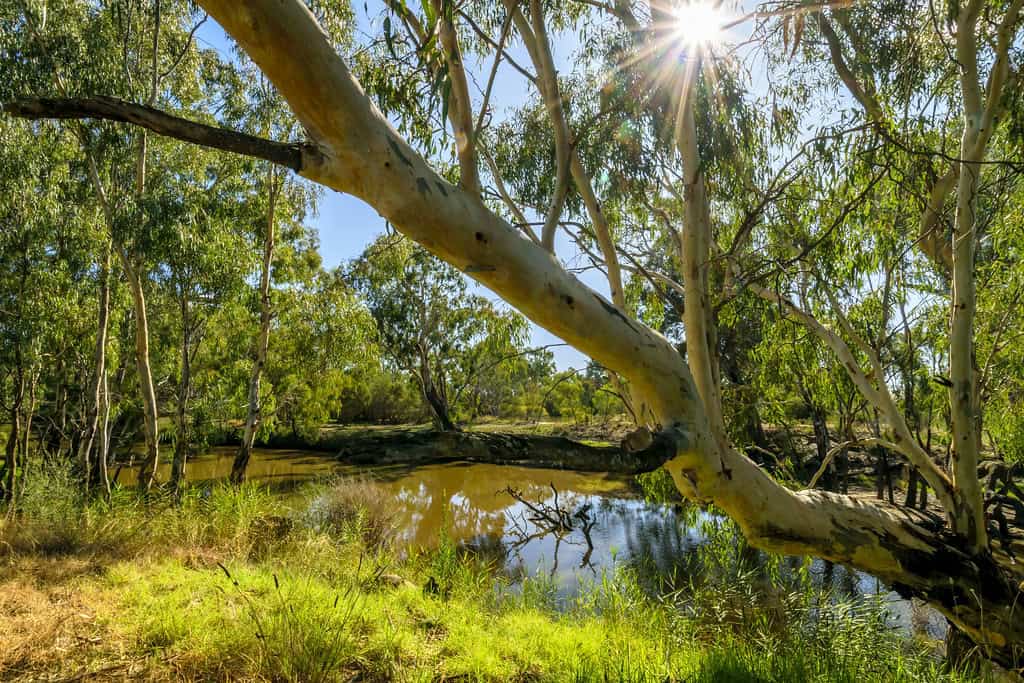
The global protected area network has expanded significantly, with 18.3% of terrestrial and 12.8% of marine environments now under some form of protection—approaching the 30×30 target set during the 2021 Convention on Biological Diversity. However, quantity has not always translated to quality. The Protected Planet Report 2024 indicates that only 52% of these areas are effectively managed, with many suffering from the “paper park” syndrome—legally protected but practically neglected. The integration of indigenous communities into protected area management has emerged as a crucial success factor, with indigenous-managed territories showing higher biodiversity retention rates than conventionally managed reserves.
Several innovative governance models have gained traction, including public-private partnerships for national park management and transboundary conservation areas that recognize ecosystems rather than political boundaries. The Great American Biotic Corridor, linking protected areas from Canada to Panama, represents one of the most ambitious connectivity projects, now 68% complete and already facilitating the recovery of several migratory species populations. Marine protected area networks have similarly expanded, though enforcement in international waters remains problematic despite advances in satellite monitoring technology.
Climate Change Adaptation Strategies

Conservation practices have increasingly incorporated climate change adaptation as a central principle rather than a secondary consideration. Assisted migration programs—controversial just five years ago—are now mainstream, with carefully managed relocations of vulnerable species to more suitable habitats. The North American Plant Adaptation Initiative has successfully relocated 24 endemic plant species to northern habitats, preventing likely extinction in their original ranges. Conservation genetics has advanced significantly, with several programs preserving genetic diversity to enhance species resilience to changing conditions.
Ecosystem-based adaptation approaches have gained prominence, with large-scale restoration of mangroves, wetlands, and forests designed specifically for climate resilience. These projects serve multiple purposes: carbon sequestration, biodiversity conservation, and protection of human communities from climate impacts. The Netherlands’ Room for Rivers program has become a global model, inspiring similar efforts on five continents to restore floodplain functionality while enhancing biodiversity. However, climate change continues to outpace adaptation efforts in many regions, with tropical coral reefs and high-altitude ecosystems experiencing particularly severe degradation despite intervention attempts.
The Funding Revolution
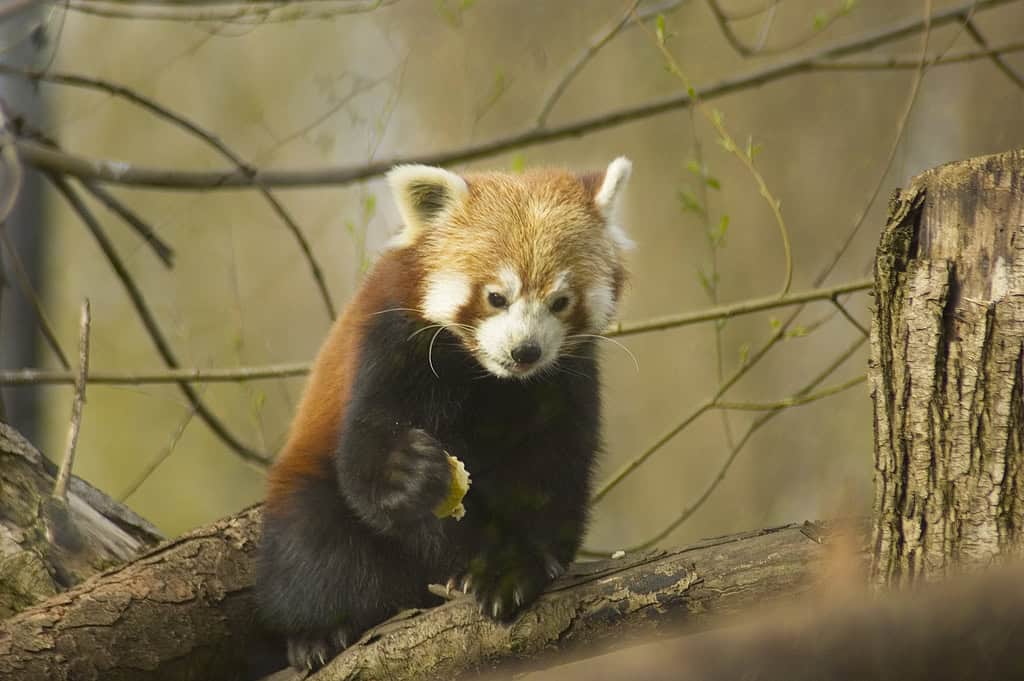
Conservation financing has undergone a significant transformation since 2020. Traditional philanthropic and government funding remains important but has been supplemented by innovative mechanisms. Environmental impact bonds and biodiversity credits have matured into reliable funding streams, with the global market for nature-based investments reaching $48 billion in 2024—a fourfold increase from 2020. The standardization of biodiversity credit metrics through the Global Biodiversity Framework has reduced previous concerns about greenwashing and created more transparent markets.
Corporate investment in conservation has shifted from primarily public relations-driven initiatives to strategic integration with supply chain security. Major corporations now recognize that investment in ecosystem services directly benefits their bottom line, particularly in agricultural and water-intensive industries. The Water Futures Exchange, launched in 2023, has created financial incentives for watershed conservation by allowing businesses dependent on clean water to hedge against future scarcity while funding conservation projects. Despite these positive developments, conservation remains severely underfunded globally, with the current annual investment of approximately $120 billion representing less than half of what experts estimate is necessary to halt biodiversity loss.
Indigenous Leadership and Rights

Perhaps the most significant shift in conservation practice has been the recognition and empowerment of indigenous communities as conservation leaders. By 2025, indigenous peoples’ land rights have been formally recognized across an additional 2.8 million square kilometers globally compared to 2020 figures. Studies consistently confirm that indigenous-managed territories maintain higher biodiversity levels and carbon stocks than conventionally protected areas. The Indigenous Guardians programs, now operating in 42 countries, combine traditional knowledge with modern monitoring technologies, creating effective conservation models that also provide sustainable livelihoods.
International conservation organizations have largely moved away from the “fortress conservation” model that excluded local communities, instead adopting partnership approaches that respect indigenous sovereignty. The United Nations’ adoption of the Framework for Indigenous Conservation Sovereignty in 2023 has accelerated this trend, establishing clear guidelines for meaningful collaboration. However, implementation remains uneven, with indigenous rights still frequently violated in resource extraction zones and during the establishment of new protected areas in some regions. Land defenders continue to face violence, with 212 documented murders of environmental activists in 2024 alone, predominantly indigenous people protecting their territories.
The Sixth Extinction Crisis: Status Update
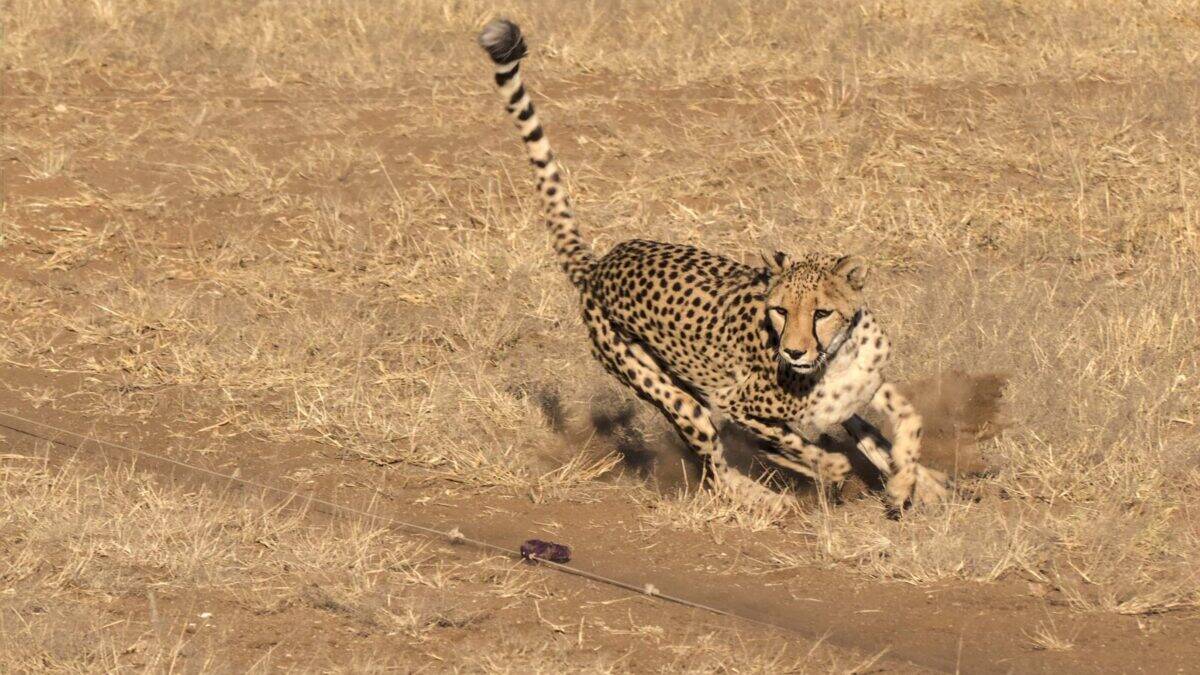
Despite conservation gains in certain areas, the sixth mass extinction continues unabated. The IUCN Red List update of January 2025 classified an additional 1,842 species as threatened since 2020, with freshwater ecosystems experiencing particularly catastrophic declines. Amphibians remain the most threatened vertebrate class, with 44% of assessed species now at risk of extinction. The rate of extinction has slowed marginally compared to the 2015-2020 period, but still far exceeds the background rate by at least 100-fold. Invertebrate and fungal species, though less comprehensively assessed, show similar concerning trends.
Several charismatic species have been declared extinct since 2020, including the Yangtze giant softshell turtle and the northern white rhino, despite intensive conservation efforts. These losses highlight the challenge of species recovery once populations fall below certain thresholds. On a more positive note, 28 species previously classified as Critically Endangered have been downlisted due to successful conservation interventions, including the Iberian lynx and the California condor. The “conservation-reliant species” category has expanded dramatically, acknowledging that many species now require perpetual human management to persist—raising philosophical and practical questions about future conservation objectives.
Ocean Conservation Breakthroughs and Setbacks
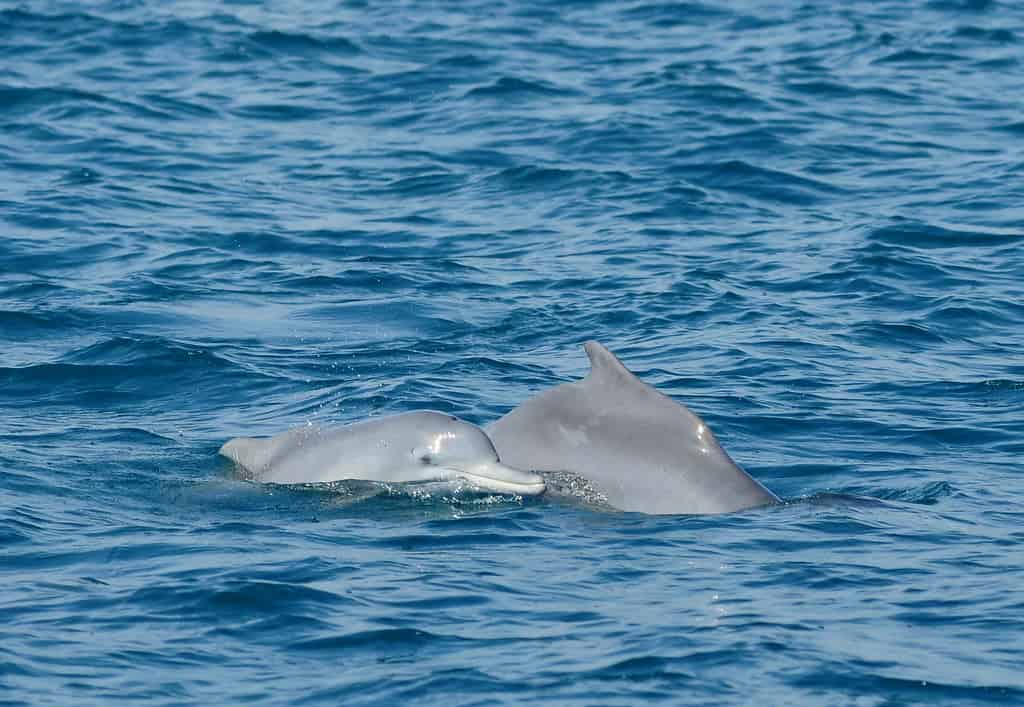
Marine conservation has experienced both significant advances and continued challenges. The High Seas Treaty, finally ratified in 2023 after decades of negotiation, established a legal framework for protecting biodiversity in international waters, which constitute nearly half of the planet’s surface. Implementation has begun with the designation of the first network of high seas protected areas in the South Pacific, covering 1.2 million square kilometers. Fishing pressure has decreased in certain regions due to improved monitoring and enforcement, with satellite tracking now mandatory for all commercial fishing vessels over 15 meters in most maritime nations.
Ocean acidification and warming continue to devastate marine ecosystems despite these policy advances. The Great Barrier Reef experienced its sixth mass bleaching event in 2024, with recovery periods between events now too brief for effective coral regeneration. Plastic pollution remains pervasive despite improved waste management in many countries, with microplastics detected in 97% of marine species sampled in a comprehensive 2024 study. Deep-sea mining represents an emerging threat, with commercial exploitation beginning in the Clarion-Clipperton Zone despite scientific warnings about potential irreversible ecosystem impacts. The balance between resource extraction and marine protection remains precarious as demand for minerals critical to renewable energy technologies increases.
Rewilding and Ecosystem Restoration
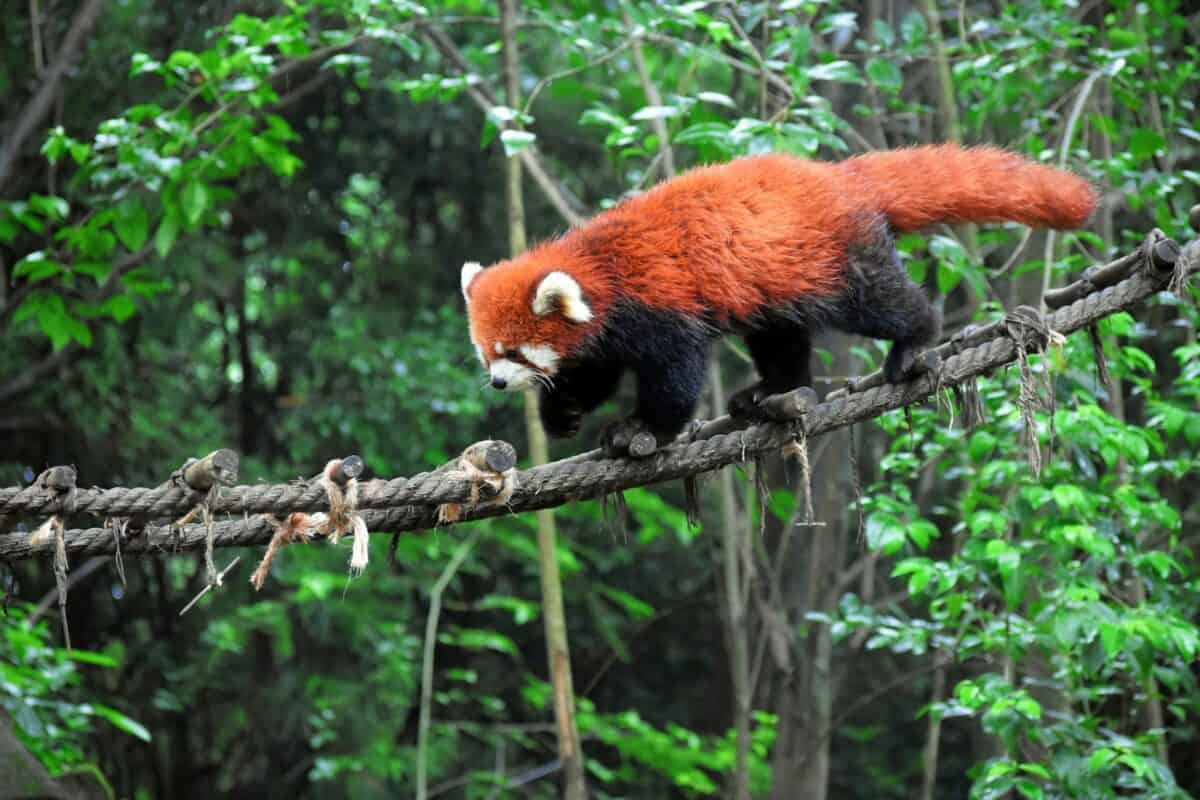
The UN Decade on Ecosystem Restoration (2021-2030) has catalyzed ambitious restoration projects worldwide. By 2025, the global area under active restoration has reached 780 million hectares, halfway to the decade’s target. Rewilding has evolved from an experimental approach to a mainstream conservation strategy, with keystone species reintroductions transforming degraded landscapes. European initiatives have been particularly successful, with wolves now reestablished in 22 countries and beavers engineering watershed improvements across the continent. The economic benefits of these projects have become increasingly apparent, with ecosystem services from restored areas valued at an estimated $6.8 trillion annually—far exceeding the implementation costs.
Technological innovations have accelerated restoration efforts, with drone-seeding techniques enabling reforestation of previously inaccessible areas and artificial coral reef structures enhancing marine restoration outcomes. The integration of restoration into carbon credit markets has provided sustainable funding streams, though concerns about additionality and permanence persist. Urban rewilding has emerged as a significant trend, with cities like Singapore, Melbourne, and Barcelona incorporating extensive wildlife corridors and native vegetation into urban planning. These initiatives connect previously isolated habitat fragments while providing residents with nature access, addressing both conservation and environmental justice concerns.
Wildlife Trade and Disease Risk
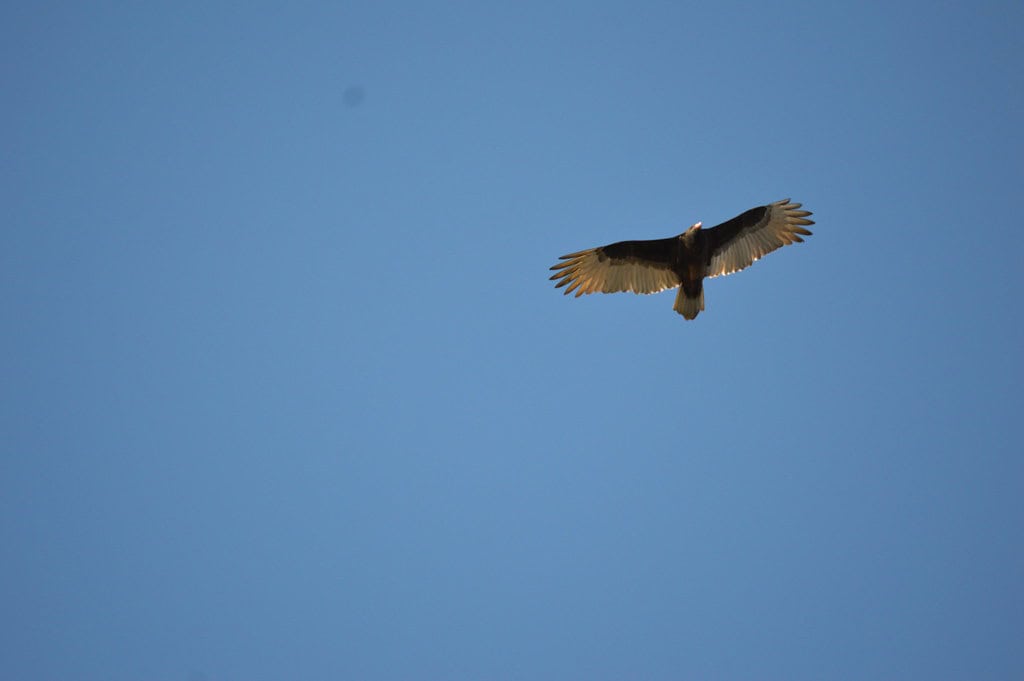
The COVID-19 pandemic dramatically altered perspectives on wildlife trade regulation, with zoonotic disease risk now a central consideration in conservation policy. The Convention on International Trade in Endangered Species (CITES) underwent its most significant reform in 2023, incorporating mandatory disease risk assessments for all traded wildlife and establishing a global traceability system using blockchain technology. Legal wildlife trade has become more transparent, with 72% of transactions now fully traceable from source to consumer—a dramatic improvement from 18% in 2020. International cooperation on tackling wildlife trafficking has intensified, with Interpol’s Operation Thunder resulting in 4,800 arrests and the seizure of contraband worth $223 million in 2024 alone.
Despite these improvements, illegal wildlife trafficking continues through increasingly sophisticated criminal networks. The shift toward online marketplaces has accelerated, with encrypted messaging applications now the primary venue for arranging illegal transactions. Demand reduction campaigns have shown mixed results, with significant decreases in demand for rhino horn and shark fin, but persistent markets for tiger parts and exotic pets. The One Health approach, integrating human, animal, and environmental health considerations, has become the dominant paradigm for addressing these interconnected challenges, though implementation remains uneven across different regions and sectors.
Public Engagement and Conservation Culture
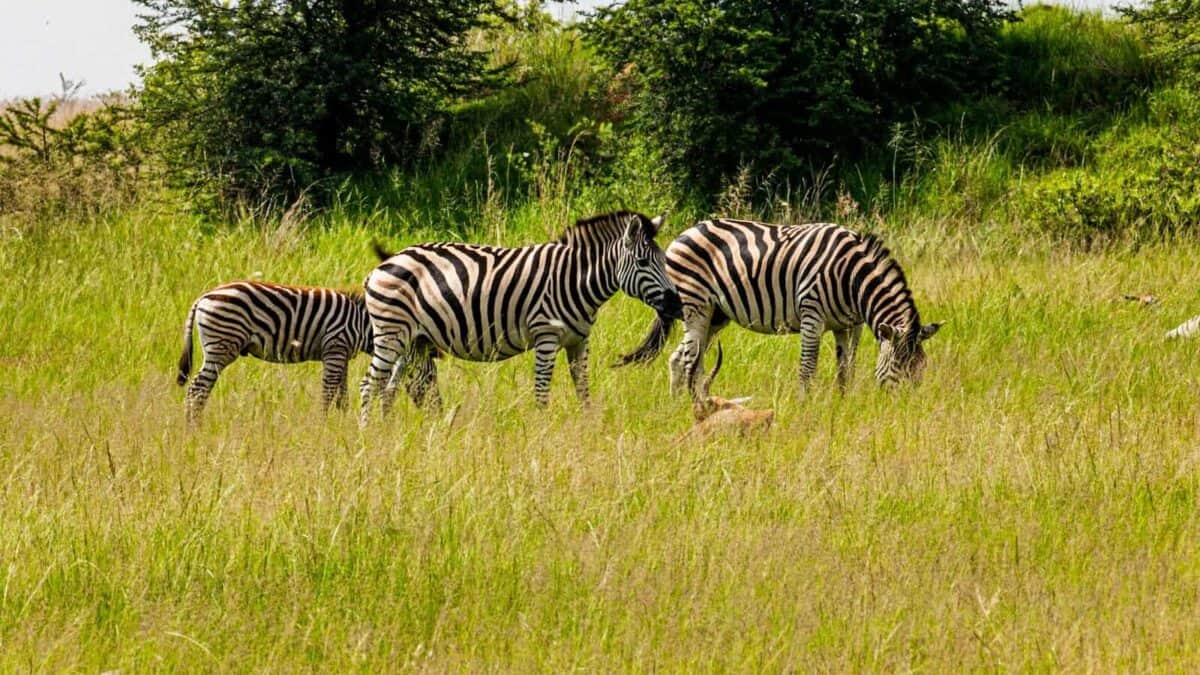
Public involvement in conservation has transformed dramatically, with citizen science projects now generating data at unprecedented scales. Applications like iNaturalist have accumulated over 180 million observations by 2025, creating valuable datasets for tracking biodiversity responses to environmental change. Community-based conservation initiatives have proliferated, with local stakeholders increasingly recognized as essential partners rather than obstacles. Social media has amplified conservation messaging, though the phenomenon of “clicktivism” without substantive action remains a concern. Environmental education has expanded in formal curricula worldwide, with 78% of countries now including conservation in mandatory school programs compared to 52% in 2020.
Conservation organizations have become more diverse and inclusive, addressing historical inequities within the field. Leadership positions increasingly reflect the communities most affected by conservation decisions, though progress remains uneven across regions. The concept of “nature positivity” has gained cultural traction similar to carbon neutrality a decade earlier, with businesses and governments committing to biodiversity net gain in their operations. While some critics dismiss these commitments as greenwashing, accountability mechanisms have strengthened, with legal consequences for false environmental claims now established in major economies including the EU, China, and Brazil.
The Political Landscape of Conservation
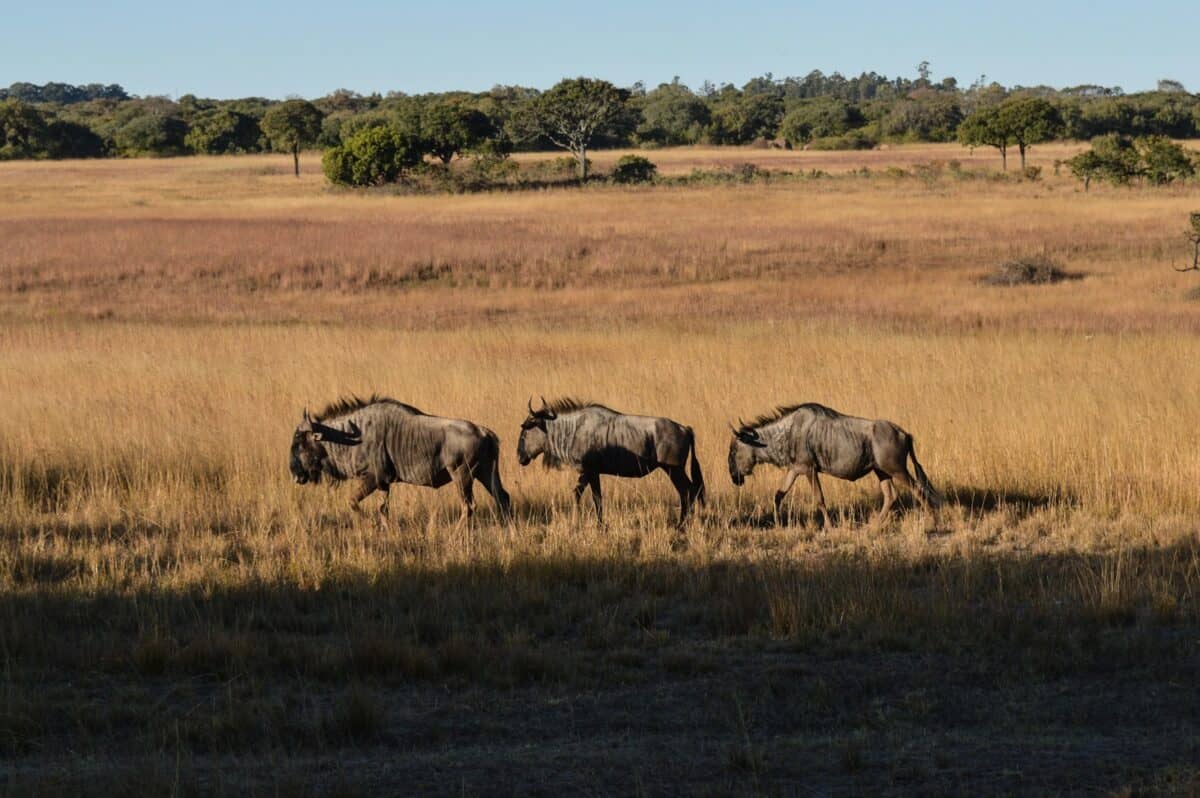
The geopolitics of conservation has evolved significantly by 2025. The Global Biodiversity Framework adopted in 2022 has been ratified by 173 countries, creating more robust accountability mechanisms than previous agreements. However, implementation varies widely, with only 42% of signatories on track to meet their commitments according to the 2025 progress assessment. Conservation has become increasingly politicized in many regions, with environmental protection either embraced as economic opportunity or rejected as developmental constraint depending on political orientation. Climate and biodiversity policies have become more integrated, recognizing the inseparability of these crises, though institutional silos persist in many governance structures.
Transboundary conservation initiatives have expanded despite geopolitical tensions, with ecological corridors now crossing several previously contentious borders. Conservation diplomacy has emerged as an important channel for international cooperation even between otherwise adversarial nations. The concept of “ecological sovereignty” has gained legal recognition, acknowledging indigenous peoples’ right to manage their traditional territories according to their own conservation practices. Environmental courts have proliferated, now established in 68 countries compared to 42 in 2020, creating specialized judicial mechanisms for resolving conservation disputes and enforcing environmental legislation. Despite these positive developments, conservation governance remains fragmented, with over 200 multilateral environmental agreements operating with limited coordination.
Conclusion: Navigating Conservation’s Future

The state of conservation in 2025 presents a paradoxical picture—unprecedented momentum for environmental protection alongside continued degradation of natural systems. The innovations, policy advances, and public engagement described in this article demonstrate that solutions exist for many conservation challenges. Yet implementation at the necessary scale and speed remains elusive, hindered by economic pressures, political short-termism, and competing social priorities. The next five years will likely determine whether current conservation efforts represent the beginning of a transformative recovery or merely the documentation of an accelerating decline.
What has become abundantly clear is that conservation can no longer be considered a specialized concern separate from economic and social development. The integration of conservation principles into all sectors of human activity—from urban planning to agricultural production to energy generation—represents both the greatest challenge and the greatest opportunity for meaningful progress. As we look toward 2030, the success of conservation will be measured not by the creation of isolated protected enclaves but by the transformation of human relationships with the natural world across the entire planet. The foundation for this transformation has been laid; whether it will be built upon quickly enough remains the defining question for biodiversity conservation in our time.

From exploring the marine wonders in the Azores and witnessing the vast savannas of Kenya, to delving deep into the rich biodiversity of South Africa and traversing iconic landscapes in Australia and the US like Yellowstone, Chris's experiences are vast.
With a penchant for diving alongside sharks, the ocean holds a special place in his heart.
Through his academic insights, he champions wildlife conservation, striving with 'Animals Around The Globe' to cultivate a profound connection between humans and animals, enhancing our mutual appreciation.
Connect with him at Feedback@animalsaroundtheglobe.com.
- Meet the Mantis Shrimp: The Sea Creature That Punches Like a Bullet - July 18, 2026
- Dugongs and Their Slow Mating Rituals in the Ocean - July 18, 2026
- How Animal Exhibits Are Evolving to Promote Conservation - July 17, 2026