
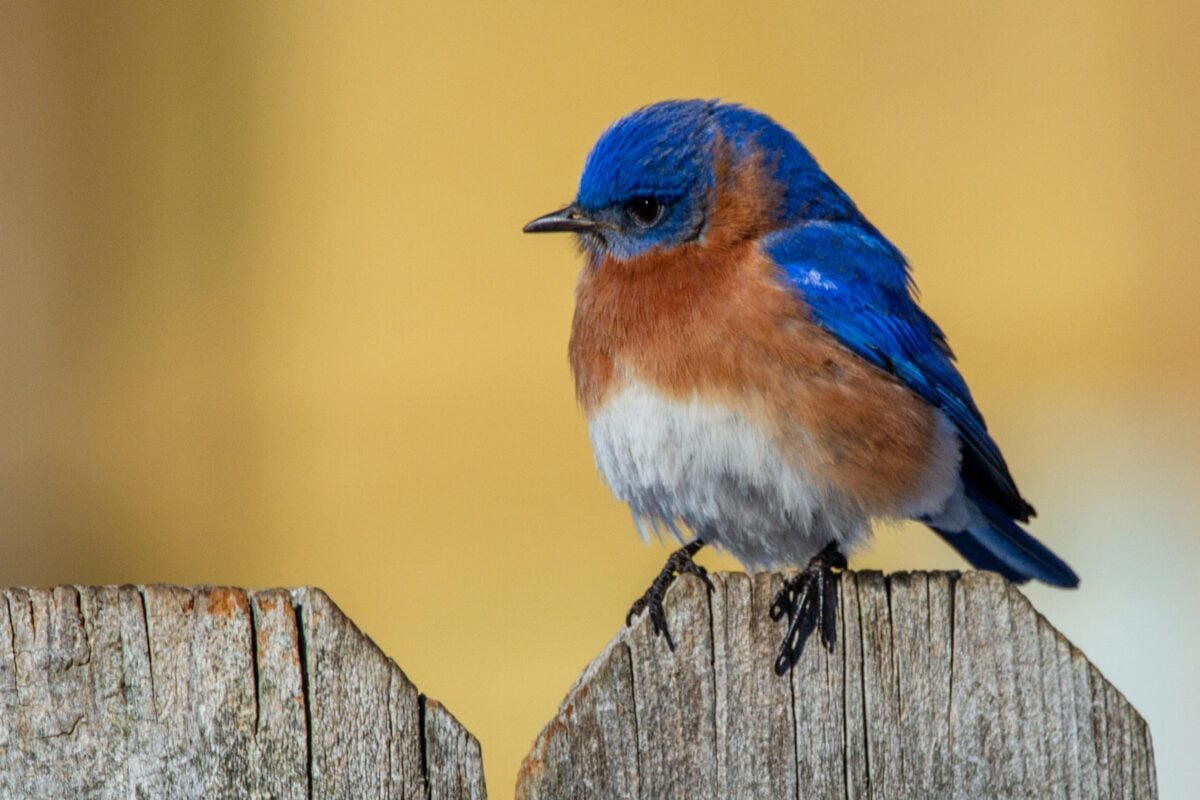
Bluebirds, with their vibrant plumage and melodious songs, are a delight to many backyard enthusiasts. Yet, some homeowners find these charming birds steadfastly loyal to certain yards, while others are left wondering why their spaces remain bluebird-free. The reasons behind this selective behavior are both fascinating and, at times, unexpected.
Abundant Insect Populations
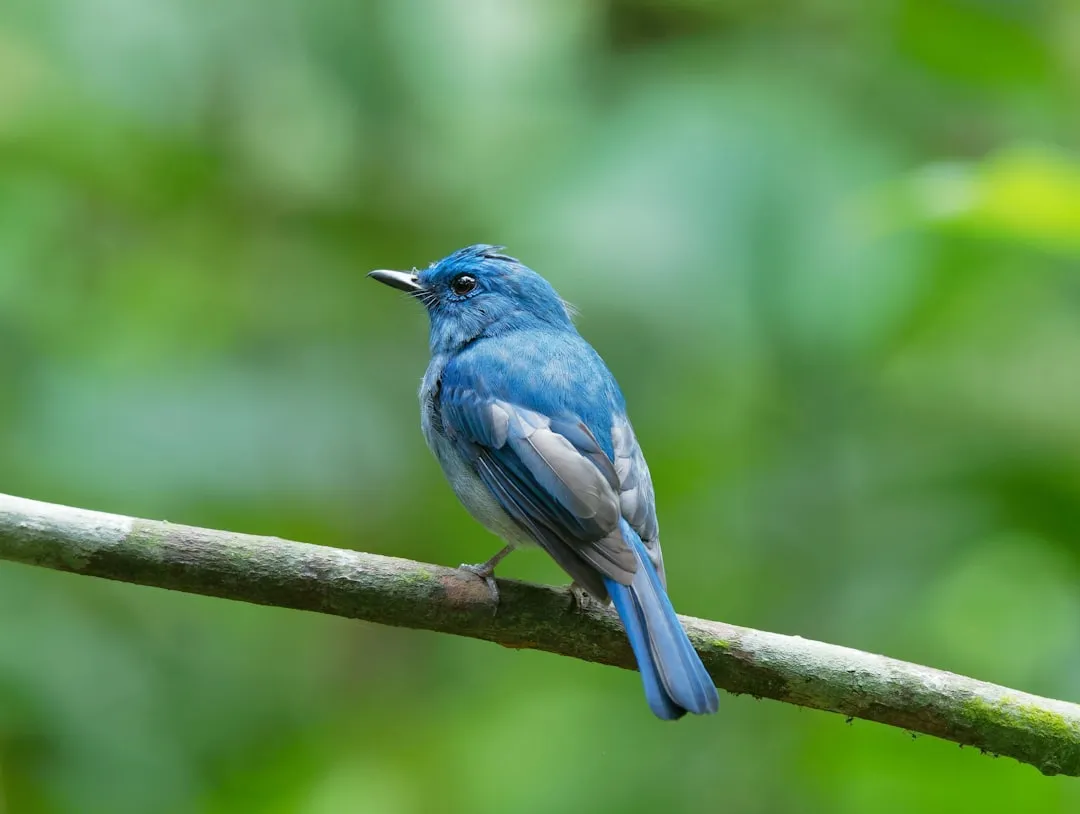
Bluebirds are primarily insectivorous, especially during the breeding season. A yard teeming with beetles, caterpillars, and other soft-bodied insects becomes an irresistible dining spot. If a particular backyard offers a consistent and abundant insect supply, bluebirds are more likely to stay put. This natural buffet reduces their need to forage elsewhere, anchoring them to the insect-rich environment.
Conversely, yards that lack diverse insect populations may not appeal to bluebirds. The use of pesticides or the absence of native plants can diminish insect numbers, making the area less attractive to these birds. Homeowners aiming to attract bluebirds should consider fostering a healthy insect ecosystem by planting native flora and minimizing chemical interventions.
Presence of Native Berry-Producing Plants
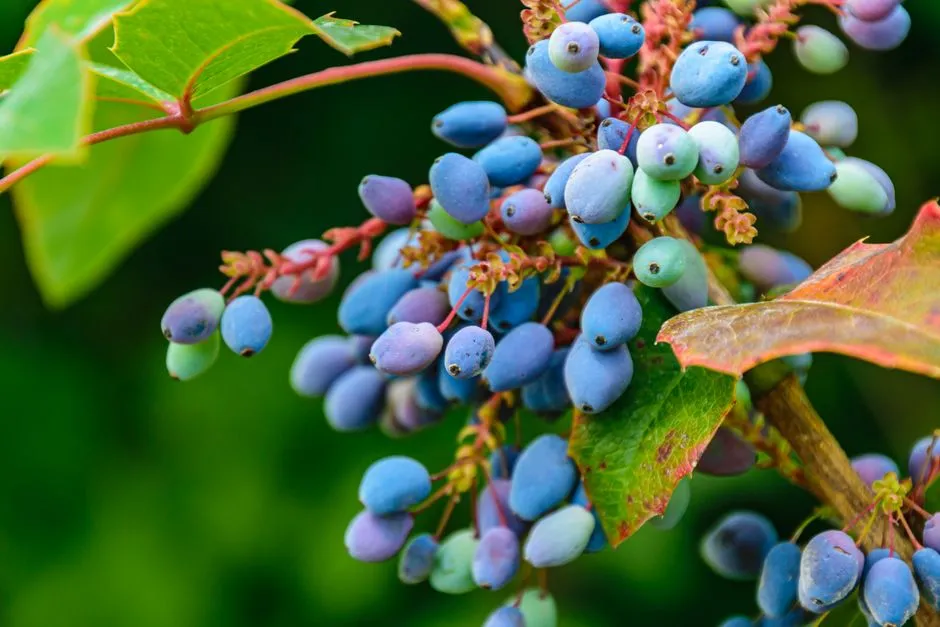
As seasons change, so do bluebirds’ dietary preferences. In fall and winter, they shift from insects to berries. Backyards adorned with native berry-producing plants like dogwoods, elderberries, and serviceberries become prime real estate. These plants not only provide essential nutrition but also offer a familiar and safe foraging environment.
The availability of these natural food sources can make a backyard particularly appealing. Homeowners can enhance their yard’s attractiveness by incorporating such plants, ensuring a year-round food supply that aligns with bluebirds’ seasonal needs.
Optimal Nesting Sites
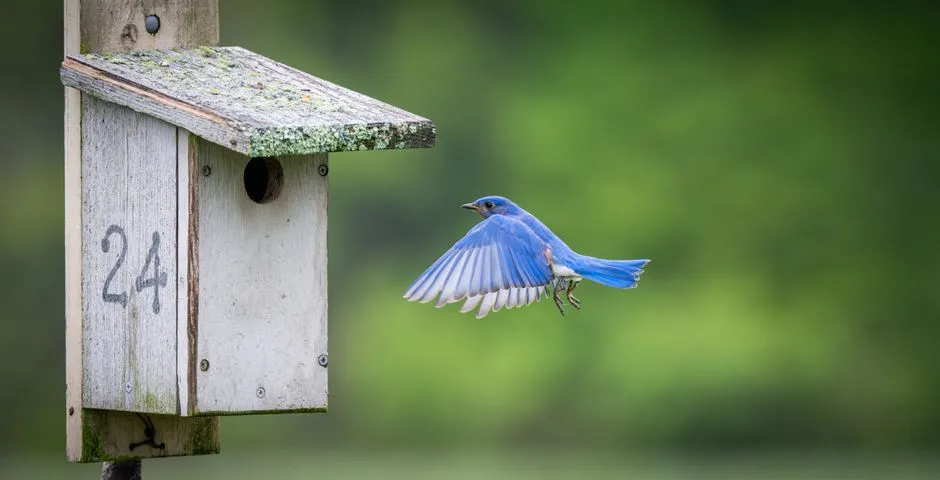
Bluebirds are cavity nesters, traditionally relying on tree hollows. However, with natural cavities becoming scarce, they often turn to man-made nest boxes. A backyard equipped with well-designed, properly placed nest boxes can become a bluebird haven. The ideal nest box has a 1.5-inch entrance hole, is mounted 4-6 feet above the ground, and is situated in open areas away from dense vegetation.
The presence of suitable nesting sites can significantly influence bluebirds’ decision to remain in a particular yard. Regular maintenance of these boxes, including cleaning out old nests and ensuring structural integrity, further enhances their appeal.
Availability of Clean Water Sources
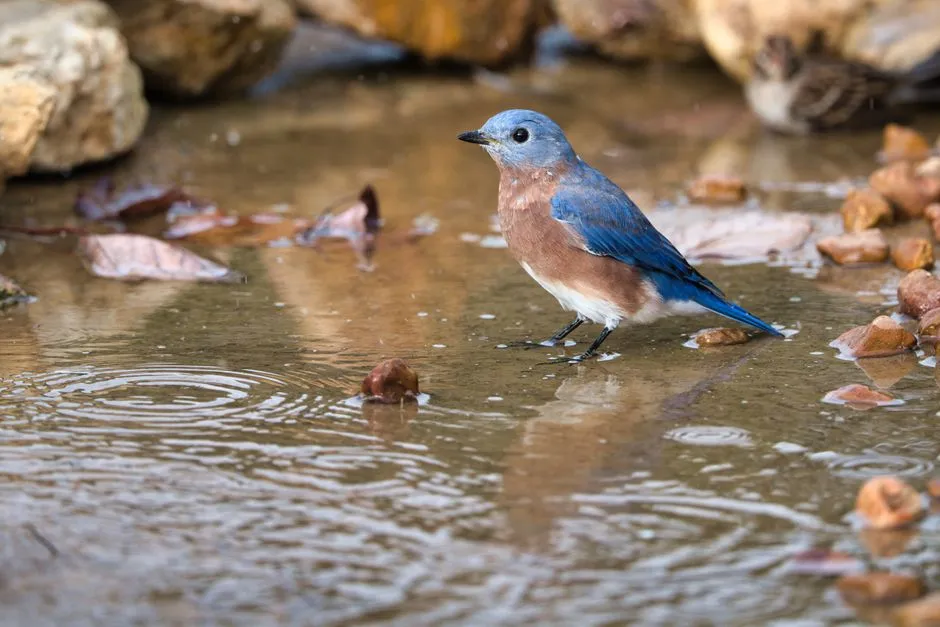
Water is vital for bluebirds, not just for hydration but also for bathing, which helps maintain their plumage. Backyards featuring clean, shallow birdbaths or small ponds can be particularly enticing. Moving water, such as that from a dripper or fountain, is especially attractive to these birds.
The consistent availability of fresh water can make a backyard a preferred spot for bluebirds. Ensuring that water sources are kept clean and free from ice in colder months can further encourage their presence.
Minimal Predator Threats
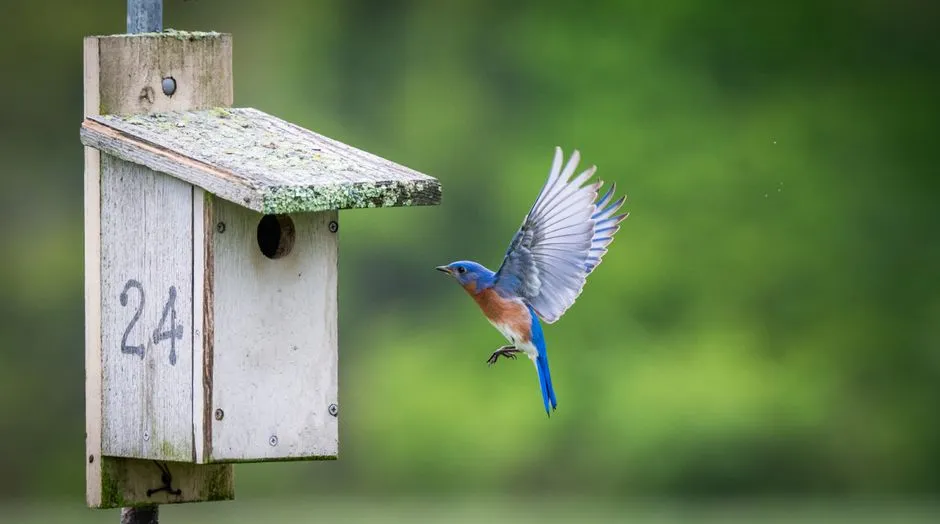
Safety is paramount for bluebirds. Backyards that offer a secure environment, free from common predators like cats, raccoons, and snakes, are more likely to retain these birds. Installing predator guards on nest boxes and keeping domestic pets indoors or supervised can reduce threats.
A perceived safe haven allows bluebirds to nest and forage without constant vigilance, making them more inclined to stay. Homeowners can further enhance safety by avoiding dense shrubbery near nesting sites, which can harbor predators.
Low Competition from Other Bird Species
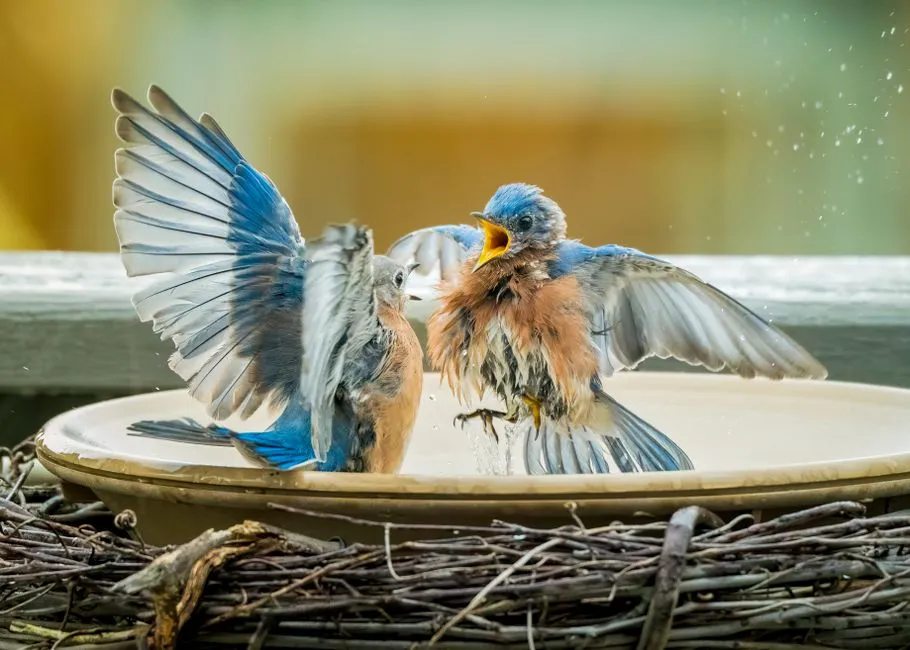
Bluebirds often face competition from more aggressive species like House Sparrows and European Starlings. Backyards that naturally deter these competitors or where homeowners actively manage and monitor nest boxes to prevent takeovers can become bluebird strongholds.
By ensuring that nest boxes are designed to exclude larger, more aggressive birds and by promptly addressing any signs of competition, homeowners can create a more inviting environment for bluebirds.
Consistent Human Activity Levels
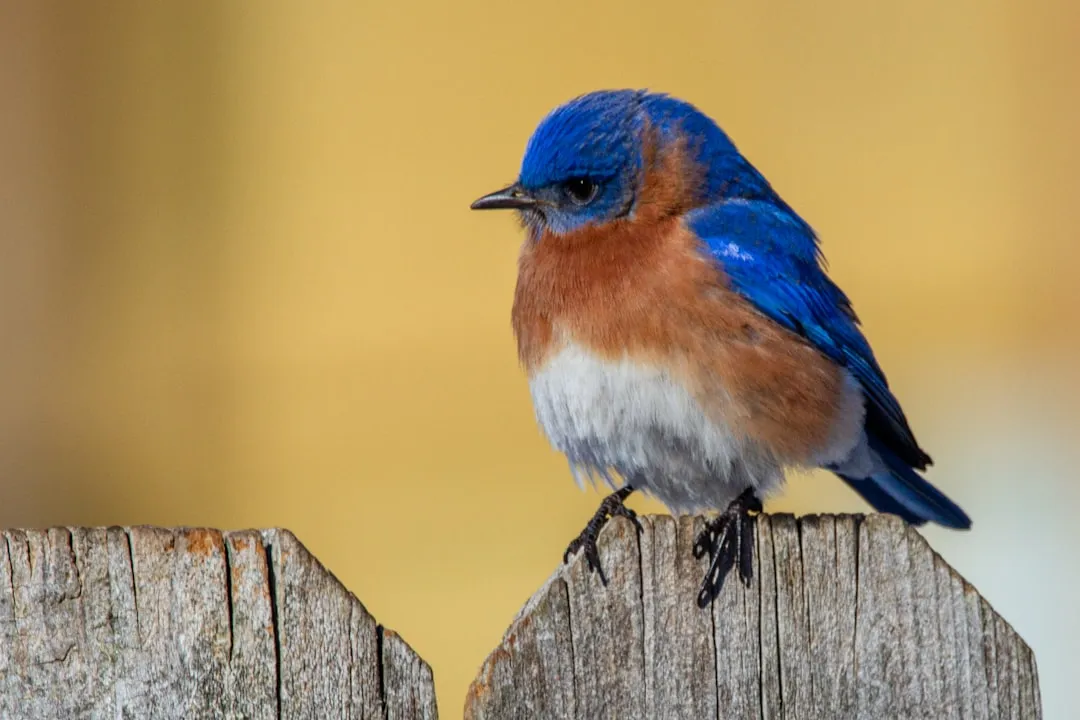
While bluebirds can become accustomed to human presence, sudden increases in activity can be disruptive. Backyards with consistent, moderate human activity levels are more likely to retain bluebirds. Sudden construction projects, frequent loud noises, or increased foot traffic can deter them.
Maintaining a stable environment, especially during nesting seasons, can encourage bluebirds to remain. Homeowners should be mindful of changes in activity levels and strive to minimize disturbances near nesting sites.
Favorable Microclimates
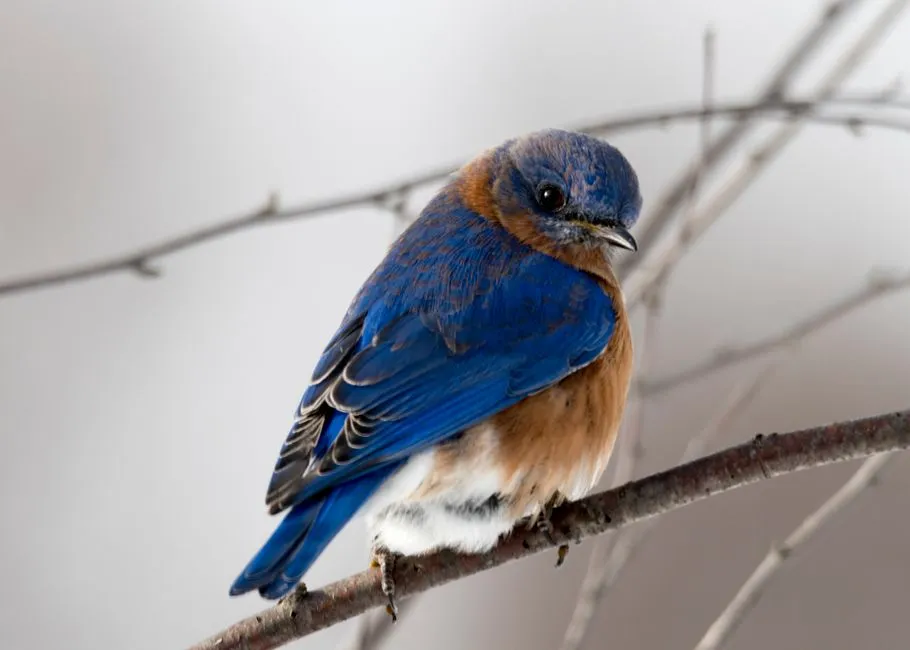
Microclimates within a backyard, influenced by factors like sun exposure, wind patterns, and vegetation, can impact bluebird presence. Areas that offer warmth during cooler months and shade during hotter periods can be particularly appealing.
By observing and understanding these microclimates, homeowners can strategically place nest boxes and feeding stations to align with bluebirds’ comfort preferences.
Availability of Perching Spots
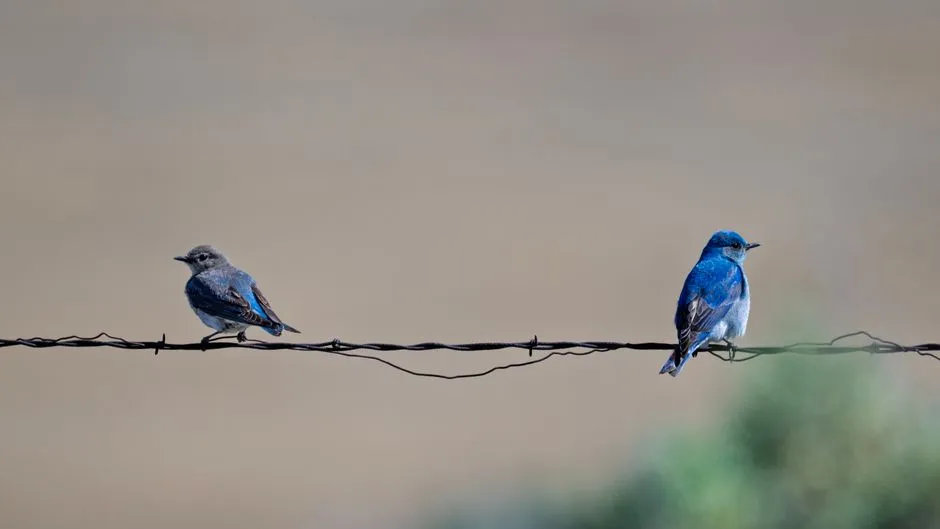
Bluebirds hunt by perching and scanning the ground for insects. Backyards that offer ample perching spots, such as fence posts, low branches, or garden stakes, can be more attractive. These perches provide vantage points for hunting and territory monitoring.
Incorporating such features into a backyard can enhance its appeal. Ensuring that perching spots are in open areas with clear sightlines can further cater to bluebirds’ hunting behaviors.
Year-Round Food Supplementation
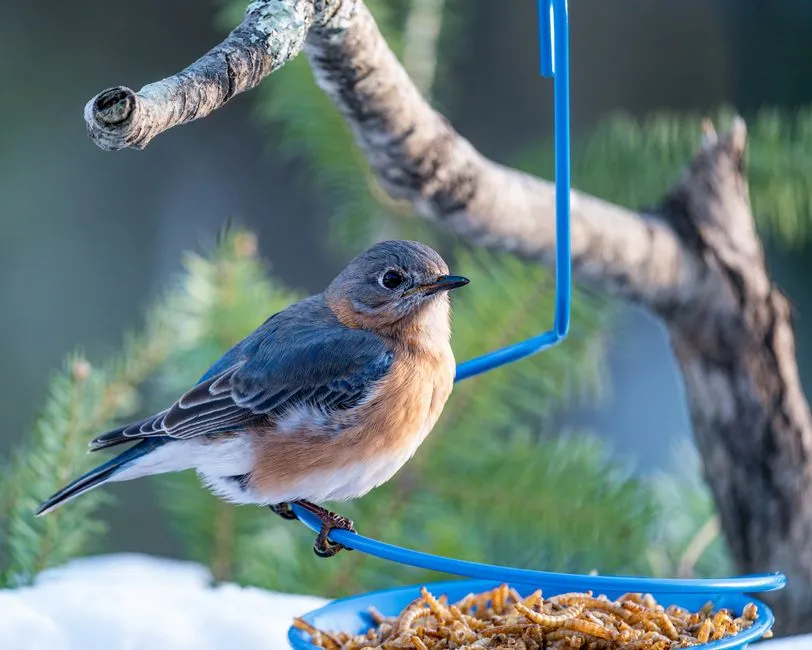
While natural food sources are ideal, supplemental feeding can play a role in attracting and retaining bluebirds. Offering mealworms, especially during nesting seasons or harsh weather, can provide essential nutrition. However, it’s crucial to offer these supplements in moderation to ensure bluebirds continue to forage naturally.
Providing food consistently, especially during times when natural
