
Most people believe that a simple bird feeder is enough to support backyard birds. However, with bird populations declining due to habitat loss and climate change, our yards can play a crucial role in their survival. By transforming your outdoor space into a sanctuary, you can provide essential resources for these vanishing species. Here’s how you can make a difference:
14 – Plant Native Berry-Producing Shrubs
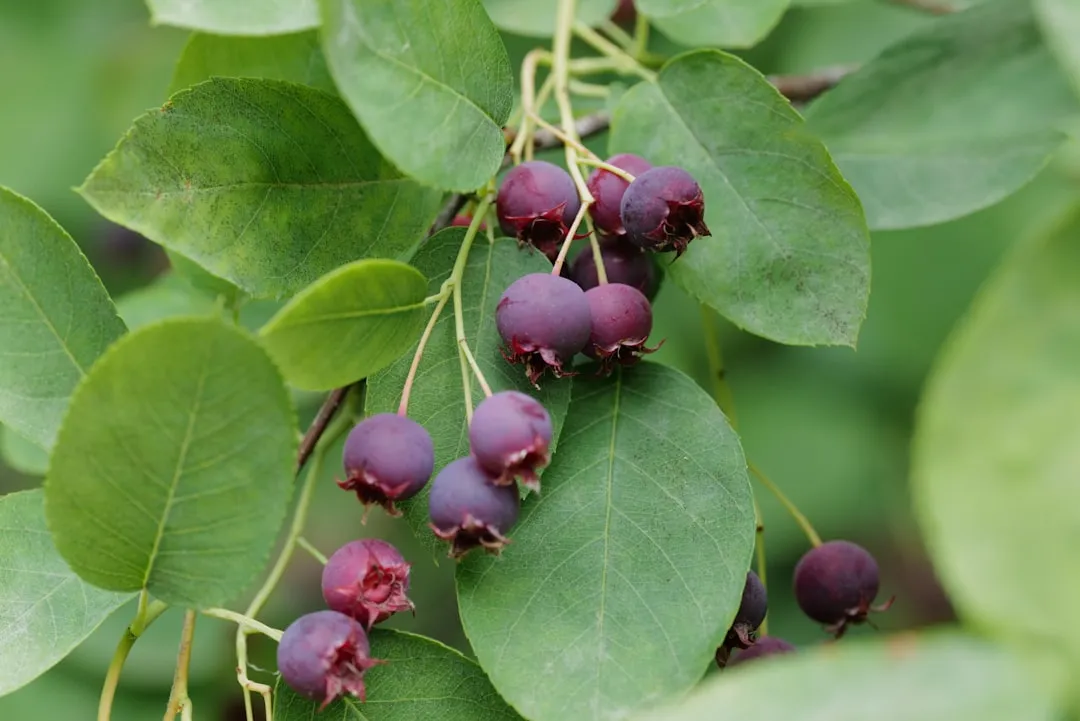
Native shrubs like serviceberry and elderberry offer birds a natural food source rich in nutrients. These plants have co-evolved with local bird species, making them ideal for your yard. Serviceberries, for instance, produce sweet fruits that attract robins, waxwings, and thrushes. Elderberries are favored by cardinals and grosbeaks.
By incorporating these shrubs, you not only provide food but also create shelter and nesting sites. Their dense foliage offers protection from predators and harsh weather. Additionally, these plants support insect populations, which are vital for many bird diets.
Fast Facts
- Serviceberry fruits ripen early, giving nesting birds a fast energy boost right when they need it most.
- Elderberry clusters can carry dozens of berries, drawing repeat visits from the same flock in a single day.
- Native shrubs generally need far less water and fertilizer than ornamental exotics once established.
But that’s just the beginning of how your yard can become a haven for birds…
13 – Grow Sunflowers for Seed-Eating Birds
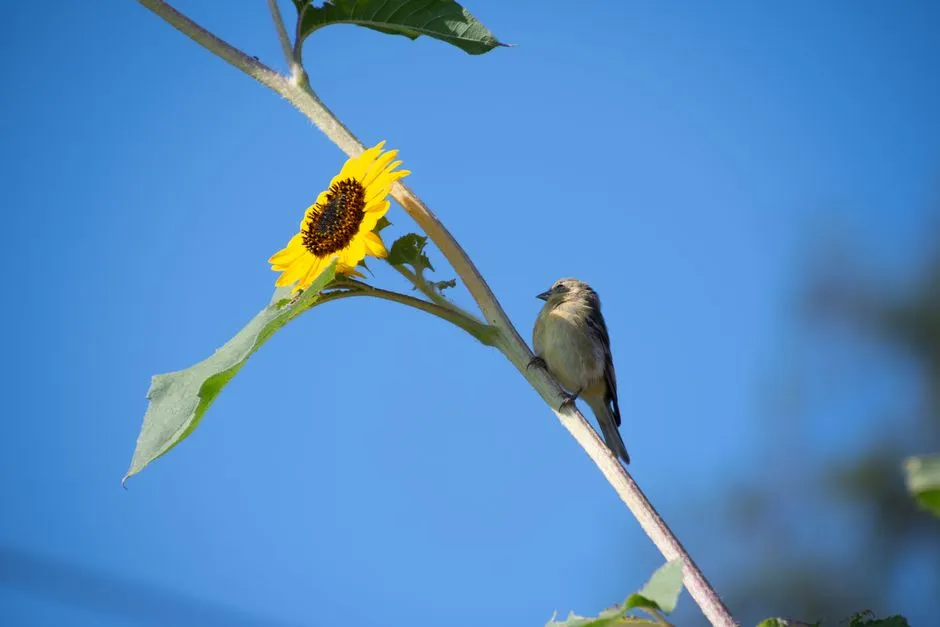
Sunflowers are a magnet for seed-eating birds like finches and sparrows. Their large, seed-filled heads provide a high-energy food source that’s especially valuable during migration and winter months.
Planting sunflowers in your yard adds vibrant color and attracts a variety of bird species. As the flowers mature, they produce seeds that birds eagerly consume, reducing the need for supplemental feeders. This natural food source supports birds’ nutritional needs and encourages them to frequent your yard.
But there’s more you can do to cater to different bird species…
12 – Provide a Variety of Feeders and Foods
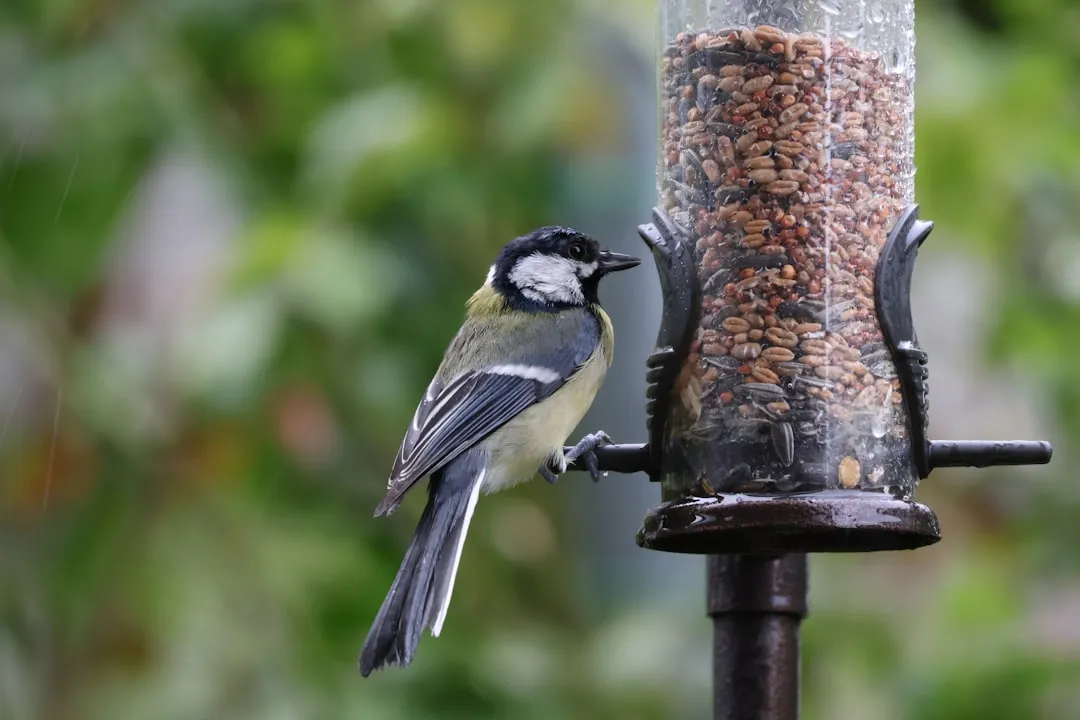
Different bird species have varied feeding preferences. Offering a range of feeders – such as tube feeders for small perching birds, platform feeders for ground feeders, and suet feeders for woodpeckers – can attract a diverse array of birds.
Stocking these feeders with a variety of foods like black oil sunflower seeds, nyjer seeds, peanuts, and suet caters to the dietary needs of different species. This approach not only attracts more birds but also supports their health and well-being.
Quick Compare
- Tube feeders: best for finches, chickadees, and other small perching birds.
- Platform feeders: attract ground feeders like juncos, doves, and sparrows.
- Suet feeders: draw woodpeckers, nuthatches, and wrens looking for fat and protein.
- Nyjer feeders: a favorite of goldfinches and other tiny-beaked seed eaters.
But feeding is just one aspect; providing water is equally crucial…
11 – Install a Clean, Fresh Water Source
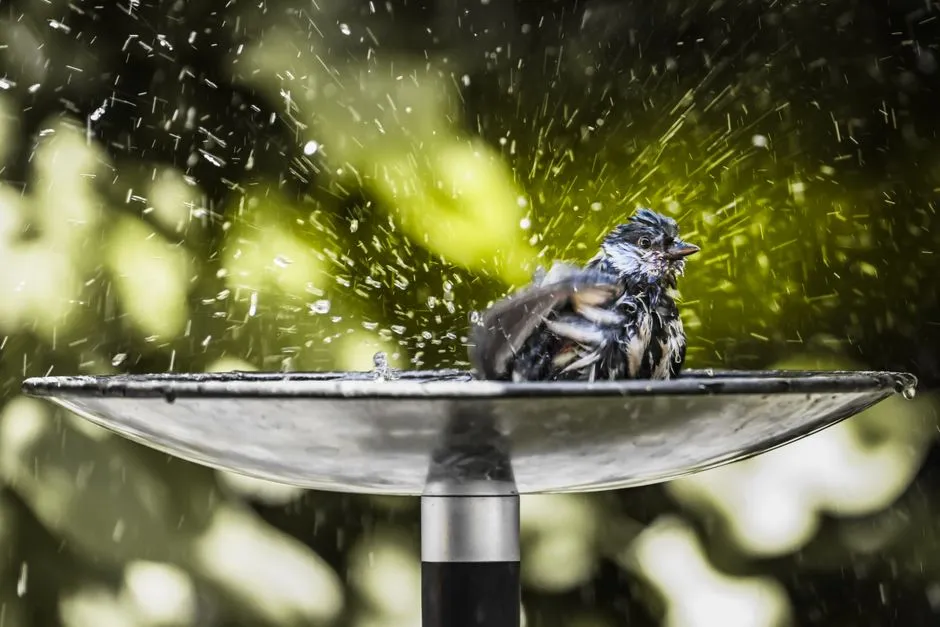
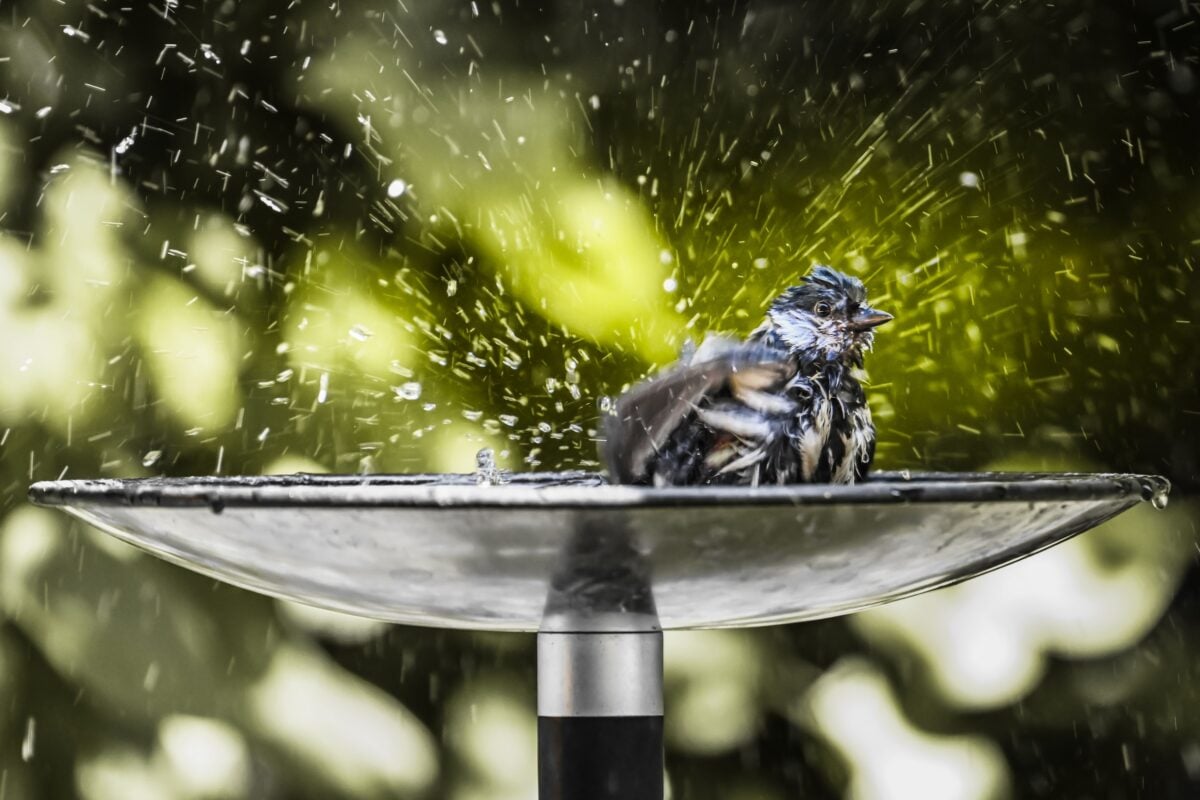
Birds need water for drinking and bathing. Installing a birdbath or a shallow water feature provides them with a reliable water source. Ensure the water is clean and changed regularly to prevent the spread of diseases.
Adding a water source not only attracts birds but also supports their hygiene, which is vital for feather maintenance and overall health. In winter, consider using a heated birdbath to prevent freezing.
But water alone isn’t enough; shelter is also essential…
10 – Create Shelter with Dense Plantings
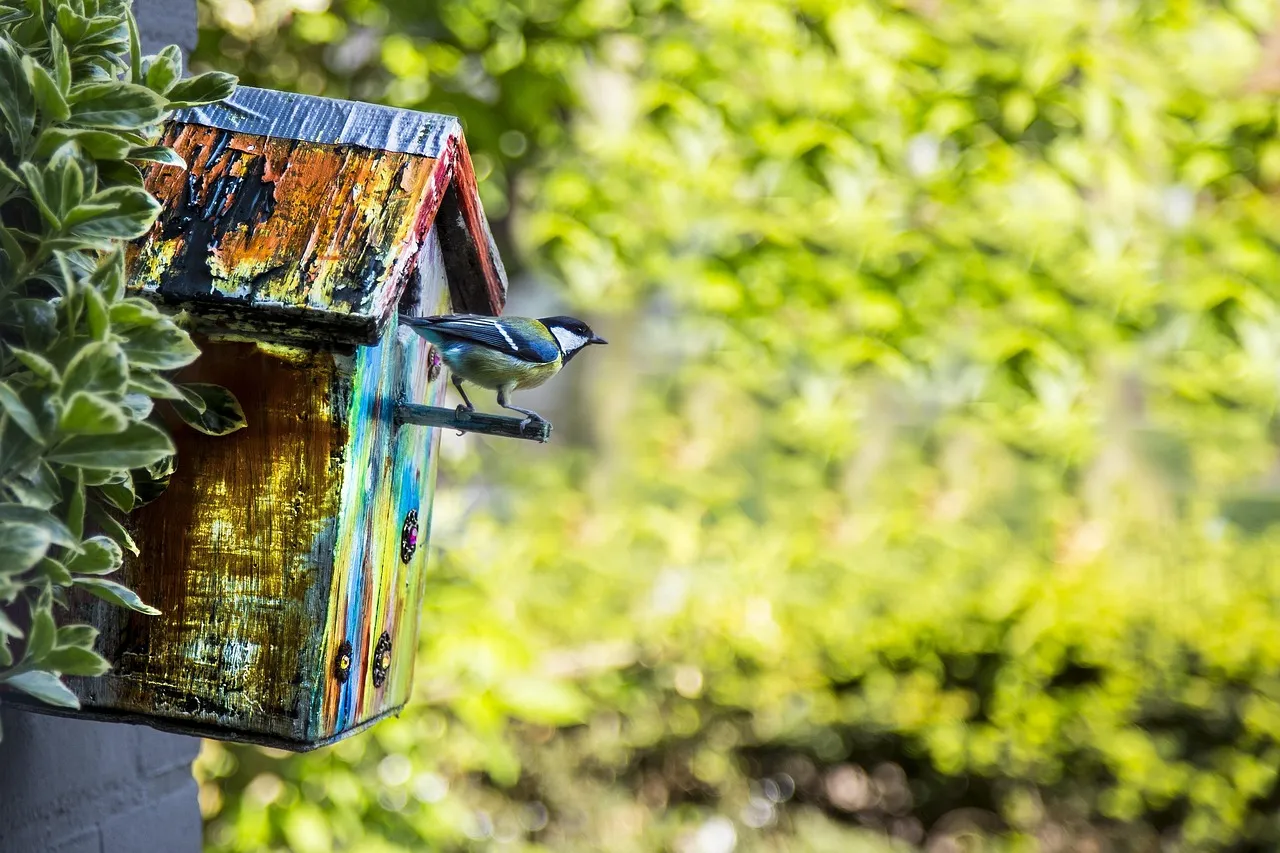
Dense plantings of native shrubs and trees provide birds with essential shelter from predators and harsh weather. Plants like wild rose and blackberry brambles create thickets that offer safe nesting sites and protection.
These natural shelters are crucial for birds’ survival, especially during breeding seasons and extreme weather conditions. By incorporating such plantings, you create a safe haven that encourages birds to reside in your yard.
But shelter isn’t just about plants; nesting sites are vital too…
9 – Install Nesting Boxes
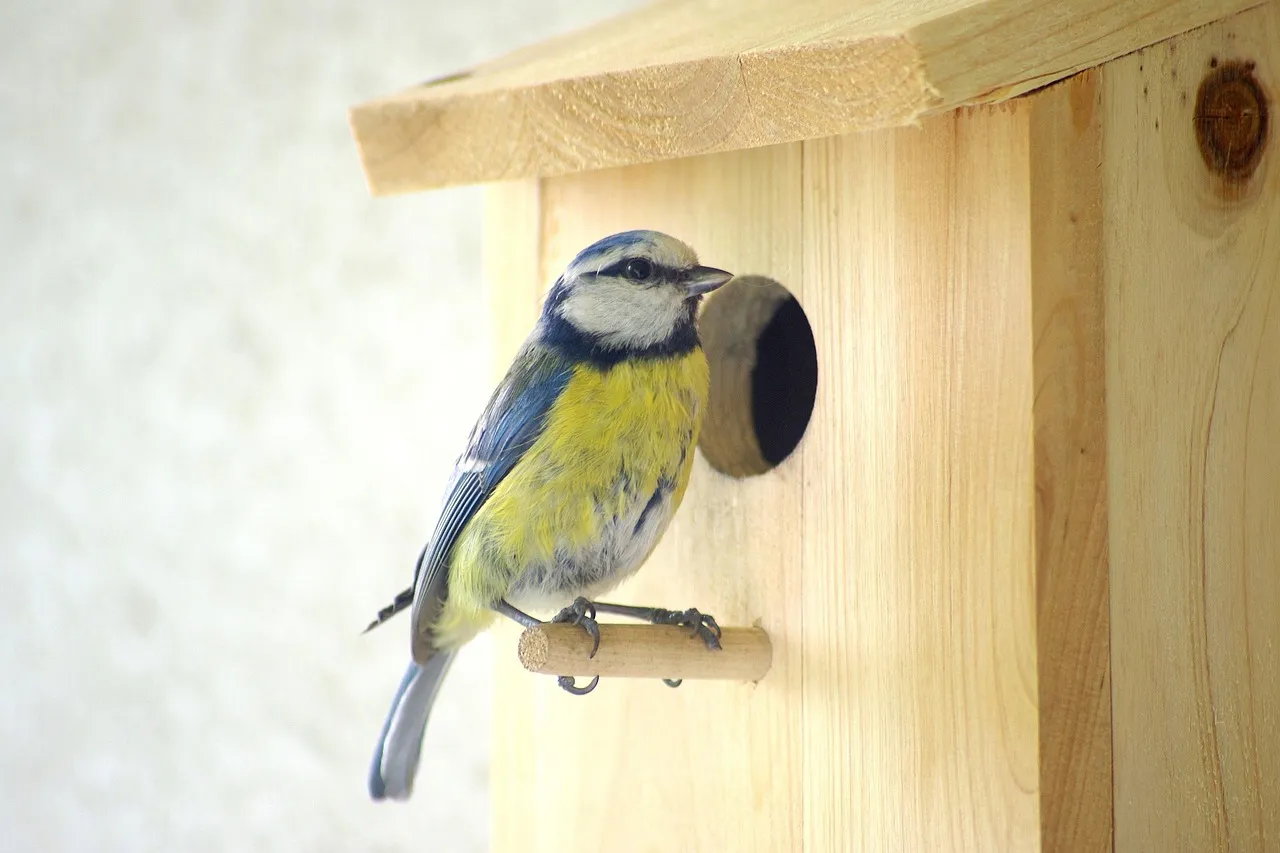
Many bird species rely on cavities for nesting, but natural cavities are often scarce. Installing nesting boxes tailored to specific species can provide much-needed breeding sites. Ensure the boxes are placed at appropriate heights and locations to attract desired species.
Properly maintained nesting boxes can significantly increase the chances of birds breeding in your yard, contributing to population growth and stability.
Worth Knowing
- Entrance hole size determines which species can use the box, with smaller holes keeping out larger competitors.
- Boxes facing away from prevailing winds and harsh afternoon sun tend to see more consistent use.
- Cleaning out old nesting material each fall helps prevent parasites and disease buildup for the next tenants.
But nesting boxes are just one part of the equation; providing natural nesting materials is also beneficial…
8 – Offer Natural Nesting Materials
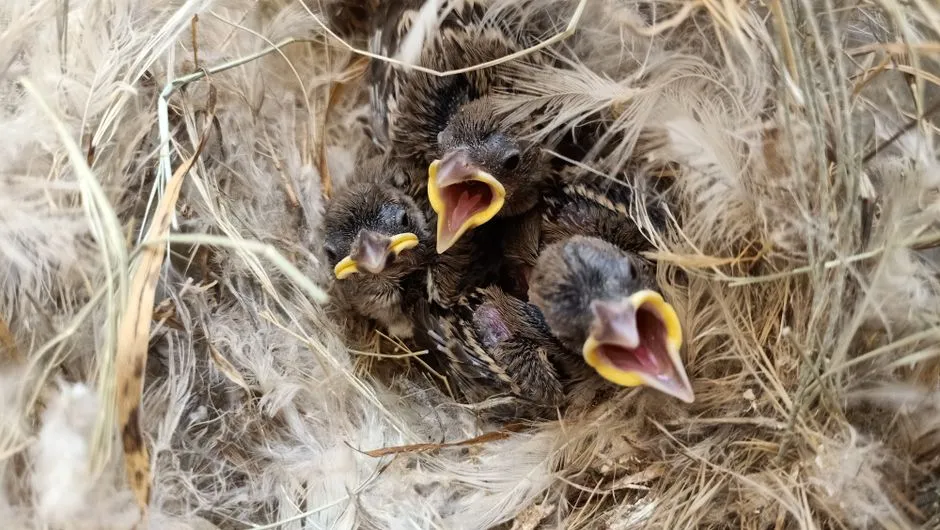
Providing natural materials like twigs, grass clippings, and untreated pet fur can assist birds in building their nests. Place these materials in accessible areas to encourage their use.
By offering these resources, you support the breeding success of birds in your yard, ensuring they have the materials needed to construct sturdy and comfortable nests.
But it’s not just about what you provide; it’s also about what you avoid…
7 – Avoid Pesticides and Herbicides
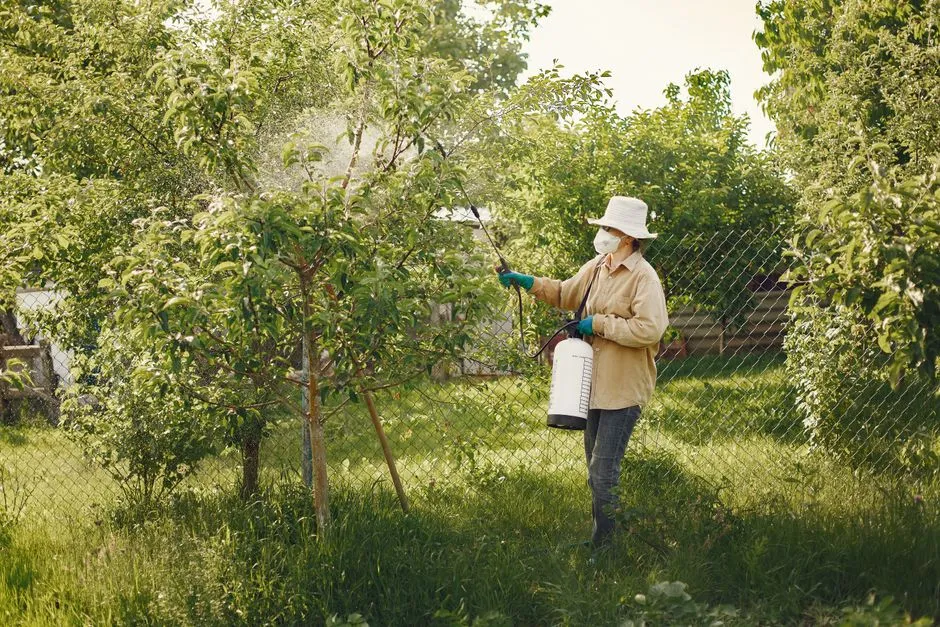
Chemical pesticides and herbicides can harm the insects that many birds rely on for food. By avoiding these chemicals, you maintain a healthy insect population, which in turn supports the birds that feed on them.
A pesticide-free yard promotes a balanced ecosystem, benefiting not only birds but also other wildlife and plant health.
But supporting birds isn’t just about food and shelter; it’s also about safety…
6 – Keep Cats Indoors
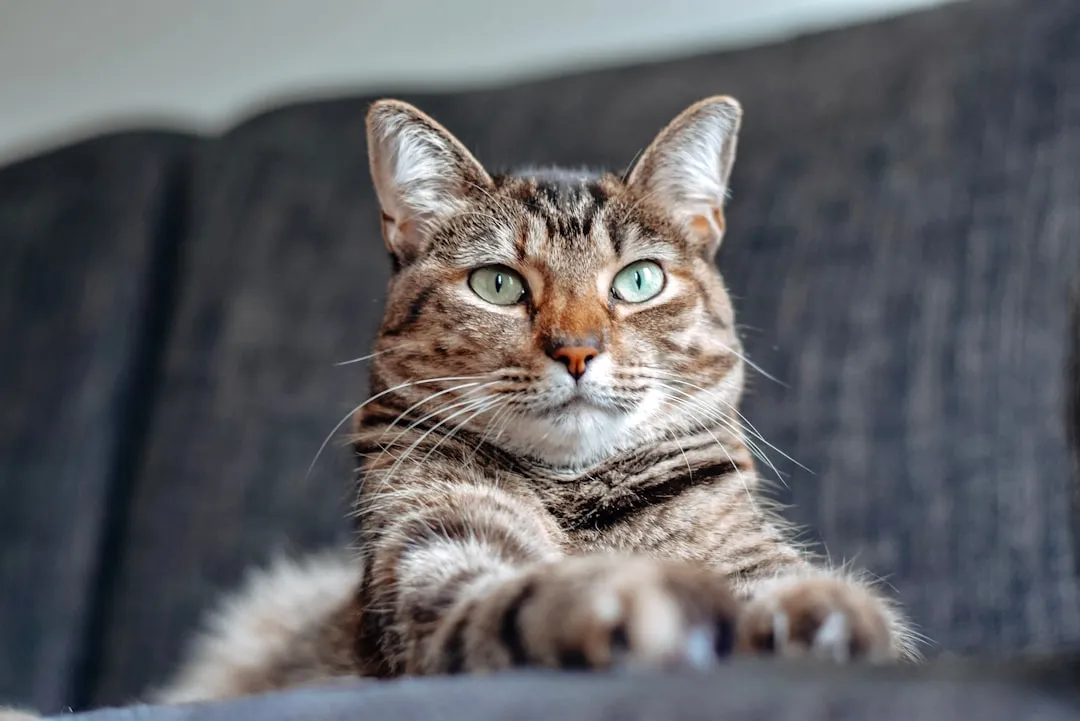
Domestic cats are a significant threat to birds, killing millions each year. Keeping your cats indoors or supervising them when outside can greatly reduce this threat.
By managing your pets responsibly, you create a safer environment for birds to thrive in your yard.
At a Glance
- Cats kill an estimated 1.3–4 billion birds each year in the U.S. alone, making them one of the single biggest human-linked causes of bird death.
- About 69% of these kills are attributable to feral or unowned cats rather than supervised pets.
- Cats kill birds in proportion to how much time they spend outdoors, so keeping your cat inside helps a lot.
But safety measures don’t stop there; window collisions are another concern…
5 – Prevent Window Collisions
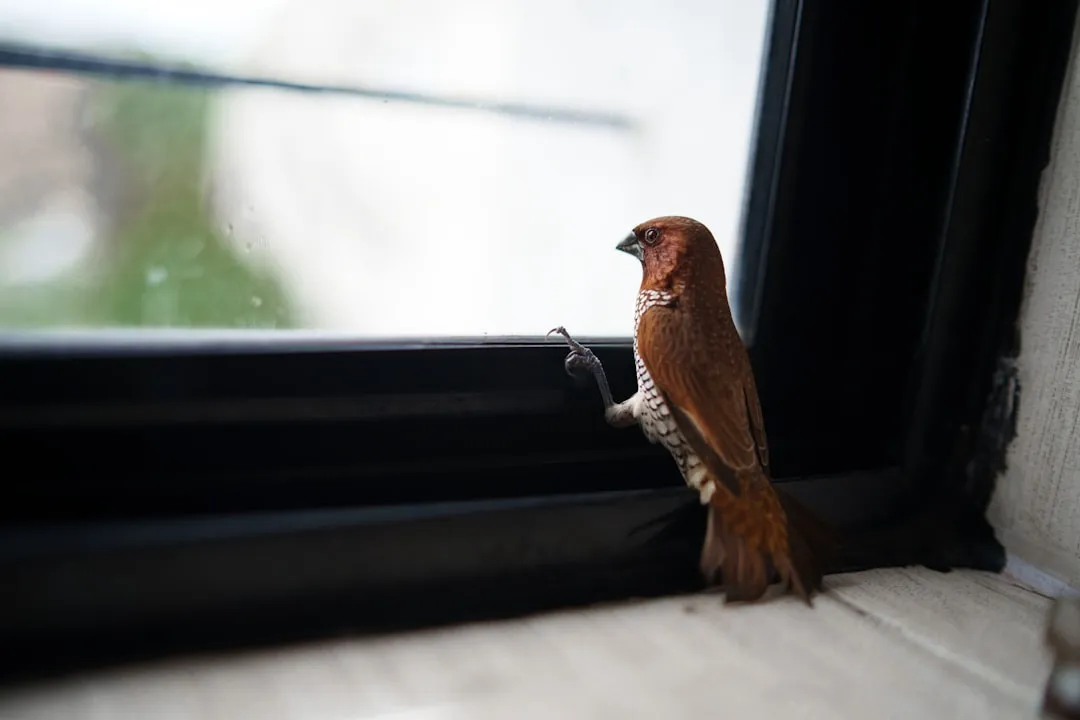
Birds often collide with windows, leading to injury or death. Applying decals, screens, or other deterrents can make windows more visible to birds, reducing collisions.
Adding a water source not only attracts birds but also supports their hygiene, which is vital for feather maintenance and overall health. In winter, consider using a heated birdbath to prevent freezing.
Fast Facts
- A new study suggests the true avian toll of building collisions in the United States reaches well over 1 billion deaths annually.
- Collisions can happen at any hour and any season, but are most frequent at dawn and dusk during spring or fall migration.
- Placing just one or two window stickers on a large window is not going to prevent collisions, since spacing across the whole pane matters.
Small, inexpensive changes to your windows can turn a hidden hazard into a safer stopover for the birds passing through your yard.
