
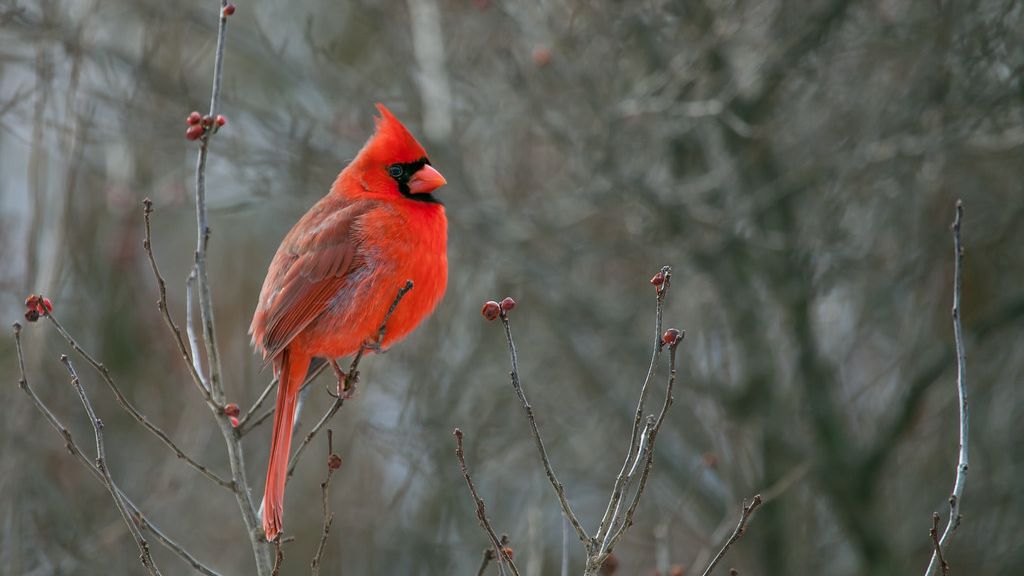
Their Bodies Begin a Full Seasonal Molt
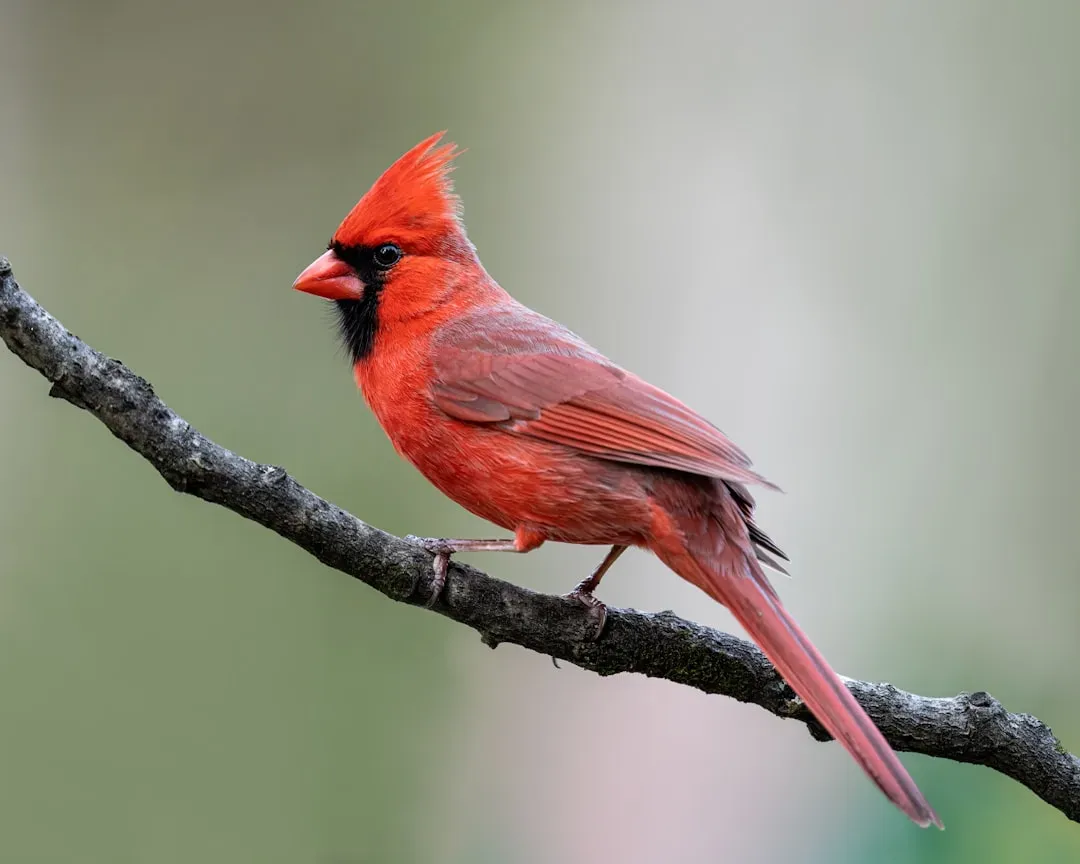
One of the earliest and most telling signs that a cardinal knows something is changing happens entirely beneath the surface. Cardinals retain their crimson plumage throughout the year, but in late summer, northern cardinals undergo a full molt, with their new set of feathers complete by mid-winter. This isn’t random. The timing is tied to the season itself.
These changes encompass feather molting and alterations in metabolic pathways to optimize energy use, with the timing finely tuned to environmental signals that enable animals to maximize survival odds. The result, once that molt completes, is striking. Cardinals retain their crimson plumage throughout the year, and in late summer, they undergo a full molt, with their new set of feathers complete by mid-winter, at which point the cardinal’s undamaged plumage is at its most brilliant.
Daylight Becomes Their Internal Clock
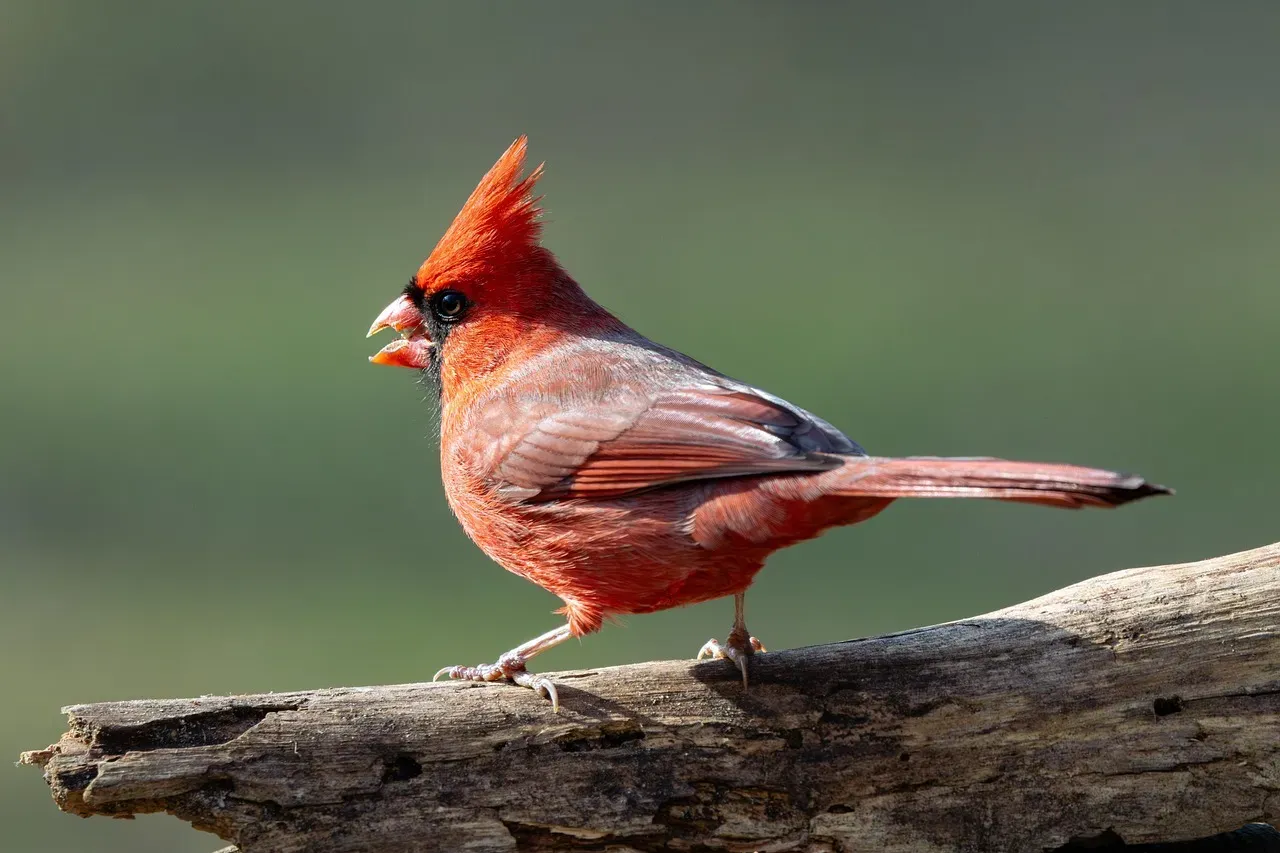
Cardinals don’t read thermometers. They read light. Among the most reliable indicators for seasonal change is photoperiod, the length of daylight. Internal biological clocks, or circadian rhythms, entrain animals to environmental light cues, regulating physiological processes like hormone secretion, metabolism, and behavior. This sensitivity to light is one of the most precise biological tools a bird can have.
The main environmental signal to start or stop breeding is the photoperiod, defined by the number of daylight hours relative to the 24-hour cycle. Light is detected not only by the eyes, but also by special brain receptors, which trigger hormonal signals that activate or suppress reproduction. As those hours shorten in autumn, the cascade of changes in a cardinal’s behavior begins quietly but unmistakably.
Territorial Aggression Starts to Wind Down
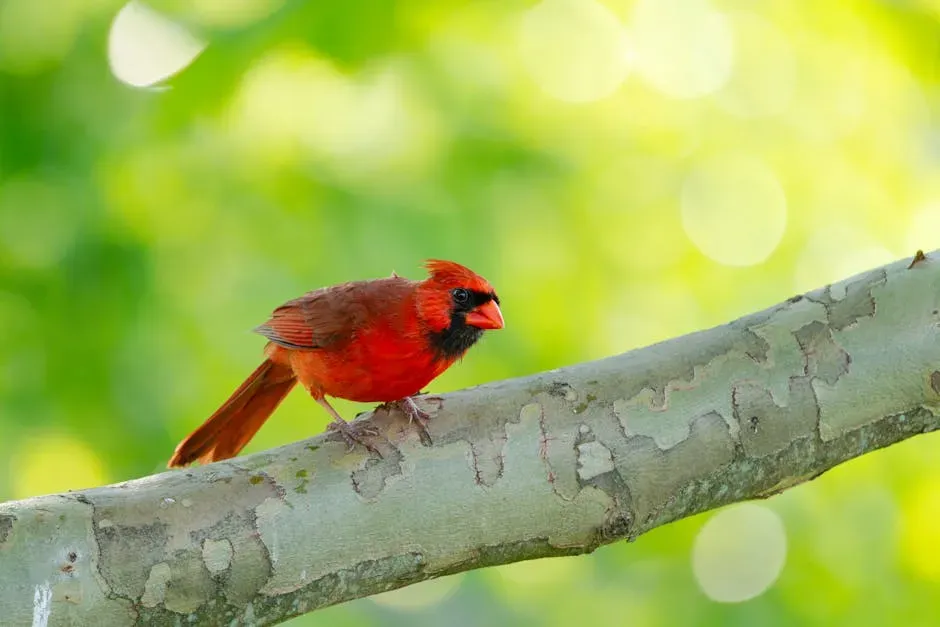
Through spring and summer, male cardinals are relentless about their territory. They’ll chase rivals, attack reflections, and sing from exposed perches to mark their domain. Then, as autumn arrives, something shifts. Male cardinals are strongly territorial, and although their aggressive tendencies subside during fall and winter, territorial outbursts can still occur at any time.
During the spring and summer months, changing daylength triggers hormonal changes that increase a bird’s aggressiveness towards other birds, and as nesting hormones wane with seasonal changes, the behavior will temporarily cease. This winding down isn’t laziness. It’s an efficient recalibration, redirecting energy away from territory defense and toward the real priority: staying alive through the cold months ahead.
They Abandon Pair Bonds and Go Solo at Feeders
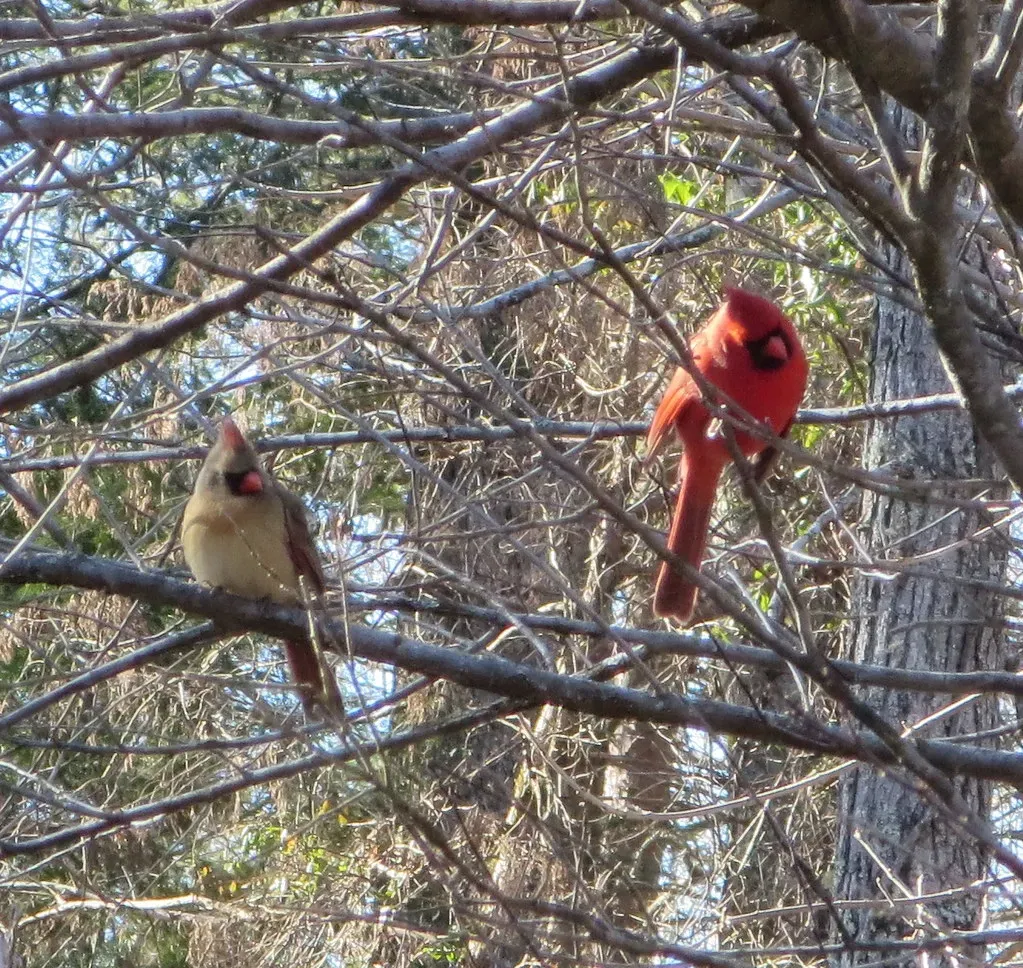
Cardinal pairs are famously devoted during the breeding season, but winter changes that dynamic in a subtle and somewhat surprising way. A cardinal is rarely seen without its mate, but during the winter months, the bond may be relaxed. For a bird species known for its loyalty, this is a notable behavioral shift.
Approximately 80 percent of mated pairs will stay together for life, but during the winter months, they will not be as attentive to each other and will often feed separately. At the feeder, you’ll notice this plainly. Throughout the winter, males often eat their fill before allowing females access to feeders. It’s a far cry from the courtship feeding behavior of spring, and it tells you the season has truly turned.
They Begin Forming Unexpected Winter Flocks
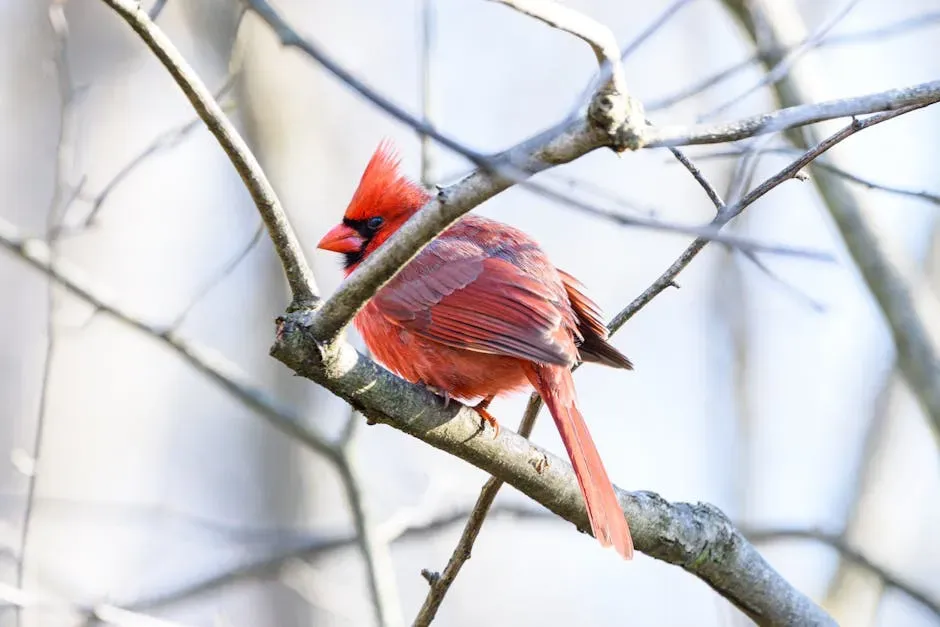
Perhaps one of the strangest transitions to witness is when solitary, territorial cardinals suddenly start moving in groups. Cardinals typically move around in pairs during the breeding season, but in fall and winter they can form fairly large flocks of a dozen to several dozen birds. For a bird that spent months driving away every neighbor it had, this reversal feels almost paradoxical.
Unlike some highly gregarious species, northern cardinals are not typically strict flockers, and during the breeding season they are famously territorial. However, as harsh conditions approach, these vibrant red birds exhibit a fascinating behavioral adaptation: occasional flocking. Feeding together minimizes the chances of being taken by a predator, as cardinals’ scarlet plumage makes it harder for them to blend into their surroundings, making them an easy target for birds such as sharp-shinned hawks. There’s real safety in numbers when winter closes in.
Their Diet Quietly Pivots Toward High-Energy Seeds
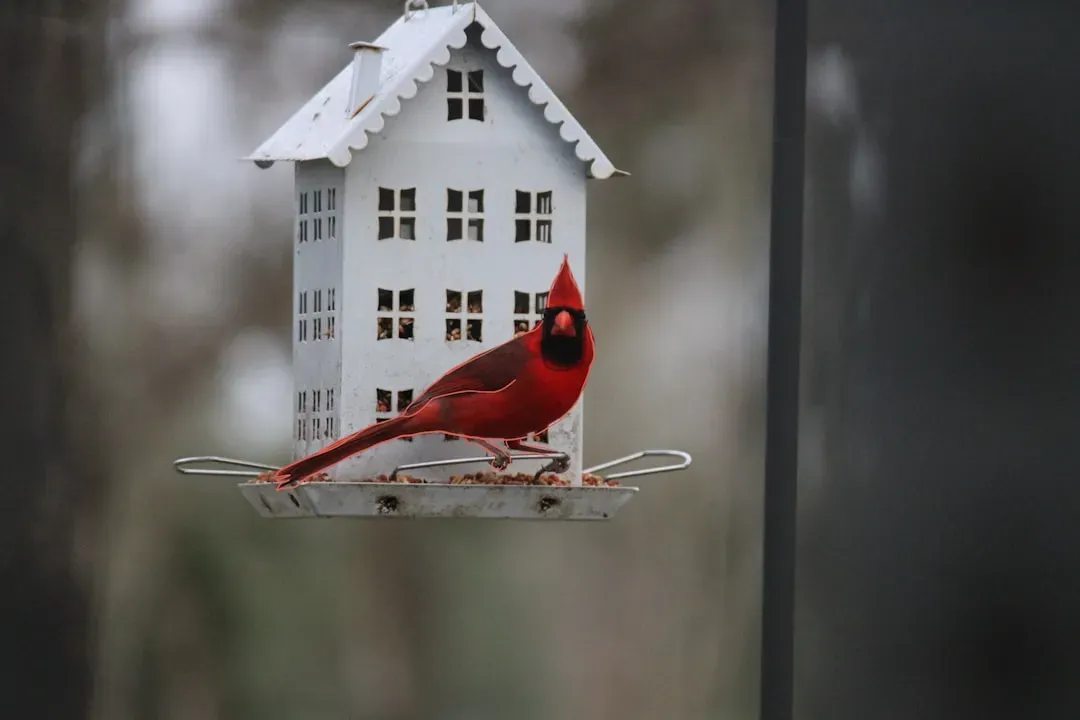
Cardinals are flexible eaters, but their diet doesn’t stay the same year-round. As autumn deepens, there’s a clear shift in what they seek out. As natural food sources dwindle, cardinals often rely more heavily on feeders, especially during harsh weather conditions, and this is usually the period of highest feeder traffic. The shift is gradual but consistent.
Seed-eating birds like northern cardinals benefit from the shedding of tree leaves, which makes seeds more accessible on the ground. Their strong, cone-shaped bills are perfectly designed for this kind of work. Cardinals have a wide range of foods they eat on a daily basis, choosing from roughly seventy different items comprising plants, insects, and fruits, with the mainstay of their diet being plants, including seeds, which they crack with their strong beak and jaws. In winter, the seed-cracking becomes the main event.
They Seek Out Evergreen Shelter With Unusual Precision
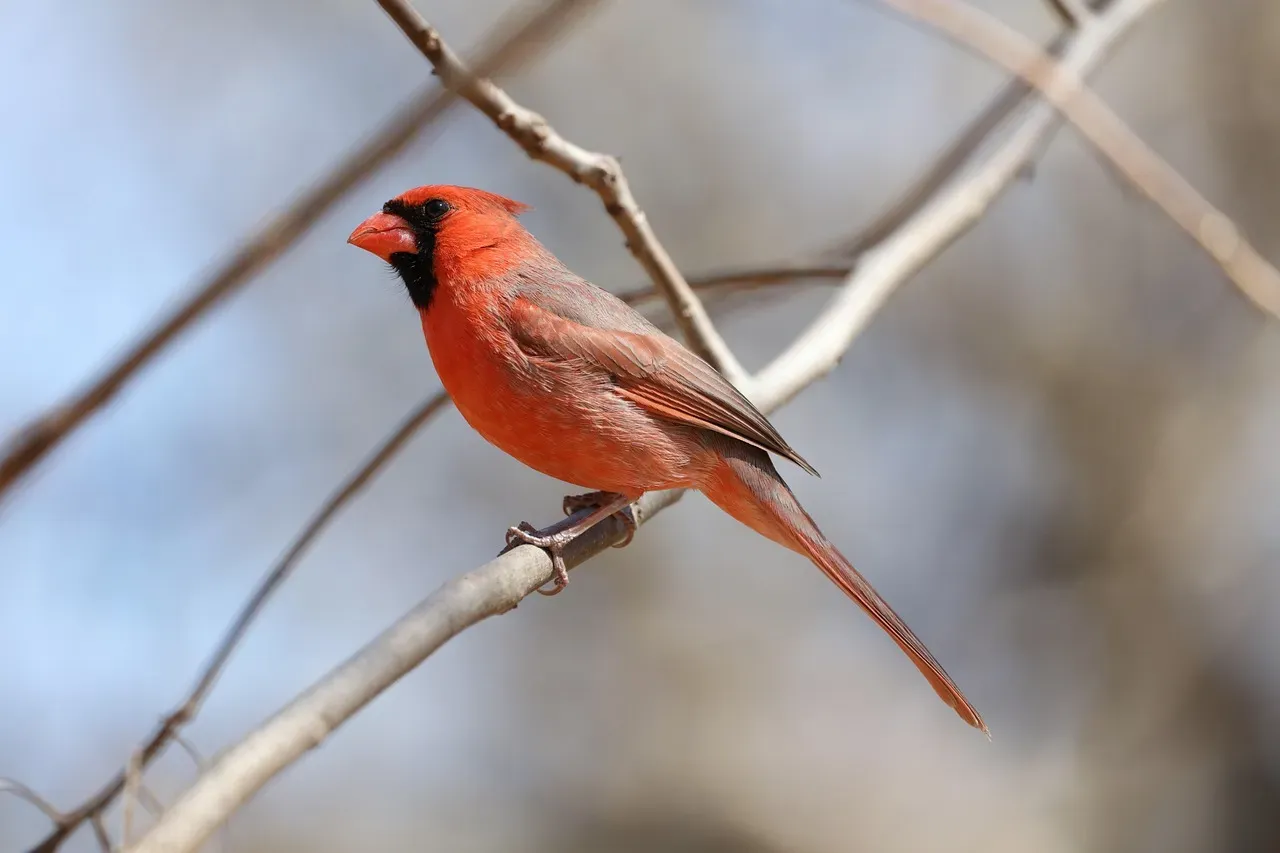
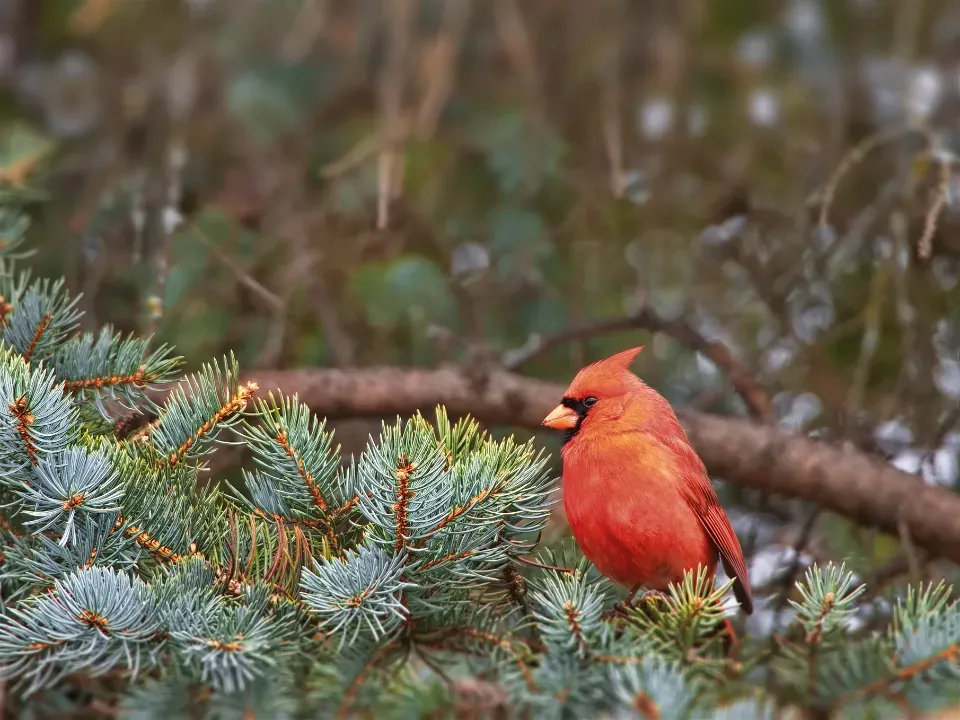
When temperatures start to fall, cardinals don’t just look for any tree. They become selective in a way that suggests genuine instinct at work. Cardinals are experts at finding and using shelters to survive the winter, preferring dense shrubs, evergreen trees, and thick vegetation as their primary shelters. These natural sites provide protection from harsh winds, snow, and predators.
They seek shelter in the dense branches of conifer trees, particularly fir, cedar, and pine, and stay within easy reach of their favored foraging spots of backyards with well-stocked feeders. Cardinals often roost in groups to share body heat, which helps them stay warm during cold nights, choosing roosting sites that are sheltered from the wind and close to food supplies, ensuring they can quickly find nourishment in the morning. The efficiency of this behavior is genuinely impressive for a bird that weighs little more than a handful of seeds.
They Begin Communal Nighttime Roosting
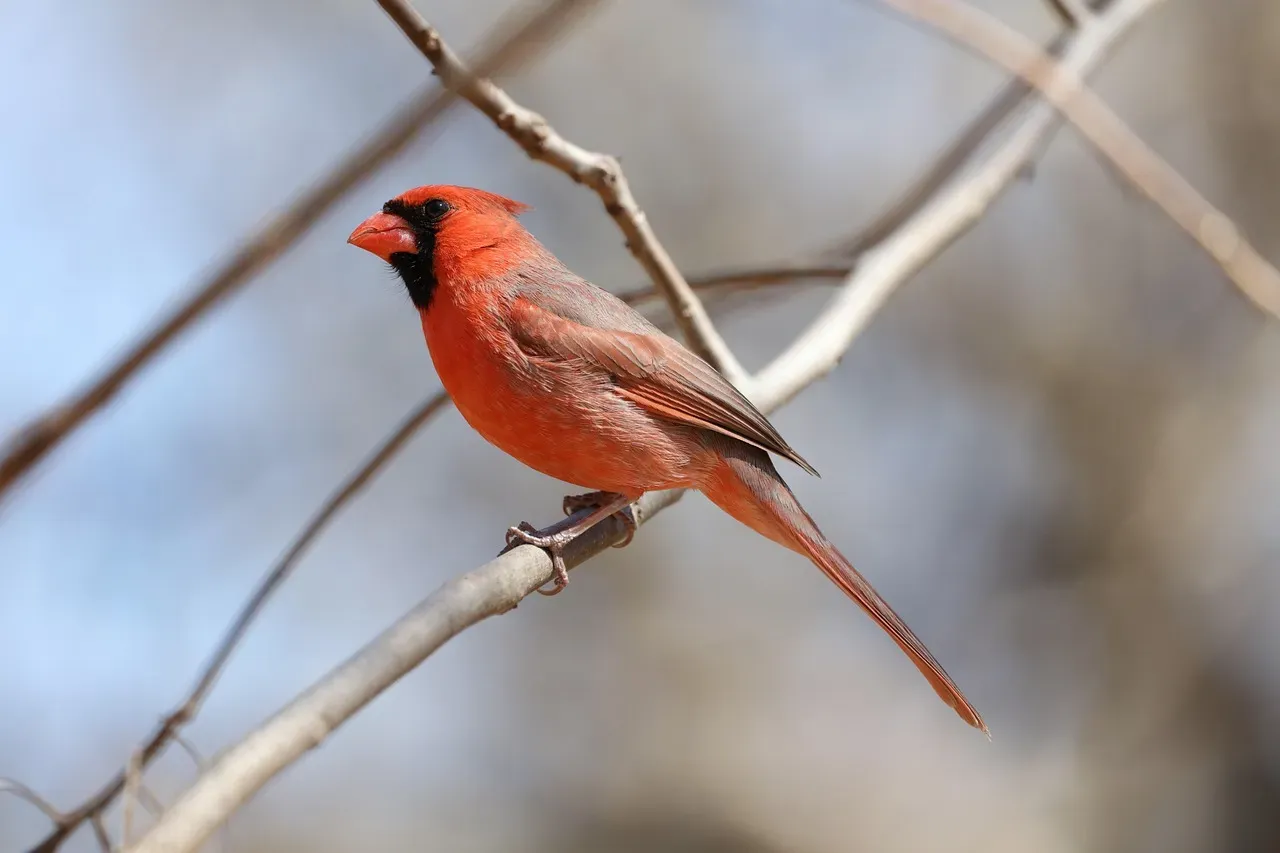
Linked to their shift toward flocking, but distinct from it, is a change in how cardinals sleep. The move to communal roosting is one of the clearer signs that winter preparation is underway. Open-nesters such as cardinals flock together at night in winter to sleep in a communal roost, usually in dense evergreens, thickets, or shrubs. This behavior doesn’t happen in summer.
Cardinals don’t build new nests for winter. Instead, they use thick, dense evergreen shrubs, thorny bushes like hawthorn or rose, and tree tangles for roosting, shelter, and protection from predators and weather, often huddling together for warmth in these safe, hidden spots to survive the cold months. During winter, cardinals use specific bird calls to communicate, helping them find each other while searching for food and shelter, with this social behavior building bonds among cardinals and fostering a sense of community in cold environments.
They Enter a State of Controlled Torpor on Cold Nights
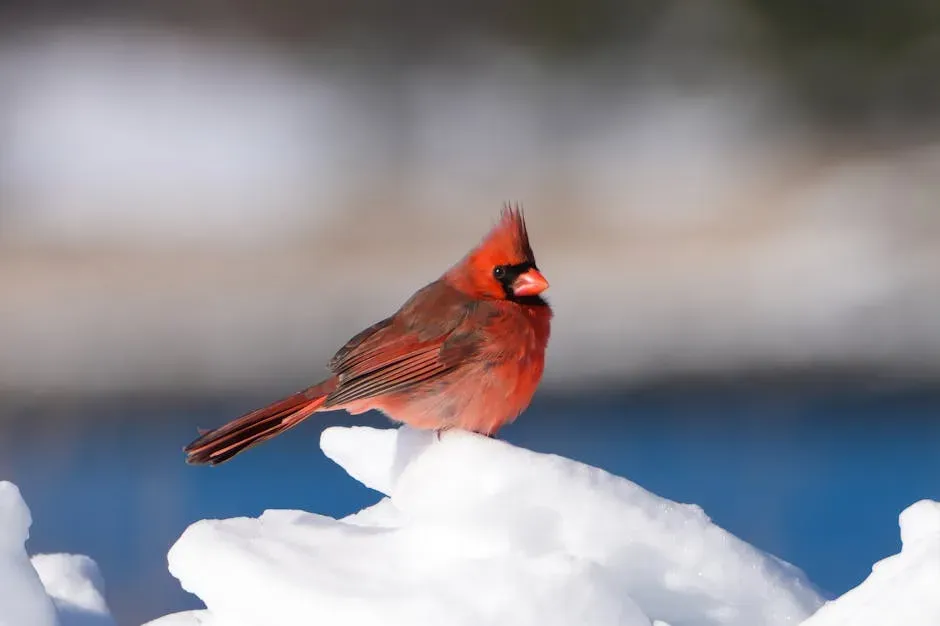
This one is genuinely strange, and not widely known outside of ornithology circles. Cardinals have a remarkable ability to manage their own internal temperature in a way that borders on the extraordinary. Northern cardinals are able to temporarily lower their own body temperature by 3 to 6 degrees Fahrenheit on the coldest nights, putting themselves into a state of torpor, which helps to conserve important energy reserves and fat stores.
Like all warm-blooded animals, cardinals need to maintain a certain body temperature which requires energy, and for northern cardinals, this is between 105 and 108 degrees Fahrenheit. A lot of energy is needed during winter to maintain this temperature, so one of their primary goals is to conserve energy and stay warm any way they can. To survive in such extreme conditions, the species has developed a number of cold-weather adaptations, including shivering and the ability to lower their own body temperature temporarily to avoid freezing on the harshest of nights. It’s a survival mechanism that reveals just how finely tuned these birds are.
They Fluff Their Feathers Before the Cold Actually Arrives
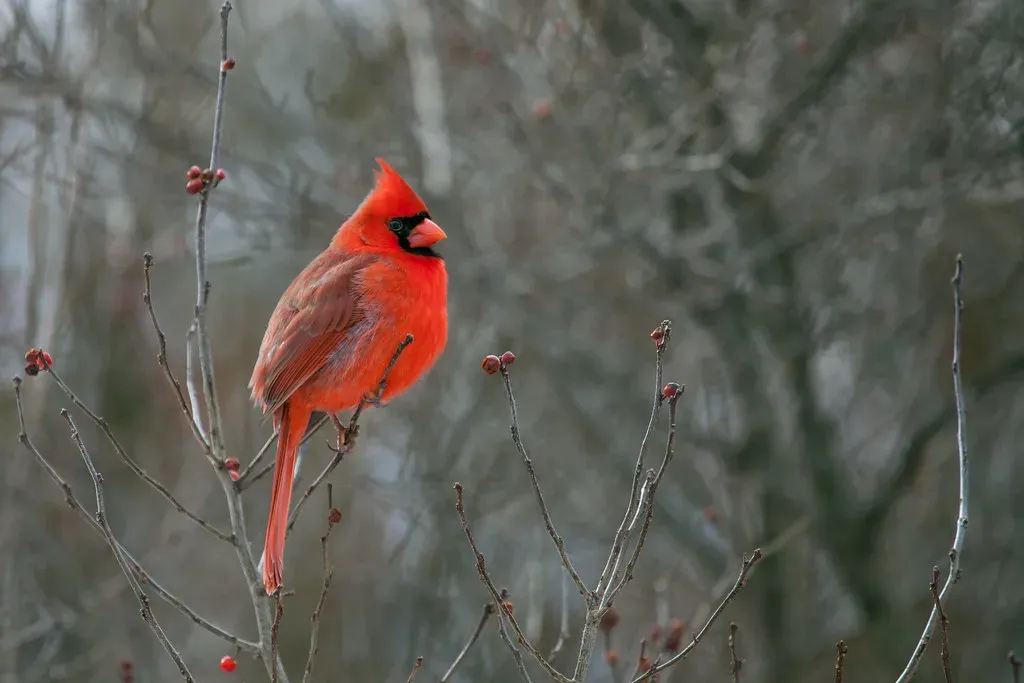
Perhaps the most visually obvious sign that a cardinal senses something changing is the fluffing behavior. Watch carefully and you’ll notice it happens before conditions become severe, not just after. During winter, cardinals will fluff up their down feathers in order to retain warm air next to their body, and the same mechanism kicks in whenever temperatures are about to drop or wind is about to pick up, even before it happens.
They control body temperature by changing feather positions, fluffing their feathers, changing the direction of blood flow, and seeking out shelter. This visible fluffing, paired with stillness and low perching, forms a kind of pre-storm posture that experienced observers learned to read like a sentence. For generations of backyard observers, this behavior has functioned as something close to a natural weather forecast. Whether or not the bird “knows” what it’s doing in any conscious sense, the effect is the same: it’s ready before winter is.
Conclusion
Cardinals don’t migrate, don’t hibernate, and don’t disappear when the cold arrives. Instead, they transform. Their bodies molt into sharper plumage, their social bonds loosen and then reform into something more collective, their diet narrows, and their behavior reorganizes around one clear priority: endurance.
What’s genuinely fascinating is how much of this preparation begins before winter actually announces itself. The shortening days are enough. Light triggers hormones, hormones shift behavior, and behavior carries cardinals through conditions that would overwhelm a less attuned creature. There’s no mystery or mysticism required to appreciate this. The biology alone is remarkable.
Watching a cardinal in late October, fluffed against the cooling air or huddled in an evergreen with a few companions, you’re seeing millions of years of fine-tuning at work. The season hasn’t fully arrived yet. The cardinal already knows.

- 14 Signs the Backyard Birds That Left Your Yard Are Quietly Coming Back - July 21, 2026
- 12 Cat Breeds Vets Refuse To Recommend to First Time Owners - July 21, 2026
- 6 US States With the Most Alligators - July 21, 2026