

Cats excel at concealing discomfort, a holdover from their wild ancestors who could not afford to show weakness. This instinct makes it easy for owners to overlook early signs that something is off. Spotting these quiet cues early can change how you support your pet through tough times.
1. Shifts in Daily Grooming Routines

Cats normally spend hours keeping their coats neat and clean. When pain sets in, they might skip certain spots entirely or focus obsessively on one area. These small changes often go unnoticed until the fur starts to look matted or thin in patches.
Owners who watch closely notice that a cat in discomfort may lick less overall or avoid stretching to reach its back or belly. The result shows up gradually rather than all at once. Paying attention to these patterns helps catch issues before they worsen.
2. New Preferences for Resting Spots
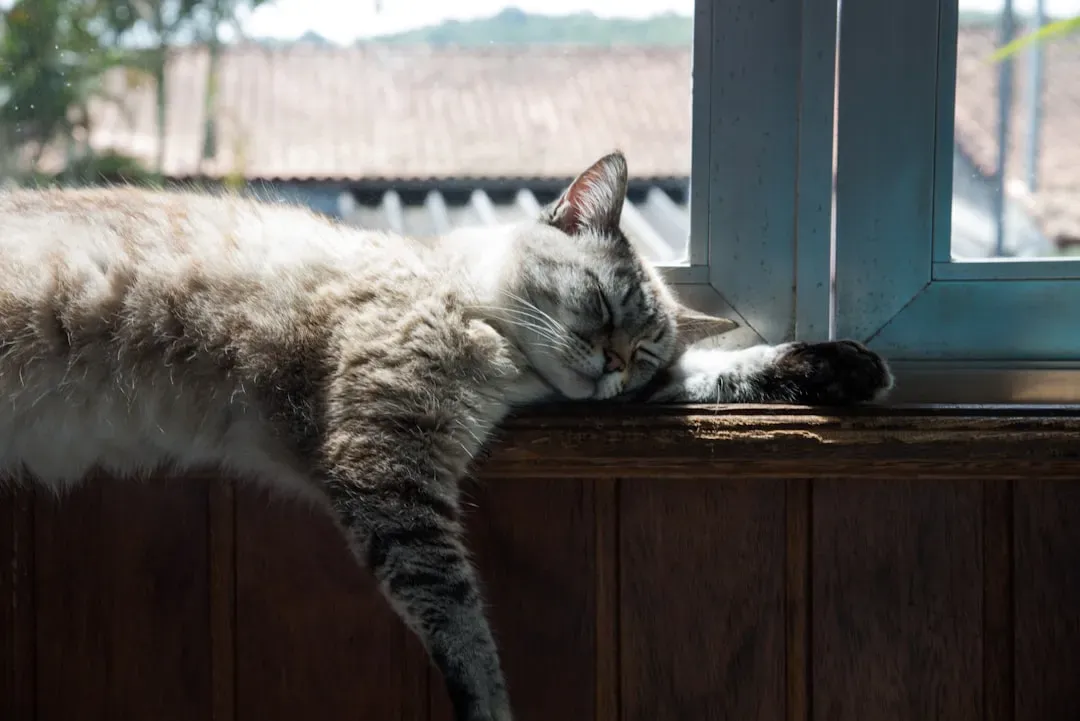
A comfortable cat picks familiar beds or sunny windowsills day after day. Pain can push them toward cooler floors, higher shelves, or tucked away corners they rarely used before. The move feels random at first but often reflects an attempt to ease pressure on sore joints or muscles.
These new locations tend to be quieter and harder to reach, giving the cat more control over who approaches. Over a few days the pattern becomes clear if you track where your pet settles. Adjusting the environment around these spots sometimes brings quick relief.
3. Reduced Interest in Play or Interaction
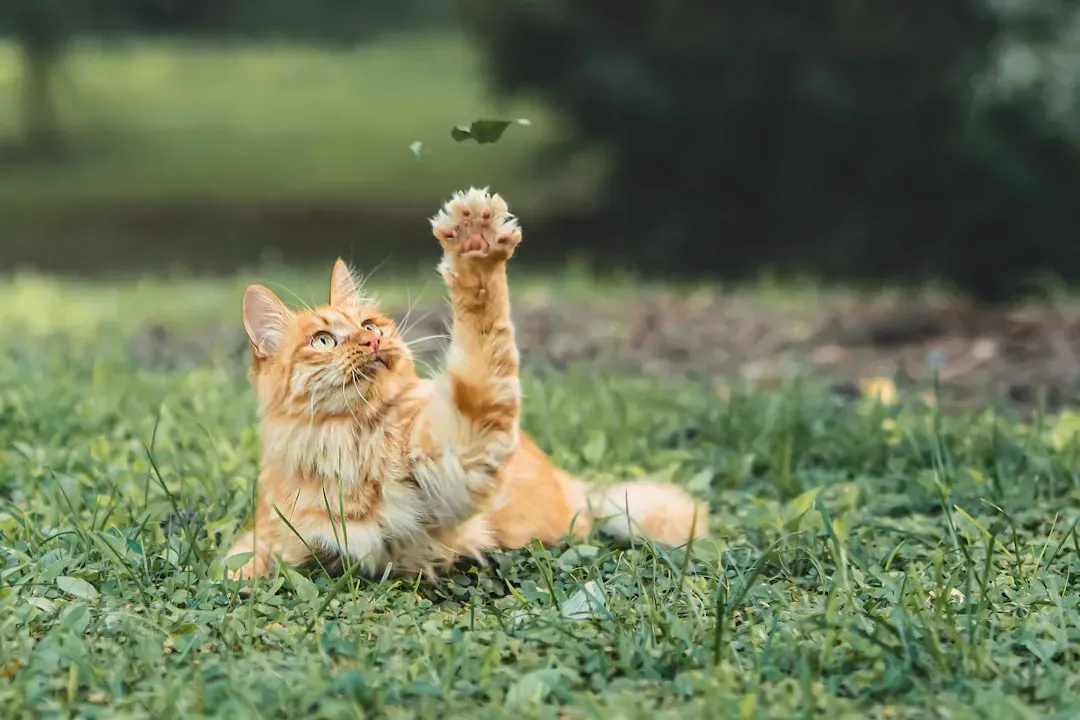
Play sessions usually bring visible excitement with pouncing and chasing. When discomfort appears, a cat may watch toys without joining in or walk away after just a minute or two. The drop in energy feels gradual rather than sudden.
Owners sometimes assume the cat is simply getting older or bored. In reality the change often ties to stiffness or soreness that makes movement less appealing. Offering gentler toys or shorter sessions can reveal whether the reluctance stems from pain.
4. Tiny Adjustments in Eating Pace and Posture
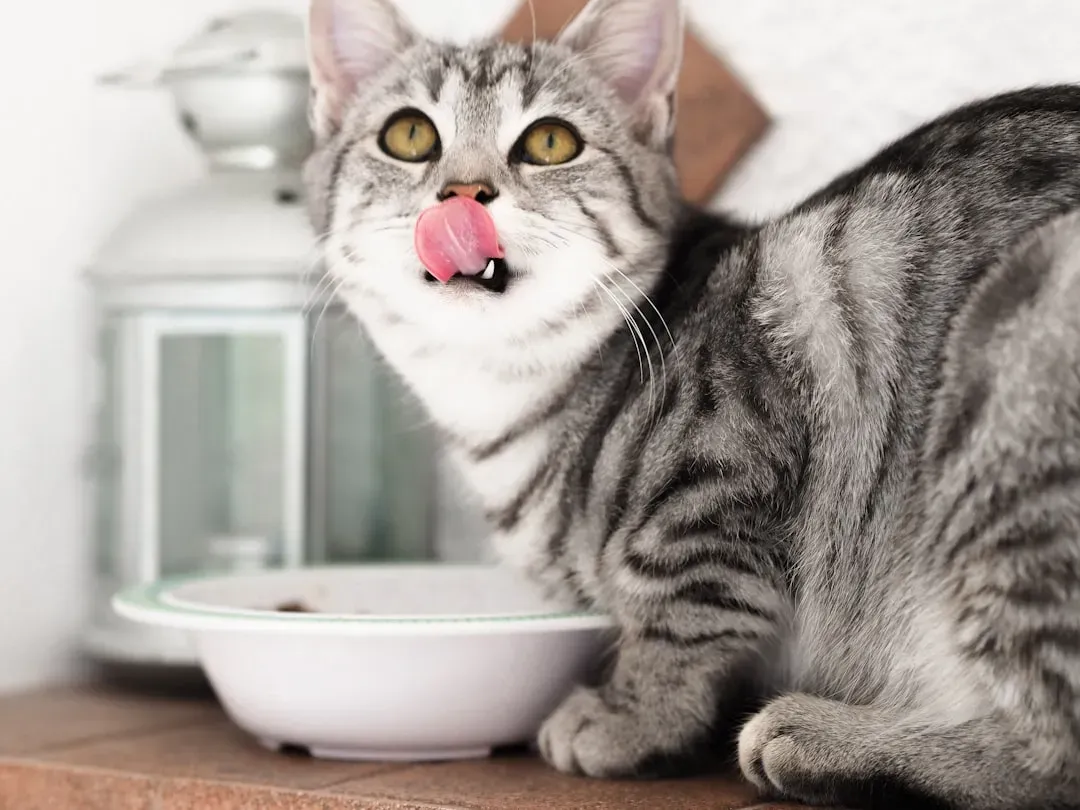
Most owners notice when a cat stops eating altogether, yet few catch the slower, more careful approach to meals that signals discomfort. A cat might lower its head at an odd angle or pause frequently between bites to shift weight off tender areas. These micro changes happen right in front of people but blend into the usual routine.
The bowl stays full longer, or food gets scattered because the cat avoids stretching its neck fully. Appetite remains decent overall, which masks the issue even further. Watching the actual mechanics of eating uncovers this quiet request for help that many miss entirely.
5. Subtle Changes in Litter Box Habits
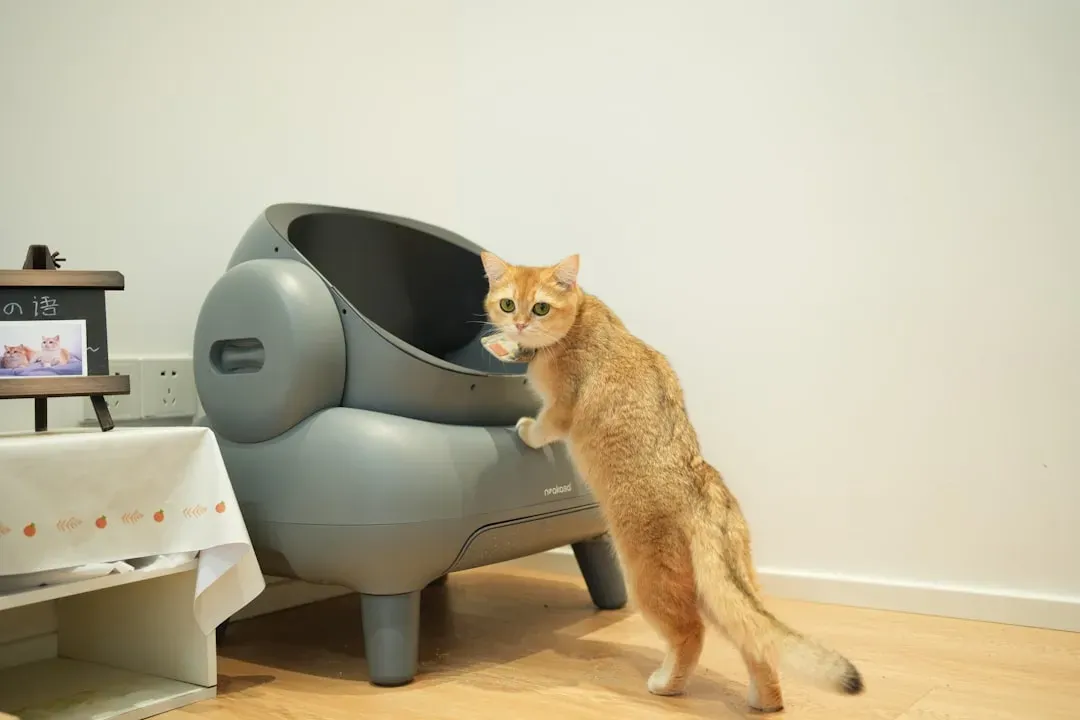
Cats value privacy in the litter box and usually keep things consistent. Pain can lead to shorter visits, different postures while eliminating, or even stepping out before finishing. The box itself may look less used even when the cat appears otherwise normal.
Accidents outside the box sometimes appear first in small amounts rather than large messes. These shifts often connect to difficulty squatting or discomfort from movement. Checking the box more frequently reveals patterns that point to underlying trouble.
6. Altered Tail and Ear Positions
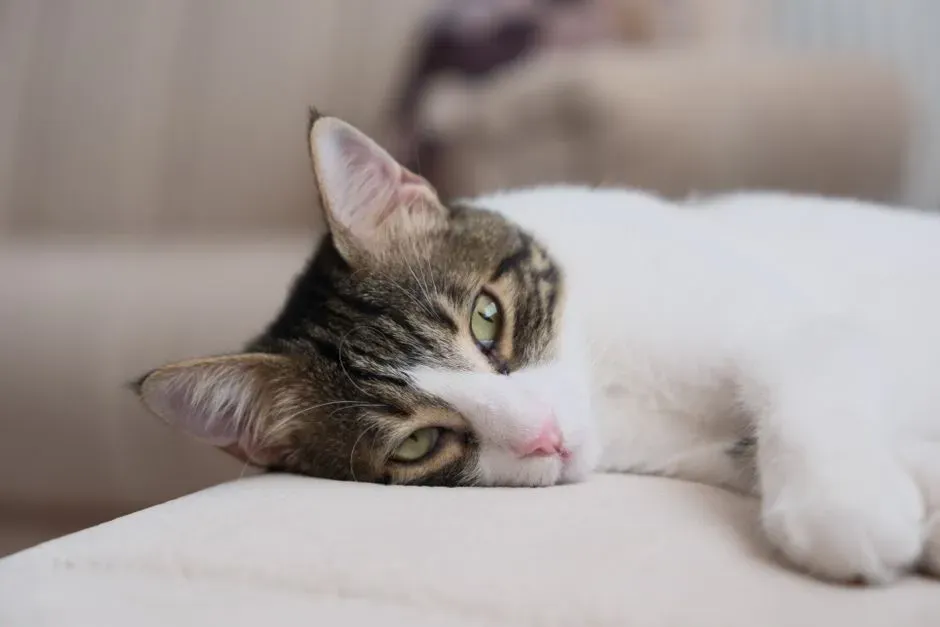
A relaxed cat carries its tail in a gentle curve or lets it sway loosely. Discomfort tends to produce a lower, stiffer tail or one that twitches in short bursts without clear reason. Ears may flatten slightly or swivel more often than usual during calm moments.
These signals last only seconds at a time, making them easy to overlook during busy household routines. They appear most often when the cat moves or interacts with people. Noticing the frequency helps connect the dots to possible pain sources.
7. Increased or Decreased Vocal Sounds

Some cats become quieter overall when they hurt, while others add soft chirps or murmurs that were not part of their normal vocabulary. The sounds stay low and brief rather than loud complaints. They often occur during routine activities like jumping onto furniture.
Owners who know their cat’s usual chatter notice these variations stand out against the background. The change can reflect an attempt to communicate without drawing too much attention. Recording a few instances helps track whether the pattern holds over time.
8. Avoidance of Being Picked Up or Touched

Many cats enjoy brief lifts or gentle petting along their backs. Pain introduces hesitation or quick exits when hands approach certain areas. The cat may lean away or tense up without hissing or swatting.
This reaction develops slowly and can look like simple moodiness at first. It often centers on the belly, hips, or spine where soreness concentrates. Respecting the new boundaries while offering alternative contact points keeps the bond intact.
9. Shifts in Sleeping Duration and Depth
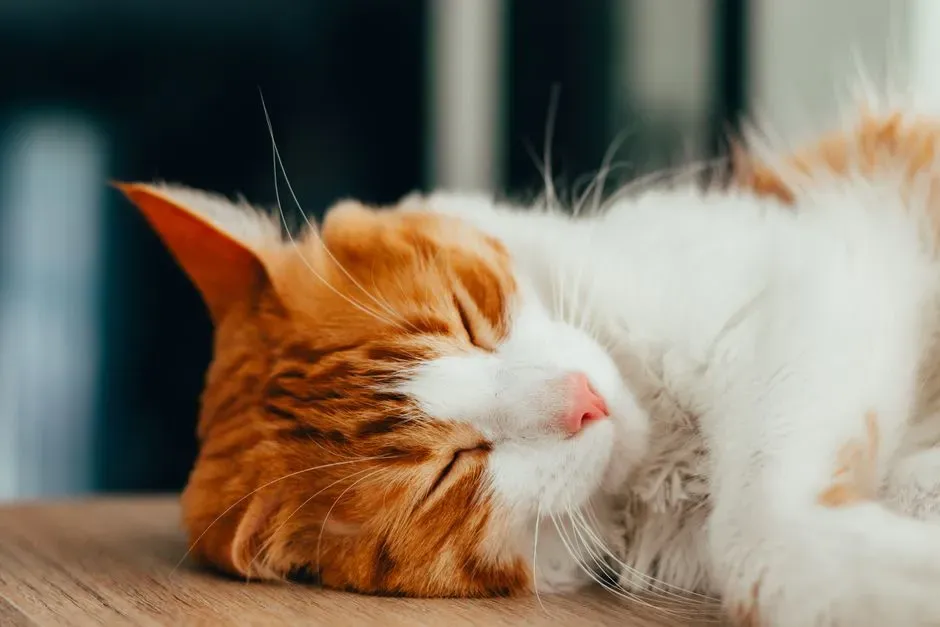
Cats sleep a lot anyway, yet pain can push total rest time higher or make sleep lighter and more fragmented. A cat might wake at small noises it once ignored or choose shorter naps spread throughout the day. The quality of rest changes even if the total hours look similar.
Owners notice the cat seems less refreshed after long stretches in bed. It may stretch more carefully upon waking or favor one side when settling. These details point to discomfort that interrupts normal recovery cycles.
10. Heightened Sensitivity to Household Sounds or Movement
A content cat tolerates normal activity without much reaction. When pain lingers, everyday noises like doors closing or footsteps can prompt flinching or quick retreats to another room. The response stays mild and brief rather than dramatic.
This sensitivity often appears alongside other small changes and reflects a lowered threshold for stress. It tends to ease once the source of discomfort receives attention. Tracking these reactions alongside daily routines brings the full picture into focus.
Conclusion
Recognizing these quiet signals turns everyday observation into meaningful care. Cats rely on their people to notice what they cannot say out loud. Taking the time to watch closely often leads to earlier support and better days ahead for both of you.
