
Nature has been quietly working on the most astonishing experiments for hundreds of millions of years, and honestly, what it’s come up with makes even the wildest science fiction look a bit boring. We think we understand animals. We see them in documentaries, at the zoo, in our own backyards, and we nod along like we’ve got them figured out. We really don’t.
From creatures that can survive the vacuum of outer space to jellyfish that are technically immortal, the animal kingdom is full of jaw-dropping secrets hiding in plain sight. So buckle up, because what follows might seriously make you rethink everything you thought you knew about life on this planet. Let’s dive in.
1. The “Immortal” Jellyfish That Can Live Forever
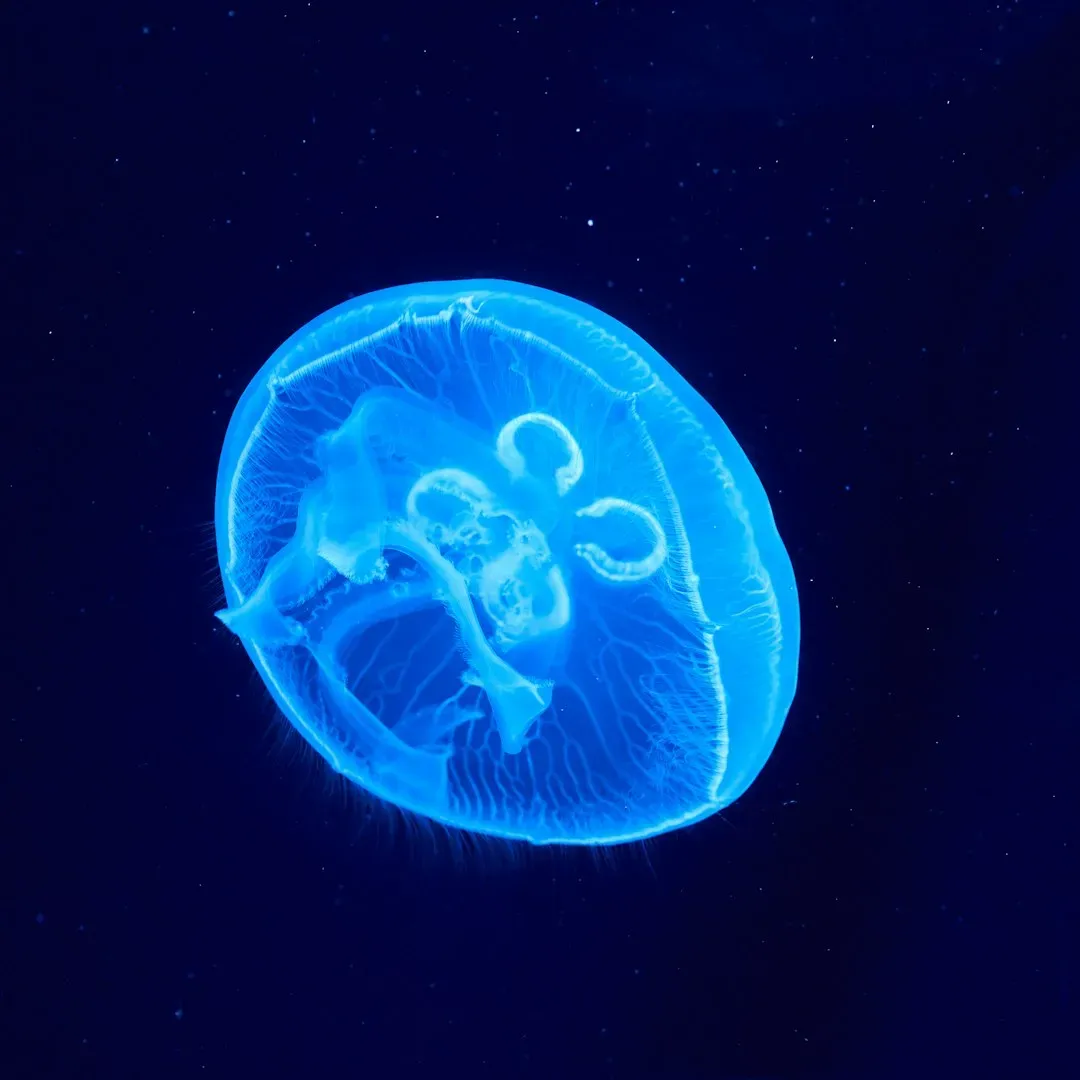
Let’s be real. When most people think about immortality, they picture futuristic science labs and billion-dollar research projects. The natural world, however, already solved that riddle using a tiny jellyfish. The Turritopsis dohrnii, also known as the “immortal jellyfish,” possesses the remarkable ability to revert to its juvenile form after reaching sexual maturity. When faced with environmental stress, predation, or injury, this jellyfish undergoes a process called transdifferentiation, transforming its adult cells into their earlier developmental stages, which allows it to effectively cheat death and start its life cycle anew, making it theoretically immortal.
Think of it like pressing the reset button on your life every time things get tough. I know it sounds crazy, but this is not a myth or exaggeration. It is a fully documented biological process. No other animal on Earth does anything quite like this. Sitting quietly in the ocean, this tiny creature has cracked a code that humanity has chased for centuries.
2. Tardigrades: The Toughest Creature in the Known Universe
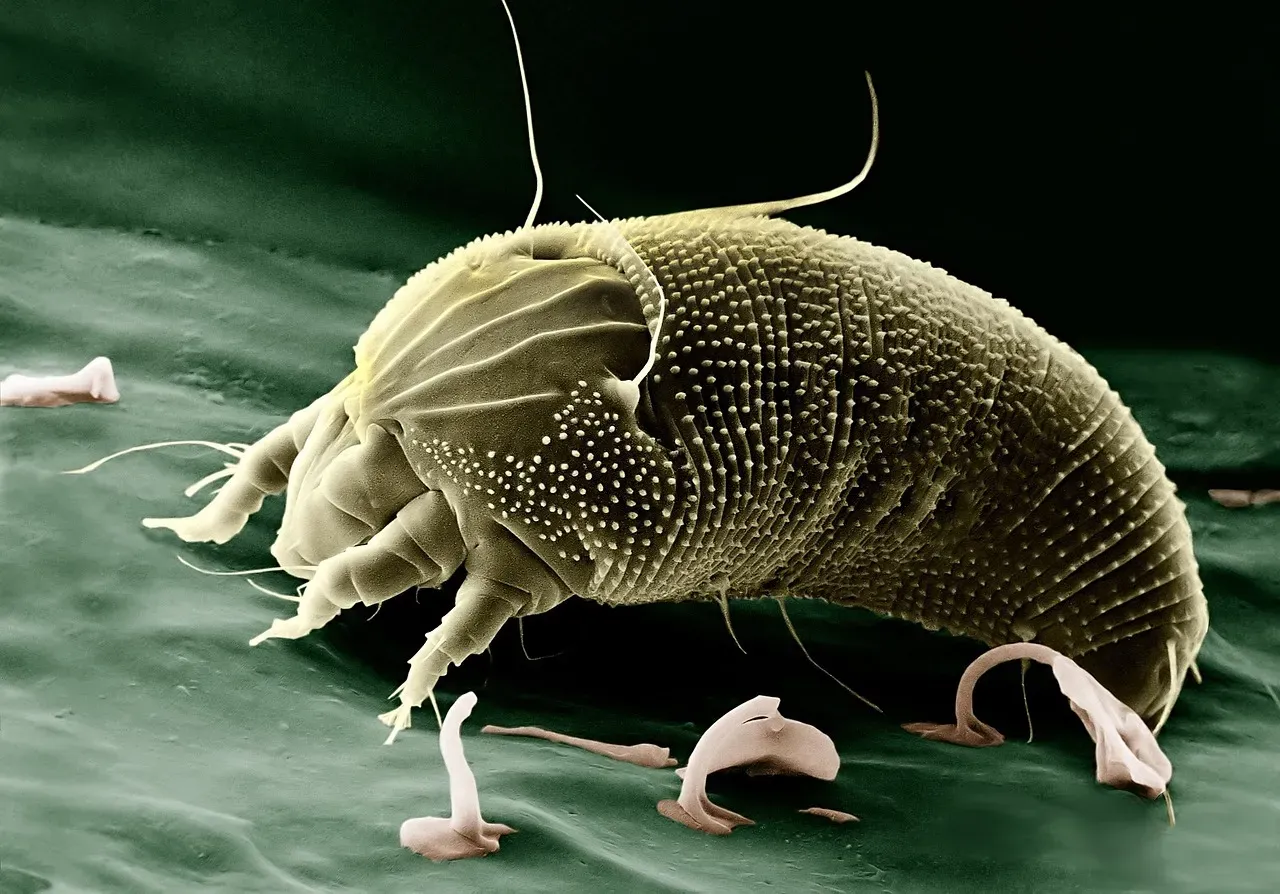
Tardigrades, also known as water bears or moss piglets, are microscopic eight-legged animals that are the most resilient creatures known to science. These extremophiles can survive in conditions that would be instantly fatal to almost any other organism, including extremes of heat, cold, pressure, and radiation. They can even survive in the usually uninhabitable vacuum of space.
Add to this the ability to go without food or water for 30 years, and you have one very tough little creature. Thirty years. Without food or water. That is not a typo. To put that in perspective, a tardigrade could have been completely dormant since the mid-1990s and just casually wake up today as if nothing happened.
Scientists believe that these seemingly indestructible creatures could offer valuable insights into the mechanisms of survival and adaptation in extreme environments. So the next great breakthrough in medicine might actually come from something smaller than a grain of sand. Wild.
3. The Mantis Shrimp Punches Harder Than You Can Imagine
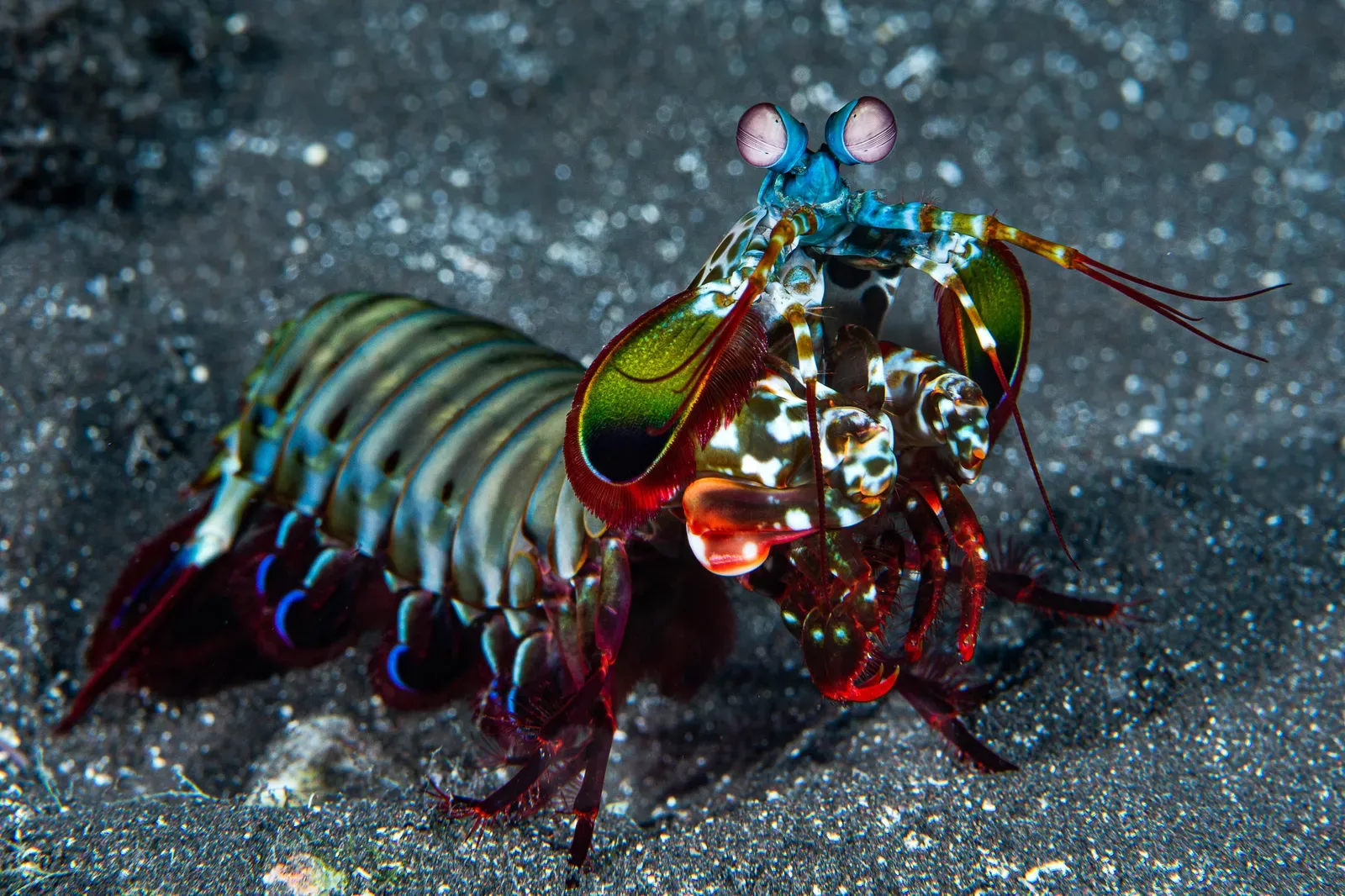
Imagine something the size of a hot dog being able to shatter glass. That is exactly what the peacock mantis shrimp is capable of. Mantis shrimp are capable of fully extending their limbs at speeds of up to 2 milliseconds, equivalent to the acceleration of a 0.22 caliber bullet. The limb hits the prey with so much speed and force that the water surrounding the strike is vaporized in what is known as a cavitation bubble, and when these bubbles pop, light, sound and heat is emitted.
It is considered to be one of, if not the most, powerful strikes in the animal kingdom, and when kept in aquariums, mantis shrimp have been observed shattering the glass. That last detail is my favourite. Aquariums literally have to use special reinforced tanks just to hold them. There is something almost comically intimidating about that.
The peacock mantis shrimp is also the only known animal that can see circularly polarized light, a special type of light that allows them to visualize a very wide array of colors that humans cannot see. So it is both the strongest puncher and has the most extraordinary vision in the animal kingdom. Overachiever doesn’t even begin to cover it.
4. Axolotls Can Regrow Their Own Brain
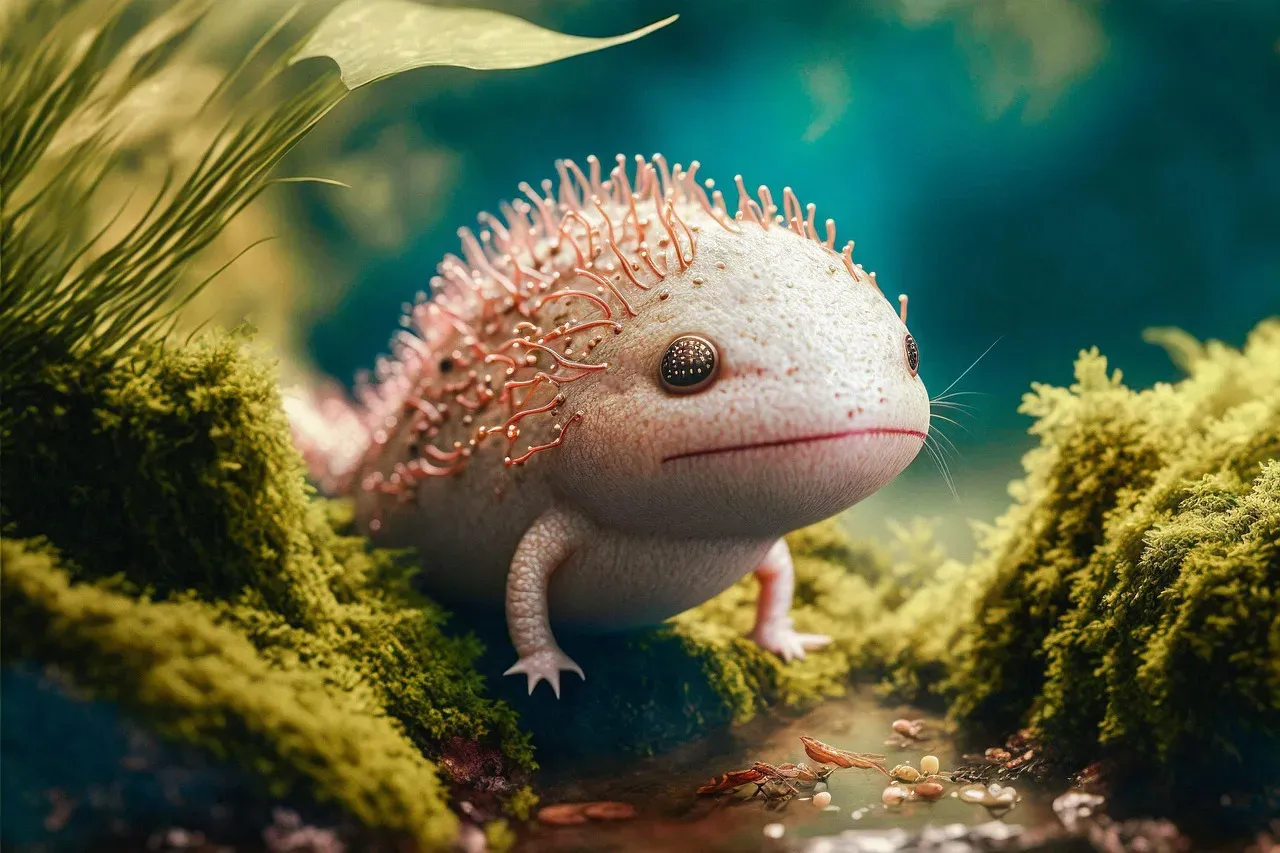
Here is something that sounds like it belongs in a superhero movie. The axolotl, a peculiar-looking salamander native to Mexico, does not just regenerate limbs. It goes much further than that. Axolotls have the remarkable ability to regenerate parts of their body including limbs, eyes, and sections of the brain. Sections of the brain. Let that sink in for a moment.
One possible trait that may allow for this regeneration is the fact that the axolotl stays in the tadpole stage and doesn’t metamorphosize into an adult form. Since it remains in a juvenile conformation throughout its life, certain genes that are usually only active during the juvenile stage can be activated in adulthood.
Studying the mechanisms of the axolotl limb regeneration is valuable because it can provide insights that can be applied to human medicine. Think about what it would mean if we could unlock that same ability for human tissue. Researchers are already trying, and the humble axolotl is at the center of it all.
5. Owls Can Rotate Their Heads 270 Degrees
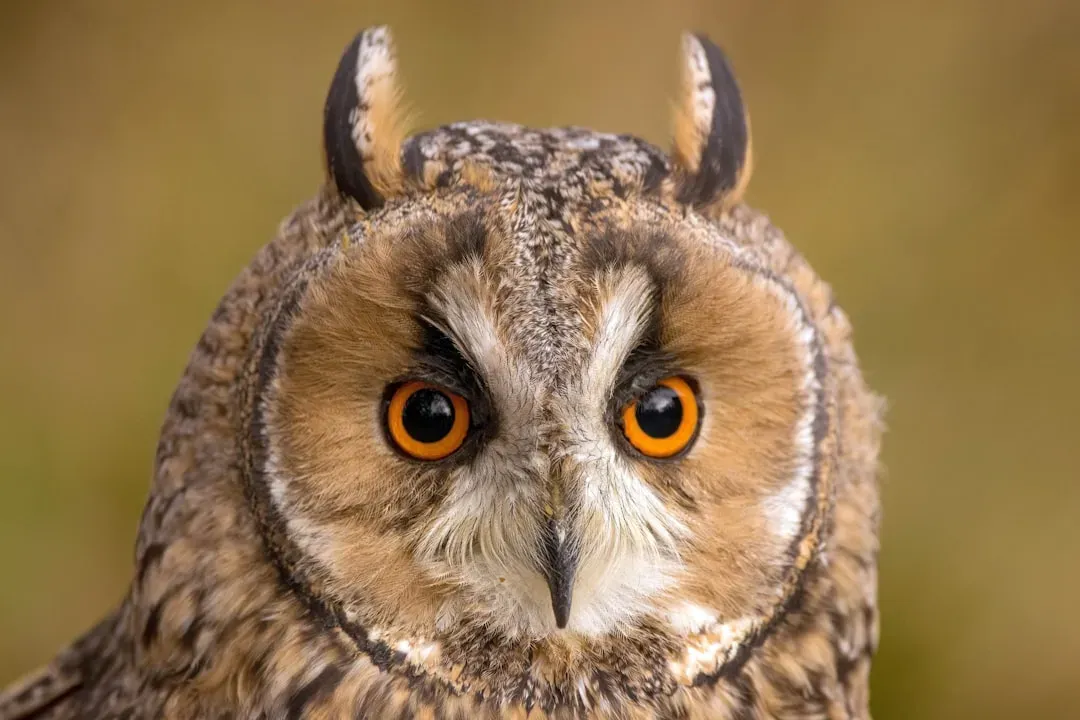
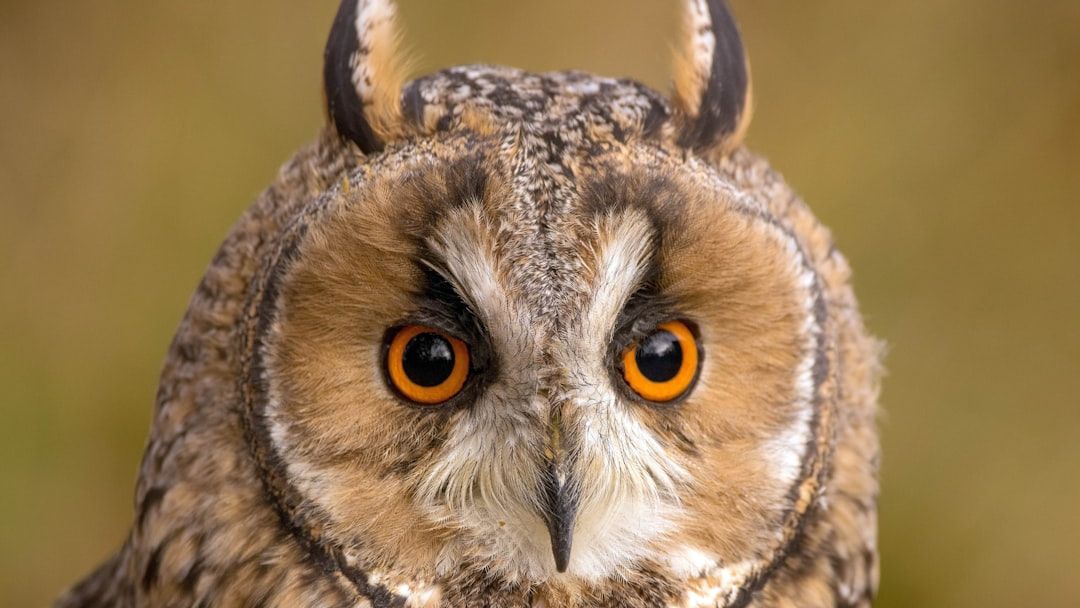
We all know owls can spin their heads in a way that looks almost supernatural, like something out of a horror film. It turns out the reality is even more impressive than the legend. Owls can rotate their heads 270 degrees, or three-quarters of a full circle, in either direction, as well as 90 degrees up and down. An owl’s vertebrae and vertebral arteries have become specially adapted to allow for such an extreme range of movement, which in other animal species, including humans, would cause all kinds of physical issues.
The reason they developed this at all is actually quite clever. Owls cannot move their eyes within their sockets, so instead of shifting their gaze, they just spin their entire head. Evolution found a workaround. It is the biological equivalent of not being able to scroll, so you just rotate the whole screen.
6. Mice Try to Revive Their Unconscious Friends
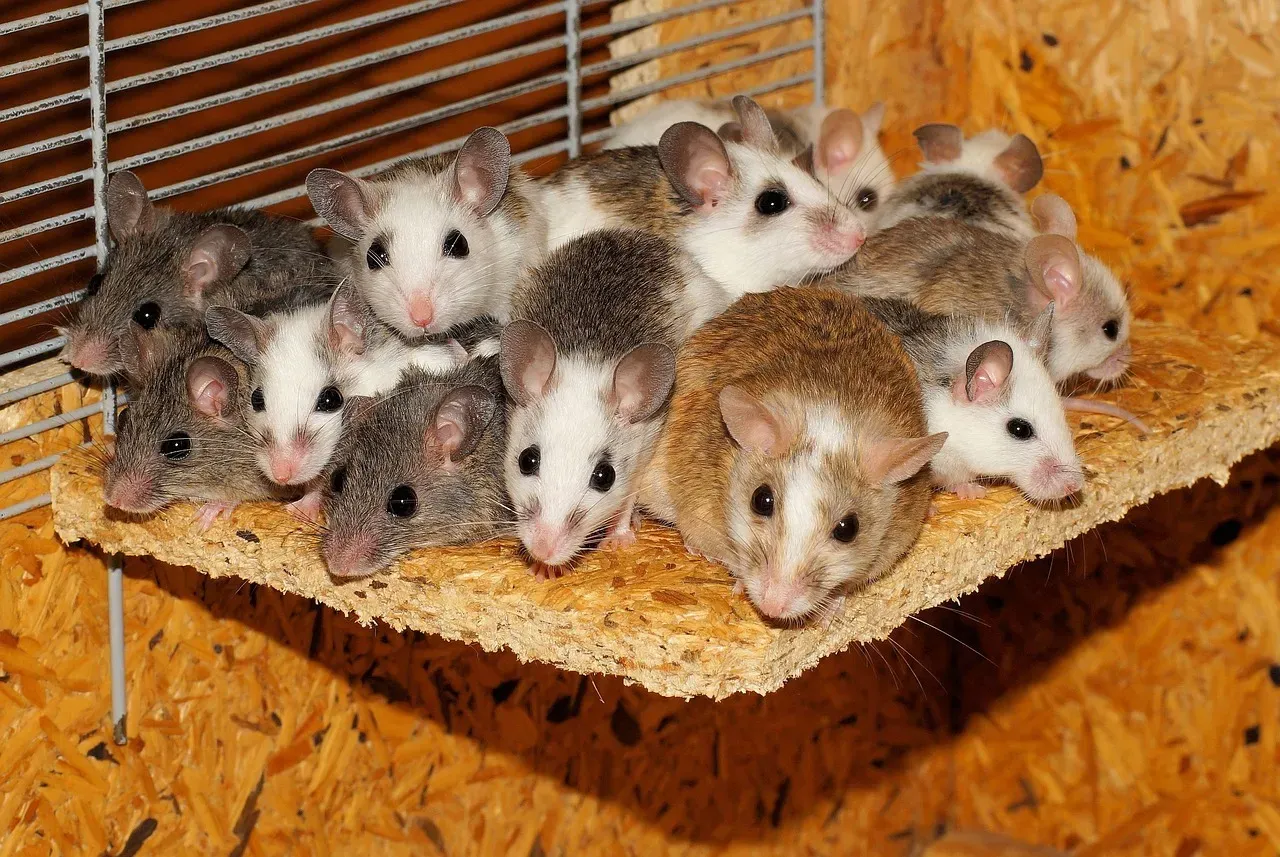
This one genuinely moved me. We tend to think of empathy as a uniquely human trait, or at least something limited to the larger, more intelligent animals. Mice are about to shatter that assumption. Humans aren’t the only animals with Good Samaritan tendencies: elephants, chimps and dolphins have all been known to come to the aid of ailing members of their own species. Now mice have been observed seemingly trying to revive their unconscious companions.
For a study published in the journal Science, lab mice were placed with another mouse that had just been anaesthetised. The healthy mice were seen to pay very close attention to the drugged mouse, sniffing at it and grooming it, and then, as it slipped further into unconsciousness, pawing at the creature and nipping it, as though trying to wake it up.
There is something deeply touching about that image. A tiny mouse, nudging and grooming its unconscious friend, hoping it will wake up. It challenges everything we assume about the emotional range of small animals. Maybe we have been underestimating them for a long time.
7. Polar Bear Fur Works Better Than High-Tech Ski Equipment
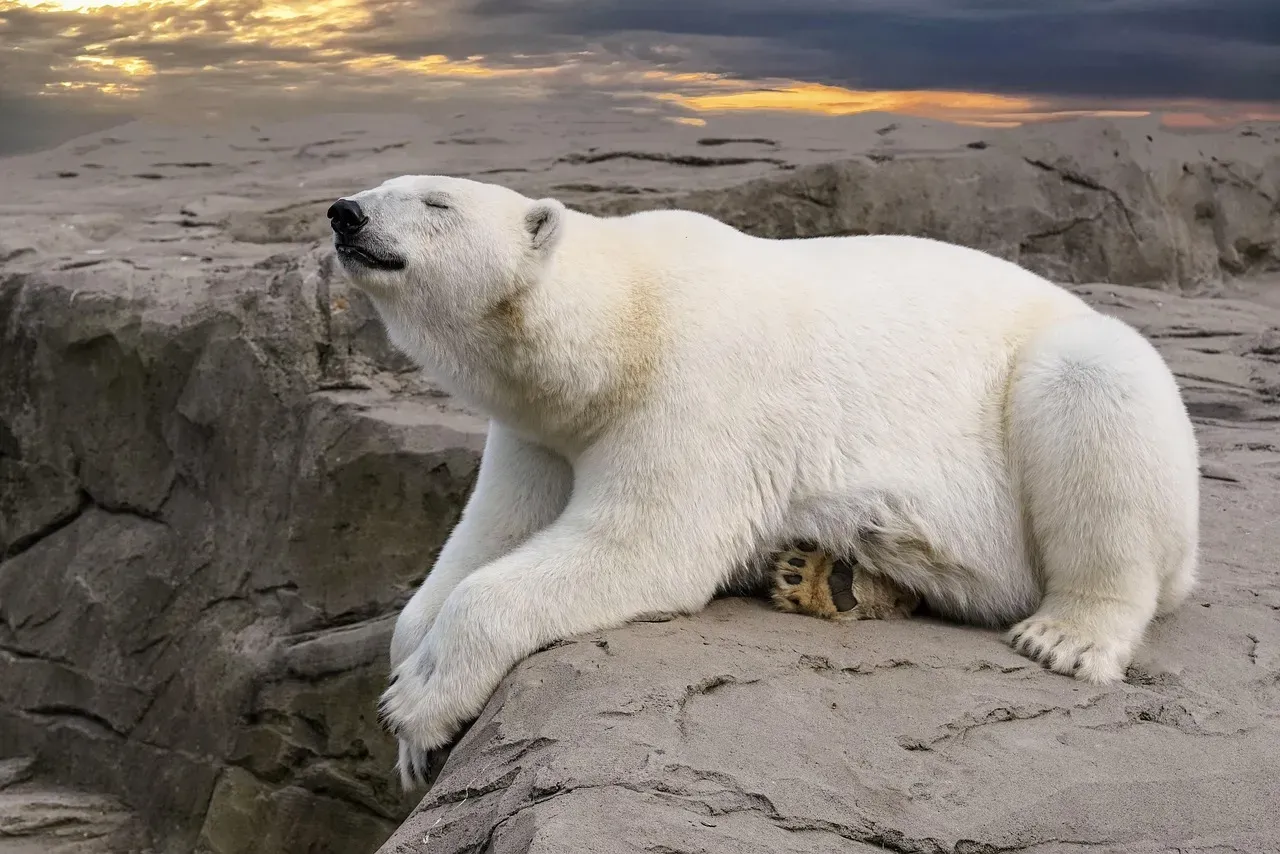
Here is an engineering marvel that nature designed long before humans thought to copy it. Even in near-freezing temperatures, polar bears plunge into cold Arctic waters, chasing down seals or moving between patches of sea ice. When they emerge into the frigid air, the mammals don’t get large clumps of ice clinging to their fur. In fact, when researchers have worked with sedated polar bears in the wild, they find the animals are almost inexplicably dry.
To measure the ice resistance of polar bear fur, a team of scientists tested how much force was required to move an ice block across four different surfaces, including washed and unwashed polar bear fur, human hair, and chemical-coated mohair ski skins. The findings suggest the unwashed, greasy polar bear fur was comparable to the best ski equipment, outperforming both the human hair and the washed fur.
Think about that the next time you see a polar bear lumbering out of freezing water, looking completely unfazed. Nature designed the world’s best anti-ice coating millions of years ago. Engineers are now trying to reverse-engineer it for human applications.
8. The Hairy Frog Breaks Its Own Bones as a Weapon
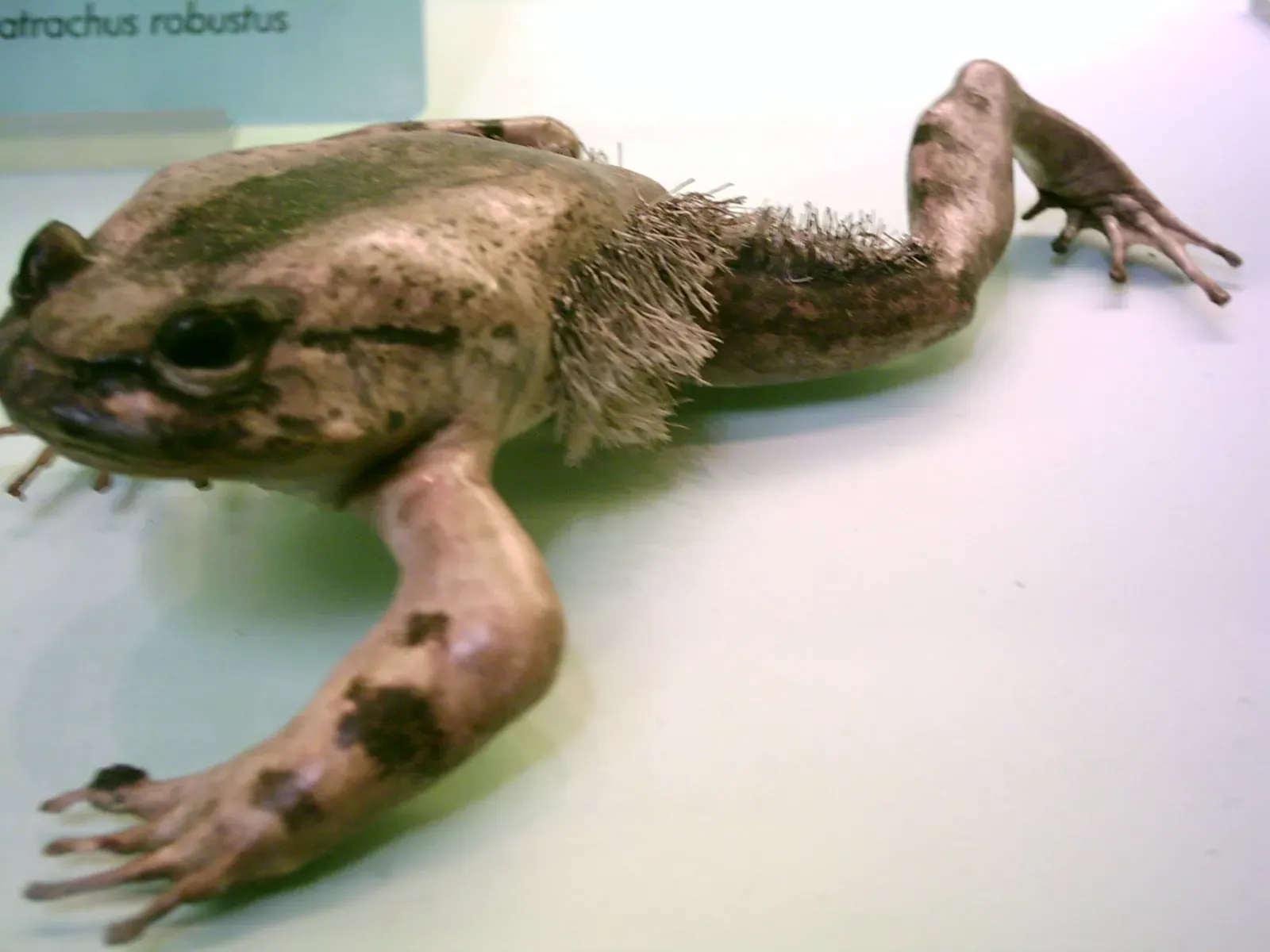
Sometimes nature takes a sharp left turn into pure nightmare territory, and the hairy frog is a perfect example. The hairy frog, native to Central Africa, has a bizarre and gruesome self-defense mechanism. When threatened, this frog can intentionally break the bones in its toes and force them through its skin, creating sharp, makeshift claws to fend off predators. This extreme adaptation demonstrates the lengths to which some animals will go to ensure their survival in the face of danger.
It is nicknamed the “Wolverine frog” for obvious reasons. This peculiar frog grows to about 4 to 5 inches long, and its flanks and thighs are covered in tiny, hair-like projections that are actually modified scales, likely to help with oxygen absorption. So it has hair that isn’t hair AND retractable bone claws. It is basically a tiny, amphibious action hero. Horrifying and kind of magnificent at the same time.
9. The Platypus Has Electric Superpowers and Venom
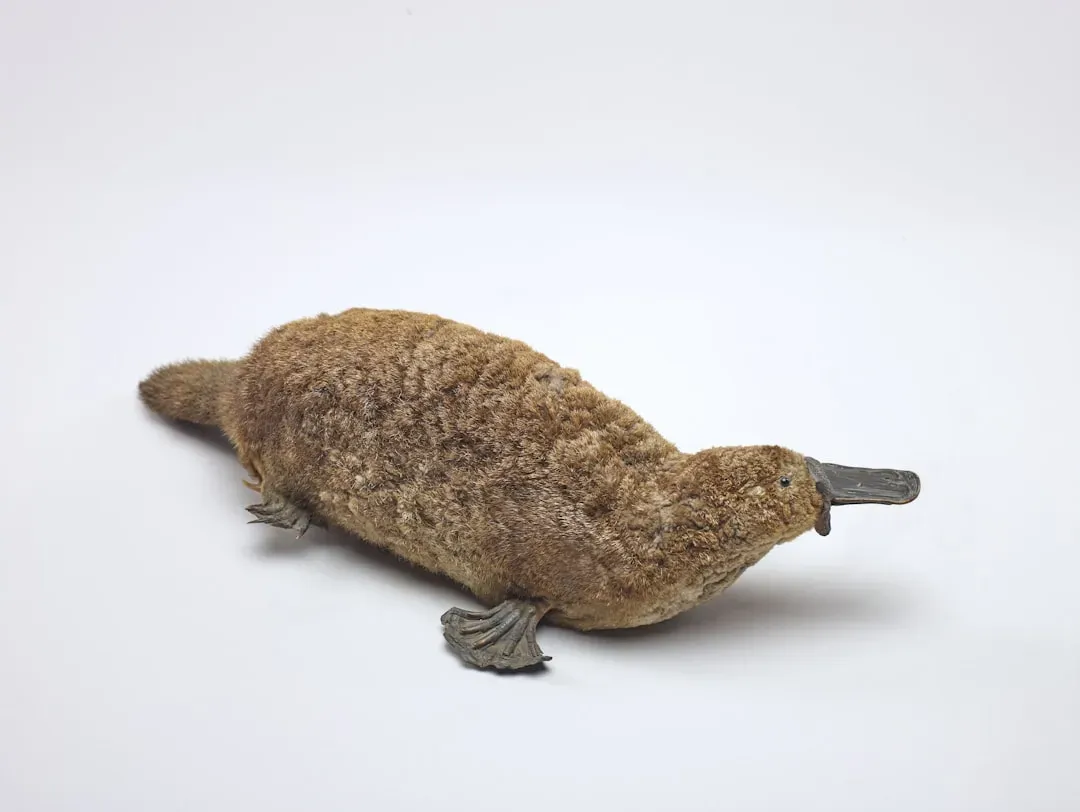
The platypus is nature’s most chaotic creation, and I mean that in the best possible way. It already looks like someone assembled it from spare parts. Then you find out what it can actually do. The platypus, one of the world’s most unusual mammals, boasts not one but two surprising superpowers. It possesses the ability to detect electric fields generated by the movements and heartbeats of its prey, using specialized electroreceptors in its bill. Secondly, male platypuses are equipped with venomous spurs on their hind legs, which they can use to deliver painful stings to potential predators or rivals.
Most mammals pick a lane. The platypus chose all of them. It lays eggs, produces venom, hunts using electricity detection, and feeds its young through milk that seeps through its skin rather than from a nipple. The milk emerges from pores in the skin of the abdomen which the platypus puggles then lap up.
It’s hard to say for sure, but the platypus sometimes feels like evolution’s way of reminding us not to think we understand the rules. Just when you think you’ve got biology figured out, here comes this egg-laying, venomous, electroreception-powered little weirdo to prove you wrong.
10. Dolphins Have a “Confusion Whistle” and May Be Asking Questions
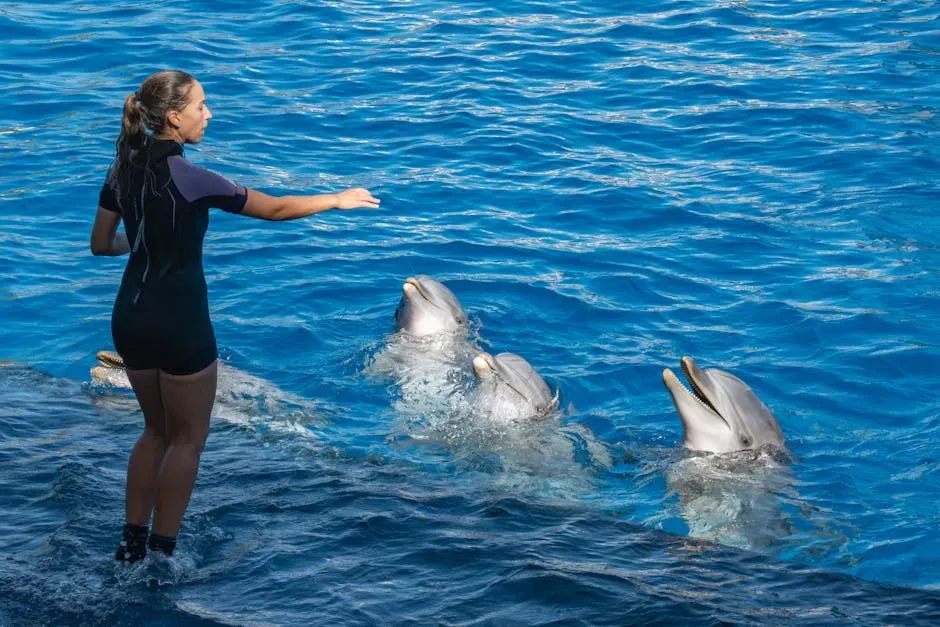
Dolphins have long been known to communicate in sophisticated ways, but recent research has taken things to a genuinely startling new level. Researchers in Florida who have been decoding non-signature whistles have identified a vocalisation that seems to indicate a query, or even incredulity. They came across it when they broadcast the signature whistles of two dolphins who were swimming right next to each other. As dolphins don’t waste energy by whistling for no reason, and the sound wasn’t coming from either of them, the dolphins were probably confused and each responded by emitting what has been officially termed “non-signature whistle B,” but which the researchers at Woods Hole Oceanographic Institute have informally dubbed “the WTF whistle.”
The idea that a dolphin might express confusion or disbelief through a specific vocalization is genuinely fascinating. Language researchers have been studying animal communication for decades, and this feels like a meaningful step. Their work has led to them being shortlisted for a new $100,000 prize for research into animal communication.
Dolphins already use individual names for each other in the form of signature whistles. They already show empathy, playfulness, and complex social bonds. The more we listen, the more we realize we may have been surrounded by sophisticated communicators all along, and we simply haven’t been paying close enough attention.
Conclusion: The World Is Far Stranger and More Wonderful Than We Thought

Every single one of these facts points to the same truth: the natural world is operating on a level that consistently defies our expectations. A jellyfish that resets its own life. A microscopic bear that laughs at space. A shrimp that punches so fast it boils water. These are not myths. They are Tuesday in the animal kingdom.
Honestly, the most humbling thing about all of this is how much we still don’t know. From a mega-nest of turtles and orcas using tools, to deep-sea sharks and discoveries from the frozen Arctic, recent years have delivered some of the most astonishing wildlife discoveries ever, adding to our ever-growing understanding of the natural world. We are still scratching the surface.
The next time you see an animal, any animal, take a breath before assuming you understand what it is and what it can do. Nature has been quietly engineering wonders for far longer than we have been around to observe them. Which of these ten facts shocked you the most? Drop your answer in the comments, because some of these are genuinely hard to pick a favourite from.
