


Climate change is not just an abstract concept or a future threat; it is a pressing reality that is dramatically altering our environmental landscapes. One of the most visible and devastating impacts of climate change is its effect on the rivers across the United States. These changes have significant implications for ecosystems, human populations, and the economy. Let’s explore how climate change is reshaping the map of U.S. rivers and what it means for our future.
Rivers: The Lifeline of Ecosystems and Economies
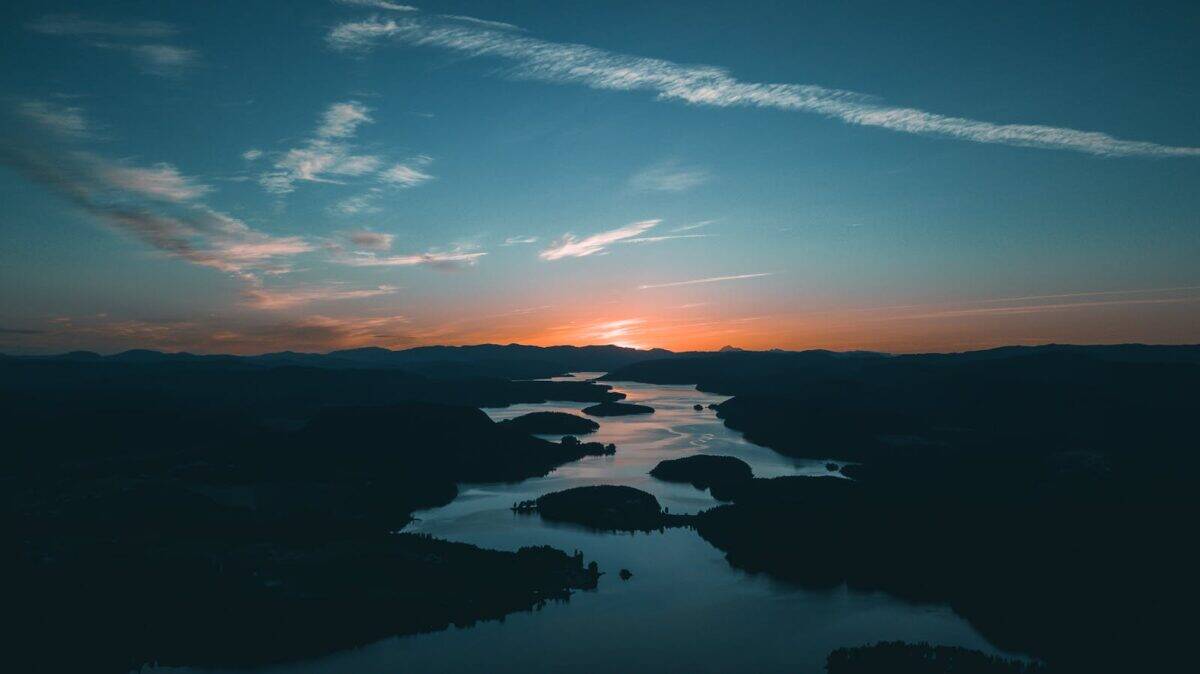
Rivers are not only natural wonders; they are also vital components of both local ecosystems and human economies. They provide water for drinking, irrigation, and power generation while also supporting diverse wildlife. These water bodies are integral to transportation, recreation, and industrial processes. However, climate change is impacting their flow, width, and health.
Increased Temperatures and Altered River Flows
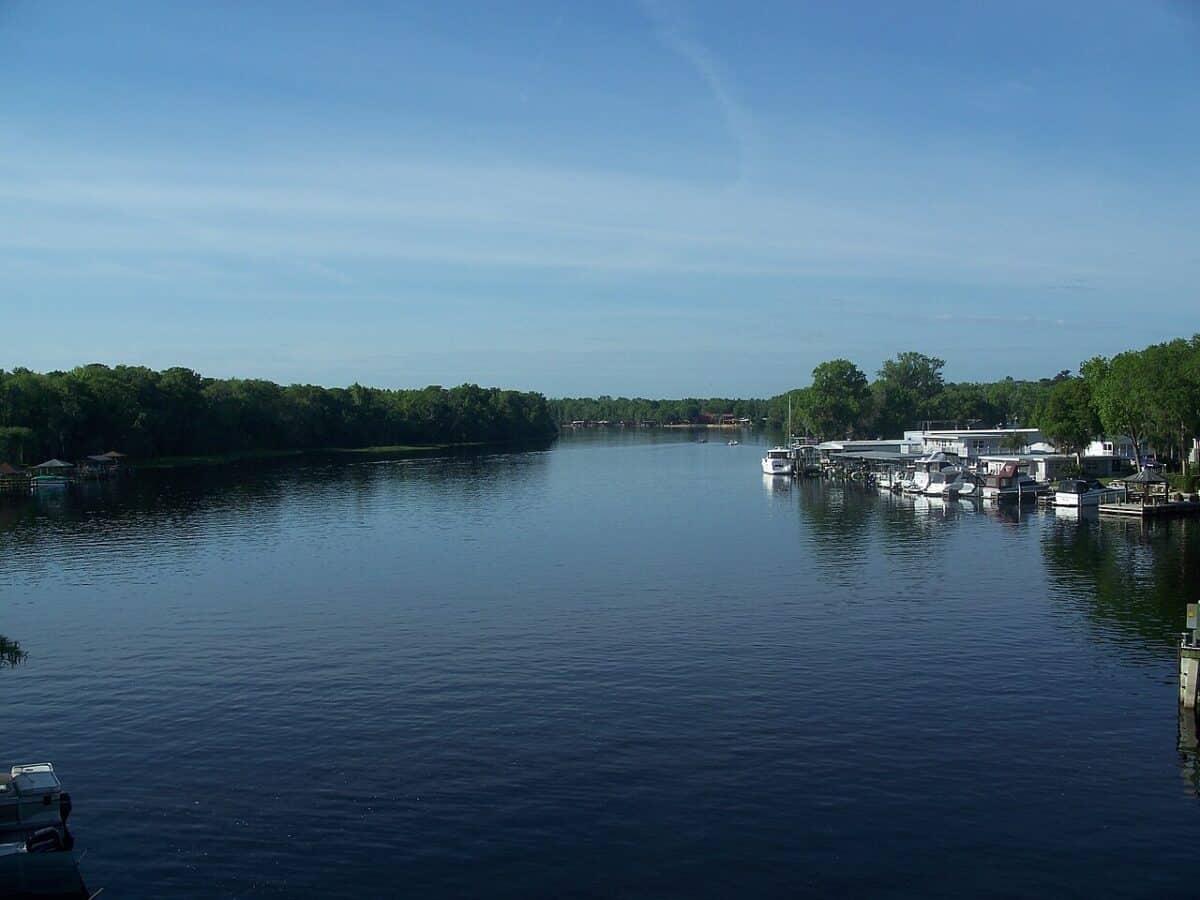
Rising global temperatures are melting glaciers and altering precipitation patterns, which in turn affects river flows. Winter snowpack is melting earlier in the year, leading to earlier spring runoffs and reduced summer flows. This impacts everything from water availability to ecosystem sustainability.
Droughts and River Levels

Prolonged droughts, fueled by climate change, have become more common, particularly in the western United States. These droughts lower river levels, concentrating pollutants and reducing the rivers’ abilities to support aquatic life. The Colorado River, a key water source for millions, is experiencing significant reductions in its flow, threatening water supplies.
Increased Flooding Risk

On the flip side, some regions are experiencing more frequent and severe flooding. Increased rainfall intensity due to climate change leads to higher occurrence of floods. These catastrophic events not only reshape riverbeds but also cause harm to communities and disrupt ecosystems.
Erosion and Sedimentation

With the increase in severe weather events, riverbanks are becoming more susceptible to erosion. This can lead to sedimentation in riverbeds, altering habitats for fish and other aquatic species while also impacting water quality. Changes in sediment deposition can alter the navigability and utility of rivers for human use.
Impact on Biodiversity

The changing conditions of rivers significantly impact the flora and fauna that depend on these ecosystems. Altered river flows affect the breeding and migration patterns of fish and other aquatic organisms, threatening biodiversity. The decline of certain species can disrupt entire food webs and lead to broader ecological consequences.
Challenges to Water Management

Traditional water management strategies are being challenged by the new realities climate change is creating. Managers must now consider the variability and unpredictability of river flows when planning for water allocation, conservation, and infrastructure development. Efficient water management is crucial to mitigate these challenges.
Infrastructure Vulnerabilities
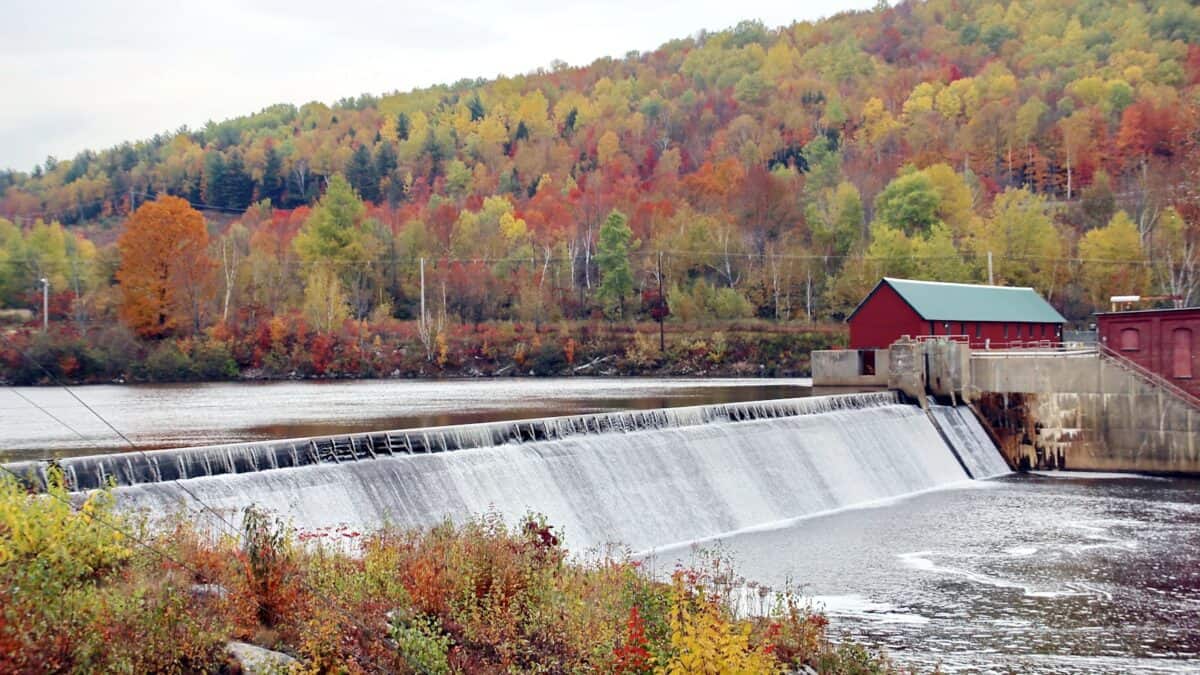
Rising waters and increased flooding present significant risks to infrastructure such as dams, bridges, and levees. These structures, often not designed with climate change in mind, are vulnerable to failure. Repair and adaptation will require significant investment and innovative solutions.
Economic Implications
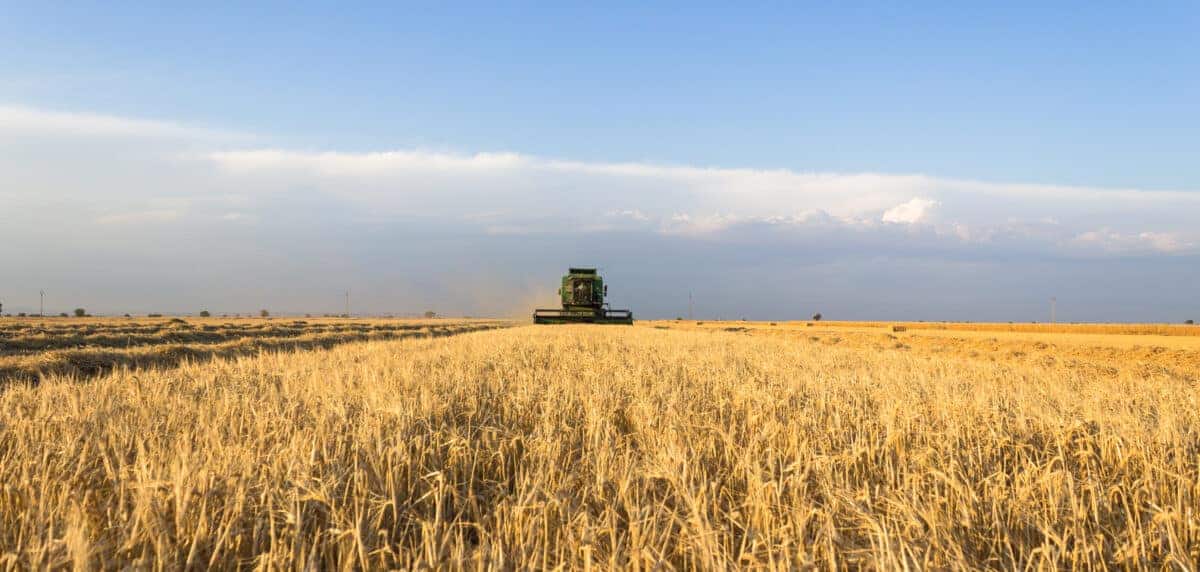
Rivers play a critical role in the U.S. economy, supporting industries such as agriculture, fishing, and tourism. Changes to rivers can have cascading effects on these sectors, leading to economic challenges for communities dependent on river resources. It’s crucial to identify adaptive strategies to sustain economic viability.
Legal and Policy Considerations
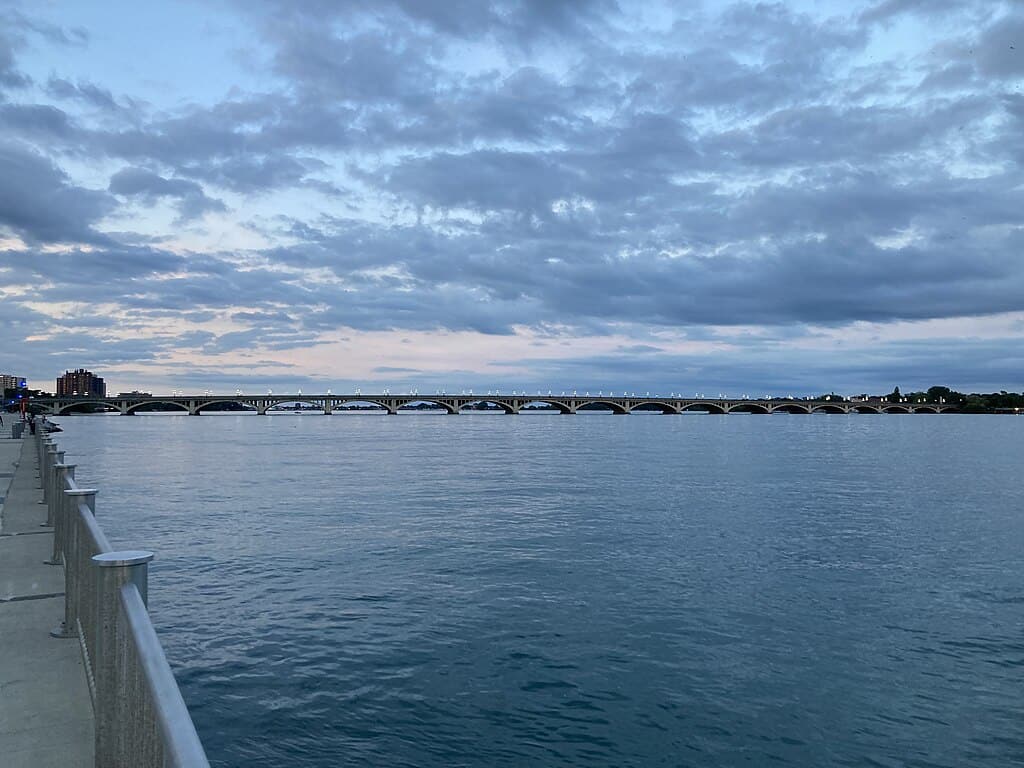
Adapting to climate-related changes in the nation’s rivers will necessitate revisions in water rights laws and policies. It’s crucial to address disputes that arise due to changing water availability and ensure equitable resource distribution. Policymakers must integrate scientific data into standards to keep regulations relevant and effective.
Community Engagement and Education
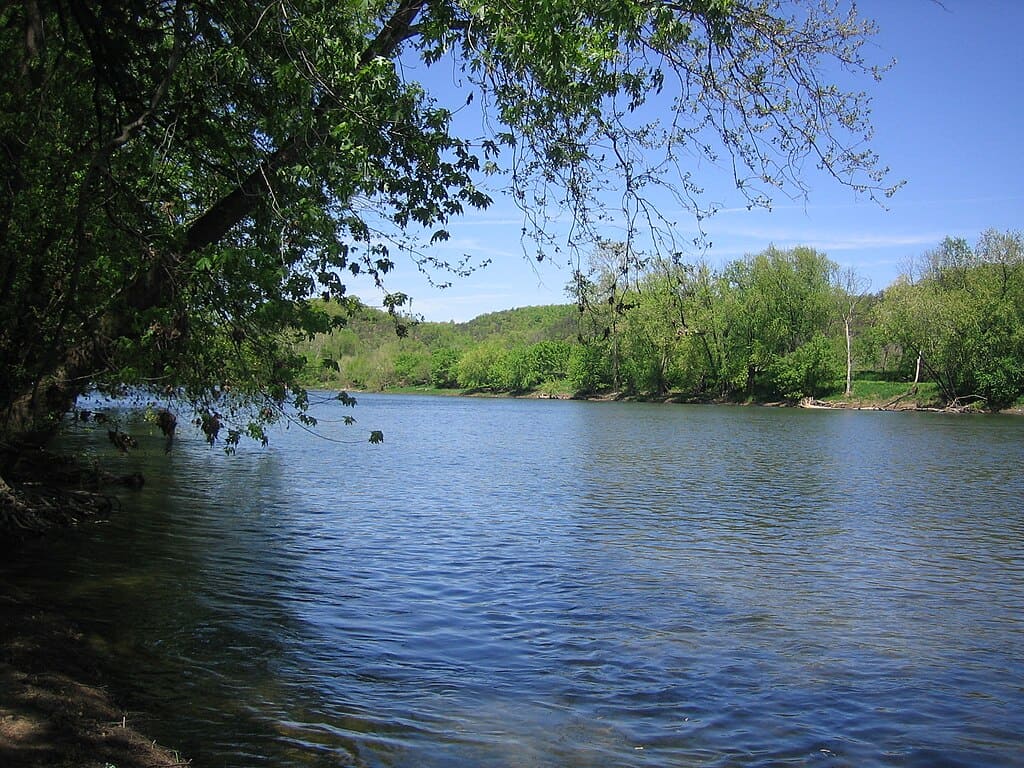
Community involvement is key to managing climate change impacts on rivers. Educating the public on sustainable water use, conservation practices, and the importance of healthy river ecosystems encourages communal responsibility and action. Community-led initiatives can significantly contribute to resilience against climate change effects.
Future Outlook
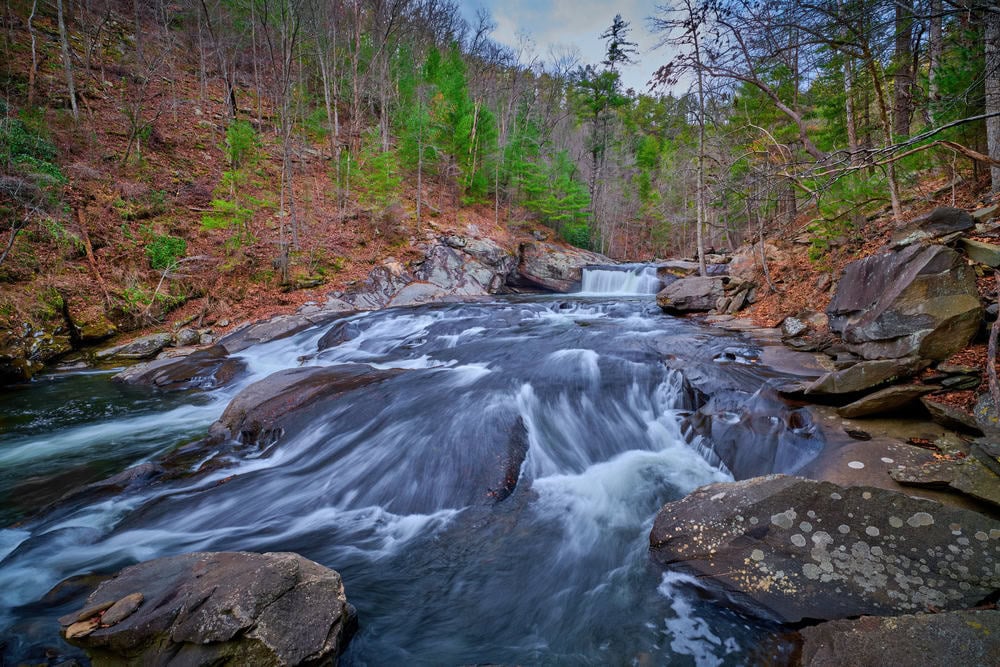
While the challenges are formidable, the future also holds opportunities for innovation and adaptation. Emphasizing sustainable practices, investing in resilient infrastructure, and fostering community cooperation can mitigate some of the adverse impacts on rivers. Acknowledging and addressing climate change’s effects is essential for safeguarding these vital resources for generations to come.
It’s clear that the impact of climate change on U.S. rivers cannot be overstated. These changes demand our attention and action now more than ever. By understanding and adapting to the challenges, we can work towards a future where both human and ecological communities continue to thrive alongside these critical water bodies.

From exploring the marine wonders in the Azores and witnessing the vast savannas of Kenya, to delving deep into the rich biodiversity of South Africa and traversing iconic landscapes in Australia and the US like Yellowstone, Chris's experiences are vast.
With a penchant for diving alongside sharks, the ocean holds a special place in his heart.
Through his academic insights, he champions wildlife conservation, striving with 'Animals Around The Globe' to cultivate a profound connection between humans and animals, enhancing our mutual appreciation.
Connect with him at Feedback@animalsaroundtheglobe.com.
- What the U.S. Endangered Species Act Has Achieved (So Far) - July 1, 2026
- This Owl Sounds Like a Screaming Human - July 1, 2026
- The Brightest Animal Lives in the Sea - June 30, 2026