
Worried about unexpected vet bills?
Pet insurance can cover thousands in unexpected vet costs. Get a free quote from Lemonade in under 2 minutes.
Get My Free Quote →Sponsored · Opens Lemonade.com
Most people picture the desert as a wasteland, a vast and punishing expanse where life simply gives up. Blistering days, freezing nights, months without a drop of rain. When you think of the desert, images of endless sands, extreme temperatures, and a seeming absence of life immediately come to mind. However, these environments seem inhospitable only at first glance. They have actually given rise to a surprisingly spectacular and specifically adapted fauna.
Far from being empty ecosystems, deserts are full of animal species that have developed admirable survival strategies to thrive where water and vegetation are scarce. Some of these creatures are famous. Others will genuinely surprise you. Here are ten animals that have made the desert not just bearable, but home.
1. The Fennec Fox: The Desert’s Tiniest Architect
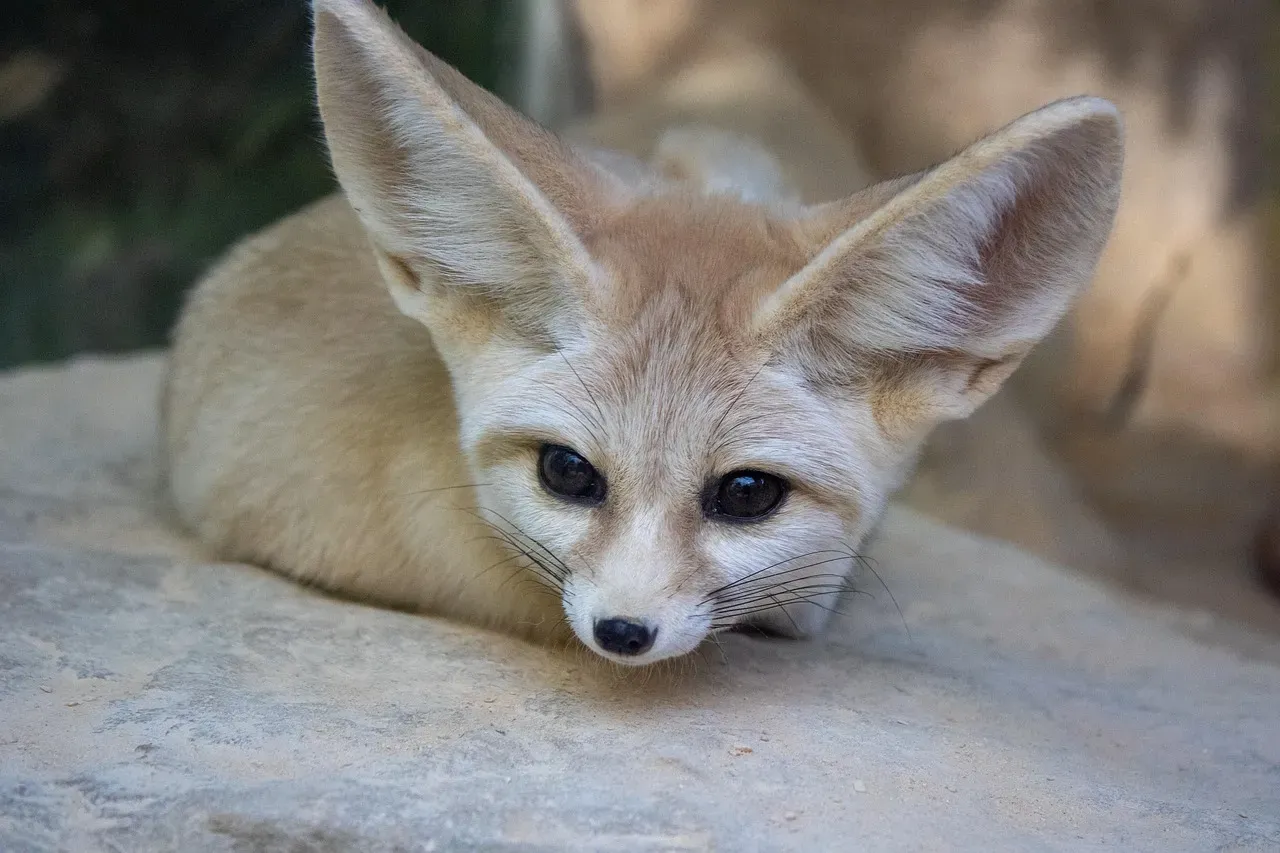
Desert animals don’t get much cuter than fennec foxes. These small canids are smaller than domestic cats, measuring 14 to 16 inches long, not including their tails, but they sport enormous ears that can grow to be 4 to 6 inches long.
The fennec fox of North Africa has large ears that serve a dual purpose: they are great for listening for bugs moving around underground, and they are loaded with blood vessels, allowing the animals to dissipate excess body heat. The fox’s thick fur coat also acts as insulation during cold desert nights.
Their pale fur camouflages them against the sand and grows on the bottoms of their feet to give them traction while running on hot desert surfaces. When air temperatures rise, the foxes can pant up to 690 times per minute to cool down. They also dig elaborate burrows to escape the sun in the hottest part of the day.
2. The Kangaroo Rat: A Life Without Water
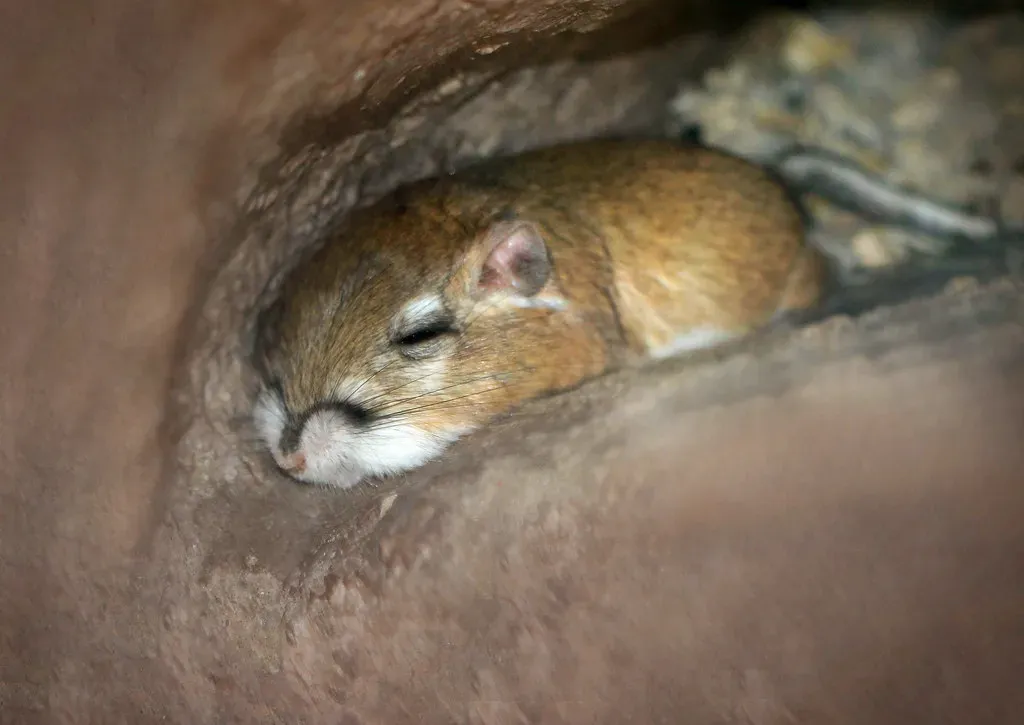
Kangaroo rats are skillful desert dwellers, able to live in some of the most punishing conditions. They have evolved large hind feet which enable them to leap far distances in search of food, and long tails which act as a counterbalance when jumping.
Most uniquely, kangaroo rats can go without water for their entire lives, instead obtaining moisture from their food. They have fur-lined external cheek pouches that allow them to store food and carry it back to their burrows.
The kangaroo rat has perhaps the most amazing combination of adaptations for desert survival. Not only does it live in a burrow and is nocturnal, but it recaptures its own body moisture by storing food within its burrow. Dry seeds absorb moisture from the kangaroo rat’s breath, which condenses more readily in the cooler underground temperatures.
3. The Thorny Devil: Australia’s Living Water Collector
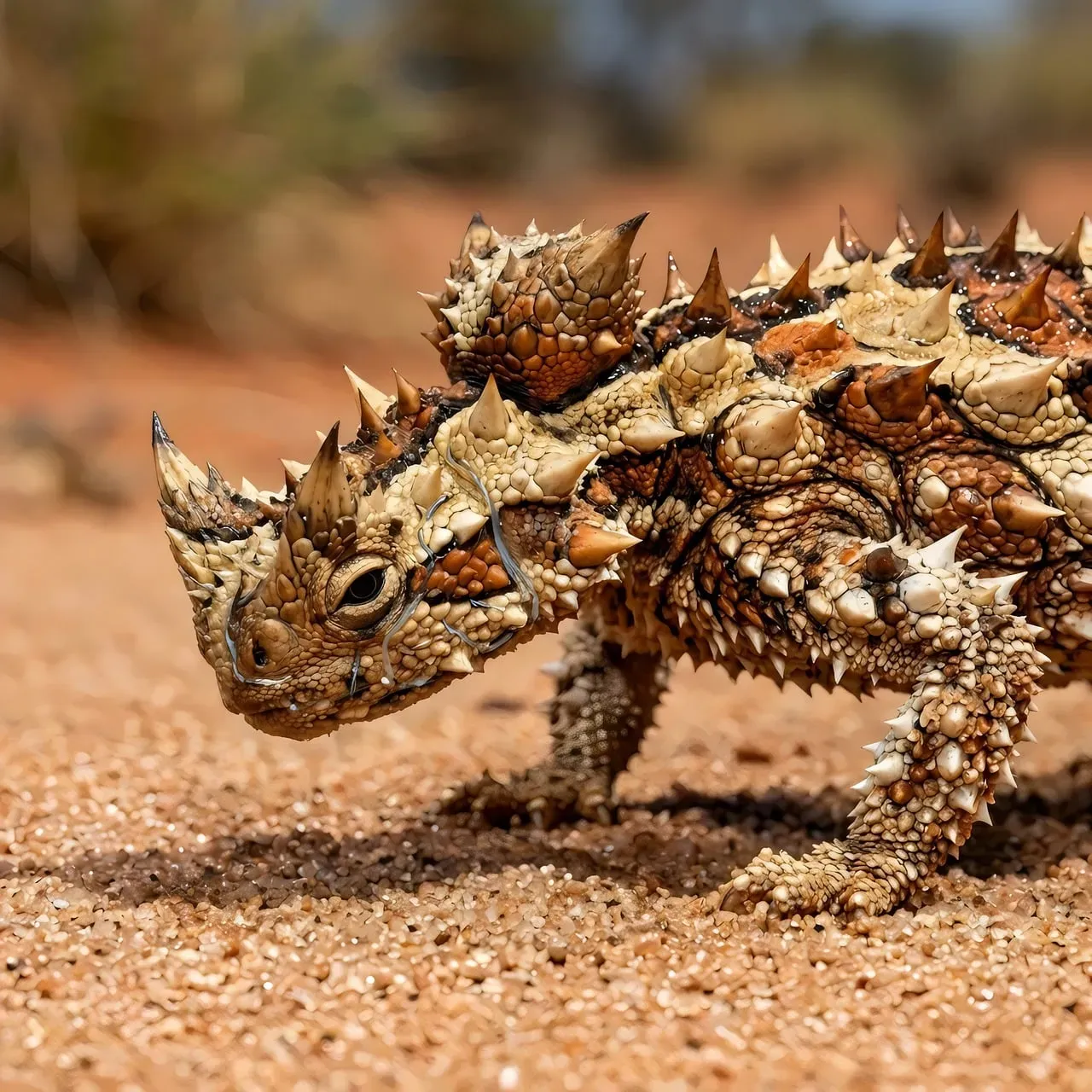
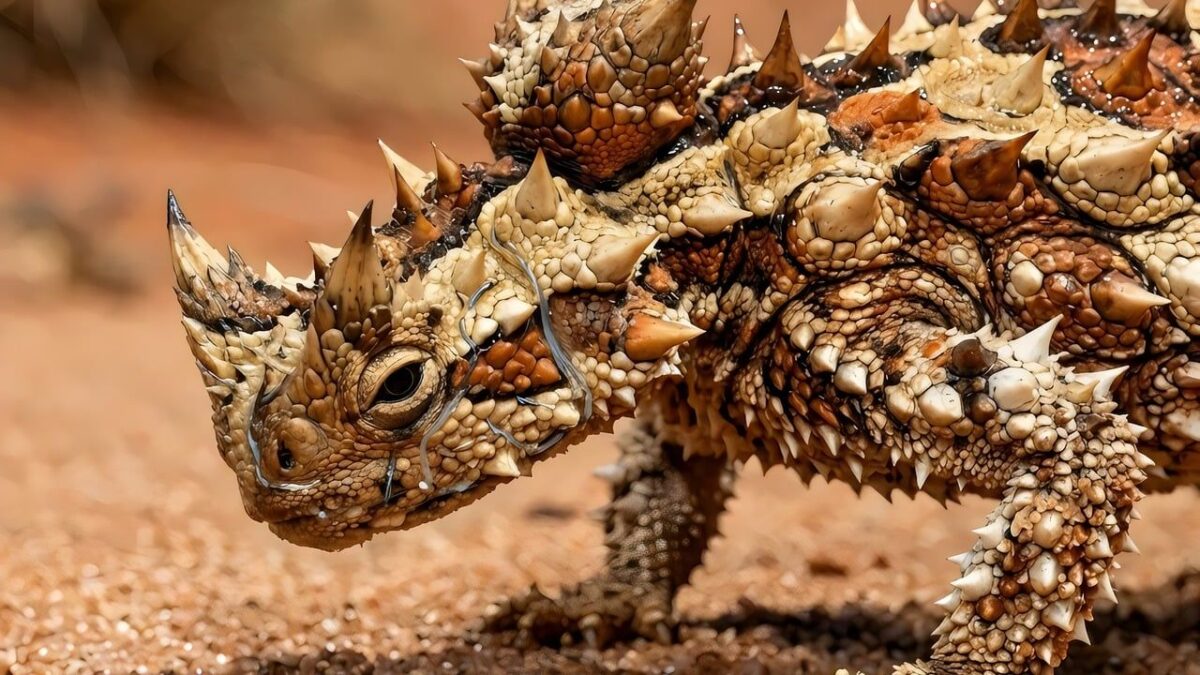
In the Australian Outback, pooled water can be extremely hard to come by. To deal with this issue, the thorny devil has developed skin that can absorb water like blotter paper through capillary action. The way the scales on the body are structured, it collects dew and channels it down to the corners of the mouth, where the lizard drinks it.
The thorny devil of Australia can drink water by simply touching it with its skin. It’s a deceptively simple description for what is actually one of the most sophisticated moisture-harvesting systems found anywhere in the animal kingdom.
The thorny devil’s spiky exterior does double duty, offering protection from predators while its scale geometry does the slow, steady work of keeping it alive in one of the driest landscapes on Earth.
4. The Desert Tortoise: Master of Going Without
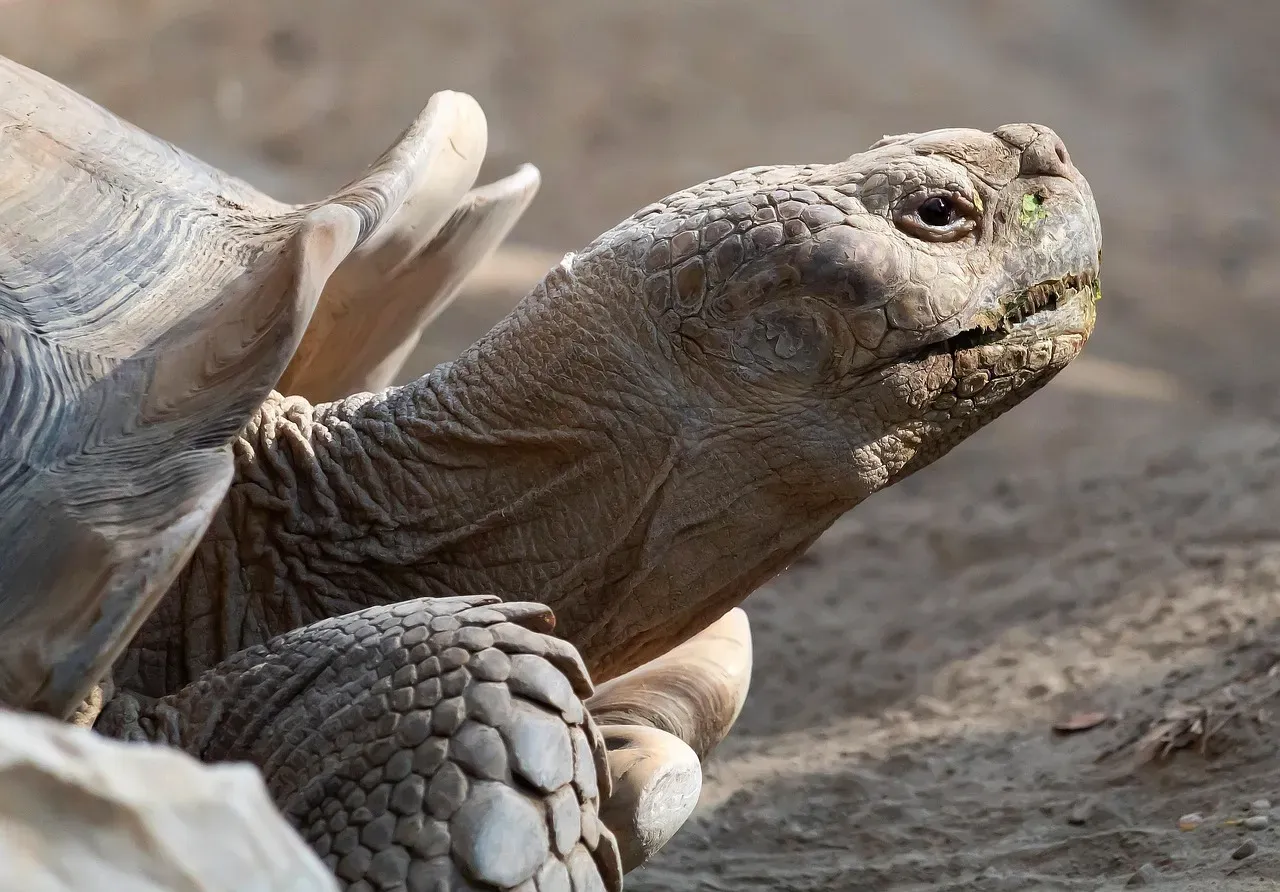
Desert tortoises show incredible adaptation to desert life, spending roughly 95 percent of their time underground to escape the scorching sun. These reptiles can survive up to a year without water.
These tortoises mainly eat grasses and cactus pads, which provide them with the water they need to survive in arid environments. One key adaptation is their ability to store water in their bladders, allowing them to go for long periods without drinking.
They survive extreme temperatures by using their front legs to dig multiple burrows for hibernation during the cooler months. Their bladders can store water equivalent to roughly 40 percent of their body weight to ration through dry spells. It’s a level of physiological patience that’s genuinely hard to imagine.
5. The Sidewinder Rattlesnake: Sand Was Made for This Snake
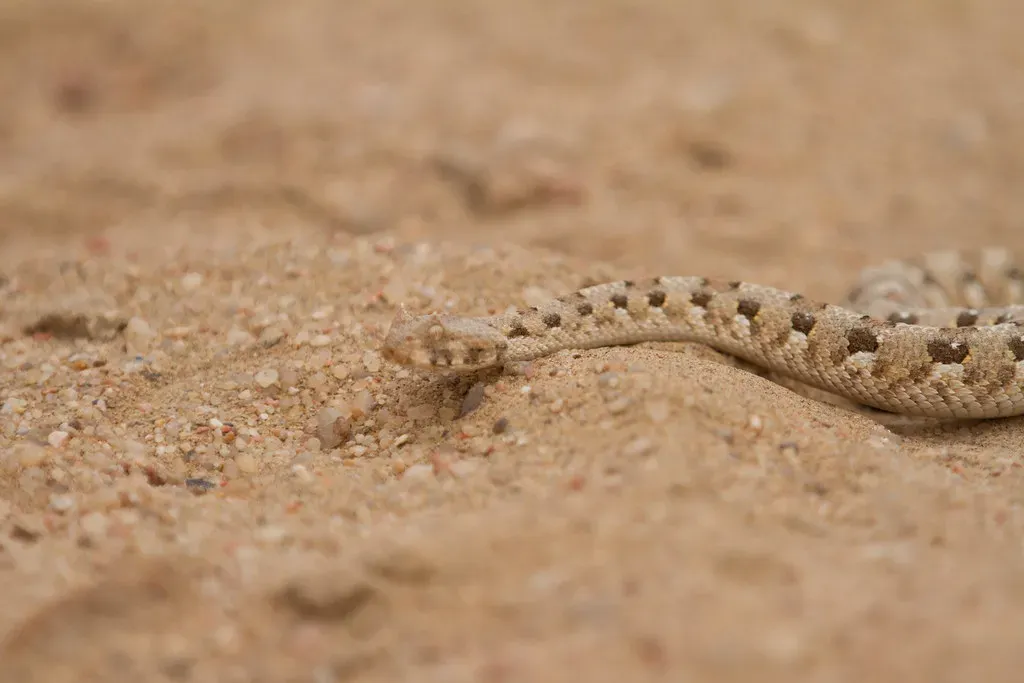
Sidewinder rattlesnakes are desert snakes known for their sideways movement across sandy terrain, which helps them travel efficiently and avoid sinking into loose sand. They are venomous and hunt small animals like rodents and lizards. These snakes use heat-sensitive pits on their faces to detect prey in the dark desert nights.
This unusual method of locomotion is used by two species of venomous snake, including the Mojave Desert sidewinder in the southwestern United States. Not only does it help the serpents keep traction on shifting sands, but it ensures that only two points of the animals’ bodies are touching the hot ground at any given time.
The distinctive J-shaped tracks they leave behind in the sand are one of the most recognizable signatures of the desert floor. Elegant and functional at once.
6. The Gila Monster: Slow, Venomous, and Perfectly Suited
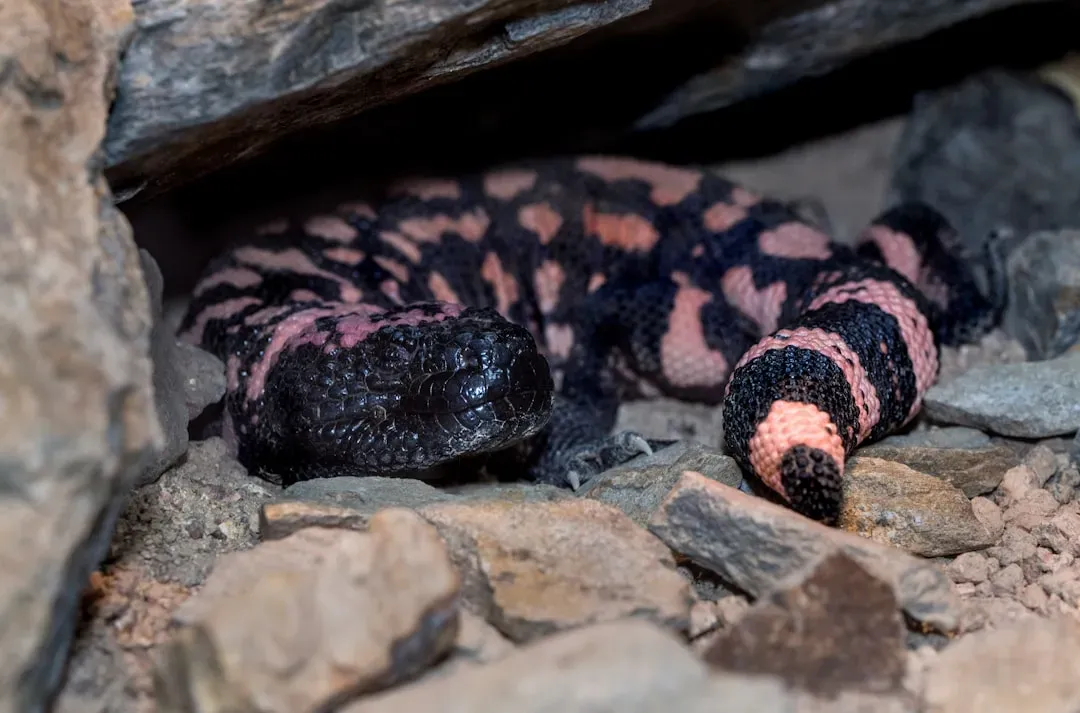
The Gila Monster, one of only two venomous lizards in the world, spends most of its life underground and can go months between meals by living off fat stored in its tail. This is a handy survival trick during the dry season in their Sonoran Desert habitat.
Gila monsters are slow-moving lizards known for their venomous bite. They store fat in their tails, which helps them survive when food is scarce. They are one of only a handful of venomous lizards in the world, delivering venom through grooves in their teeth when they bite. Despite their venomous nature, they are generally shy and prefer to avoid humans.
The Gila monster is an iconic desert dweller, adapted to life even in some of the driest climates. It has specialized scales that allow it to hold onto and blend into its rocky desert environment.
7. The Saharan Silver Ant: Ten Minutes to Survive
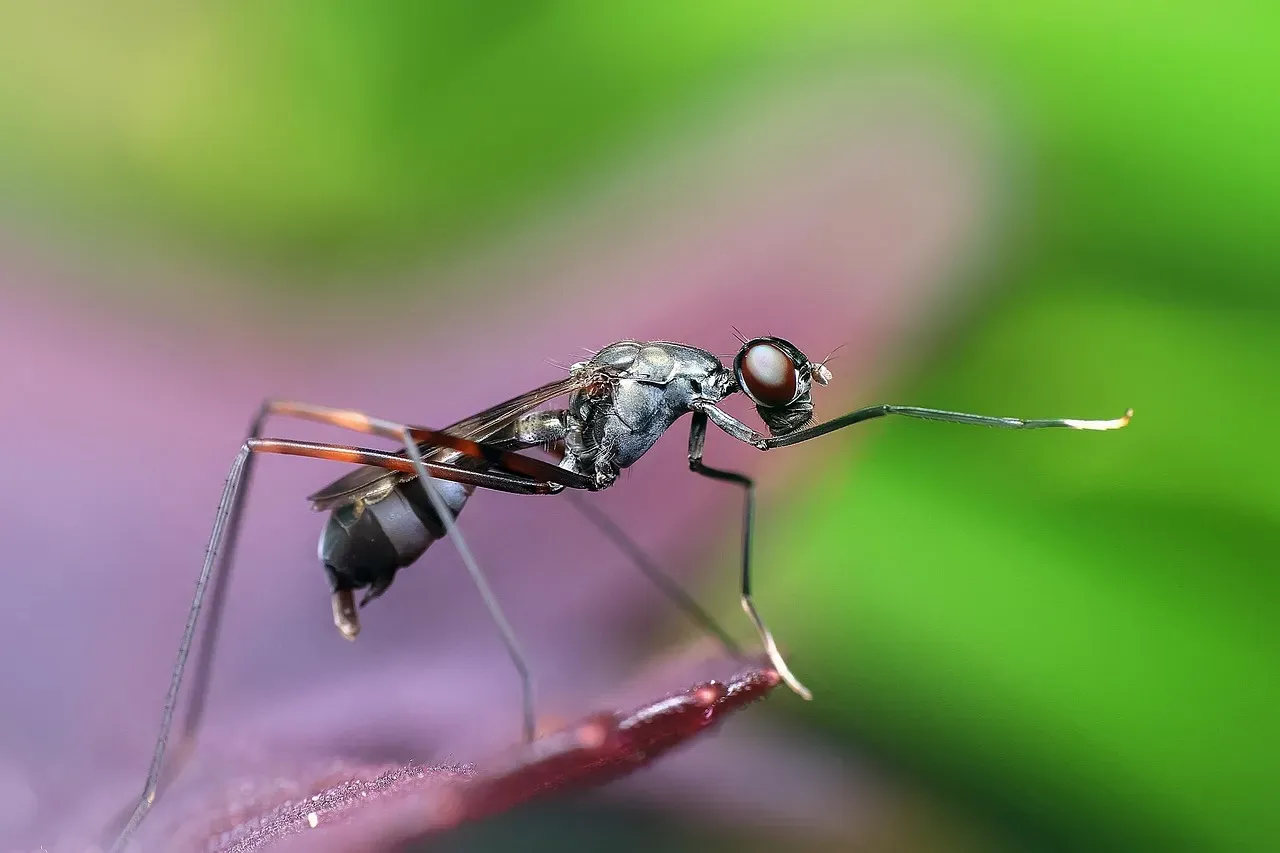
The Saharan silver ant is the fastest ant on Earth and can run up to one meter per second. This speed has helped them survive predators and the harsh desert climate. Their sleek silver bodies are adapted to reflect about 70 percent of the sunlight, allowing them not to overheat.
Due to the extreme heat of the Sahara desert, they only venture out for approximately ten minutes a day, strategically working together to forage for prey. Ten minutes. That’s their entire daily window of activity.
They are opportunistic scavengers feeding on already dead insects, scorpions, and small rodents. The narrow window forces them to return to their nest within ten minutes or risk being cooked by Saharan temperatures that can reach 70 degrees Celsius.
8. The Spadefoot Toad: The Desert’s Most Patient Sleeper
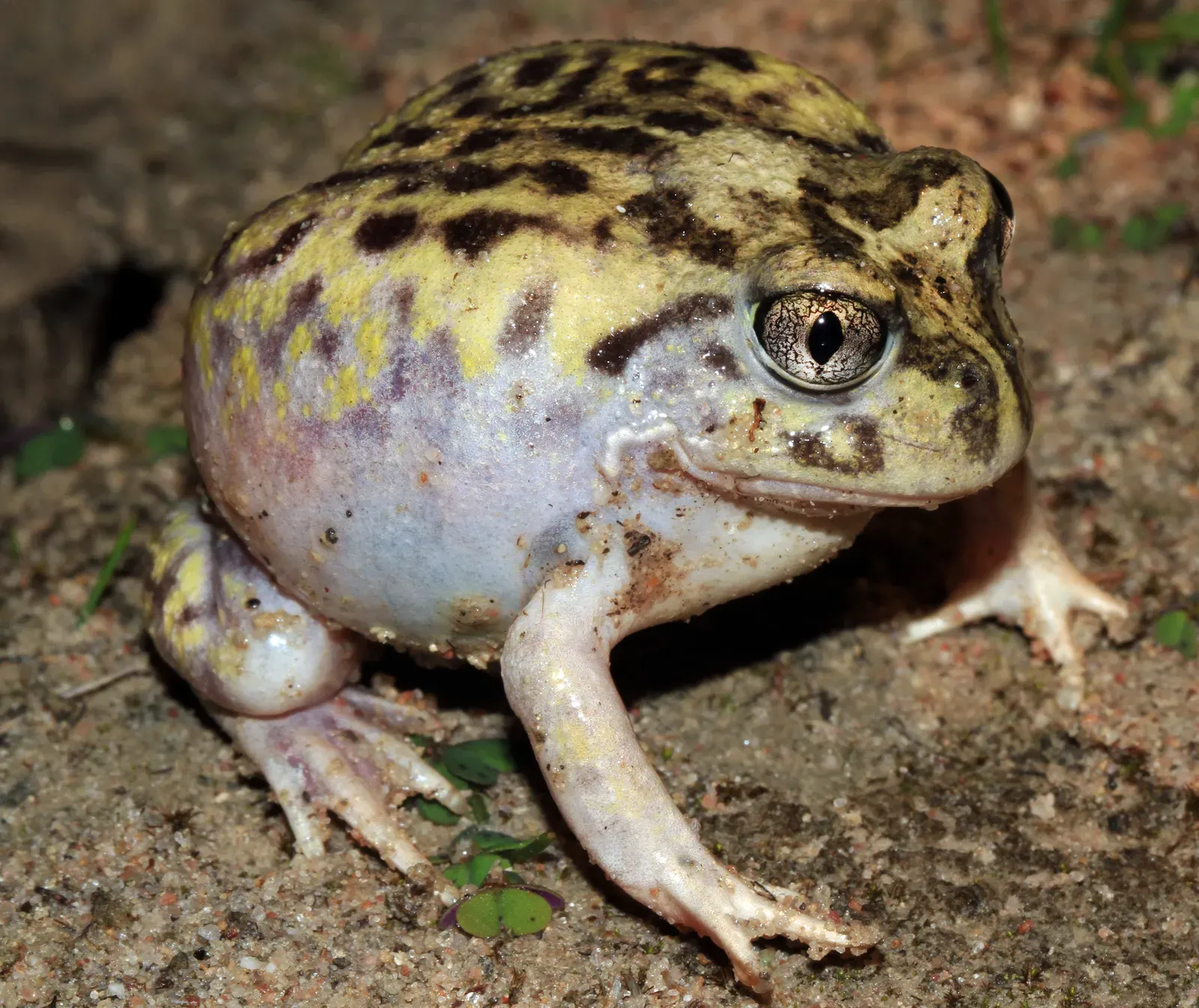
If the desert gets too hot, many animals will aestivate, which is similar to hibernating but is usually in response to a lack of water rather than food. The spadefoot toad spends ten to eleven months of the year buried in the soil, only to emerge to breed and feed during summer rainstorms.
A toad that spends nearly the entire year underground is, by most definitions, a surprising desert resident. Yet this strategy works remarkably well. The toad conserves moisture, avoids the heat, and waits with extraordinary patience for the right moment.
Animals that live in high-altitude or polar regions are well suited to hibernate through long winter months. Desert animals, on the other hand, may prefer estivation so that they can remain in their burrows during the day, avoiding direct sunlight and conserving energy. The spadefoot toad takes this to a logical extreme.
9. The Sandgrouse: Flying Water Delivery
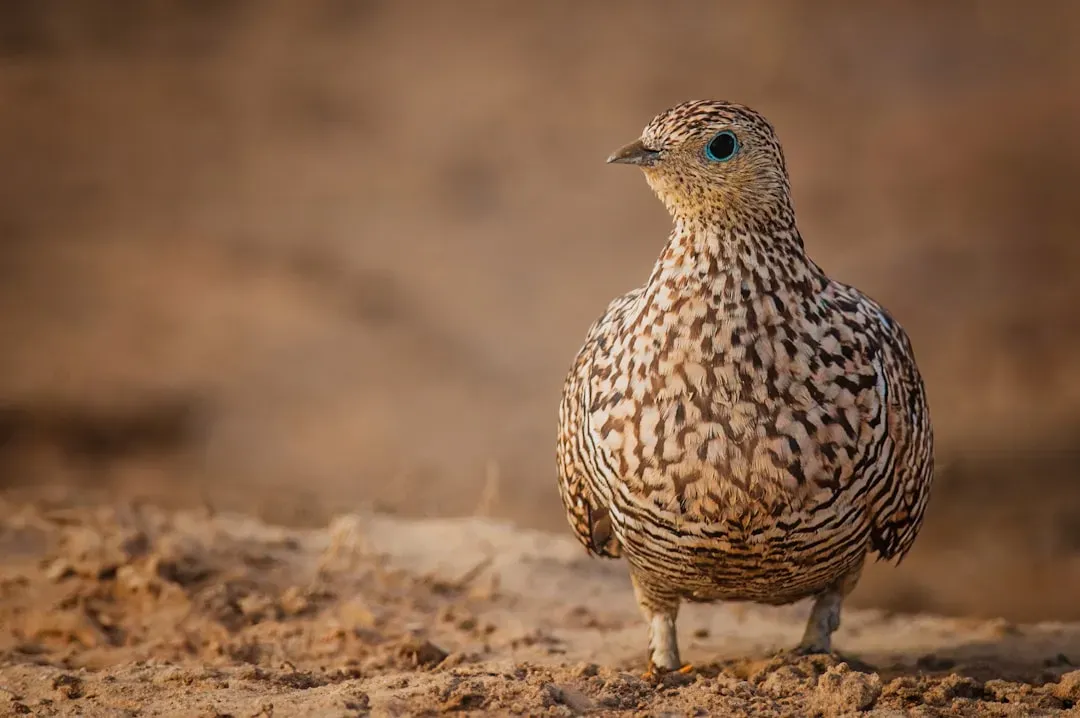
Sandgrouse are desert birds with thick feathers that help them survive in hot, dry climates. They primarily eat seeds found in the desert. One of their unique adaptations is their ability to carry water in their belly feathers. They soak their belly feathers in water at watering holes and then fly back to their chicks, delivering the water to them to drink.
This behavior helps them care for their young in arid environments where water sources are scarce. Sandgrouse are also known for their swift flight and ability to travel long distances in search of food and water.
There’s something quietly remarkable about a bird that has essentially turned its own feathers into a canteen. It’s not a trick you’d expect, and it’s a reminder that desert survival strategies rarely look like what you imagine.
10. The Scorpion: Ancient, Armored, and Unstoppable
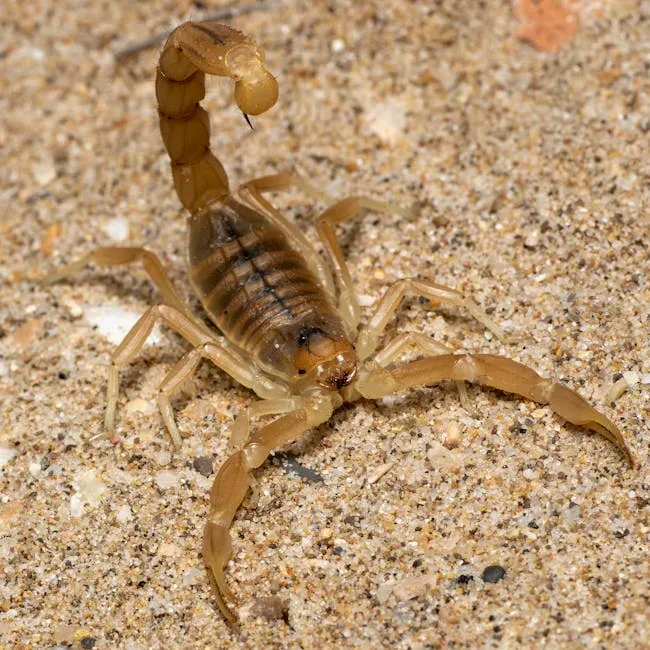
Scorpions demonstrate excellent desert survival skills by slowing down their metabolism. These desert arachnids are so efficient that they can survive on just one insect per year when food is scarce.
Scorpions have a fascinating trick: they glow under ultraviolet light. This glow allows scientists to find them in the dark. They also have a thick outer layer that reduces water loss and allows them to survive in the hot, dry desert environment.
Consider the Arizona bark scorpion, native to the southwestern United States. This small but potent arachnid has venom strong enough to immobilize its prey, so it can conserve energy after delivering that initial sting instead of tiring itself with a long battle. Scorpions have existed largely unchanged for hundreds of millions of years. The desert didn’t break them. It made them better.
The Desert’s Quiet Genius
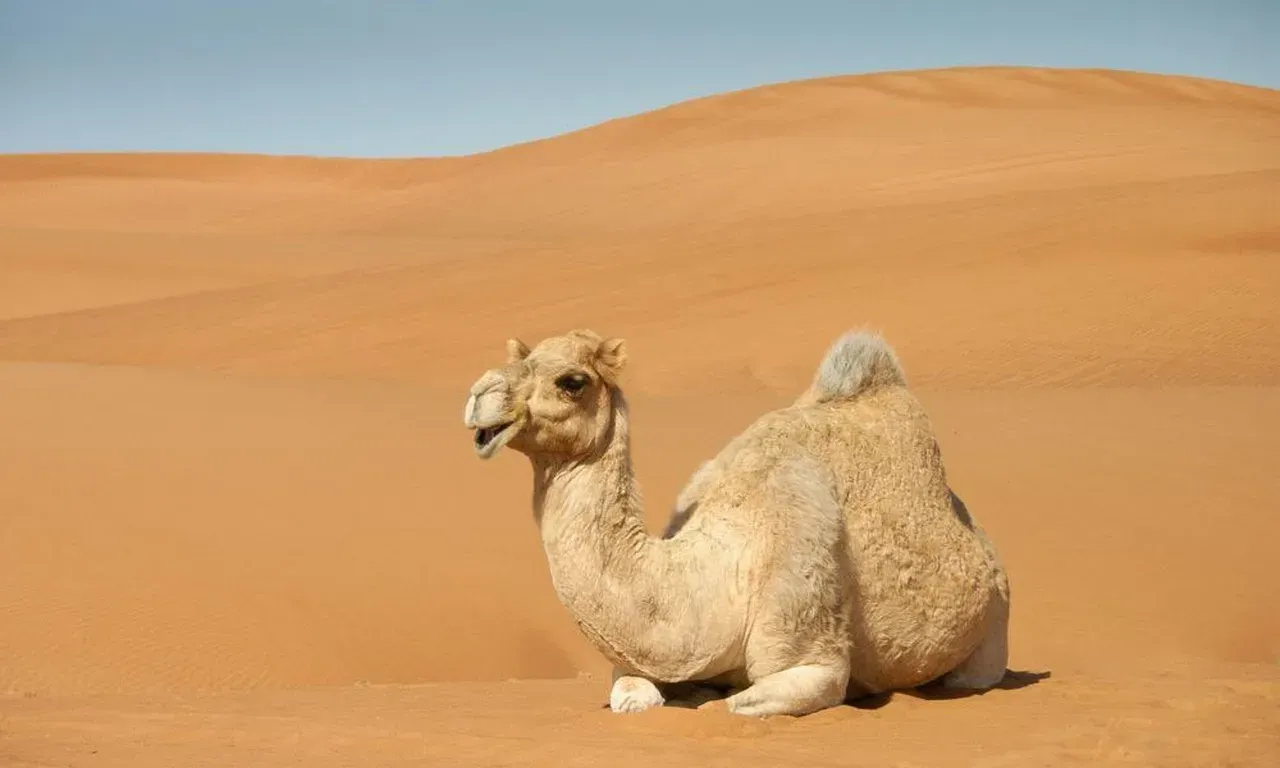
What unites all ten of these animals is not toughness in the dramatic sense. Animals that live in desert environments have evolved remarkable adaptations over time in order to survive extreme conditions. The ability to thrive in the harsh climates of these regions is a testament to the power of evolution and the diverse abilities of animals.
Xerocoles, known as xerophilic animals, are organisms that have adapted to survive in extremely dry or desert-like environments. The desert biome is home to a unique array of animals that have evolved remarkable adaptations to survive in the harsh conditions of arid regions.
These ten animals don’t merely tolerate the desert. They’ve shaped their entire existence around it, using every available advantage, from reflective fur to underground moisture traps, from metabolic water to ten-minute foraging sprints. The desert didn’t empty itself of life. It quietly filled itself with the most resourceful life on Earth.
Worried about unexpected vet bills?
Pet insurance can cover thousands in unexpected vet costs. Get a free quote from Lemonade in under 2 minutes.
Get My Free Quote →Sponsored · Opens Lemonade.com
