
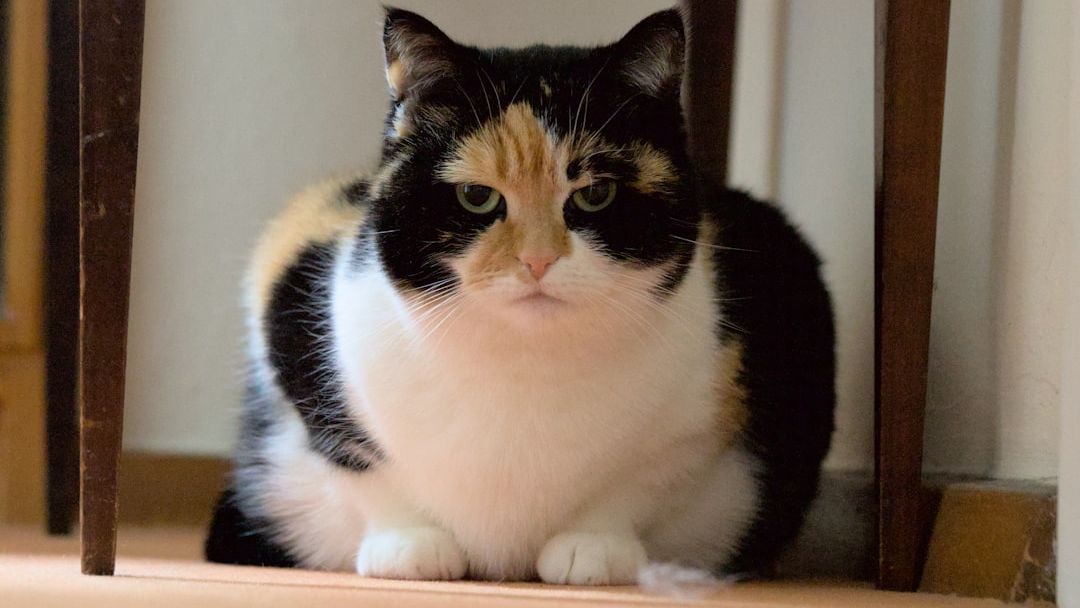
Most cat owners think they’re doing everything right. Fresh food in the bowl, a cozy bed by the window, the occasional belly rub. Honestly, that’s a solid start. But if you’ve ever wondered whether there’s more you could be doing to keep your furry companion around longer, the answer is a resounding yes, and some of it might genuinely surprise you.
Cats can live upwards of 20 years these days, and we know far more about them now than we did even a decade ago, with advances in healthcare, diet, and behavioral research pushing that ceiling higher than ever. The difference between a cat that makes it to 12 and one that reaches 20 often comes down to a handful of daily habits, some of them tiny, some of them completely counterintuitive. Let’s dive in.
Keep Your Cat Indoors – The Lifespan Gap Is Shocking
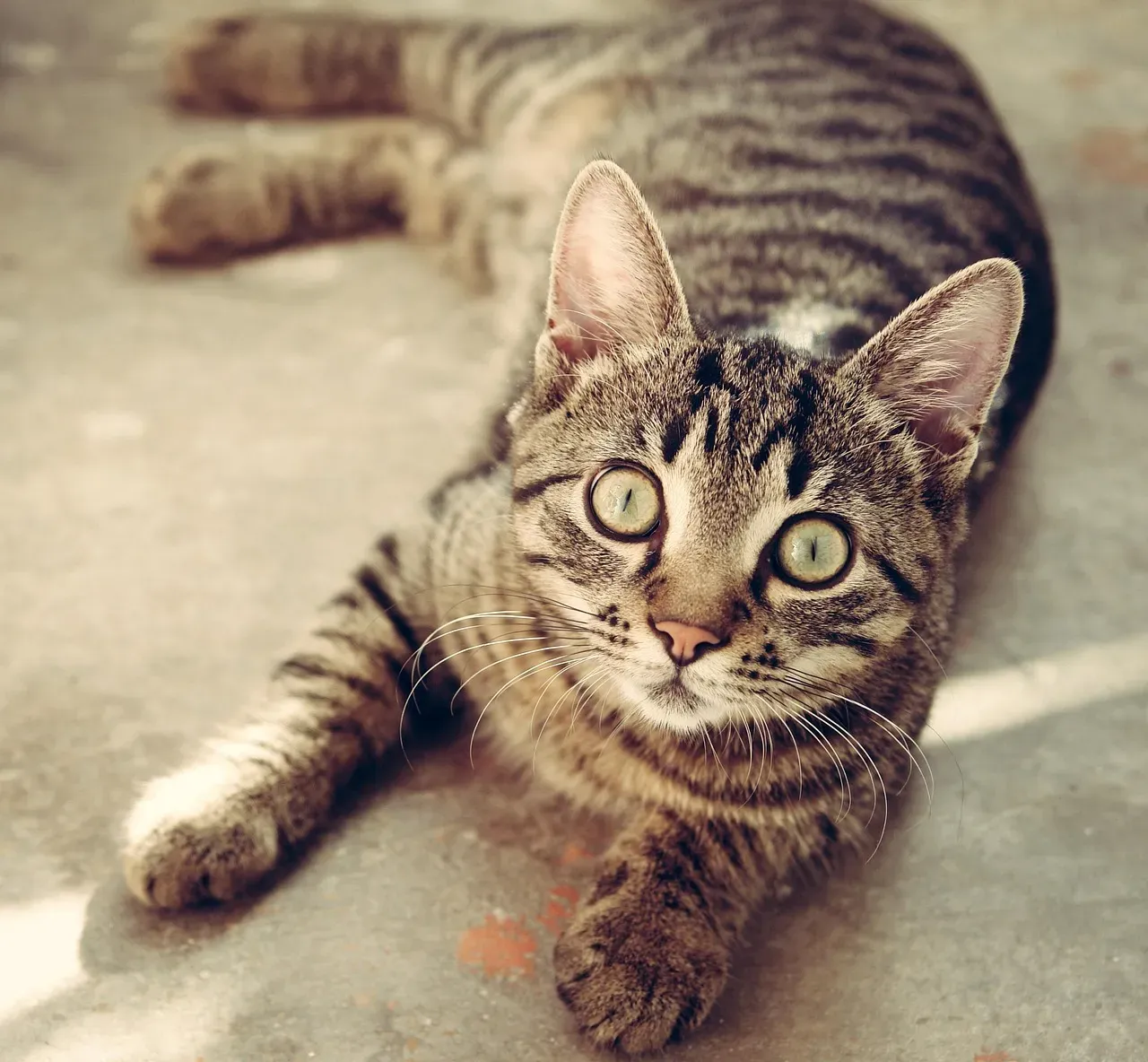
Here’s the thing – letting your cat roam freely outside might feel like you’re giving them the good life. Fresh air! Adventure! Freedom! But the data tells a very different story. A recent study found that the average lifespan of a cat is dramatically shorter for those that roam freely outdoors, by as much as 10 to 12 years.
Cars, predators, toxins, and exposure to diseases like FIV and FeLV drastically shorten a cat’s lifespan, and studies show that indoor cats often live two to three times longer than their outdoor counterparts.
A “catio,” or cat patio, is an enclosed outdoor space that allows cats to enjoy the sights and sounds of nature without the associated risks, and these can be an excellent compromise for owners wanting their cats to experience the outdoors safely. Think of it as giving your cat a window seat to the world, not a one-way ticket through it.
Invest in a Water Fountain – Your Cat’s Desert Origins Are Working Against Them
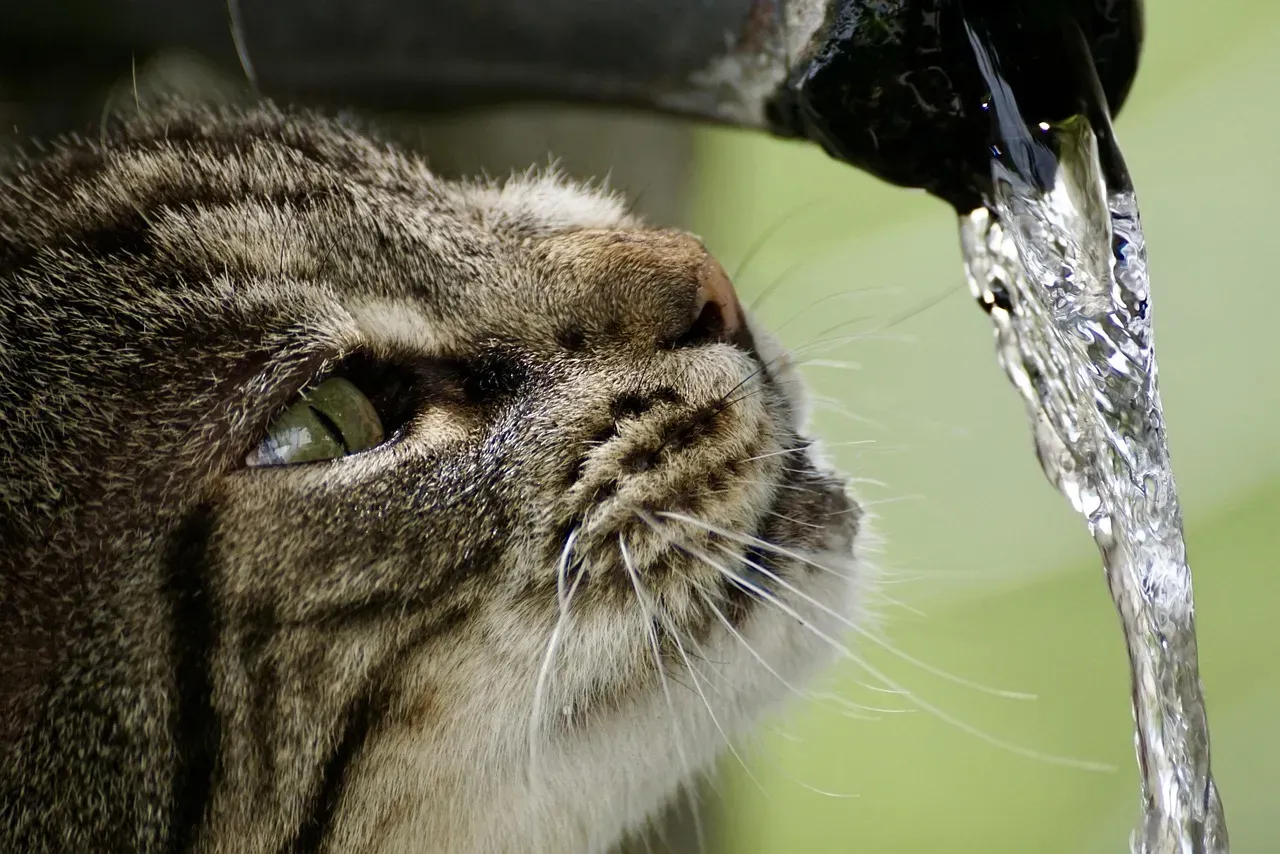
I’ll be honest, I thought this one was gimmicky when I first heard it. A water fountain? For a cat? Turns out, it’s one of the smartest things you can do. Cats’ ancestors were desert dwellers, so they evolved to get much of their hydration from food. Modern cats, especially those fed primarily dry kibble, often fall dangerously short in water intake, which can lead to urinary tract infections, kidney issues, and other serious health concerns.
Some cats are drawn to the sound and motion of moving water, which is why you might find your cat batting at a faucet or trying to drink from the tub. A fountain mimics this behavior and can trigger their instinct to drink more frequently, which is essential for long-term health.
Cats don’t like their whiskers to touch the sides of their water bowl, and switching to wide, flat water dishes can prevent whisker fatigue, a genuinely stressful condition for cats. Small tweak, big impact.
Spay or Neuter Your Cat – The Numbers Don’t Lie
This is probably the most underrated longevity habit on the entire list. Many people still treat spaying and neutering as purely a population-control measure. It is that, yes. But it’s also one of the most powerful things you can do for your cat’s lifespan. Spayed females live on average to 15 years compared to just 10.5 years for intact females, while neutered males live on average to 9.8 years compared to only 3.7 years for intact males.
Spaying female cats can significantly increase their lifespan by reducing the risk of certain types of cancers, including pyometra, a potentially fatal uterine infection, and cancers of the reproductive system.
Neutering or spaying cats reduces the risks associated with reproductive diseases and dangerous behaviors, and altered cats are far less likely to roam in search of a mate, reducing their exposure to external dangers. The math here is simply undeniable.
Prioritize Dental Care – Two Extra Years Are on the Table
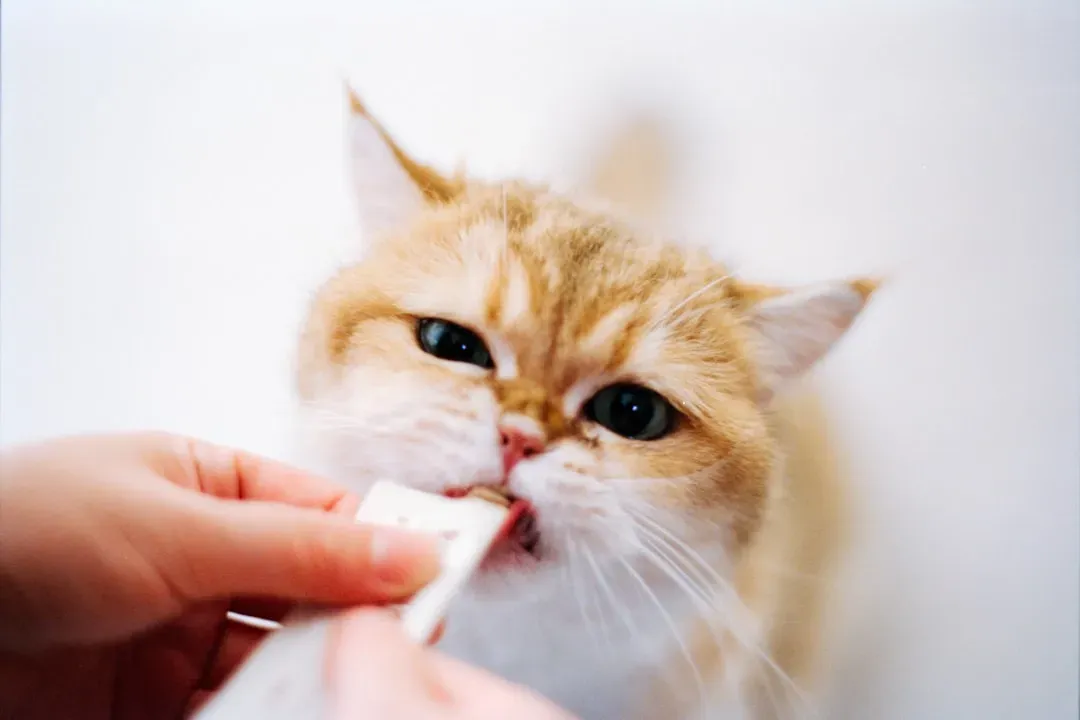
Most cat owners skip this one entirely, and it’s genuinely costly in terms of years. Good dental care is vital to your cat’s wellness routine, and cats who receive good oral health care during their lifetime live, on average, two years longer. Dental disease can lead to oral pain, loss of teeth, bad breath, and infection that can affect major organs such as the heart, liver, and kidneys.
Cats can have dental problems that occur under the gum line and cause pain which may go entirely unnoticed, since cats tend to hide the fact that they are in pain. Sneaky little stoics, aren’t they?
Use a pet-safe toothpaste to brush their teeth once a day. If your cat won’t tolerate a brush in their mouth, take a small piece of gauze and gently rub it against their teeth to help remove bacteria and plaque, and ask your veterinarian to inspect their teeth at your twice-yearly wellness exams.
Schedule Consistent Vet Visits – Even When They Seem Perfectly Fine
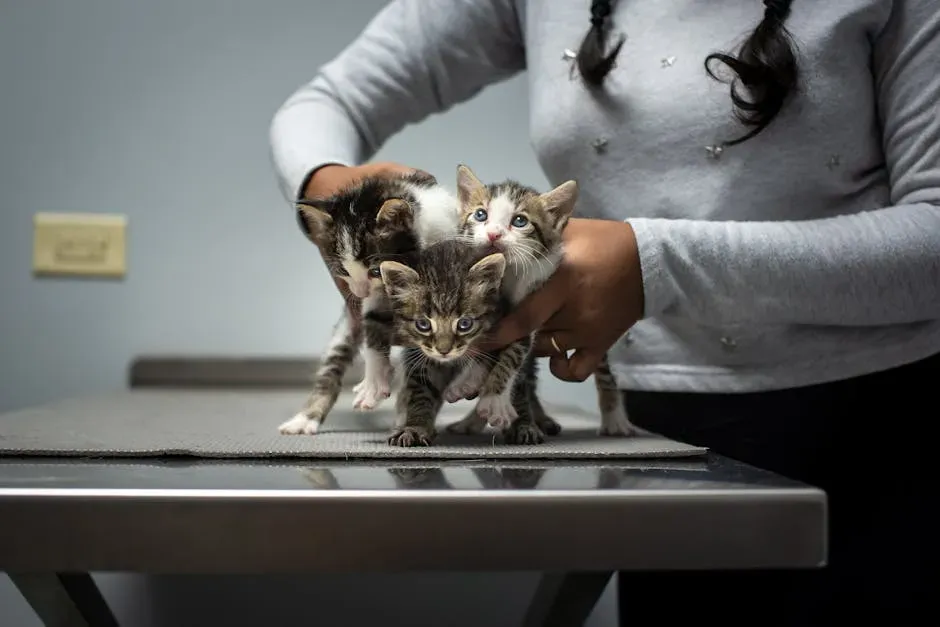
Cats are masters of disguise when it comes to illness. Compared with dogs, cats are more likely to disguise pain, so you might not notice when they are ill or injured. This is exactly why regular vet visits matter more for cats than many owners realize.
Cats age more rapidly than we do, and if your cat only goes to the veterinarian once a year for a check-up, this is similar to a human waiting several years between doctor visits.
After age 11, cats are considered seniors and need a twice-yearly wellness exam plus additional diagnostic testing. Older cats receive blood tests and urinalysis to identify kidney disease or diabetes, and these senior animals need a more proactive approach to identify common age-related issues such as joint pain, hyperthyroidism, and kidney disease.
Feed a Life-Stage Appropriate Diet – One Size Does Not Fit All
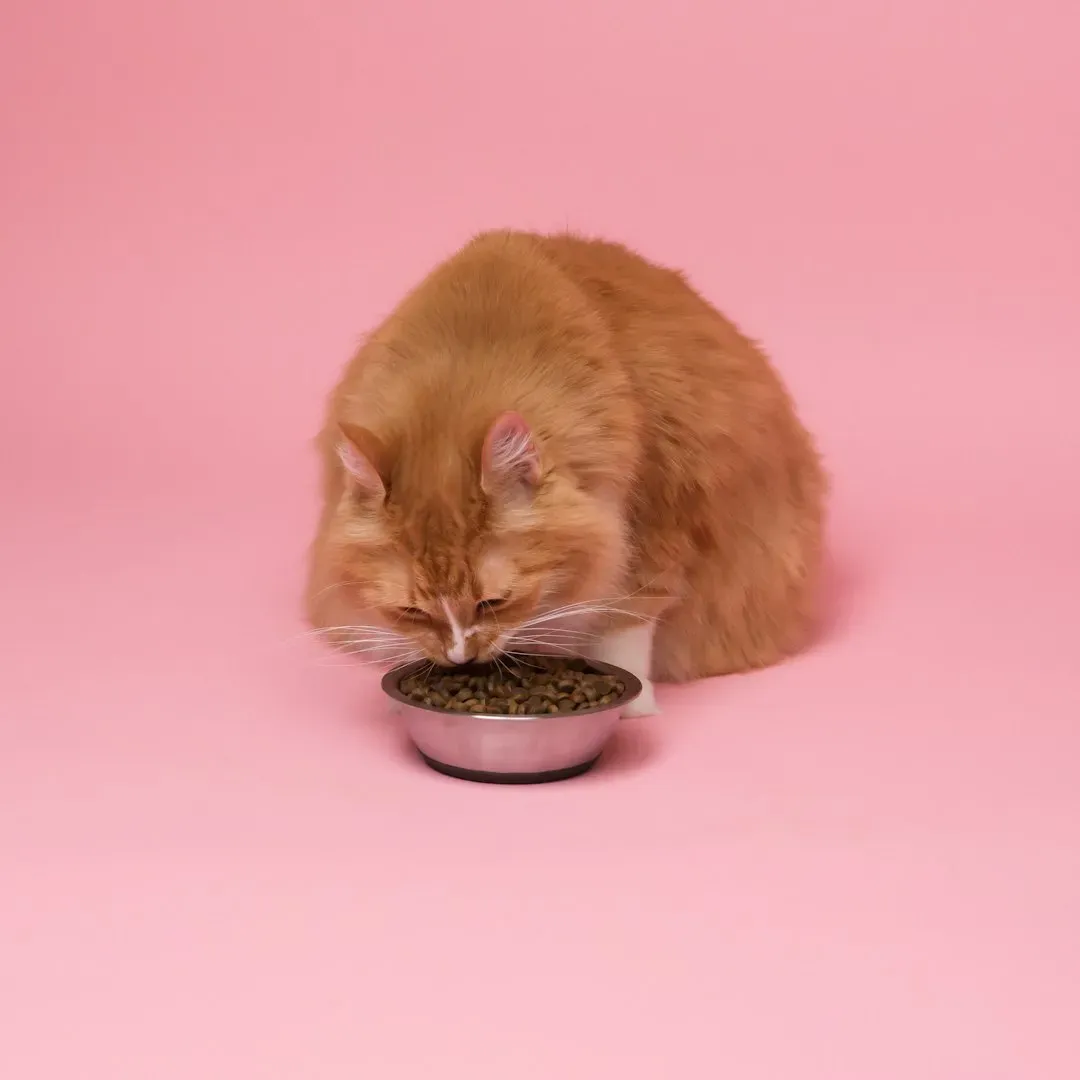
Here’s where many well-meaning cat owners go wrong. They find a food their cat loves and stick with it for the next 15 years. The diet should be appropriate for your cat’s life stage and lifestyle. A kitten should be consuming a diet that supports growth, while an older cat may require fewer calories or even have health issues that require dietary restrictions or additions.
Cat food should contain protein, fat, carbohydrates, vitamins, and minerals in appropriate quantities for their life stage and any illnesses they are experiencing. High-quality cat food will have everything your cat needs and will be nutritionally balanced and complete, helping your cat genuinely thrive.
Transitioning to a senior cat food around seven years old is recommended, as senior formulas have adjusted nutrients including higher protein, lower phosphorus for kidney health, and added joint support. Think of it as giving your cat a menu that evolves alongside their body.
Keep Their Weight in Check – Obesity Is a Silent Killer
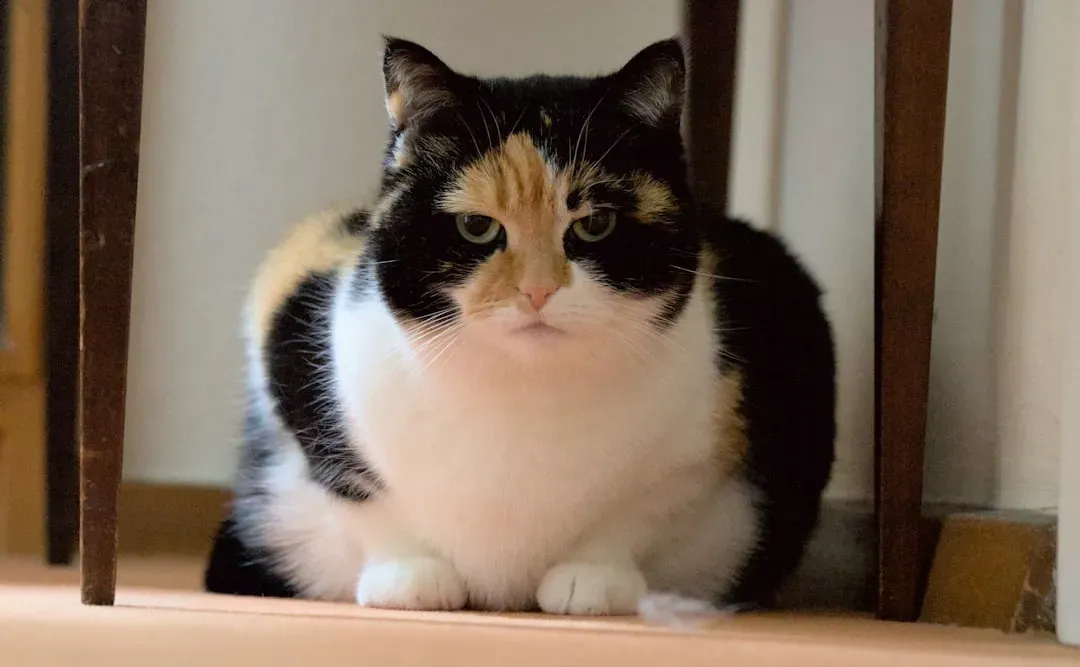
Let’s be real. A chubby cat is adorable. A chubby cat is also at serious medical risk. An overweight cat is an unhealthy cat. Carrying a few extra pounds can lead to a host of health conditions, including liver problems, diabetes, and arthritis, and being overweight also puts unnecessary stress on an animal’s joints and organs.
Veterinarians warn that extra weight is an early indicator of disease and can lead to kidney failure, heart disease, and other illnesses over time.
You can maintain your cat’s healthy weight by feeding appropriate portion sizes, not giving them table scraps, limiting treats per day, and keeping them active. Watch their shape and make sure they have a tucked-in waist, a tummy that doesn’t bulge out, and ribs you can feel.
Provide Genuine Environmental Enrichment – Boredom Can Make Cats Sick
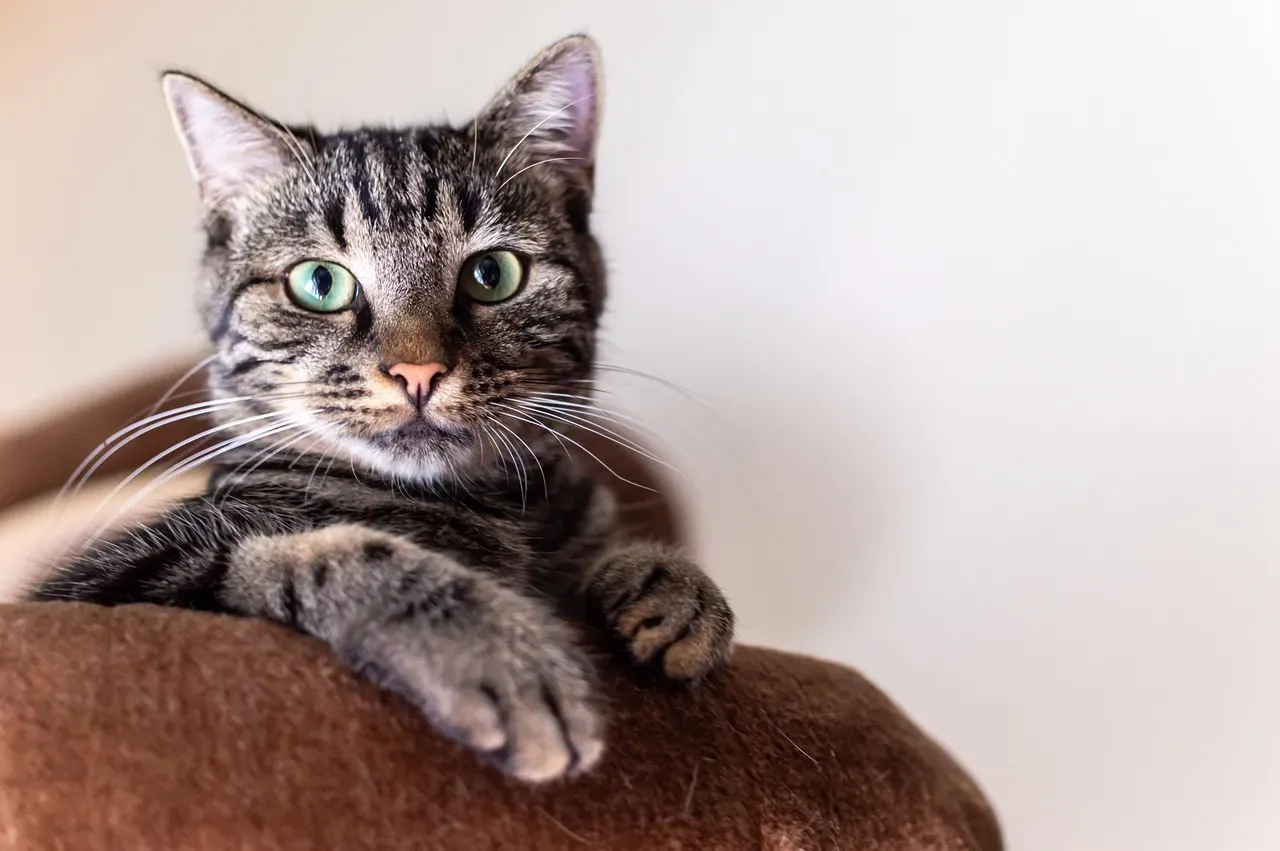
Indoor life is safer. But safety alone doesn’t equal health. Providing mental and physical stimulation is a fundamental part of feline well-being. Without it, even the most loved cat can struggle with stress, poor health, and behaviors that leave owners feeling frustrated.
Just 15 to 20 minutes of exercise per day can make a big difference to your cat and help them live longer. You can keep your cat active by placing a cat tower in your home which they can climb, scratch, and play on, and by using feather wands and laser pointers that get your cat running and jumping.
Stationary track toys can provide stimulation without excess athleticism, and puzzle feeders or indoor hunting kits placed in easy-to-reach locations can also help keep your senior cat at their cognitive best. A bored cat is essentially a stressed cat. Stress, it turns out, ages them fast.
Monitor the Litter Box Daily – It’s a Health Report Card
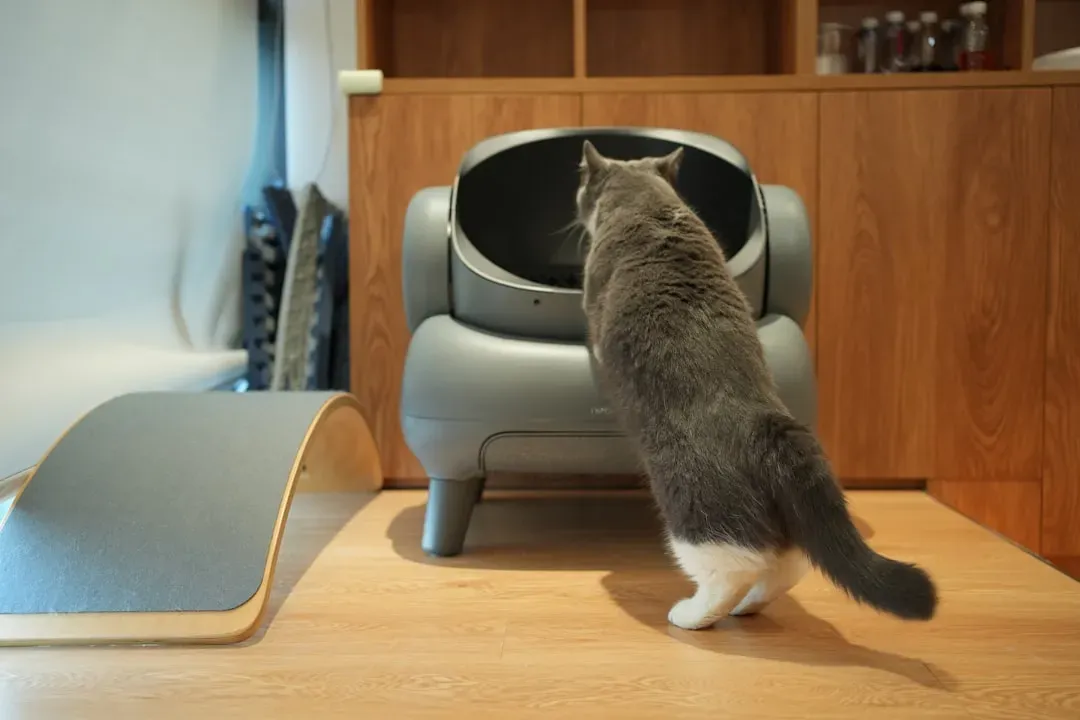
I know, I know. Nobody wants to talk about the litter box. But this simple, unglamorous daily habit might actually save your cat’s life one day. Cleaning the litter box every day familiarizes you with your cat’s bathroom habits, which means you’ll be able to spot any irregularities that could be signs of underlying health issues. For example, increased or frequent urination could be a symptom of diabetes in cats. While diabetes is manageable, if left untreated it could result in a slew of complications or even be fatal.
If your cat isn’t using the bathroom daily, they could be constipated or even have a urinary obstruction, which is extremely dangerous.
Think of the litter box as a daily health dashboard. It doesn’t take long to check. But the information it gives you is priceless. Changes in bowel or urine habits are easy to spot when you clean the box mindfully each day, and you should call your vet immediately if your cat has diarrhea or blood in urine or stools.
Minimize Toxic Household Exposure – The Danger Hiding in Plain Sight
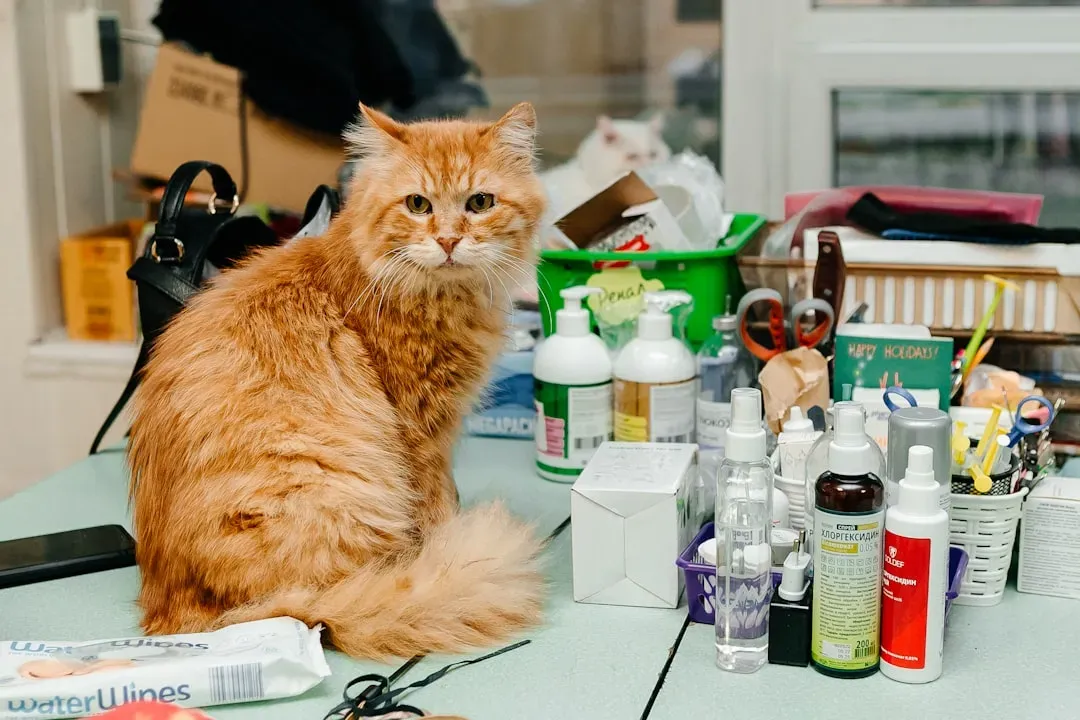
This one genuinely shocks people. Your home, filled with your usual cleaning sprays and scented candles, might be slowly hurting your cat. From cleaning supplies to outdoor pesticides to flea and tick products, your cat is surrounded by toxic chemicals that can shorten their lifespan, and limiting their exposure to these chemicals is essential.
One reason cats are so susceptible to secondhand smoke is because of their grooming habits. Cats constantly lick themselves while grooming, and therefore lick up the cancer-causing carcinogens that accumulate on their fur, exposing the mucous membrane of their mouth to these harmful substances.
Consider switching out household cleaners and air fresheners for natural alternatives, and making your entire cleaning routine pet-safe is even better. Trade traditional, chemical-based pesticides and bug repellents for pest control options sourced from natural ingredients. It’s a surprisingly simple upgrade that adds up to something enormous over the course of a cat’s life.
Conclusion: Small Habits, Extraordinary Years
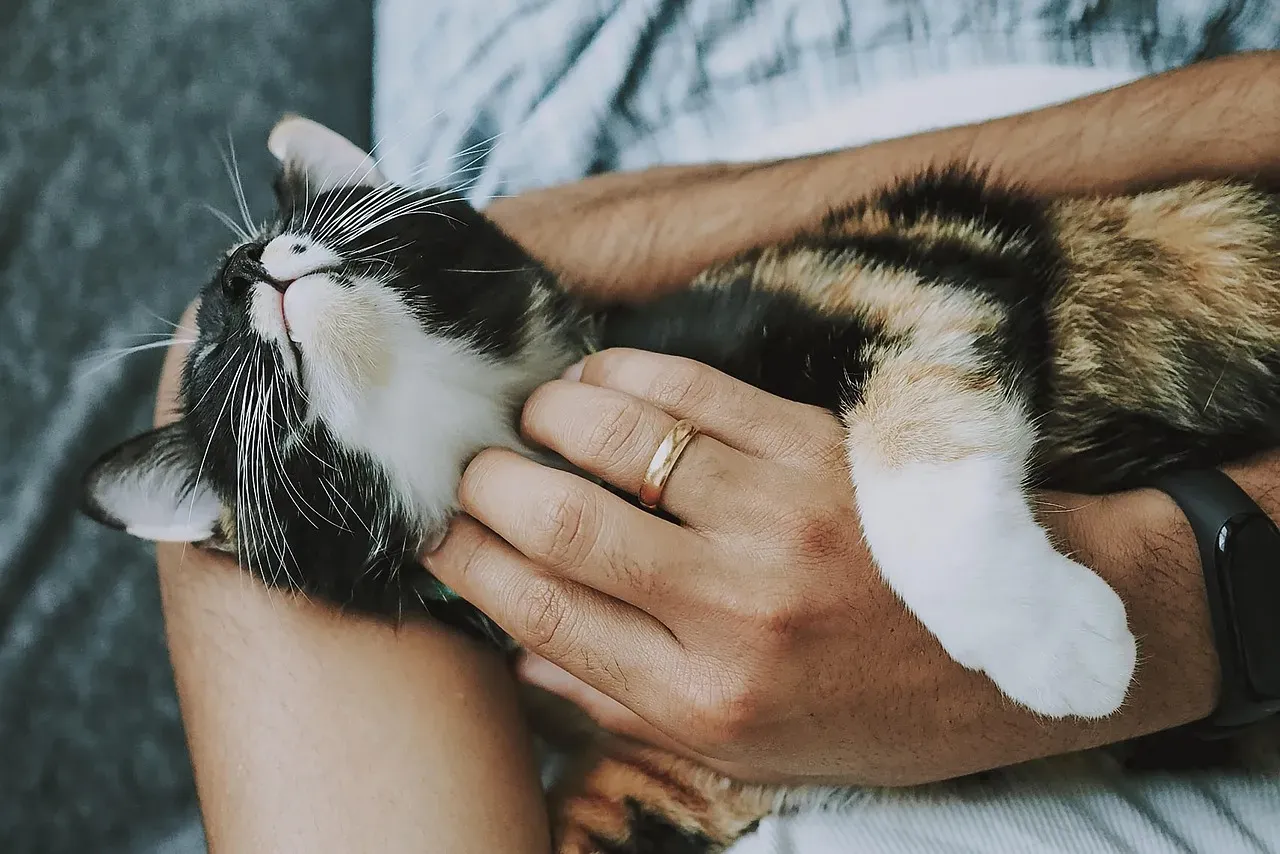
Here’s the beautiful thing about all of this. None of these habits require a veterinary degree or a bottomless budget. They require attention, consistency, and a genuine willingness to see your cat not just as a pet, but as a living being whose long-term wellbeing depends on the small choices you make every single day.
Promoting longevity in your cat is not achieved by any miracle cure, but rather results from consistent effort throughout an entire cat’s life. That’s worth sitting with for a moment.
A cat that lives to 20 versus one that makes it to 12 isn’t just luck or genetics. It’s often the result of an owner who paid attention, adjusted habits, and took the unsexy, quiet steps that added up over years. The water fountain. The dental brush. The annual blood panel. The litter box check.
Your cat can’t ask for these things. They’re relying on you to know. Now you do. So what are you waiting for?

- 14 Quiet Signs Your Dog Knows Its Time Is Near and Wants You Close - July 22, 2026
- 10 Falcon Facts That Will Blow Your Mind - July 22, 2026
- 5 Incredible Migratory Journeys Animals Make Every Year - July 22, 2026