


When we think of the world beneath our feet, we mostly imagine the soil that sustains life, the roots securing plants, or foundational rocks. However, an eerie image emerges when we delve deeper into this subterranean realm. Beneath the calm earth’s surface exists a myriad of creatures that are as fascinating as they are creepy. These hidden organisms play crucial roles in the ecosystem, despite their unsettling nature. In this exploration, we’ll uncover the 12 creepiest creatures that inhabit the ground beneath us. From crawlies to wrigglers, get ready to be intrigued and, perhaps, a little spooked by what lies beneath.
Earthworms
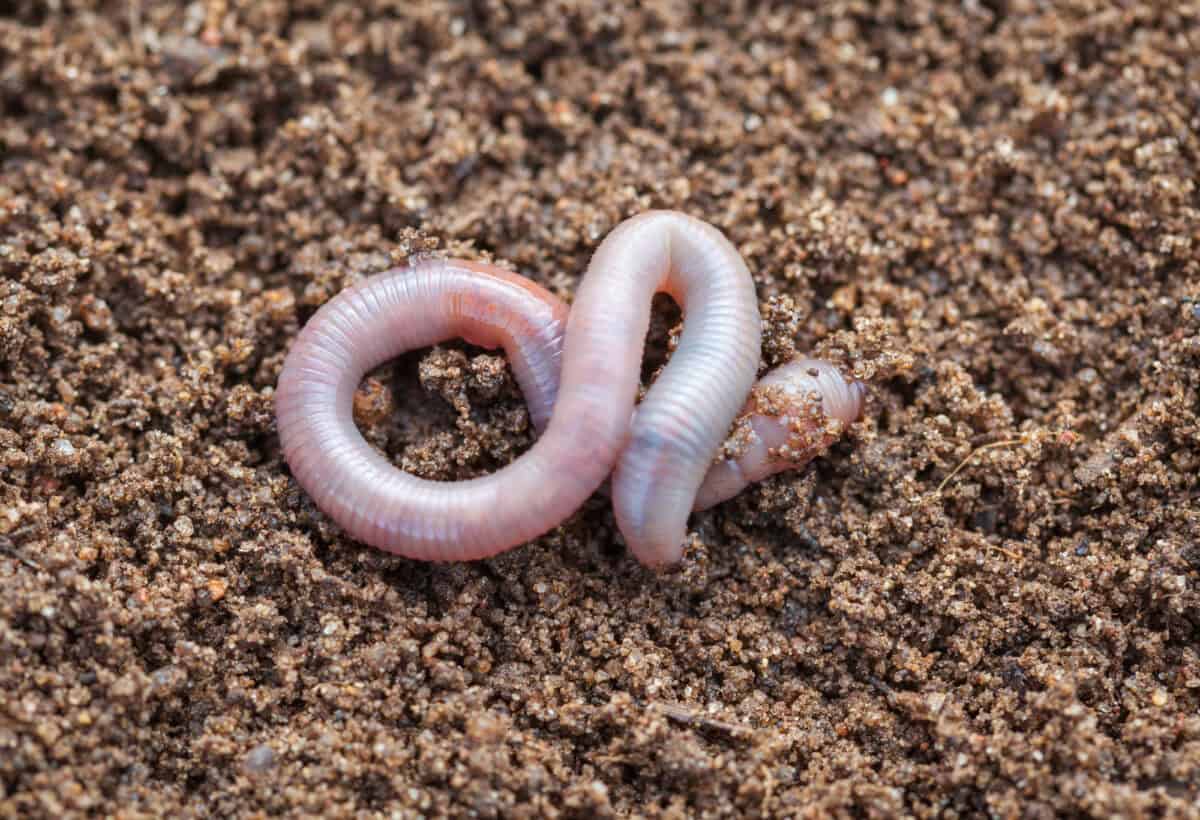
At the forefront of the creepy crawlies are earthworms, the nightcrawlers that enrich our soil. Though they may appear plain, earthworms perform essential functions by breaking down organic matter, thus enriching soil fertility. These segmented creatures have no eyes but are highly sensitive to vibrations, enabling them to avoid predators. Despite their eerie appearance, they are indeed garden heroes beneath our feet.
Naked Mole Rats
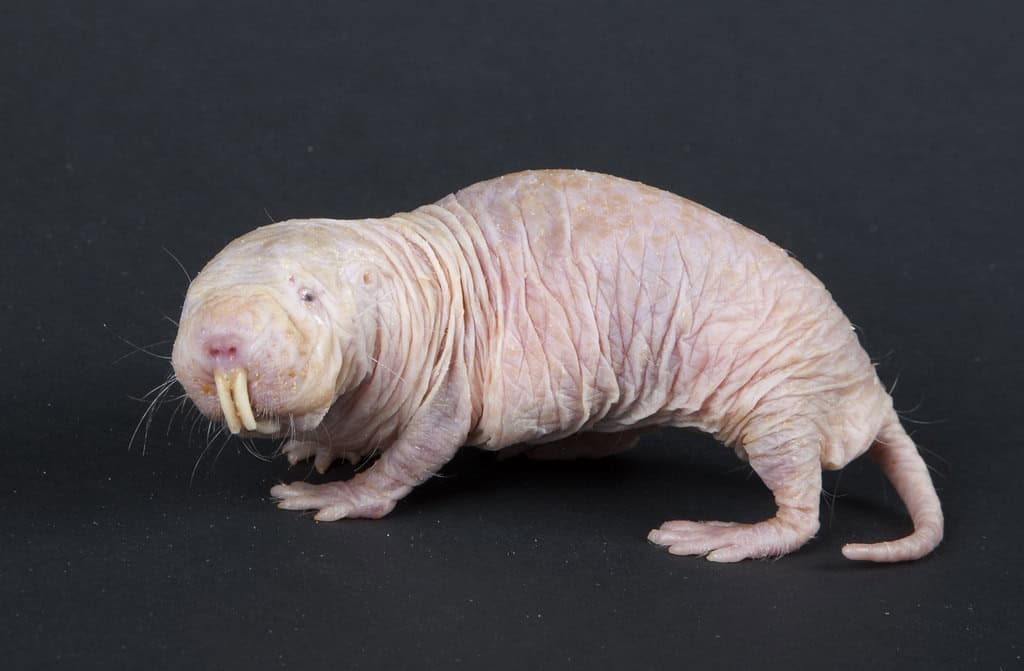
Naked mole rats, native to Eastern Africa, have a bizarre appearance that often leaves onlookers unsettled. With their wrinkled, hairless bodies and protruding incisors, they are unlike any other rodent. These creatures live in complex underground colonies and are known for their eusocial behavior akin to that of bees or ants. Their unique physiology, including a surprising resistance to cancer, makes them both creepy and fascinating subjects of scientific study.
Trapdoor Spiders
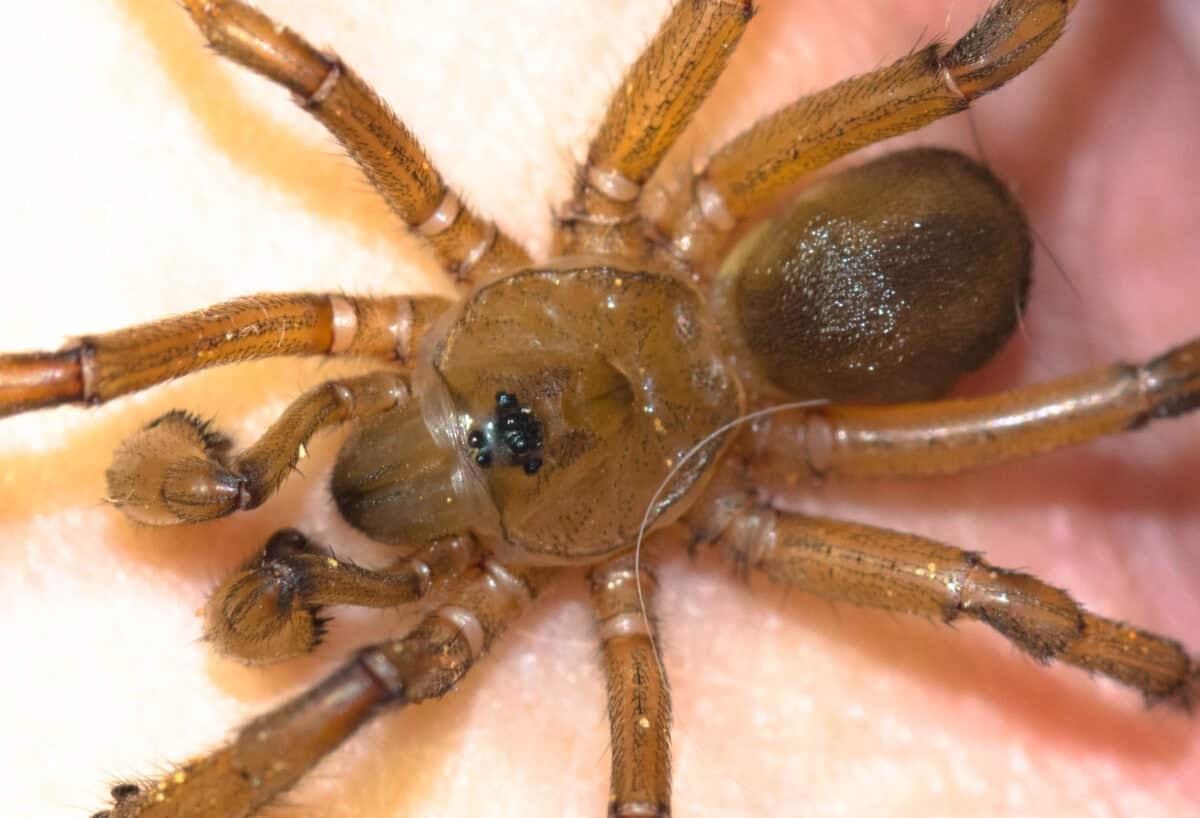
Trapdoor spiders, true to their name, construct silk-lined burrows with a hinged “trapdoor” made of soil and vegetation. These cunning arachnids, found in various parts of the world, lie in wait behind their doors, swiftly ambushing unsuspecting prey. Their hairy legs and stealthy hunting methods give them an eerie edge, contributing to their status as subterranean terrors.
Centipedes
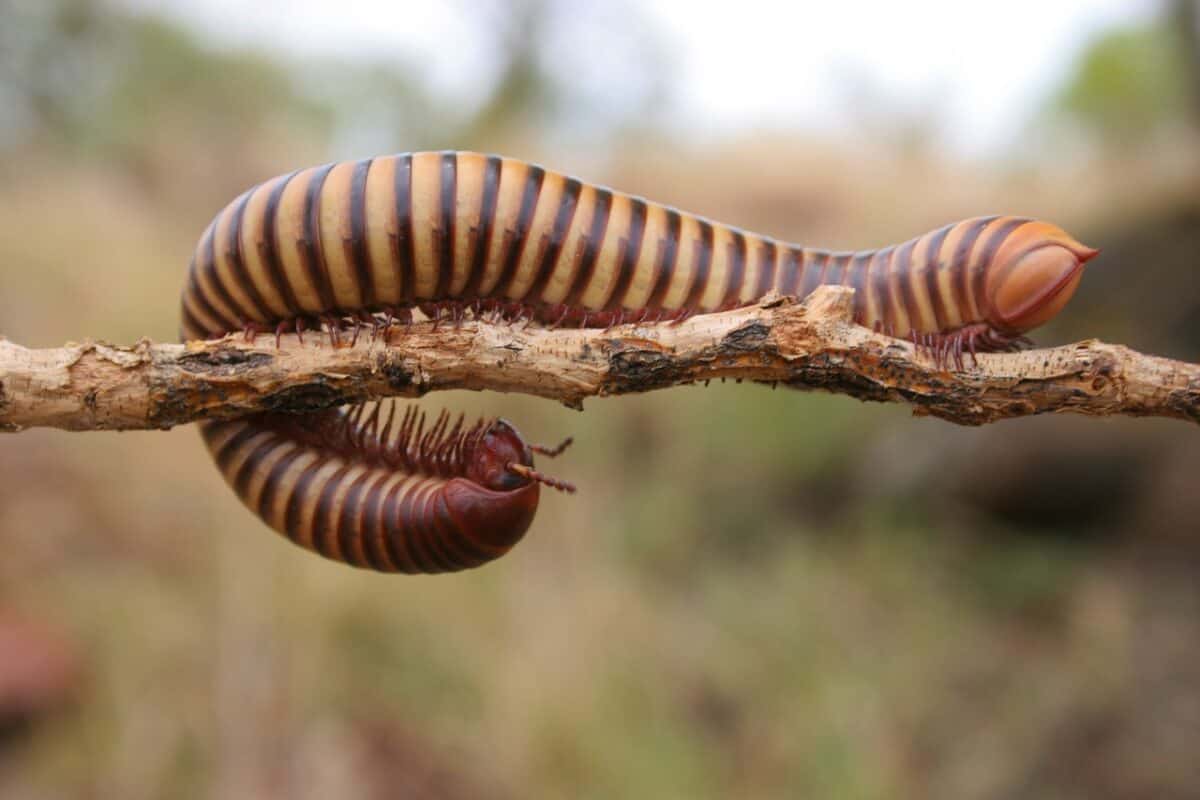
Centipedes are multi-legged predators that lurk in the shadows of moist soil and leaf litter. With their elongated bodies and numerous legs, they scurry at surprising speeds. Notably, despite their name, centipedes can have anywhere between 15 to 177 pairs of legs. They inject venom to subdue their prey, making them effective if not somewhat fearsome hunters.
Blind Cavefish

Residing in the dark recesses of underground water systems, blind cavefish have adapted to life without light. Over generations, they have lost their eyesight and pigmentation, resulting in their eerie, ghost-like appearance. Their other senses are heightened, allowing them to navigate and hunt in their pitch-black environment. These fish are remarkable examples of adaptation, though certainly unsettling in their habitat.
Glow Worms

Found in damp caves and tunnels, glow worms emit an ethereal light from their bioluminescent bodies to attract prey. These larval forms of certain beetle species create sticky silk strands to ensnare unsuspecting insects drawn to the glow. Their haunting light displays a beauty that belies their predatory nature.
Ant Lions

Ant lions, in their larval stage, are notorious for their cunning predation methods. They construct conical sand traps and lie in wait at the bottom for ants and other insects to slip in. Once prey is caught, they engage their formidable mandibles and inject digestive fluids. Although their transformation into delicate adult forms is striking, their larval forms are the stuff of nightmares for insects underfoot.
Subterranean Termites

Subterranean termites are silent architects of destruction, living in vast, hidden colonies near their food sources. These insects feed on cellulose, found in wood, and are infamous for causing significant structural damage. Despite their small size, their collaborative efforts allow them to devour wood with astounding speed and efficiency, often going unnoticed until significant damage has been done.
Gall Wasps
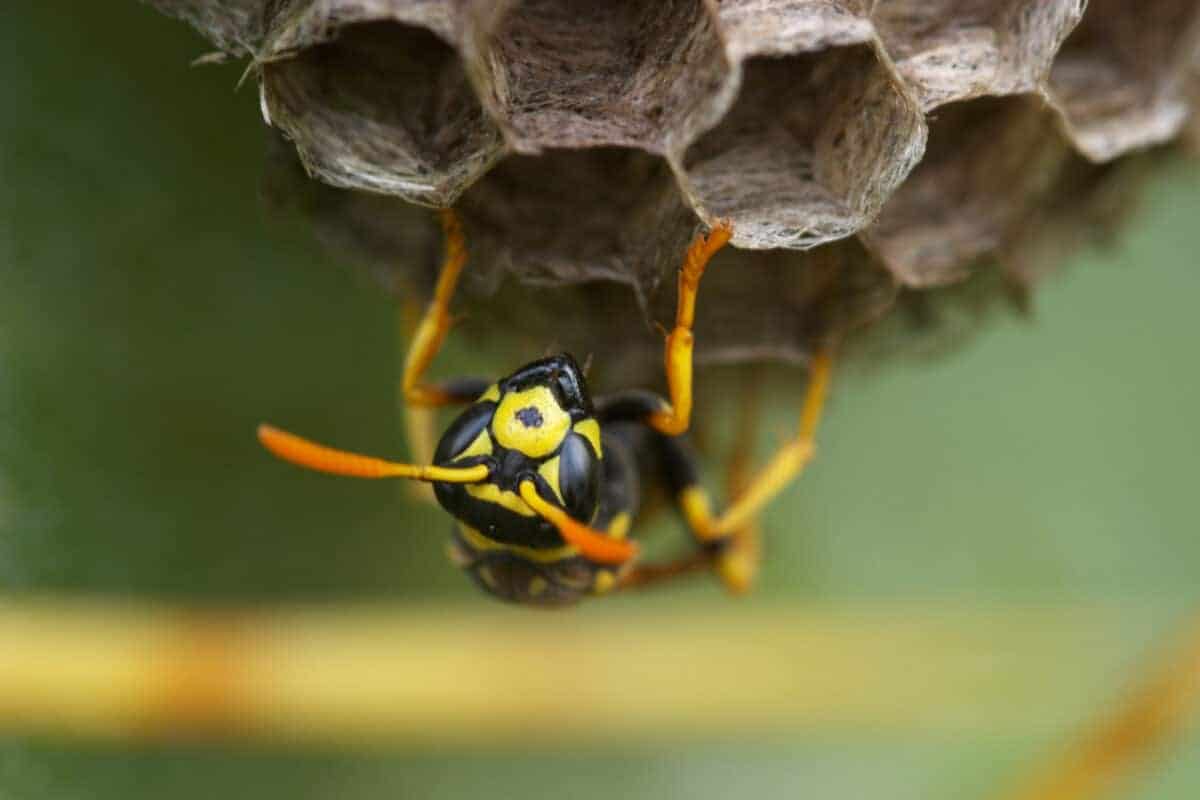
Gall wasps are tiny, often unnoticed insects that play a peculiar role in the formation of plant galls – abnormal growths on trees and plants. The larvae of these wasps develop within these galls, safe from predators. The creation of such galls can deform plants, marking these wasps as both intriguing and somewhat sinister architects of nature’s anomalies.
Sandworms
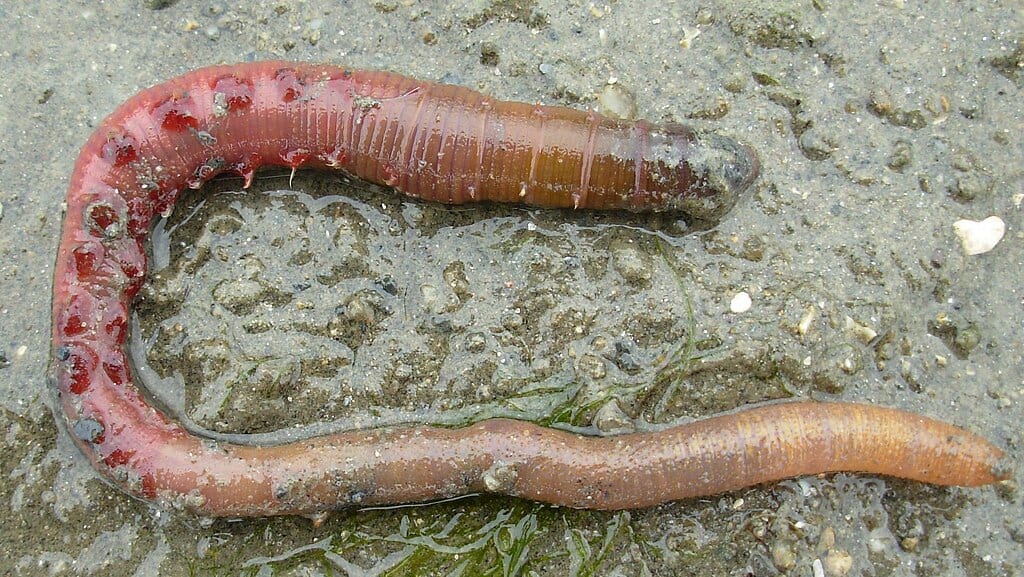
Sandworms are ferocious predators lurking in the sandy substrates of aquatic environments. Often, they remain hidden with only their formidable jaws visible, waiting to strike at passing prey. Known for their swift and aggressive hunting style, these worms are a menacing presence in the depths, embodying the creepiness of underground dwellers.
Blind Snakes

Blind snakes resemble earthworms more than their serpentine relatives. They are small and predominantly eyeless. Living primarily underground, they hunt ants and termites from within their colonies. Despite their unassuming size, their snakelike behavior and hidden lifestyle secure their place in the realm of creepy subterranean creatures.
Bullet Ants
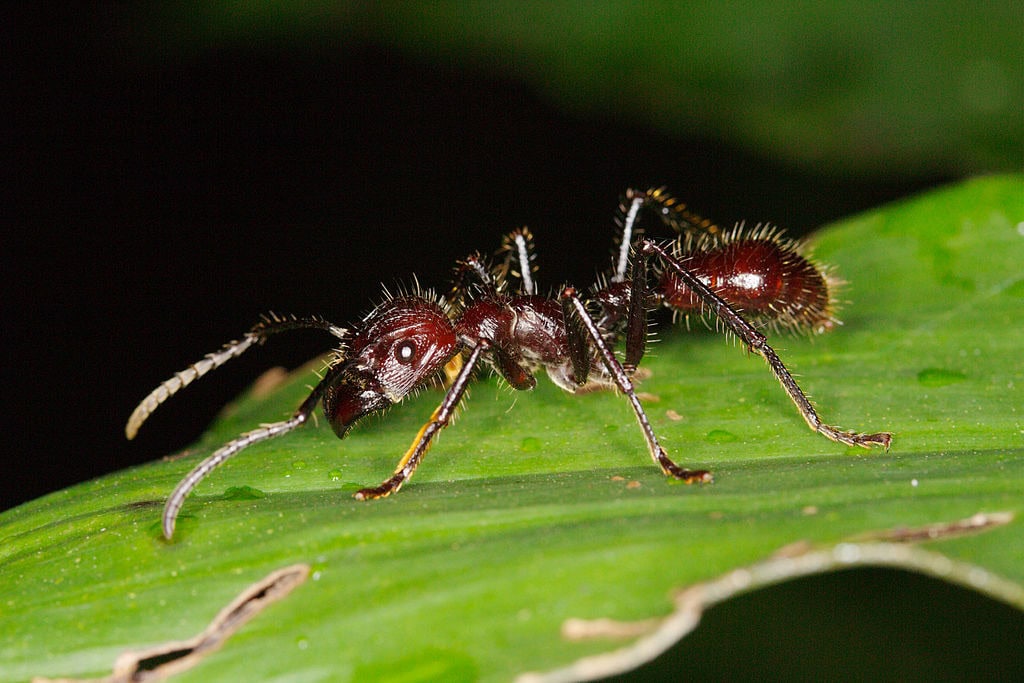
Deep within the soil of tropical rainforests, bullet ants construct elaborate nests. Famous for their excruciatingly painful sting, comparable to a bullet wound, these ants are natural deterrents to predators and even curious humans. Though primarily surface dwellers, their nests and expansive underground systems make them noteworthy inhabitants of the subterranean spaces.
Conclusion:

From worms to wasps to wily ambushers, the world beneath our feet is teeming with life that many might find unnerving. While these creatures may evoke an initial sense of unease, they play vital roles in their ecosystems and contribute to the delicate balance of nature. So next time you step outside, remember – you’re treading above an underground world where the creepy, the curious, and the downright bizarre creatures dwell, unseen yet essential.

As a little kid, I fell in love with nature, wildlife, and animals. Living in the USA, South Africa, Italy, China and Germany gave me the opportunity to discover the world's Wildlife. My favorite animals are Mountain Gorillas, Siberian Tigers, and Great White Sharks.
I'm a certified PADI Open Water Diver, went to Everest Base Camp and Trekked Gorillas in Uganda. I hold a Master of Science in Economics and Finance.
Please send any feedback to feedback@animalsaroundtheglobe.com
- 14 Animals That Never Stop Growing - July 22, 2026
- 13 Animals Only Found on One Island - July 22, 2026
- 10 Common Gardening Mistakes You’re Probably Making (And How to Avoid Them) - July 22, 2026