

Charles Darwin gave us a framework for understanding life that has held up remarkably well for over 160 years. Natural selection, gradual change, survival of the fittest – these ideas feel almost like common sense now. Yet across research labs, fossil beds, and genomics departments worldwide, a quieter revolution has been building. Scientists aren’t dismantling Darwin. They’re finding that the picture is considerably more complicated, more layered, and in some ways more fascinating than anyone suspected.
Some of these challenges come from within evolutionary biology itself, from researchers who feel the classic model simply can’t account for everything they’re observing. Others emerge from molecular biology, ecology, and even physics. Not all of them are equally accepted, and a few remain genuinely contested. What they share is a refusal to settle for the standard story.
#1. The Extended Evolutionary Synthesis: Evolution Beyond the Gene
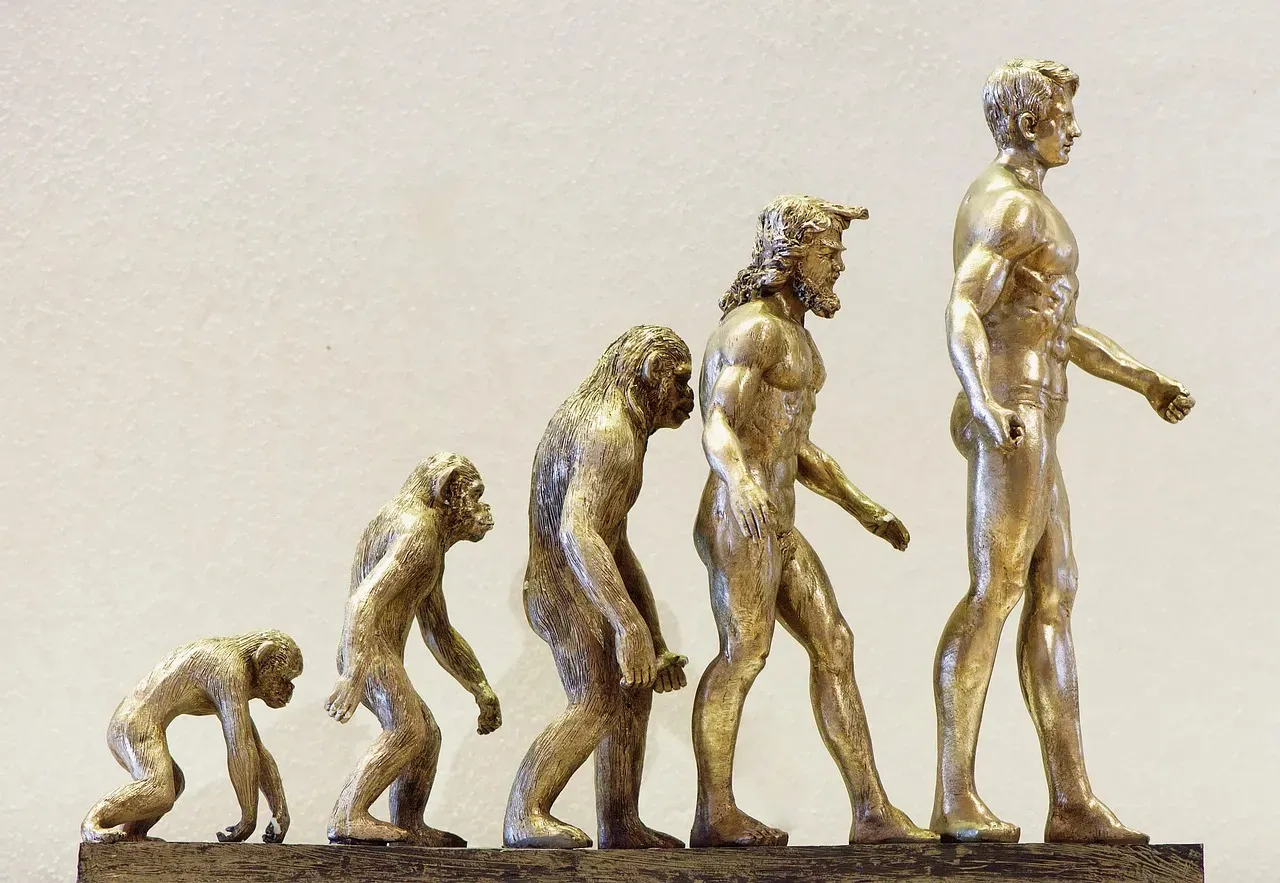
Charles Darwin’s theories might be over 150 years old, but major questions about how evolution works are far from settled. Evolutionary biology is now undergoing one of the most intense debates it has had for more than a generation. At the heart of that debate is a growing movement to revise what scientists call the Modern Synthesis, the gene-focused model of evolution that has dominated thinking since the 1930s and 40s.
New evolutionarily relevant factors have been described, including non-genetic inheritance, developmental bias, niche construction, genomic evolution, and others. Our understanding of evolution has significantly expanded, and it would be surprising if these empirical and conceptual advances had no theoretical consequences. The extended evolutionary synthesis revisits the relative importance of different factors at play, examining several assumptions of the earlier synthesis, and augmenting it with additional causative factors. It includes multilevel selection, transgenerational epigenetic inheritance, niche construction, evolvability, and several concepts from evolutionary developmental biology.
#2. Epigenetic Inheritance: What You Live Through, Your Children May Inherit
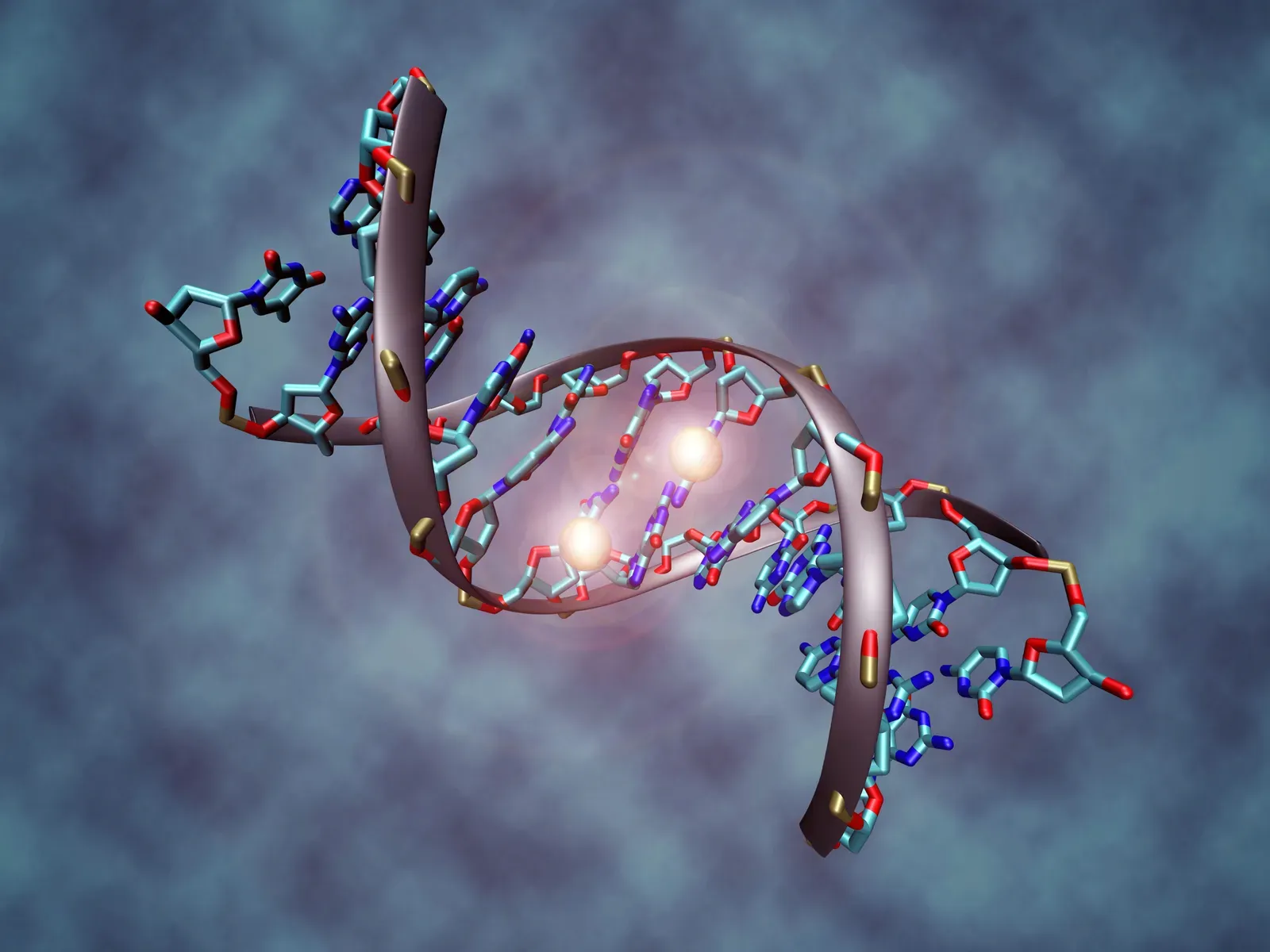
Among the most profound challenges to the Modern Synthesis, epigenetics has emerged as a central but often underappreciated pillar of conceptual transformation in evolutionary biology. While widely recognized in developmental and biomedical research, its evolutionary implications remain relatively marginalized in mainstream discourse. Yet epigenetics fundamentally alters our understanding of heredity, plasticity, and adaptation, providing a molecular framework for non-genetic inheritance and rapid phenotypic change.
First introduced by Conrad Waddington in the 1940s and later developed through molecular research, epigenetics refers to heritable changes in gene expression that do not involve alterations in the DNA sequence. Mechanisms such as DNA methylation, histone modification, and non-coding RNA regulation allow organisms to respond to environmental cues in dynamic ways, and in some cases, these modifications can be passed to offspring. In practical terms, this means the environment you live in today could shape the biology of your grandchildren, something the Modern Synthesis explicitly said was impossible.
#3. Punctuated Equilibrium: Evolution Happens in Bursts, Not Slow Trickles
Punctuated equilibrium is a theory in evolutionary biology that challenges the traditional view of gradual, incremental change. Proposed by paleontologists Niles Eldredge and Stephen Jay Gould in 1972, it posits that species spend the vast majority of their existence in a state of relative stasis. Rather than the slow, steady accumulation of change Darwin imagined, life seems to sit still for long stretches, then shift dramatically in what are, geologically speaking, very short windows of time.
Eldredge and Gould proposed that the degree of gradualism commonly attributed to Charles Darwin is virtually nonexistent in the fossil record, and that stasis dominates the history of most fossil species. More modern studies, including a meta-analysis examining 58 published studies on speciation patterns in the fossil record, showed that nearly three quarters of species exhibited stasis, and roughly two thirds were associated with punctuated patterns of evolutionary change. That’s a striking mismatch with the gradual model that most people picture when they think about evolution.
#4. Horizontal Gene Transfer: Genes Can Jump Between Unrelated Species
The standard model of evolution assumes genes travel vertically, passed down from parent to offspring through generations. A recurrent question addressing the importance of horizontal gene transfer in evolution is how many genes in any given organism have been acquired in this way. It is evident that in bacteria and archaea, even the transfer of a single or a few genes can give recipient organisms the opportunity to exert a new function, exploiting new ecological niches.
The concept of horizontal gene transfer between organisms emerged at the beginning of the 1990s as an alternative explanation for conflictive phylogenetic events. Since then, new and abundant data have reinforced this idea, especially with the rise of the genomic era, which has allowed the comparison of complete sets of genes between organisms. For the traditional tree-of-life model, this is genuinely disruptive. If genes can move laterally across species boundaries, the neat branching diagram of life’s history starts to look more like a web.
#5. The Neutral Theory of Molecular Evolution: Random Drift, Not Just Selection
The neutral theory of molecular evolution holds that most evolutionary changes occur at the molecular level, and most of the variation within and between species are due to random genetic drift of mutant alleles that are selectively neutral. This was a provocative idea when geneticist Motoo Kimura proposed it in 1968, and it remains somewhat unsettling even today. It suggests that a large portion of molecular evolution has nothing to do with adaptation – it’s essentially random noise.
A heated debate arose when Kimura’s theory was published, largely revolving around the relative percentages of polymorphic and fixed alleles that are neutral versus non-neutral. A genetic polymorphism means that different forms of particular genes, and hence the proteins they produce, are co-existing within a species. Selectionists claimed that such polymorphisms are maintained by balancing selection, while neutralists view the variation of a protein as a transient phase of molecular evolution. The debate hasn’t been fully resolved, which in itself says something important about how much remains uncertain.
#6. The Hologenome Theory: You Are Not an Individual, You Are an Ecosystem
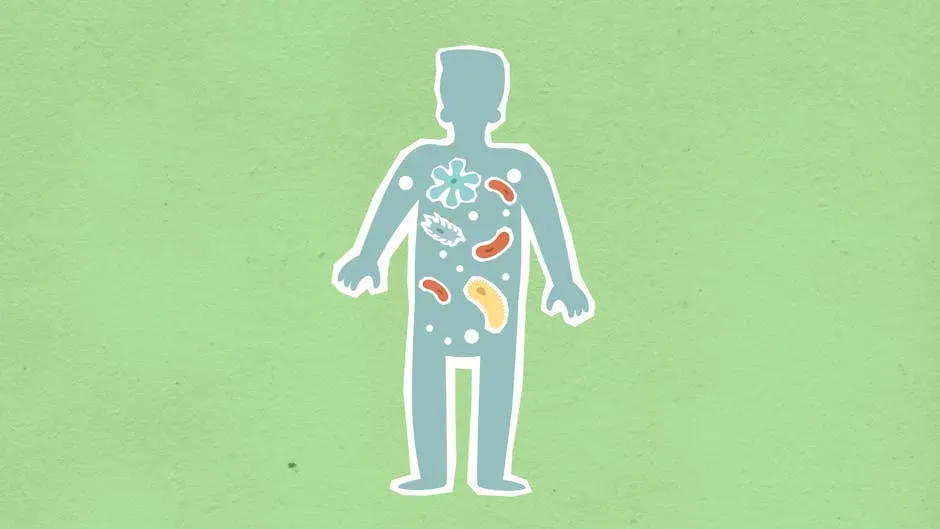
The hologenome theory of evolution recasts the individual animal or plant as a community or a “holobiont,” the host plus all of its symbiotic microbes. Consequently, the collective genomes of the holobiont form a “hologenome.” In other words, the trillions of bacteria, viruses, and fungi living in and on your body are not passengers. They may be active participants in your evolution, and possibly your descendants’ too.
Although the hologenome theory is still being debated, it has gained a significant degree of popularity within the scientific community as a way of explaining rapid adaptive changes that are difficult to accommodate within a traditional Darwinian framework. The hologenome concept has combined elements from a wealth of theoretically contentious fields, including multilevel selection theory, microbial systematics, the evolution of complexity, and social evolution, to produce a way of looking at life which is simultaneously exciting, confusing, and challenging.
#7. Niche Construction: Organisms Don’t Just Adapt to Environments – They Build Them
Conventional evolutionary thinking places organisms in a passive role, responding to environmental pressures through natural selection. Niche construction theory flips that. It proposes that the way organisms modify the environments they belong to through niche construction is a significant evolutionary force in its own right. Beavers building dams, earthworms aerating soil, humans reshaping entire landscapes: these are not just behavioral quirks. They change the selective pressures acting on future generations.
Organisms also inherit more than DNA, and this challenges the Modern Synthesis’s assumption that traits an organism acquires during a single lifetime cannot be passed down. There is cultural transmission: killer whales teach their children and grandchildren hunting skills and food preferences. Songbirds transfer nutrients to new generations in eggs just as humans give their offspring antibodies through breast milk. Some biologists say that these endowments can revitalise the study of evolutionary biology, diverting attention from strict genetic inheritance.
#8. Developmental Bias: The Body’s Own Blueprint Directs Evolutionary Change

The idea that evolution is driven by an organism’s development, not just the natural selection of its genes, challenges a dearly held orthodoxy among evolutionary biologists. This concept, sometimes called developmental bias or developmental constraint, suggests that the way organisms grow and develop is not neutral. It actively channels and limits which evolutionary paths are available, essentially pre-selecting what variation is even possible.
Only when we have understood the phenotype and its responsiveness to the environment, or phenotypic plasticity, can we understand its development, selection, and evolution. “Because that is where evolution starts.” Likewise, development itself depends at every step on the pre-existent structure of the phenotype. Crucially, phenotypic plasticity includes the agency of organisms, as agents that organisms participate in the struggle for existence from which natural selection results: “genes are usually followers, not leaders, in evolutionary change.”
#9. The Unified Evolution Theory: A Neo-Lamarckian Comeback
Jean-Baptiste Lamarck’s idea that organisms pass on acquired traits was famously dismissed when Mendelian genetics took hold. Modern science, however, has quietly been rehabilitating some of those ideas. Over the past few decades, environmental epigenetics research has been demonstrated to regulate genetic processes and directly generate phenotypic variation independent of genetic sequence alterations. Therefore, the environment can, on a molecular level through non-genetic, i.e. epigenetic mechanisms, directly influence phenotypic variation, genetic variation, inheritance, and adaptation.
The integration of genetics, epigenetics, Darwinian theory, Lamarckian concepts, environment, and epigenetic inheritance provides a paradigm shift in evolution theory. The role of environmental-induced epigenetic transgenerational inheritance in evolution is presented to describe a more unified theory of evolutionary biology. This isn’t Lamarck’s original vision restored wholesale, but it does suggest his instinct that environment and experience leave heritable marks was not entirely wrong. It was simply ahead of the science needed to explain it.
#10. Dynamic Fitness Landscapes: Evolution’s Outcome Depends on Where It Started
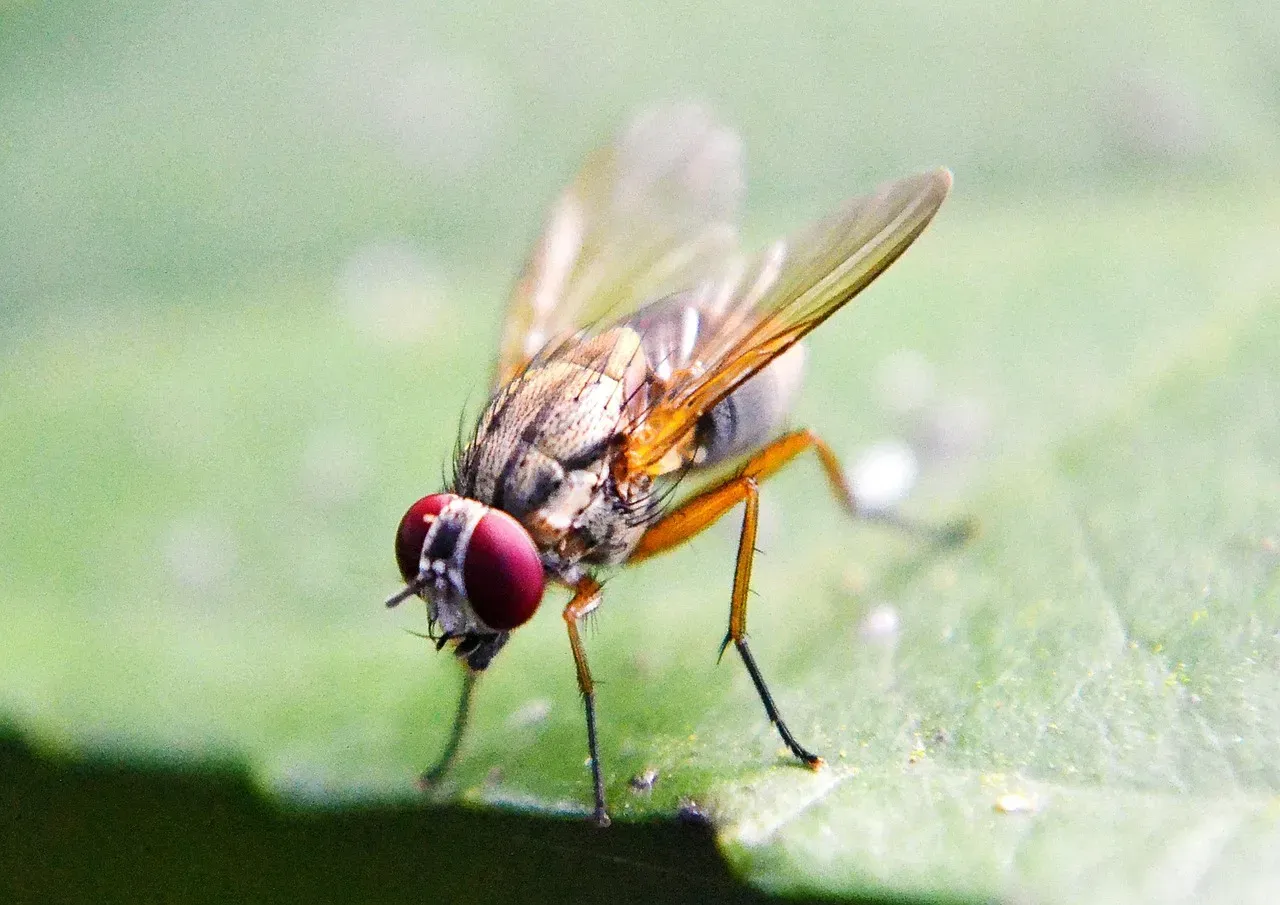
One of the cleanest assumptions in classical evolutionary theory is that natural selection consistently drives populations toward optimal solutions. A growing body of research is complicating that picture significantly. A group of fruit flies living in a region with large seasonal temperature swings may evolve traits suited to that environment, while a population in a region that alternates between long droughts and heavy rainfall faces a very different challenge. These distinct patterns of environmental change can push evolution in very different directions, even within the same species.
At the core of this research is the realization that, with evolution, the history and starting point shape the journey, while each traveler will get to a different place depending on the kinds of challenges they face. This matters because it means evolutionary outcomes are not predetermined or universal. The path a lineage has already taken shapes and constrains where it can go next, which raises genuinely difficult questions about how repeatable or predictable evolution actually is.
The Bigger Picture: Science Working as It Should
None of these theories, taken together, amount to a repudiation of Darwin. Natural selection is still real. Genetic inheritance still matters enormously. What has changed is the growing recognition, backed by solid research, that the story is much richer than the 20th-century synthesis allowed for.
What’s striking about this moment in biology is the intellectual honesty driving it. Some biologists and philosophers claim that evolutionary biology needs reform, arguing that traditional explanations for how organisms change through time are holding back the assimilation of novel findings. Contemporary evolutionary biology, a vocal minority argue, is incomplete. The dominant and traditional view of the field is too preoccupied with how the genes in a population change over time.
That is not a crisis. It’s science doing exactly what it’s supposed to do: updating its models when the evidence demands it. The theories covered here don’t undermine our confidence in evolution. If anything, they deepen it, because a framework robust enough to absorb new complexity without breaking is stronger for having been tested. The most honest thing we can say about evolution right now is that we understand it far better than Darwin did, and far less than we will.

- Why Wolves Were Reintroduced to Yellowstone - July 15, 2026
- The Resurgence of America’s Wild Horses: A Symbol of Freedom and Hope - July 15, 2026
- 10 Cat Breeds That Tolerate Dogs Surprisingly Well - July 15, 2026