
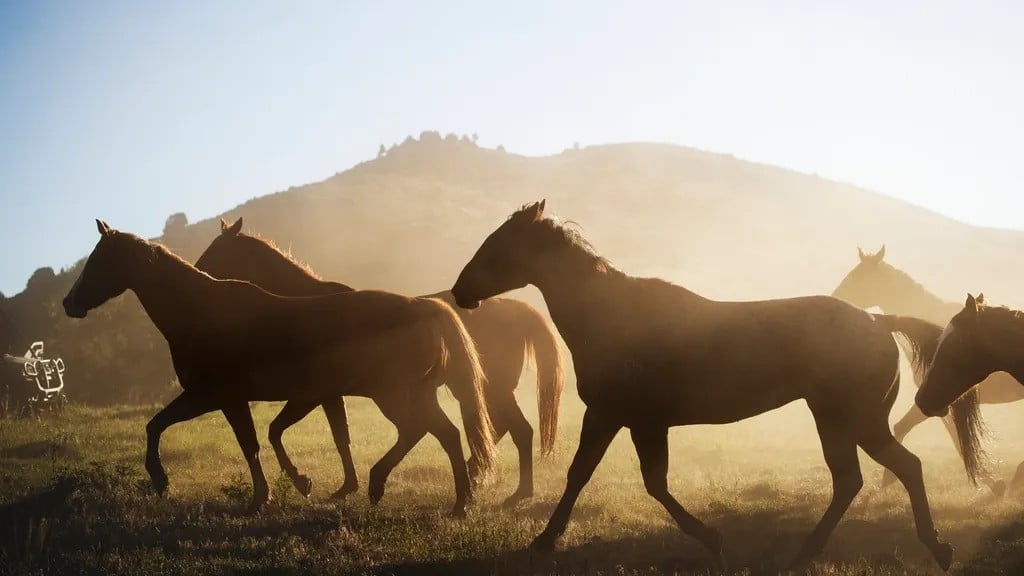
There is something almost instinctive about the way Americans respond to the sight of wild horses. A herd thundering across an open Nevada plain, manes flying, kicking up red dust – it feels like a window into something older and less complicated than modern life. Mustangs are a mythic symbol of freedom, heroism, romance, limitless possibilities, and the vanishing West.
Yet behind that romanticized image lies one of the most contested wildlife management debates in the United States. The story of wild horses in America is not simply one of beauty and freedom. It is a long, unresolved negotiation between a nation’s ideals, its land, its laws, and its costs. Understanding where things stand today means following that story from its roots all the way to the present.
From Millions to Thousands: A History Worth Knowing
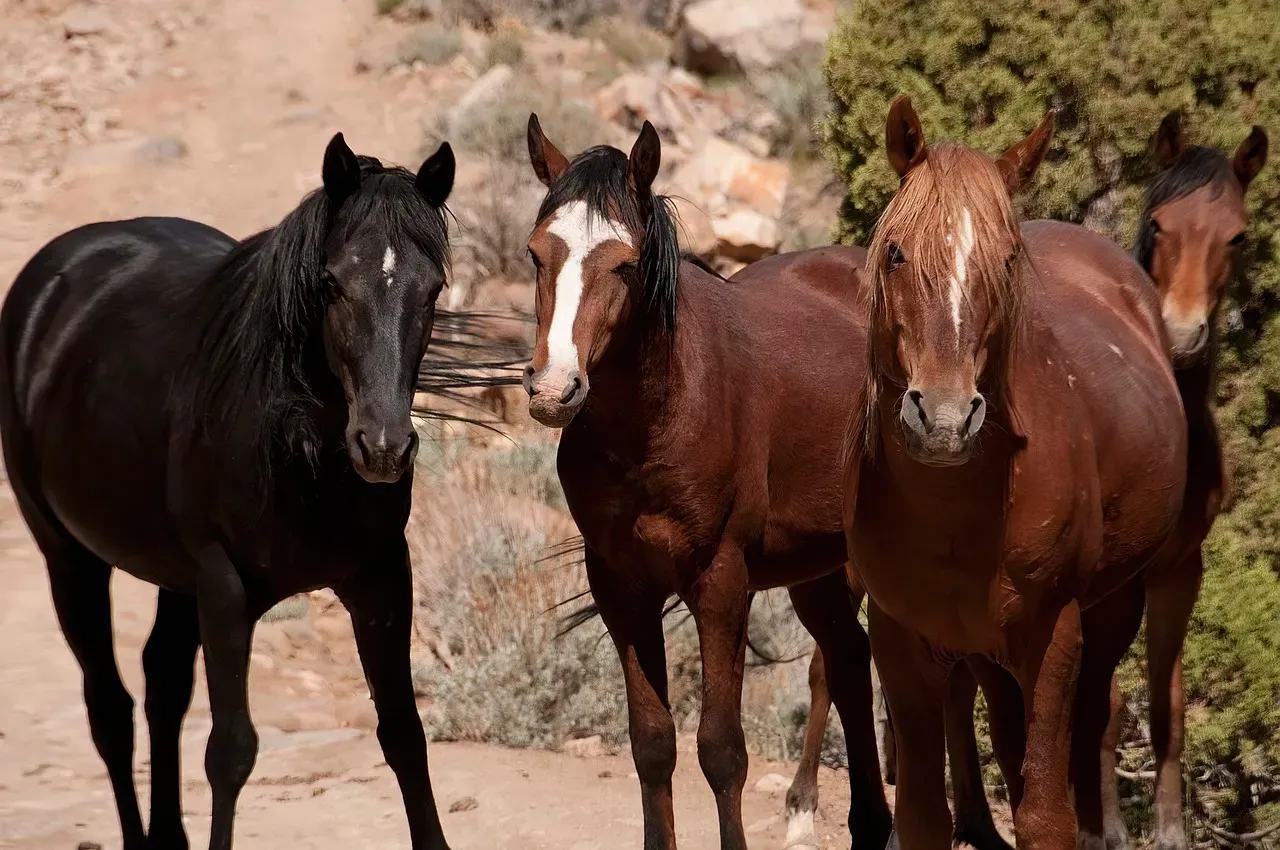
The mustang is a free-roaming horse of the Western United States, descended from horses brought to the Americas by the Spanish conquistadors. With origins tracing back to Spanish horses brought to the Americas in the 16th century, the mustang symbolizes a rich blend of diverse ancestries and embodies resilience and adaptability through natural selection.
As people began settling the West, more livestock joined the growing population, reaching an estimated total of around two million wild horses and burros by the late 1800s, though the habitat gradually shrank as settlement increased. The demand for horses during World War I, along with commercial slaughter for the pet food industry, cut those numbers dramatically.
By the 1970s, populations had declined to an estimated 17,000 horses, as over a million wild equines had been conscripted for World War I, and killing the animals for industrial uses or hunting for sport were also common. The collapse in numbers from millions to barely 17,000 was striking enough to trigger one of the most broadly popular pieces of wildlife legislation in American history.
In the 1950s, an unlikely champion emerged. Velma B. Johnston, who later became known as “Wild Horse Annie,” launched a campaign aiming to establish legislation to protect wild horses and burros across America. Johnston’s “Pencil War” invited others, including thousands of school-aged children, to join her in writing letters to Congress asking for change on behalf of the shrinking mustang population. Congress responded by passing the 1959 Wild Horse Annie Act, followed by the 1971 Wild Free-Roaming Horses and Burros Act.
In 1971, the United States Congress recognized that “wild free-roaming horses and burros are living symbols of the historic and pioneer spirit of the West, which continue to contribute to the diversity of life forms within the Nation and enrich the lives of the American people.” That language still holds force today.
Where the Numbers Stand Right Now
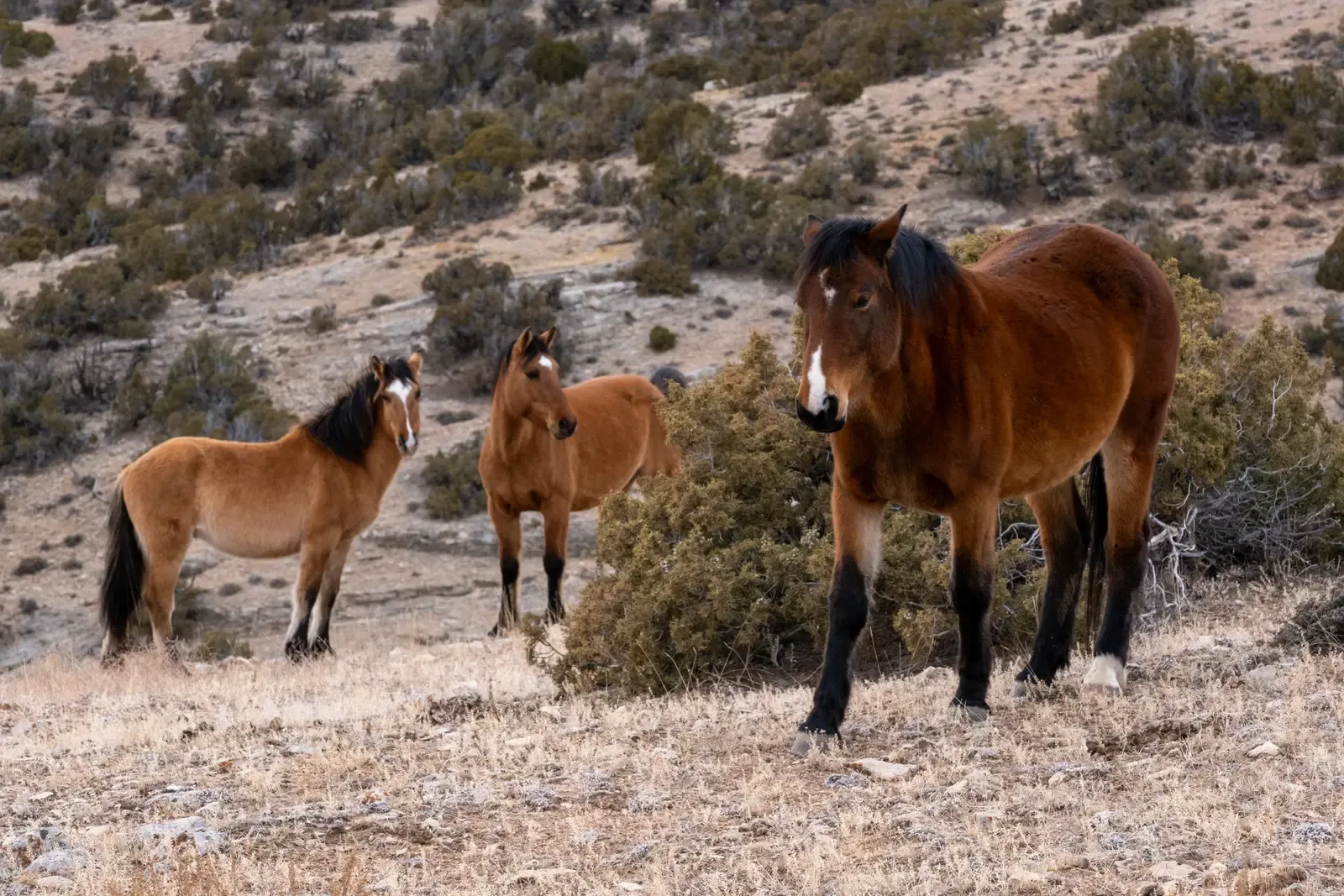
As of March 1, 2025, the nationwide population estimate sits at 73,130 wild horses and burros on BLM-managed public lands. That is a meaningful reduction from the peak of the recent growth surge, and reflects years of concentrated management effort.
For more than a decade prior to 2020, wild horse and burro populations saw rapid growth, rising from approximately 28,500 animals in 2007 to a peak of more than 95,000 animals in 2020. The current level is 23 percent less than the 2020 recent high, due to factors including increased removals, adoptions and sales, and fertility control.
The number of free-roaming wild horses and burros on federal land is now at the lowest level in nearly a decade, making it easier for the bureau to protect soils, vegetation and already scarce water resources the animals need to survive. Still, context matters here. Despite the reduction, BLM officials say the population remains nearly three times what scientists estimate the lands can support.
BLM manages wild horses and burros in 175 herd management areas in 10 western states, and nearly half of those areas are located in Nevada. The current population includes an estimated 53,797 wild horses and 19,333 wild burros.
The Management Tangle: Roundups, Costs, and Controversy
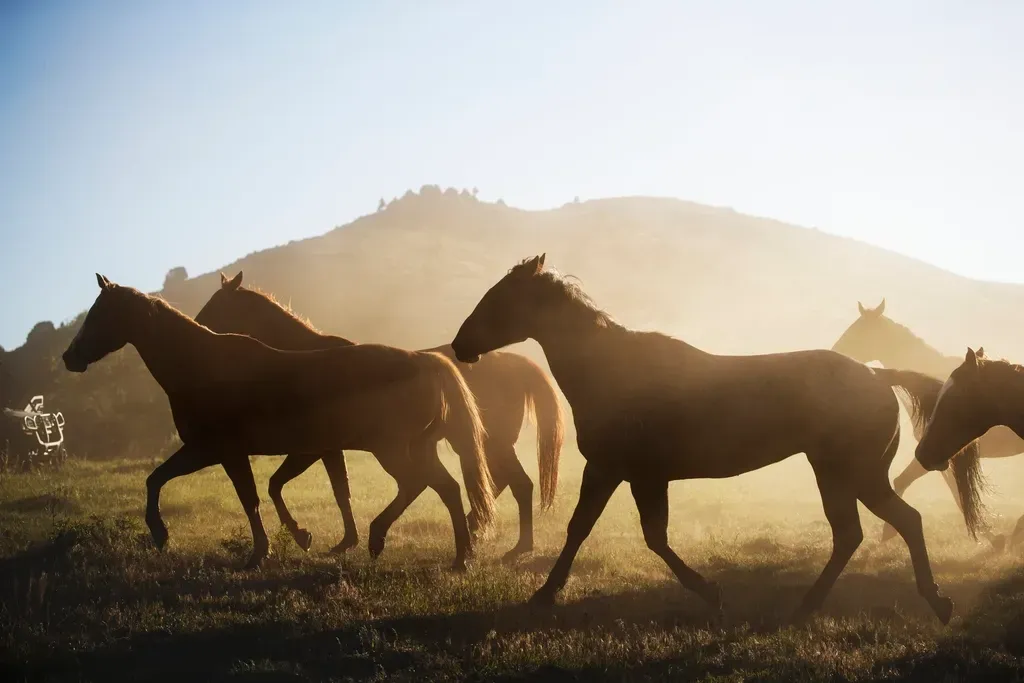
The high price tag of the current program is the result of a strategy to regularly round up and remove a portion of mustangs off federal rangelands, which is meant to control the population and protect increasingly sensitive lands from being overrun by growing herd sizes. The financial scale of this effort has become staggering.
The fiscal year 2025 appropriation for BLM management of wild horses and burros was $142 million. Relative to the year 2000, when the budget was roughly $20 million, this represents nearly a 600 percent increase in nominal dollars. Most of that money does not go toward horses on the range.
There are now 68,143 captured wild horses and burros in off-range holding facilities as of January 2025, with more than 28,352 living in often overcrowded corral facilities. As of fiscal year 2024, off-range holding cost $101 million, which amounts to 66 percent of the BLM’s annual Wild Horse and Burro Program budget.
Wild horses comprise a minute fraction of grazing animals on public lands, where they are sometimes outnumbered by cattle by upwards of 50 to 1. Advocacy groups argue this context is routinely ignored when population limits are set, and that the debate has never been as straightforward as the roundup-and-removal approach implies.
When chronically overpopulated, wild horse and burro herds degrade important ecosystems, which can eventually lead to starvation and dehydration for the wild horses and burros, and impact other wildlife. The tension between protecting horses and protecting the land they depend on remains very real.
A Humane Path Forward: The Science of Fertility Control
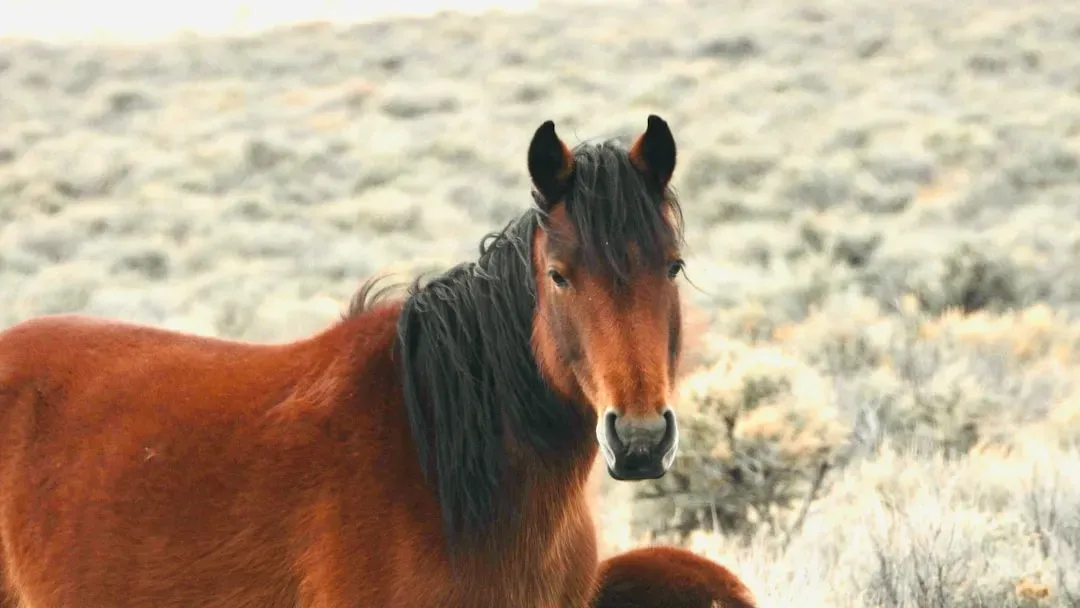
Amid the cost controversies and the ongoing debate over roundups, one tool has quietly accumulated decades of evidence in its favor. Porcine Zona Pellucida, or PZP, is a fertility-control vaccine administered to female horses on the range via remote darting. With over three decades of proven use, PZP is recommended by the National Academy of Sciences for federally protected wild horse herds and offers a humane alternative to roundups and removals.
The vaccine induces an immune response that prevents fertilization without affecting hormone production, thus preserving natural behaviors. That last point matters to advocates who worry that management practices should not fundamentally alter how these animals live and interact.
The efficacy rate of PZP is 95 to 97 percent, and research has found that a mare who has been treated for 5 to 7 years will self-boost and no longer require additional treatments. Cost comparisons with the current system are stark. A PZP dose costs just $30, and total treatment costs about $220 per horse. In contrast, the BLM spends an estimated $48,000 per horse in off-range holding facilities, and expanding PZP programs could significantly reduce long-term costs.
Nevada’s Virginia Range is home to a treasured population of wild horses and also home to the world’s largest wild horse fertility control program, proving that another path is possible – and it is working. Having recently finished its sixth year, the program achieved an 82 percent reduction in foal births between January and June 2025 compared to the same period in 2020. Those results are hard to ignore.
What the Future Holds: Hope, Policy, and Public Will
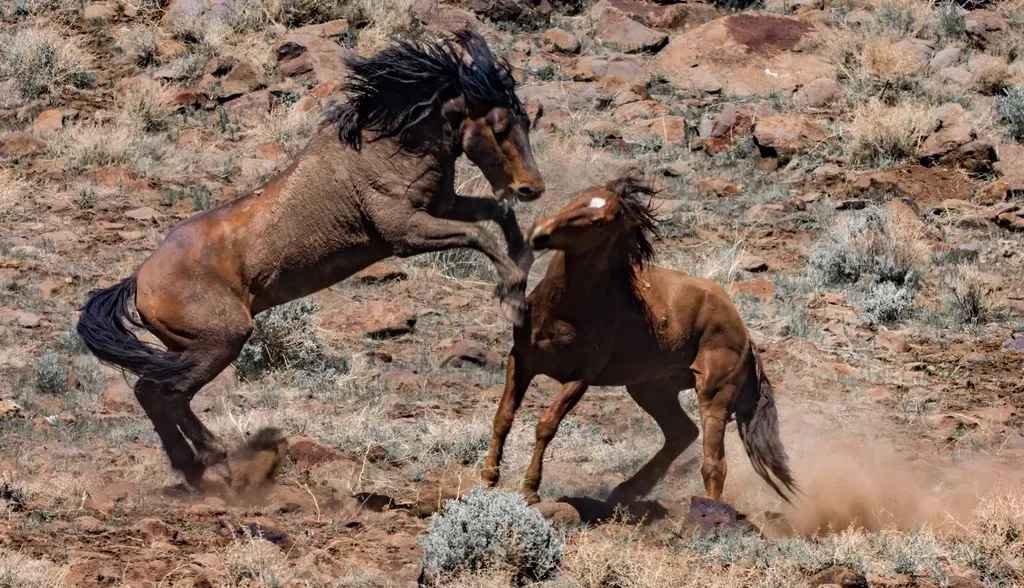
The future of America’s wild horses depends as much on policy as it does on the land. It remains unclear what direction the current administration will take with regard to oversight of America’s wild horses and burros. Given the rapid pace of sweeping changes in Washington, D.C., there is cause for great concern among advocates.
According to advocacy groups, a 2017 poll revealed that 83 percent of Trump voters and 77 percent of Hillary Clinton voters supported protecting wild horses and burros from slaughter. That kind of bipartisan consensus is rare in modern American politics, and it remains one of the most durable forces behind continued protection for wild horses.
Since 1971, nearly 300,000 horses have been placed into private care, becoming excellent pleasure, show, and work horses for families nationwide and even overseas. The adoption pipeline remains one of the most tangible ways the public can participate in protecting these animals. Each adoption or purchase plays a role in balancing herd health, preserving the long-term sustainability of public lands, and creating meaningful partnerships between people and America’s wild horses.
Wild horses, a symbol of American freedom and heritage, have significantly influenced both culture and media. This iconic animal has been immortalized in various forms, from films and literature to visual arts, showcasing its enduring appeal and cultural significance. Mustangs have been a significant part of film and television, especially in Westerns and adventure genres, captivating audiences with their spirit and freedom.
Conclusion
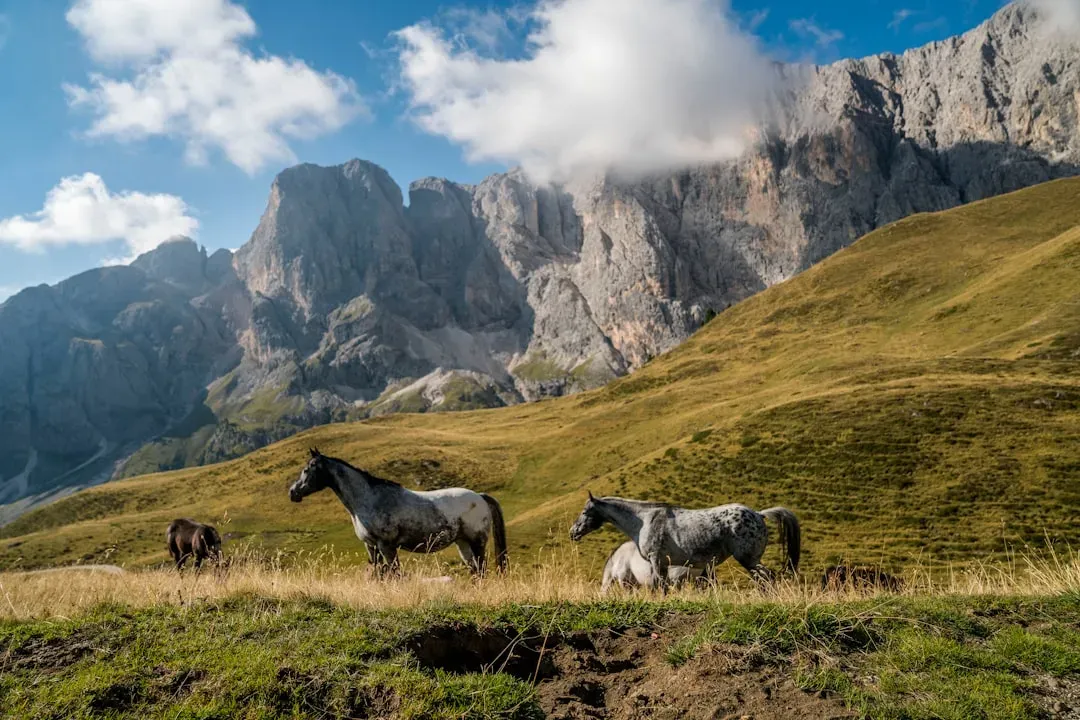
The story of America’s wild horses is not one of tidy resolutions. It is a story still in progress. The population numbers are trending downward from their recent peak, management debates remain deeply contentious, and the political climate introduces uncertainty that advocates watch closely.
What has not changed is the depth of public feeling for these animals. Federal law declares wild horses and burros to be “living symbols of the historic and pioneer spirit of the West,” and stipulates that they be managed and protected for the long term. That mandate carries both legal weight and genuine emotional resonance across the country.
Perhaps the most honest framing for 2026 is this: the tools for humane, cost-effective management of wild horses exist and are being proven in the field. The gap between what is scientifically possible and what is being implemented at scale remains wide. Closing that gap, with clear-eyed policy and sustained public pressure, may well be what determines whether future generations inherit a West that still has wild horses running free across it.

- Why Wolves Were Reintroduced to Yellowstone - July 15, 2026
- The Resurgence of America’s Wild Horses: A Symbol of Freedom and Hope - July 15, 2026
- 10 Cat Breeds That Tolerate Dogs Surprisingly Well - July 15, 2026