
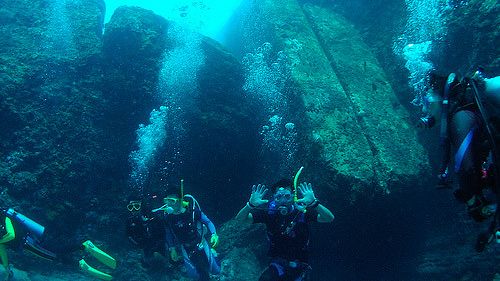
The ocean covers most of our planet, yet it still holds surprises that defy easy explanation. Divers and researchers keep pulling up objects and creatures that seem out of place, whether because of their age, their location, or their sheer oddity. These discoveries remind us how little we truly know about the depths.
1. The Baltic Sea Anomaly
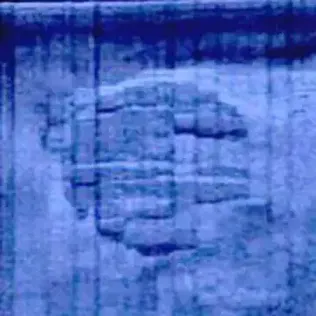
Explorers scanning the floor of the Baltic Sea in 2011 came across a large, circular formation that looked almost engineered. Its shape and markings sparked immediate debate about whether it was a natural rock outcrop or something far more unusual. Measurements showed it sat roughly 300 feet across and rested at a depth where few expected such symmetry.
Subsequent dives revealed what appeared to be straight lines and possible stair like features on the structure. No conclusive proof of artificial origin has emerged, yet the formation continues to puzzle geologists and historians alike. Its remote location adds another layer of mystery to an already strange find.
2. The Antikythera Mechanism
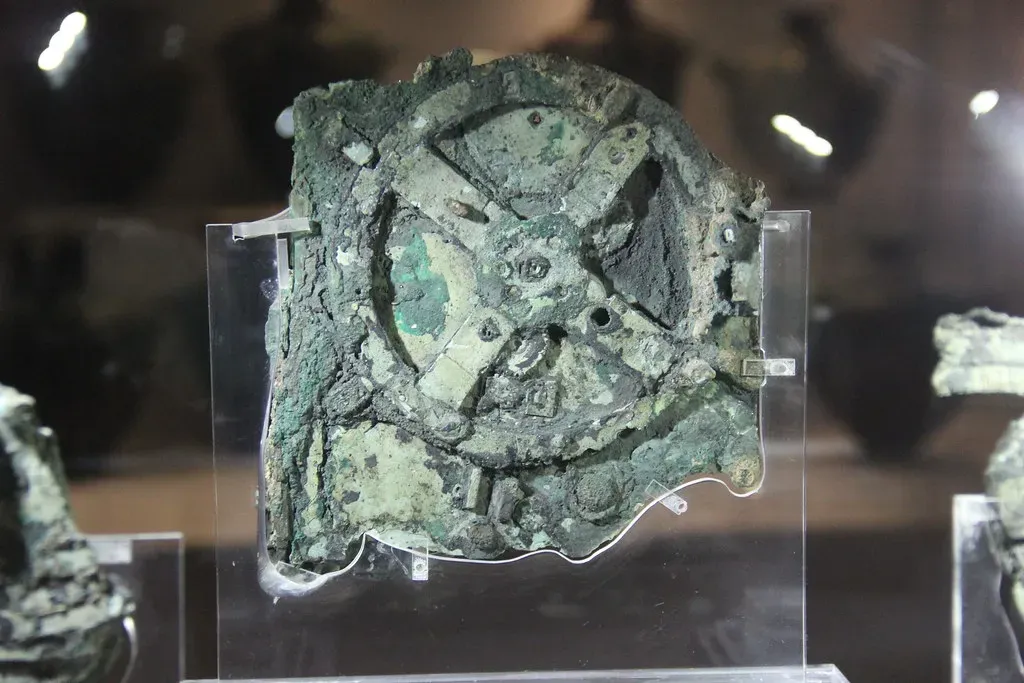
A shipwreck off the Greek island of Antikythera yielded an intricate bronze device in 1901 that still astonishes scientists today. The mechanism contained dozens of gears capable of tracking planetary movements and predicting eclipses with surprising accuracy. Its construction dates back more than two thousand years, placing advanced mechanical knowledge in an era when such technology was thought impossible.
Researchers have spent decades studying the corroded fragments and building working replicas. The device demonstrates that ancient civilizations possessed engineering skills far beyond what textbooks once suggested. Its presence on the seafloor underscores how much history lies hidden beneath the waves.
3. The Yonaguni Monument
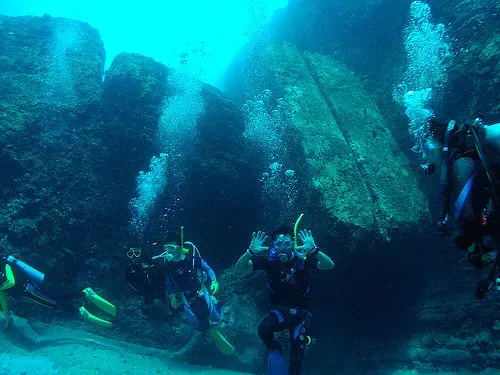
Off the coast of Japan, divers discovered a series of massive stone terraces and pillars that some interpret as the remains of an ancient city. The formations include what look like roads, walls, and even a possible pyramid shape carved from the bedrock. Geologists debate whether wave action and natural erosion created the patterns or whether human hands played a role thousands of years ago.
The site sits in relatively shallow water, making it accessible yet still enigmatic. No artifacts confirming human occupation have been recovered so far, leaving the origin open to interpretation. The monument challenges assumptions about early seafaring cultures in the region.
4. The Blobfish
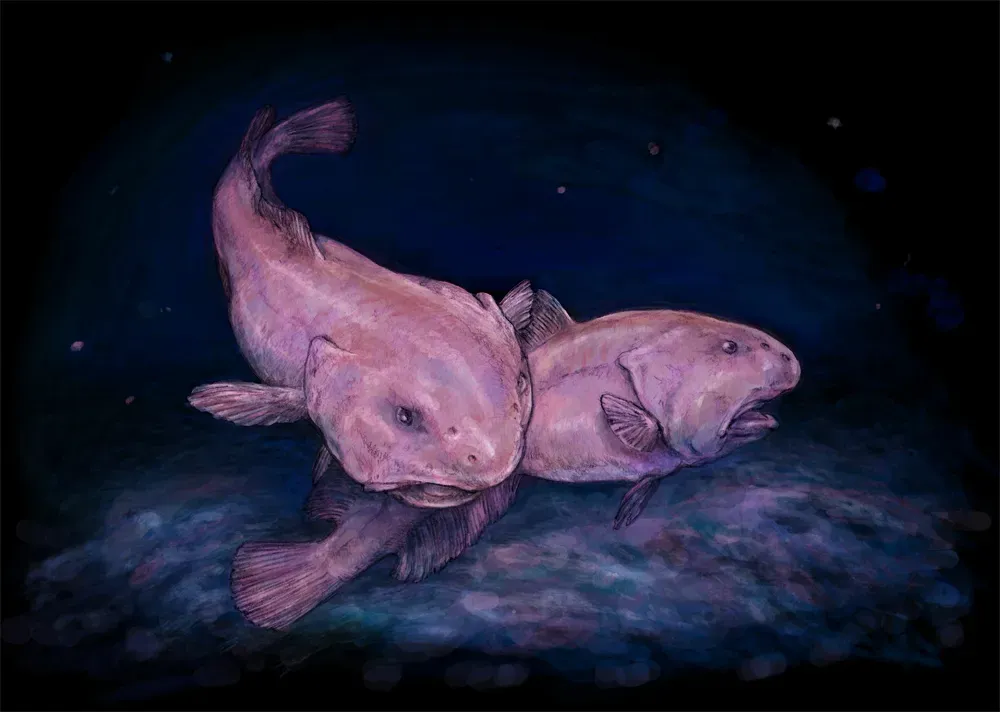
Deep sea trawlers occasionally bring up a gelatinous pink fish that looks like a sad cartoon character when removed from its high pressure home. At depths of several thousand feet the blobfish maintains a normal shape, but the change in pressure turns it into a floppy mass. Its appearance earned it the title of the world’s ugliest animal in a public poll years ago.
Despite the unflattering nickname, the creature plays a quiet role in its ecosystem as a bottom feeder. Its existence highlights how life adapts to extreme conditions that would crush most surface organisms. Few people encounter the fish in its natural state, which adds to its peculiar reputation.
5. The Glass Octopus
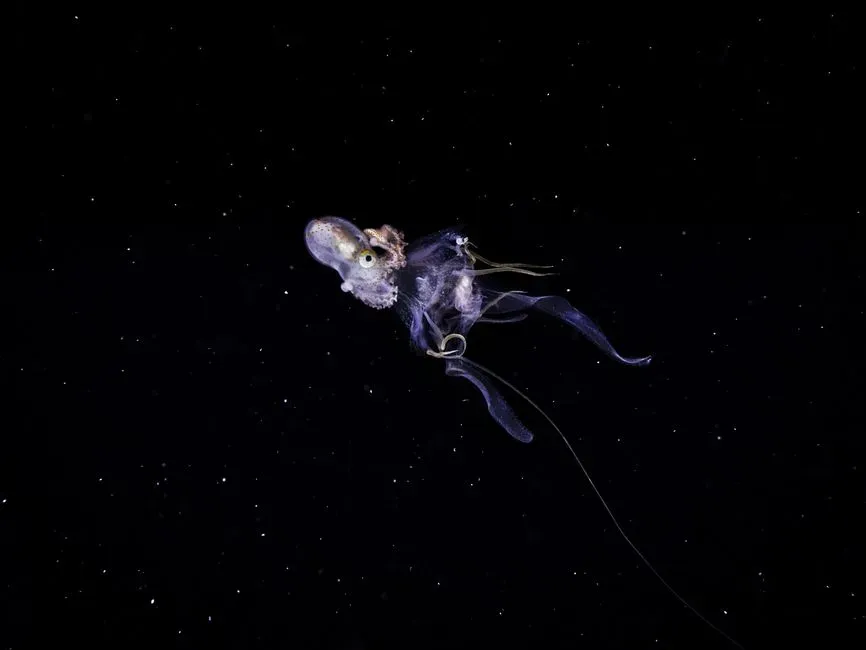
Researchers filming in the deep Pacific captured rare footage of a nearly transparent octopus drifting through the water column. Its internal organs remain visible through its clear body, giving it an almost ghostly appearance. The adaptation provides effective camouflage against predators in the dark depths where light is scarce.
Previous specimens had mostly come from the stomachs of larger animals, so live observations remain uncommon. The glass octopus demonstrates how evolution favors invisibility in environments where escape options are limited. Its delicate form contrasts sharply with the rugged seafloor below.
6. The Purple Orb

In 2016 a team aboard the Nautilus research vessel spotted a smooth purple sphere resting on the seafloor off California. The object measured roughly the size of a softball and resisted easy classification at first glance. Scientists speculated it might be an egg sac, a new species of snail, or something entirely unexpected.
Attempts to collect the specimen involved a brief tug of war with a passing crab. Ongoing analysis suggests it belongs to a group of marine snails, yet its exact nature continues to intrigue the team. Such chance encounters show how much remains undiscovered even in well studied regions.
7. Giant Tube Worms
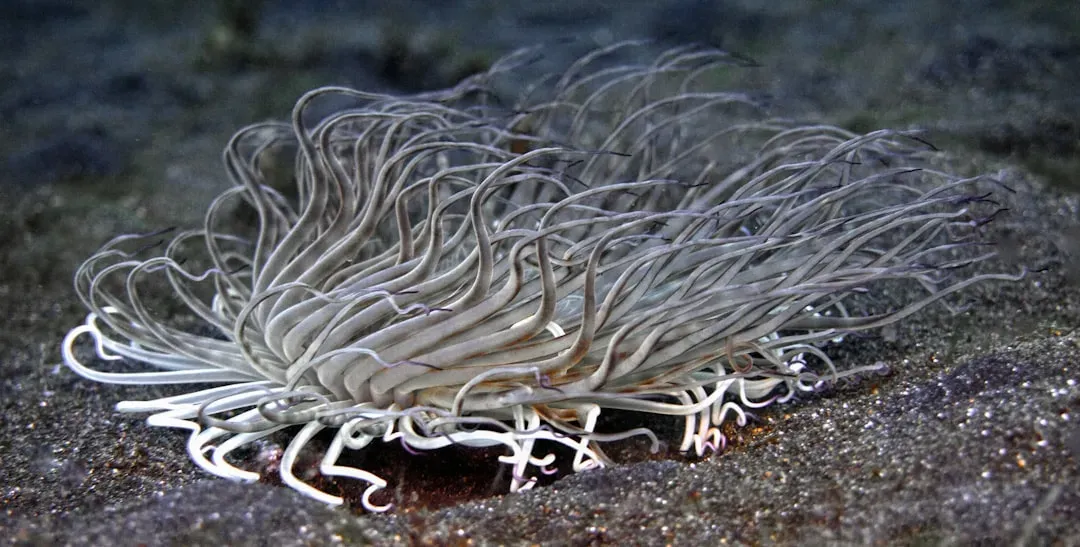
Hydrothermal vents on the ocean floor support colonies of tube worms that can reach lengths of several feet. These creatures lack digestive systems and instead rely on symbiotic bacteria that convert vent chemicals into energy. Their discovery in the late 1970s overturned ideas about where life could thrive without sunlight.
The worms cluster in dense thickets around the scalding water, protected by tough outer tubes. Their presence proves that entire ecosystems can exist in total darkness and under crushing pressure. The vents themselves represent another unexpected feature in an already hostile setting.
8. The Rubber Duck Armada

A shipping container accident in the Pacific released thousands of plastic toys into the currents in the early 1990s. The bright yellow ducks traveled vast distances and washed up on beaches around the world years later. Oceanographers tracked their journeys to map surface currents more accurately than before.
Many of the ducks remain adrift or trapped in the great garbage patches that circle the globe. Their accidental voyage turned a commercial mishap into a long term scientific experiment. The story illustrates how human objects can persist far longer than intended once they enter the marine environment.
9. Apollo Rocket Engines
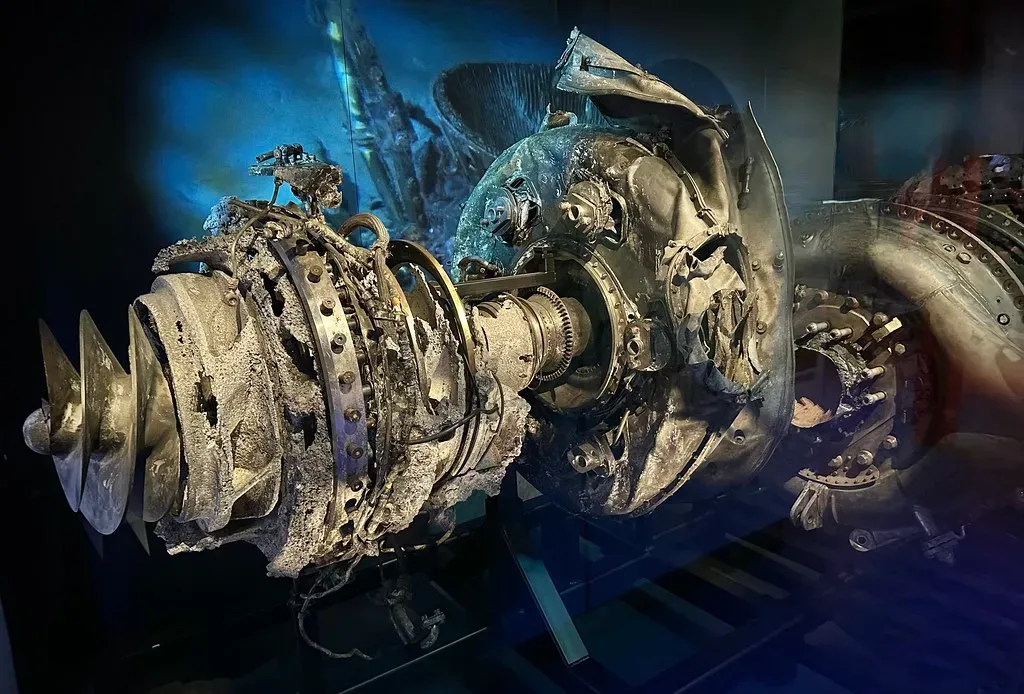
Teams searching the Atlantic recovered several massive F 1 engines from the Apollo program that had fallen to the seafloor after launch. The components had rested undisturbed for decades at depths exceeding three miles. Their retrieval required specialized equipment and careful planning to avoid further damage.
The engines represent tangible links to humanity’s first steps beyond Earth. Their survival on the ocean floor demonstrates both the durability of early space hardware and the vastness of the underwater landscape. Recovery efforts continue to uncover additional pieces from that era.
10. Deep Sea Whale Graveyard
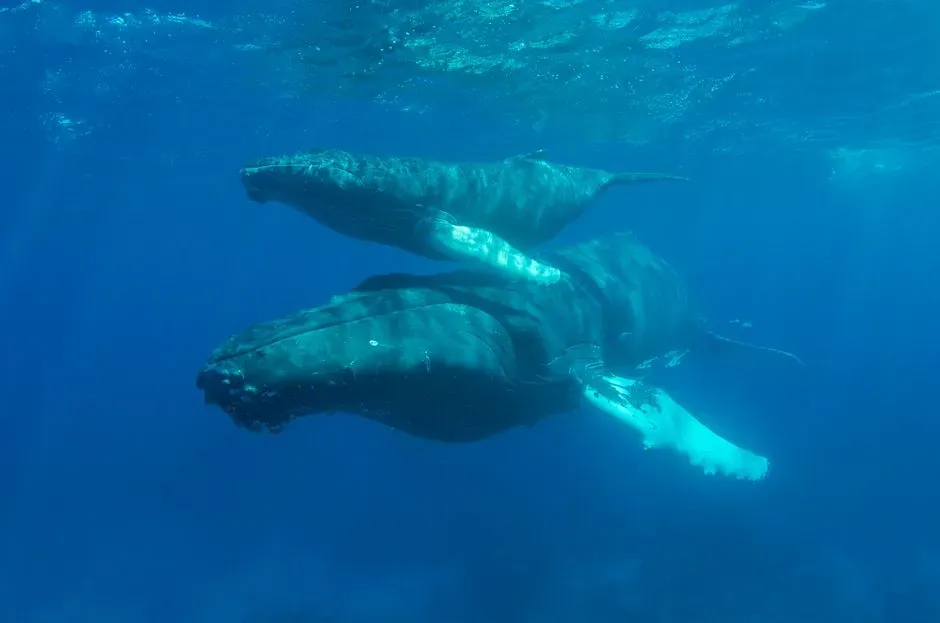
Explorers recently mapped a stretch of seafloor off Australia containing the remains of numerous whales, both modern and prehistoric. The site spans a significant area and includes bones from species that dive to extreme depths. Such concentrations suggest the location may serve as a natural trap or resting place over long periods.
The discovery adds to understanding of whale behavior and the processes that preserve large skeletons on the seabed. It also raises questions about how many similar sites remain hidden in other trenches. The graveyard stands as a quiet testament to the cycles of life and death in the ocean.
These finds share a common thread. They arrived in places or forms that challenge expectations about what belongs beneath the surface. Continued exploration will likely reveal even more examples that force us to reconsider the boundaries of the possible. The ocean keeps its secrets well, yet every new discovery invites us to look again with fresh eyes.

- 8 Ways Glaciers Carved New York's Finger Lakes - August 10, 2026
- 8 Ways Bobcats Move Through Suburbs Without Being Seen - August 9, 2026
- 7 Reasons Black Bears Return to the Same Food Source - August 9, 2026