
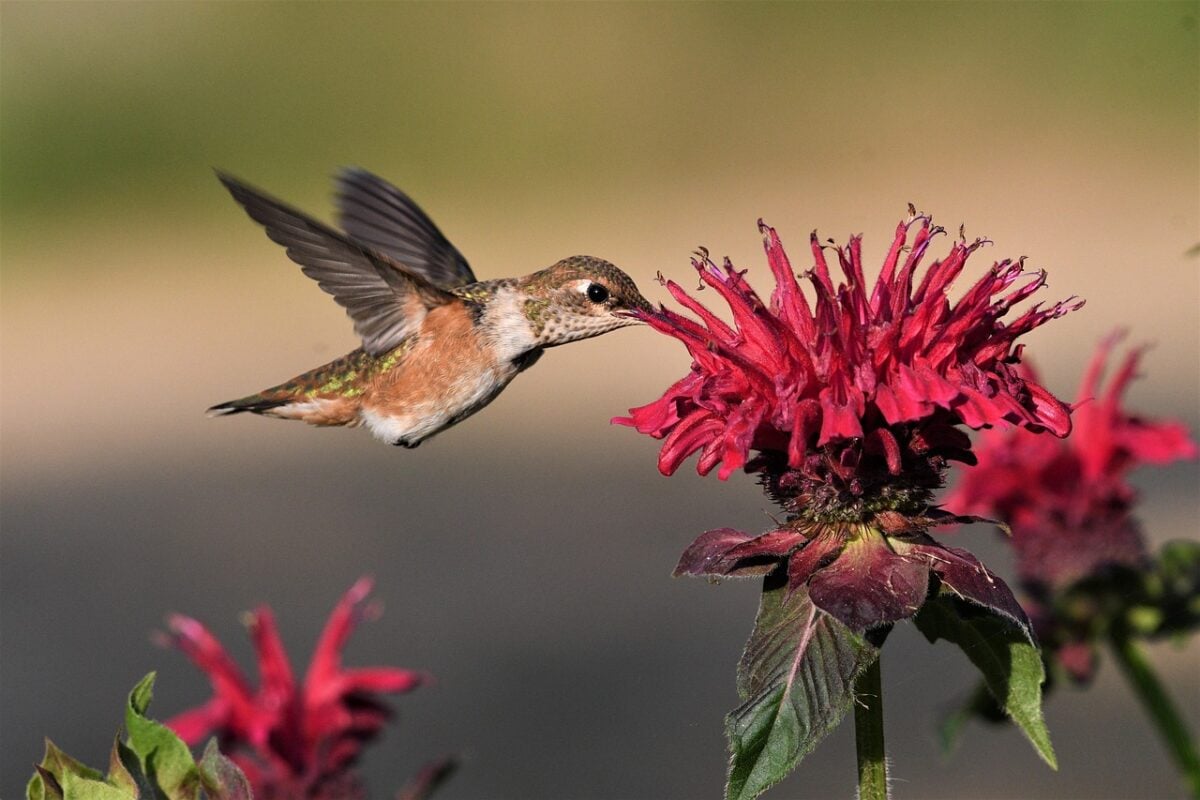
If a hummingbird could leave a review of your yard, would it give you five stars or just do a quick fly‑by and never come back? These tiny birds move so fast it can feel like they appear and vanish at random, but their choices are anything but random. They are constantly scanning, judging, and deciding in split seconds whether your space is worth their precious energy.
Once you understand what they are actually looking for, it almost feels like you can read their minds. Your yard stops being just “pretty” and starts becoming a carefully tuned refueling station, safe zone, and social hub for these tiny powerhouses. Let’s break down the quiet checklist hummingbirds run through before they decide to stay, not just visit.
1. Flower Shape And Color: Does Your Yard Look “Worth It” From The Air?
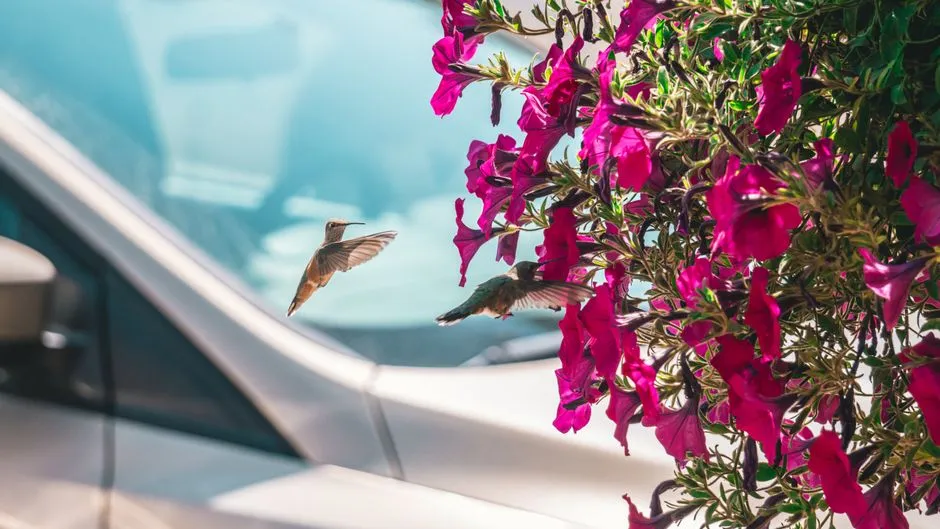
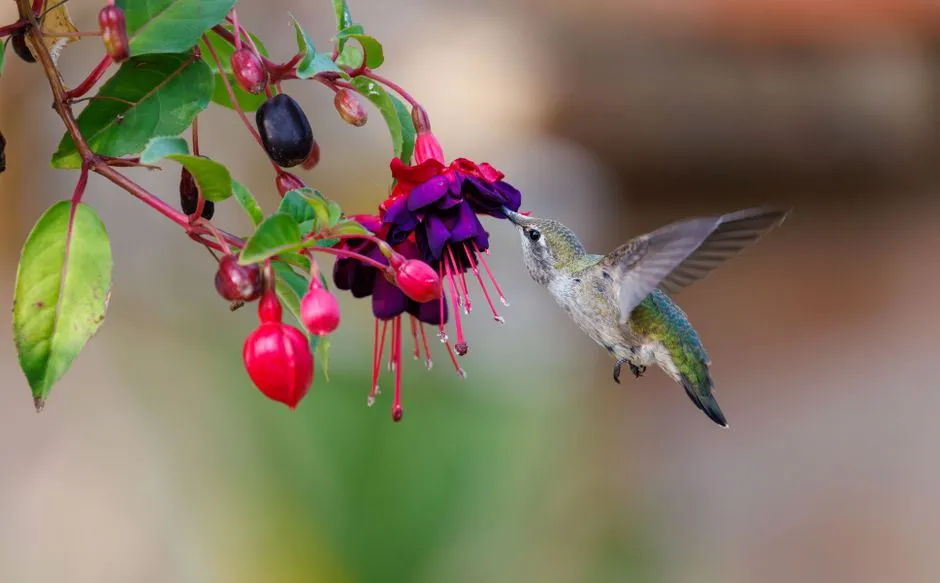
The first thing a hummingbird notices is not your feeder; it is the color and shape of your flowers flashing like little neon signs as they zip overhead. Tubular blooms in shades of red, orange, pink, and deep purple naturally catch their eye, because over time they have learned those shapes and colors usually mean nectar that fits their long beaks and tongues. Flat, open flowers are nice for bees and butterflies, but hummingbirds are drawn more to the long, narrow blooms they can probe deeply.
If your yard is mostly green with a few pale or tiny flowers, a hummingbird may not even bother to slow down. From their perspective, every second of hovering is like running at full sprint; they cannot afford to waste that effort checking plants that are unlikely to pay off. That is why a bold cluster of bright, tubular flowers in one area has far more impact than random scattered blooms – visually it shouts “food here!” instead of whispering “maybe.”
2. Nectar Quality And Availability: Is The Energy Reward High Enough?
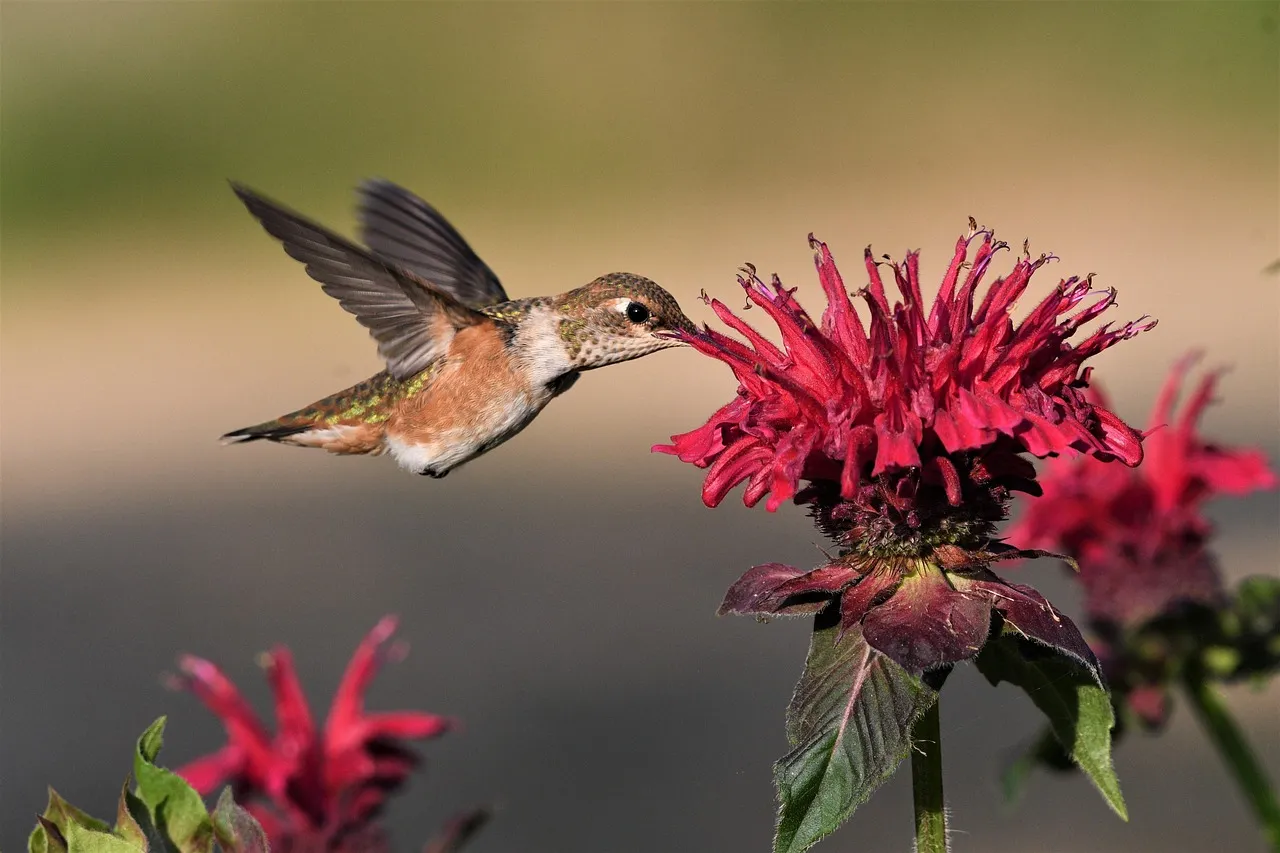
Once a hummingbird approaches a flower or feeder, it is quickly evaluating whether the nectar is worth the effort. Natural nectar in flowers is mostly sugar and water, and hummingbirds seek out blooms with higher sugar concentrations because they burn through energy at an almost unbelievable rate. A yard with lots of flashy flowers but very little nectar is like a beautiful restaurant with an empty kitchen – they will not stay long.
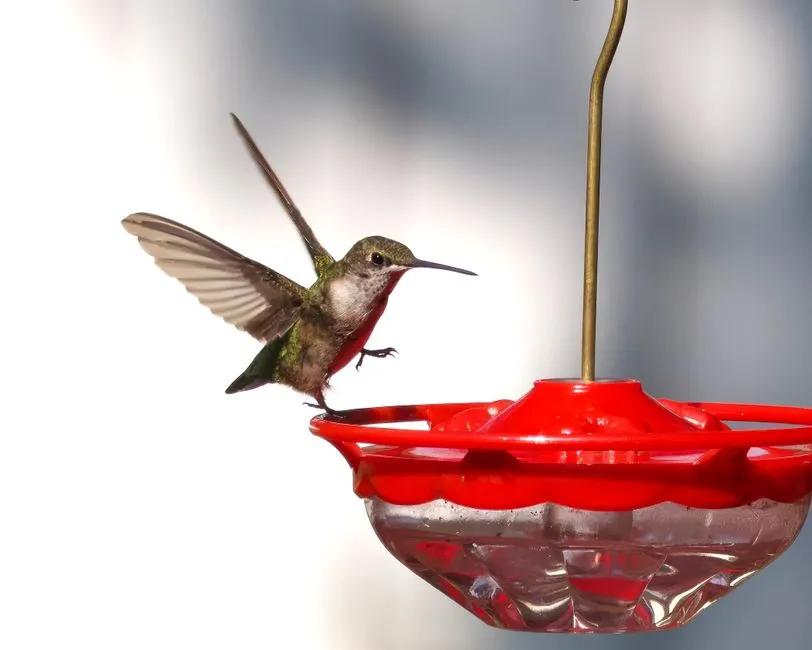
Feeders get judged just as harshly. A simple mixture of white sugar and water at about one part sugar to four parts water closely resembles what many hummingbirds prefer, while odd flavors, dyes, or very weak mixtures can turn them off. They also notice if nectar is old or fermented; if your feeder has been sitting in hot sun for days, they may test it once and mentally cross your yard off the “regular stops” list.
3. Feeder Placement And Design: Is It Safe To Hover Here?
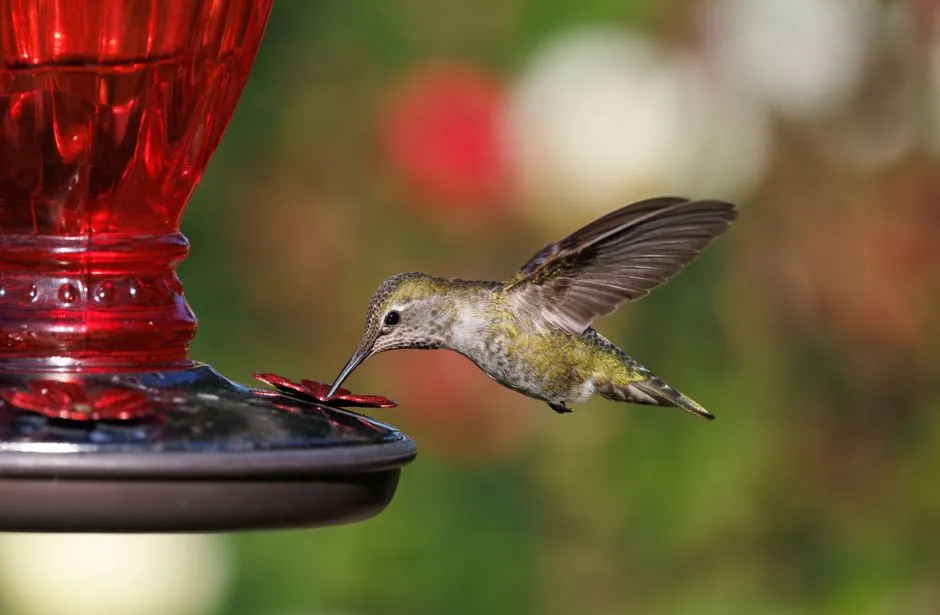
Even the prettiest feeder will be ignored if it is placed in a spot that feels risky. Hummingbirds stay constantly alert for predators, so they prefer feeders where they can see their surroundings clearly and escape quickly if needed. If your feeder is jammed into dense shrubs, hung low near hiding spots for cats, or crowded into a busy patio corner, they may swing by once and then choose a less stressful snack bar down the street.
They also notice how easy it is to actually feed. Simple designs with clear access to the ports, no sharp edges, and stable hanging are much more attractive than wobbly or cluttered setups. If they have to fight branches, bump their wings, or deal with awkward angles just to get a sip, many will decide the cost in effort is higher than the energy reward and move on fast.
4. Perching Options: Can They Rest And Digest Nearby?
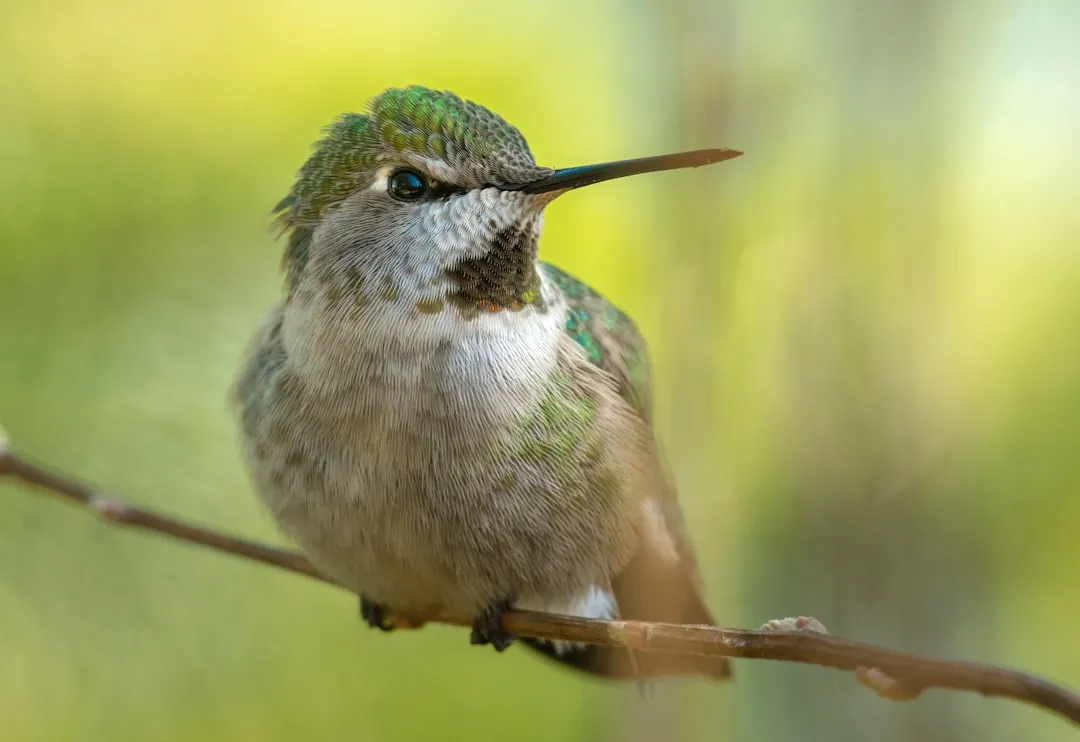
Hummingbirds are famous for hovering, but they actually perch far more than most people realize. After feeding, they like to sit quietly to rest, preen their feathers, and digest their sugary meal. When they check out your yard, they are also scanning for thin, exposed branches, wires, or twigs where they can perch with a clear view of their feeding territory.
If your yard has only thick, dense foliage with no visible perches near food sources, they may still visit but are less likely to hang around. A few well-placed, bare branches or trellises near flowers and feeders can transform your space from “drive‑through window” to “sit‑down café.” In my own yard, hummingbird activity exploded after I stopped trimming one scraggly branch above the feeder; that ugly little stick became the preferred lookout and rest stop.
5. Water Sources And Mist: Is There A Place To Bathe And Cool Down?
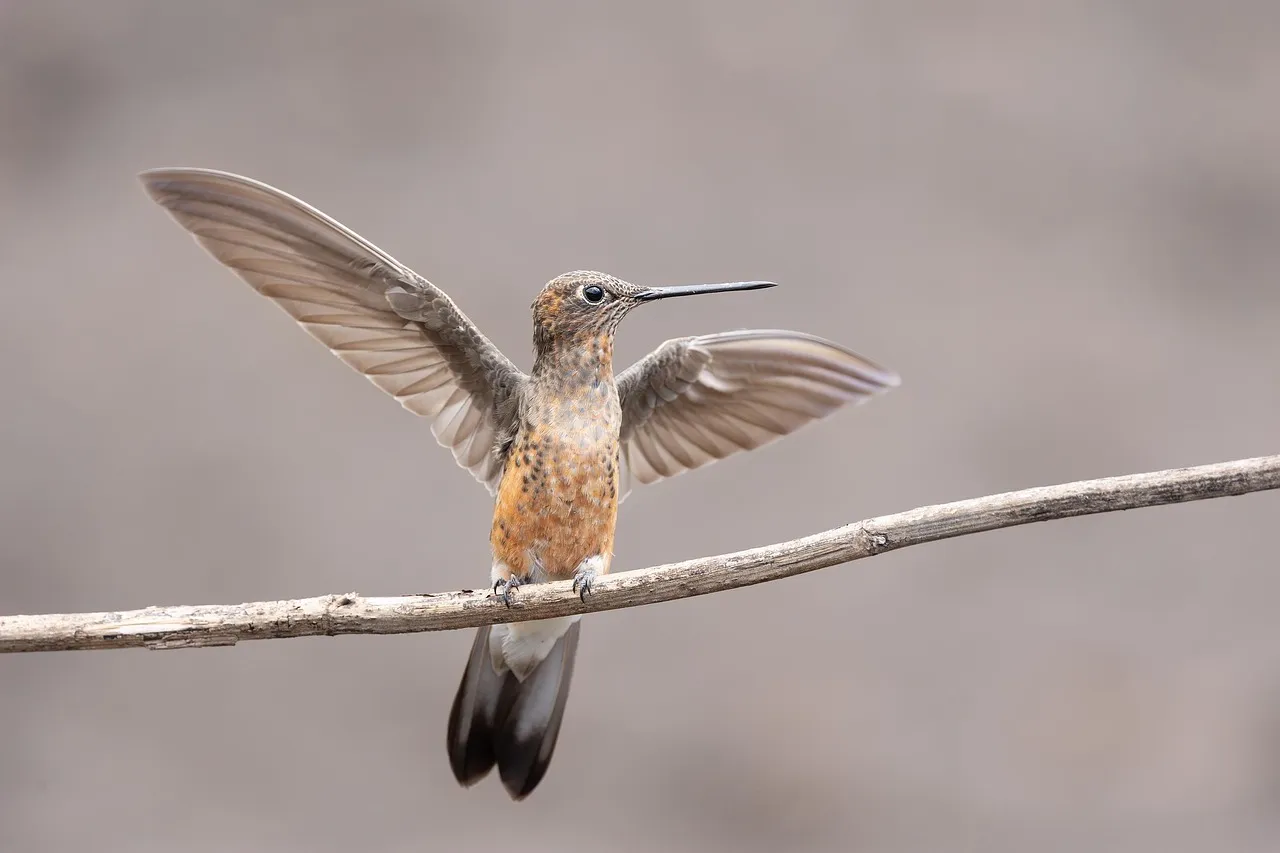
Hummingbirds do not just drink nectar and zip away; they also need water for bathing and cooling off, especially on hot, dry days. They are not big fans of deep birdbaths, because they are so tiny and vulnerable in open water. Instead, they are drawn to gentle misters, fine sprays, drippers, or very shallow trickles where they can skim through the droplets or sit on a wet leaf.
When a hummingbird approaches your yard, it notices more than just obvious pools. It pays attention to sparkling droplets on leaves, the sound and movement of a small fountain, or the soft cloud of a misting hose. A yard that combines nectar, safe perches, and a light water source becomes a full-service spa in hummingbird terms, and birds that find all three are much more likely to adopt that space as part of their daily circuit.
6. Shelter And Nesting Cover: Can They Vanish In A Split Second?
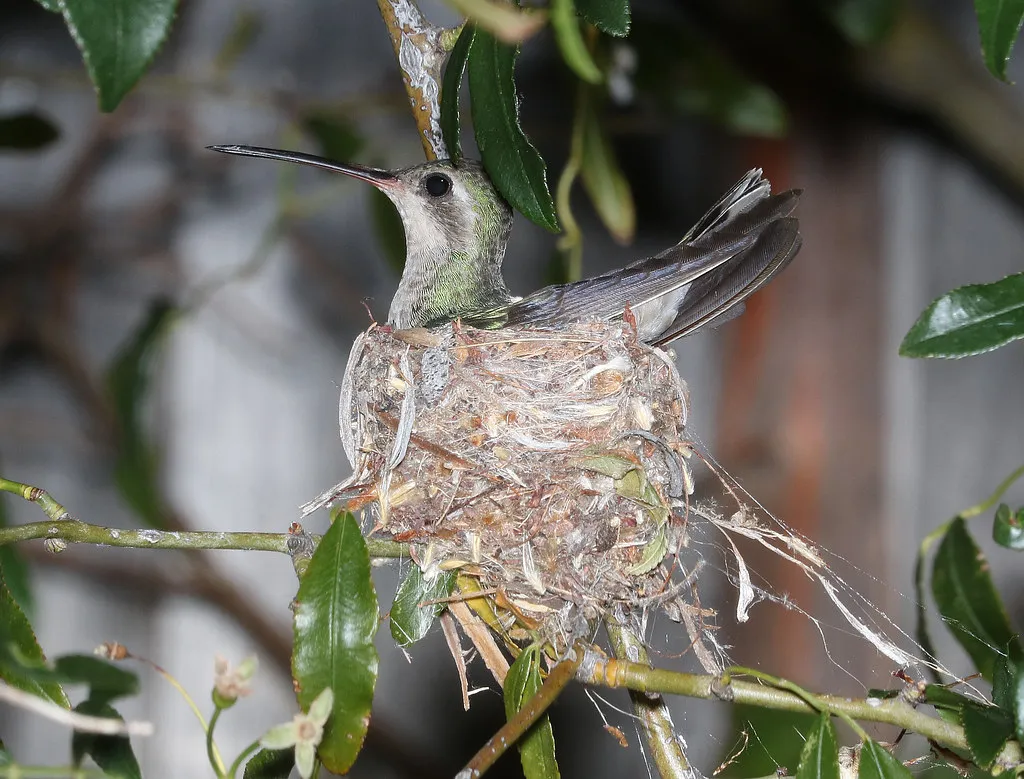
High energy birds also need low drama places to hide. Hummingbirds look for nearby shrubs, small trees, and clumps of foliage where they can dart in and disappear when a predator flies over or an argument breaks out at the feeder. Dense, layered plantings with both taller and shorter plants give them quick escape routes and shaded rest spots that feel far safer than a wide, exposed lawn.
They may also quietly assess whether your yard offers materials and structure for nesting, especially if you live where they breed. Fine, flexible twigs, plants that produce soft fibers, and trees or shrubs with tiny horizontal branches give them options for building their famously delicate nests. Even if you never spot a nest, hummingbirds are constantly mapping where they could hide, rest, or raise young – and a yard that supports all of that scores higher in their mental ranking.
7. Predator And Pet Activity: How Dangerous Does This Place Feel?
No matter how many flowers you plant, one lurking danger can undo all your hard work. Hummingbirds are scanning for motion: house cats stalking in the grass, crows or jays perched nearby, snakes in shrubs, even overly enthusiastic dogs charging fences. If your feeders are positioned low, close to hiding spots, or near places where pets regularly rush around, hummingbirds will sense the risk almost instantly.
They also notice patterns over time. A yard that is often filled with shouting, sudden noises, or fast-moving people feels more hazardous than a relatively calm, predictable space. They can and do learn where they have been chased, grabbed at, or startled before; once a spot gets labeled “stressful” in a hummingbird’s brain, it can be surprisingly hard to win back their trust, even if everything else looks perfect.
8. Competition And Territory Clashes: Is The Drama Level Too High?
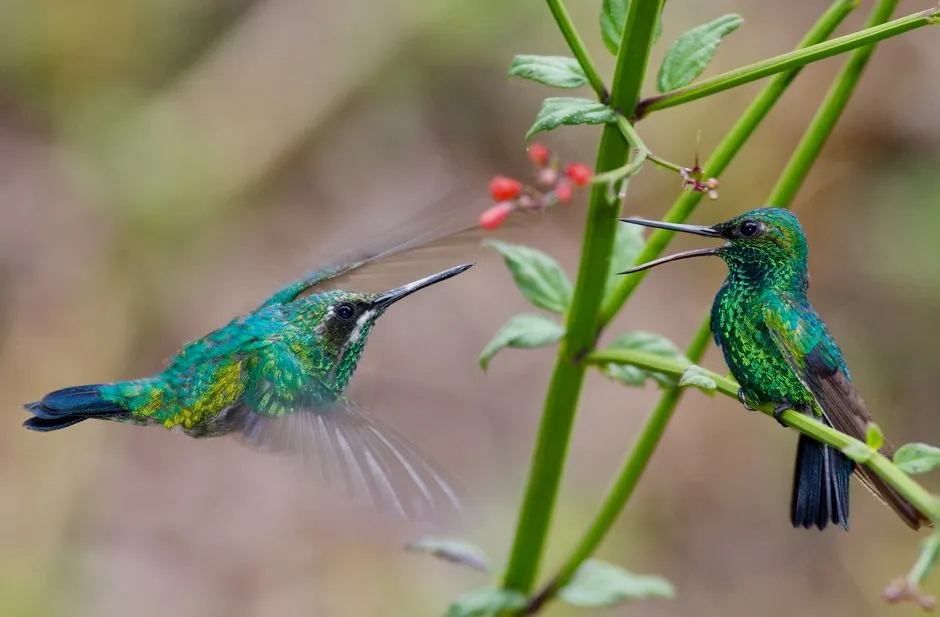
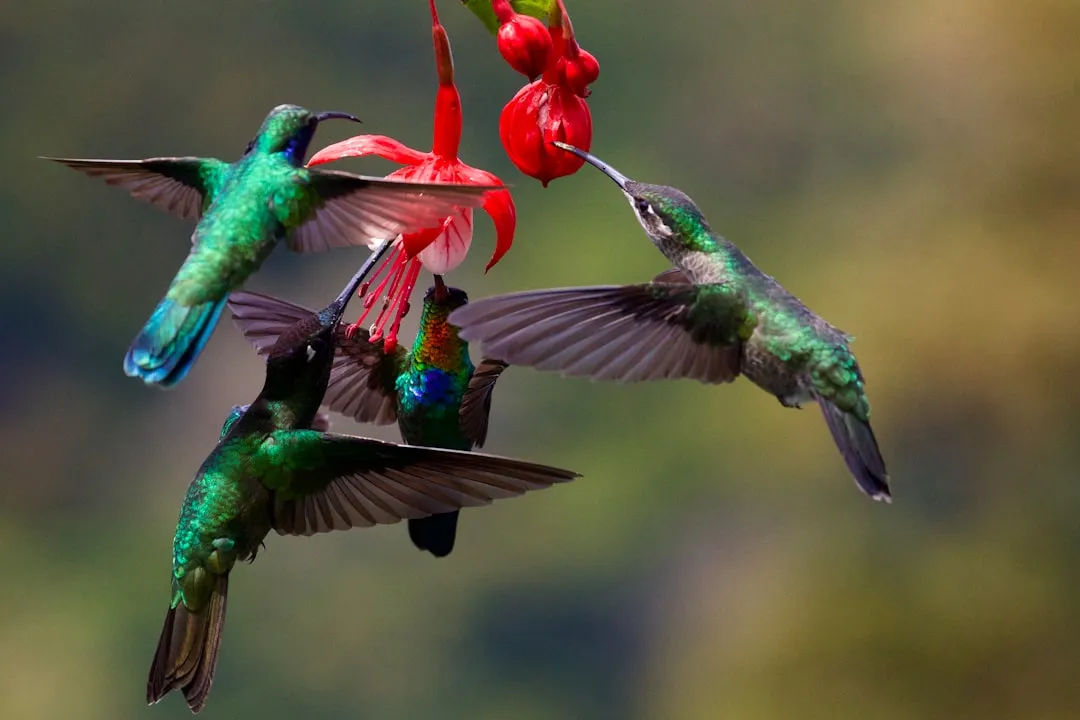
Hummingbirds are adorable until you watch them fight over a feeder like tiny, furious fighter jets. When they approach your yard, they are gauging how many other hummingbirds are present, which directions they are coming from, and how aggressively they are defending the food. For some individuals, a busy, competitive yard is worth the struggle. For others, constant aerial dogfights are a deal‑breaker.
If you hang a single feeder, one dominant bird may guard it and chase others away, which can make shyer visitors decide your yard is just not worth the harassment. Multiple feeders placed out of direct line of sight from one another, plus plenty of natural flowers, can lower the tension. From the hummingbirds’ perspective, that means more opportunities to feed without being ambushed or body‑checked every thirty seconds.
9. Pesticides, Scent, And Overall Plant Health: Does This Place Smell “Safe”?
Hummingbirds rely heavily on vision, but they are not oblivious to smell and taste. Strong chemical odors from freshly sprayed pesticides, herbicides, or harsh cleaners can make a yard feel untrustworthy. Even if the chemicals are not directly on the flowers, residue on nearby plants, patio surfaces, or grass can contribute to a subtle sense that something is off, especially when combined with fewer insects or sick‑looking plants.
They also react to the overall health of your garden. Vibrant, lush plants with frequent blooms, buzzing insects, and a variety of textures send the message that this is a rich, living ecosystem. A yard of stressed, over‑pruned bushes and lifeless lawn, no matter how tidy it looks to humans, may feel to a hummingbird like an empty supermarket with pretty shelves but nothing on them. Healthier plants usually mean better nectar and more tiny insects, which are an important protein source for them too.
10. Consistency Over Time: Can They Rely On Your Yard Day After Day?
Hummingbirds are creatures of habit. Once they find a reliable food source, they build it into a daily route, checking the same spots again and again like commuters on a favorite coffee run. When they test your yard, they are not just judging that exact moment; they are also quietly tracking whether food and safety remain stable over days and weeks. Sudden changes – removing feeders, letting them run dry, constantly moving them, or cutting down key plants – can make them drop your yard from their mental map.
Yards that win their loyalty are the ones that stay relatively predictable: fresh nectar, regular cleaning, ongoing blooms, shelter that does not vanish overnight. It is a long game, not a one‑time setup. If you keep showing up for them – refilling, planting, providing safe spaces – they start showing up for you in return, often at the same times every day like clockwork. That feeling when a hummingbird seems to “expect” you? That is the result of quiet trust built over time.
Conclusion: Turning Your Yard Into A Place Hummingbirds Choose On Purpose
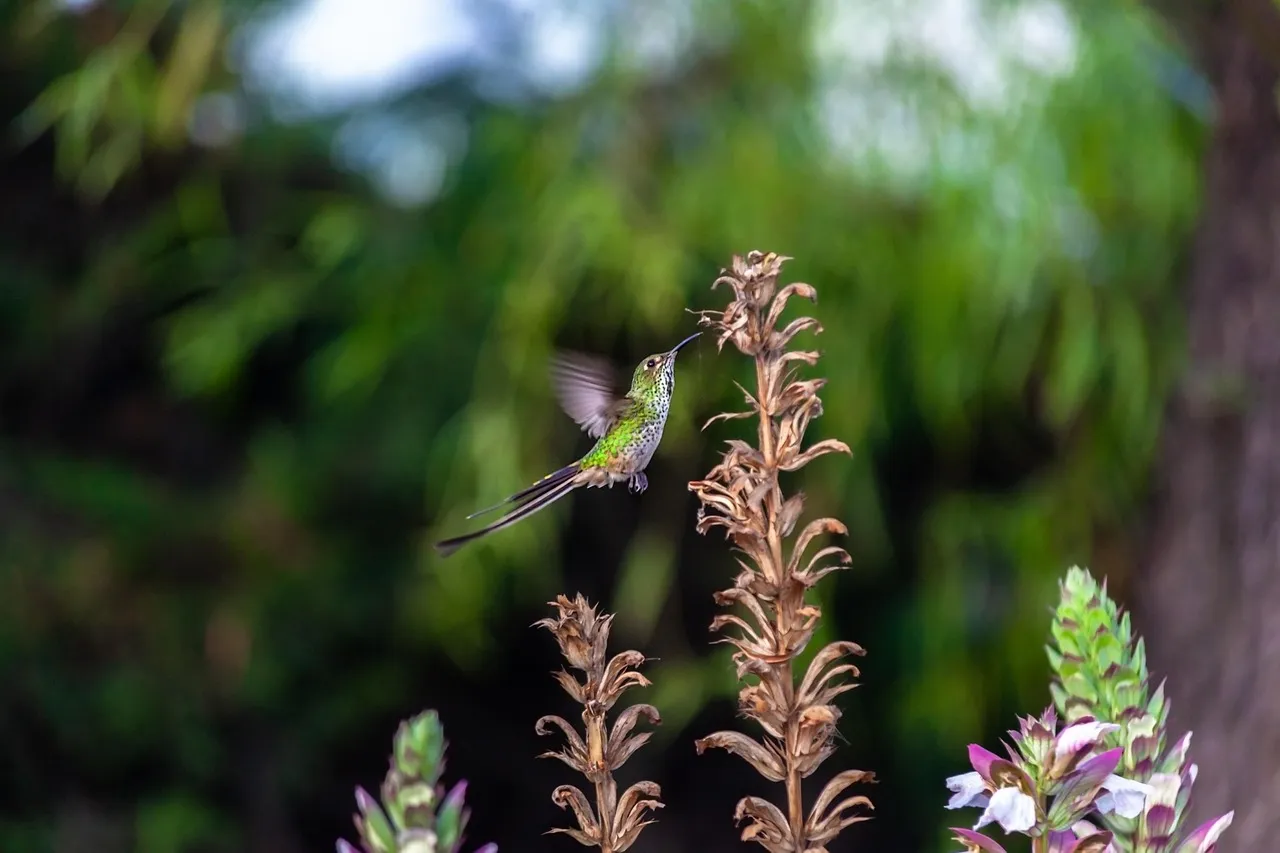
When you zoom out, it becomes clear that hummingbirds are not randomly blessing some yards and snubbing others; they are running a fast, ruthless checklist about energy, safety, comfort, and consistency. A yard with one fancy feeder but no perches, cover, or reliable nectar is unlikely to hold them for long, while a scruffy, flower‑rich space with safe hideouts and steady care can become their preferred hangout. Personally, I have come to love the imperfect corners of my yard the most, because those “messier” patches are where hummingbirds return again and again.
If there is one opinion I feel strongly about, it is this: attracting hummingbirds is less about decorating for them and more about genuinely making room for them. That means accepting a bit of wildness, thinking like a tiny high‑speed traveler, and committing to show up consistently rather than chasing quick results. In the end, the real reward is not just more activity at your feeder, but the quiet privilege of being trusted by such fierce, fragile little beings – now that you know what they notice, what will you change first in your yard?

- 10 Things Hummingbirds Notice About Your Yard Before They Stay - July 27, 2026
- Neuroscience Says the Reason Losing a Pet Feels Like Losing a Person Is That Your Brain Processed That Bond the Same Way From the Beginning – and the Grief That Follows Is Neurologically Identical Not an Overreaction - July 27, 2026
- 10 Native Plants That Quietly Bring Fireflies Back - July 27, 2026