

If you have ever cried harder over a dog than over an ex, your brain was not confused, dramatic, or broken. It was doing exactly what it was designed to do with someone you loved and depended on. In many ways, your nervous system never labeled your pet as “just an animal” in the first place; it filed them in the same mental folder where it keeps your closest people.
Modern brain imaging, attachment research, and grief science are all pointing in the same surprising direction: the bond with a pet is built and stored in the brain using the same circuits that process human relationships. That means when a pet dies, the grief that follows is not a smaller, cuter, or watered‑down version of “real” loss. Neurologically, it is grief. If anything, the confusion, shame, and lack of social support around pet loss can make the emotional crash even harder. Let’s unpack what is actually happening in your brain and body when you lose an animal you loved – and why treating that pain as an overreaction is both unscientific and deeply unfair.
Your Brain Does Not Tag “Pet” vs. “Person” the Way You Think
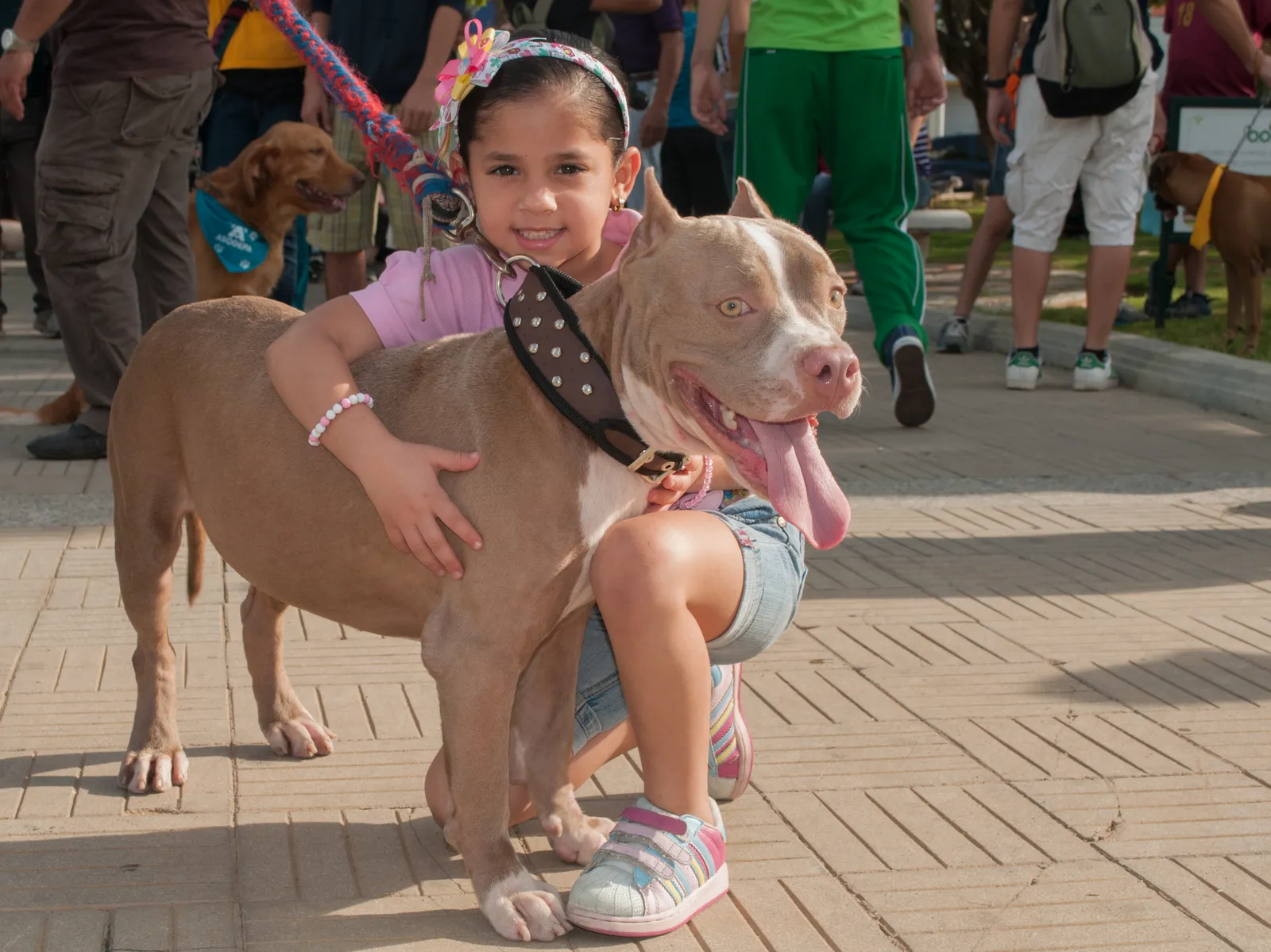
Here is the wild part: your brain does not keep a neat label that says “family member” for humans and “optional bonus” for animals. Instead, it cares about patterns of connection: Who is around you every day? Who responds when you are distressed? Who makes your heart rate drop when you are close and spike when you are afraid of losing them? Pets often tick all of those boxes, which means they slide right into your social and attachment networks in the brain.
Neuroimaging studies looking at parents viewing their children’s faces versus their dogs’ faces, for example, find overlapping activation in brain regions linked to reward, bonding, and emotional salience. The brain lights up not because the subject is looking at a “person,” but because it is looking at a beloved being. From your nervous system’s point of view, daily cuddles with a dog or cat are not some quirky side quest; they are core social interactions, with the same kind of emotional tagging you have for long‑term human relationships.
Attachment Systems: Your Pet Was Processed as an Attachment Figure

Attachment theory, originally developed to describe bonds between infants and caregivers, now clearly extends to adult relationships and even to human‑animal bonds. The brain’s attachment system is less about species and more about safety, predictability, and emotional regulation. If your pet was the one who sat beside you when you cried, met you at the door every day, or curled up against you at night, your brain registered them as a safe base and a source of comfort.
That has powerful neurological consequences. The same oxytocin‑driven loops that deepen trust between people are also engaged in human‑animal interactions, particularly through eye contact, touch, and routine care. Over time, this builds a dense web of associative memories: your pet’s footsteps, their smell, the sound of their collar, the little rituals you shared. Those cues plug directly into limbic circuits for calm and reward. When that figure disappears, the attachment system does not say “oh, never mind, it was just a dog.” It reacts like any attachment system would: with protest, searching, and intense distress.
Grief Circuits: The Same Brain Regions Fire for Pets and People

When someone we love dies, several brain systems are involved: regions linked to emotional pain, reward, threat detection, and autobiographical memory all kick into overdrive. Neuroimaging of bereaved people shows activation in areas such as the anterior cingulate cortex and insula, which are heavily involved in the experience of social and physical pain. What matters is not whether the lost one could speak your language, but whether they were intertwined with your life and identity.
Emerging work on pet loss suggests these same networks are engaged when a beloved animal dies. People report classic grief symptoms: intrusive images, longing, waves of sadness, anger, numbness, even phantom sensations like hearing the pet’s nails on the floor. These are driven by the same brain processes that try to update an internal model of the world after a major loss. The brain keeps predicting their presence, then gets a painful correction when reality does not match. That error signal is not “smaller” because the being had four legs; the circuits do not scale grief by species.
Why Pet Loss Can Feel Even More Disorienting Than Some Human Losses
Here is where it gets really uncomfortable for people who have never bonded deeply with an animal: some owners will quietly admit that losing a pet felt more immediately shattering than losing a distant relative or even a complicated human partner. Neurologically, that makes sense. A pet often occupies a uniquely stable, non‑conflicted emotional role. They are woven into your daily routines, from morning walks to bedtime cuddles, in a way many humans are not.
On top of that, most pets do not betray you, criticize you, or hold grudges, so your internal story about them is unusually pure. That can lead to tighter coupling between their presence and your sense of being loved and accepted. When that constant, uncomplicated source of affection disappears, the rupture can slice straight into your regulation systems. Meanwhile, social norms often treat pet loss as something you should “get over” quickly, which leaves you grieving a deep attachment with almost no cultural script or sanctioned space to process it.
The Shame Layer: How Culture Gaslights Your Nervous System

One of the quietest but cruelest parts of pet grief is the added layer of shame. People will say things like “you can always get another dog” or “at least it was not a person,” as if your brain is supposed to discount the loss on some moral scoreboard. Inside, though, your nervous system is screaming, because it has lost a key attachment figure. That mismatch between outer messages and inner reality can make the grief feel confusing and isolating.
From a neuroscience and mental health perspective, this dismissal is simply wrong. Studies on bereavement consistently show that grief intensity is shaped by the quality of the bond, not just by social categories like “family versus pet.” When society labels your natural neurobiological reaction as over the top, you may start to doubt your own feelings and push them down. Ironically, that suppression can prolong or complicate grief, whereas open, validated mourning tends to help the brain gradually reorganize and integrate the loss.
Personally, I still remember the whiplash of going from sobbing over a dog in the car to walking into a workplace where people expected me to act as if nothing unusual had happened. That emotional split screen is not about weakness or sentimentality; it is about living in a culture that badly underestimates just how profoundly our brains attach to animals.
What Your Brain Is Actually Doing in the Weeks and Months After a Pet Dies
In the early days after a loss, your brain is essentially running two realities in parallel. One is the old model where your pet is alive, showing up in a hundred tiny expectations: the sound you anticipate when you open the door, the turn of your head toward their favorite spot on the couch. The other is the new, brutal reality that they are gone. Each time those predictions collide with the new facts, your brain generates a burst of emotional pain and confusion.
Over time, with enough repetitions and enough emotional processing, the brain slowly updates that model. The attachment bond does not disappear; it changes form. Memories consolidate, routines shift, and the intense, raw pain often softens into a different kind of ache. That trajectory is not a straight line, and it is not on a fixed schedule. Some days your nervous system will feel relatively steady; the next day, a random smell or a song will yank you straight back into acute grief. All of that is consistent with how we see the brain handle other major bereavements. Again, nothing about this pattern suggests a lesser category of mourning.
Handling Pet Grief Like the Real Bereavement It Is

If the brain treats the loss of a beloved animal like the loss of a beloved person, our coping strategies should match that reality. That means ritual, storytelling, social support, and time off are not indulgences; they are solid mental health practices. Creating a small memorial, sharing photos and stories, or even holding a ceremony are ways of helping your brain encode the transition from “present relationship” to “continuing bond in memory.” They tell your nervous system that the loss is real and meaningful, not something to be brushed aside.
It also means seeking support from people who truly understand is crucial. Friends, online communities, or therapists who specialize in pet loss can offer validation instead of minimization. On a practical level, gentle structure helps your brain relearn daily life without that constant presence: new routines, different walking routes, or small comforting habits. None of this betrays your pet or rushes your grief. It is your nervous system slowly rewiring around a connection that mattered deeply, and still does.
Why Treating Pet Grief as “Less Than” Is Both Unscientific and Unkind
The more we learn from neuroscience and psychology, the clearer the picture becomes: your brain does not file some loves as “real” and others as “practice.” If a relationship was safe, emotionally significant, and woven into the fabric of your life, the loss of that relationship will call up full‑scale grief. Dismissing pet loss as lesser is not only compassionless; it is out of step with how human attachment and neural circuitry actually work.
I am firmly of the opinion that we should stop apologizing for mourning animals and start recognizing that for many people, their pet was family in every sense that matters to the brain. Treating that heartbreak with the same seriousness we reserve for human bereavement is not exaggeration, it is alignment with the science and with lived experience. The next time someone chokes up over a dog, a cat, or any other creature they loved, the most honest response is simple respect: their nervous system is doing exactly what it would do for any deep loss. And really, in a world that often dulls our capacity to care, is loving that fiercely something we should ever be ashamed of?

- 8 American Wildlife Comebacks That Prove Conservation Can Work - July 27, 2026
- 10 US Animals We May Not See in the Wild by 2050 Without Stronger Protection - July 27, 2026
- Psychology Says Petting a Dog for Ten Minutes Changes Your Brain Chemistry in Ways That Mirror Anti-Anxiety Medication – Except the Dog's Brain Changes Too and That Is the Part That Almost Never Gets Mentioned - July 27, 2026