
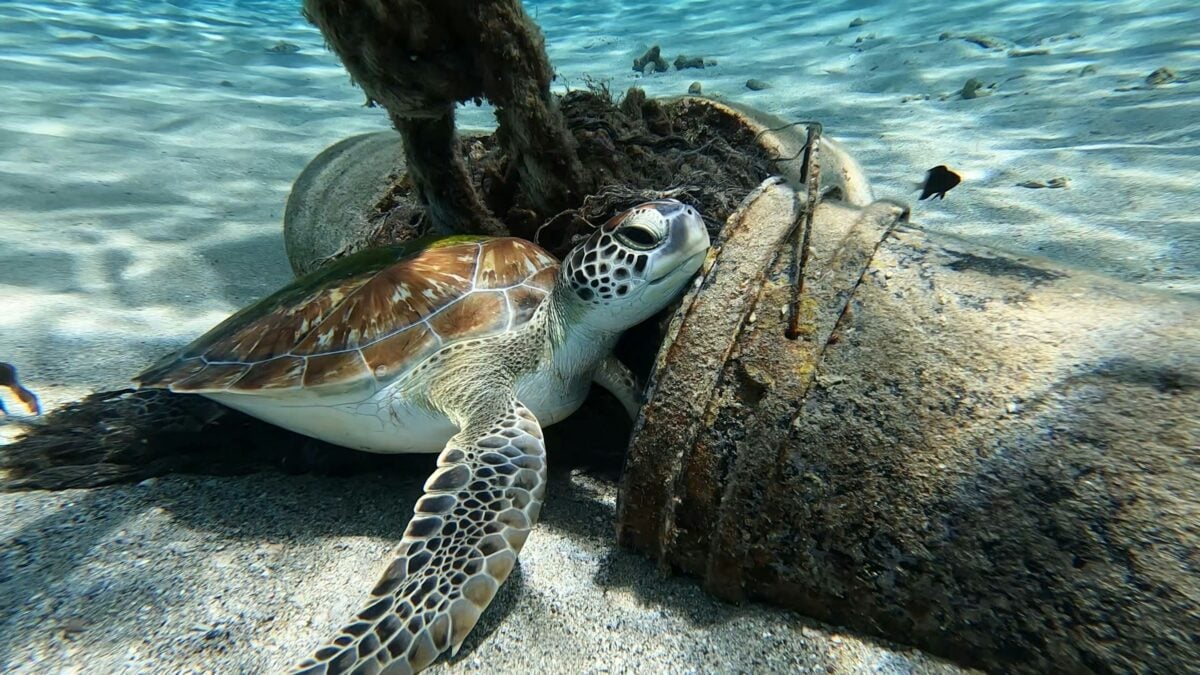
Emerging from their sandy nests, baby sea turtles embark on an extraordinary journey fraught with peril and wonder. Despite their tiny size and the vastness of the ocean, these creatures possess remarkable instincts and memories that guide them through their lives. Let’s delve into ten incredible .
1. The Magnetic Signature of Their Birthplace
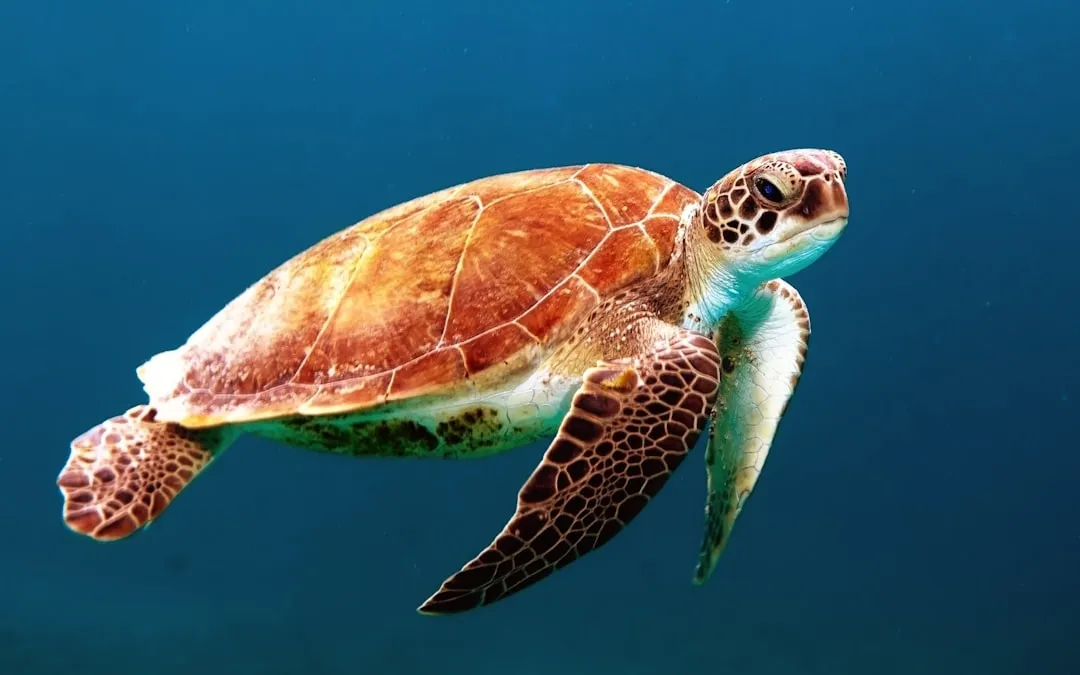
Sea turtles have an innate ability to detect the Earth’s magnetic field, allowing them to imprint the unique magnetic signature of their natal beach. This geomagnetic imprinting enables them to navigate back to the same beach decades later to lay their own eggs. It’s as if they carry a built-in GPS, guiding them across vast ocean distances with astonishing precision.
This magnetic memory is so precise that even slight changes in the Earth’s magnetic field can influence nesting patterns. Studies have shown that turtles can detect subtle differences in magnetic fields, which helps them locate specific coastal areas used as feeding or nesting sites.
2. The Direction of Ocean Currents
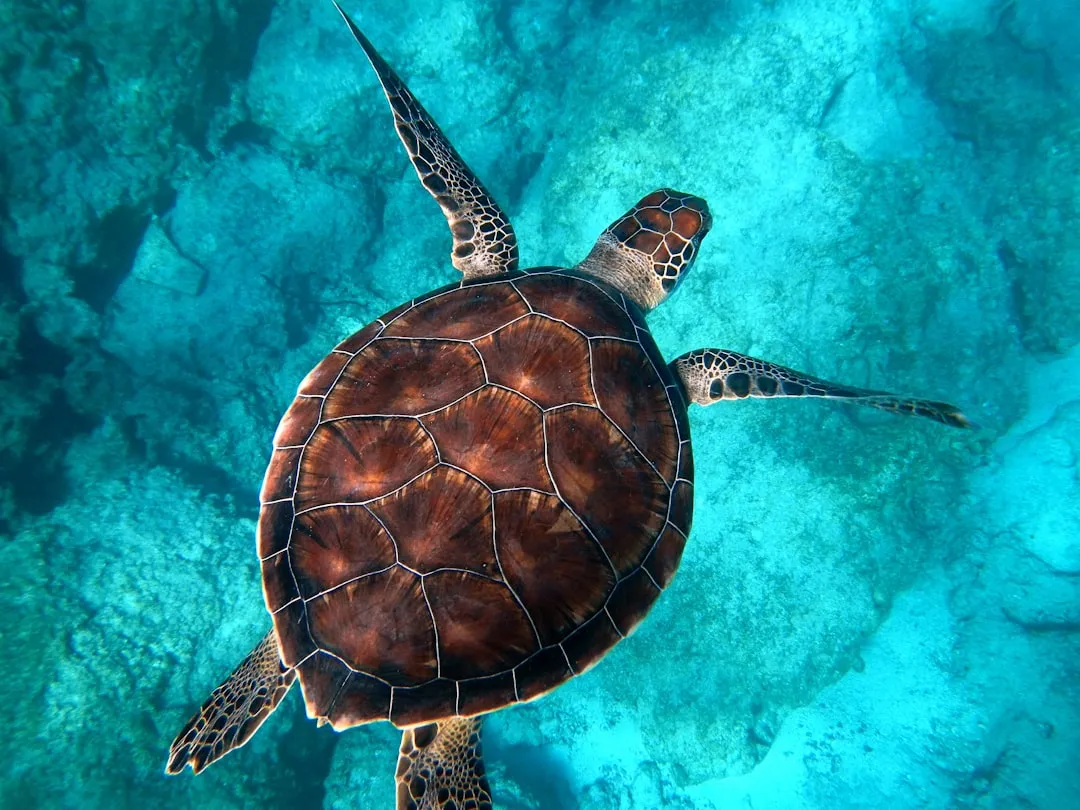
After hatching, sea turtles embark on a “swim frenzy,” a period of continuous swimming that propels them into the open ocean. During this time, they learn to recognize and remember the direction of prevailing ocean currents. This knowledge aids them in navigating the vast seas, allowing them to exploit currents for more efficient travel.
By understanding these currents, turtles can conserve energy during their migrations. They often ride these oceanic highways to reach feeding grounds or return to nesting sites, demonstrating a remarkable understanding of their marine environment.
3. The Taste and Smell of Their Natal Beach
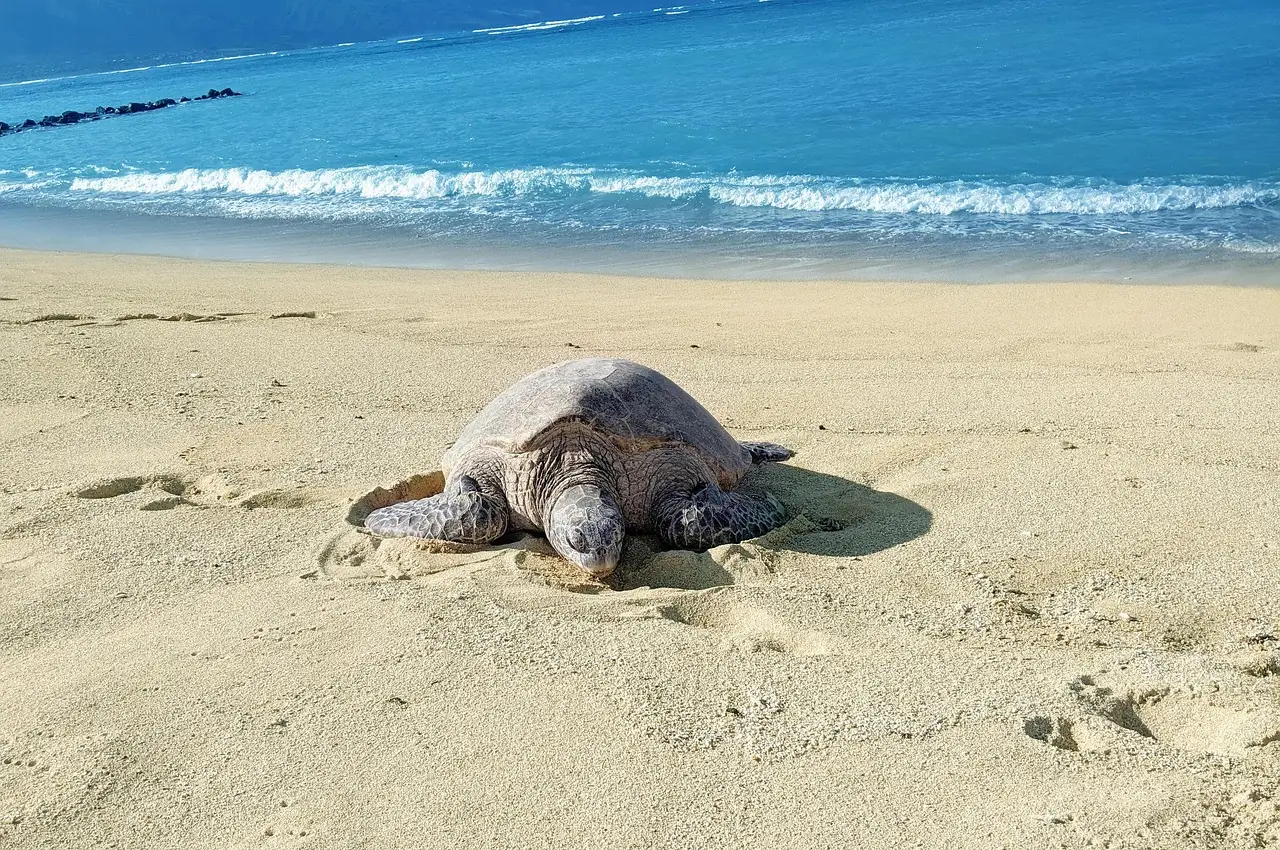
Sea turtles possess a keen sense of smell and taste, which they use to imprint on the chemical composition of their birth beach. This chemosensory memory helps them identify and return to their natal site for nesting. It’s akin to humans associating certain scents with specific memories, guiding turtles back to familiar shores.
This olfactory imprinting is crucial, as it ensures that turtles return to suitable nesting habitats. Disruptions to the beach’s chemical makeup, such as pollution, can interfere with this process, highlighting the importance of preserving natural coastal environments.
4. The Rhythm of the Tides
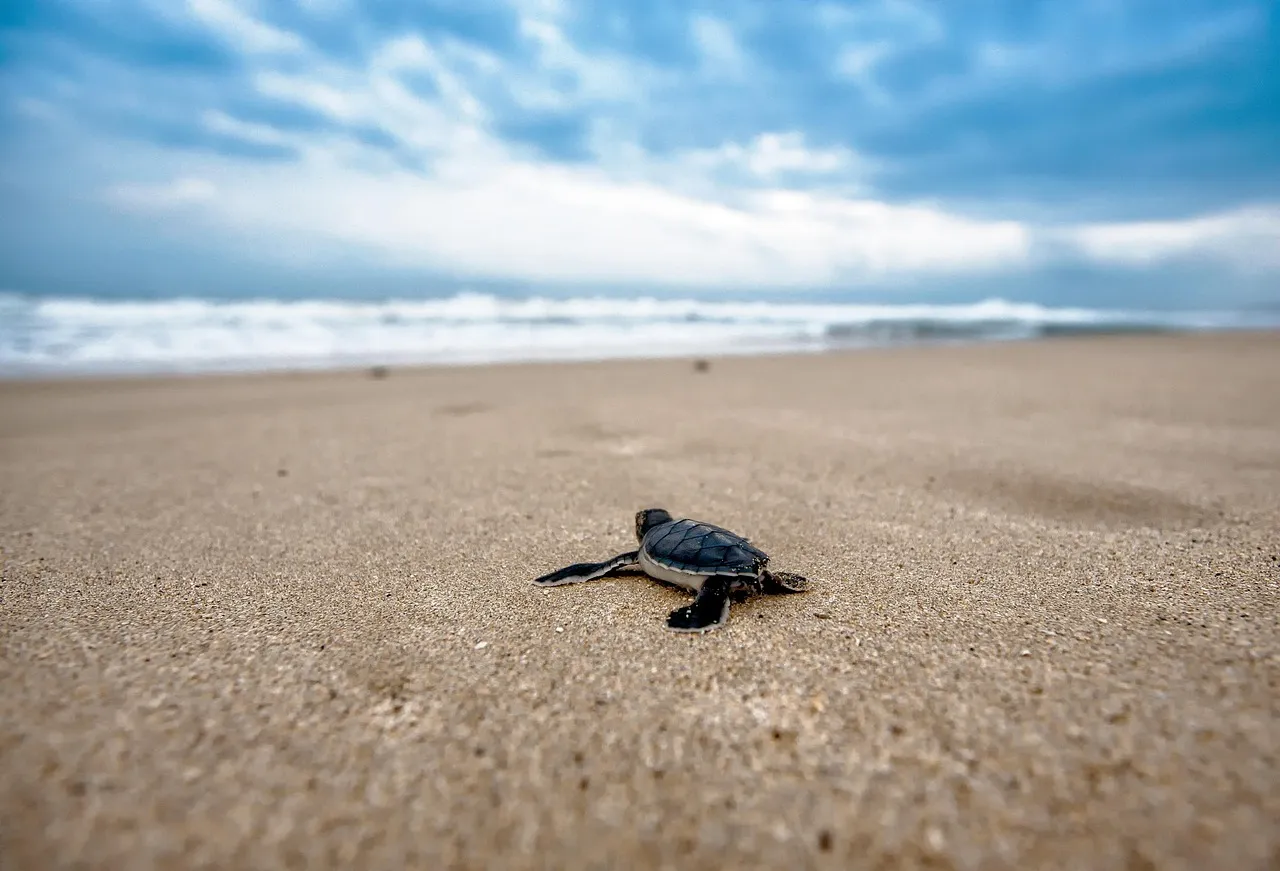
From the moment they hatch, sea turtles are attuned to the ebb and flow of tides. They often time their beach emergence and ocean entry to coincide with high tides, reducing the distance they must traverse on land and minimizing exposure to predators. This tidal awareness continues throughout their lives, influencing their feeding and nesting behaviors.
By synchronizing their activities with tidal patterns, turtles optimize their chances of survival. For instance, nesting during high tide allows females to access higher parts of the beach, ensuring their nests are safe from flooding.
5. The Location of Feeding Grounds
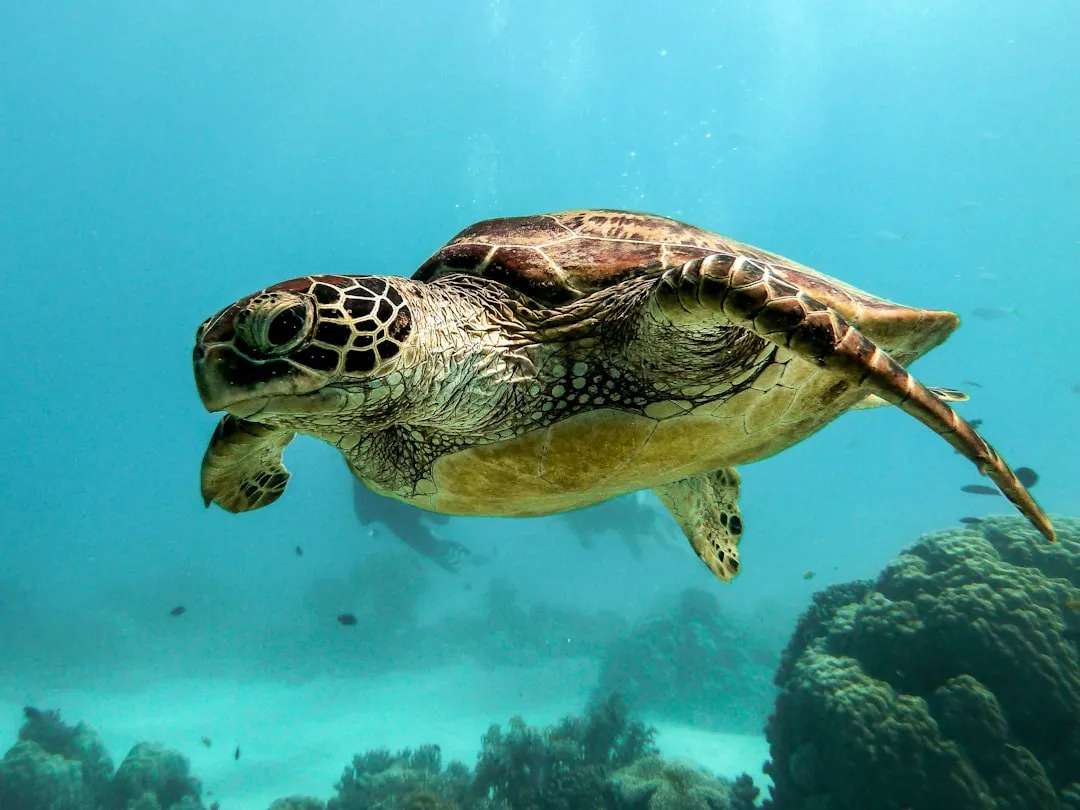
As they mature, sea turtles remember the locations of abundant feeding grounds. These areas, rich in seagrass or jellyfish, become regular stops in their migratory routes. Their ability to recall and return to these feeding sites ensures they have consistent access to nutrition essential for their growth and reproduction.
This memory is so strong that turtles will travel thousands of miles between feeding and nesting sites. Their fidelity to specific feeding areas underscores the importance of protecting these habitats from human-induced threats like overfishing and habitat destruction.
6. The Presence of Predators
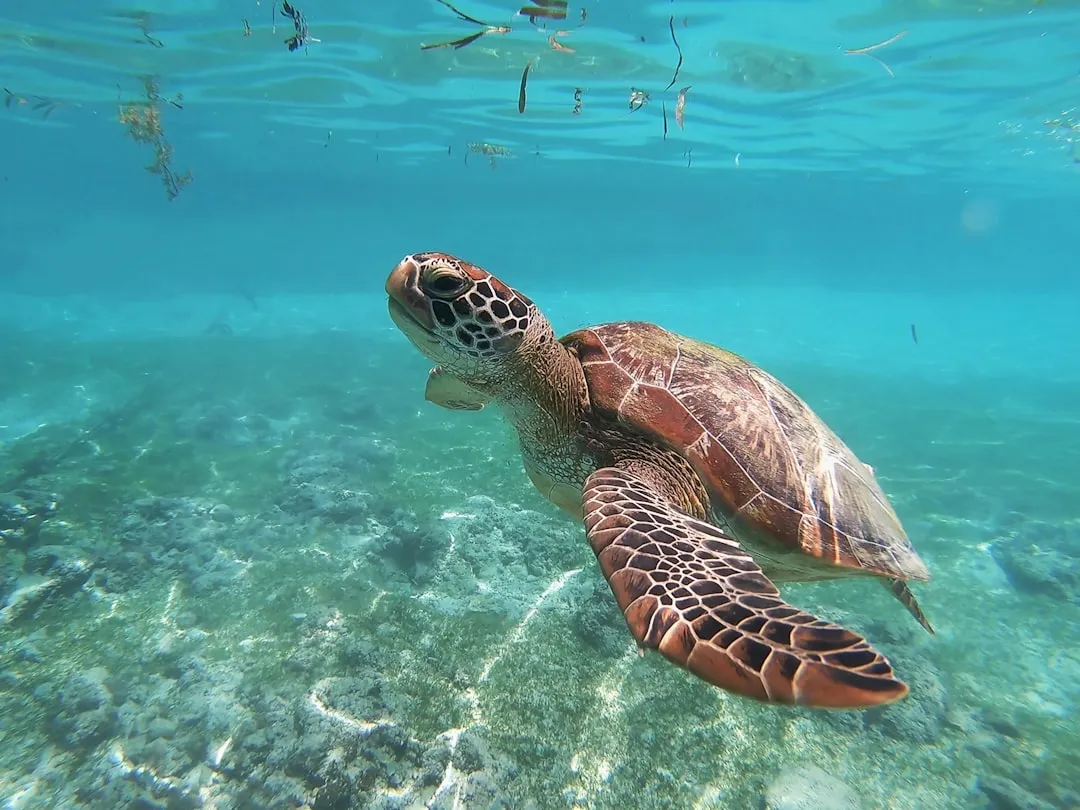
Throughout their lives, sea turtles encounter various predators, from crabs and birds as hatchlings to sharks as adults. They learn to recognize and remember areas with high predator activity, often altering their routes or behaviors to avoid these threats. This survival strategy is crucial in the open ocean, where danger can lurk at every turn.
By remembering predator hotspots, turtles can adjust their nesting sites or feeding grounds accordingly. This adaptability increases their chances of survival, especially in regions where predator populations fluctuate.
7. The Timing of Mating Seasons
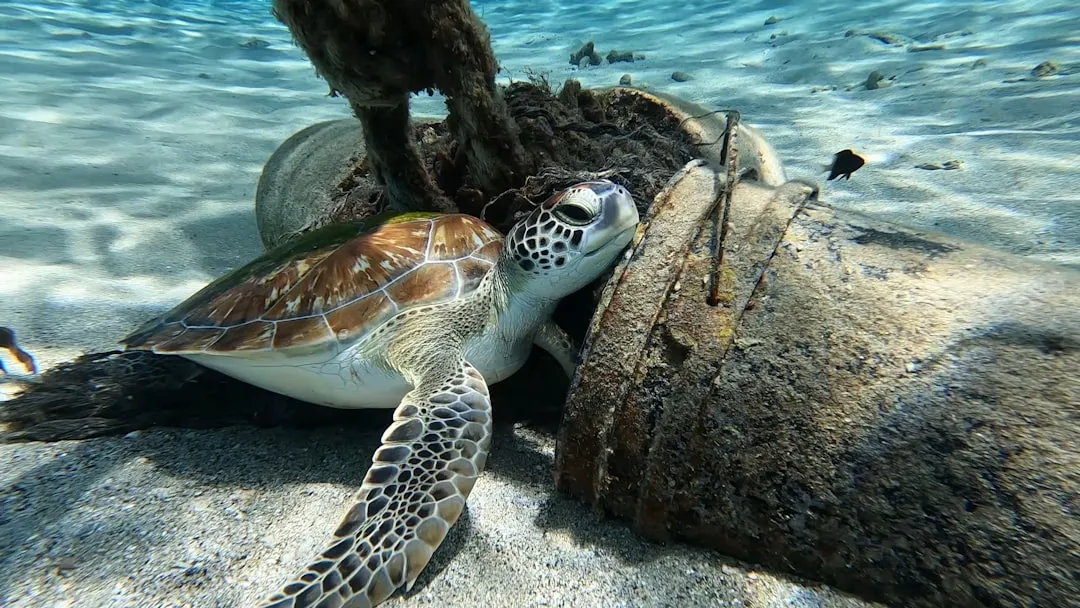
Sea turtles have an internal calendar that alerts them to the onset of mating seasons. They remember the timing and locations where they are likely to find mates, ensuring the continuation of their species. This temporal memory is vital, as synchronized mating increases the likelihood of successful reproduction.
This synchronization also means that conservation efforts can be timed to protect turtles during critical periods. Understanding their mating schedules allows for the implementation of measures like restricted fishing during peak mating times.
8. The Temperature of Nesting Sites
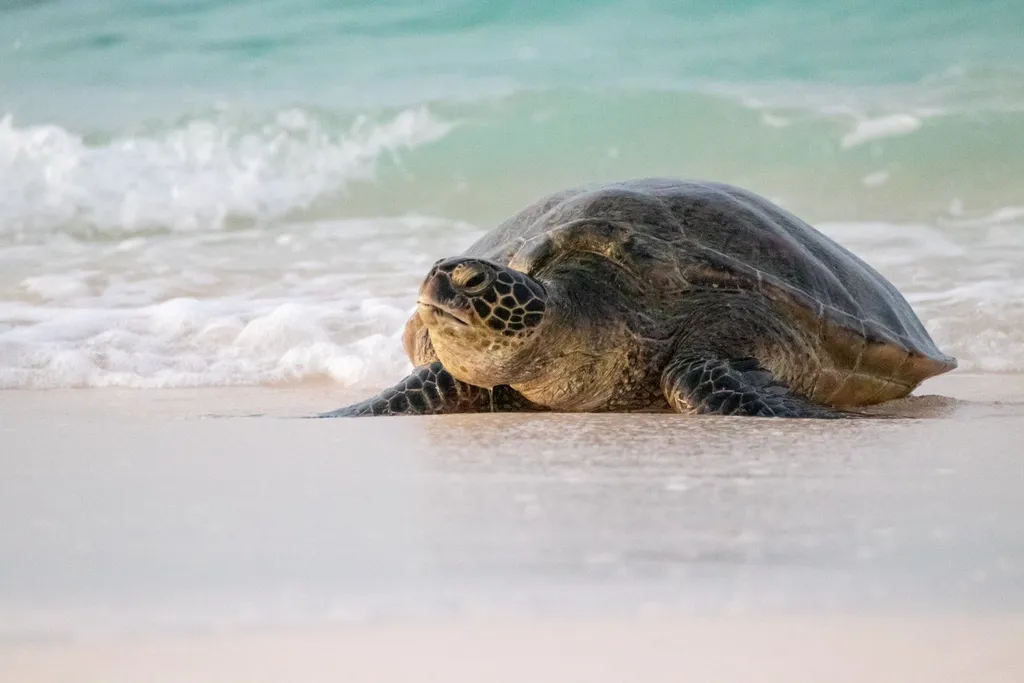
The temperature of the sand where sea turtles nest determines the sex of their offspring. Turtles remember and select nesting sites with optimal temperatures to produce a balanced sex ratio. This thermal memory is essential for maintaining healthy populations and ensuring genetic diversity.
With climate change causing temperature fluctuations, turtles may need to adapt their nesting behaviors. Conservationists are monitoring these changes to assist in preserving suitable nesting habitats.
9. The Sounds of the Ocean
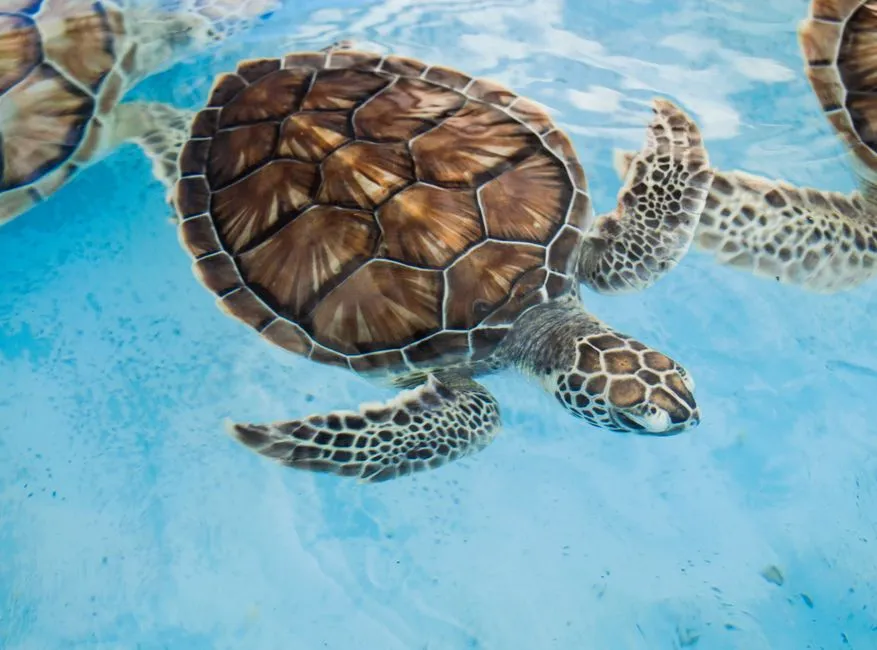
From the moment they hatch, sea turtles are exposed to the unique sounds of their coastal environment. They remember these auditory cues, which help them identify and return to their natal beaches. This acoustic memory complements their other navigational tools, providing a multi-sensory map of their world.
Noise pollution from human activities can disrupt these auditory cues. Protecting natural soundscapes is therefore crucial for the turtles’ ability to navigate and thrive.
10. The Experience of Human Interaction
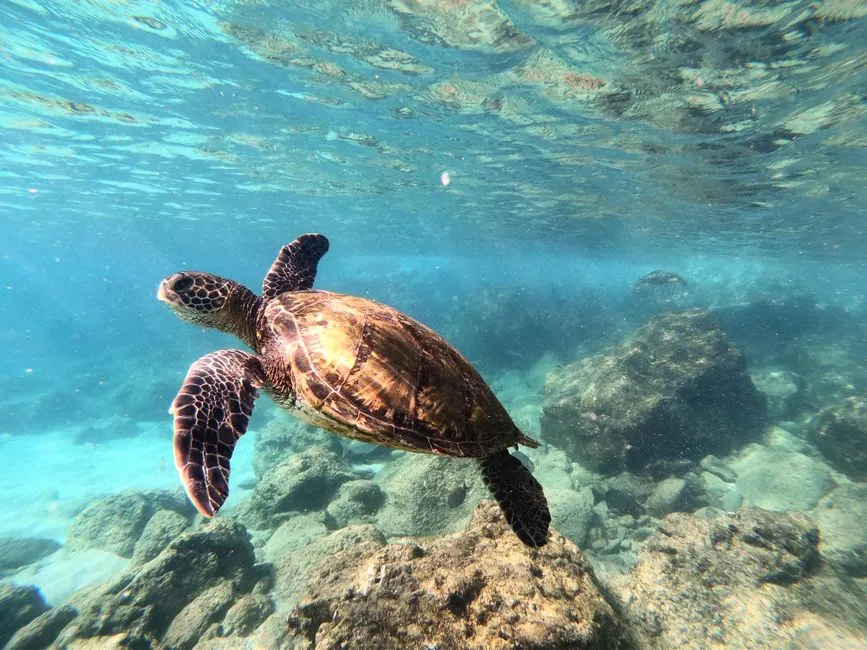
Sea turtles that have encountered humans, whether through rescue, rehabilitation, or tagging, often remember these interactions. Some studies suggest that turtles can recognize individual humans and may alter their behavior based on past experiences. This memory underscores the importance of responsible human-turtle interactions to ensure their well-being.
