
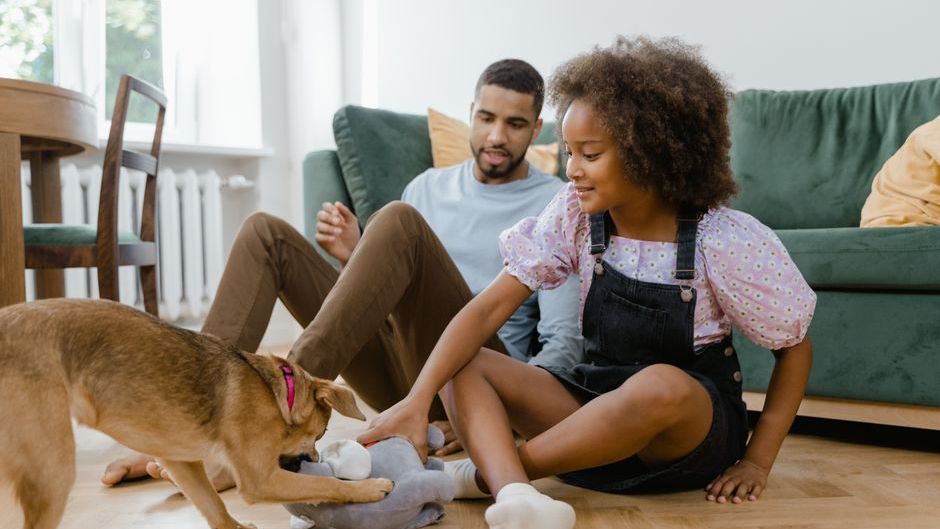
Most people assume their dog sees them as the boss simply because they fill the food bowl and clip on the leash each morning. Yet subtle daily habits can send a very different message, one that leaves your pup quietly questioning who really runs the show. The result is often a dog that tests limits more than you might expect, turning everyday routines into quiet power struggles.
Letting Your Dog Pull Ahead on Walks

Every time the leash goes taut and you follow along without correction, your dog registers forward motion as their decision. This small pattern repeats on every outing and builds a habit where the dog sets the pace and direction. Over weeks the behavior feels normal to both of you, yet it quietly shifts the balance of who decides where the pair is headed.
Dogs notice consistency in movement more than most owners realize. When the human yields repeatedly, the animal learns that persistence pays off. The walk stops feeling like a shared activity and starts resembling a guided tour led by the one wearing the collar.
Giving Treats Without Any Request
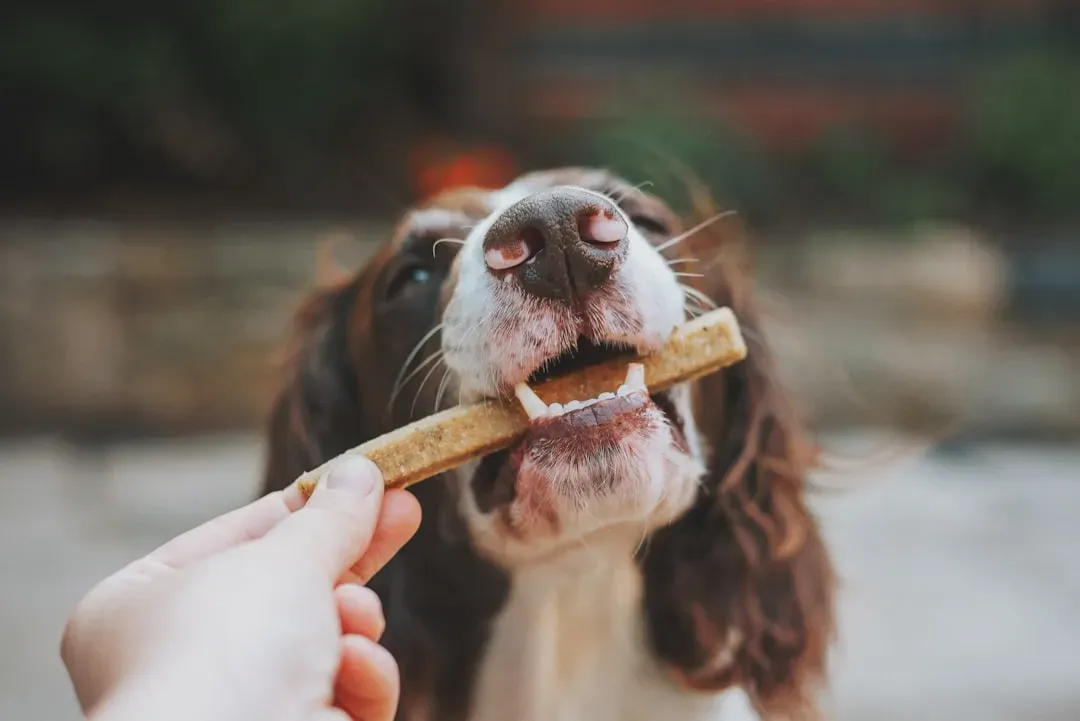
Handing over snacks the moment your dog stares or whines teaches that vocal pressure works. The reward arrives without any sit, stay, or eye contact, so the dog connects the dots between demand and delivery. Soon the same stare appears at the dinner table or near the cookie jar, and the pattern strengthens.
Random handouts remove the sense that good behavior earns good things. Your dog begins to view you as a vending machine rather than a leader who controls resources. The kitchen turns into a negotiation zone instead of a calm space where rules stay clear.
Allowing Jumping Up for Attention
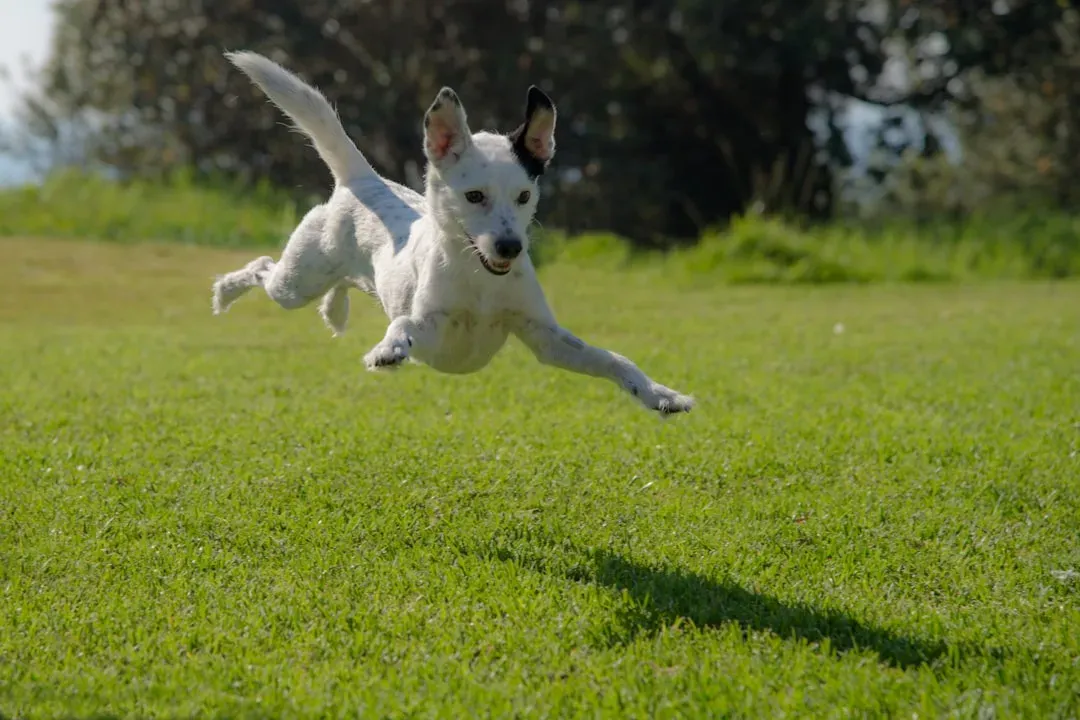
Greeting your dog with excited pets while they leap against your legs reinforces the idea that four paws off the ground gets results. The jump succeeds in capturing focus, so the behavior repeats at the door, on the couch, and during any moment of boredom. Each success cements the notion that physical pressure works on you.
Over time the habit spreads to visitors and children, because the dog sees no difference between family members and strangers. You end up correcting the same action daily instead of preventing it once. The front door becomes a launch pad rather than a calm threshold.
Changing Rules From One Day to the Next
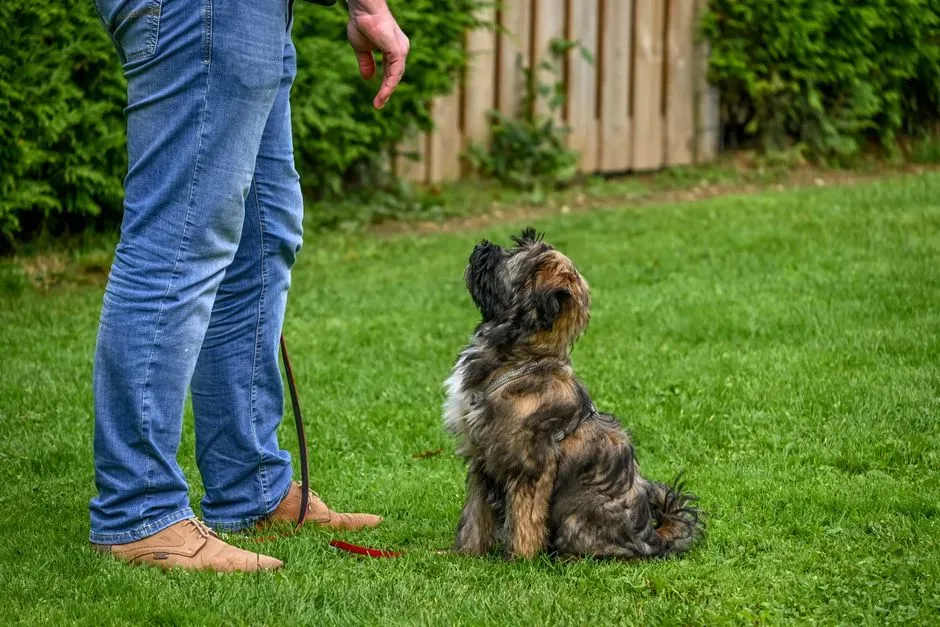
One evening the dog is allowed on the bed, the next night the same spot draws a sharp no. Inconsistent signals leave the animal guessing which version of you will appear. The uncertainty makes testing boundaries feel like the safest strategy.
Dogs thrive on predictable patterns because they reduce stress. When rules shift without warning, your pet starts treating every interaction as a fresh experiment. The household feels less like a stable unit and more like a series of pop quizzes.
Reacting Strongly to Barking or Whining
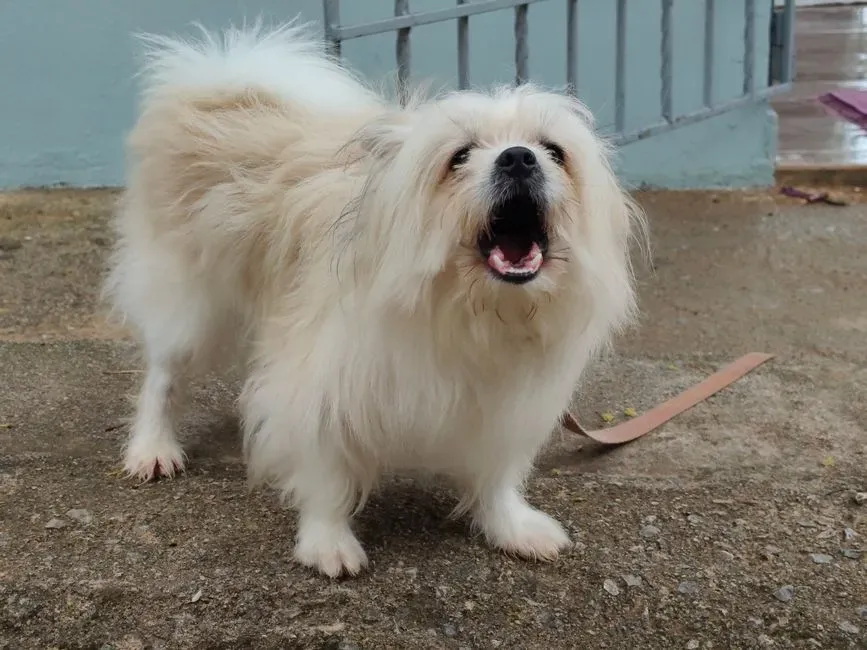
Yelling back or rushing to soothe every vocal outburst gives the noise immediate power. The dog learns that volume produces human movement or attention, so the tactic escalates during quiet moments. What began as a simple alert turns into a reliable tool for control.
Strong emotional responses also signal that the dog can influence your mood. Calm, steady reactions keep the exchange neutral and prevent the vocal habit from becoming a daily contest. The living room stays peaceful when the human stays composed.
Letting the Dog Choose Playtime
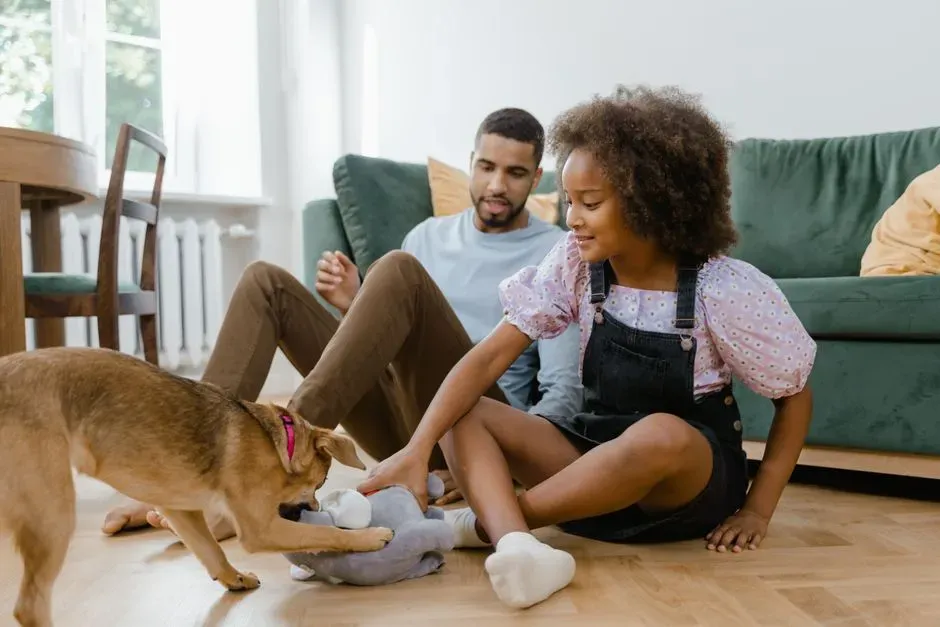
Dropping everything the instant your pup drops a toy at your feet teaches that their schedule rules the evening. Play starts on their terms and ends only when they lose interest. The human becomes the entertainment provider rather than the one who decides when fun begins and ends.
Over months this pattern creates a dog that interrupts work calls or meals without hesitation. You find yourself negotiating around a four-legged director instead of setting aside dedicated play windows. The living room turns into their stage.
Feeding on Demand Instead of a Schedule
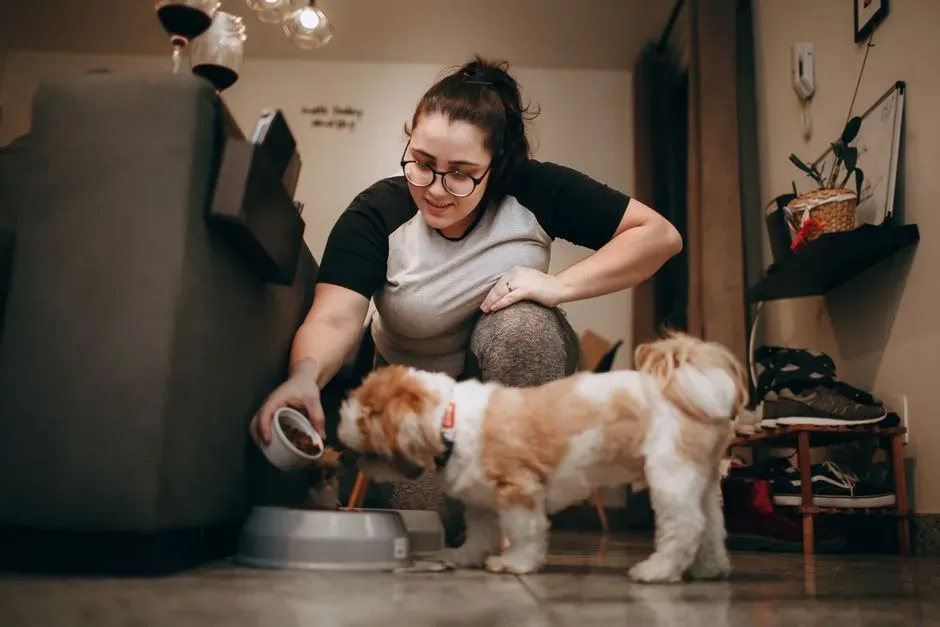
Refilling the bowl the moment it empties removes any sense that meals arrive at your discretion. The dog connects an empty dish with immediate action from you, so mealtime becomes a prompt rather than a predictable event. Hunger turns into a signal that works every time.
Fixed feeding times create clear expectations and reduce constant monitoring of the bowl. Your dog learns to wait because waiting has always produced results. The kitchen stays orderly when meals follow the clock instead of the stomach.
Using High-Pitched Voices During Corrections
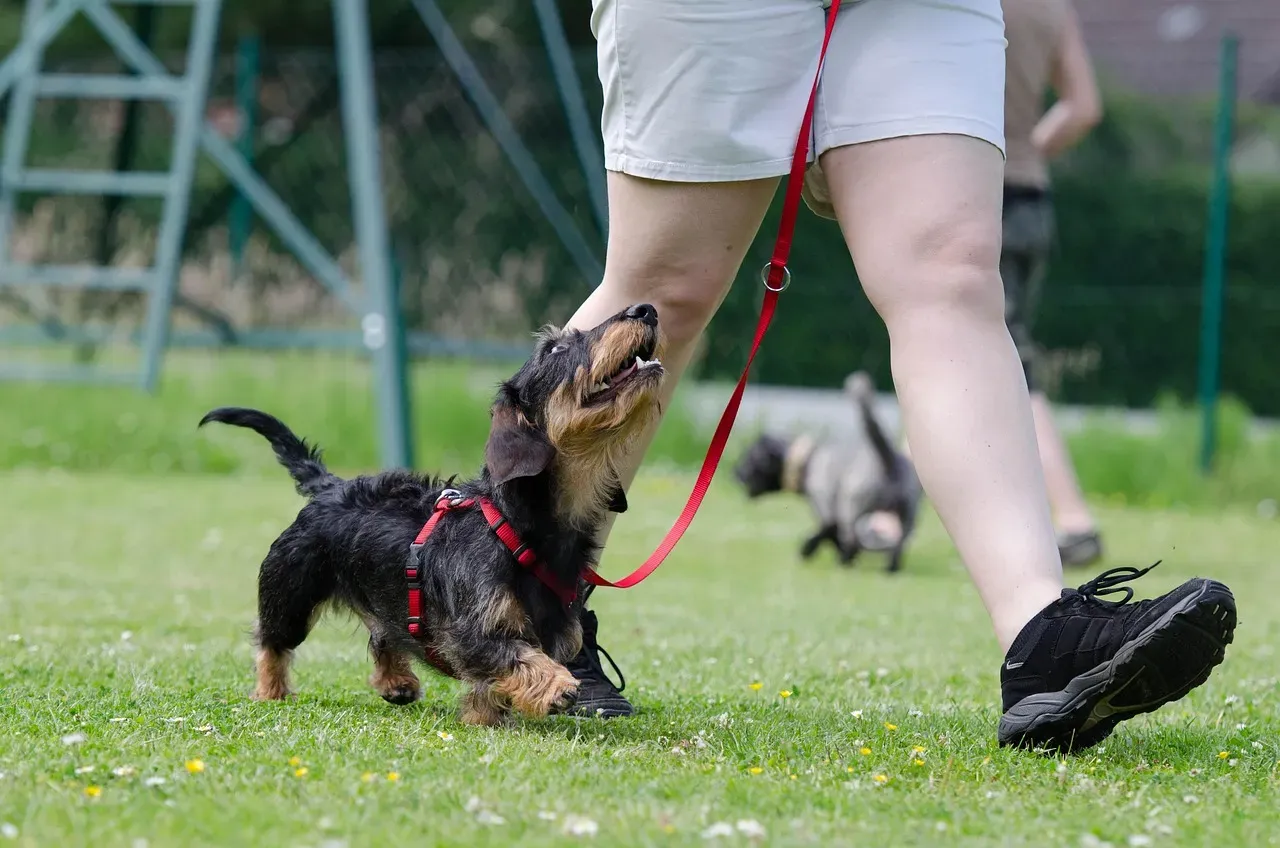
A squeaky tone meant to sound friendly often registers as excitement or uncertainty to a dog. The mixed signal weakens the message that a behavior needs to stop. Your pet responds to the energy rather than the words, and the correction loses its edge.
Steady, lower tones carry more weight because they match the calm authority most dogs respect. The same command delivered in a clear voice lands more effectively than one wrapped in baby talk. The training session stays focused when the voice stays consistent.
Ignoring Resource Guarding Around Food or Toys
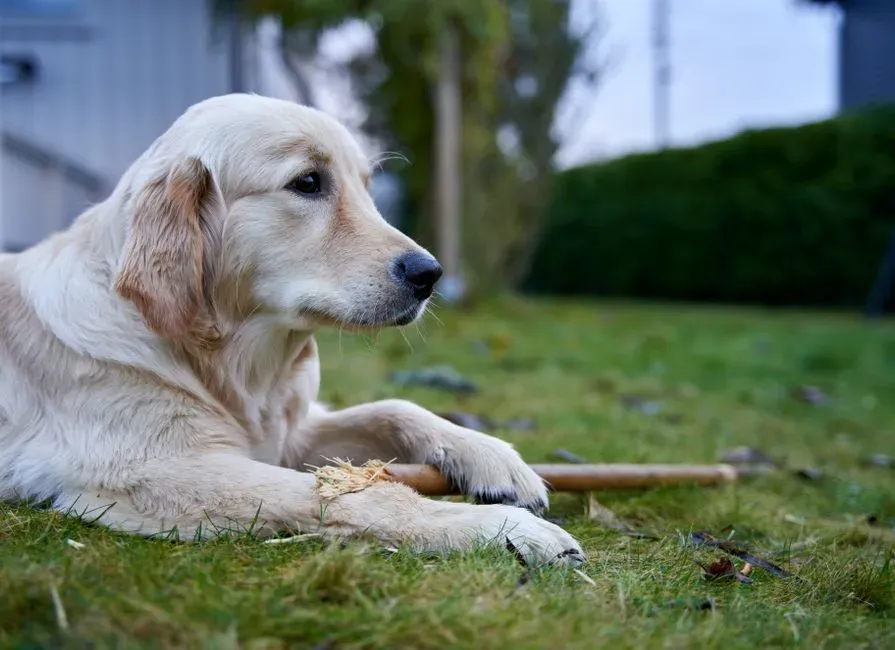
Stepping away when your dog stiffens over a bone teaches that guarding works. The space around the item becomes theirs by default, and future attempts to approach meet the same resistance. Small growls or freezes go unchallenged and grow stronger.
Early, calm intervention shows that resources remain under your control. The dog learns that sharing or releasing an item brings continued access rather than loss. The floor stays neutral territory instead of contested ground.
Failing to Provide Daily Structure and Exercise
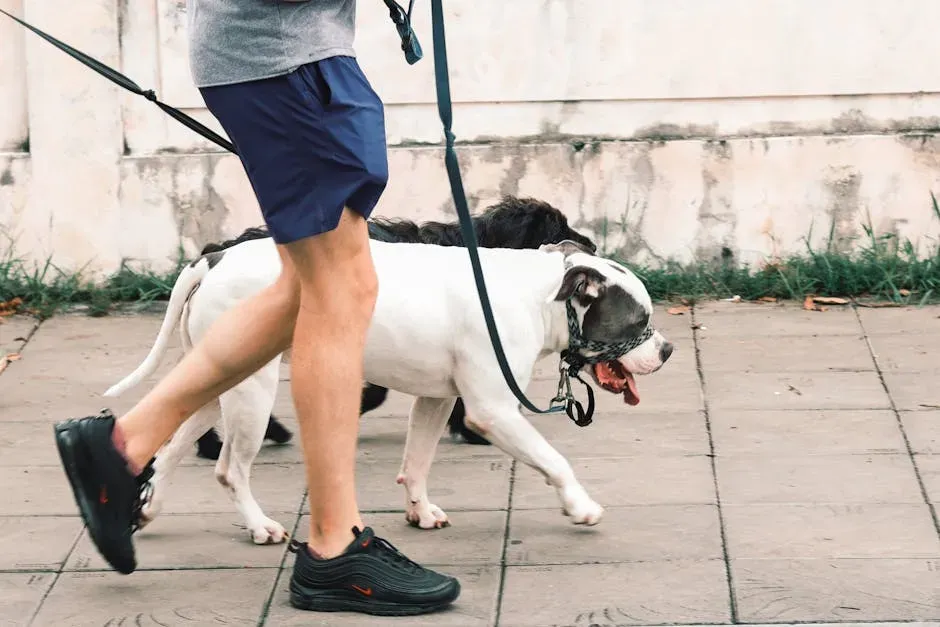
Erratic walks and skipped training sessions leave excess energy with nowhere to go. The dog fills the gap by creating its own routines, often ones that test household rules. Boredom quickly turns into creative problem solving that rarely aligns with your preferences.
Consistent schedules for meals, walks, and short training moments give the day shape. Your pet knows what comes next and feels less need to invent activities. The home runs smoother when the human sets the rhythm.
Small shifts in daily habits can quietly reshape how your dog views your role. The good news is that most of these patterns respond quickly once you notice them and choose consistency instead. Over time the same routines that once signaled weakness become the foundation of a calmer, clearer partnership. Your dog still looks to you, but now the look carries trust rather than quiet calculation.
