


Worried about unexpected vet bills?
Pet insurance can cover thousands in unexpected vet costs. Get a free quote from Lemonade in under 2 minutes.
Get My Free Quote →Sponsored · Opens Lemonade.com
Animal migrations are some of the most awe-inspiring phenomena in the natural world. As creatures of all kinds journey across vast distances, they demonstrate resilience and the incredible adaptability of life. In the United States, these migrations provide us the chance not only to observe but also to appreciate the intricate balances of ecosystems. Let’s embark on a journey through some of the most breathtaking migrations you can witness across the country.
Introduction to Migration Marvels
The concept of animal migration stretches far beyond the simple idea of movement. It is a complex behavioral adaptation crucial for survival, allowing species to exploit resources, escape harsh climates, and reproduce. Each migration is a testament to the remarkable synchronization and instincts honed through millions of years of evolution. In the United States, several jaw-dropping migrations captivate those who take the time to witness them.
Monarch Butterflies’ Majestic Journey

Among the most celebrated migrations is that of the monarch butterfly. Every fall, millions of these delicate creatures travel thousands of miles from North America to central Mexico. This incredible journey, which spans four generations, calls attention to the interconnectedness of ecosystems across international boundaries. Witnessing a cloud of monarchs fluttering against a clear blue sky is purely magical.
The Great Whale Migration
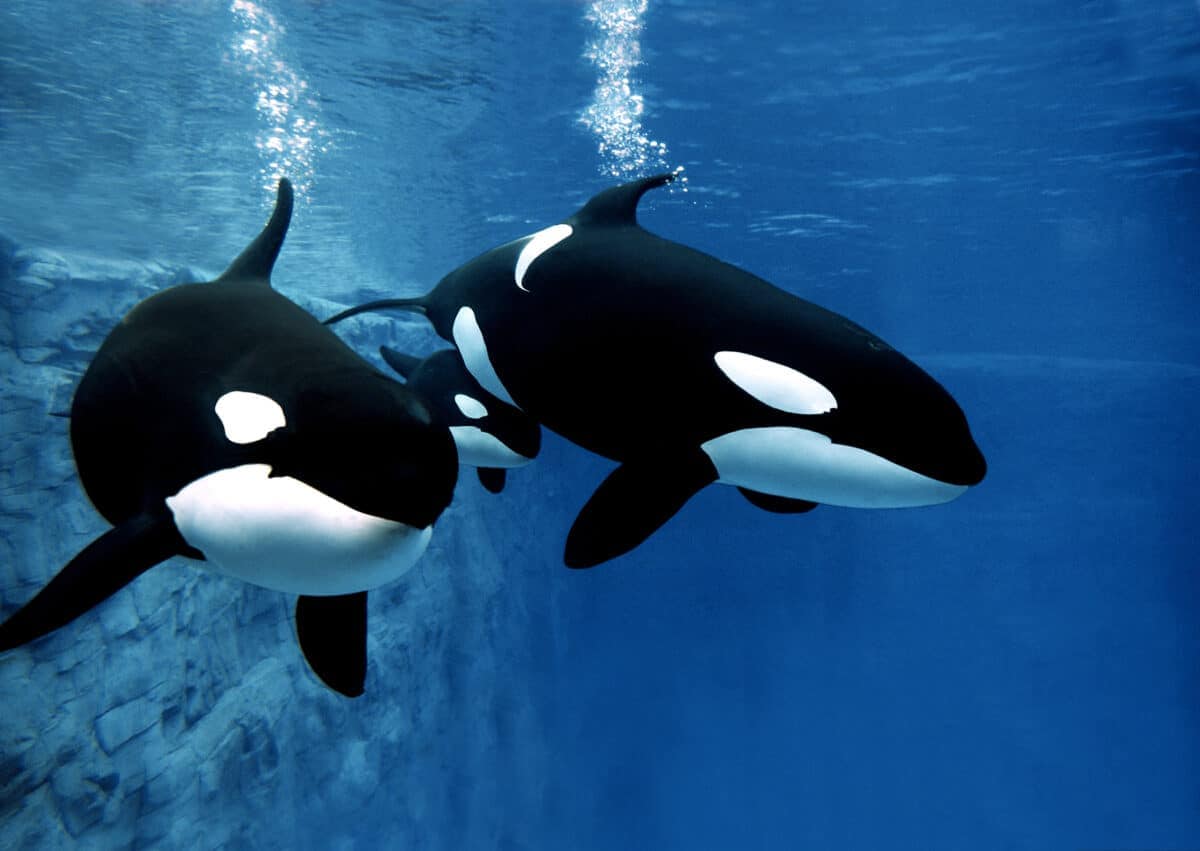
The Pacific coast offers one of the most astounding spectacles of the natural world—the migration of gray whales. Each year, these giants of the ocean travel around 10,000 miles roundtrip from the icy waters of the Arctic to the warmer lagoons of Baja California for breeding. Spotting a gray whale breach the ocean surface is an unforgettable experience. Coastal viewpoints in states like California, Oregon, and Washington provide prime opportunities to view these majestic marine mammals.
Sandhill Cranes’ Skyward Symphony

In the heart of North America, the sandhill crane migration paints the skies and fields with vast flocks. These elegant birds travel from the northern breeding grounds to the southern United States, providing birdwatchers with an ethereal sight. Nebraska’s Platte River serves as a crucial rest stop where hundreds of thousands of cranes congregate each spring and fall. The chorus of their calls adds a harmonious layer to the visual spectacle.
The American Bison’s Winter Move

The migration of the American bison is a testament to nature’s adaptability. Though not as wide-ranging as others on this list, their movement within Yellowstone National Park is significant for maintaining ecological balance. During winter, bison navigate from high elevations to the plains, searching for food beneath snow-covered fields—a scene reminiscent of the times when their herds nearly darkened the landscape.
The Atlantic Horseshoe Crab Mystery
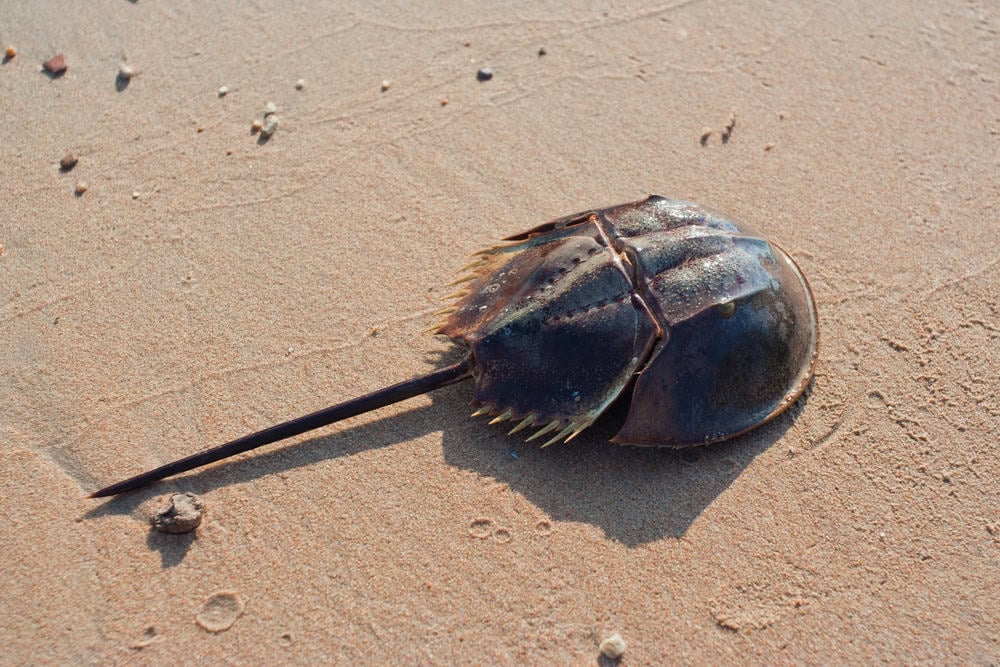
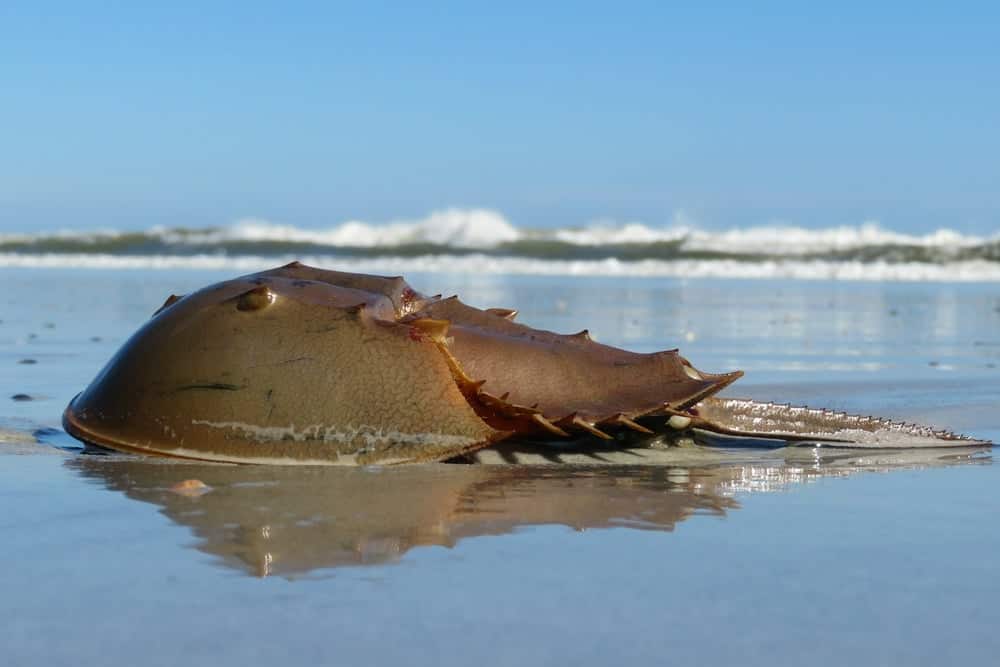
Every spring, the Delaware Bay witnesses an ancient spectacle as horseshoe crabs emerge from the depths to spawn synchronously along the shores under the full moon. Their eggs are crucial sustenance for migrating shorebirds, showcasing a unique relationship in nature. This migration underscores not only the miracle of life but also the interdependent links within our ecosystems.
Pronghorn Antelope’s Endurance Run
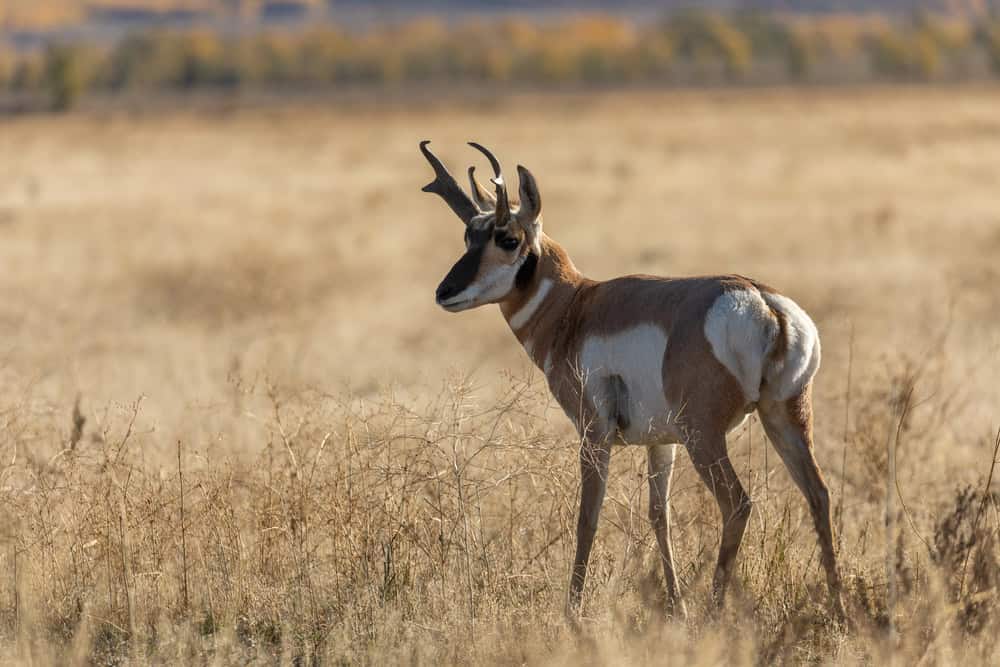
The pronghorn antelope boasts the second-longest land migration in the Western Hemisphere. Their annual journey between Wyoming’s Grand Teton National Park and the Green River Basin involves traversing challenging terrain. Conservation efforts to protect their migratory corridors emphasize the significance of maintaining these ancient paths.
Caribou’s Tough Trek

While Alaska’s Arctic National Wildlife Refuge is the primary arena for the caribou migration, their arduous journey stands out in the annals of survival. Thousands of caribou synchronize their movements in search of food and safe birthing areas, driven by innate instincts battling the harshest climates known to North America.
The Secret of Eel Migrations

American eels undertake a mysterious migration from freshwater streams to the Sargasso Sea in the Atlantic Ocean to spawn. Their journey defies easy comprehension as individuals navigate a complex interplay of freshwater and ocean currents. Observing young eels, or elvers, return to rivers exemplifies a life cycle rooted in migration magic.
Arctic Terns Unrivaled Voyage

Although it passes largely over the ocean, the migration of arctic terns is notable for its sheer length and endurance. These birds conduct an astonishing round-trip journey from Antarctic feeding grounds to Arctic breeding sites. Their aerial travels cover an incredible distance and highlight the extraordinary capabilities of avian navigation.
Pine Siskins Nomadic Travels
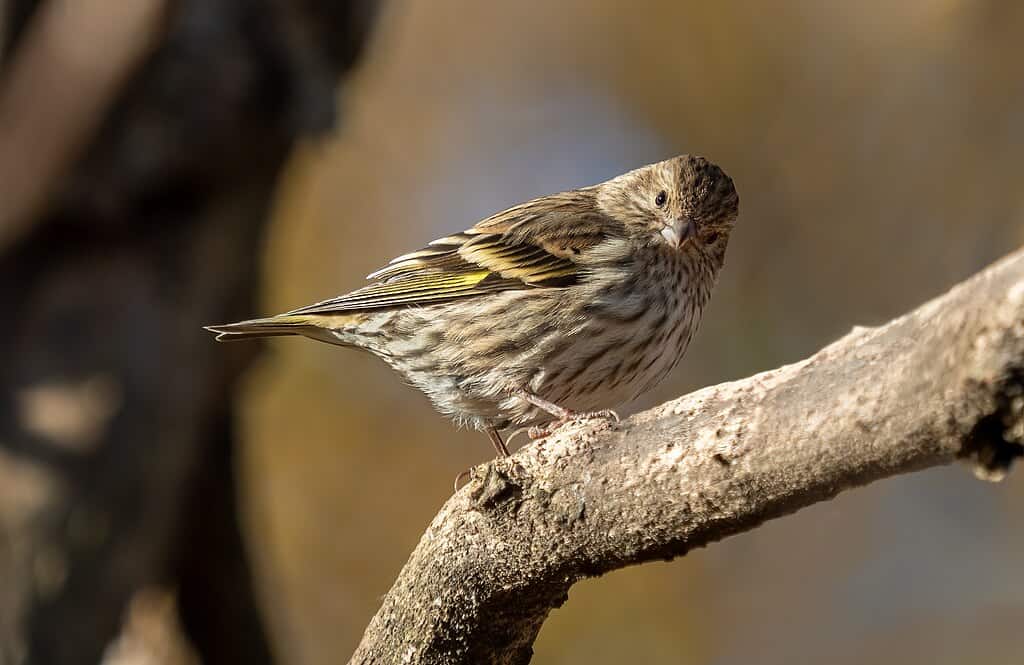
Lastly, the erratic migration of pine siskins, small finches that reside year-round in much of North America, captures the unpredictability of migration. During irruption years, when populations are forced to move south in search of food due to scarce resources, flocks can descend en masse in unexpected areas, much to the delight of bird enthusiasts.
Conclusion: Witnessing Migrations, Understanding Nature
The United States, with its diverse landscapes and climates, offers unparalleled opportunities to witness the splendor of animal migrations. Observing these natural events not only broadens our understanding of ecological networks but also deepens our appreciation for the resilience of these creatures. Engaging with these seasonal journeys reminds us of our role in preserving these phenomena for future generations and the well-being of our planet.
Worried about unexpected vet bills?
Pet insurance can cover thousands in unexpected vet costs. Get a free quote from Lemonade in under 2 minutes.
Get My Free Quote →Sponsored · Opens Lemonade.com

As a little kid, I fell in love with nature, wildlife, and animals. Living in the USA, South Africa, Italy, China and Germany gave me the opportunity to discover the world's Wildlife. My favorite animals are Mountain Gorillas, Siberian Tigers, and Great White Sharks.
I'm a certified PADI Open Water Diver, went to Everest Base Camp and Trekked Gorillas in Uganda. I hold a Master of Science in Economics and Finance.
Please send any feedback to feedback@animalsaroundtheglobe.com
- 7 Animals That Can Survive Without Oxygen - June 4, 2026
- Why Iceland Is the Best Place to See Arctic Foxes - June 4, 2026
- 12 Apex Predators and How They Dominate the Food Chain - June 4, 2026