
Nature has always been the original forecaster. Long before Doppler radar, satellites, or smartphone weather apps ever existed, farmers, sailors, and indigenous communities around the world watched the animals around them to know what the sky had in store. And honestly, what they observed was not just superstition.
The science behind animal weather sensing is far more fascinating than most people realize. These creatures pick up on changes in air pressure, humidity, infrasound, and electromagnetic signals that we simply cannot perceive with our limited human senses. Some of what they do is astonishing, and some of it will genuinely surprise you. Let’s dive in.
Sharks Dive Deep Before Hurricanes Hit

Here is a behavior that feels almost too dramatic to be real. Sharks boast ears sensitive enough that many experts say can detect changes in water and air pressure that typically accompany hurricanes and tropical storms. When a big storm is brewing offshore, these apex predators don’t wait around to find out how bad it gets.
Shark tracking patterns show that they often react by diving into deeper waters to wait out the mayhem, as indicated by behavior before many storms, such as Hurricane Charley in 2004 and Tropical Storm Gabrielle in 2001. Think about that for a moment. These animals essentially evacuate before we even issue the first public warning. The ear theory has yet to be conclusively proven, with some experts saying there are other ways by which sharks can identify approaching doom and take the necessary precautions.
Golden-Winged Warblers Evacuate Days Before Tornadoes
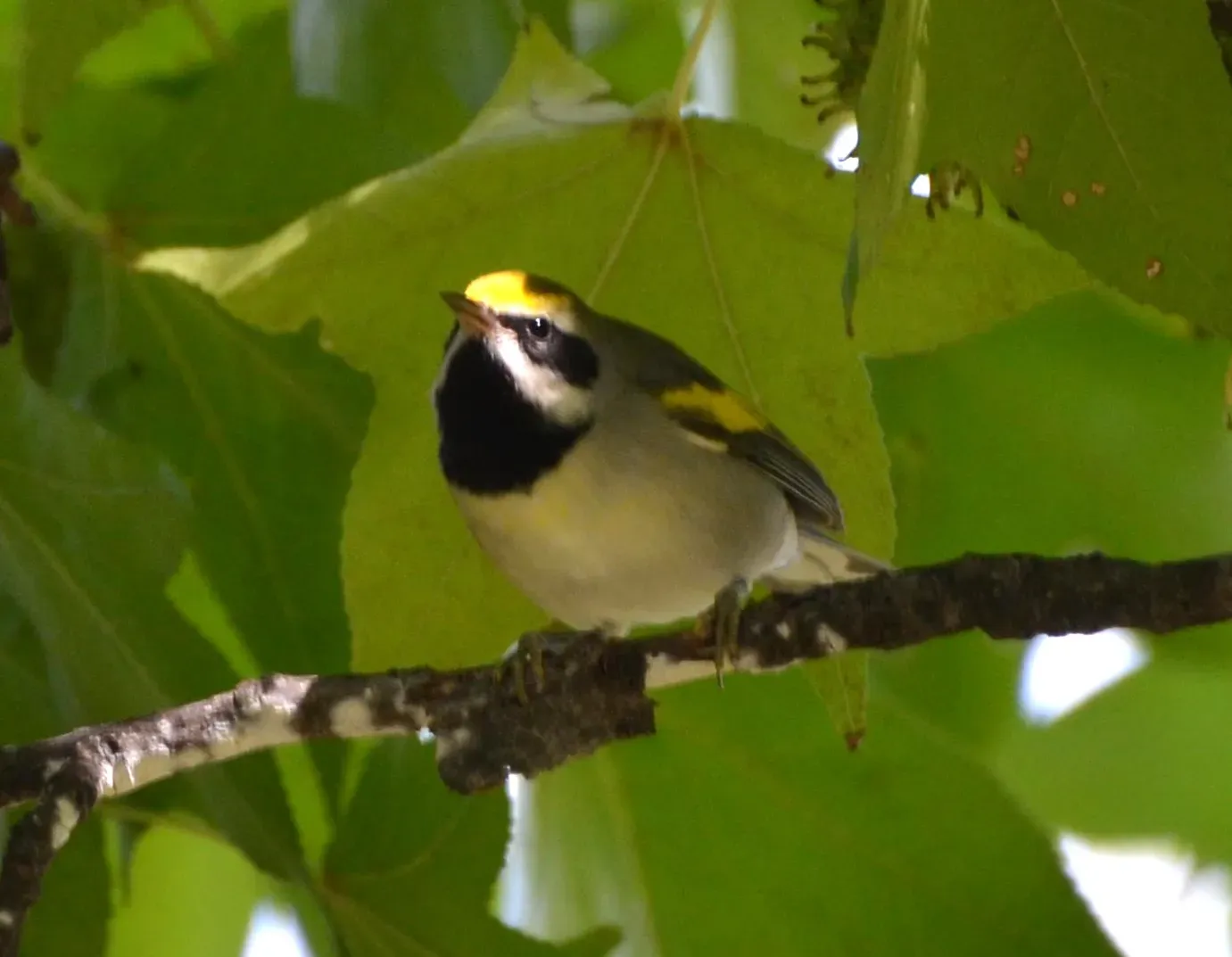
This one genuinely blew scientists away, and I think it might be the most remarkable story in this entire article. A UC Berkeley-led research team found that golden-winged warblers in Tennessee fled the path of tornado-generating storms one to two days ahead, well before any local signs of troubling weather. These tiny birds, which normally stay put on their breeding grounds, packed up and left without any apparent reason.
Notably, the birds fled while the storm was still 250 to 560 miles away, and local environmental cues to inclement weather, including changes in atmospheric pressure, temperature, and wind speed, were largely absent. The birds fled from their breeding territories more than 24 hours before the arrival of the storm. Researchers suspect that the birds did it by listening to infrasound associated with the severe weather, at a level well below the range of human hearing. The storm eventually spawned 84 confirmed tornadoes and killed at least 35 people. The birds knew. We didn’t.
Elephants Sense Thunderstorms from 150 Miles Away
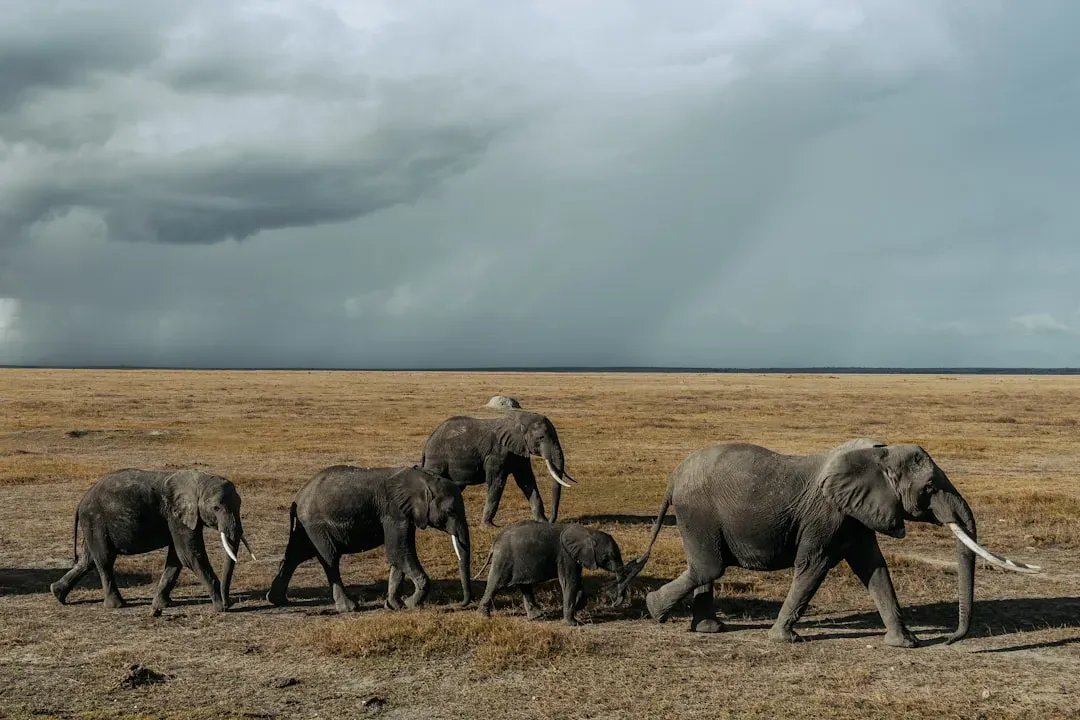
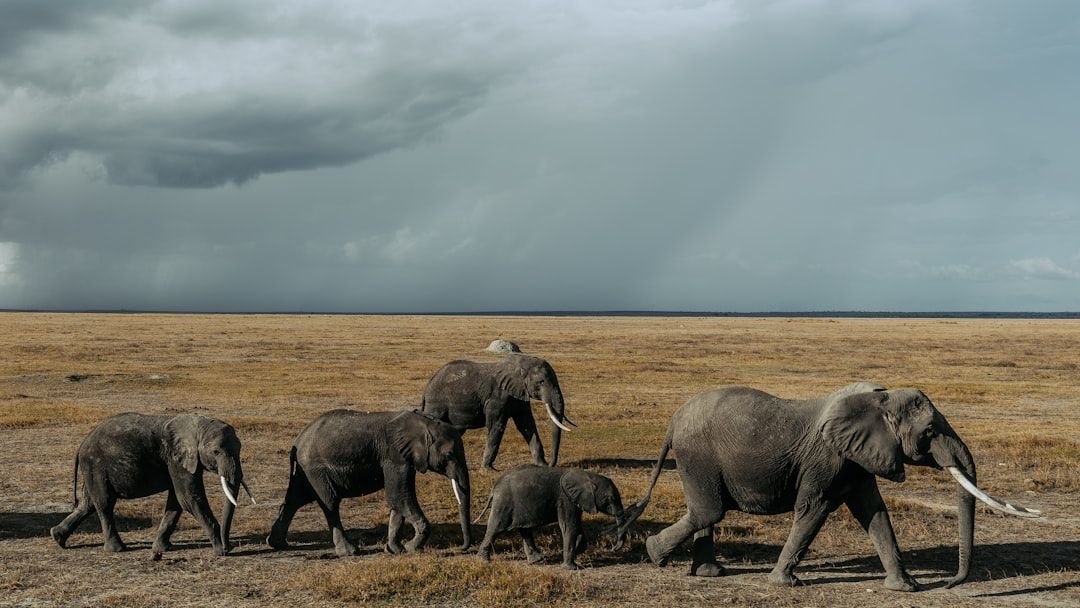
Elephants are in a category of their own when it comes to storm sensing. Both Asian and African elephants have recently been documented predicting thunderstorms before they occur, at distances of up to 150 kilometers. The movements within cumulonimbus clouds have been shown to produce strong infrasonic signals, and it is thought that elephants may be able to hear these and locate the storm. Picture that as a metaphor: it’s like having a built-in satellite dish for incoming weather, growing straight out of their enormous skulls.
Elephants are equipped with a network of sensors in their feet and trunk, which allows them to pick up subtle vibrations through the ground, like natural seismographs. They also use their large ears, not only for temperature regulation but also as sonic receivers that help them detect low-frequency sounds in the air. Researcher Michael Garstang and colleagues reported that African elephants fitted with GPS devices were found to move toward thunderstorms 150 miles away. They weren’t fleeing the storms. They were moving toward them, to follow the rain. That level of environmental intelligence is breathtaking.
Birds Fly Low Before Bad Weather Arrives
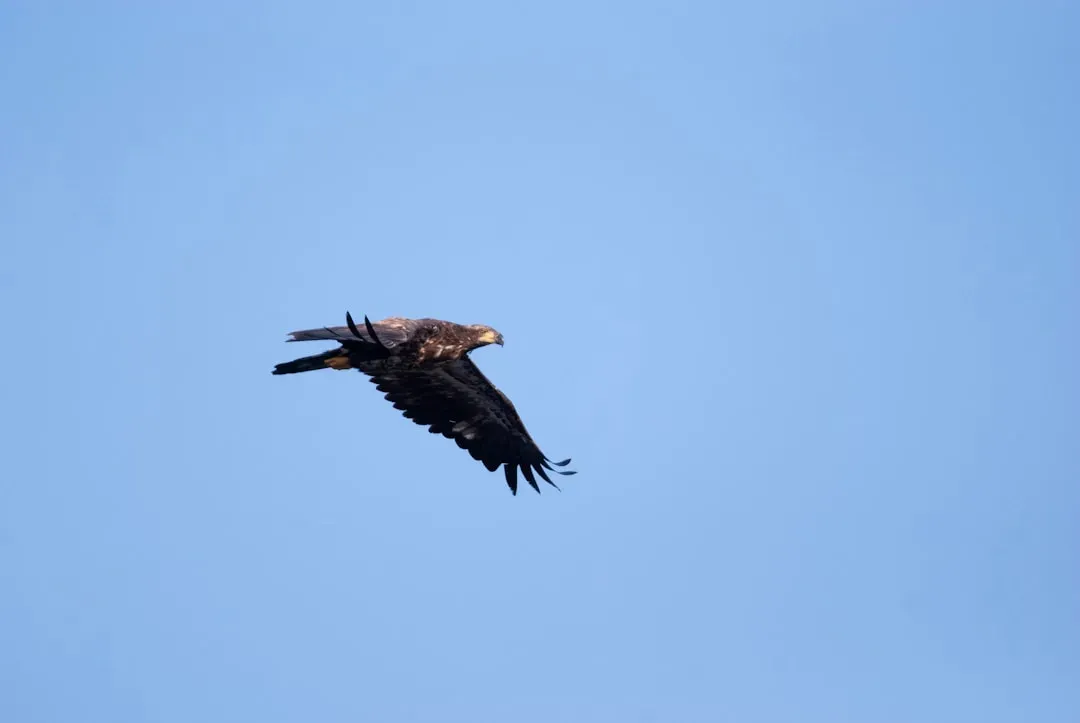
This is one of those behaviors that even casual observers have noticed for centuries, and it turns out there is solid science behind it. Birds need to fly fast and efficiently to conserve their energy, so they settle into sweet spots where the air is thin. When the weather is good, domes of high air pressure push these sweet spots up into the air, so birds fly higher. However, when the air pressure drops before the weather gets bad, so do the sweet spots and the birds that look for them.
Birds tend to fly low when a storm is coming and higher in good weather, due to changes in air pressure. It is almost like the atmosphere itself is pushing them down as a warning. Some migratory birds are believed to detect infrasound, which are low-frequency sounds that humans cannot hear, which may help them sense changes in the atmosphere and adjust their movements accordingly. Next time you see a sky thick with low-flying birds, trust your gut and maybe grab an umbrella.
Frogs Croak Louder and Longer Before Rain
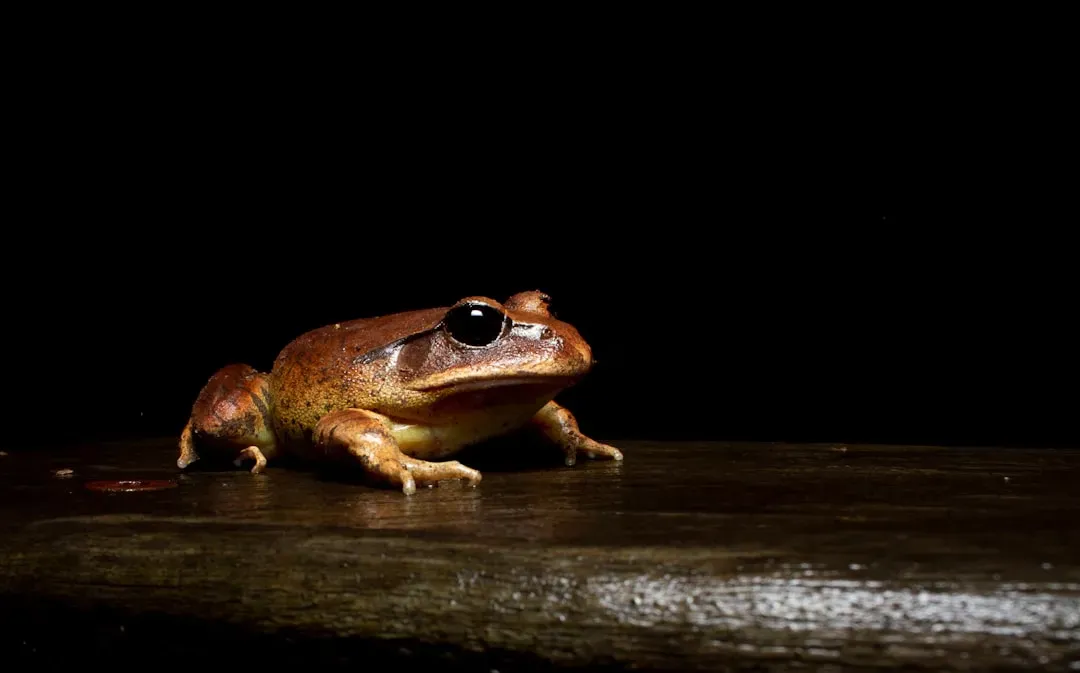
If you have ever been near a pond on a warm summer evening and heard the frogs go absolutely wild with croaking, that is not a coincidence. Frogs croak loudly to mate, and they are more successful following a good rain. This is because the eggs are laid in bodies of water. The male frogs will start croaking with more gusto before a rain. Nature is efficient like that. What looks like romance is also, incidentally, a weather forecast.
Amphibians are capable of signaling to humans about natural phenomena. If frogs continue to croak loudly for longer than usual, this may be an indication of an approaching storm. Frogs and insects become more vocal before rain, likely reacting to changes in humidity and pressure that signal rain is imminent. So the next time the frogs in your backyard sound like they are performing at full volume for no apparent reason, know that they are essentially issuing a weather bulletin.
Dogs Show Anxiety and Restlessness Before Storms
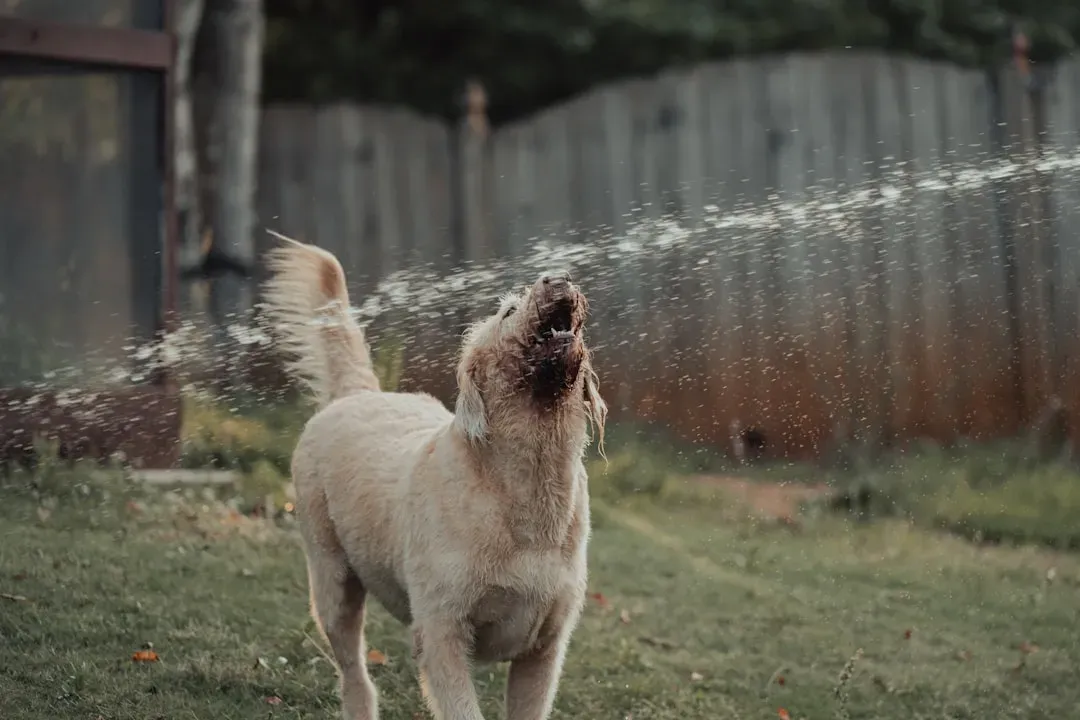
Pretty much every dog owner has a story about this. One minute your dog is fine, then suddenly they’re hiding under the bed, pacing the kitchen, or shaking for reasons you can’t immediately explain. A dog’s sense of smell tells them rain is on its way. Their sense of hearing picks up the sound of thunder long before you hear that tell-tale sign of a storm. Dogs can sense a drop in the barometer pressure and they are sensitive to the static electricity caused by lightning.
Scientists’ studies show that it is the static electricity caused by lightning that is the root of dogs’ sensitivity to storms. Animal behaviorists at the Cummings School of Veterinary Medicine say animals may experience shocks from the electricity in lightning. This added electrical activity makes them run for shelter in places that may be grounded and prevent them from experiencing a shock. That explains the bathroom hiding, as it turns out. Your dog isn’t just being dramatic. They are self-protecting with a logic that honestly makes a lot of sense.
Cows Lie Down and Change Their Grazing Direction
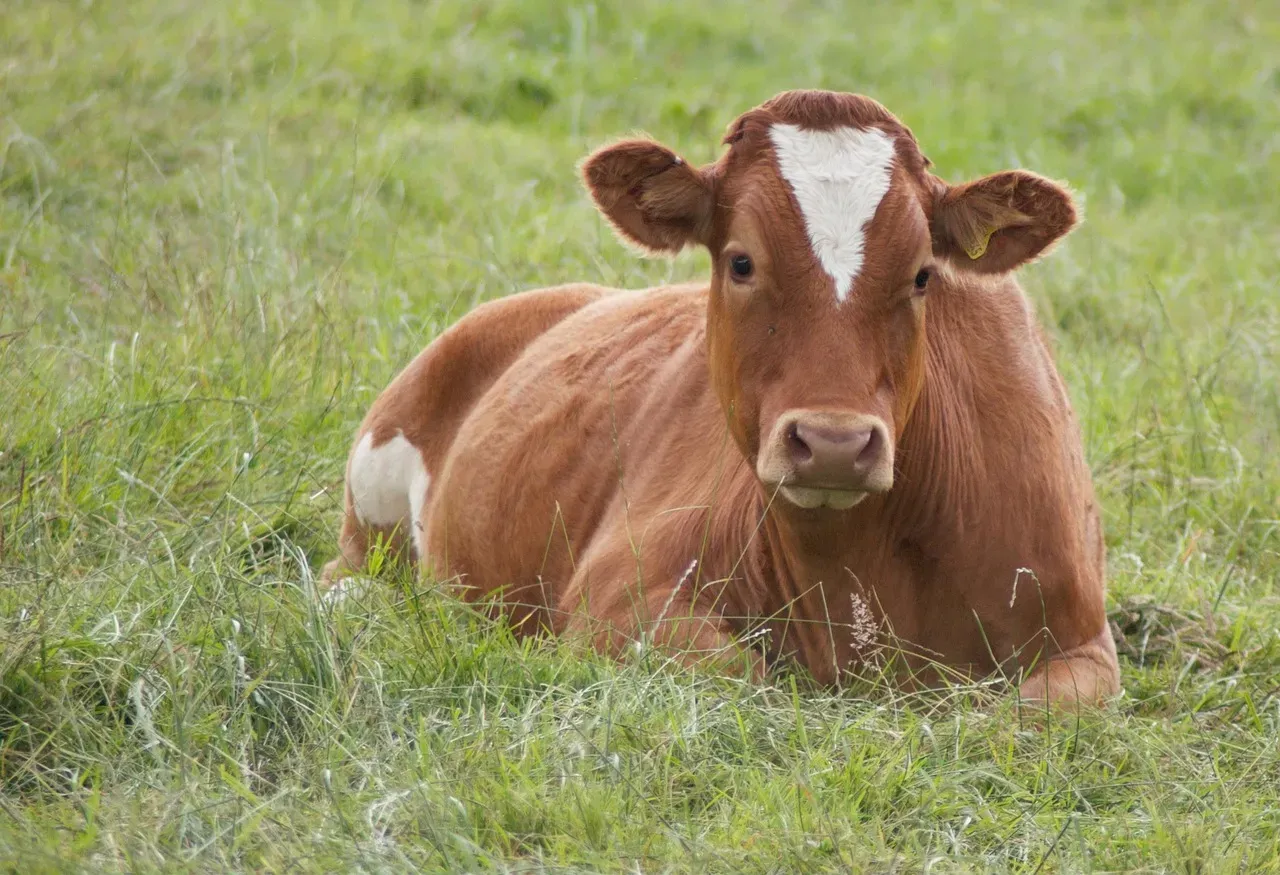
Few animals are surrounded by as much weather folklore as the humble cow. One saying is “When cattle lie down in the pasture, it indicates rain is on the way.” Cows, like many animals, are affected by changes in air pressure. They become restless when stormy weather approaches and may lie down in a dry spot. Whether that is a strategic move to save a dry patch or just a response to discomfort is still debated, but the behavioral pattern itself has been observed across countless farms for generations.
A cow’s tail facing west means fair skies, and a tail facing east means the weather is fixing to get worse, an old observation that may have some basis in truth, as animals commonly graze facing away from the wind so they can smell an approaching predator. It is hard to say for sure whether every lying-down cow means incoming rain. Still, many animals are affected by changes in air pressure, including humans. We just tend to feel it as a headache rather than an instinct to find dry ground.
Crickets Chirp at a Rate That Reveals the Temperature
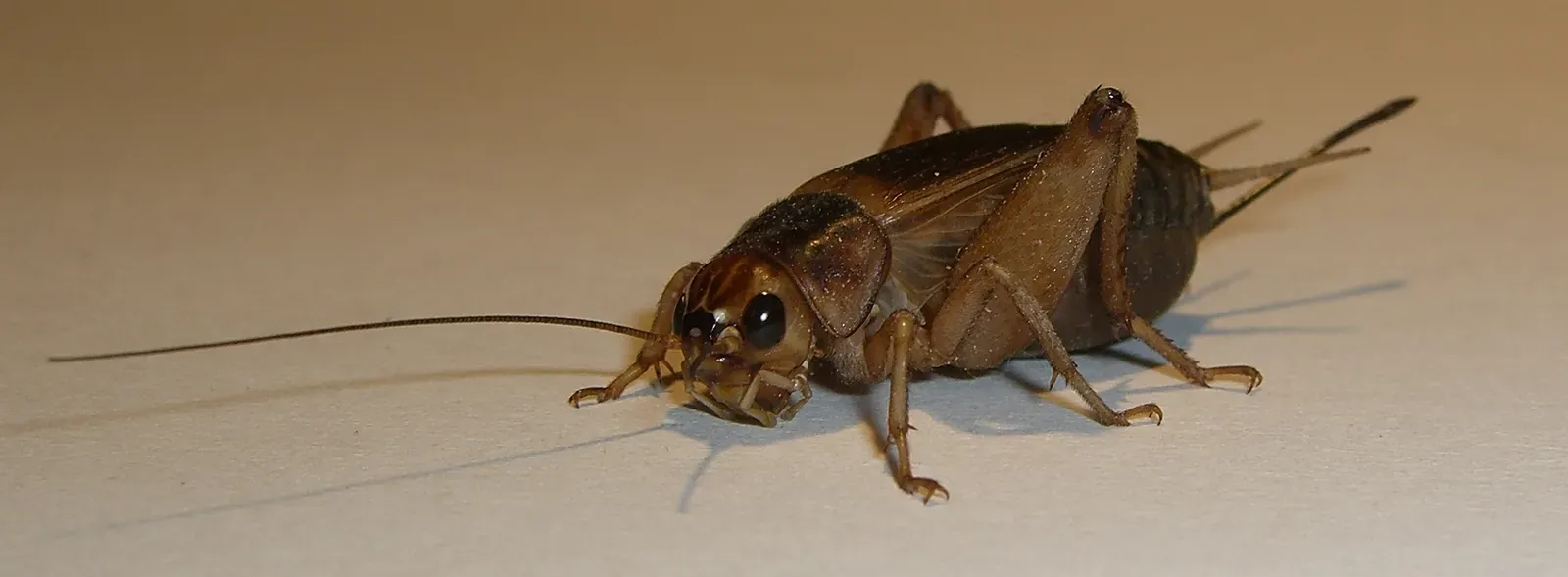
This one is almost too neat to believe, but it is completely real and scientifically validated. All you have to do is count the number of cricket chirps you hear in 13 seconds, add 40, and you know what the outside temperature is to within a few degrees Fahrenheit. Amos Dolbear first discovered the relationship between snowy tree crickets and temperature in 1897, and his formula still works today, now known as the Dolbear Law.
The relationship of a cricket’s chirp to temperature is perhaps the most fascinating example of how in tune the animal kingdom can be with environmental changes. This relationship is known as Dolbear’s Law, named after American physicist Amos Dolbear who published an article on the subject called The Cricket as Thermometer in 1897. Think of it like a living thermometer hidden in the grass. While it doesn’t predict storms directly, rapid changes in chirp rate can indicate sudden temperature drops, which often precede dramatic weather shifts. A natural instrument that has been chirping accurate readings for millions of years before we invented one ourselves.
Bees Return to the Hive Before Rain
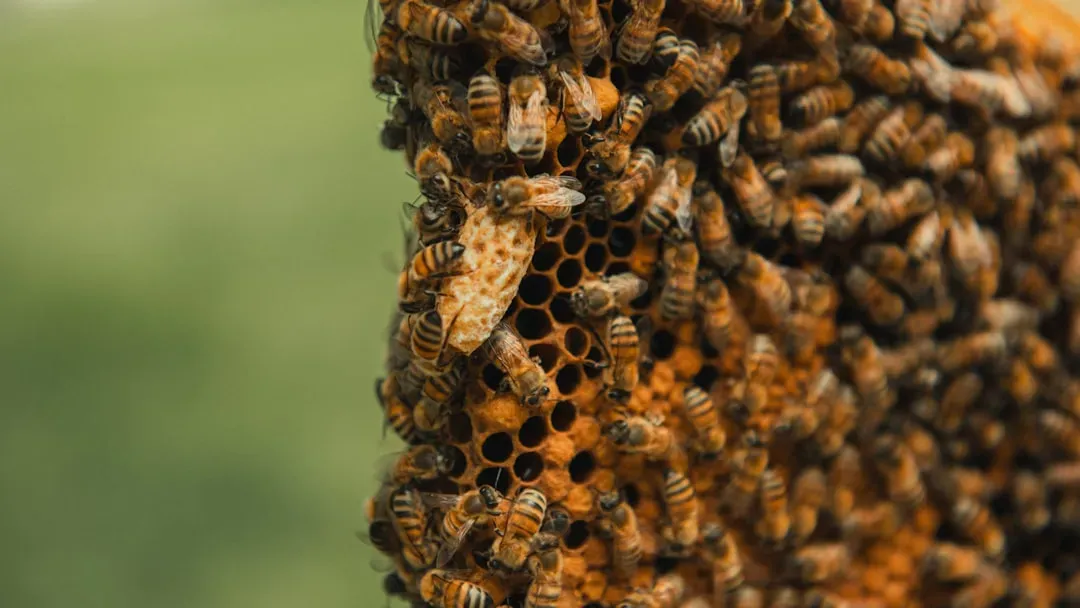
Bees are remarkably sensitive environmental instruments wrapped in a fuzzy yellow package. Birds and bees appear to be able to sense a drop in barometric pressure and will instinctively seek the cover of their nests or hives. Birds also use this sense of air pressure to determine when it is safe to migrate. For bees, returning early to the hive is both a survival instinct and, for those who notice it, a reliable storm signal.
When a field that was buzzing with bees in the afternoon suddenly goes quiet, experienced beekeepers and farmers know what that means. The bees got the memo before the clouds even rolled in. Many animals can quickly sense these changes and will often behave strangely, flee or hide for safety. Birds and bees also appear to be able to sense this drop in barometric pressure and will instinctively seek the cover of their nests or hives. It is a silent, fleeting signal that most of us walk right past every day without realizing what it means.
Veery Birds Shorten Their Breeding Season Before Active Hurricane Seasons
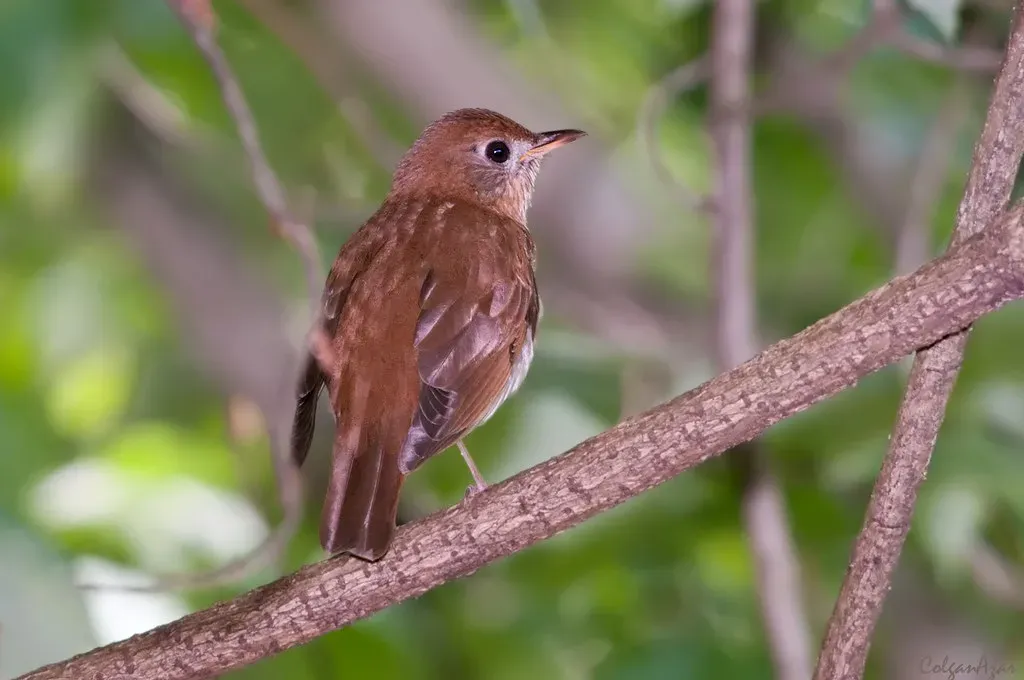
This might be the strangest and most scientifically striking behavior on this entire list. During two decades of field observation, the breeding behavior of a local population of veeries was a better predictor of Atlantic hurricane season intensity than the leading meteorological models. A small songbird, outperforming our best weather prediction tools. That is genuinely hard to process.
Veeries seemingly could sense tropical storms months before they formed. Some years, the veeries ended their breeding season and prepared for migration earlier than in other years. Analysis revealed a correlation between this behavior and the severity of the following hurricane season. Researchers theorized that starting their migration earlier may give the birds extra time to wait out storms before crossing the open water. The mechanism is still not fully understood. Further research is required to determine if some birds actually have the ability to foresee hurricanes and tropical storms. Still, the correlation is remarkable enough to make even the most skeptical scientist stop and wonder what exactly these birds are tapping into.
The Living Weather Station We Keep Ignoring
What strikes me most about all of this is not just the individual behaviors, but what they say collectively about the natural world. With their heightened senses and instinctive responses, animals can detect changes in the weather even if they cannot predict it in the ways that meteorologists do. The distinction matters. They are not fortune tellers. They are extraordinarily sensitive instruments responding to environmental signals we have not evolved to notice.
Another potential reason animals might react to impending weather events and natural disasters differently than humans is because at least some of their five senses almost always surpass our own. Many weather occurrences generate noises in the infrasonic range, too low for people to usually hear, but well within the hearing range of many animal species. We live in an age of satellites and supercomputers, yet a tiny warbler can still outpace our forecasts by two full days.
Perhaps the lesson here is one of humility. Nature built these creatures with tools we are only just beginning to understand, and the world around us has been issuing weather bulletins in a language most of us forgot to learn. Start paying attention to the animals near you. They have been trying to tell us something for a very long time. Will you start listening?

- 6 Exotic Bird Species You Can Spot in U.S. National Parks - July 19, 2026
- 11 Iconic American Birds Facing New Challenges and How You Can Help - July 19, 2026
- 10 Friendliest Animals in the World - July 19, 2026