
What if I told you that some creatures swimming in American ponds or crawling along the ocean floor might never die of old age? It sounds like science fiction, doesn’t it? The idea of immortality has fascinated humanity for centuries, yet right here in the United States, nature has quietly been harboring secrets that could redefine our understanding of life itself.
These aren’t mythical beasts from ancient legends. They’re real, living organisms that scientists study in labs and spot in the wild. Some of them can regenerate entire body parts. Others simply refuse to age the way we do. The mechanisms behind their extraordinary abilities continue to baffle researchers who dream of unlocking similar powers for humans. So let’s dive in and discover which American creatures have essentially cracked the code to eternal youth.
Freshwater Hydra
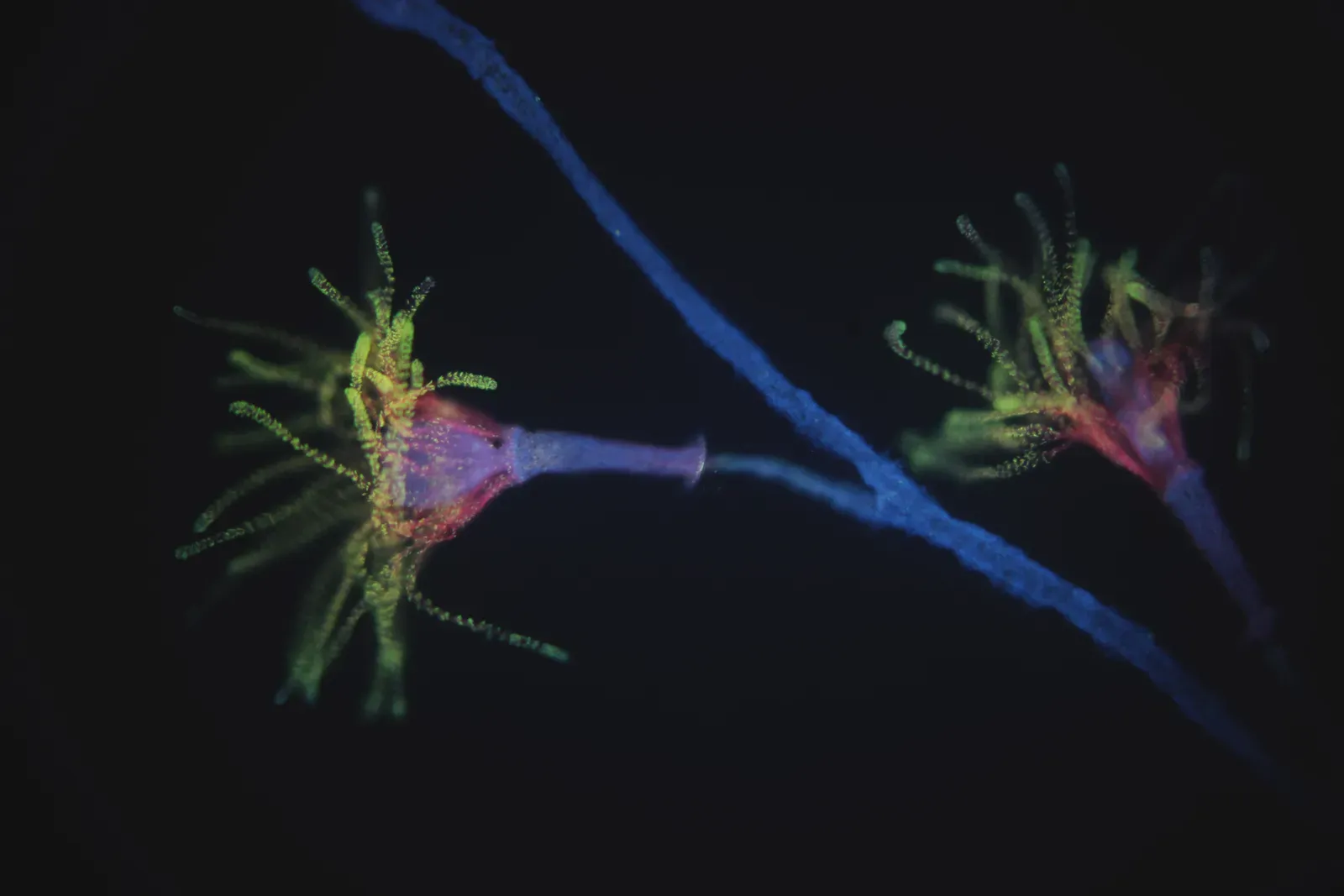
Picture a creature no bigger than a centimeter, living quietly in freshwater ponds across North America. The hydra, a tiny jellyfish-like invertebrate, holds within its genomic code the key to biological immortality because its stem cells exist in a continuous state of renewal. Honestly, when you first see one under a microscope, it doesn’t look like much. Just a simple tube with tentacles at one end.
What makes this little creature so remarkable? Hydra can survive dismemberment by regenerating lost sections of their bodies, and if you chop one into segments, each segment will become a new hydra. A 1998 study examining hydra concluded that the results provide no evidence for aging in hydra and that these polyps may be potentially immortal. Let’s be real, that’s the stuff of nightmares for anyone squeamish about invertebrates, yet it’s absolutely fascinating from a biological standpoint.
American Lobster
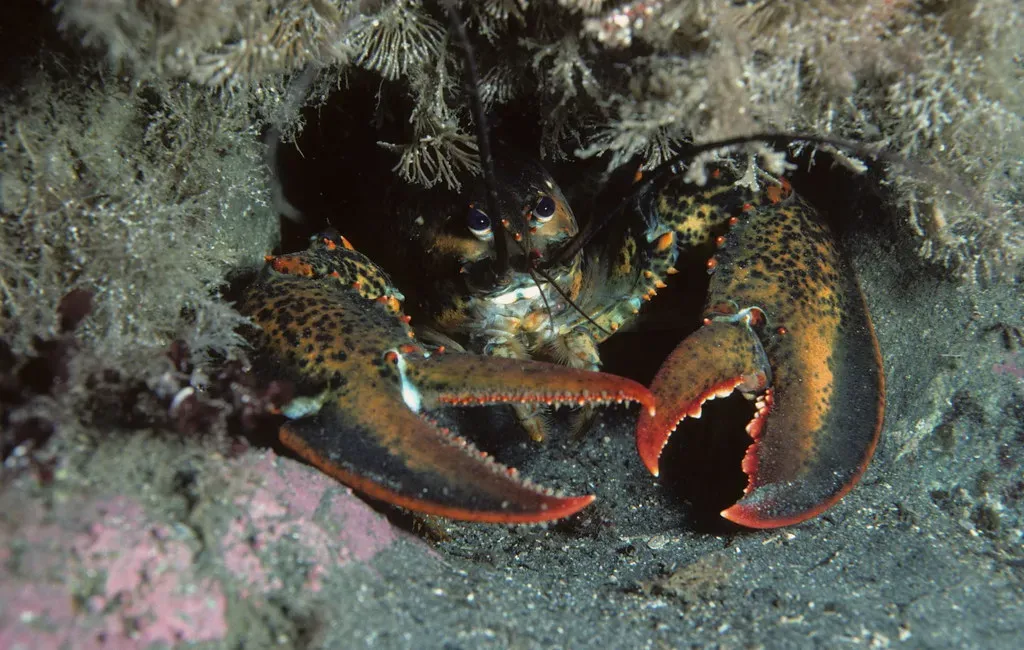
The iconic American lobster has sparked countless internet debates about immortality. The American lobster (Homarus americanus) boasts an impressive lifespan, with some individuals reaching ages exceeding 100 years. Yet despite popular memes, lobsters certainly do not live forever, and given the right circumstances, some animals could be considered immortal, but lobsters are not among them.
Here’s where it gets interesting, though. Lobsters possess an enzyme called telomerase that maintains the length of telomeres, the protective caps on DNA strands, and in many animals including humans telomeres naturally shorten over time leading to cellular aging, but telomerase in lobsters allows them to sustain longer telomeres. The catch? Between ten and fifteen percent of lobsters die naturally each year as they shed their exoskeletons because the exertion proves too much, and each molting process requires more energy than the one before it. So they don’t exactly escape death, but their cellular machinery sure tries its best to keep them young.
Turritopsis dohrnii (Immortal Jellyfish)
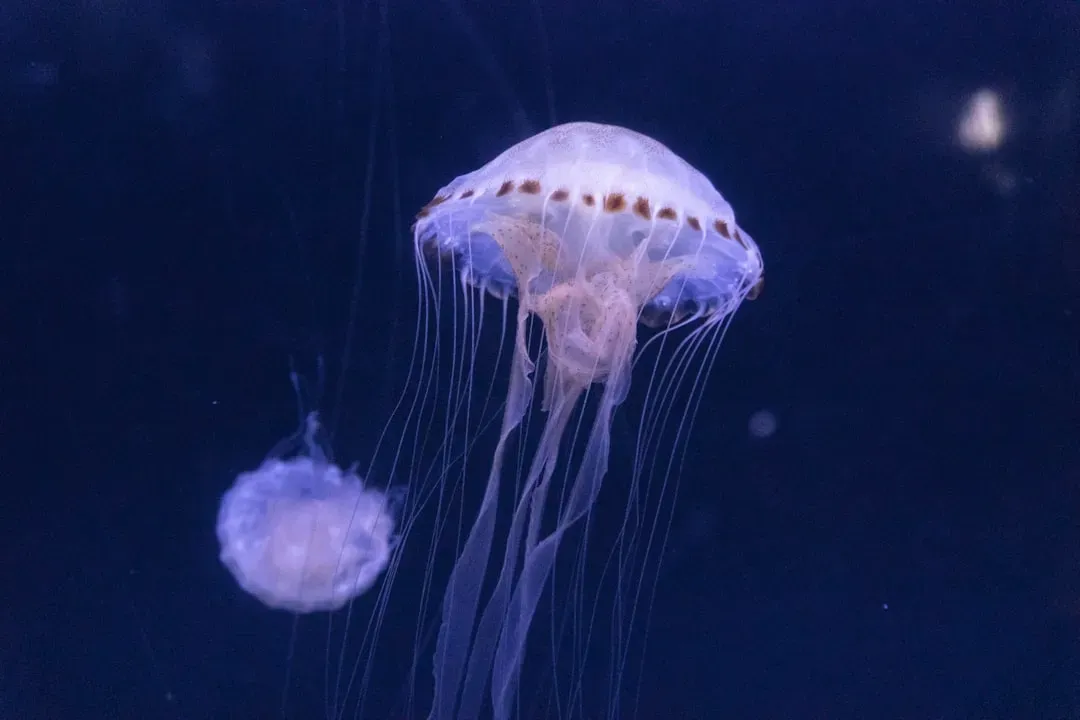
The so-called immortal jellyfish, Turritopsis dohrnii, inhabits the waters of the Mediterranean Sea and the Sea of Japan, though specimens have been found in waters off the United States. What sets this jellyfish apart is absolutely mind-blowing. Turritopsis dohrnii, otherwise known as the immortal jellyfish, has a unique way of subverting senescence by growing into a mature medusa and then reorganizing and reverting to its former juvenile self through transdifferentiation.
Think about that for a moment. This jellyfish can essentially hit the reset button on its life cycle. The life of this jellyfish develops in a cycle that can be extended indefinitely, and faced with environmental or physical threat, disease, or aging, it transforms into a previous life stage, the polyp stage, perpetuating itself in a constant process of aging and rejuvenation. It’s like discovering a real-life Benjamin Button, except this one lives in the ocean and looks nothing like Brad Pitt.
Planarian Flatworms
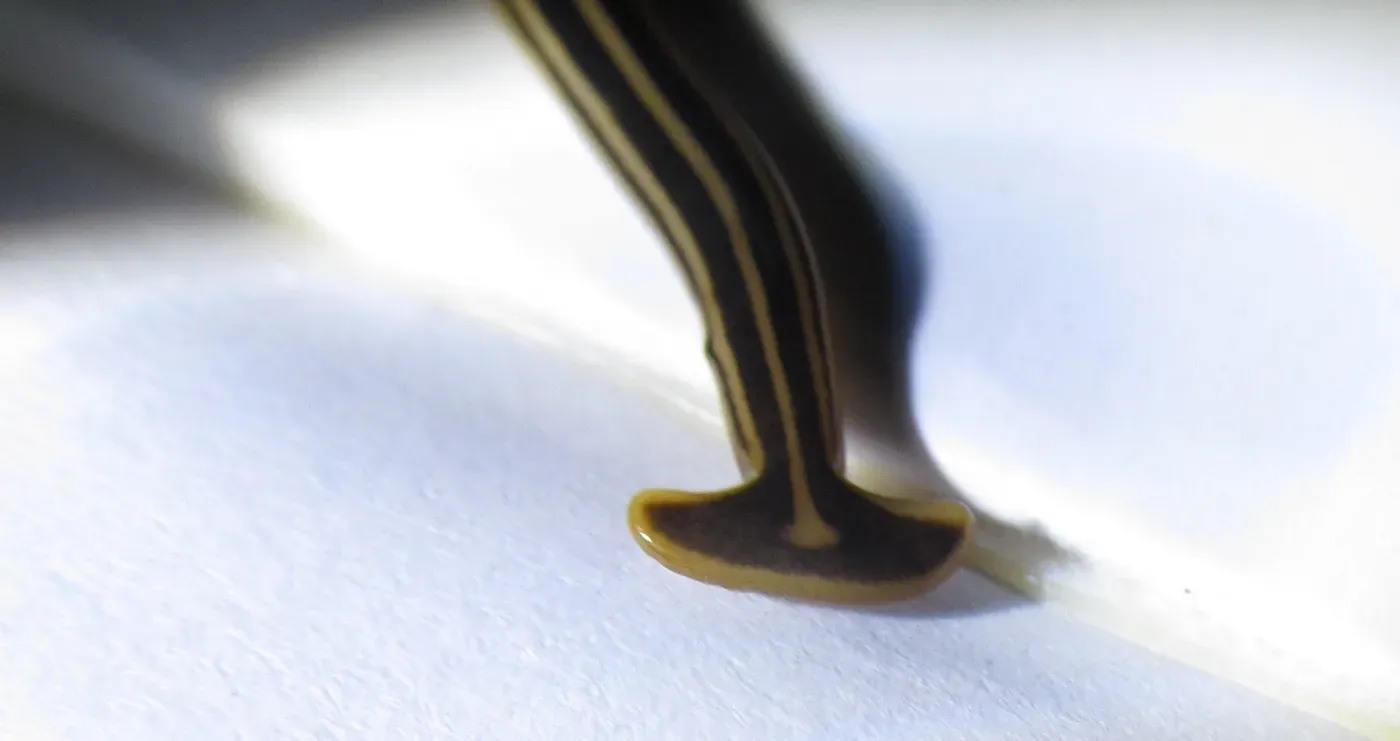
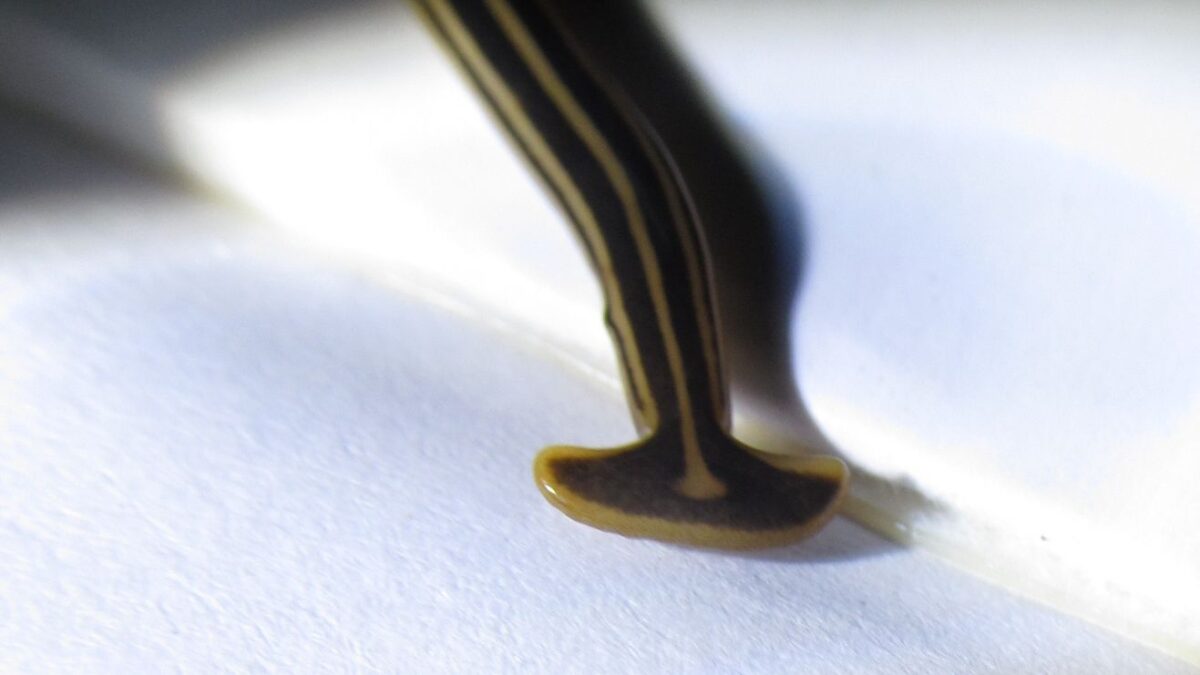
Planarian flatworms found in American freshwater streams possess regenerative abilities that seem straight out of a superhero comic. Planarian worms have amazed scientists with their apparently limitless ability to regenerate, and researchers have been studying their ability to replace aged or damaged tissues and cells to understand the mechanisms underlying their longevity.
Take a worm and cut out a body part and it will grow a new one, or cut it lengthwise or crosswise and it will regenerate into two separate individuals. I know it sounds crazy, but scientists have actually done this thousands of times. Research demonstrates that asexual planarian worms can maintain telomere length during regeneration, satisfying predictions about what it would take for an animal to be potentially immortal. These tiny worms are proving that biological immortality isn’t just theoretically possible but actually happening right under our noses.
Blanding’s Turtle
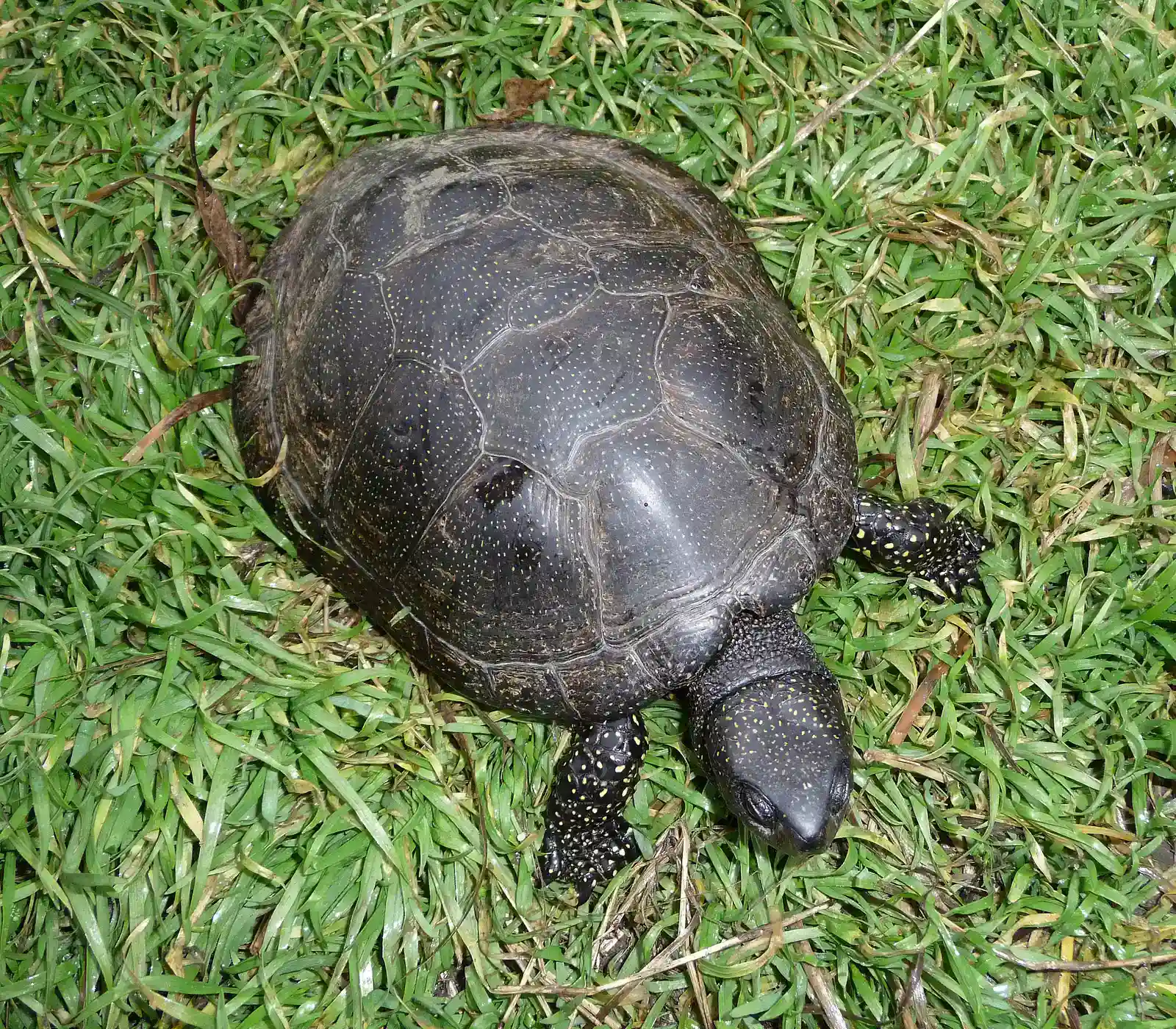
According to the Animal Aging and Longevity Database, the list of animals with negligible aging includes Blanding’s turtle (Emydoidea blandingii) with an estimated longevity of 77 years in the wild. Found in the Great Lakes region and northeastern United States, these turtles display something remarkable. Many species of turtle and tortoise display negligible aging, particularly in captivity, with three quarters of 52 species surveyed showing essentially no senescence.
What does that mean in practical terms? These turtles don’t really get old the way we do. Turtles and tortoises exhibit slow rates of senescence, their protective shells increase their longevity, and factors contributing to this are still being studied but may involve efficient DNA repair mechanisms and slow metabolic rates. Watching one of these turtles bask on a log, you’d never guess it might be older than your grandparents yet still as healthy as a juvenile.
Naked Mole Rat
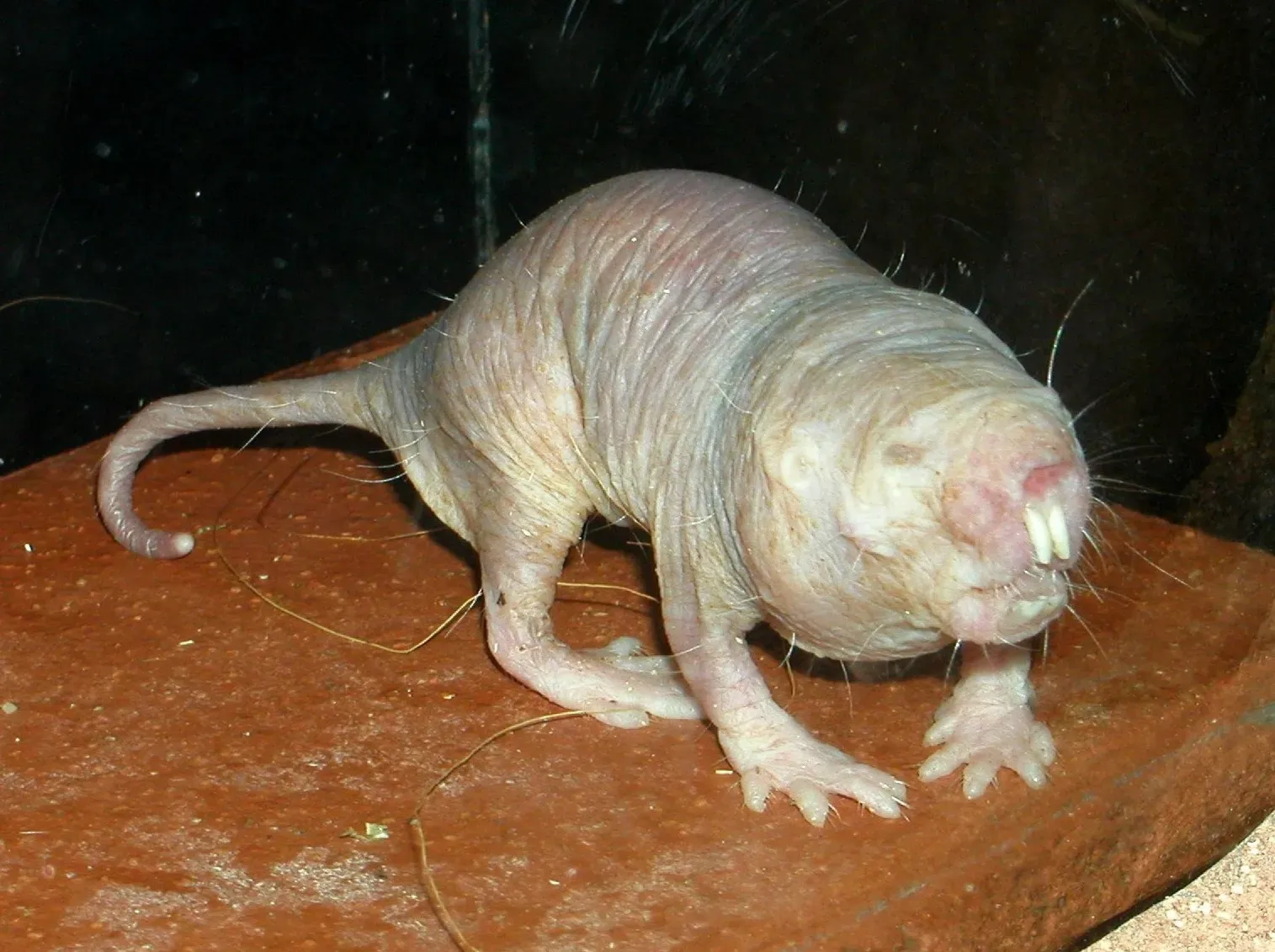
The naked mole rat (Heterocephalus glaber) is the only one of approximately 5,500 mammal species known to exhibit negligible senescence, and these approximately mouse-sized rodents have been observed to live 28 years versus one to three years for similarly sized rodents. Living in underground colonies primarily studied in labs across America, these wrinkly little mammals defy everything we thought we knew about aging in mammals.
In 2018, naked mole rats were identified as the first mammal to defy the Gompertz-Makeham law of mortality and achieve negligible senescence, though it has been speculated this may be a time-stretching effect primarily due to their very slow and cold-blooded and hypoxic metabolism. Cancer has not been observed in this species. Imagine that – a mammal that doesn’t get cancer and barely ages. They’re not exactly cute, which might be why they don’t get as much attention as they deserve.
Rough Eye Rockfish
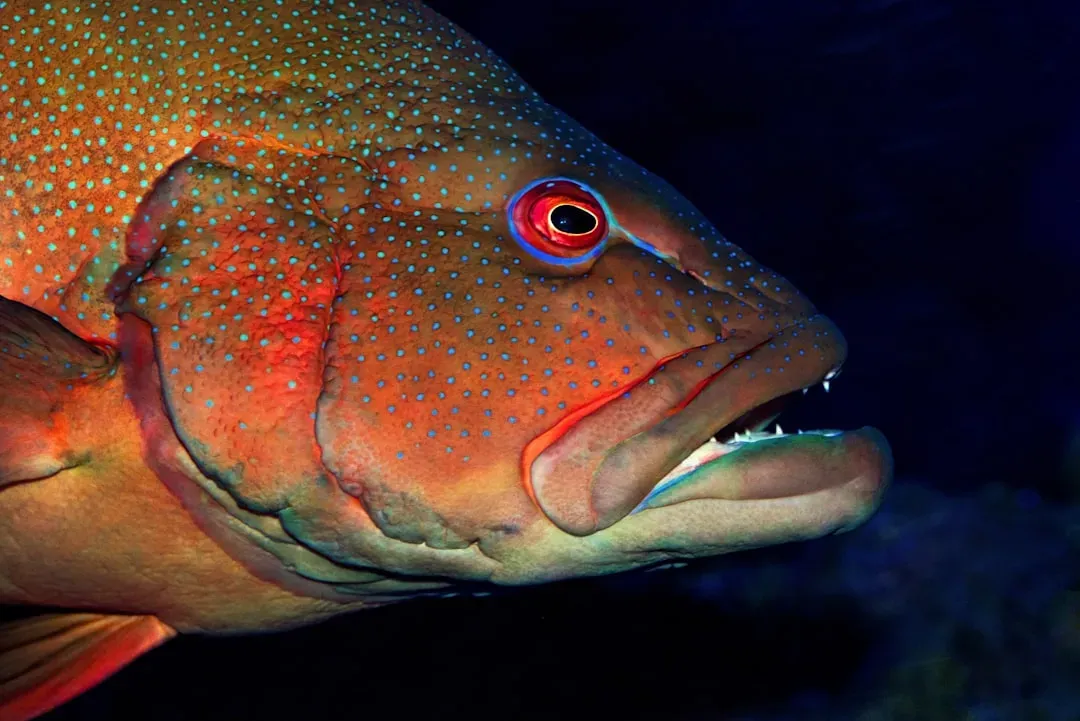
Swimming in the cold waters off the Pacific coast of North America, the rough eye rockfish lives an extraordinarily long life. Known as the longest-living marine fish in the world, the rough eye rockfish can live more than 205 years old, and it is highly distinguishable because of prominent spines in the lower rim of their eyes.
Scientists studying these fish have found they show minimal signs of aging as the decades roll by. The cold waters they inhabit slow their metabolism considerably, which appears to be a key factor. Their ability to maintain enzyme activity and cellular repair over such extended periods makes them a subject of intense interest for researchers hoping to understand longevity. It’s hard to say for sure, but some specimens caught might be older than the United States itself.
Red Sea Urchin
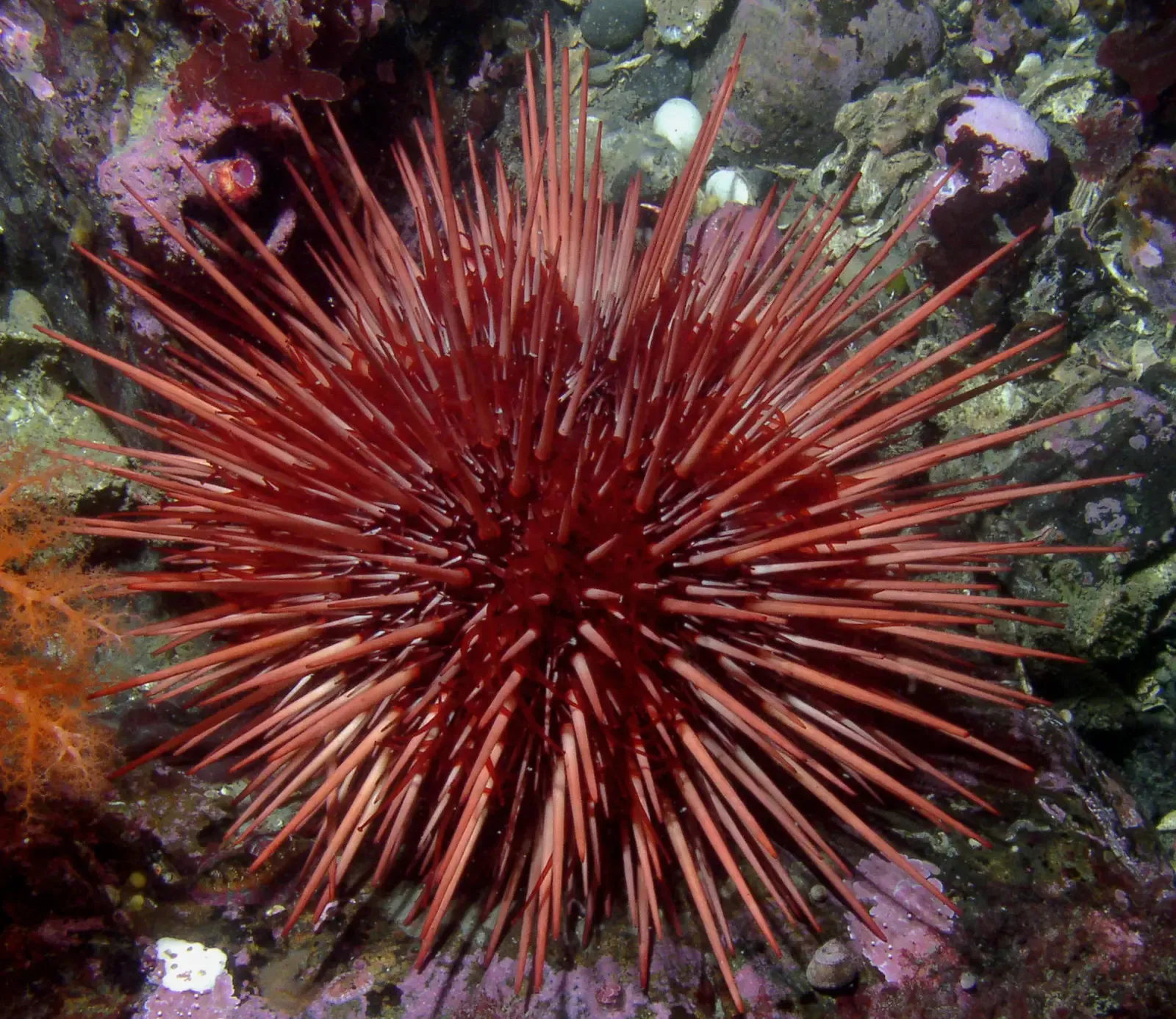
Living on seaweeds in shallow waters, the red sea urchin (Mesocentrotus franciscanus) is considered practically immortal, and scientists say these urchins can never stop growing but don’t get old, and while they can live up to over a hundred years old, some may reach up to 200 years given good environmental conditions. You’ll find these spiny creatures clinging to rocks along the Pacific coast from Alaska to California.
What’s truly remarkable is that even ancient specimens continue reproducing and maintaining cellular functions as if they were juveniles. Their regenerative abilities remain consistent throughout their lifespan. There are organisms including certain molluscs and sea urchins that exhibit negative senescence, whereby mortality chronologically decreases as the organism ages. That means they actually become less likely to die as they get older – completely backwards from what we experience.
Glass Sponges
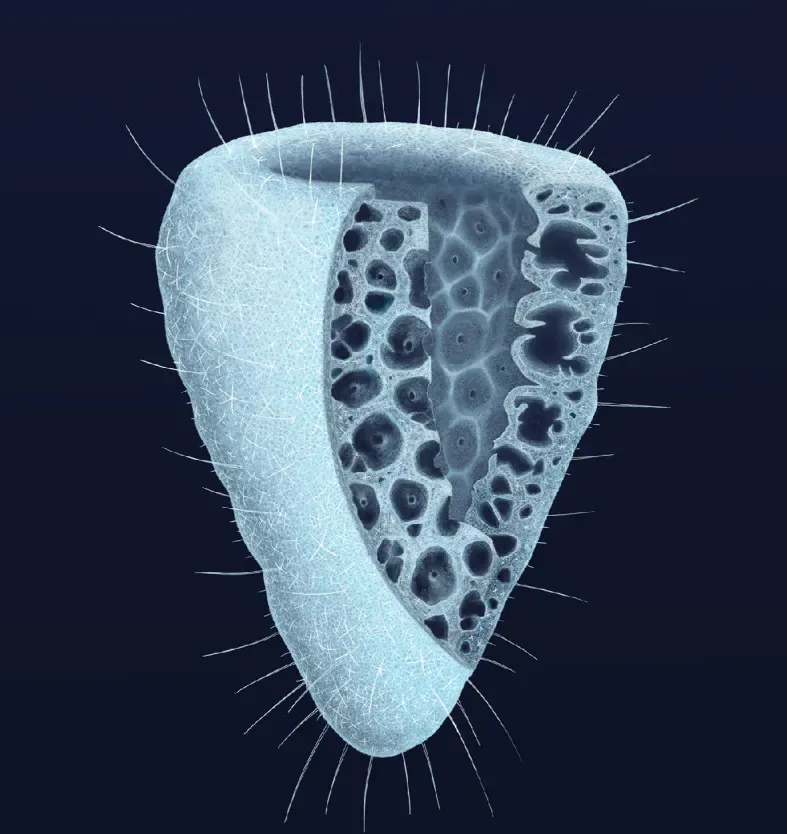
The longest living animals are among the simplest ones, the basal metazoans, a group that includes sponges, corals, jellyfish, comb jellies, hydras, and sea anemones. Glass sponges found in the deep waters off Alaska and the Pacific Northwest can live for thousands of years. These aren’t the sponges you use in your kitchen – they’re intricate, beautiful structures on the ocean floor.
Basal metazoans typically maintain many pluripotent stem cells that are capable of differentiating into all types of cells in the body, which gives these animals incredible abilities to grow, regress, regrow and regenerate their bodies as needed. Some specimens discovered are believed to be over 10,000 years old, making them older than recorded human history. The frigid, stable environment of the deep sea combined with their incredibly slow metabolism allows them to persist for millennia without the cellular deterioration we associate with aging.
Geoduck Clam
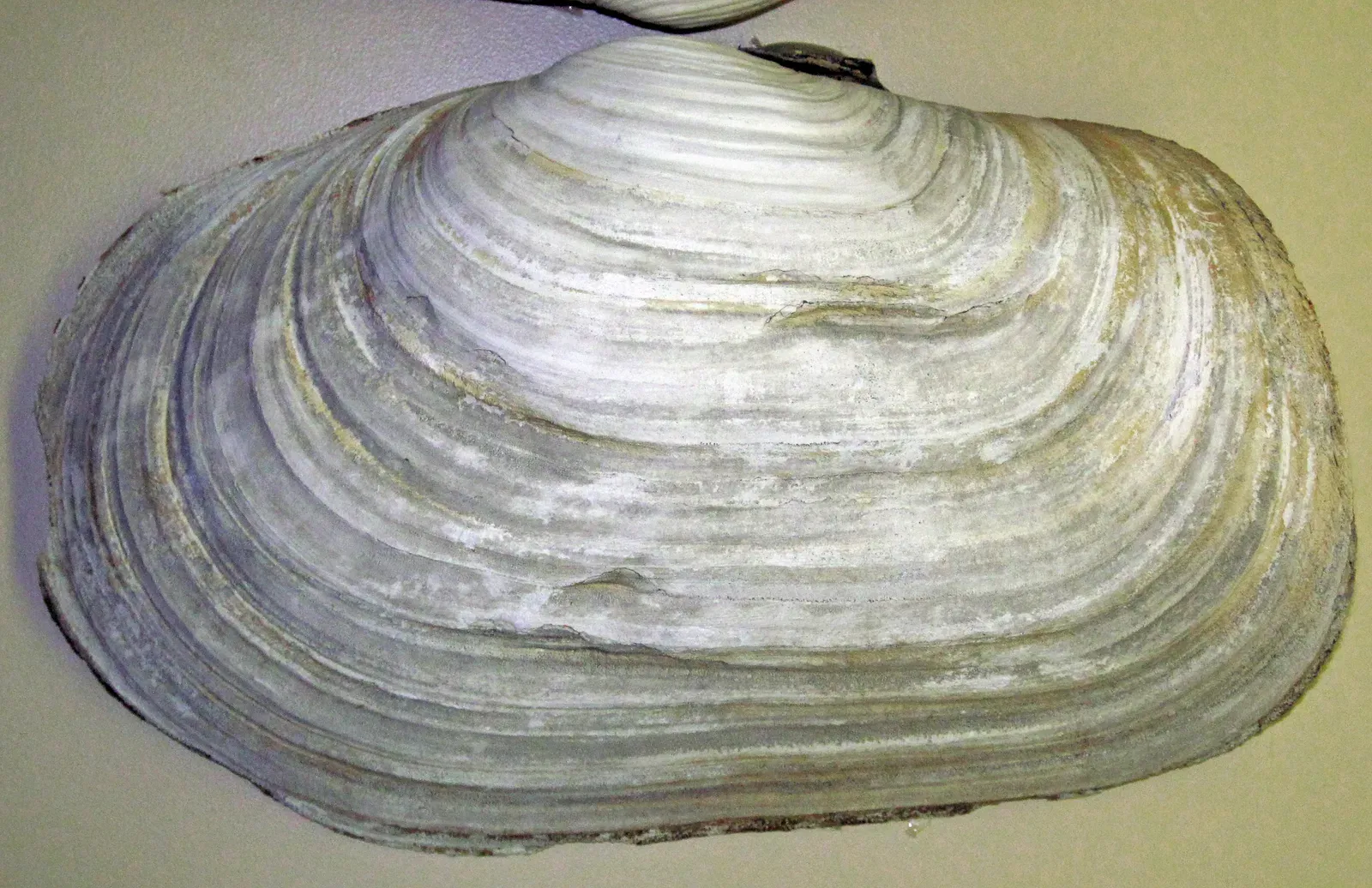
The geoduck clam, found buried in the mudflats and coastal waters of the Pacific Northwest, holds records for longevity that are hard to fathom. Some clams such as Panopea generosa have long lives of approximately 160 years and may exhibit negligible senescence. These bizarre-looking clams with their long siphons can weigh several pounds and live well over a century.
What makes them particularly interesting is their sustained reproductive capacity even at advanced ages. Roughly about a hundred-year-old geoduck shows similar cellular function to much younger specimens. The cold water environment plays a crucial role in their longevity, much like other long-lived marine species. Their flesh is considered a delicacy, though it seems almost criminal to eat something that might have been alive when Abraham Lincoln was president.
Conclusion
The creatures we’ve explored aren’t truly invincible. A biologically immortal living being can still die from means other than senescence, such as through injury, poison, disease, predation, lack of available resources, or changes to environment. Yet their ability to sidestep the aging process that plagues the rest of us remains one of nature’s most fascinating mysteries. From tiny hydras regenerating in freshwater ponds to ancient clams buried in Pacific mud, these American organisms are rewriting what we thought possible about life and longevity.
Scientists continue studying these remarkable animals, hoping to unlock secrets that might one day help us combat age-related diseases. The mechanisms behind their immortality – whether constant stem cell renewal, telomerase activity, or negligible senescence – offer tantalizing clues about the biology of aging itself. What do you think about it? Would you want to live forever if it meant molting like a lobster or regenerating like a flatworm? Let us know in the comments.

- 12 Architectural Wonders From The Ancient World That Inspire Us Today - July 18, 2026
- 6 Beautiful Ancient Cities That Time Forgot (But Shouldn’t) - July 18, 2026
- 6 Common Animal Behaviors That Are Often Misunderstood by Humans - July 18, 2026