

We’ve all been there. That quiet moment when a beloved pet takes its last breath, or when we stumble upon a lifeless bird in the garden. The question hangs heavy in the air, refusing to be silenced. Where do they go? It’s a question that children ask with wide, innocent eyes, and one that adults ponder in the stillness of grief. It’s hard to say for sure, but what happens after an animal dies is both beautifully simple and profoundly complex, touching on biology, ecology, spirituality, and the very nature of life itself.
Throughout human history, we’ve grappled with mortality in all its forms. Yet somehow, animal death often goes unspoken, swept under the rug of daily existence. Let’s be real, this topic deserves better. Whether you’re mourning a cherished companion or simply curious about the natural world, understanding where animals go when they die offers comfort, perspective, and maybe even a touch of wonder.
The Physical Journey: Nature’s Perfect Recycling System
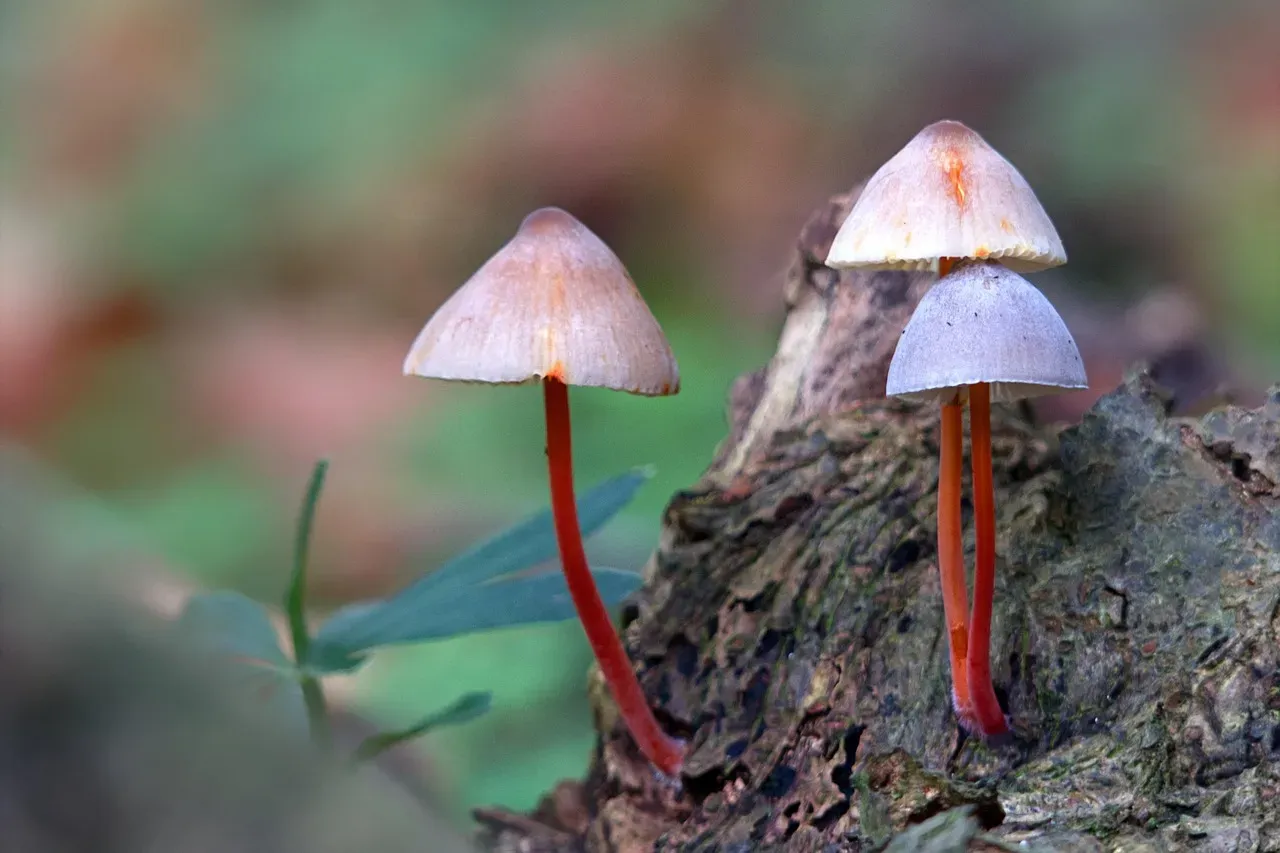
When an animal dies, its body doesn’t simply disappear. Instead, it embarks on a remarkable transformation that’s been perfecting itself for millions of years. Within minutes, the biological processes that maintained life begin to reverse, and decomposition starts its quiet work.
The body becomes a feast for an entire ecosystem of organisms. Bacteria that once lived peacefully inside the animal suddenly have free rein, breaking down tissues from the inside out. Flies arrive within hours, laying eggs that will hatch into maggies whose sole purpose is to consume and transform.
Then come the larger scavengers, if the body is accessible. Crows, foxes, beetles, and countless other creatures play their part in nature’s cleanup crew. I think there’s something oddly beautiful about this process, even if it sounds grim.
Every atom that once belonged to that animal returns to the earth. The carbon, nitrogen, phosphorus, and other elements get recycled into soil, feeding plants that will sustain other animals. It’s the ultimate circle of life, far more literal than any Disney song suggested.
Within weeks or months, depending on size and conditions, barely a trace remains. The animal hasn’t vanished, it’s simply changed form, woven back into the fabric of the living world.
The Emotional Reality: When Grief Hits Hard
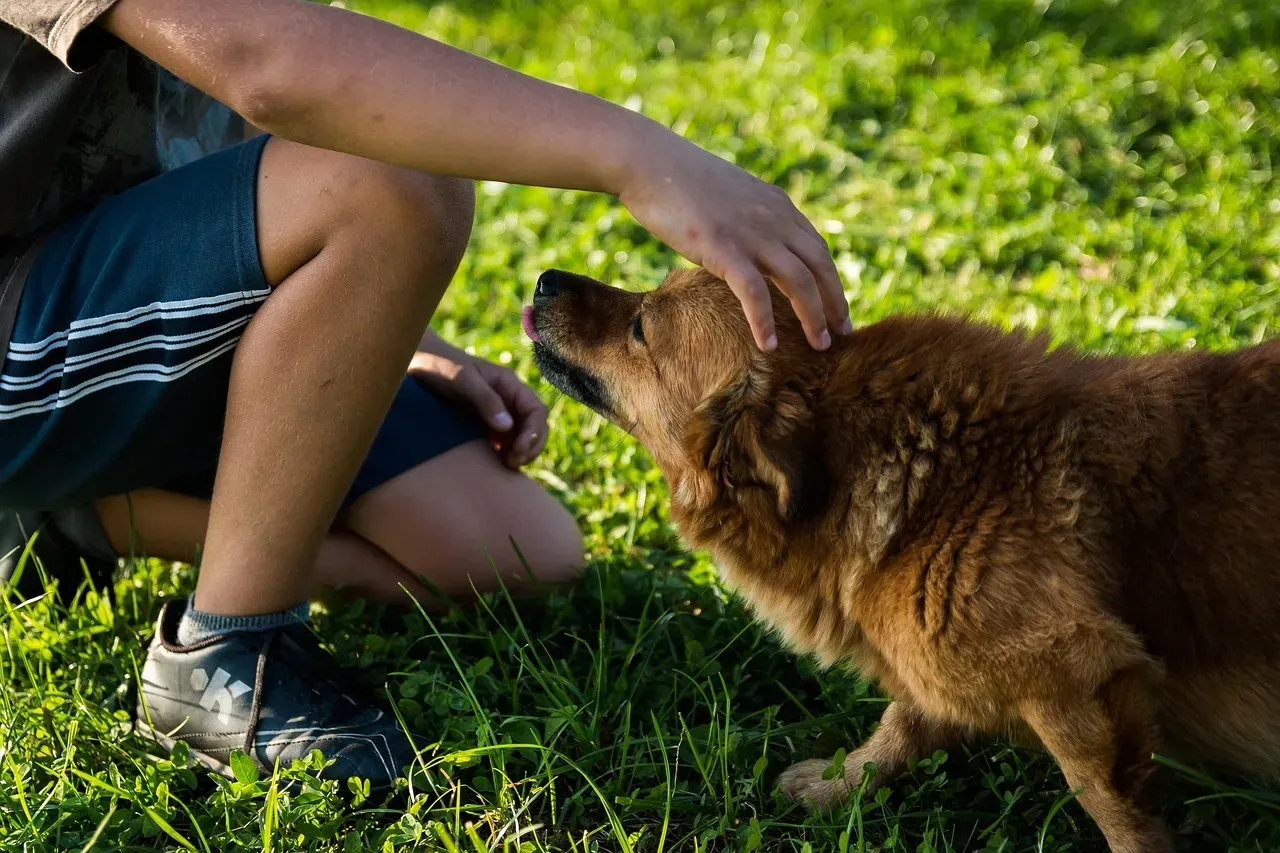
Here’s the thing. When we lose an animal we love, the biological facts offer little comfort. Animal owners who experience the death of a beloved family pet or companion animal may experience feelings of grief and loss that are synonymous with the death of a human.
Pet owners often receive relatively less emotional support when experiencing grief after the death of a beloved pet, a phenomenon known as disenfranchised grief. Society sometimes dismisses this pain, suggesting it’s somehow less legitimate than grieving a person. That’s nonsense, honestly.
The loss cuts deep because animals give us something irreplaceable. Those who lose a companion animal typically experience the loss of unconditional emotional support and disruptive changes in daily routines. It’s the empty food bowl that breaks your heart. The absence of a greeting at the door.
Guilt often accompanies this grief too. Did I do enough? Should I have tried different treatment? These questions haunt many people, regardless of how lovingly they cared for their animals.
The Spiritual Dimension: Beliefs About Animal Afterlife
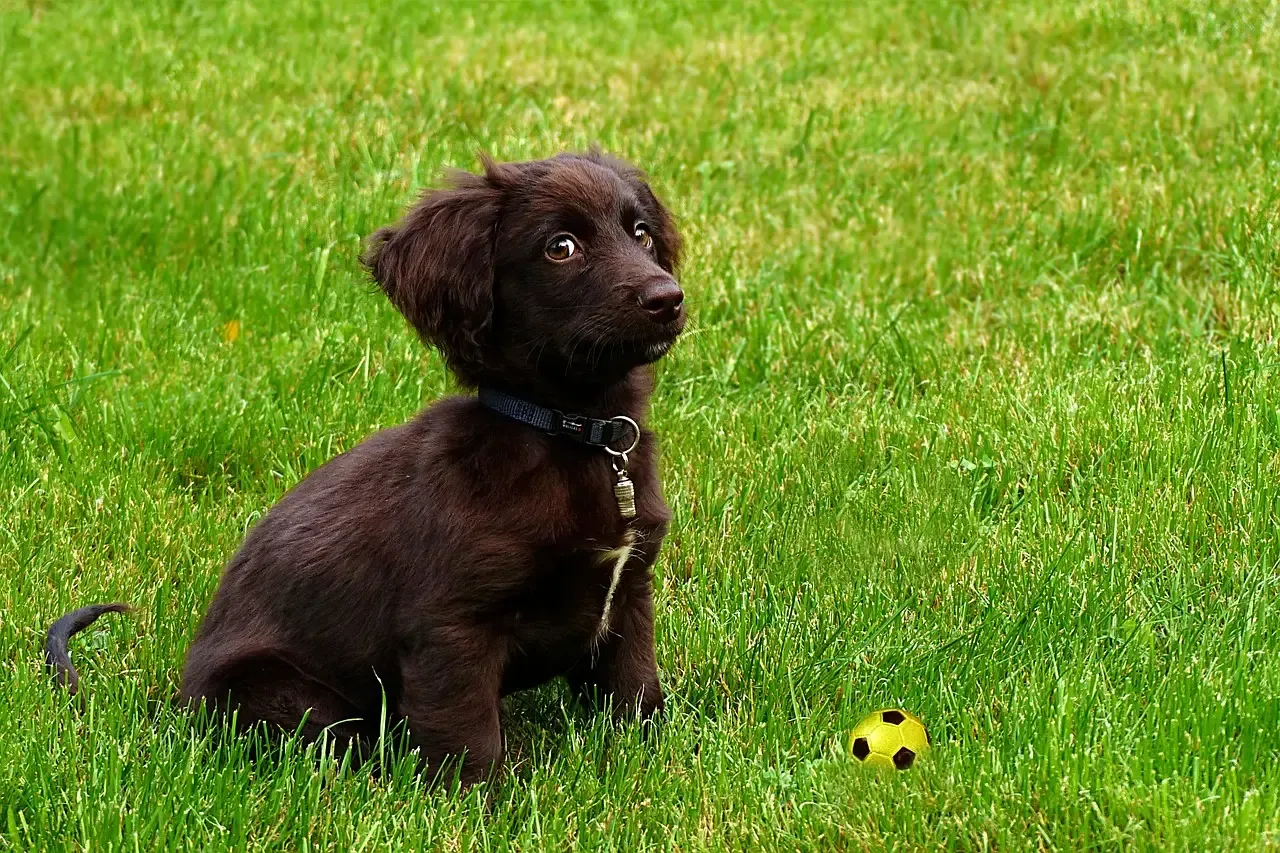
Across cultures and throughout time, humans have wondered whether animals possess souls or some form of consciousness that persists after death. The answers vary wildly depending on who you ask.
Many religious traditions offer perspectives on animal afterlife. Belief in an afterlife for people and animals was associated with stronger attachment and improved grief response because of a communal sharing of the relationship. Some find profound comfort in imagining reunion with departed pets.
Indigenous cultures often view animals as spiritual beings with their own sacred journeys after death. They might become ancestors, guides, or simply return to the great mystery from which all life emerges.
Skeptics, meanwhile, argue that consciousness is purely biological. When the brain stops, so does everything else. Yet even among scientists, there’s growing recognition of animal cognition and emotion that challenges old assumptions.
The truth is, nobody really knows for certain. What matters most might be what brings you peace rather than what can be definitively proven.
The Ecological Answer: Every Death Sustains Life
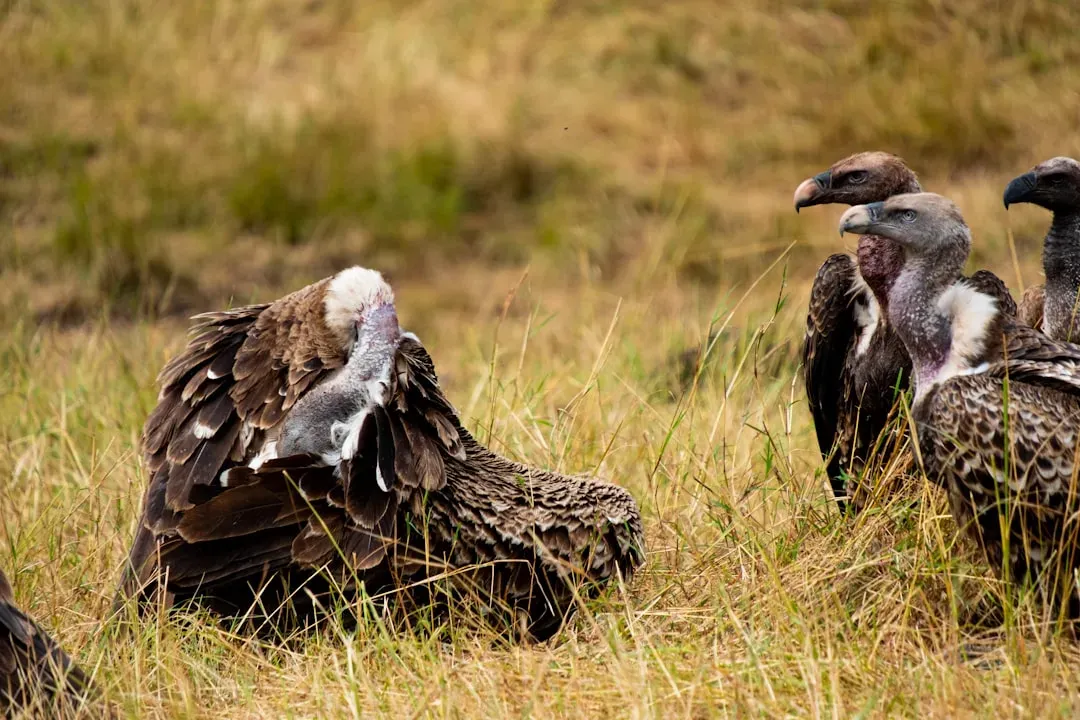
Let’s shift perspective for a moment. In wild spaces, death is never wasted. Every animal that dies becomes a resource, a gift to the ecosystem that sustained it during life.
Scavengers depend entirely on this natural cycle. Vultures, hyenas, crabs, and countless other species have evolved specifically to locate and consume the dead. They’re not gruesome opportunists; they’re essential workers in nature’s economy.
Even the smallest creatures play crucial roles. Burying beetles locate carcasses, drag them underground, and raise their young on the remains. Blowflies, often seen as pests, are actually rapid-response recyclers that prevent disease spread.
In forests, a dead deer might feed bears, coyotes, and ravens directly. Then beetles and flies take over. Eventually, what remains enriches the soil, feeding mushrooms and microbes that nourish trees. Those trees provide habitat and food for future generations of animals.
It’s an elegant system, really. Nothing is truly lost, just transformed into new possibilities for life.
The Human Connection: How We Honor Animal Death
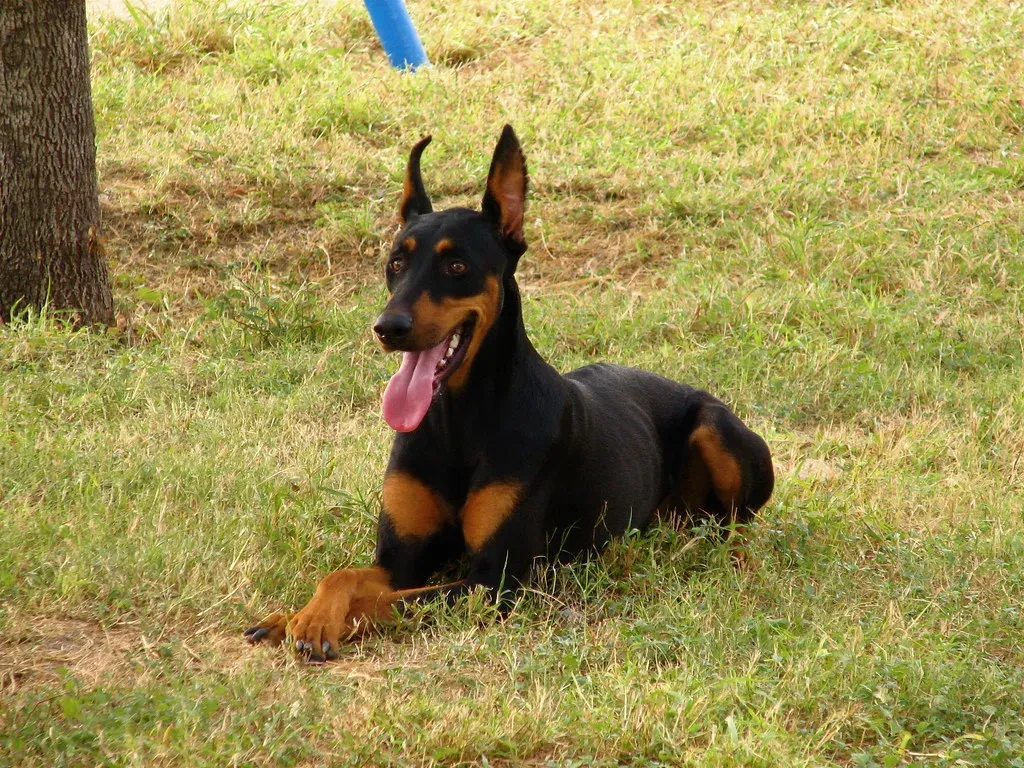
Humans have developed countless ways to acknowledge and honor the deaths of animals, particularly those we’ve loved. These rituals serve important psychological purposes, even if they don’t change biological reality.
Pet cemeteries and cremation services have existed for over a century. People commission headstones, hold memorial services, and create lasting tributes. These aren’t silly indulgences; they’re genuine expressions of love and loss that deserve respect.
Some people choose to keep their pet’s ashes in decorative urns or scatter them in meaningful locations. Others plant trees or donate to animal charities in their pet’s memory. Pet death encouraged some owners to channel their energies into being creative or productive and helped them offer support to other people or volunteer to work with animals.
Different cultures approach animal death in unique ways. Some hold that quick disposal is most respectful. Others believe in elaborate farewell ceremonies. There’s no single right way to grieve or commemorate.
What matters is that the ritual means something to you. Whether it’s a backyard burial with flowers or simply sitting with your feelings, honoring the bond you shared helps facilitate healing.
The Mystery Remains: Questions Without Definitive Answers

After exploring the biological, emotional, ecological, and spiritual dimensions, we still circle back to that original question. Where do animals really go when they die? The honest answer is layered and depends on what aspect of existence we’re considering.
Physically, they return to the elements. Their bodies decompose and nourish new life. That much is certain and measurable. It’s the ultimate form of generosity, even if unintentional.
Emotionally, they often remain with us in memory and influence. The lessons learned from caring for an animal, the joy they brought, the grief they leave behind – these imprints persist. They shape who we become.
Spiritually, the question remains beautifully open. Maybe consciousness continues in some form we can’t detect or understand. Maybe it doesn’t. Maybe asking the question itself is more important than finding a definitive answer.
What recent research increasingly shows is that animals deserve more respect in death than they’ve historically received. Recent explorations include wildlife loss, grief among veterinarian professionals, and mourning for farmed animals, though more research is needed. Their lives matter, and so do their deaths.
Conclusion

The journey animals take after death is simultaneously simple and impossibly complex. Their bodies return to earth, feeding the cycle that sustained them. Their absence leaves holes in human hearts that society is slowly learning to acknowledge as legitimate grief. Their spirits, if such things exist, remain mysteries that each person must interpret according to their own beliefs and experiences.
Perhaps the most meaningful truth is this: every animal life represents a unique thread in the vast tapestry of existence. When that thread ends, it doesn’t simply vanish. It weaves itself into new patterns, influencing the ecosystem, living on in memory, and maybe – just maybe – continuing in ways we can’t quite perceive. Whether you believe in scientific decomposition, spiritual transcendence, or something in between, there’s comfort in knowing that nothing truly disappears. Everything transforms.
What do you think happens when animals die? Have you experienced loss that challenged or confirmed your beliefs?

- What It Means When Your Cat Stares at the Same Empty Corner at the Same Time Every Night – and the Three Explanations Competing for It - July 19, 2026
- What It Means When a Snake Crosses Your Path From Left to Right According to Every Southern Appalachian Tradition That Recorded It - July 19, 2026
- What It Means When Deer Stop Coming to an Area They Have Visited for Years – and What Wildlife Biologists Say They Are Detecting - July 19, 2026