

There’s something deeply primal about watching water plummet from cliffs, sending up clouds of mist that catch the sunlight and create rainbows. When nature decides to show off, it really doesn’t hold back. The United States is blessed with an incredible array of waterfalls, from thundering behemoths that shake the ground beneath your feet to delicate cascades hidden deep within canyon walls.
From the coastlines of California to the mountains of Wyoming, from underground caves in Tennessee to the desert landscapes of Arizona, these natural wonders represent the earth’s raw power and breathtaking beauty. So let’s dive in and explore what makes these ten waterfalls true masterpieces.
Niagara Falls, New York
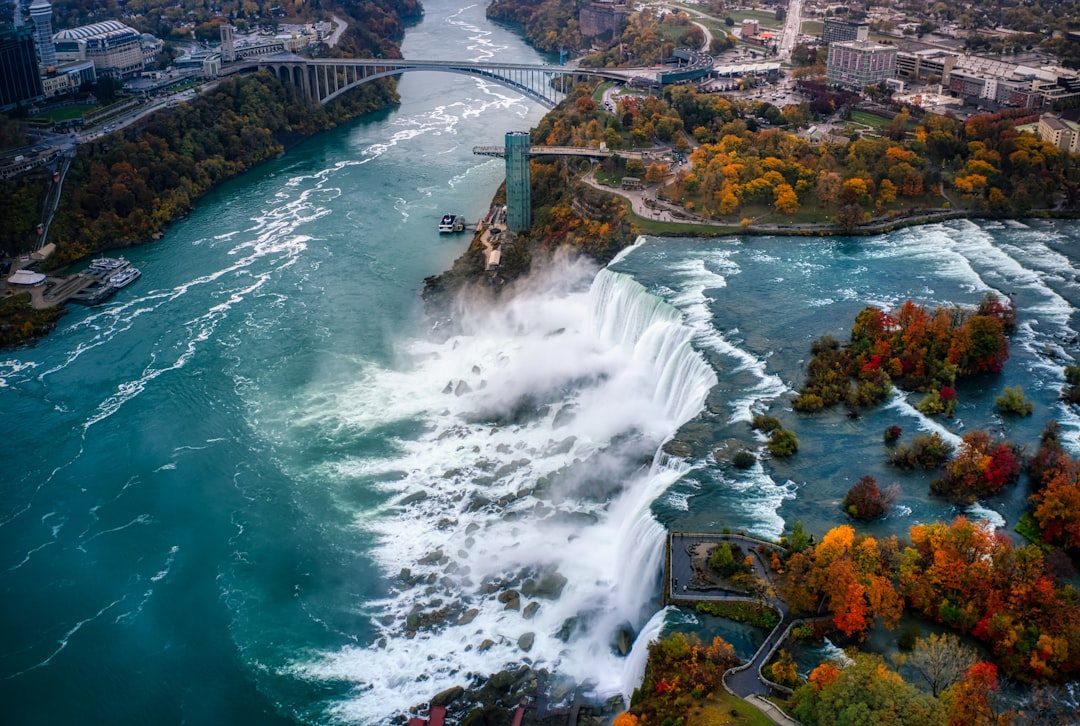
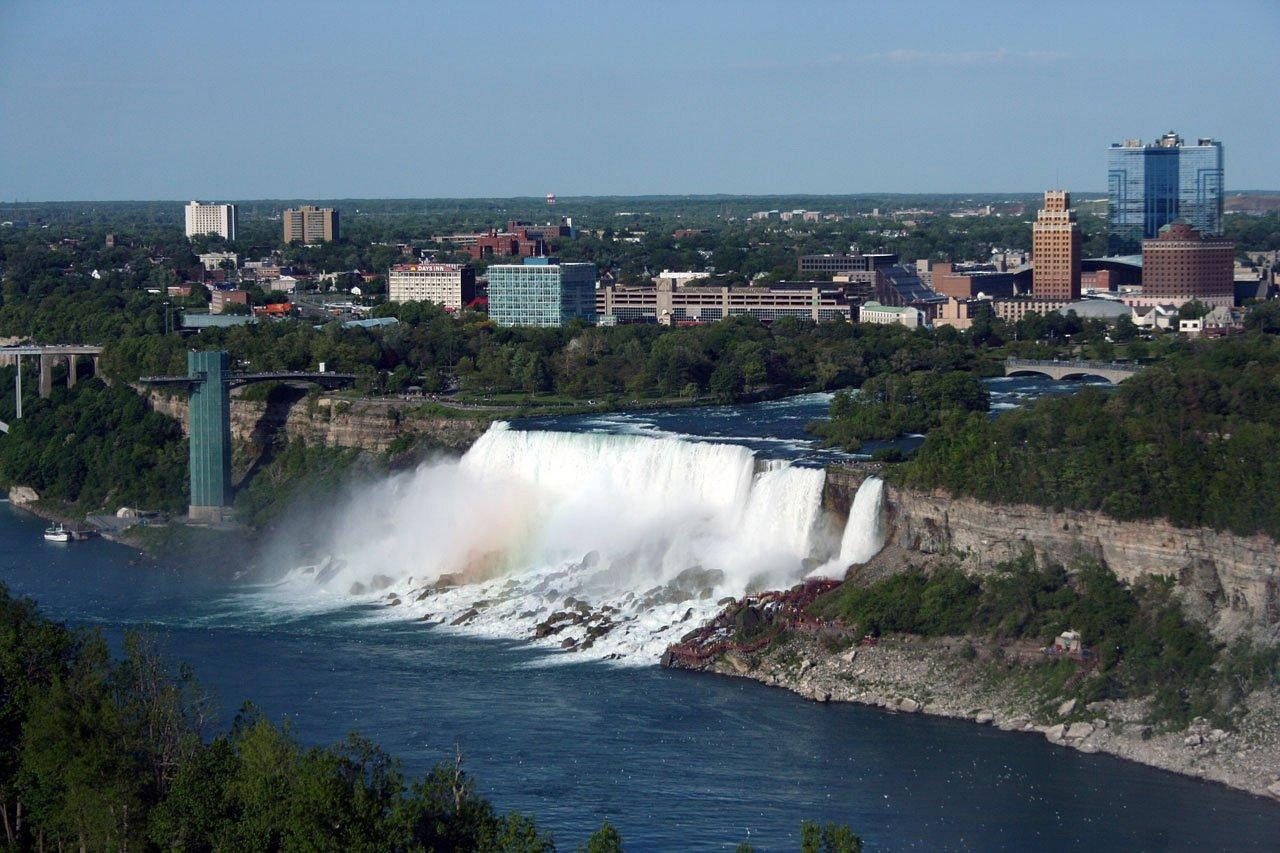
Niagara Falls isn’t just one waterfall but three spectacular falls – Horseshoe Falls, American Falls, and Bridal Veil Falls – that together form one of the most iconic natural landmarks on the planet. More than 600,000 gallons of water go over Horseshoe Falls alone every second during peak daytime tourist hours, creating a display of raw power that leaves visitors utterly speechless. The sheer volume of water tumbling over these falls makes them a visual and auditory experience you won’t soon forget.
The Granddaddy of the waterfalls in the United States, it easily surpasses all others in the country in terms of sheer power, size, popularity, and more. What makes Niagara truly special is how accessible it is, with boat tours bringing visitors right up to the thundering cascades where the mist soaks you to the bone. The falls light up with colorful LED displays in the evening, transforming this natural wonder into something almost otherworldly.
Yosemite Falls, California
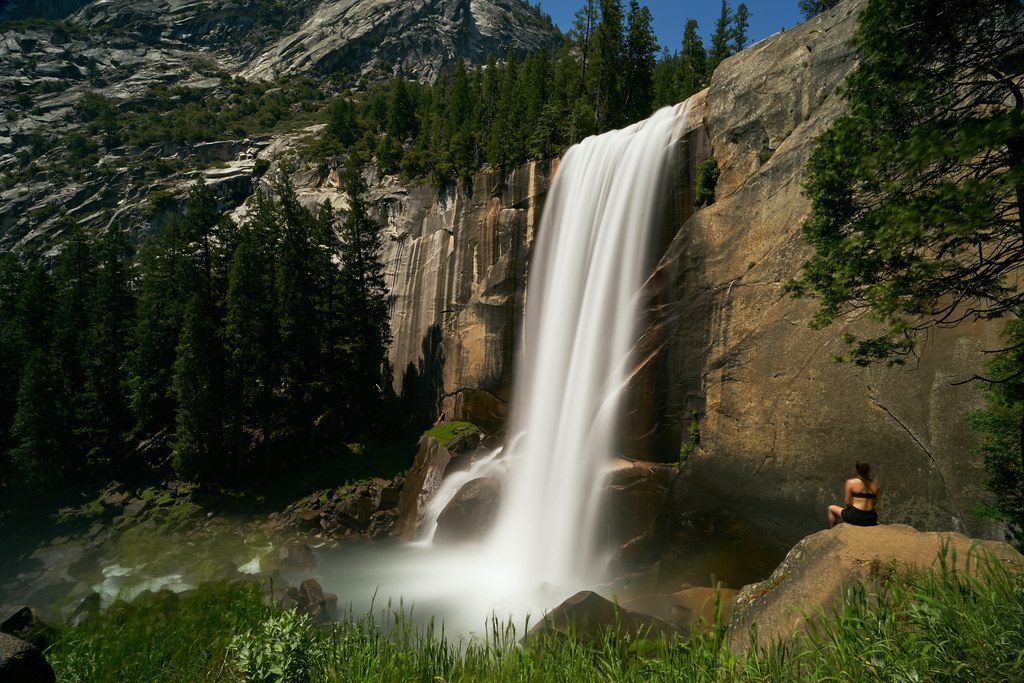
Towering at an incredible height within California’s Yosemite National Park, Yosemite Falls has a combined height of 2,425 feet (Upper at 1,430 feet, Middle at 675 and Lower at 320 feet), making it one of the tallest waterfalls in North America. The falls serve as a dramatic focal point for one of the most beautiful valleys anywhere on Earth. When spring arrives and snowmelt feeds the falls, the resulting display is nothing short of magnificent.
Yosemite Falls is a sight to behold at any time of the year, but the best time to witness the falls in all their glory is during the spring season. As winter melts away, the snowmelt cascades down the granite cliffs, creating a spectacular display of rushing water and mist. Sure, the falls can dry up by late summer, which might disappoint some visitors. Still, catching them at their peak flow is an experience that stays with you forever.
Multnomah Falls, Oregon
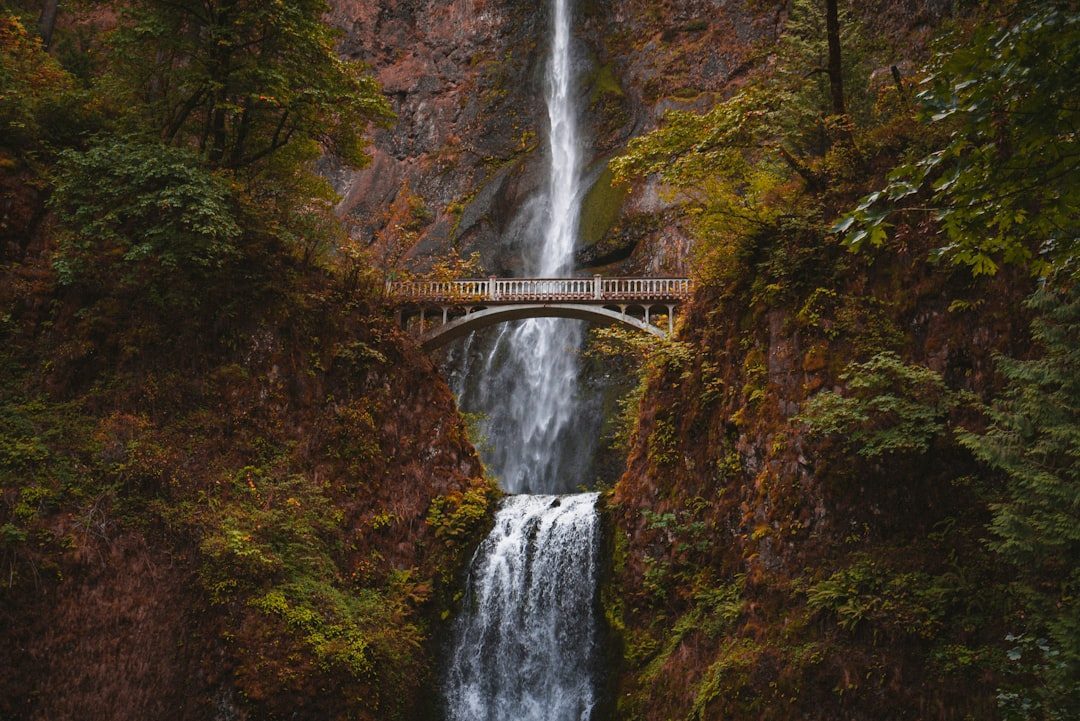
Nestled in the lush Columbia River Gorge, Multnomah Falls is a masterpiece of nature. Cascading down in two tiers, this iconic waterfall boasts a 620-foot drop, making it the tallest waterfall in Oregon. The iconic Benson Footbridge spans across the lower cascade, creating one of the most photographed views in the Pacific Northwest. Here’s the thing – this waterfall doesn’t play by the usual rules of seasonal flow.
Multnomah Falls is a slim, two-tiered cascade with an accessible viewing bridge right in the middle (you can even see the falls passing by from the road below). Better still, it’s just a short drive from downtown Portland and is open all year, fed by snowmelt and Larch Mountain rain. The combination of accessibility and year-round beauty makes this waterfall a must-see destination that never disappoints.
Havasu Falls, Arizona
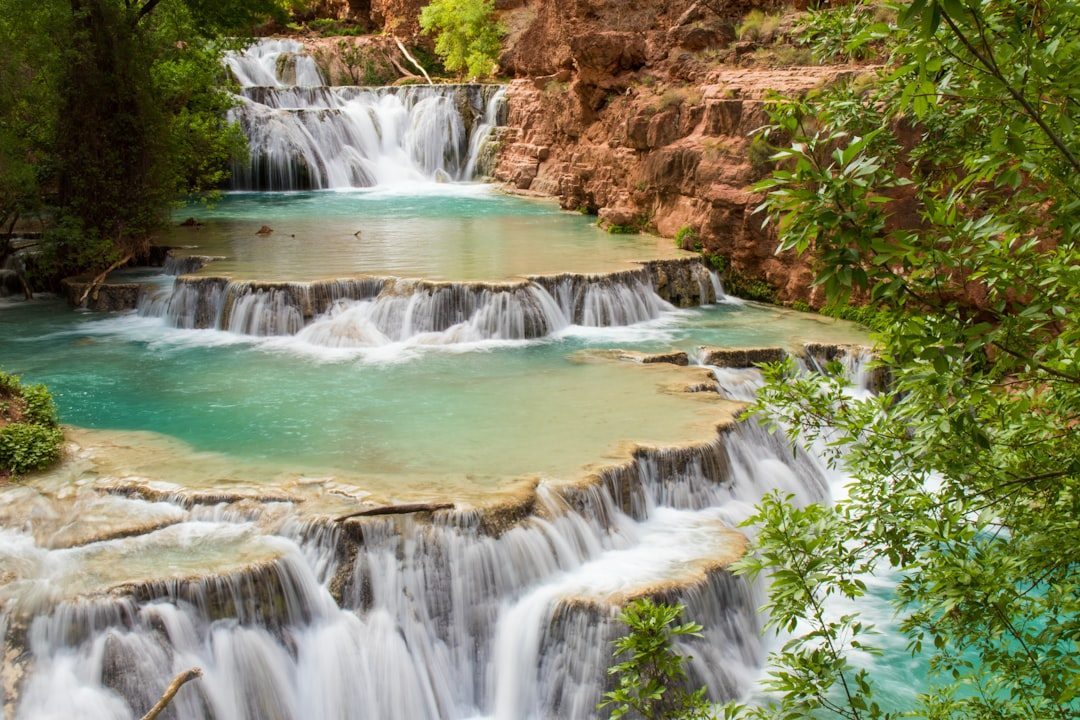
It consists of one main chute that drops over a 90-to-100-foot vertical cliff into a series of plunge pools. High calcium carbonate concentration in the water creates a vivid blue-green color and forms the natural travertine dams that occur in various places near the falls. This surreal oasis hidden within the Grand Canyon’s Havasupai Indian Reservation feels like stepping into another dimension. The contrast between the turquoise waters and the surrounding red rock canyon walls is almost too beautiful to believe.
Reaching Havasu Falls isn’t for the faint of heart, though. To reach Havasu Falls, you’ll need to take a long hike or ride a mule down into the canyon. But once you arrive, you can swim in the pools beneath the falls or camp nearby and wake up to this gorgeous view every day you are permitted to. The challenging journey and permit restrictions actually add to its mystique, ensuring that those who make the effort are rewarded with something truly special.
Lower Falls of the Yellowstone, Wyoming
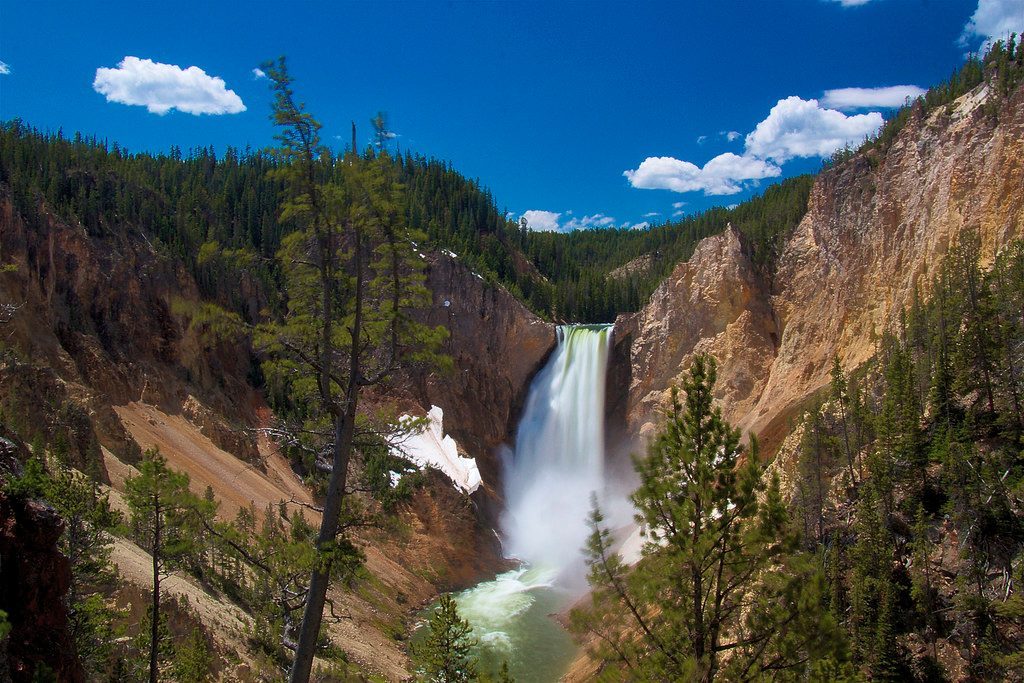
Standing at a colossal height within Yellowstone National Park, it’s almost twice the height of Niagara Falls and drops into the stunning Grand Canyon of the Yellowstone. The sheer force of this waterfall is absolutely mind-blowing. Besides being extraordinarily tall, the force and spectacle of the water plunging down is absolutely thunderous. During peak flow in late spring and early summer, nearly 63,500 gallons of water per second flow over Lower Falls.
The surrounding canyon, with its yellow and orange rock walls, provides a dramatic backdrop that makes the white cascade even more striking. Multiple viewpoints, including Artist Point, offer different perspectives on this natural masterpiece. Let’s be real – Yellowstone has geysers and wildlife galore, but this waterfall alone is worth the trip.
Shoshone Falls, Idaho
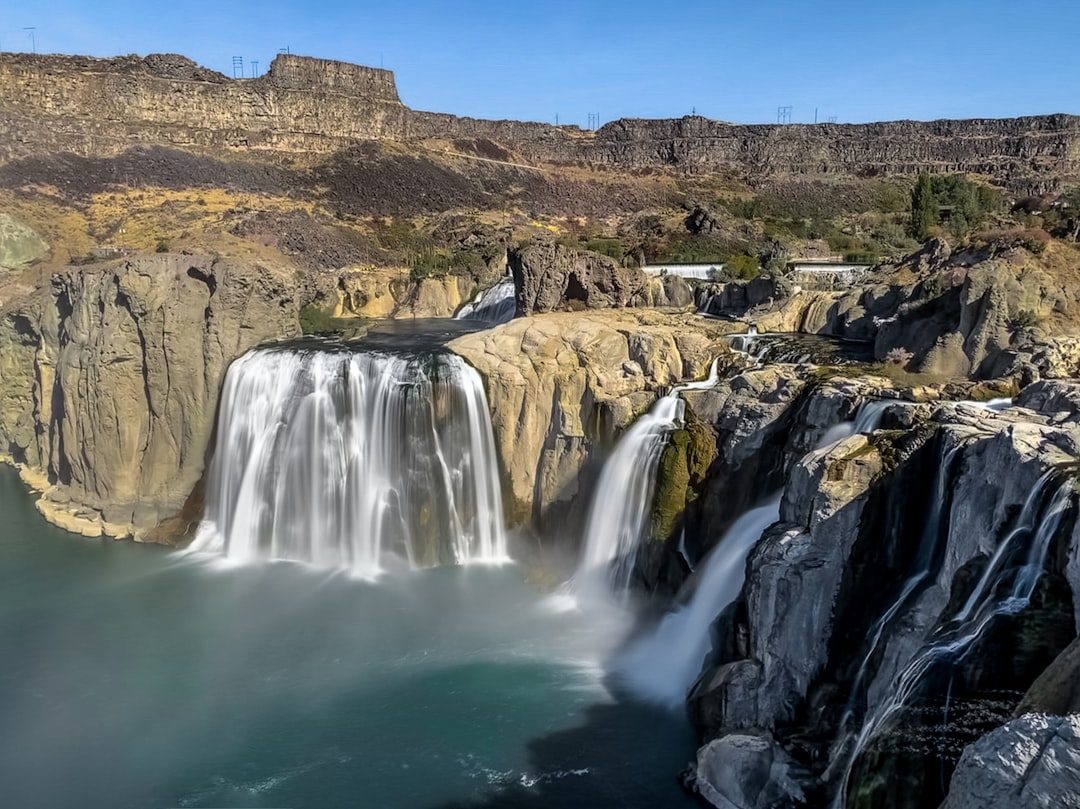
Sometimes called the “Niagara of the West,” Shoshone Falls is 212 feet in height, 45 feet higher than Niagara Falls, and flows over a rim nearly one thousand feet in width. This massive waterfall on the Snake River is one of those natural wonders that makes you wonder why more people don’t know about it. During spring when snowmelt from the Rockies feeds the river, the falls transform into an absolute spectacle of power and beauty.
Shoshone Falls is best viewed in the spring, as diversion of the Snake River can significantly diminish water levels in the late summer and fall. The flow over the falls ranges from more than 20,000 cubic feet per second during late spring of wet years, to a minimum “scenic flow” of 300 cu ft/s in dry years. Timing your visit right is crucial, as irrigation needs can reduce the falls to a trickle by late summer.
Bridalveil Fall, California
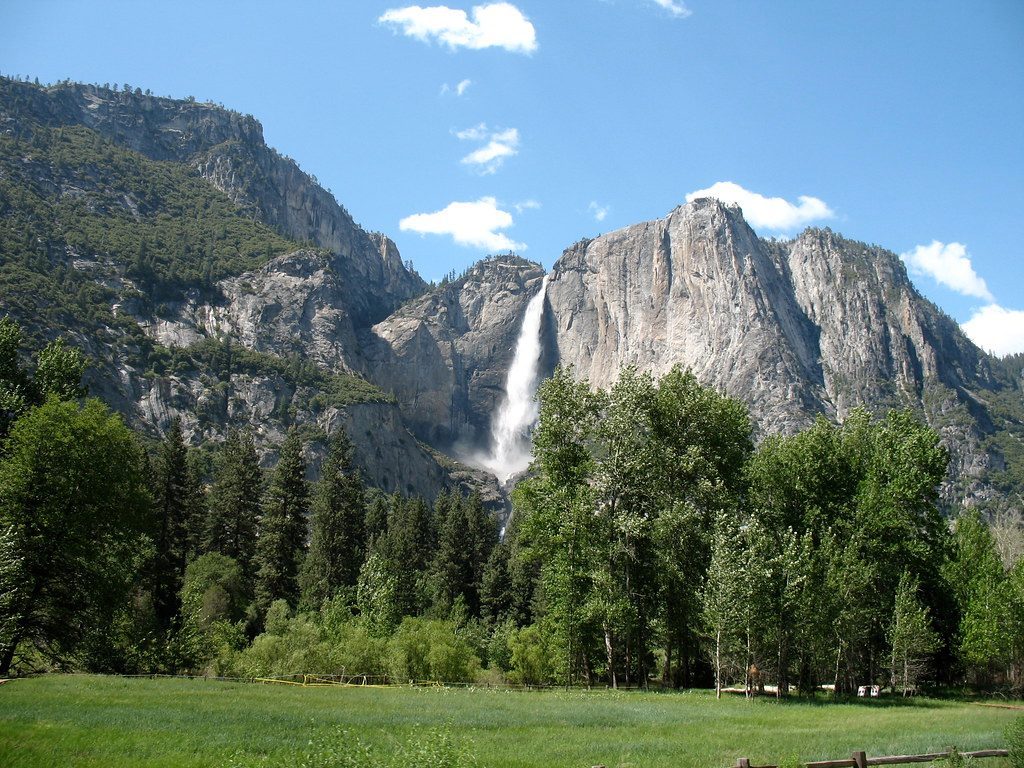
One of the Yosemite National Park’s waterfalls, Bridalveil Falls is a favorite, providing a full-on spectacle of its 620-feet cascade gushing in a veil-like formation between giant rocky walls, year-round. Honestly, the name perfectly captures how the water seems to float and drift as it falls, especially when wind catches the spray. This waterfall offers one of those postcard-perfect Yosemite views that photographers dream about.
The setting that keeps on giving, with the Bridalveil Trail leading to the falls being easily hike-able, is as if it wants to be seen and admired by all, young and old. Upon exiting the Wawona Tunnel, the views from the Tunnel View point, of the waters plundering down into the forested valley is a revelation of a truly natural, naked beauty. The falls sit opposite El Capitan, creating one of the most iconic panoramas in American wilderness.
Ruby Falls, Tennessee
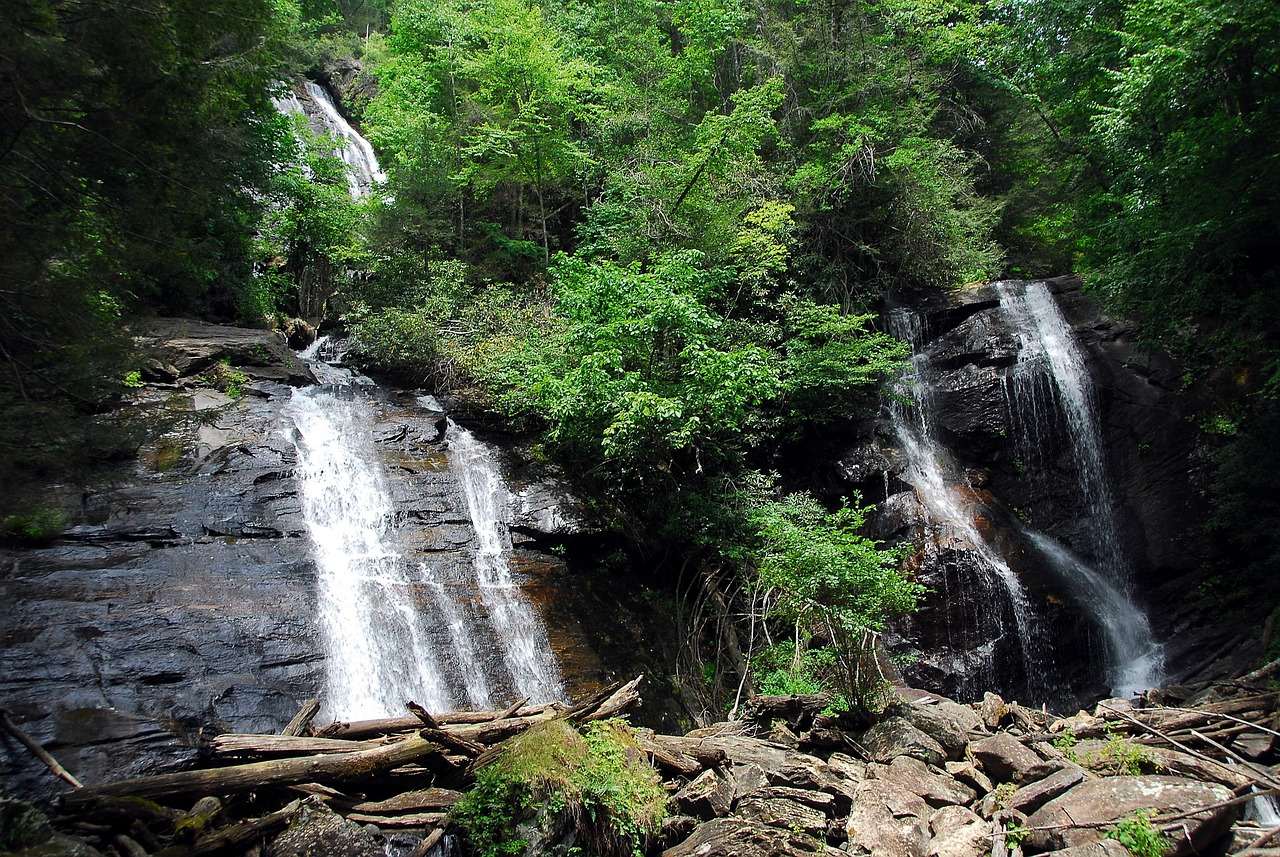
Ruby Falls is a 85 feet tall waterfall in Ruby Falls Cave of Lookout Mountain, in Chattanooga, Tennessee, United States. The cave is commercialized with electric lights, paved foot trails, and an elevator for access. The waterfall may only be visited by guided tour. This underground wonder is something entirely different from your typical outdoor waterfall experience. The journey through the cave system, with its stalactites and stalagmites illuminated by colored lights, builds anticipation until you finally reach the falls.
What’s fascinating is that Ruby Falls Cave was discovered in 1928. Exploring this opening, Lambert discovered the never-before-seen underground waterfall. Standing deep underground while watching water cascade down in a cavern feels almost mystical. It’s hard to say for sure, but experiencing a waterfall inside a mountain might just be more memorable than seeing one under open sky.
Cumberland Falls, Kentucky
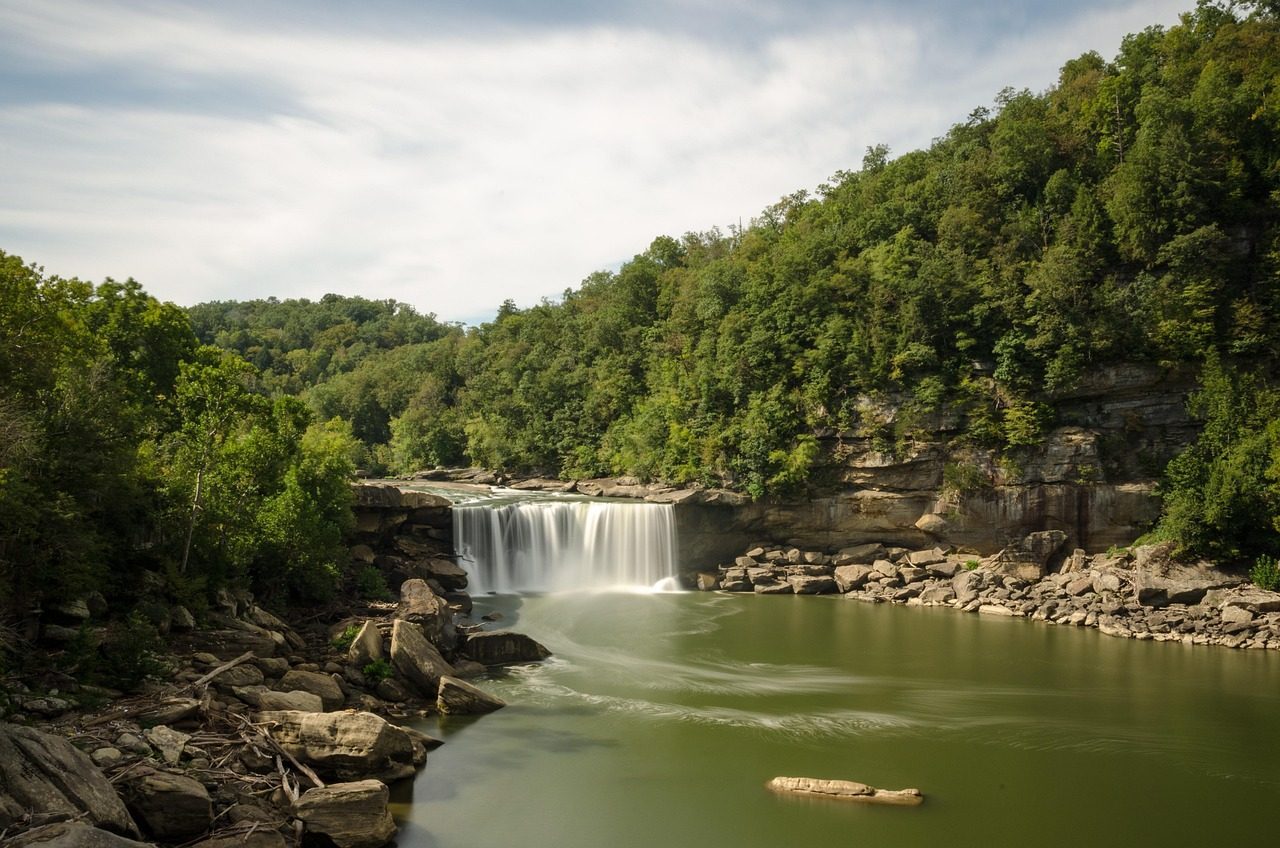
Cumberland Falls is often referred to as the “Niagara of the South.” The beautiful waterfall clocks in at 125 feet wide and 68 feet tall. What truly sets this waterfall apart from all others, though, is a rare phenomenon that occurs during full moon nights. What’s especially unique about the waterfall is that it’s one of the very few locations where you can spot a “moonbow” (similar to a rainbow except it’s much paler and only occurs when light from the moon – not the sun – is refracted through water droplets in the air, in this case, the mist from the falls).
The surrounding Cumberland Falls State Resort Park offers miles of hiking trails and plenty of activities for outdoor enthusiasts. Catching a moonbow is bucket-list worthy, creating an ethereal experience that few waterfalls anywhere can match. Did you expect a Kentucky waterfall to rival the most famous cascades in the world?
Tahquamenon Falls, Michigan
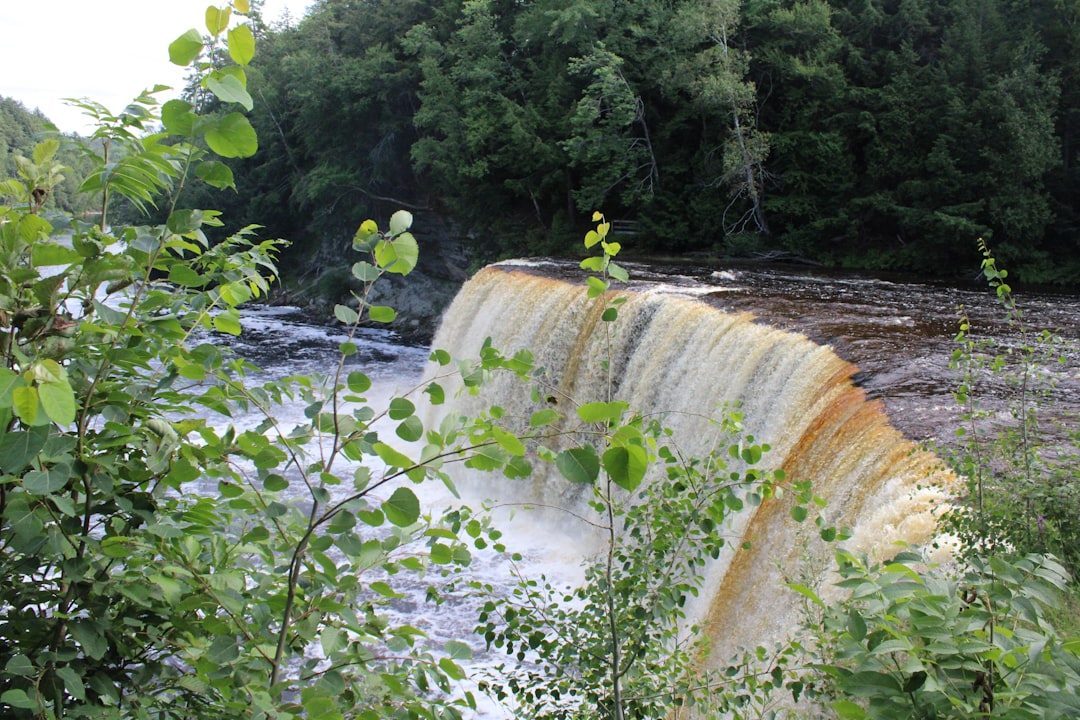
The bar is set high for a place called Paradise, and Michigan’s Tahquamenon Falls do not disappoint. These famous waterfalls are split into two equally stunning halves. Visit the Upper Falls for a view of rust-colored cascades, a result of the tannins leeched from cedar trees upstream, before heading to the Lower Falls, a group of five cascades tumbling around a freshwater island. The distinctive amber color of the water makes these falls instantly recognizable and unlike any other.
Both the Upper and Lower Falls offer completely different experiences, making a visit here feel like getting two waterfalls for the price of one. The surrounding state park provides camping, hiking trails, and even winter sports opportunities. It’s a beautiful reminder that you don’t need to travel west to find spectacular waterfalls.
Conclusion
These ten waterfalls represent just a fraction of the natural wonders scattered across America, yet each one tells its own unique story of geological forces and natural beauty. From underground caverns to desert oases, from towering drops to wide curtains of water, they showcase the incredible diversity of American landscapes. Whether you’re chasing the thunderous roar of Niagara, seeking the turquoise pools of Havasu, or hoping to witness a moonbow at Cumberland, these masterpieces offer experiences that photographs simply can’t capture.
The beauty of these waterfalls reminds us why protecting our natural spaces matters so much. Which one would you visit first?

- Why Wolves Were Reintroduced to Yellowstone - July 15, 2026
- The Resurgence of America’s Wild Horses: A Symbol of Freedom and Hope - July 15, 2026
- 10 Cat Breeds That Tolerate Dogs Surprisingly Well - July 15, 2026