


Louisiana’s diverse ecosystems, from swampy bayous to pine forests, harbor a fascinating array of wildlife. Among these creatures are several venomous species that command respect and caution from residents and visitors alike. While the mention of venomous animals might trigger alarm, understanding these creatures is crucial for safely enjoying Louisiana’s natural beauty. This article explores ten venomous animals found in the Pelican State, detailing their characteristics, habitats, and the nature of their venom. Additionally, we’ll highlight five non-threatening animals that, despite common misconceptions or intimidating appearances, pose little to no danger to humans. By distinguishing between the truly dangerous and the harmlessly misunderstood, we can better appreciate Louisiana’s remarkable biodiversity while staying safe in our outdoor adventures.
1. Eastern Diamondback Rattlesnake

The Eastern Diamondback Rattlesnake (Crotalus adamanteus) stands as North America’s largest venomous snake and one of Louisiana’s most dangerous reptiles. These impressive creatures can grow up to 8 feet long, with most adults measuring between 3-6 feet. Their distinctive diamond-shaped patterns against a brownish, olive, or grayish background make them readily identifiable, as does their characteristic rattle, which serves as a warning to potential threats.
Their venom is hemotoxic, destroying tissue and affecting blood clotting, which can lead to severe internal bleeding, tissue damage, and potentially death if left untreated. Found primarily in the southeastern portion of the state, these rattlesnakes prefer dry pine forests, palmetto flatwoods, and coastal scrub habitats. Despite their fearsome reputation, Eastern Diamondbacks typically avoid human contact and will only strike when they feel threatened. Their populations have declined due to habitat loss and persecution, making encounters increasingly rare in Louisiana.
2. Cottonmouth (Water Moccasin)

The Cottonmouth (Agkistrodon piscivorus), also known as the Water Moccasin, is perhaps Louisiana’s most notorious aquatic serpent. These semi-aquatic pit vipers are perfectly adapted to the state’s abundant waterways, thriving in swamps, marshes, streams, and lakes throughout Louisiana. Adults typically reach 2-4 feet in length and display coloration ranging from olive-brown to black, with darker crossbands that may be difficult to discern in older specimens. Their name derives from the distinctive white lining of their mouth, which they display as a warning when threatened.
Cottonmouths possess potent cytotoxic venom that can cause significant tissue damage, intense pain, swelling, and in severe cases, the loss of a limb. Unlike many snakes that flee from human presence, Cottonmouths often stand their ground when encountered, making them particularly dangerous to unwary boaters, fishermen, and hikers. They’re excellent swimmers, capable of crossing water bodies with their head held high above the surface—a behavior that helps distinguish them from non-venomous water snakes, which swim with only their head visible above water.
3. Copperhead Snake

The Copperhead (Agkistrodon contortrix) is among the most commonly encountered venomous snakes in Louisiana, particularly in the northern and central regions of the state. These medium-sized pit vipers typically grow to 2-3 feet long and are instantly recognizable by their copper-red head and distinctive hourglass-shaped crossbands on a light brown or tan body. Their excellent camouflage among fallen leaves and forest debris makes them particularly hazardous to hikers and outdoor enthusiasts who might inadvertently step too close.
While their venom is less potent than that of rattlesnakes or cottonmouths, a Copperhead bite still requires immediate medical attention. Their venom causes tissue damage, severe pain, and swelling, though fatalities are extremely rare. Copperheads prefer woodland habitats with abundant cover, rocky outcrops, and areas near streams or rivers. Unlike some venomous snakes, Copperheads often freeze rather than flee when detected, relying on their camouflage for protection. This behavior, combined with their tendency to inhabit suburban areas, makes them responsible for more venomous snake bites in the United States than any other species.
4. Timber Rattlesnake

The Timber Rattlesnake (Crotalus horridus), also called the Canebrake Rattlesnake in parts of its range, is a formidable venomous serpent found primarily in the forested regions of northern and central Louisiana. These large pit vipers can reach lengths of 3-5 feet and display variable coloration, typically featuring dark crossbands on a yellow, gray, or brown background, often with a distinctive rust-colored stripe running down the spine. Their segmented rattle grows with each shedding of the skin, though contrary to popular belief, the number of segments doesn’t reliably indicate the snake’s age.
Timber Rattlesnakes possess a particularly dangerous venom that combines hemotoxic (blood and tissue-damaging) and neurotoxic (nerve-affecting) properties. This potent combination can cause severe internal bleeding, tissue necrosis, and neurological symptoms if left untreated. Despite their dangerous capabilities, Timber Rattlesnakes are generally reluctant to bite and prefer to remain hidden or retreat when possible. They favor mature forests, rocky hillsides, and woodland edges throughout their Louisiana range. Due to habitat fragmentation and deliberate killing, their populations have declined significantly, leading to protected status in many parts of their range, though not currently in Louisiana.
5. Texas Coral Snake
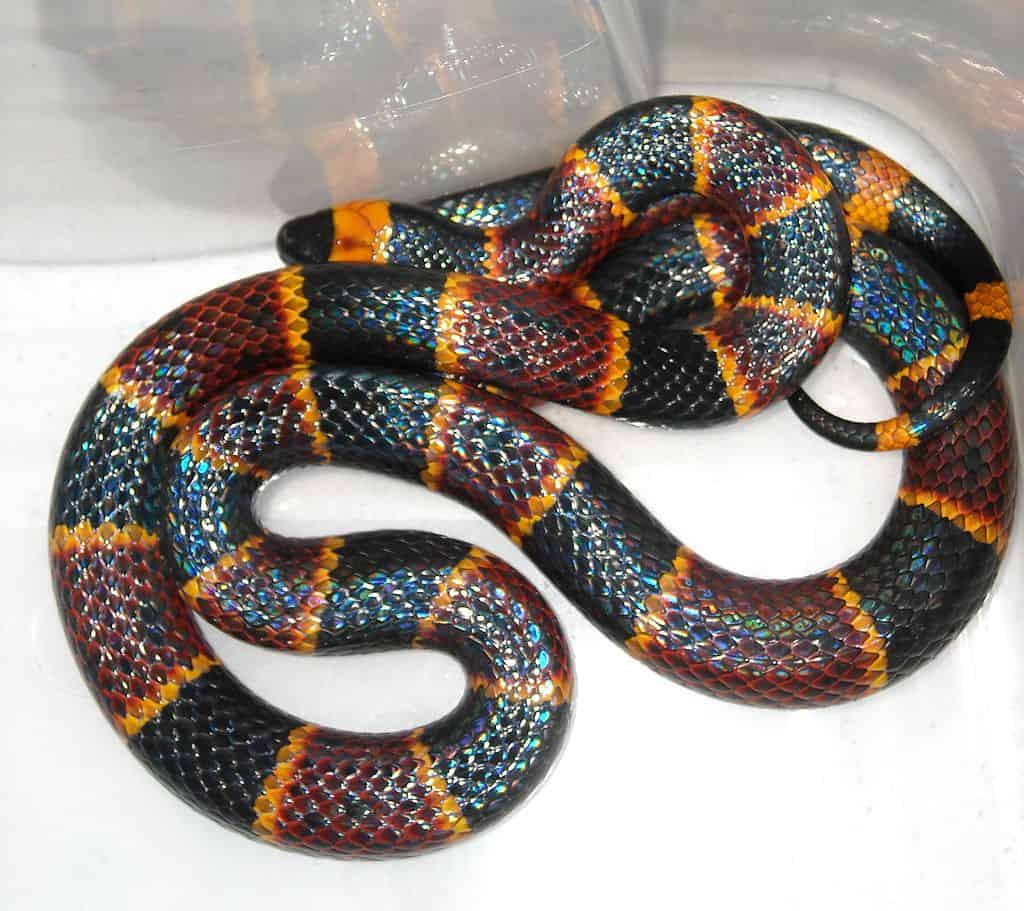
The Texas Coral Snake (Micrurus tener), a subspecies of Eastern Coral Snake, inhabits the western portions of Louisiana with its unmistakable pattern of bright red, yellow, and black bands. Unlike pit vipers with their triangular heads and elliptical pupils, coral snakes have round pupils and small, rounded heads not distinct from their necks. These relatively small snakes typically reach only 2-3 feet in length and have a slender build, making them appear less threatening than they truly are.
What the Texas Coral Snake lacks in size, it makes up for with exceptionally potent neurotoxic venom, similar to that of cobras and mambas. Their venom attacks the nervous system, potentially causing respiratory failure and paralysis if untreated. Fortunately, their shy, reclusive nature and specialized fangs (short, fixed, and requiring a chewing motion to deliver venom effectively) make bites extremely rare. Many Louisianans remember the rhyme “Red touch yellow, kill a fellow; red touch black, friend of Jack” to distinguish the venomous coral snake from its harmless mimic, the Louisiana Milk Snake. However, it’s always safest to give any brightly colored snake a respectful distance regardless of pattern arrangement.
6. Brown Recluse Spider
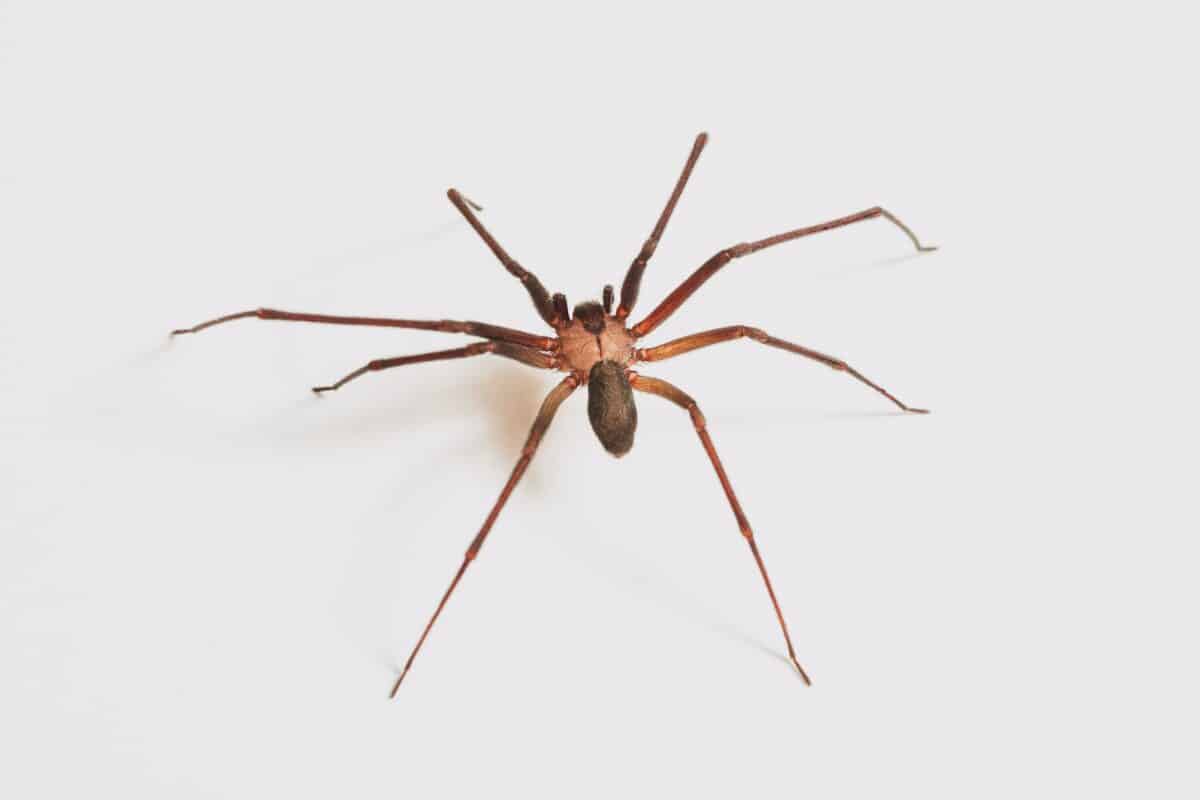
The Brown Recluse Spider (Loxosceles reclusa) is perhaps Louisiana’s most dangerous arachnid, despite its unassuming appearance. These small spiders, typically measuring between 1/4 to 3/8 inches in body length, are light to medium brown with a distinctive violin-shaped marking on their cephalothorax (the combined head and thorax), earning them the nickname “fiddle-back” spiders. Unlike most spiders that have eight eyes, the brown recluse has only six arranged in three pairs, though this feature is difficult to observe without magnification.
True to their name, brown recluse spiders are shy and non-aggressive, preferring to hide in undisturbed areas such as closets, attics, storage boxes, and woodpiles. Despite their retiring nature, their venom is notoriously potent, containing a rare cytotoxin that can cause necrosis (tissue death) at the bite site. The initial bite is often painless, but within 3-8 hours, the affected area may become red, swollen, and painful, potentially developing into an open ulcer that expands over days or weeks. Systemic symptoms can include fever, chills, nausea, joint pain, and in rare cases, hemolysis (destruction of red blood cells). While most bites heal without severe complications, medical attention should always be sought if a brown recluse bite is suspected.
7. Black Widow Spider

The Southern Black Widow (Latrodectus mactans), instantly recognizable by the female’s glossy black body and distinctive red hourglass marking on the underside of her abdomen, is widespread throughout Louisiana. Females, which pose the primary threat to humans, measure about 1.5 inches long including their legs, while the much smaller males rarely exceed 1/4 inch and lack the potent venom of their counterparts. These notorious arachnids construct irregular, tangled webs in dark, protected locations such as woodpiles, under eaves, between stones, and in cluttered garages or sheds.
Black widow venom contains alpha-latrotoxin, a powerful neurotoxin that affects the nervous system by causing the massive release of neurotransmitters. A bite typically begins as a sharp pinprick sensation, followed within an hour by severe muscle pain and cramping, particularly in the abdomen and back. Other symptoms may include sweating, elevated blood pressure, nausea, and difficulty breathing. While rarely fatal to healthy adults, black widow bites can be particularly dangerous to children, the elderly, and those with compromised immune systems. Unlike the tissue damage associated with brown recluse bites, black widow envenomation doesn’t typically cause visible wound damage but instead produces intense systemic effects that may require antivenom treatment in severe cases.
8. Stingrays

Several species of stingrays inhabit Louisiana’s coastal waters and occasionally venture into brackish estuaries. The most commonly encountered are the Atlantic Stingray (Hypanus sabinus) and the Southern Stingray (Hypanus americanus). These cartilaginous fish are characterized by their flat, diamond-shaped bodies and long, whip-like tails equipped with one or more venomous barbs. Stingrays typically range from 2-5 feet in width, depending on the species, and blend remarkably well with the sandy or muddy bottoms where they often rest partially buried.
Stingray injuries occur most frequently when waders accidentally step on these camouflaged creatures, prompting a defensive reaction where the ray whips its tail upward, driving the barbed spine into the victim’s foot or leg. The barb not only inflicts a puncture wound but also injects venom that causes immediate, excruciating pain described as far more intense than a bee sting. The affected area typically swells rapidly and may discolor, with pain potentially lasting for several hours or even days without treatment. Secondary infections are common due to bacteria on the barb and fragments of the sheath that covers it, which often remain in the wound. The “stingray shuffle”—sliding one’s feet along the bottom rather than taking steps—is recommended when wading in areas where stingrays may be present, as this technique alerts rays to human presence and gives them time to swim away.
9. Portuguese Man-of-War
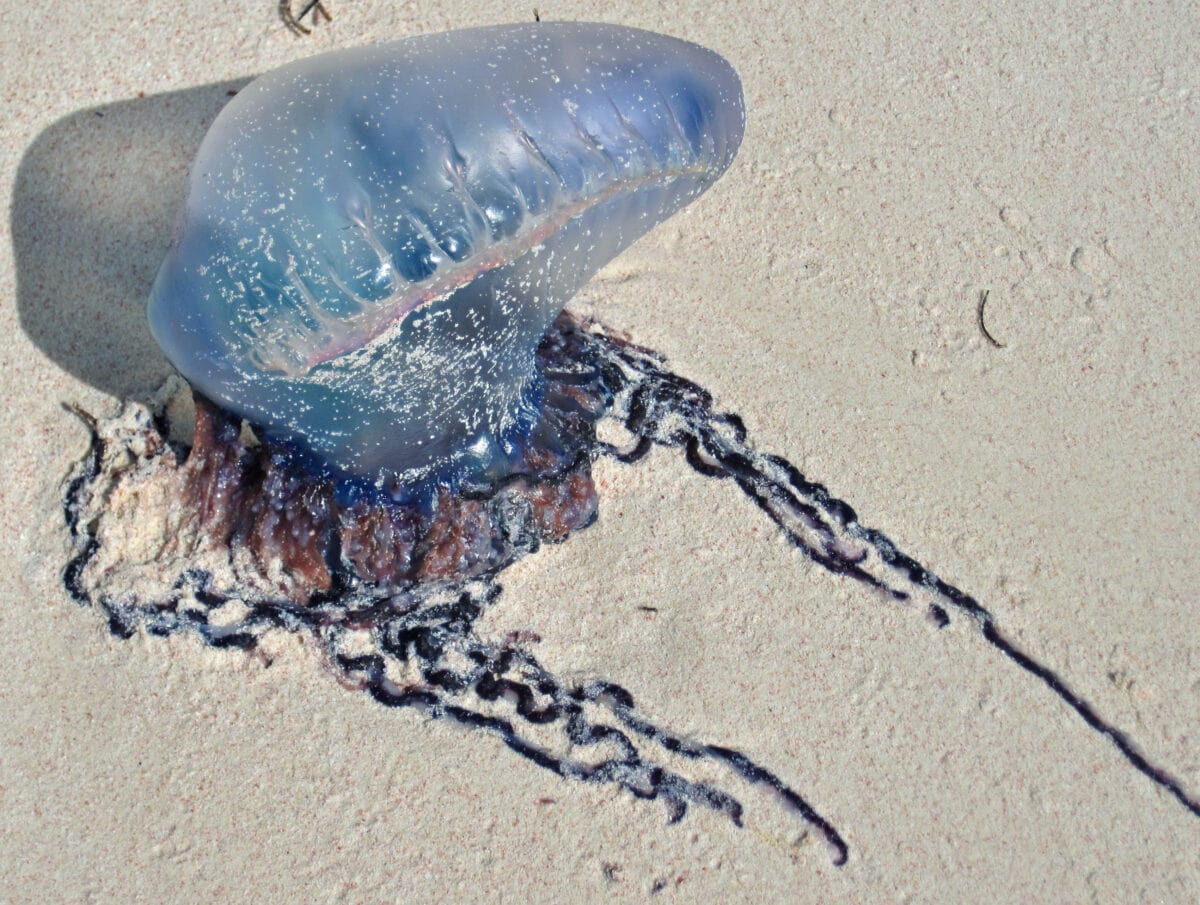
Though technically not a single animal but a colonial organism known as a siphonophore, the Portuguese Man-of-War (Physalia physalis) occasionally appears along Louisiana’s Gulf Coast, particularly after strong winds or storms. Easily recognized by its translucent, gas-filled float that resembles a blue or purple balloon rising 6-12 inches above the water’s surface, this deceptively beautiful creature trails long, venomous tentacles that can extend 30-100 feet below. These tentacles contain thousands of specialized cells called nematocysts, which deliver a powerful sting even when the organism is dead or detached tentacles wash ashore.
Contact with Man-of-War tentacles produces immediate, intense pain described as feeling like being branded with a hot iron, along with raised red welts on affected skin. Systemic reactions may include fever, shock, heart and lung problems, and in rare cases, death, particularly in individuals who are allergic or who experience extensive exposure. Unlike typical jellyfish stings, Portuguese Man-of-War envenomations should not be treated with vinegar, as this can cause unfired nematocysts to discharge. Instead, carefully removing tentacles with a stick or tweezers (never bare hands), rinsing with salt water (not fresh water), and applying heat to the affected area are recommended first aid measures. These organisms typically appear in Louisiana waters during winter and early spring, carried by strong southeasterly winds and the Loop Current from their more typical habitats in the open Gulf.
10. Fire Ants

The Red Imported Fire Ant (Solenopsis invicta), an invasive species from South America that has established itself throughout Louisiana since the 1950s, represents a common venomous threat encountered in yards, parks, and fields statewide. These small reddish-brown ants, measuring just 1/8 to 1/4 inch long, are highly aggressive when their distinctive mounded nests are disturbed. Unlike many ant species that bite and then spray acid, fire ants use their mandibles to grip the skin, then pivot their abdomens to inject venom through a stinger multiple times in a circular pattern.
Fire ant venom contains alkaloids that cause an immediate burning sensation (hence their name), followed by the formation of characteristic white pustules within 24 hours. These pustules may become infected if broken and typically heal within a week if kept clean. While painful and unpleasant for most people, fire ant stings can trigger potentially life-threatening anaphylactic reactions in approximately 1% of the population. A single disturbed colony can deliver hundreds of stings in seconds, making them particularly dangerous to immobile individuals, small children, and pets. Beyond their impact on human health, fire ants have significantly altered Louisiana’s ecological landscape by displacing native ant species, reducing ground-nesting bird populations, and even damaging electrical equipment by building nests in switch boxes and utility housings.
11. Non-Threatening: American Alligator

The American Alligator (Alligator mississippiensis), Louisiana’s state reptile and a conservation success story, often inspires fear due to its prehistoric appearance and impressive size, with males potentially reaching 13-14 feet in length and weighing up to 1,000 pounds. Despite their fearsome reputation and undeniable power, these ancient reptiles rarely pose a threat to humans when given appropriate space and respect. Alligators are naturally wary of people and typically retreat when approached, preferring to avoid confrontation rather than engage in it.
While alligators are carnivorous predators equipped with powerful jaws and sharp teeth, they don’t produce venom and aren’t inherently aggressive toward humans. The vast majority of alligator attacks in Louisiana occur when the animals have been fed by humans (leading them to associate people with food), when females are defending nests during breeding season (April to June), or when people swim in areas known to harbor large alligators, particularly at dawn, dusk, or night when they feed most actively. By observing basic precautions—keeping a respectful distance, never feeding wild alligators, supervising children and pets near water, and swimming only in designated areas—Louisiana residents and visitors can safely coexist with these magnificent reptiles that play crucial roles in maintaining the health of the state’s wetland ecosystems.
12. Non-Threatening: Rough Green Snake

The Rough Green Snake (Opheodrys aestivus) is one of Louisiana’s most beautiful and completely harmless serpents, instantly recognizable by its slender body and brilliant emerald green coloration that provides perfect camouflage among foliage. These delicate snakes typically grow to 2-3 feet in length and possess keeled scales that give them a slightly rough texture when handled, distinguishing them from the similar but smooth-scaled Smooth Green Snake. Common throughout Louisiana except in coastal marshes, Rough Green Snakes spend much of their time in shrubs and low trees, where they hunt for insects, spiders, and other small invertebrates.
Despite their startling appearance when spotted among vegetation, Rough Green Snakes are completely non-venomous and extraordinarily gentle in temperament. When captured, they rarely attempt to bite, instead relying on their remarkable camouflage and agility to avoid threats. If threatened, they may freeze in place or drop to the ground and slither away, relying on stealth rather than aggression. Their calm demeanor and striking coloration make them favorites among nature enthusiasts and wildlife educators alike.
Unfortunately, these snakes face growing challenges due to habitat loss, pesticide use, and mortality from domestic pets. Gardeners and landowners can support Rough Green Snake populations by preserving native vegetation, avoiding chemical pesticides, and creating brushy or shrubby areas where these snakes can thrive. As insectivores, they also play a beneficial ecological role in controlling pest populations. By understanding and appreciating the Rough Green Snake’s role in Louisiana’s ecosystems, residents can help ensure this gentle and visually stunning species continues to flourish.
Conclusion: Venomous Doesn’t Always Mean Aggressive
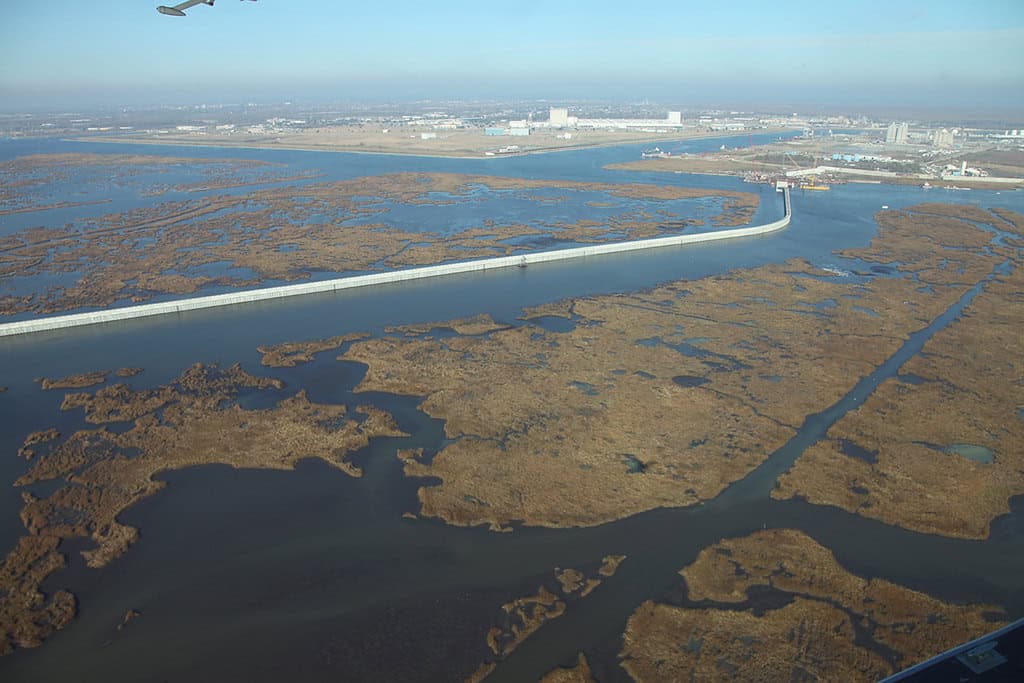
Louisiana’s rich wetlands, forests, and coastal waters provide the perfect habitat for a range of venomous creatures—from copperheads and cottonmouths to brown recluse spiders and stingrays. While these animals can pose risks, most are not aggressive and will only bite or sting when provoked, cornered, or accidentally stepped on. Learning to identify and avoid these species is key to staying safe in Louisiana’s outdoors, especially in warm, humid regions where such wildlife thrives.
Equally important is recognizing the animals that look intimidating but pose no real threat. Non-venomous water snakes and the charismatic green anole are often misunderstood and wrongly feared. These creatures play valuable roles in the ecosystem, controlling pests and maintaining balance without endangering humans. By understanding the difference between venomous and non-threatening species, Louisianans and visitors alike can better appreciate the state’s biodiversity—armed not with fear, but with knowledge and respect.

From exploring the marine wonders in the Azores and witnessing the vast savannas of Kenya, to delving deep into the rich biodiversity of South Africa and traversing iconic landscapes in Australia and the US like Yellowstone, Chris's experiences are vast.
With a penchant for diving alongside sharks, the ocean holds a special place in his heart.
Through his academic insights, he champions wildlife conservation, striving with 'Animals Around The Globe' to cultivate a profound connection between humans and animals, enhancing our mutual appreciation.
Connect with him at Feedback@animalsaroundtheglobe.com.
- Why Flamingos Are Flocking to New Jersey’s Salt Marshes - July 20, 2026
- How a Giant Sloth Skeleton Changed Evolution Theories - July 20, 2026
- The Wildlife Cost of Your Chocolate Bar—and How to Make Ethical Choices - July 20, 2026