
Worried about unexpected vet bills?
Pet insurance can cover thousands in unexpected vet costs. Get a free quote from Lemonade in under 2 minutes.
Get My Free Quote →Sponsored · Opens Lemonade.com
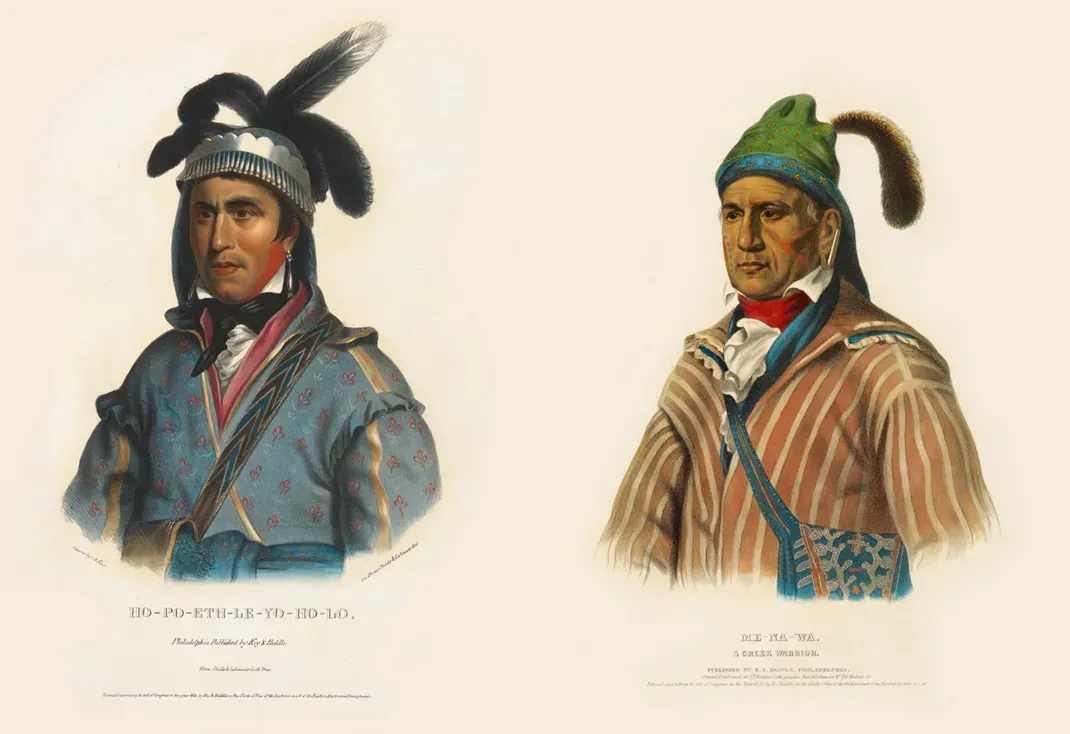
Picture this. Before the United States existed in the form we recognize today, a vast and sophisticated network of towns stretched across what would become Alabama, Georgia, and Florida. Rivers wound through territories controlled by a confederacy so politically advanced that European diplomats struggled to map its structure. This was the world of the Creek, or Muscogee people, and their influence on the early American Southeast is far more profound than most history books suggest.
We’re talking about a civilization that built alliances, reshaped trade networks, and developed political systems that would inspire founding American principles. Their story isn’t just about survival, it’s about resilience, adaptability, and a cultural legacy that still echoes through the region. Let’s be real, without understanding the Creek impact, we can’t truly understand how the Southeast came to be.
A Confederacy That Redefined Political Organization
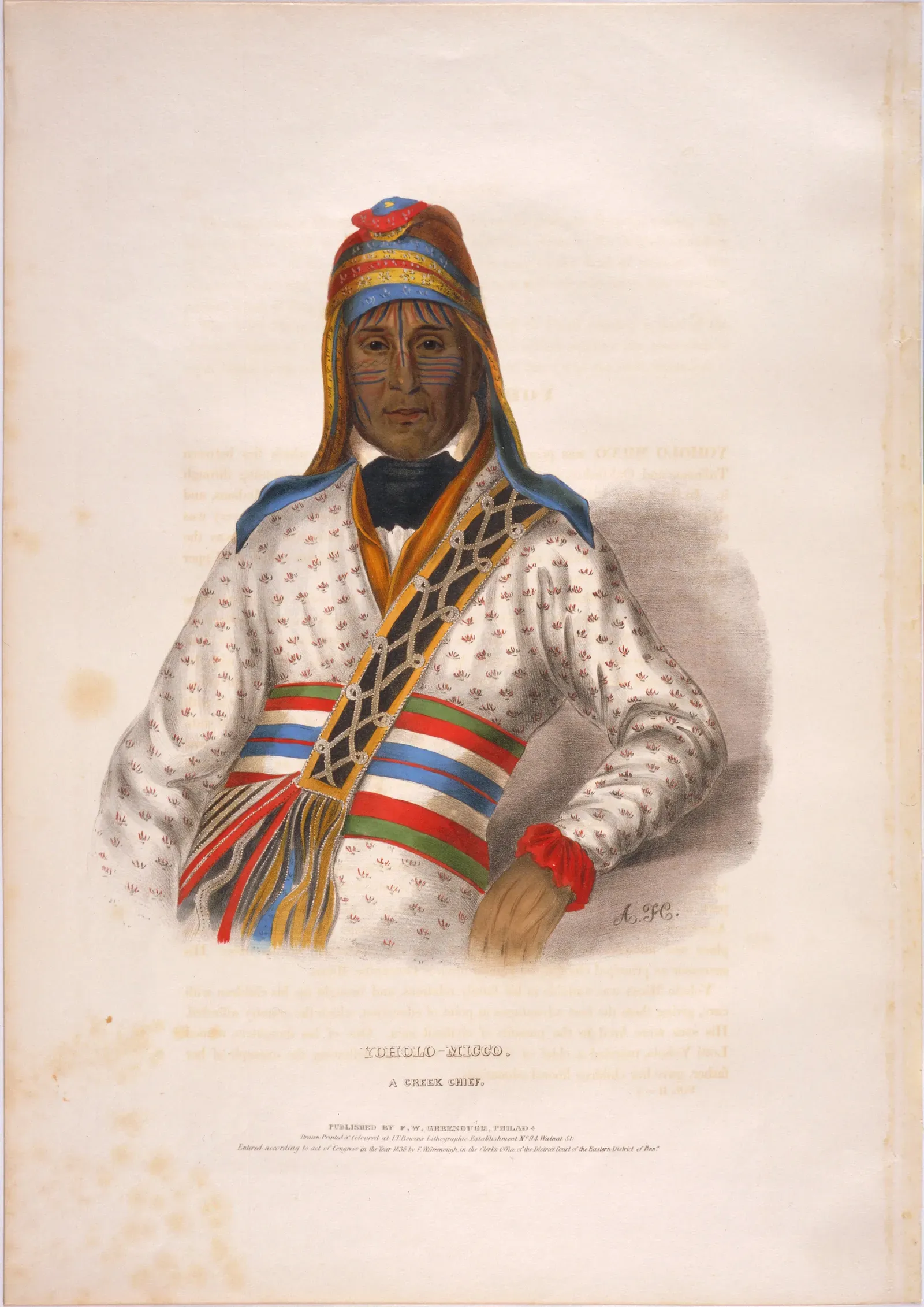
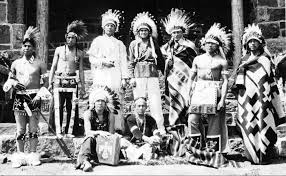
The Muscogee evolved into a confederacy that was the most sophisticated political organization north of Mexico during what historians call the historic period. Think about that for a moment. While European powers were still figuring out colonial governance, the Creek had already built something remarkably complex.
The Muscogee were not one tribe but a union of several, with member tribes called tribal towns. Maternal clans determined membership in the society, but members also held loyalty to a town beyond the clan, unlike many other Indian tribes. The confederacy’s towns were divided into red/war and white/peace groups, with a meko ruling each town. This dual system of war and peace towns created checks and balances that prevented any single leader from gaining absolute power. Honestly, it’s a level of political sophistication that challenges everything we thought we knew about pre-colonial governance structures.
Masters of Diplomatic Balance Between European Powers
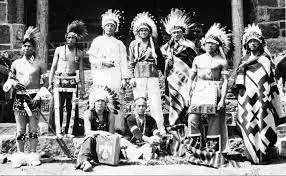
Rival European desires, combined with shrewd native diplomatic and survival skills, made the Creek predominant in the region. They maintained a delicate balance of French, Spanish, and British colonial interests until the British emerged in 1763 as the sole European power. Let’s think about what this means. The Creek essentially played three empires against each other for decades.
In 1718, Brims articulated a collective foreign policy known as the “Coweta Resolution” that committed all Creek towns and micos to end internal conflict in the Confederacy and to open trilateral negotiations with the French, English, and Spanish. The Resolution pitted Europeans against one another for the loyalty of the Confederacy, which translated into greater leverage and more favorable trade for the Creek. This wasn’t luck or accident. This was calculated, brilliant diplomacy that extended Creek influence far beyond their territorial boundaries, reaching trade networks as distant as the Arkansas and Ohio River Valleys, and north to the Great Lakes.
The Deerskin Trade Revolution
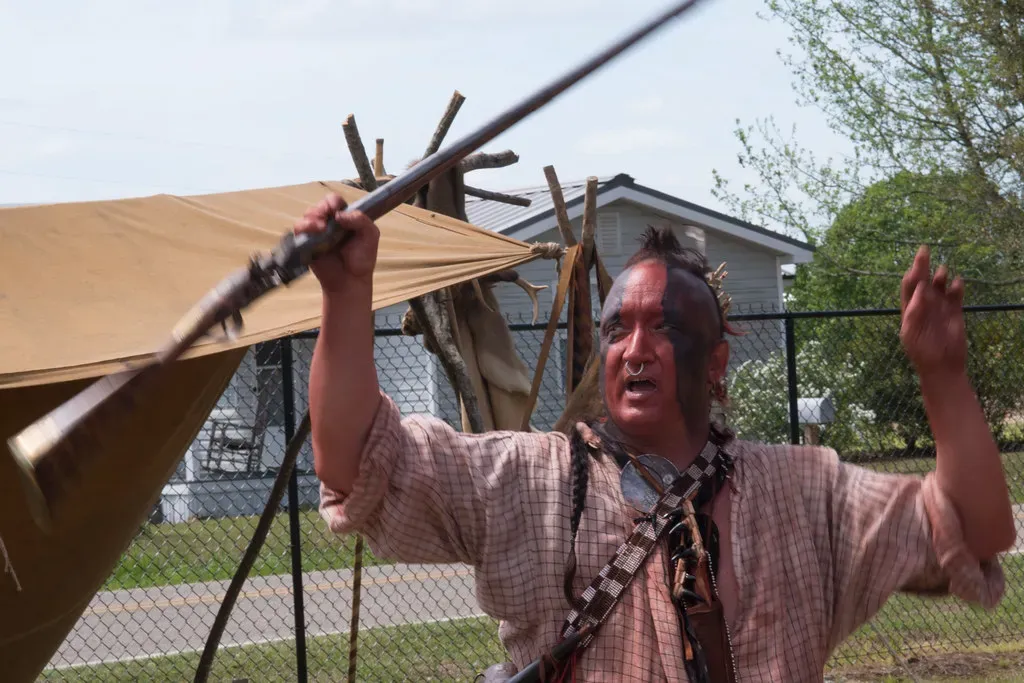
The Indian slave trade, which transformed the interior of the Southeast to 1717, was replaced by the deerskin trade through the first half of the eighteenth century. Trade helped transform Indian society. Here’s the thing: this wasn’t just about commerce. The deerskin trade fundamentally reshaped the entire regional economy.
The Creeks were the largest Indian nation in the Southeast, and through their trade alliance with the British colonies, they became the dominant Native power in the area. The deerskin trade became the economic lifeblood of the Creeks after European contact. Roughly about three quarters of a million deerskins passed through Creek hands annually at the trade’s peak. European colonists desperately needed Creek cooperation to move goods between Spanish Florida, French Louisiana, and English Carolina. The Creek controlled the highways of commerce, and they knew it.
Agricultural Innovation and the Three Sisters Technique
The traditional Muscogee economy was based largely on the cultivation of corn (maize), beans, and squash. This might sound simple, yet the reality is far more complex. The Creek perfected companion planting techniques that modern sustainable agriculture is only now rediscovering.
The cultivation of the Three Sisters crops by Cahokian residents produced a food surplus large enough to support Cahokia’s expanded population, as well as further cultures throughout the extended Mississippi River system such as those of the Mississippian and Muscogee. The corn provided a natural trellis for beans, while beans fixed nitrogen in the soil, naturally fertilizing all three crops. Squash leaves spread across the ground, suppressing weeds and conserving moisture. In the Indian Territory, corn was a principal crop among the Five Tribes. Both the Choctaw and Creek raised abundant corn crops soon after arriving in the West. This agricultural brilliance wasn’t just feeding their own people – it was sustaining entire regional populations.
Building a Multiethnic and Multilingual Society
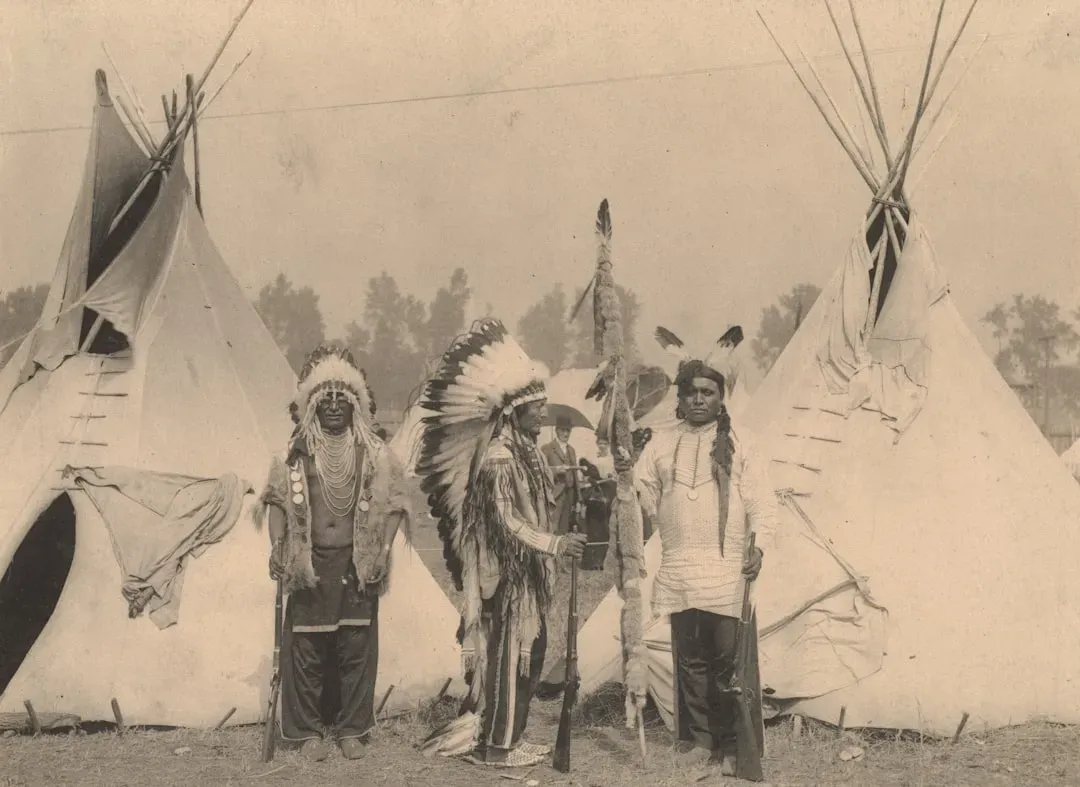
From as few as perhaps 9,000 persons in the 1680s, the Creek population increased to about 20,000 by the time of the American Revolution. Muskogee and Hitchiti-speaking peoples from the main Creek towns made up the major portion of the population, but the Creek nation was multiethnic and included Indian peoples from Spanish missions in Georgia and Florida as well as Yuchi, Shawnee, Chickasaw, and Natchez refugees, who fled to Creek country to escape intertribal warfare and conflicts with French and Spanish colonists.
What’s remarkable here is the Creek’s willingness to incorporate diverse groups into their society. The confederation was also expanded by the addition of tribes conquered by towns of the confederacy, and in time, by the incorporation of tribes and fragments of tribes devastated by the European imperial powers. Within this confederacy, the language and the culture of the founding tribal towns became dominant. They created unity without demanding total cultural erasure. Refugees found safety, and the Confederacy grew stronger through diversity rather than uniformity.
Architectural and Urban Planning Legacy
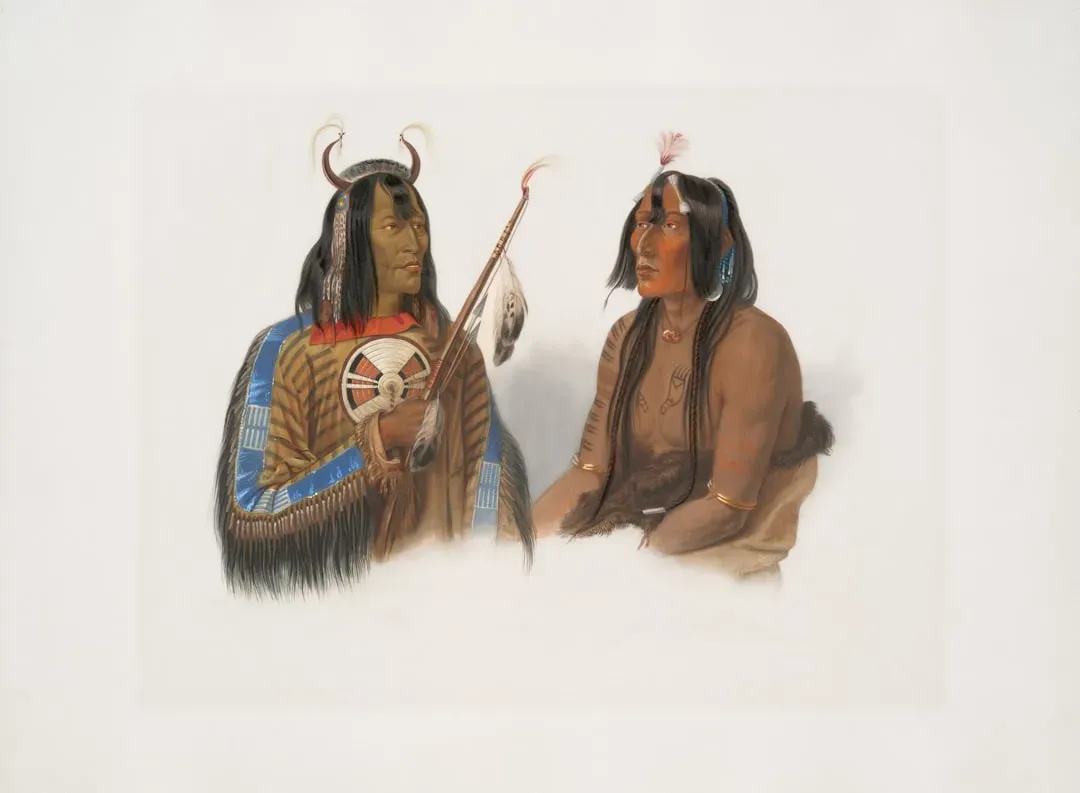
The Muscogee people are descendents of a remarkable culture that, before 1500 AD, spanned all the region known today as the Southeastern United States. Early ancestors of the Muscogee constructed magnificent earthen pyramids along the rivers of this region as part of their elaborate ceremonial complexes. The historic Muscogee later built expansive towns within these same broad river valleys in the present states of Alabama, Georgia, Florida and South Carolina.
Between 800 and 1600 CE, they built complex cities with earthwork mounds with surrounding networks of satellite towns and farmsteads. Muscogee confederated town networks were based on a 900-year-old history of complex and well-organized farming and town layouts around plazas, ballparks, and square ceremonial dance grounds. These weren’t random villages scattered across the landscape. These were planned communities with designated spaces for government, ceremony, recreation, and daily life. The Creek understood urban planning principles that European colonists were still struggling to implement in their own settlements.
A Legal System That Inspired American Democracy
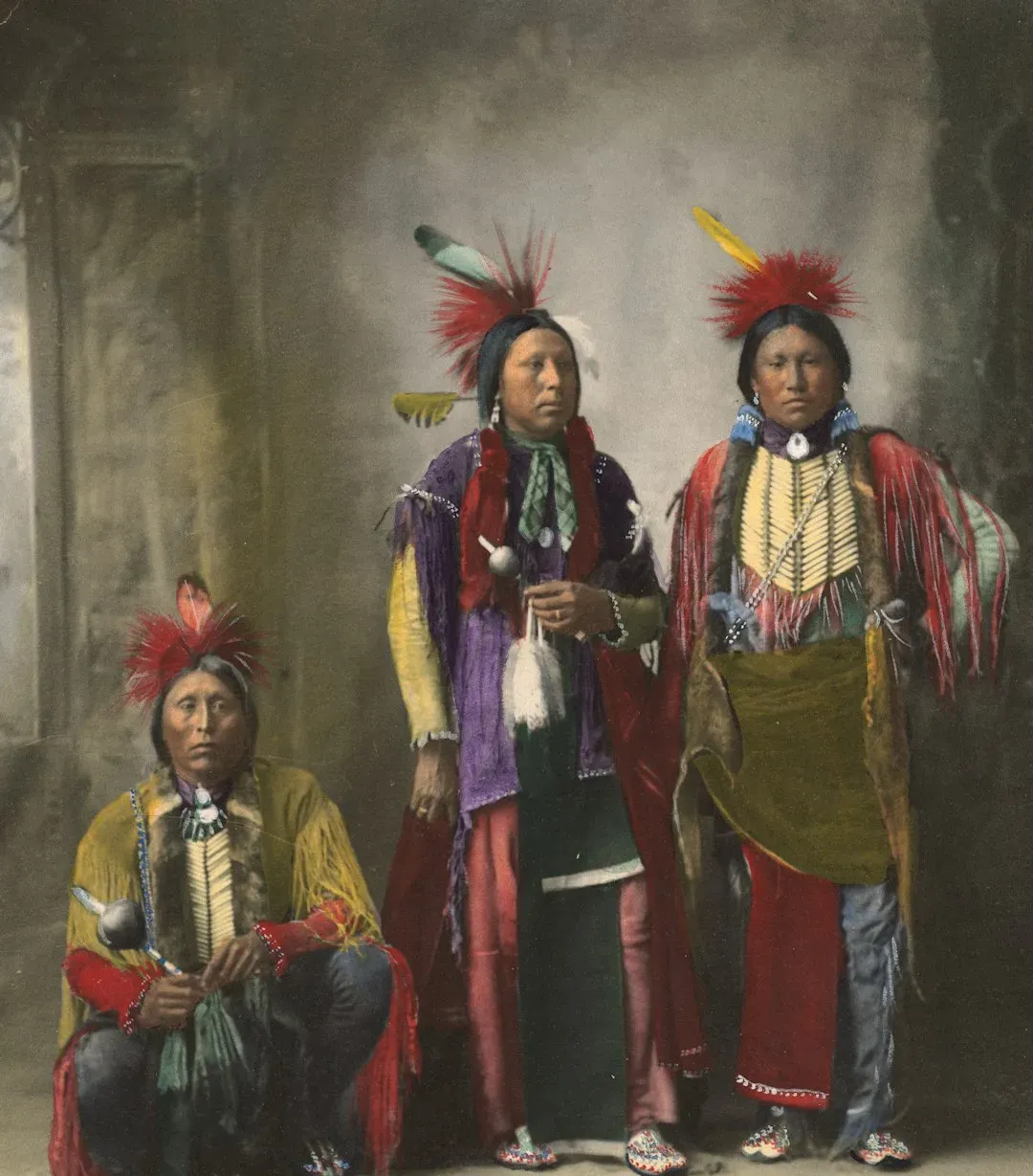
Political authority in the Creek world did not revolve around coercive power as it did in Europe. Micos engaged in consensus politics, having to persuade their peers to support them, with the assumption that they had the community’s best interests in mind. Creek headmen often achieved consensus by redistributing trade goods and presents to the community, sustaining a vibrant trade with Europeans, and mediating conflict with other Native peoples and Europeans.
Think about how radical this was. Leaders couldn’t simply command; they had to earn support through actual service to the community. In diplomacy and warfare, the groups represented by each town could act as independent units, as each was comprised of a dual hierarchy of civil and military offices. The Creek peoples recognized some groups and their towns as particularly influential in national affairs. This decentralized yet coordinated structure influenced early American thinking about federalism far more than most historians acknowledge.
Cultural and Spiritual Influence Through the Green Corn Ceremony
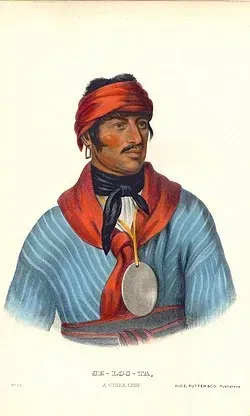
During the Green Corn Ceremony (Posketv), the entire town ritually and physically cleansed their bodies, minds, homes, and communities. Thus, the Confederacy functioned within social and cosmological structures of balance. This annual ceremony wasn’t merely a religious observance – it was a complete social reset button.
Old grudges were forgiven. Debts were erased. Communities started fresh with the harvest season. The ceremony emphasized balance between the Upper World, Under World, and This World. Men hunted fur-bearing animals for food and trade and waged war, while women cultivated agriculture, the most important responsibility in Creek society. This gendered division of labor reflected their cosmological beliefs and created interdependence that strengthened social bonds. It’s hard to say for sure, but this emphasis on periodic renewal and community reconciliation may have influenced later American concepts of amnesty and fresh starts.
Resistance and Adaptation During Colonial Pressure
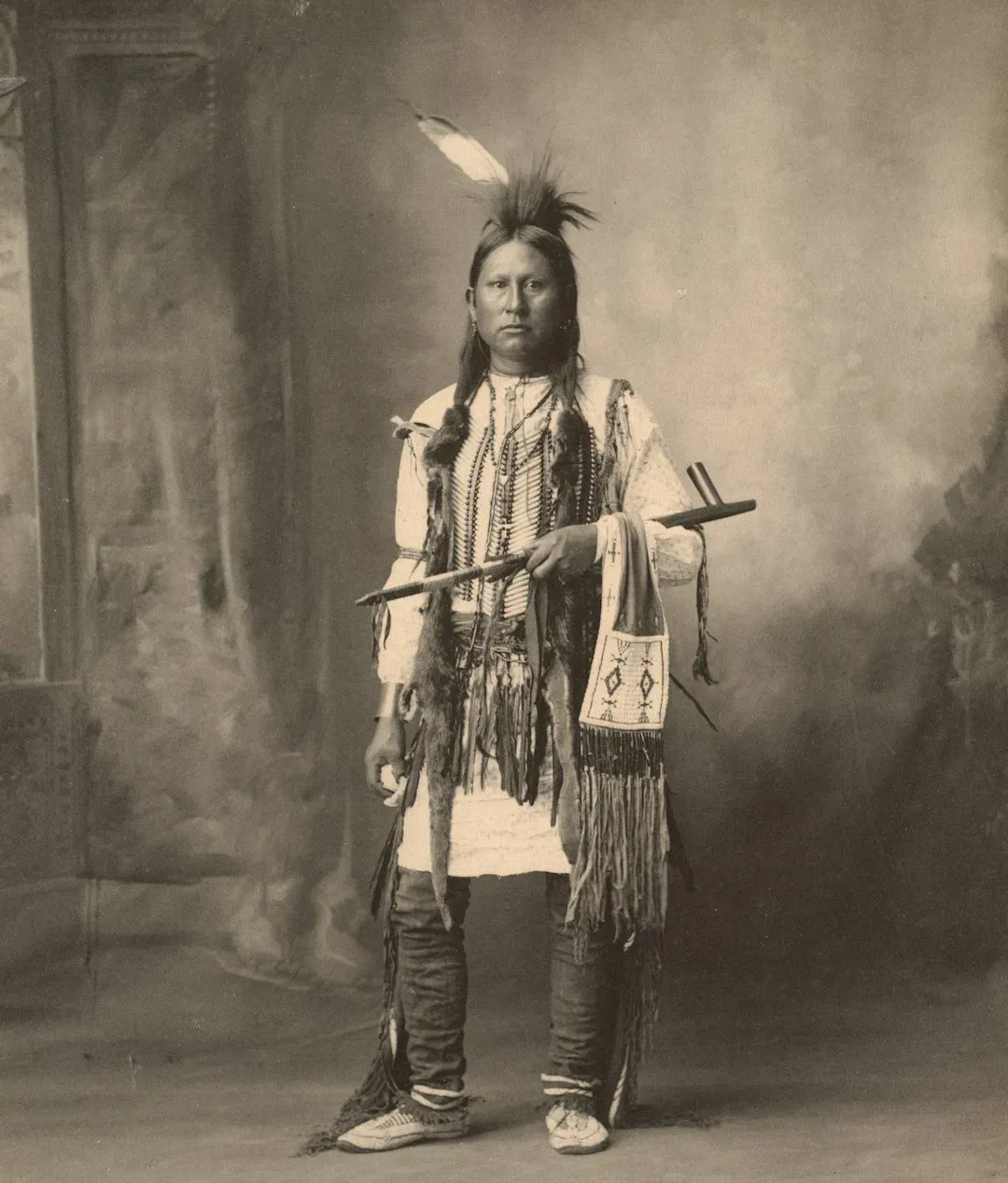
Influenced by Tenskwatawa’s interpretations of the 1811 comet and the New Madrid earthquakes, the Upper Towns of the Muscogee, supported by the Shawnee leader Tecumseh, actively resisted European-American encroachment. Internal divisions with the Lower Towns led to the Red Stick War (Creek War, 1813–1814). The Creek weren’t passive victims of colonization – they fought back strategically and adapted when necessary.
Once the northern Muscogee Creek rebellion had been put down by General Andrew Jackson with the aid of the Southern Muscogee Creek, the Muscogee nation was forced to sign the Treaty of Fort Jackson, which ceded 22,000,000 acres of land to the US, including land belonging to the Southern Muscogee who had fought alongside Jackson. That’s twenty-two million acres. Even those who allied with the United States were betrayed, revealing the impossible position the Creek faced. The Creek Nation adopted a written constitution, established a National Council and other federal forms of government, implemented a legal system that privileged property ownership and patriarchy, and turned to plantation agriculture and African slavery. They transformed themselves to meet American expectations, yet it still wasn’t enough to save their lands.
The Devastating Trail of Tears and Enduring Legacy
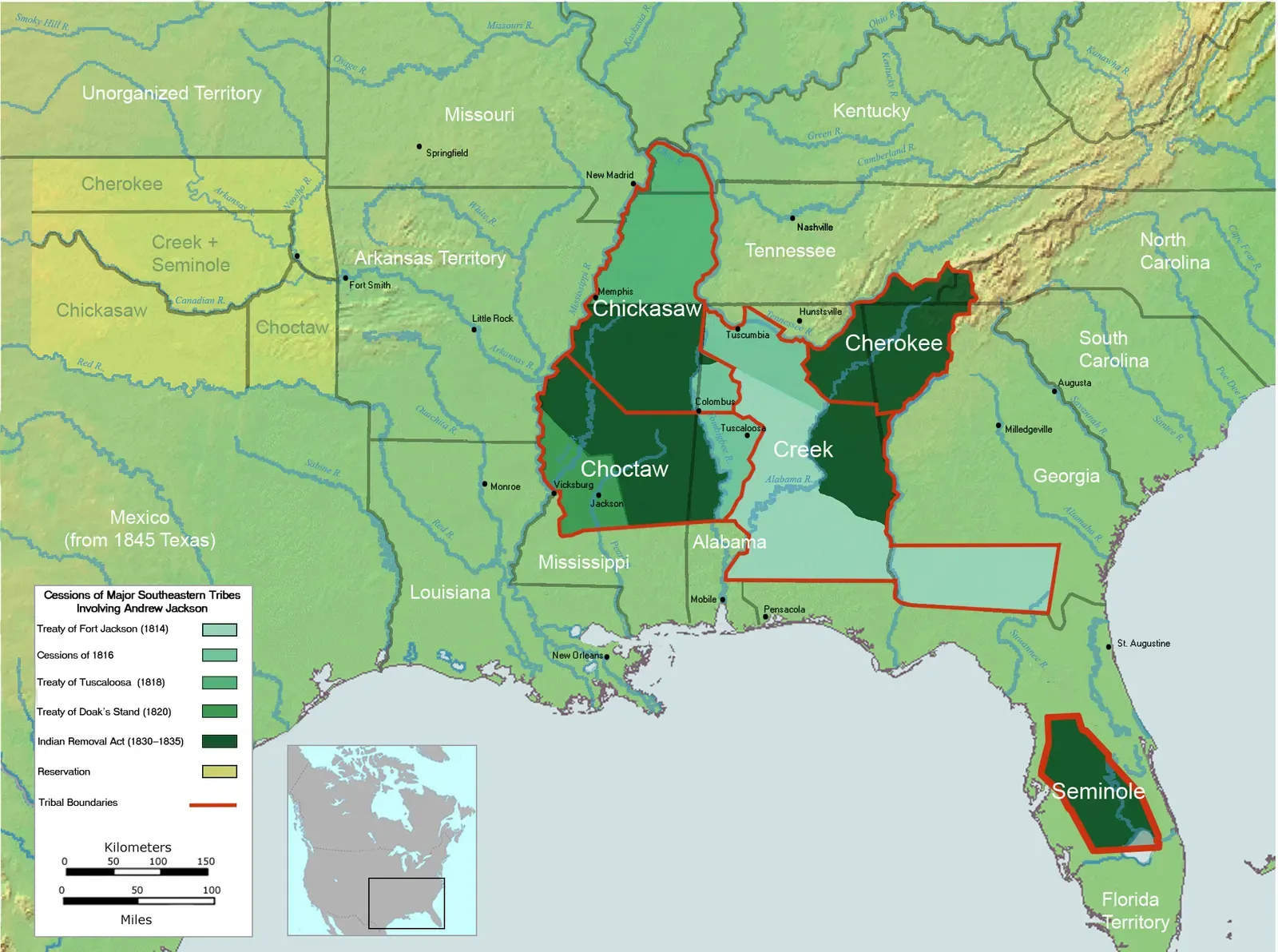
Most Muscogee were removed to Indian Territory during the Trail of Tears in 1834, with additional removals following the Creek War of 1836. After losing the Creek War of 1836–37 with the United States, more than 14,500 Creek Indians faced the additional indignation of being forced to leave their lands and forced to march west, often in chains. Several hundred Creeks died during the journey, and approximately thirty-two hundred died from disease, malnutrition, and exposure after their arrival in Indian Territory.
In 1836, a small band of Lower Creeks revolted against white encroachment and started a war that gave Andrew Jackson an excuse to remove all the Creeks west of the Mississippi River. In the span of little more than a decade this once vibrant society was gone from the Southeast. Yet here’s what’s extraordinary: they survived. Despite tragedies and drastic changes over the years, the Muscogee survived. Through a series of rebuilding stages, the culture, the language, the hymns, the medicine songs, and the traditions were still enjoyed into the early twenty-first century. The people have continued to celebrate their cultural heritage. The Creek didn’t just endure – they rebuilt, persisted, and maintained their identity against impossible odds.
Conclusion
The Creek’s impact on the early American Southeast goes far beyond simple historical footnotes. They built political systems that rivaled European governments, managed diplomatic relations that kept empires in balance, revolutionized regional trade, and developed agricultural techniques that sustained vast populations. Their towns were carefully planned communities, their legal systems emphasized consensus over coercion, and their cultural practices maintained social harmony.
When we talk about American history, we often skip past these uncomfortable truths: that Indigenous nations like the Creek possessed sophisticated civilizations that shaped the region’s development in profound ways. Their forced removal was not the removal of primitive peoples, but the ethnic cleansing of a complex, thriving society whose innovations and governance models influenced the very foundations of American culture.
The Muscogee Creek Nation exists today, headquartered in Oklahoma, a living testament to resilience. Their story demands we reconsider everything we thought we knew about “civilization” and progress in early America. What other aspects of Creek influence have we overlooked? The more we learn, the clearer it becomes: you can’t tell the story of the American Southeast without putting the Creek front and center.
Worried about unexpected vet bills?
Pet insurance can cover thousands in unexpected vet costs. Get a free quote from Lemonade in under 2 minutes.
Get My Free Quote →Sponsored · Opens Lemonade.com

- The Ocean’s Deepest Creatures Hold Surprising Secrets to Longevity - June 10, 2026
- 6 Scents That Make Mosquitoes Target You First - June 10, 2026
- The Forgotten Deserts of America Where Wildlife Still Thrives - June 10, 2026