


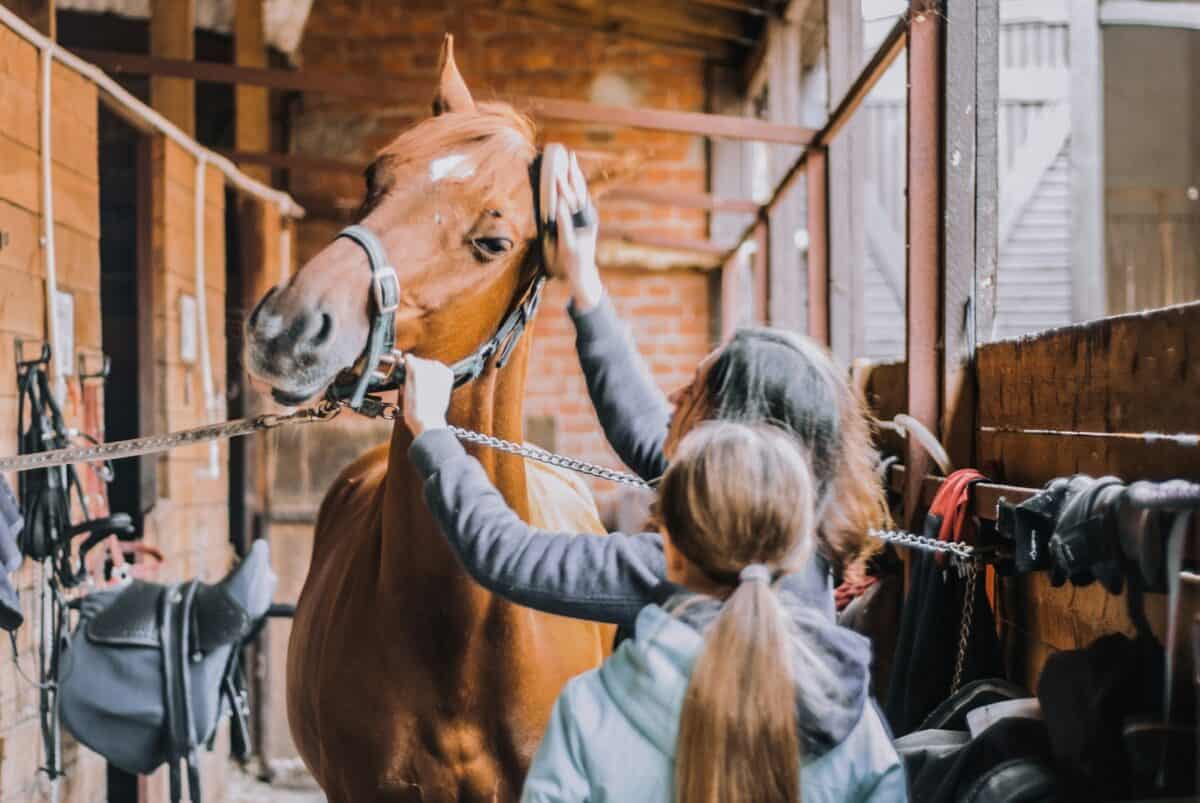
In the quiet moments between human and horse, a unique healing connection forms—one that transcends traditional therapeutic approaches and speaks to something deeply innate within us. Equine therapy, also known as equine-assisted therapy or hippotherapy, harnesses the remarkable sensitivity and intuition of horses to promote physical, emotional, and psychological healing in humans. This therapeutic approach doesn’t necessarily involve riding; sometimes, the most profound healing happens while simply being in the presence of these majestic animals. As research continues to validate what practitioners have witnessed for decades, equine therapy is gaining recognition across medical, psychological, and educational fields as a powerful complement to conventional treatments for a wide range of conditions.
The Historical Roots of Equine Therapy
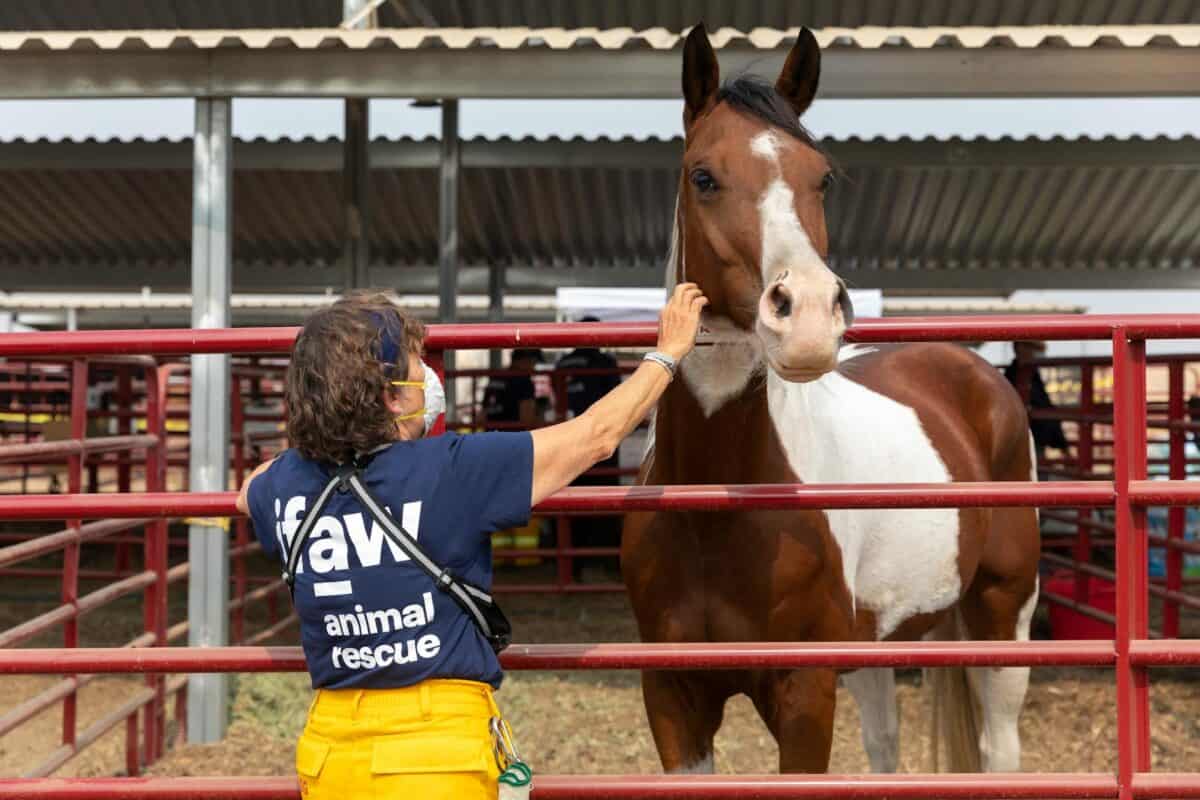
While formalized equine therapy programs are relatively modern, the therapeutic relationship between humans and horses dates back thousands of years. Historical records suggest that as early as 400 BCE, Hippocrates discussed the therapeutic riding as a treatment for neurological disorders. By the 1950s, therapeutic riding gained momentum in Europe following polio outbreaks, with Liz Hartel of Denmark bringing international attention to therapeutic riding when she won a silver medal in dressage at the 1952 Helsinki Olympics despite paralysis from polio.
The 1960s saw the establishment of the first therapeutic riding centers in North America, and by the 1990s, professional organizations like the Professional Association of Therapeutic Horsemanship International (PATH Intl.) had developed standardized practices and certification programs. Today, equine therapy has evolved into a sophisticated field with various specialized approaches, backed by a growing body of scientific research documenting its effectiveness.
Understanding the Horse-Human Connection

The foundation of equine therapy lies in the unique psychological and neurobiological connection between horses and humans. Horses are prey animals with heightened sensitivity to their environment and the emotional states of those around them—they can detect subtle changes in human heart rates, breathing patterns, and body language. This makes them exceptional biofeedback mechanisms, reflecting human emotional states in real-time.
Research has shown that positive interactions with horses can trigger the release of oxytocin, dopamine, and serotonin in humans—neurochemicals associated with bonding, pleasure, and emotional well-being. Additionally, horses exhibit a non-judgmental presence; they respond authentically to human behavior without the social complexities and expectations that often complicate human relationships. This creates a safe space for therapeutic vulnerability and growth. The rhythmic movement of horses also stimulates multiple sensory systems simultaneously, creating neurological benefits that few other therapeutic modalities can match.
Types of Equine-Assisted Therapies

Equine therapy encompasses several distinct approaches, each serving different therapeutic goals. Hippotherapy, conducted by licensed physical, occupational, or speech therapists, utilizes equine movement as a treatment strategy to improve neurological function and sensory processing. Therapeutic riding focuses on teaching horsemanship skills to achieve therapeutic goals while improving balance, coordination, and confidence. Equine-assisted psychotherapy (EAP) involves mental health professionals using horse interactions to address psychological and emotional issues through metaphorical experiences and relationship patterns.
Equine-assisted learning (EAL) uses horse-human interactions to develop life skills, communication, leadership abilities, and emotional intelligence, often in educational or corporate settings. Adaptive riding modifies traditional riding techniques to accommodate individuals with disabilities, while equine-assisted activities offer beneficial horse interactions that may not have specific therapeutic goals but provide emotional and social benefits. Each approach is tailored to specific populations and therapeutic objectives, reflecting the versatility of equine-assisted interventions.
Physical Benefits: Healing Through Movement

The physical benefits of equine therapy are perhaps the most visibly apparent and extensively documented. When mounted on a horse, the human body experiences three-dimensional movement patterns that closely mimic natural human walking—a movement impossible to replicate with stationary equipment. This rhythmic motion stimulates multiple bodily systems simultaneously, improving balance, coordination, muscle tone, and postural control. Research has shown significant improvements in gross motor function for individuals with cerebral palsy, multiple sclerosis, and stroke recovery following consistent equine therapy sessions.
For individuals with physical disabilities, the warmth of the horse’s body can naturally reduce muscle spasticity and increase joint mobility. Additionally, the effort required to maintain balance on horseback engages core muscles that may otherwise be difficult to activate in traditional physical therapy settings. Studies have demonstrated measurable improvements in trunk stability, head control, and functional mobility after just 8-12 weeks of hippotherapy intervention. The physical benefits extend beyond therapy sessions, often translating to improved capability in activities of daily living and enhanced quality of life.
Psychological and Emotional Healing Through Equine Connection
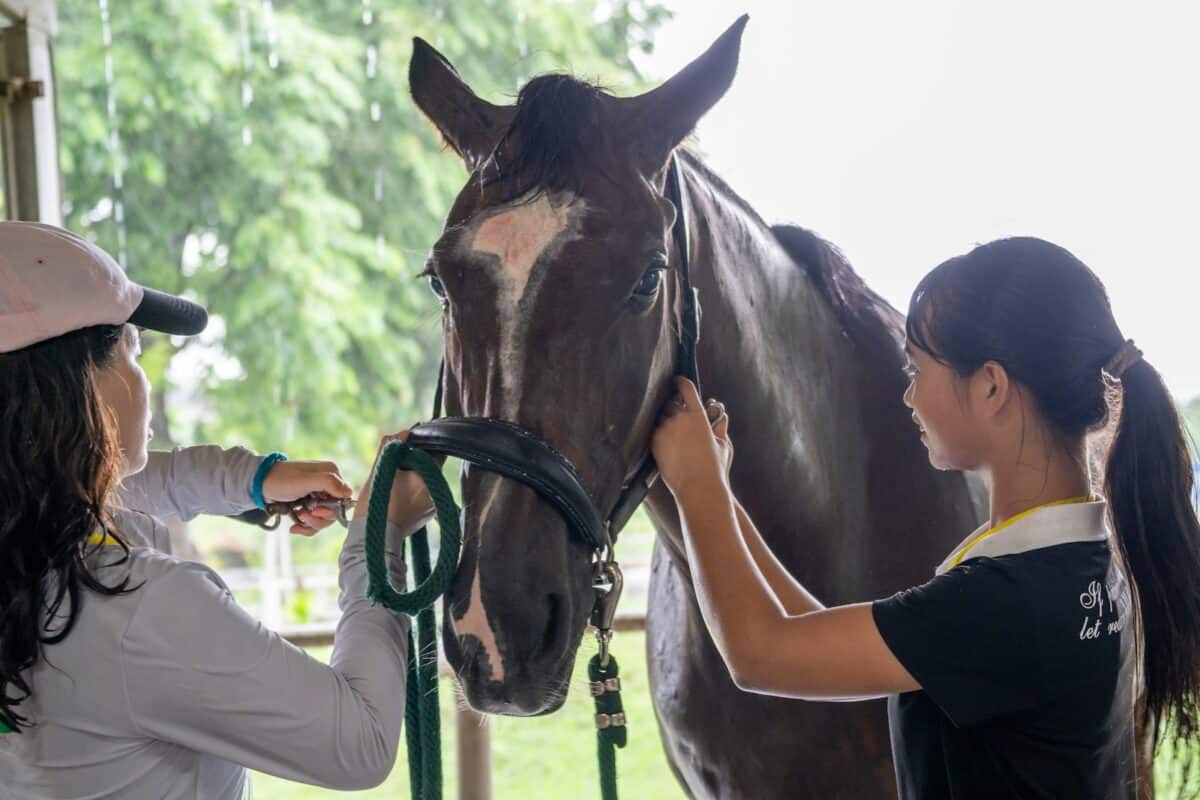
The psychological benefits of equine therapy are profound and multifaceted. Horses provide immediate, honest feedback to human emotional states without judgment or agenda, creating a powerful mirror for self-awareness. This unique dynamic helps individuals recognize patterns in their emotional responses and behaviors that might otherwise remain hidden in traditional therapy settings. Research published in the Journal of Clinical Psychology has demonstrated significant reductions in depression and anxiety symptoms following equine-assisted therapy programs. For trauma survivors, interacting with horses can help rebuild trust and boundaries in a safe, controlled environment.
The therapy creates opportunities to process difficult emotions through metaphorical experiences—a horse’s reluctance to cooperate might reflect communication issues in the client’s life, while successfully guiding a thousand-pound animal can build confidence and agency for those who feel powerless. Veterans with PTSD have shown remarkable improvements in symptom management through equine therapy, with some programs reporting up to 63% reduction in intrusive thoughts and hypervigilance. The requirement to remain present and attentive around horses naturally promotes mindfulness, helping individuals with anxiety disorders interrupt cycles of rumination and catastrophic thinking.
Equine Therapy for Neurodevelopmental Conditions

Children and adults with autism spectrum disorders, ADHD, and other neurodevelopmental conditions often experience remarkable benefits from equine therapy. The structured, predictable nature of equine interactions provides a safe framework for developing social skills and emotional regulation. For individuals with autism, horses offer non-verbal communication opportunities that bypass the social complexities of human interaction while still developing essential social awareness. Research published in the Journal of Autism and Developmental Disorders found that children with autism who participated in 10 weeks of therapeutic riding showed significant improvements in social communication and reduced irritability compared to control groups.
The sensory input from riding—including vestibular, proprioceptive, tactile, visual, and auditory stimulation—helps integrate sensory systems that may be dysregulated. Children with ADHD often demonstrate improved attention spans, better impulse control, and enhanced executive functioning skills after regular equine therapy sessions. The natural requirement to follow sequential steps in horse care and riding activities builds organizational skills and task completion abilities. Additionally, the immediate feedback from horses when attention wavers creates natural consequences that reinforce focus without the stigma often associated with traditional behavioral interventions.
The Therapeutic Team: Beyond the Horse

While horses are the centerpiece of equine therapy, successful programs rely on a multidisciplinary team of professionals working in concert. Depending on the specific therapeutic approach, this team might include licensed mental health professionals, physical therapists, occupational therapists, speech pathologists, certified therapeutic riding instructors, and equine specialists. Each brings specialized expertise to create safe, effective therapeutic experiences. Professional standards are maintained through organizations like PATH International and the Equine Assisted Growth and Learning Association (EAGALA), which provide certification, continuing education, and ethical guidelines.
The human-horse-therapist triad creates a unique therapeutic environment where the horse often serves as both therapeutic tool and co-therapist. Equine specialists ensure the welfare and appropriate selection of therapy horses, as not all horses have the temperament and training suitable for this specialized work. Therapy horses undergo extensive training and assessment, developing the patience, gentleness, and responsiveness needed for therapeutic work. The most effective programs emphasize collaboration between medical providers, mental health professionals, and equine specialists to create comprehensive treatment plans that integrate equine therapy with conventional interventions.
Case Studies: Transformative Journeys
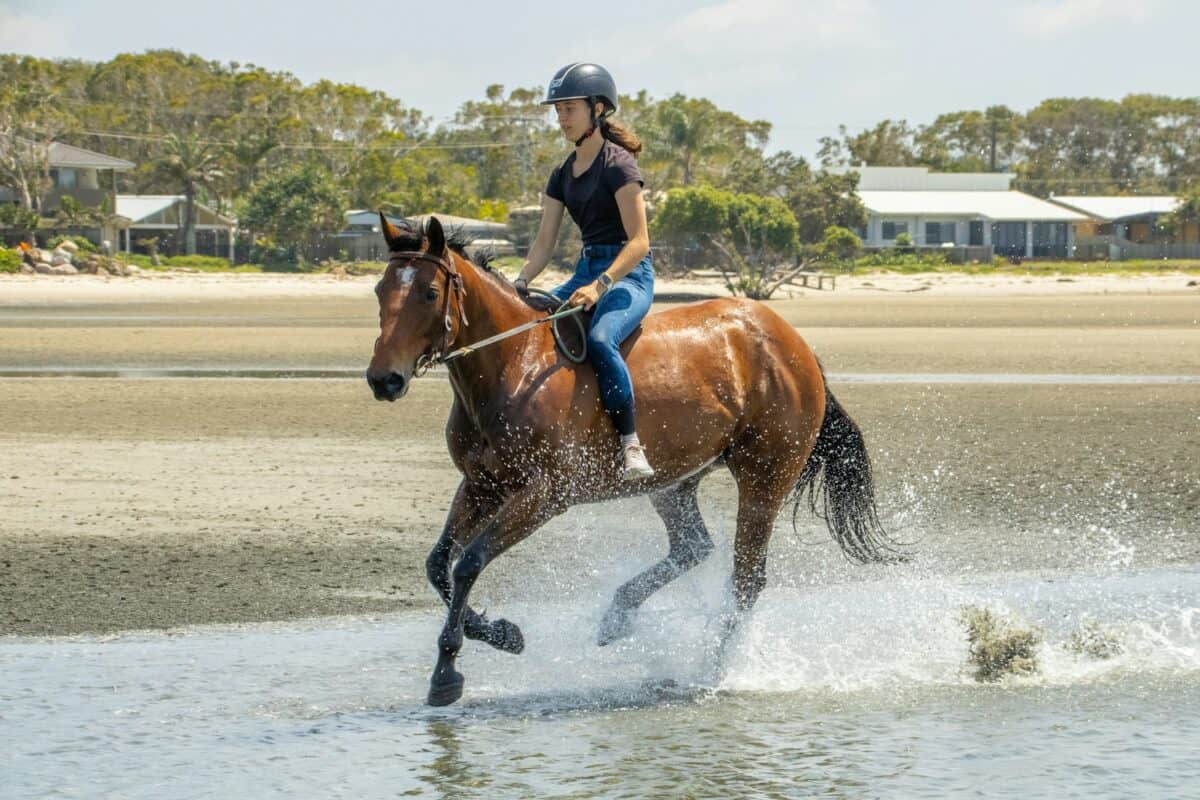
The impact of equine therapy is perhaps best illustrated through individual stories of transformation. Consider the case of Emma, a 9-year-old with selective mutism who had not spoken outside her home for two years despite conventional speech therapy. After eight weeks of equine-assisted therapy, she began giving verbal commands to her therapy horse—her first public speech in years—eventually transferring this confidence to school settings. Or Michael, a 34-year-old combat veteran with severe PTSD who found that traditional talk therapy exacerbated his symptoms.
Through an equine therapy program for veterans, he discovered that the non-verbal communication with horses bypassed his trauma responses, allowing him to process his experiences without triggering hypervigilance. Within six months, he reported a 70% reduction in nightmares and improved relationships with his family. Teenagers in addiction recovery programs have shown dramatically lower relapse rates when equine therapy is incorporated into treatment—one study following 87 adolescents found that those receiving equine therapy maintained sobriety at rates 23% higher than conventional treatment alone at one-year follow-up. These cases represent thousands of similar success stories that demonstrate the unique capacity of equine therapy to reach individuals who may not respond to conventional therapeutic approaches alone.
The Science Behind the Healing

As equine therapy gains wider acceptance, scientific research is beginning to explain the neurobiological mechanisms behind its effectiveness. Brain imaging studies have revealed that interactions with horses activate the limbic system—the emotional center of the brain—in ways similar to positive human bonding experiences. Researchers at the University of Denver found that children with trauma histories showed normalized cortisol patterns (a stress hormone) after just six weeks of equine therapy, suggesting improved stress response regulation. The rhythmic movement of riding stimulates the vestibular system, which has extensive connections throughout the brain and nervous system.
This stimulation promotes neural integration and has been shown to improve cognitive processing, emotional regulation, and sensory integration. Research published in Frontiers in Veterinary Science demonstrated that positive horse-human interactions result in synchronization of heart rate variability patterns between species, suggesting a physiological basis for the intuitive connection many experience with horses. The multisensory nature of equine interactions engages multiple brain regions simultaneously, potentially creating new neural pathways that bypass damaged or underdeveloped areas—particularly valuable in neurological rehabilitation. While more research is needed, current evidence suggests that equine therapy creates unique neurobiological benefits that complement conventional medical and psychological treatments.
Accessibility and Inclusion in Equine Therapy

Making equine therapy accessible to diverse populations requires thoughtful program design and specialized equipment. Adaptive tack and mounting systems allow individuals with physical disabilities to safely experience horseback riding, while specialized communication tools enable participation for those with speech or hearing impairments. Many established programs offer scholarships or sliding scale fees to address financial barriers, though cost remains a significant challenge for widespread accessibility. Geographic access varies widely, with rural areas sometimes having more equine resources but fewer specialized therapeutic programs than urban centers.
Insurance coverage for equine therapy has improved in recent years, with some health plans now covering hippotherapy when prescribed by a physician and delivered by licensed therapists, though coverage for psychological applications remains inconsistent. Organizations like PATH International have developed specific initiatives to promote cultural competence and inclusion, recognizing that some communities may have cultural barriers to equine interaction. Veterans programs have been particularly successful in creating accessible models, often offering free services through partnerships with the VA and private donors. While challenges remain, the field continues to develop innovative approaches to ensure that equine therapy can reach all who might benefit, regardless of physical ability, financial resources, or background.
Ethical Considerations: The Welfare of Therapy Horses
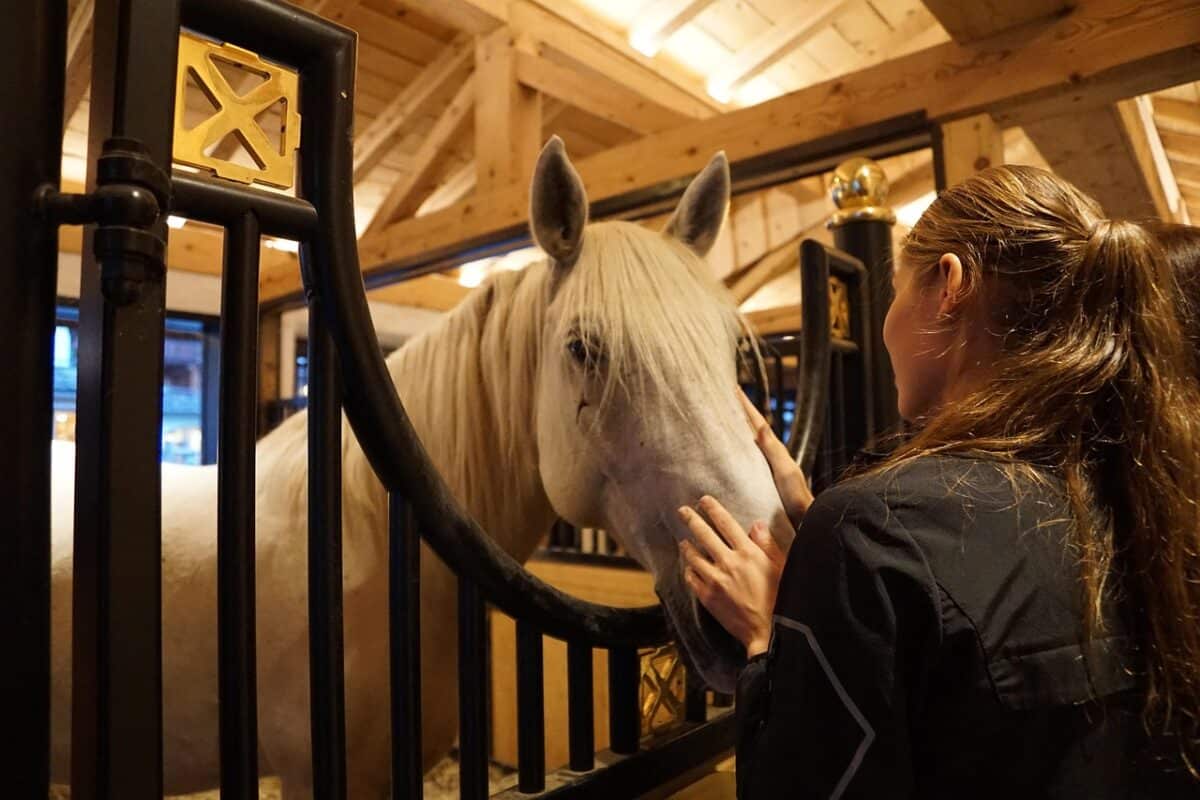
Any discussion of equine therapy must address the welfare of the horses who make this work possible. Ethical programs prioritize the physical and emotional well-being of therapy horses, recognizing that these animals are partners in the therapeutic process, not merely tools. Professional organizations like PATH International and EAGALA have established comprehensive standards for the care, training, and working conditions of therapy horses, including limits on working hours, weight-carrying capacity, and environmental requirements.
Well-managed programs carefully match horses to clients based on physical and temperamental compatibility, and therapy sessions are designed with the horse’s welfare in mind. Therapy horses require specialized training that uses positive reinforcement methods rather than force or intimidation. They also need proper veterinary care, nutrition, turnout time, socialization with other horses, and regular assessment for signs of stress or burnout. The most ethical programs view horses as sentient beings with their own needs and preferences, not as therapeutic equipment. Research suggests that properly managed therapy horses can actually thrive in their roles, showing physiological indicators of positive engagement when working with appropriate clients. Many organizations are now incorporating equine welfare science into their practices, using objective measures of horse stress and well-being to continuously improve their protocols.
The Future of Equine Therapy: Emerging Trends and Research
The field of equine therapy continues to evolve, with several promising developments on the horizon. Advanced research methodologies, including randomized controlled trials and neuroimaging studies, are providing stronger evidence for equine therapy’s effectiveness across various conditions. This growing evidence base is leading to increased integration with conventional medical and psychological treatments. Technology is beginning to play a role through virtual reality applications that can prepare anxious clients for in-person equine therapy and motion-capture systems that provide objective measurements of physical improvements.
International collaboration is expanding access to equine therapy globally, with programs developing in countries where therapeutic riding was previously unavailable. Specialized applications are emerging for specific populations, such as programs for first responders, human trafficking survivors, and individuals with dementia. The concept of “One Health”—recognizing the interconnection between human, animal, and environmental health—is influencing equine therapy to develop more holistic, ecologically-minded approaches. Insurance reimbursement is gradually improving as evidence accumulates, particularly for physical rehabilitation applications. As research continues to validate what practitioners have observed for decades, equine therapy is positioned to become an increasingly mainstream component of comprehensive treatment plans for a wide range of physical, psychological, and developmental conditions.
Conclusion: The Enduring Power of the Horse-Human Bond

The gentle power of equine therapy lies in its ability to connect humans with something both ancient and new—the healing relationship between species that transcends language and conventional therapeutic boundaries. As scientific research continues to validate the physical, psychological, and neurological benefits of equine-assisted interventions, this therapeutic approach is finding its place alongside traditional medical and psychological treatments rather than in opposition to them.
The future of equine therapy depends on maintaining the delicate balance between evidence-based practice and the intuitive wisdom that has guided horse-human relationships for millennia. For those who have experienced its benefits, the transformation often extends far beyond measurable outcomes, touching something profound about our connection to the natural world and our capacity for healing. As one equine therapy participant eloquently stated, “The horses taught me what no human could—how to be fully present, honest in my emotions, and brave enough to trust again.”

From exploring the marine wonders in the Azores and witnessing the vast savannas of Kenya, to delving deep into the rich biodiversity of South Africa and traversing iconic landscapes in Australia and the US like Yellowstone, Chris's experiences are vast.
With a penchant for diving alongside sharks, the ocean holds a special place in his heart.
Through his academic insights, he champions wildlife conservation, striving with 'Animals Around The Globe' to cultivate a profound connection between humans and animals, enhancing our mutual appreciation.
Connect with him at Feedback@animalsaroundtheglobe.com.
- A Bear Journey Through The USA: 18 Best Bear Photos from 18 US States - July 19, 2026
- Elephant Matriarchs Know Every Waterhole for Miles - July 19, 2026
- Top 10 Dinosaur Relatives Still Roaming Earth Today - July 19, 2026