

1. Border Collie: The Breed That Never Clocks Off
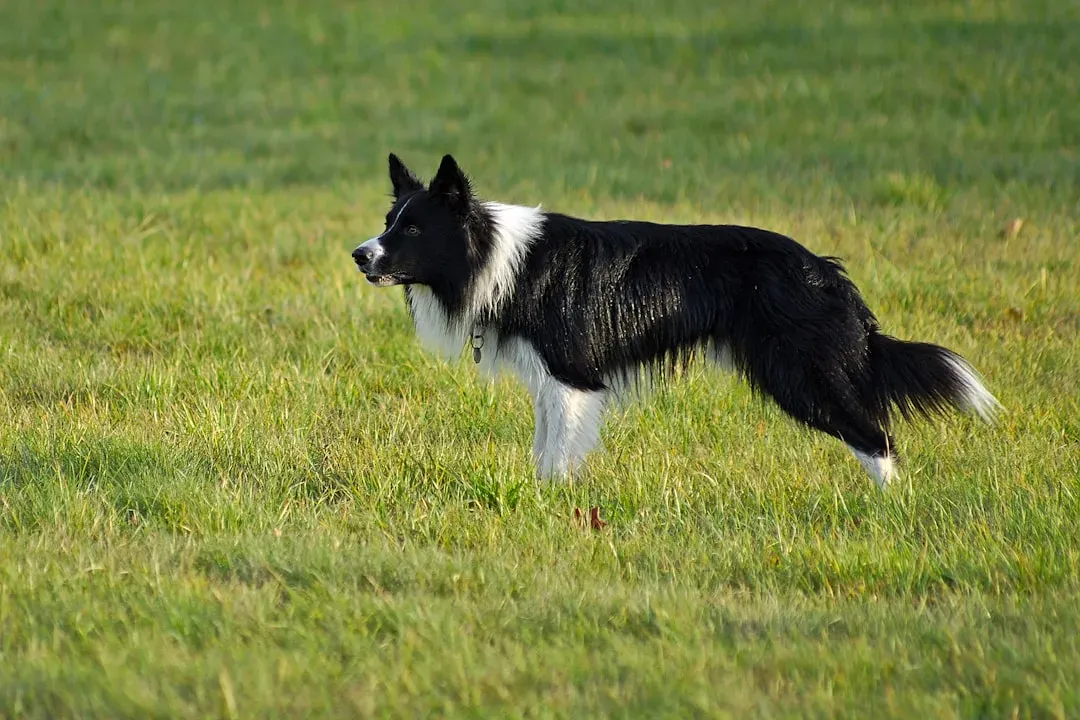
Border Collies are medium-sized dogs known for their intelligence and remarkably high energy levels, requiring significant physical and mental stimulation to thrive. Without enough exercise and mental enrichment, they can become bored and exhibit destructive behaviors. This isn’t a breed that’s content with a morning stroll and a nap on the sofa.
Border Collies require daily exercise, and to truly burn off their energy, a minimum of two hours of vigorous activity each day is recommended. They also have a strong herding instinct, which can lead them to try to herd other animals, a behavior that’s genuinely challenging to manage, especially if you have other pets at home. For most people over 50 seeking a relaxed routine, this breed is simply wired differently.
2. Siberian Husky: Beautiful, Restless, and Built to Run
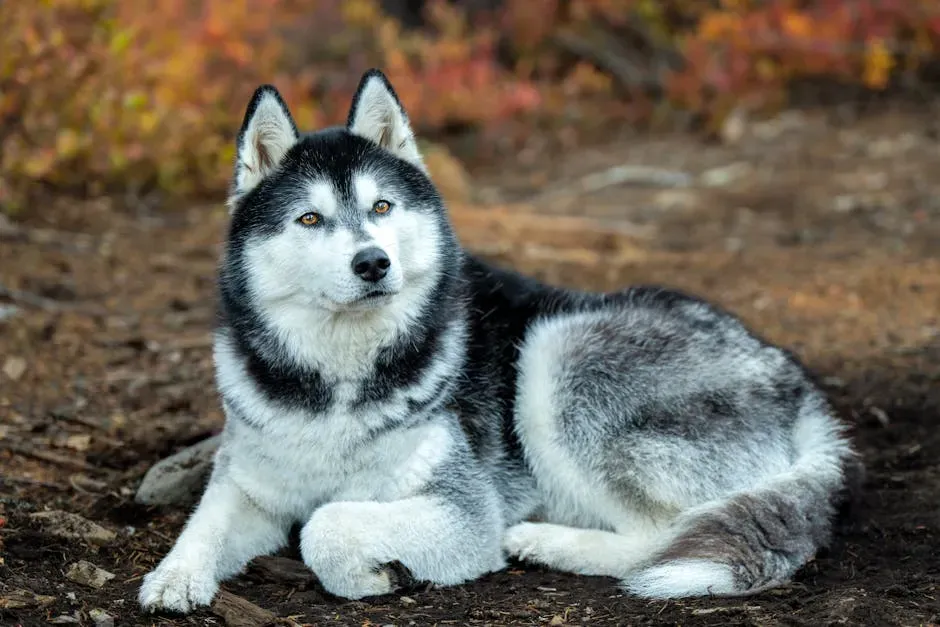
Huskies are large, energetic, and high-strung dogs. If you’re looking for a relaxation buddy, this breed will never give you rest. They require mental and physical stimulation every single day, and when they don’t get it, problems follow. The breed was built for distance and endurance, not apartment living or lazy afternoons.
Huskies require extremely secure fencing since they can dig and jump out of almost any enclosure. They need to be mannerly on a leash but are notoriously difficult to train, and they have a strong wanderlust that means they will actively try to escape and explore. Their thick double coat also requires regular grooming, which may be difficult for anyone dealing with mobility issues.
3. Australian Shepherd: A Working Dog With No Off Switch
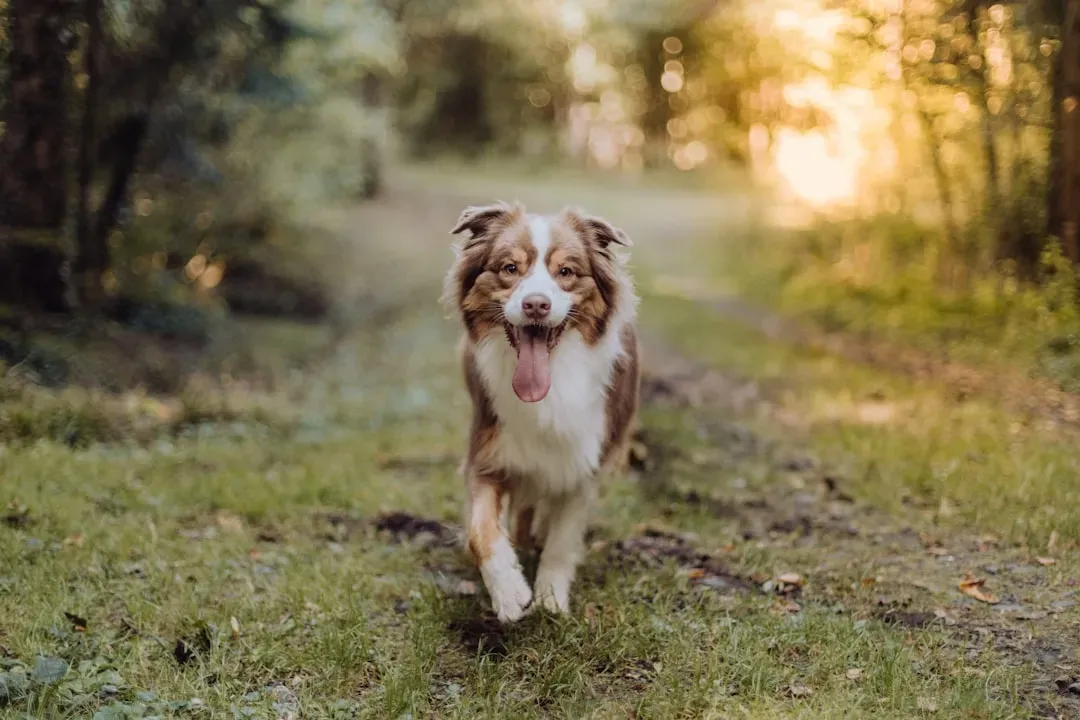
Australian Shepherds are highly intelligent, which makes them easy to train. These dogs look to their owners to keep them stimulated and give them something to do. The breed bonds quickly and responds well to direction, but without proper training and attention, an Australian Shepherd can become nervous and destructive.
Originally bred to work, these dogs possess an intrinsic drive to herd and stay active. For aging adults, especially those with limited mobility or who prefer a more serene lifestyle, the Australian Shepherd’s need for constant stimulation can feel genuinely overwhelming. They also have long double coats that shed considerably, meaning a lot of cleanup, and they need at least an hour of strenuous physical activity each day.
4. Jack Russell Terrier: Small Dog, Enormous Problem
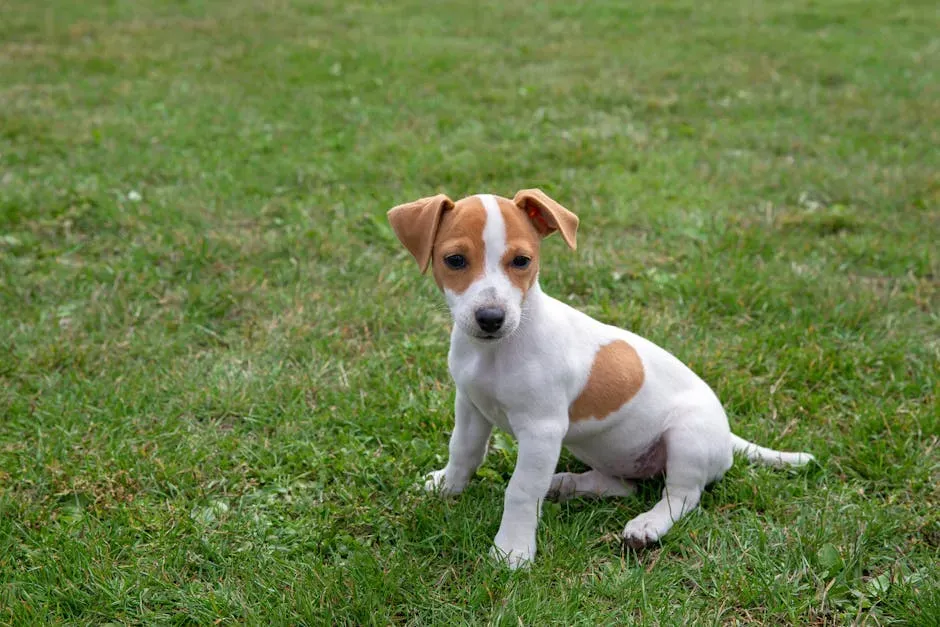
Don’t let their small size fool you. Jack Russells are incredibly energetic and need a lot of exercise and mental stimulation. They can be a handful to train and manage, which may be challenging for less active owners. Size is genuinely deceptive with this breed. The body is compact but the demands are anything but.
Training a Jack Russell Terrier can be a real challenge. They are known for their stubbornness and independent nature, and consistent, positive training is essential to shape their behavior effectively. Jack Russells can also be challenging at potty training. Without strict schedules and rigorous consistency, they might permanently mark or use the bathroom indoors. That’s a lot of patience to summon every single day.
5. Rottweiler: Loyalty That Demands Expertise

Rottweilers are large, powerful dogs that need firm handling and consistent training from the start. They can be protective and may show aggression if not properly socialized, and their raw strength can be genuinely challenging for seniors to control. This isn’t a knock on the breed’s character. Rottweilers are devoted dogs. The issue is purely physical and experiential.
Rottweilers are robust and muscular, needing an experienced handler to manage their strength. Their energetic nature and considerable size can be daunting for older adults. While loyal and protective, they require consistent training and regular exercise, which may be more than many older individuals are prepared to provide. A dog that outweighs you and has strong instincts requires a level of physical confidence that not everyone over 50 can comfortably maintain.
6. Dalmatian: All Style, Relentless Substance
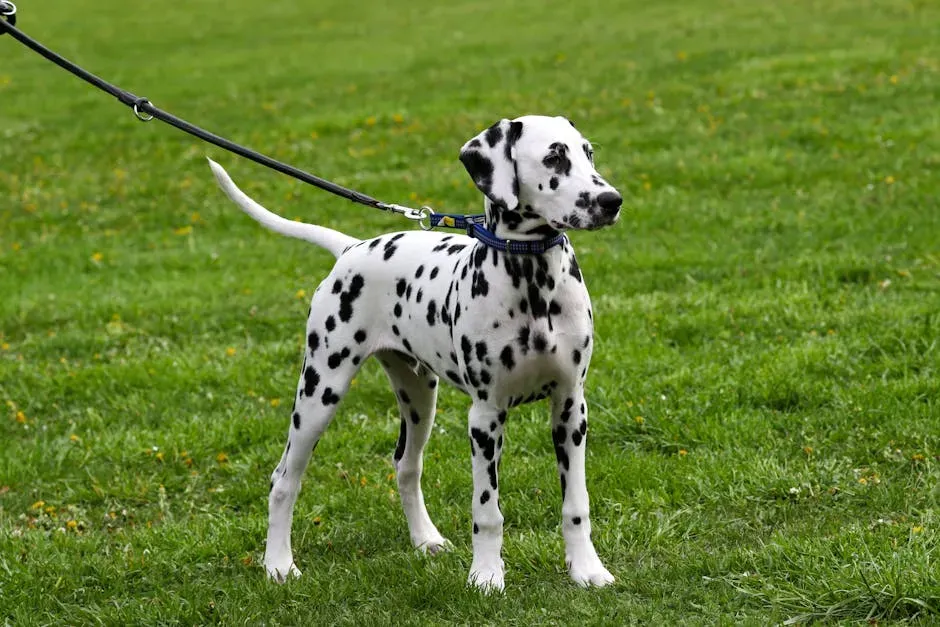
The Dalmatian may look elegant and calm, but it carries a surprising amount of energy. Originally bred to run alongside carriages, this breed needs plenty of daily exercise to stay balanced, and without it, restlessness and destructive habits can creep in. That spotted coat is beautiful. The exercise bill, less so.
Due to their high energy levels, Dalmatians have a strong tendency to pull hard on a leash when they become excited. This makes it genuinely difficult for people with limited mobility to take them for a walk or handle them indoors, which is why they rank among the most unsuitable breeds for seniors. Add their tendency toward stubbornness and a need for consistent socialization, and the picture becomes clear.
7. German Shepherd: Intensity as a Default Setting
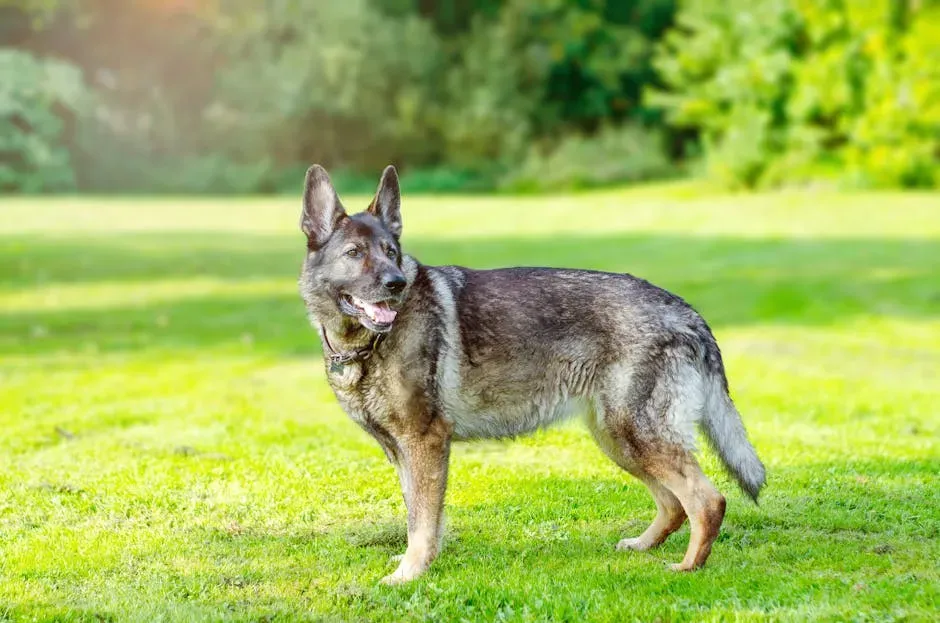
While loyal and protective, German Shepherds are large and can be intense. They require a lot of exercise, mental stimulation, and training. Their size and strength might make them difficult for some seniors to handle comfortably. The breed is brilliant and deeply bonded to its owners, which is part of why it’s so popular. It’s also part of why it’s so demanding.
Breeds with high energy levels, strong-willed personalities, or a tendency to be dominant may pose significant challenges for seniors who have limited physical abilities or difficulty managing such behaviors. German Shepherds fall squarely into that category. They thrive with purpose and structure, which is wonderful in the right hands but genuinely taxing for someone looking for a calm and easygoing companion.
8. Chow Chow: Aloof, Stubborn, and Demanding in Different Ways
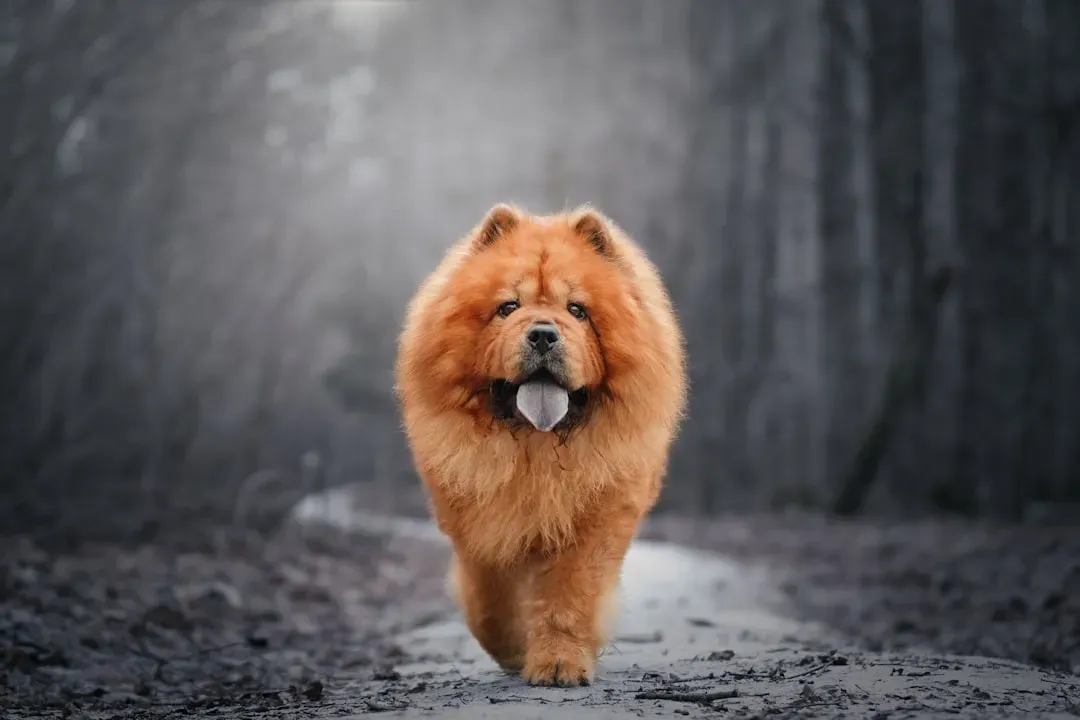
The Chow Chow may look like a living teddy bear, but don’t let the fluff fool you. These dogs are famously aloof and stubborn, often acting more like a cat than a companion. They’re not big on affection, dislike strangers, and need firm, consistent training. For someone over 50 who wants warmth and easy companionship, that personality is a genuine mismatch.
Chow Chows are not the best choice for novice owners because, in addition to being physically strong, they can be quite strong-willed and stubborn. They are also reported to develop a range of allergies and commonly suffer from itchy skin around their paws, skin folds, and ears. Their thick double coat also requires serious grooming, which is far from ideal for anyone seeking low-effort maintenance.
9. Labrador Retriever: A Beloved Breed That Can Overwhelm
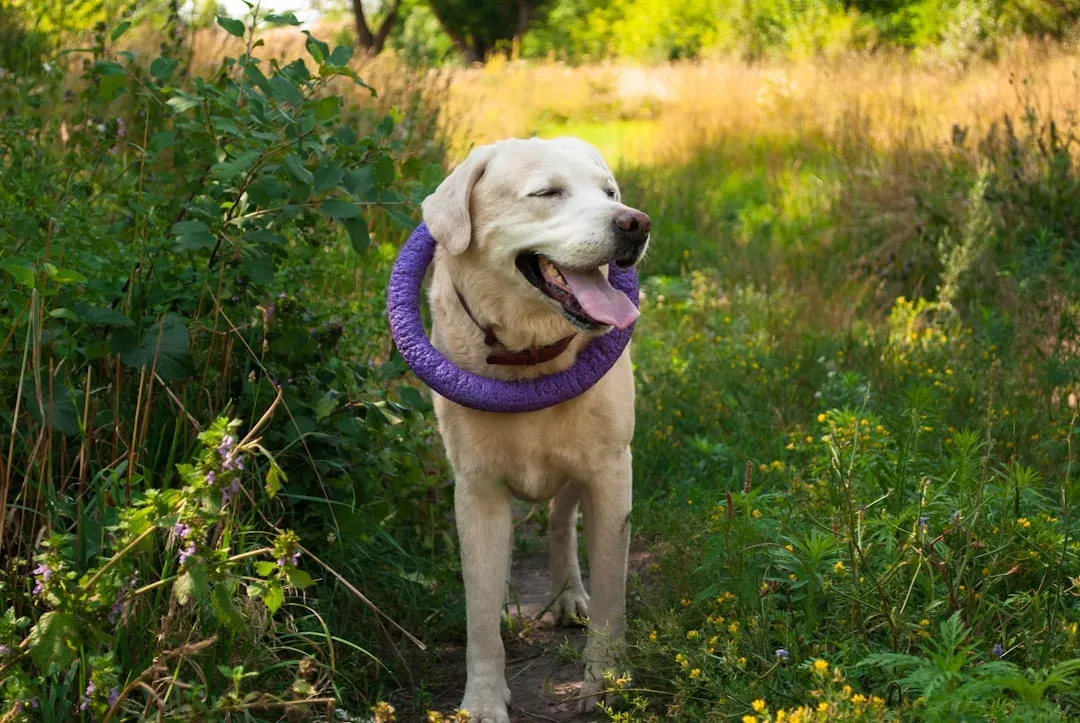
This one surprises people. Labs are routinely celebrated as the perfect family dog, and in many contexts they genuinely are. Labrador Retrievers, known for their friendly and outgoing nature, may not be the most suitable choice for seniors due to their high maintenance requirements. These dogs need a significant amount of attention, time, and exercise to stay mentally and physically healthy, and their energetic nature may be challenging for seniors to keep up with, especially those with limited mobility.
Labrador Retrievers typically weigh between 65 and 80 pounds for a male and 55 to 70 pounds for a female, standing between 21.5 and 24.5 inches at the shoulder. They need to be taken out for exercise on a regular basis. As lovable as they are, their boundless energy, strength, and need for constant activity can become overwhelming, especially for older owners who might prefer a calmer, lower-maintenance companion. The heart is willing, but the leash pull is real.
10. Weimaraner: Bred to Hunt, Impossible to Idle
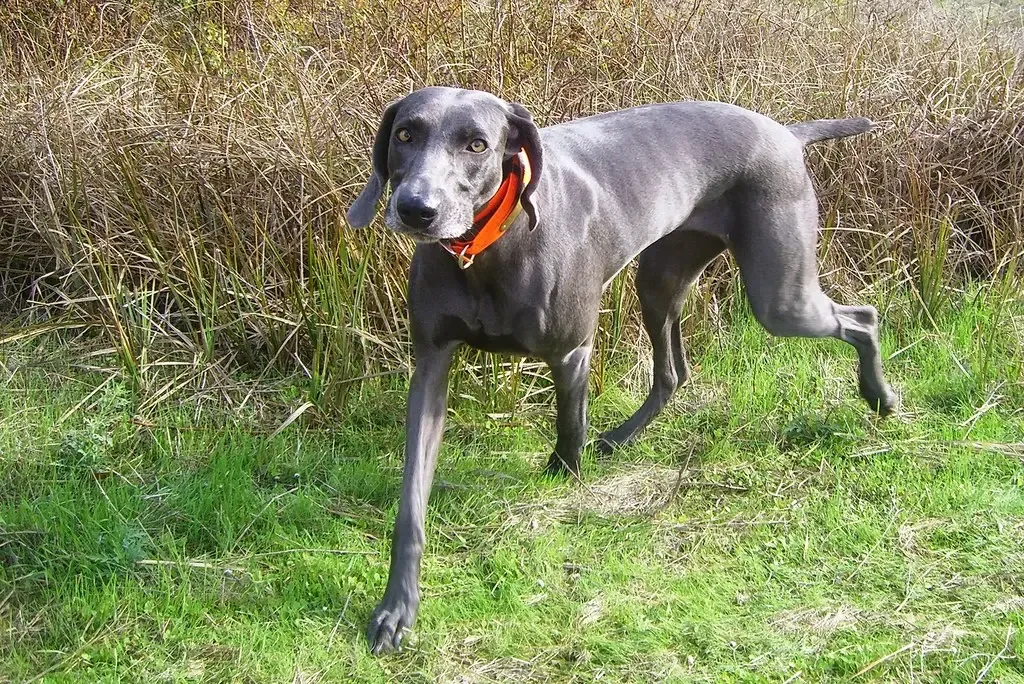
Weimaraners are sleek, stylish, and full of energy, but that’s precisely the problem. These dogs were bred for hunting and don’t do well with downtime. They demand constant mental and physical stimulation, and without it, they’ll find their own entertainment, usually of the destructive kind. They are gorgeous animals with a striking silver coat and an athletic build that turns heads on any trail.
Large and strong dog breeds can pose real challenges for seniors due to their size and physical strength, and handling them can be difficult, especially for individuals with limited mobility or reduced strength. The Weimaraner combines that physical intensity with a highly sensitive, sometimes clingy personality that requires an emotionally invested and physically capable owner. For someone over 50 who values quiet evenings and manageable mornings, this is a breed that will consistently ask for more.
A Final Thought Worth Sitting With

None of the breeds on this list are bad dogs. Every single one of them, in the right home and with the right owner, is a wonderful animal. The issue isn’t the dog. It’s the fit.
A dog can make a wonderful companion , but they also require time and energy. Different breeds have different care requirements, and the best breed would be one that provides unconditional companionship without requiring more time, resources, or attention than the owner can reasonably give.
The honest truth is that choosing the wrong breed doesn’t just inconvenience you. It’s also unfair to the dog. Adopting an adult dog may be a particularly smart option for older adults, as adult dogs tend to be calmer and more settled than puppies, and many are already trained and socialized, making them far easier to manage. The right companion should feel like a gift, not a second job. Get that match right, and the bond you build can be one of the most genuinely rewarding things about this chapter of life.

- 14 Signs a Dog Near the Rainbow Bridge Is at Peace With Its Person - July 21, 2026
- 15 Ways a Shelter Animal Tells You It Was Always Meant to Be Yours - July 21, 2026
- 14 Ways a Dog Shows You Are the Center of Its Whole World - July 21, 2026