

Most songbirds are winding down by the time August heat settles over the meadows. Their nests have long emptied, their chicks have scattered, and the urgency of the breeding season has faded into a quieter summer rhythm. The American Goldfinch, however, is just getting started.
This small, brilliantly colored finch follows a calendar that seems almost deliberately out of step with every other bird around it. Its reasons are rooted in something surprisingly practical, and once you understand them, the goldfinch starts to look less like a late bloomer and more like a genuinely clever one. Here are eleven facts about this remarkable bird that reveal just how well-tuned it really is.
#1. They Are Among the Latest-Nesting Songbirds in North America
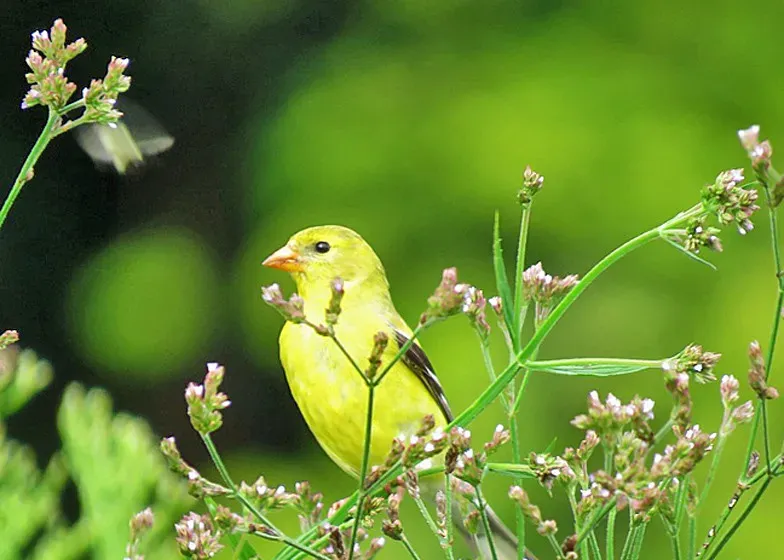
While most species of birds are seeing off their nestlings, the American Goldfinch is just getting started with the breeding process. It’s one of the last songbirds to breed each summer. Nesting happens during the dog days of July and August, one of the latest starts to the nesting season of any North American songbird.
These late bloomers often wait until late August to lay their eggs, and it’s not unheard of for them to wait until early fall. This is striking when you consider that robins and warblers may already be on their second or third brood by the time goldfinch eggs are first appearing in the nest.
#2. Their Late Timing Is Tied Directly to Thistle and Milkweed
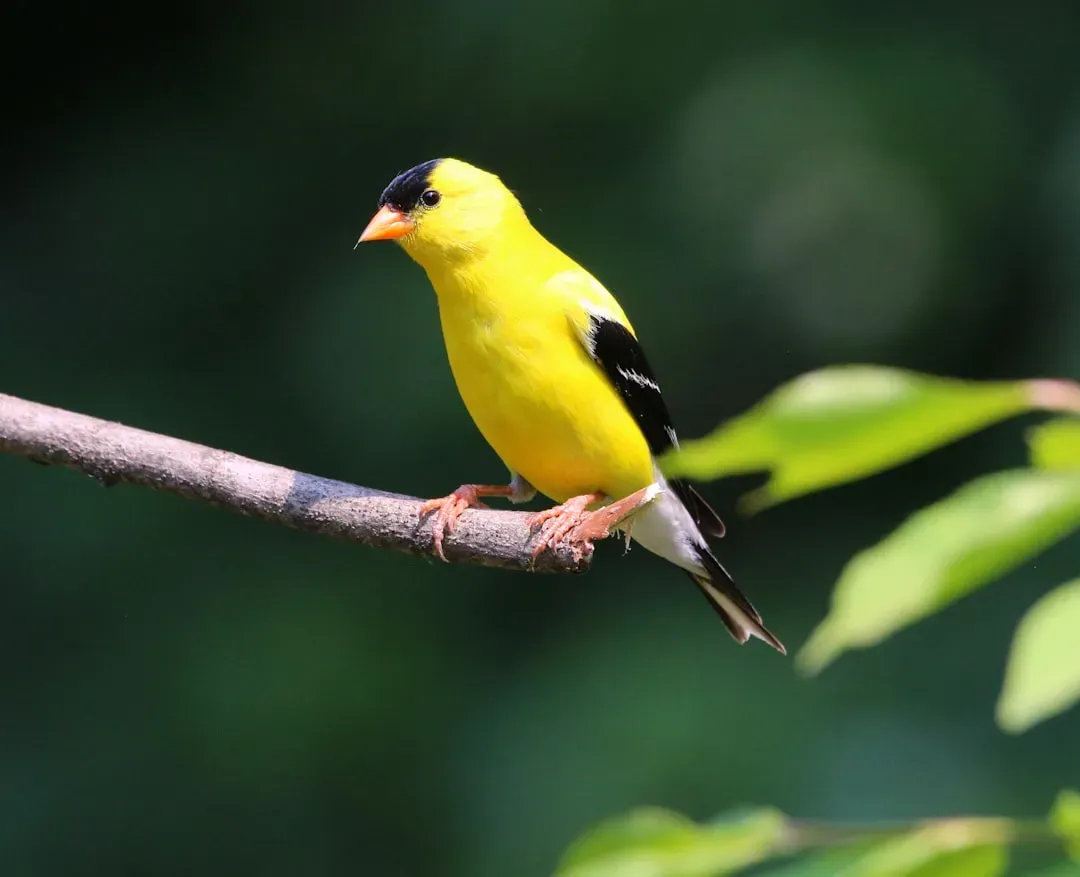
American Goldfinches breed later than most North American birds. They wait to nest until June or July when milkweed, thistle, and other plants have produced their fibrous seeds, which goldfinches incorporate into their nests and also feed their young.
It’s believed that the blooming cycle of thistle plants plays a crucial role in dictating when goldfinches nest. The fluffy seed heads from thistles serve as essential nesting materials, and as late summer approaches, these plants set seed, which is eaten by the adults and regurgitated to the young back at the nest. The entire reproductive schedule of the goldfinch is essentially built around one plant family’s calendar.
#3. The Nest Is an Engineering Marvel
The nest, built by the female, is a solid, compact cup of plant fibers, spiderwebs, and plant down, especially from thistles. It is so well-made that it may even hold water. That’s not a figure of speech. The weave is genuinely tight enough to pool rainwater if the nest tilts.
The nest is an open cup of rootlets and plant fibers lined with plant down, often woven so tightly that it can hold water. The female lashes the foundation to supporting branches using spider silk, and makes a downy lining often using the fluffy material taken from the same types of seedheads that goldfinches so commonly feed on. It takes the female about six days to build the nest, and the finished structure is about three inches across on the outside and two to four and a half inches high.
#4. The Female Does All the Building – the Male Guards
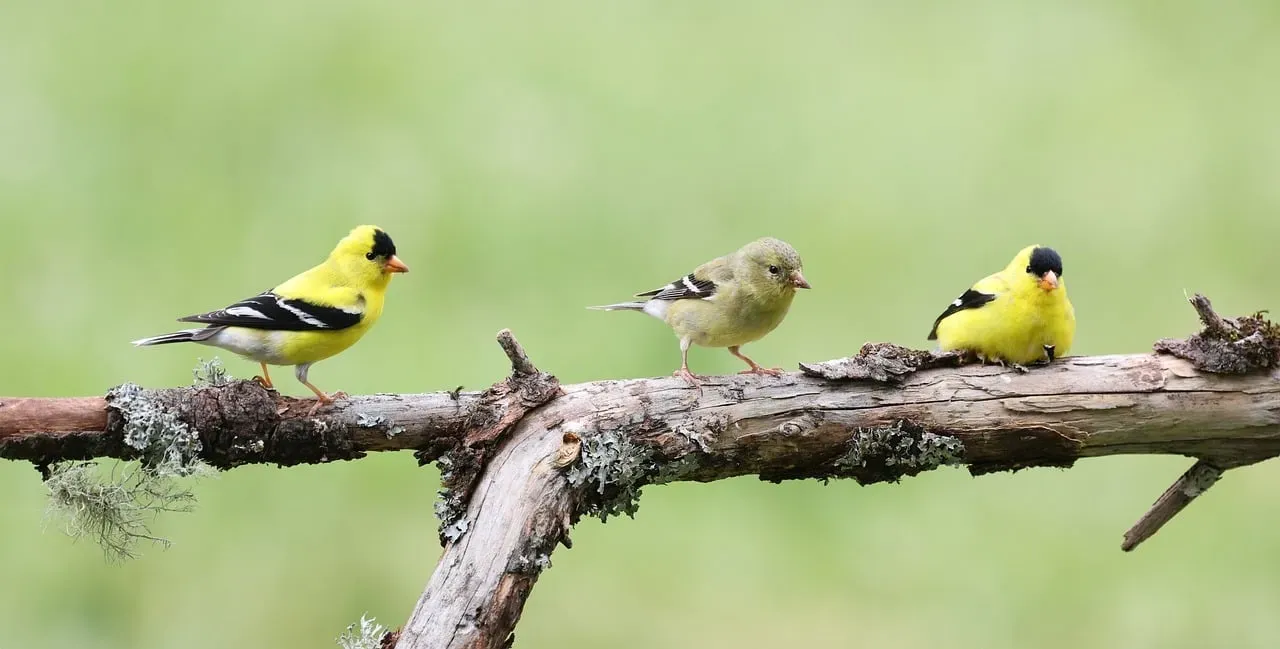
The female American Goldfinch chooses the nest site, builds the nest, and incubates the eggs all on her own. The male feeds the female on the nest throughout incubation and takes on an ever-increasing role in feeding the nestlings as they grow older.
The female builds a small nest just two inches wide inside and under three inches deep outside, while the male guards her and their territory during this time. Initially the male brings food and the female gives it to the young, then both parents feed the nestlings, with the role of the female gradually declining so that the male may provide most of the food in later stages.
#5. They Are Among the Strictest Vegetarians in the Bird World
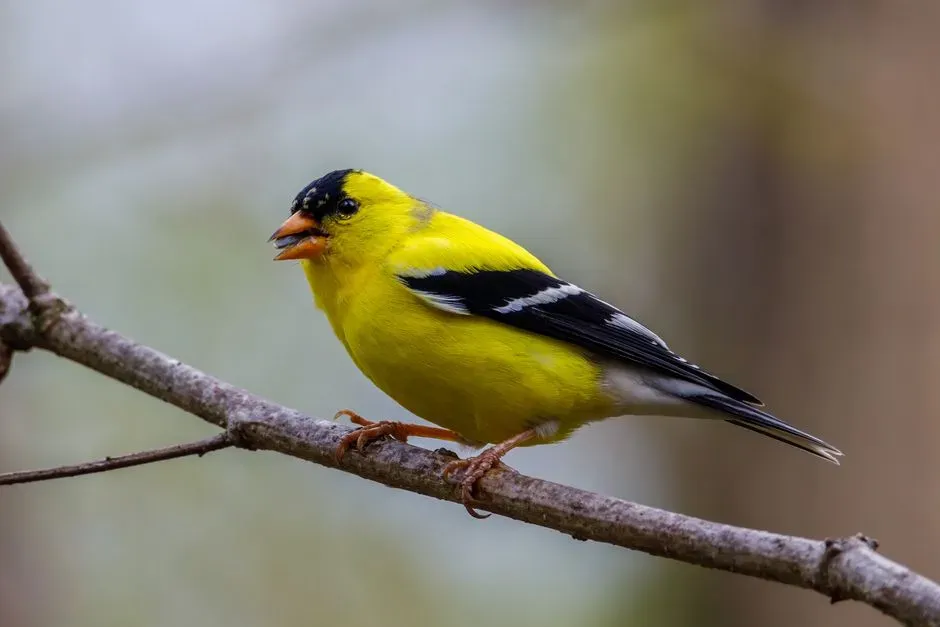
Goldfinches are among the strictest vegetarians in the bird world, selecting an entirely vegetable diet and only inadvertently swallowing an occasional insect. This is genuinely unusual. The vast majority of songbirds, even committed seed eaters, switch to insects when feeding their chicks.
A wide variety of songbirds primarily eat seeds as adults, but these same birds usually have a primarily insect-based diet as nestlings. Insects have more protein than seeds, and nestlings need lots of protein to grow and fledge. Without protein-rich insects, nestlings won’t grow properly and will often die before leaving the nest. This is true for most seed-eating songbirds, but not the American Goldfinch, which almost exclusively eats seeds throughout its whole life, even as nestlings.
#6. Their All-Seed Diet Accidentally Defeats Cowbird Parasitism
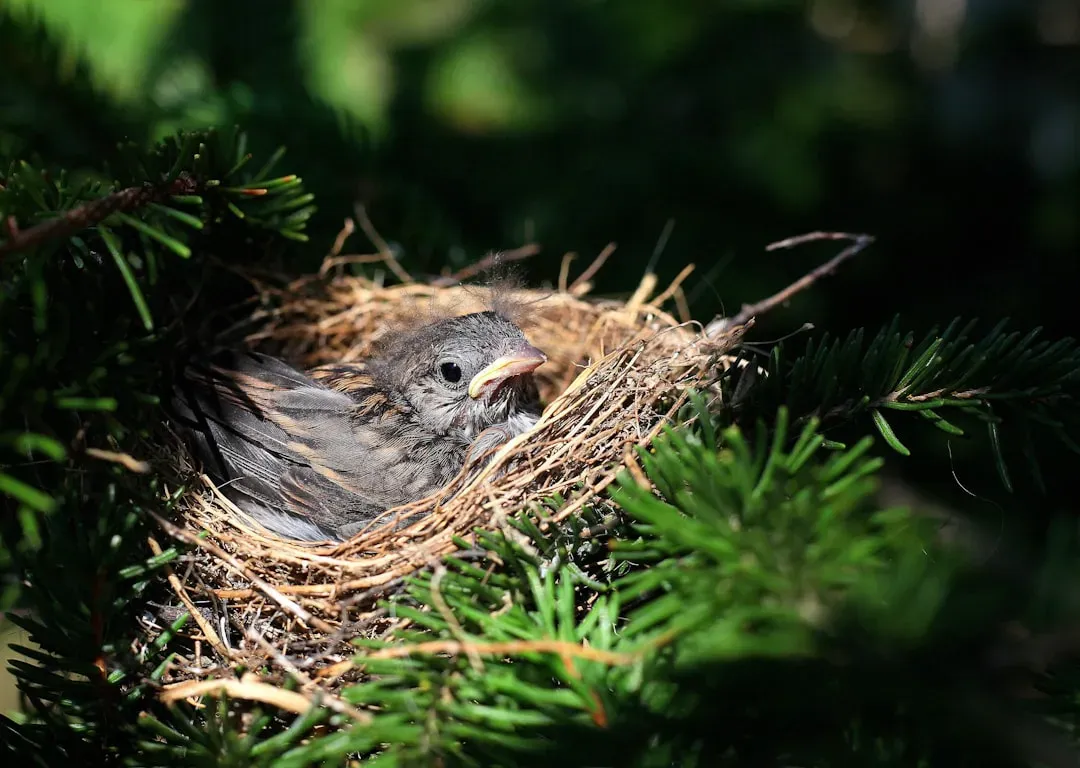
When Brown-headed Cowbirds lay eggs in an American Goldfinch nest, the cowbird egg may hatch, but the nestling seldom survives longer than three days. The cowbird chick simply can’t survive on the all-seed diet that goldfinches feed their young.
This reliance on seeds protects finch chicks from the trickery of Brown-headed Cowbirds. After hatching, young cowbirds often outcompete their nestmates for food brought by the adults, thanks in part to extra strong neck muscles. That strategy works in most nests, but not this one. The all-seed menu is simply incompatible with a cowbird chick’s nutritional needs.
#7. Goldfinches Molt Twice a Year – and Only They Do It This Way
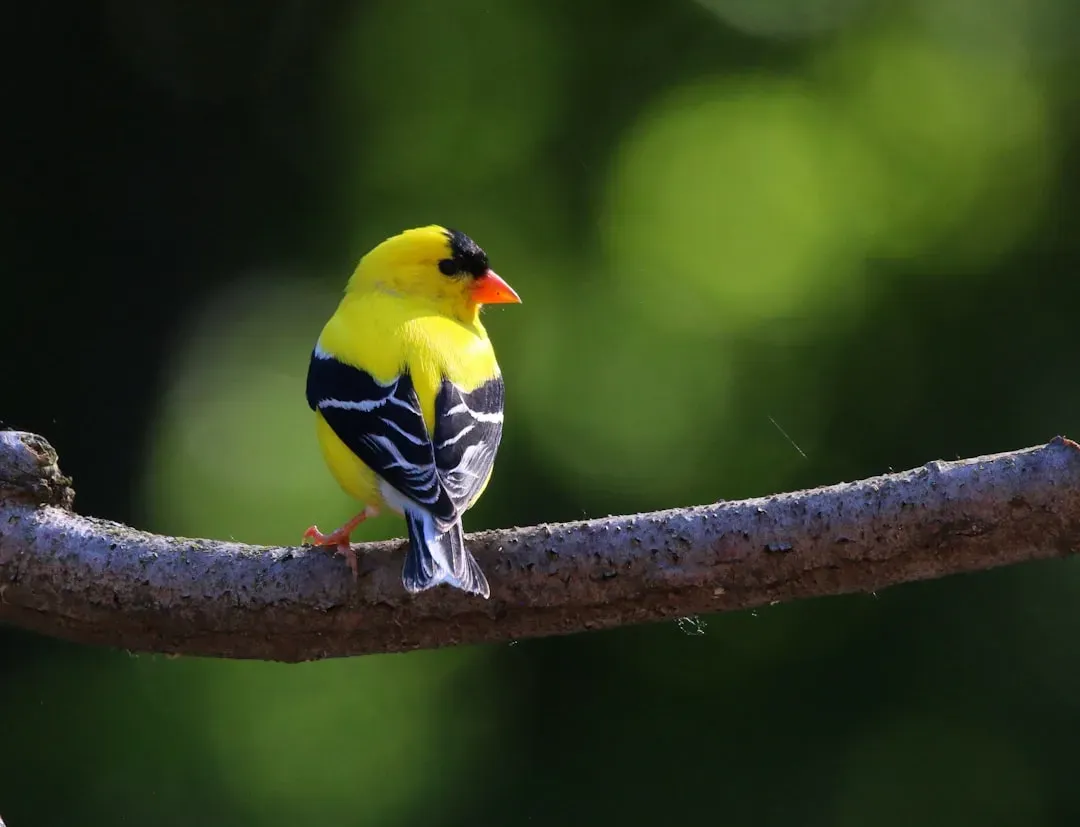
American Goldfinches are unusual among goldfinches in molting their body feathers twice a year, once in late winter and again in late summer. Unlike many birds, goldfinches completely molt their feathers twice a year, before breeding in the spring and after nesting in the fall. Like many other species, they perform a complete molt in the autumn, growing a new set of feathers that are much denser than their summer plumage. These soft feathers provide an additional layer of insulation to help keep them warm throughout the winter.
Unlike many birds, the American Goldfinch undergoes a complete molt each spring, a process that requires a large amount of nutrients and energy, which probably diminishes their ability to nest earlier in the season. So the late nesting isn’t just about food availability. Part of it is simply that the spring molt costs so much energy that breeding earlier isn’t physically possible.
#8. Their Beaks and Legs Change Color With the Seasons
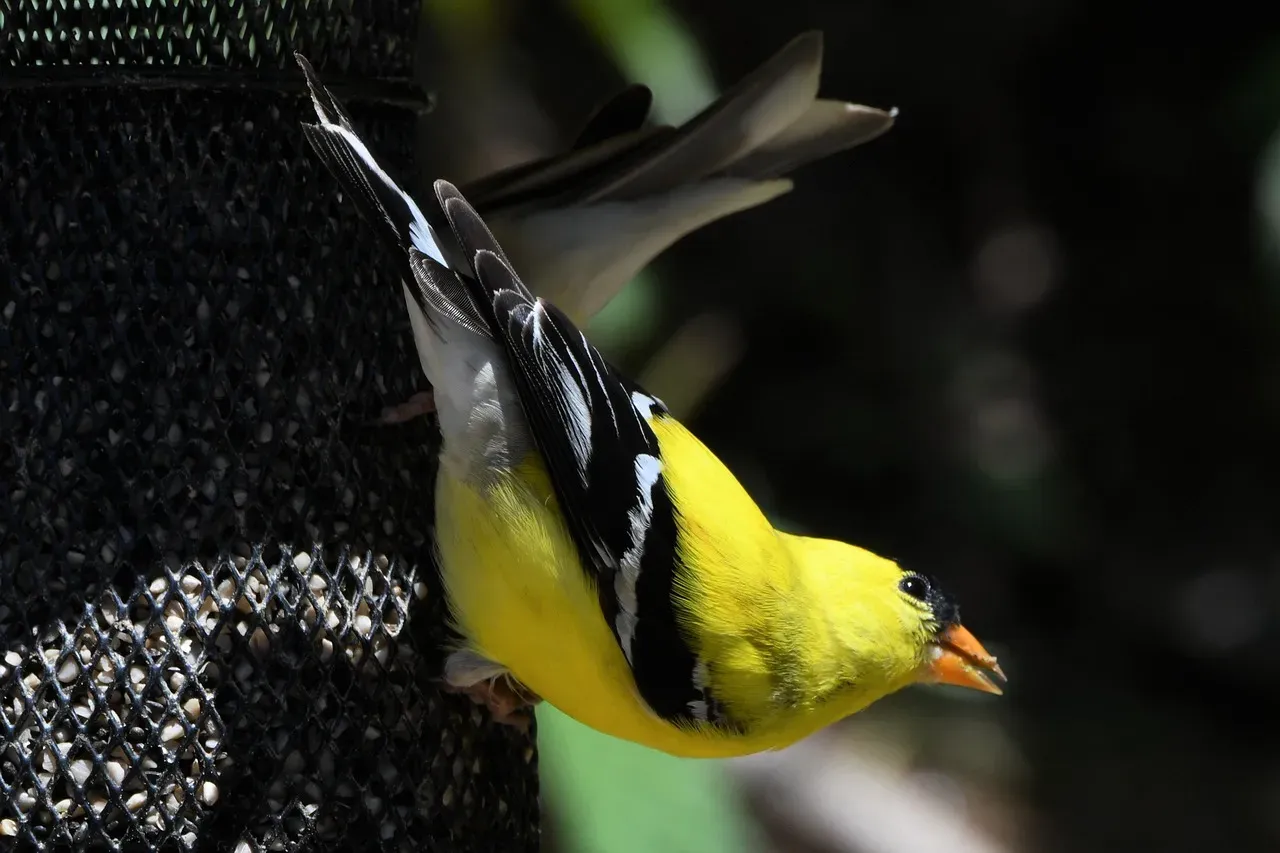
Their dramatic seasonal shift goes beyond plumage. Both male and female American Goldfinches take on a cheerful orange beak during breeding season, and research suggests that a brighter bill makes a female more respected within a flock. When it’s off-season, male and female bills fade to a dark gray color.
Research suggests that females use the brightness of the male’s feathers and his bill as signals of his health and suitability as a partner. According to this research, the bright yellow feathers signal his previous health when he was molting into his breeding plumage, while the orange bill, which can change color much faster than the feathers, is a sign of his current health. It’s a remarkably layered signal system, communicating both history and present condition at the same time.
#9. Mated Pairs Develop Identical Flight Calls
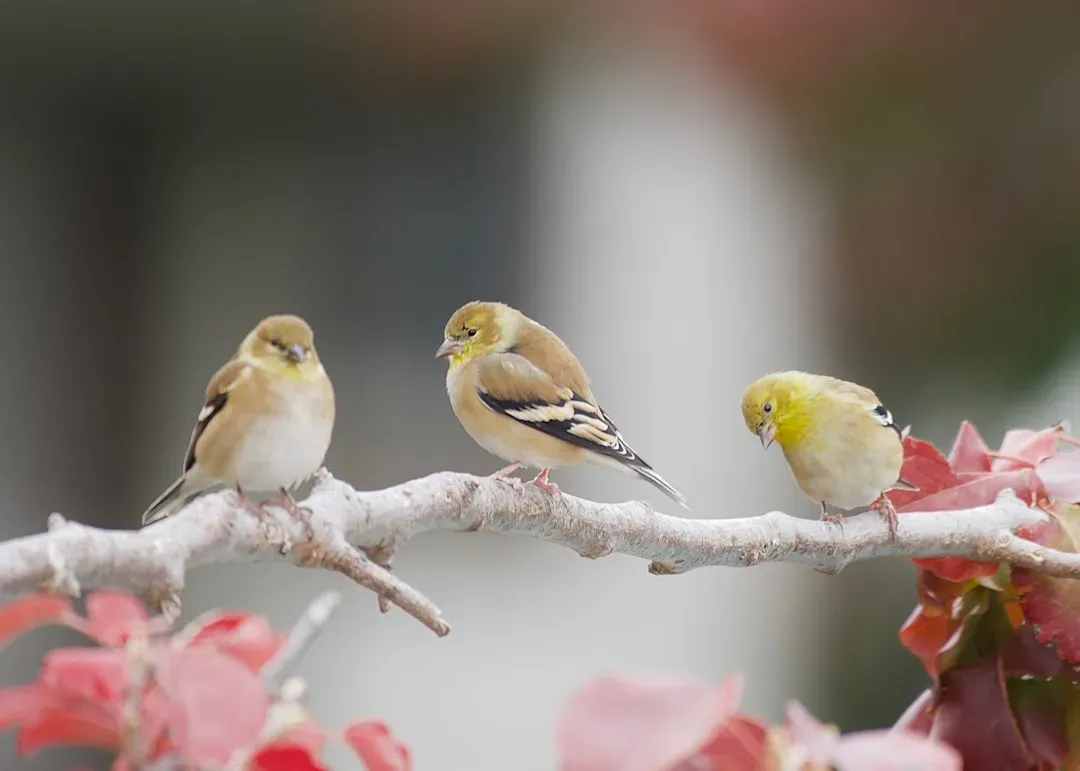
All that potato-chipping may sound the same to us, but goldfinches, along with several other types of finches, seem to be able to recognize differences in individuals’ flight calls. Once mates pair up, they begin to make nearly identical calls. Goldfinches tend to travel in flocks, so researchers believe the couple’s shared tune may allow them to find each other or be recognized as a unit by their peers.
Once they form a pair bond, the male and female develop identical flight calls. They time their chirps with their flight pattern, which can be easily identified by its bouncy shape: a dip down, a zip back up. They vocalize on the up bits. Watching a mated pair move through a meadow in perfect rhythmic sync is one of the more quietly remarkable things birding has to offer.
#10. First-Time Nesters Start Even Later Than Adults
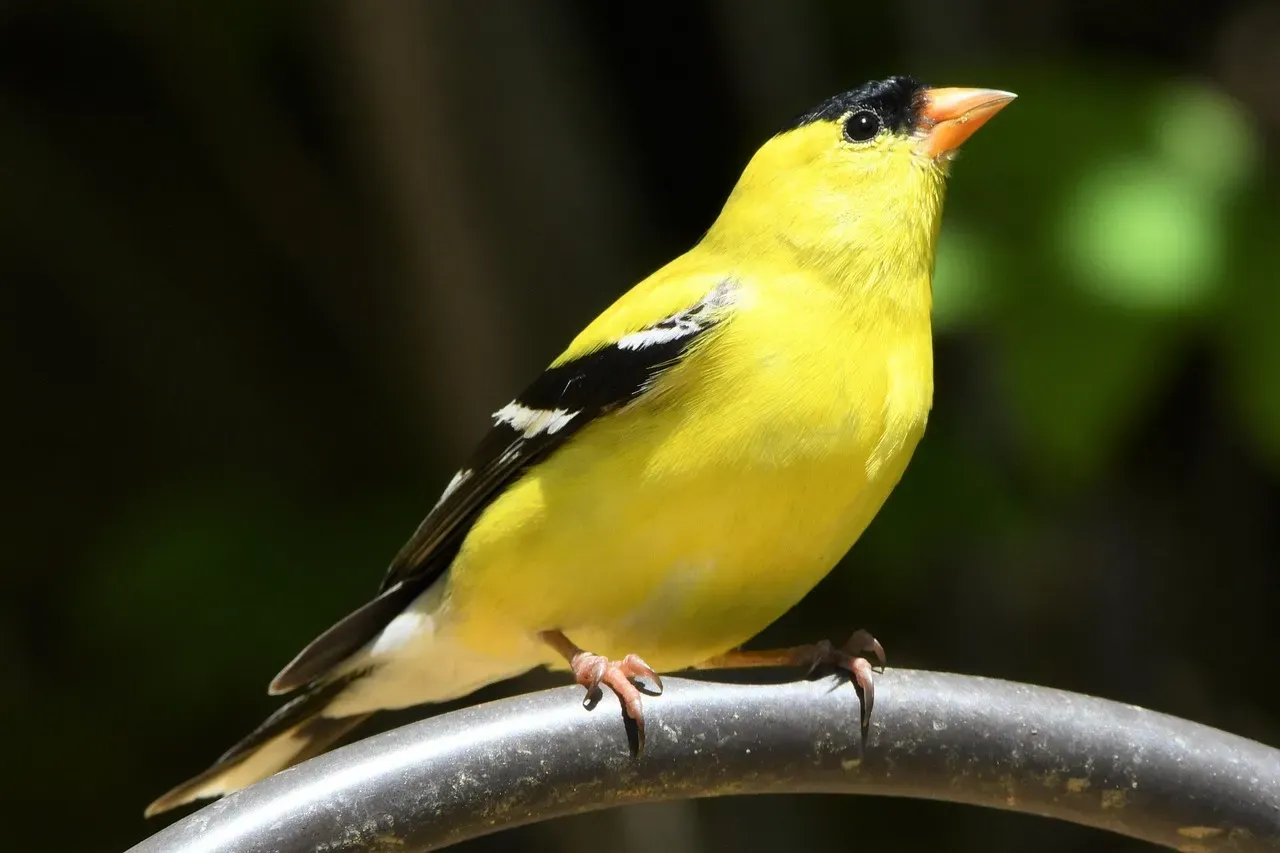
When breeding for the first time, young American Goldfinches will begin nesting at least two weeks later than experienced adults. This is an interesting wrinkle in an already late schedule. A bird that already nests later than almost anyone else manages to nest even later when it’s a first-timer.
American Goldfinches typically have only one brood per year, although veteran females may produce an additional brood. To facilitate a second nesting, a female will leave her original mate in care of the first brood and find a new male as her partner for the second nesting. Between seven and fifteen percent of female goldfinches will attempt a second clutch. It’s a bold move, essentially starting over mid-season.
#11. They Are the State Bird of Three U.S. States – Under Three Different Names
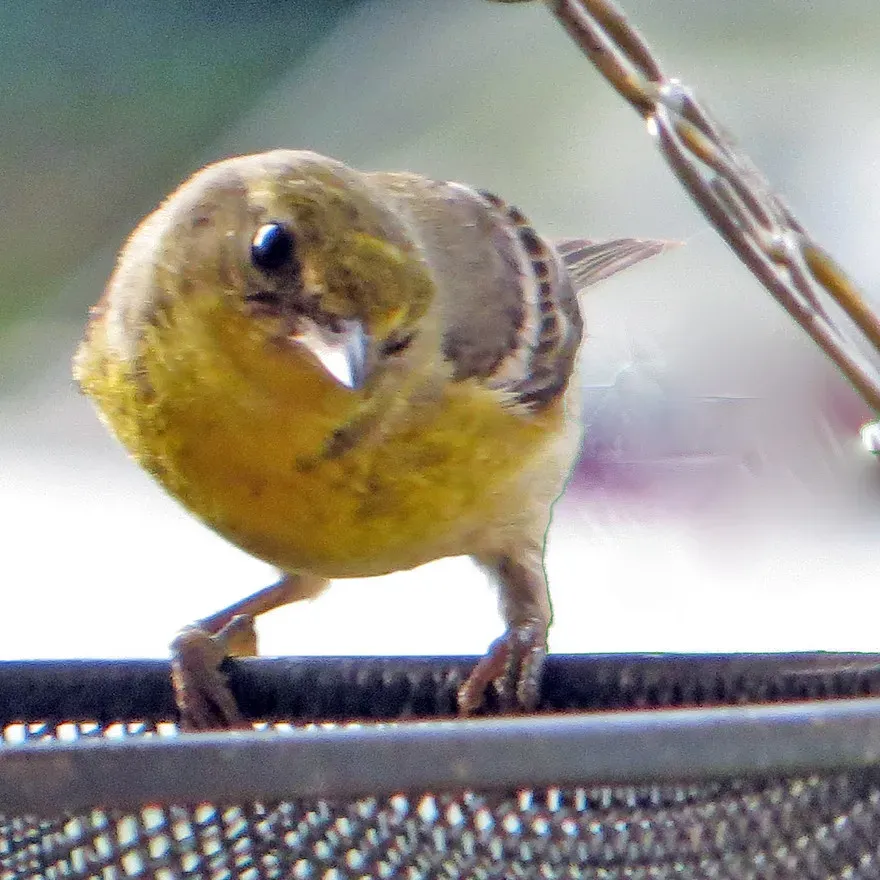
What do New Jersey, Iowa, and Washington have in common? All of them celebrate the American Goldfinch as their state bird, but none of them use that name. New Jersey and Iowa call their state bird the Eastern Goldfinch, while Washington claims the Willow Goldfinch. They’re all the American Goldfinch, though, with the names referring to subspecies on the Pacific and Eastern coasts.
American Goldfinches are common, but their numbers decreased by an estimated fraction of a percent per year between 1966 and 2019 for a cumulative decline of roughly a quarter of the population, according to the North American Breeding Bird Survey. Partners in Flight estimates a global breeding population of 44 million and rates them as a species of low conservation concern. Appreciated by three states and loved by backyard birders across the continent, the goldfinch is thriving enough, though the modest long-term decline is a reminder that even common species benefit from thoughtful habitat stewardship.
A Bird Worth Watching in a Different Way
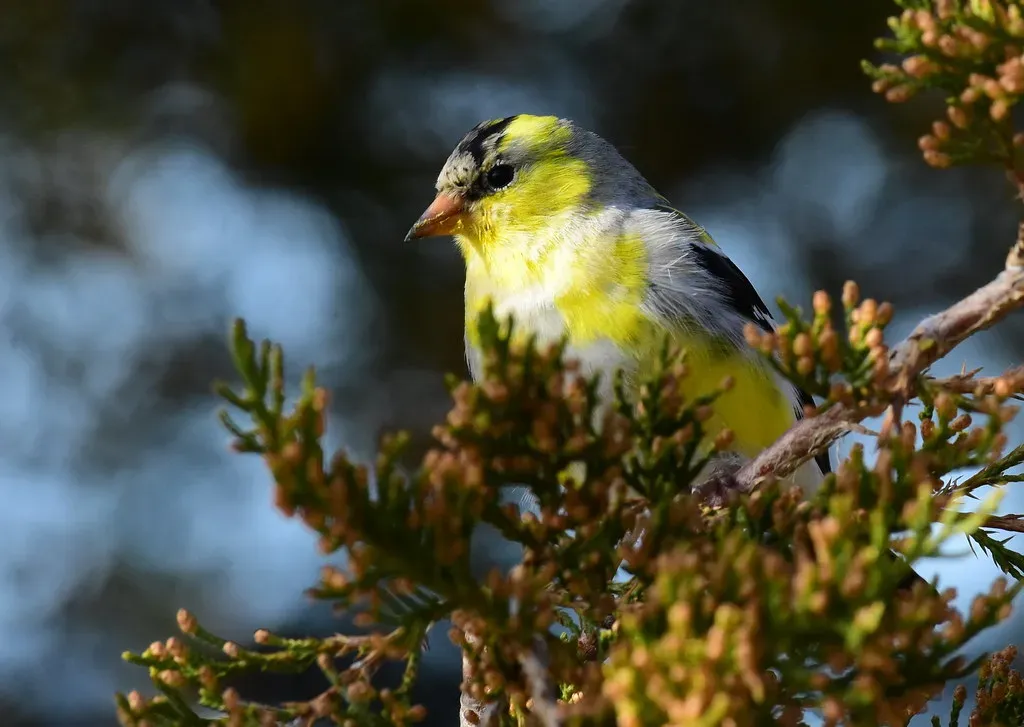
The American Goldfinch rewards patience in a way that most summer birds don’t. While others rush to breed in spring and disappear by midsummer, the goldfinch is building nests in August, raising chicks in September, and filling the late-season meadows with color long after the rest of the songbird crowd has gone quiet.
Its whole existence is calibrated to a different clock, one set not by temperature or photoperiod alone, but by the specific seed cycles of plants most other birds simply ignore. Understanding that connection changes how you see both the bird and the weedy fields it calls home.
The next time you spot a flash of yellow moving through a late-summer thistle patch, you’re not watching a straggler. You’re watching a bird doing exactly what it was designed to do, right on time.

- 7 Apex Predators That Are Actually Afraid of One Specific Animal Smaller Than Themselves and the Encounters That Confirmed It - July 18, 2026
- 10 Animals That Researchers Confirmed Can Recognize Themselves in a Mirror – and the One Near the Bottom of the List That Rewrote the Criteria Entirely. - July 18, 2026
- 6 Most Shark-Dense Coastlines Outside the United States That Tourism Boards Have Been Very Quiet About - July 18, 2026