

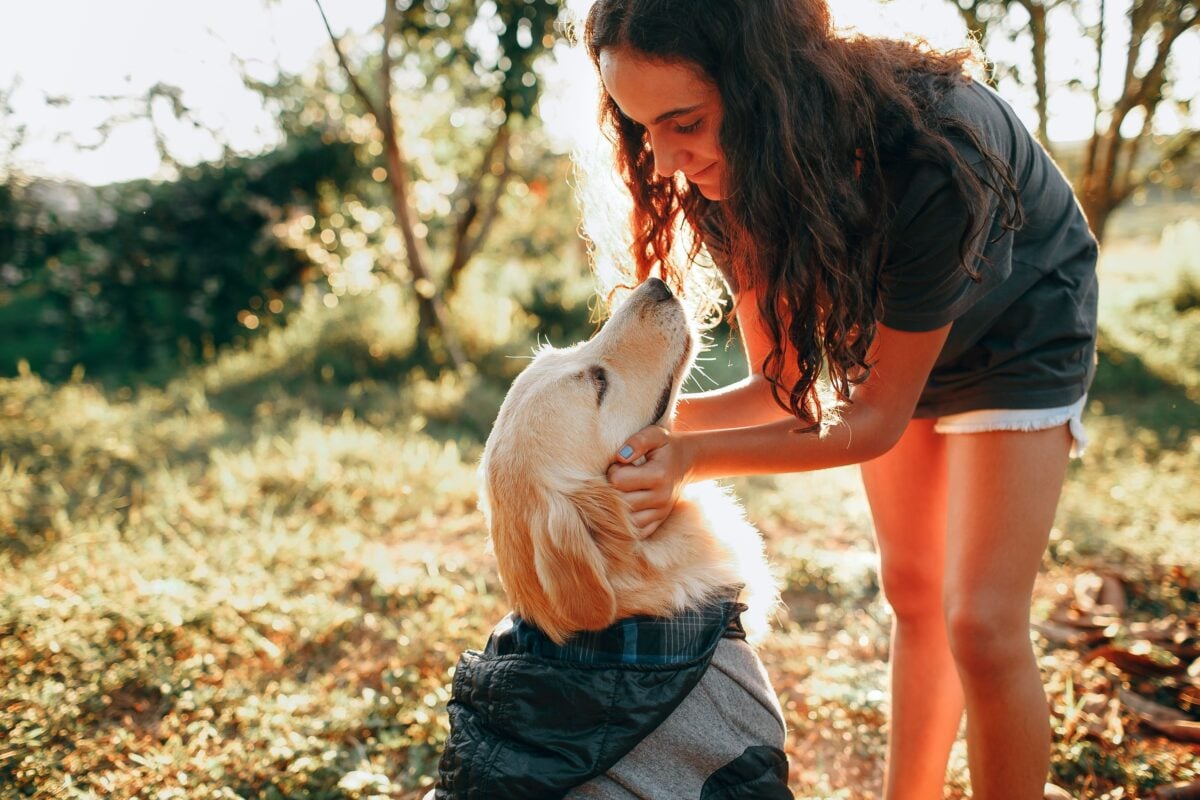
There’s a reason your dog still races to the door when your car pulls into the driveway, even after years of the same routine. Something in that moment tells them exactly who’s arriving before they even see a face. Scientists have spent the last decade trying to understand what’s actually happening inside a dog’s brain during those moments of recognition, and the answers are more layered than most people expect. What follows isn’t just a list of cute behaviors. It’s a look at how a dog’s memory actually works, built on real research into scent, sound, emotion, and the strange, wordless way dogs hold onto the people who matter to them.
The Sound of Your Voice
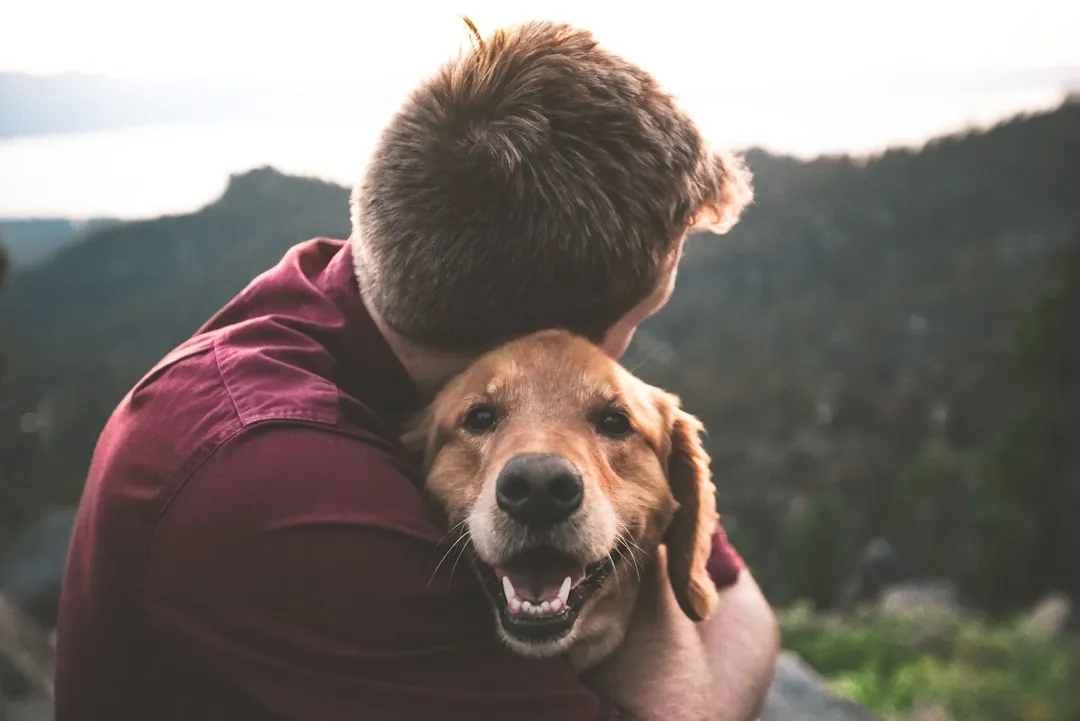
Long before a dog sees you, they hear you, and that sound alone can trigger a cascade of recognition. Research shows dogs have brain regions that respond strongly to human faces, helping them recognize familiar people, and when a dog hears a familiar voice, they expect to see that person’s face. That expectation isn’t random. It reflects a genuine link between what a dog hears and what a dog remembers seeing, stored together as one experience rather than two separate pieces of information.
This pairing of sound and image is part of why dogs seem almost psychic about a returning family member’s footsteps or a car engine. When a dog hears a familiar voice, they expect to see that person’s face, demonstrating a strong link between auditory and visual memory. Voice recognition also explains why phone calls or recorded messages can genuinely soothe an anxious dog left behind. It isn’t just noise to them. It’s a signal tied to a specific, familiar presence.
Your Unique Scent

Smell is arguably the most powerful thread connecting a dog’s memory to its favorite human. A dog’s sense of smell is 10,000 to 100,000 times more powerful than ours, meaning they don’t just recognize you visually, they smell your story. That scent isn’t a single note either. It carries traces of where you’ve been, what you’ve touched, and how your body has changed over time, all folded into one recognizable signature.
Brain imaging backs up just how deeply this scent memory runs. A 2014 fMRI study by Emory University showed dogs had increased brain activity in the caudate nucleus, the reward center, when smelling their owner’s scent, even when the human wasn’t present. In practical terms, that means a worn t-shirt or an unwashed pillowcase left behind during a trip can function almost like a placeholder for you. The scent alone can trigger real feelings of comfort, not just simple recognition.
How You Made Them Feel

Dogs may not remember exact dates or specific conversations, but they seem to hold onto emotional tone with remarkable precision. At the core of a dog’s lasting memory is emotion, since dogs are experts at remembering how someone made them feel, whether that emotion is love, fear, safety, or anxiety. This is less about memorizing events and more about filing away a general emotional impression that colors every future interaction with that person.
The brain structure behind this is well documented. The amygdala plays a crucial role here, as it’s the part of the brain that processes emotion and memory. A person who consistently offers gentleness gets filed under safety. Someone associated with yelling or unpredictability gets filed elsewhere, and that emotional label tends to stick around long after specific incidents fade from relevance.
Consistency and Kindness Over Time
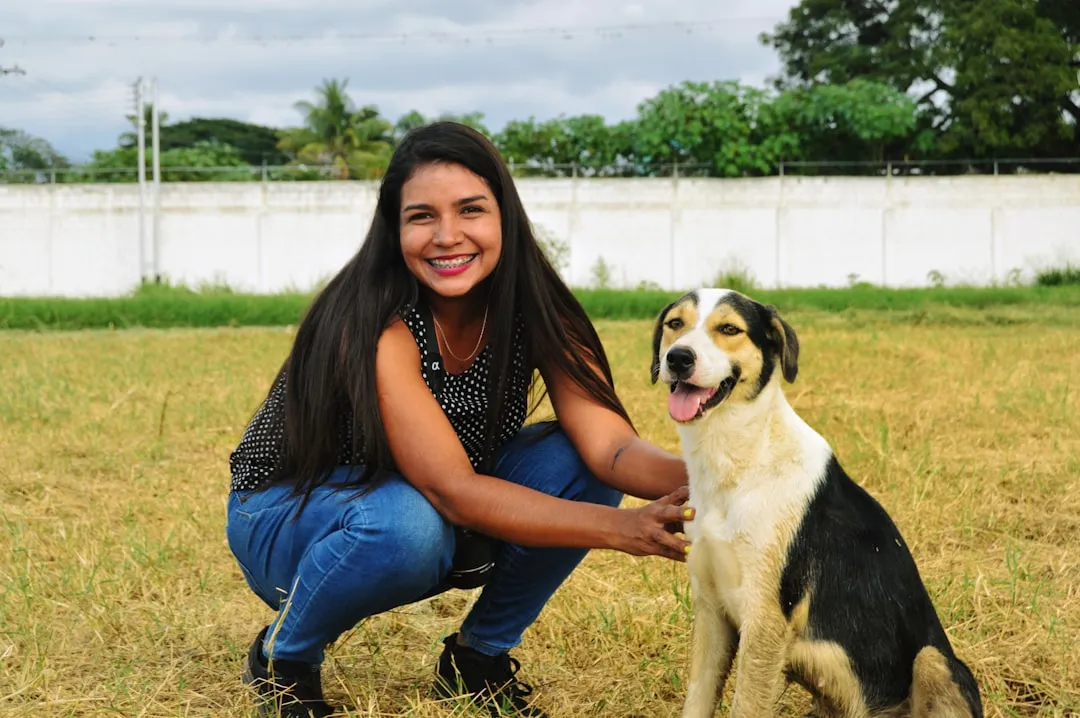
Repetition matters just as much as any single dramatic moment. If a dog has a consistent, loving caretaker, the memory is tied to feelings of comfort and happiness. It’s less about one grand gesture and more about the accumulated weight of a thousand ordinary days, the same gentle tone, the same reliable hands, the same steady presence.
This is also why dogs often bond most tightly with whoever handles their daily needs, rather than whoever gives the flashiest attention occasionally. Dogs are social animals who learn who feeds them, who walks them, who makes them feel safe, who plays with them, and who makes them nervous, and over time these experiences become associations. Small, steady acts of care essentially write themselves into permanent emotional shorthand.
Moments of Fear or Distress
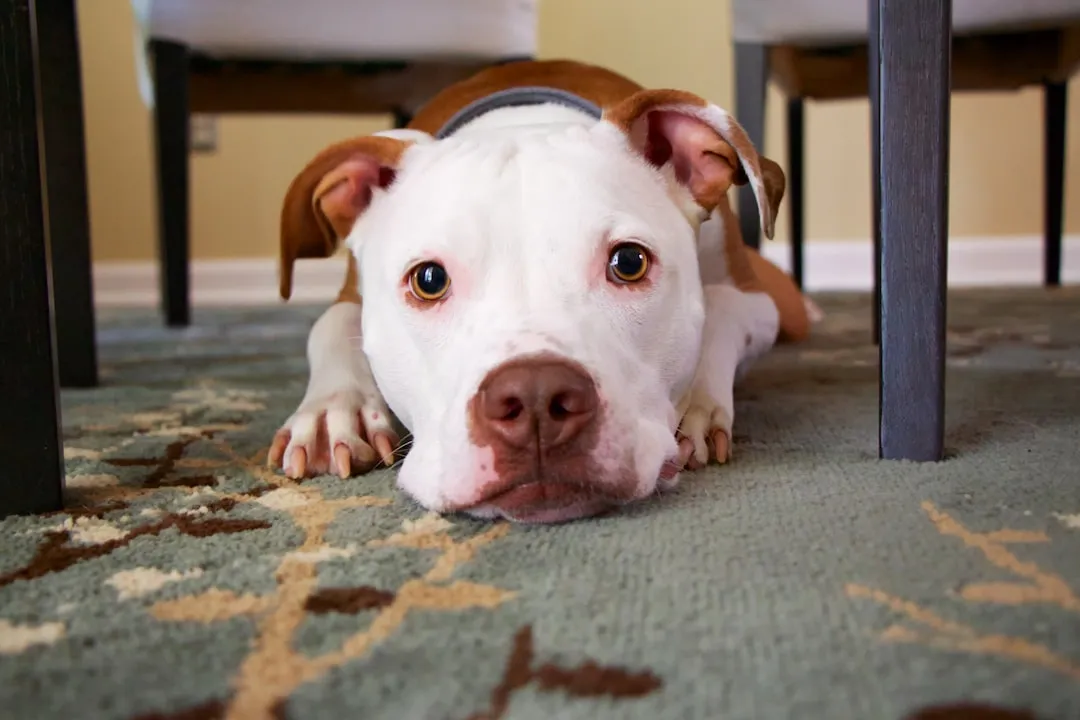
Unfortunately, the same emotional wiring that stores comfort also stores fear, and it doesn’t discriminate based on how minor the moment seemed at the time. Positive reinforcement during training can create strong, lasting memories, but unfortunately, negative experiences can have the same lasting effect, which is why gentle, reward based training methods are essential. A single frightening episode, a raised voice, a slammed door, a rough correction, can lodge itself in memory just as firmly as years of kindness.
This is part of why rescue dogs sometimes react strongly to specific triggers, like a certain tone of voice or a particular object, without any obvious current threat. Sadly, dogs can retain negative associations from abuse or fear-based events. The flip side is encouraging though. A patient, consistent presence after a scary event can often help rewrite that emotional association over time, layering new, safer memories on top of the old ones.
Your Face and Expressions
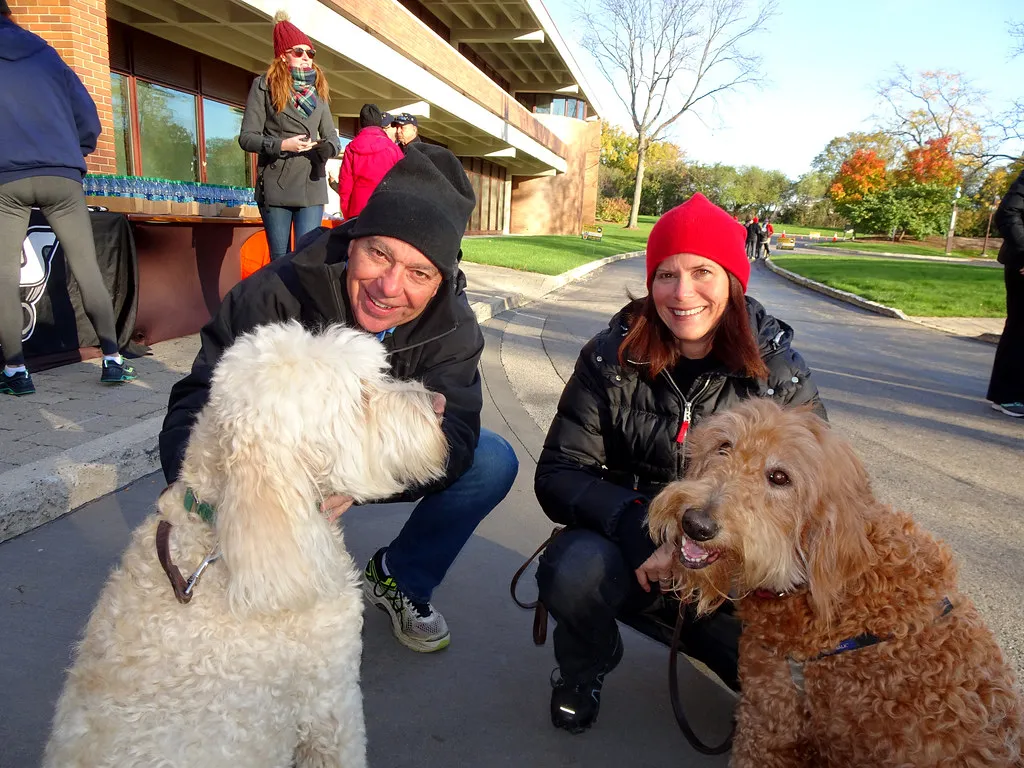
Dogs read faces with more sophistication than most people assume, picking up on subtle shifts most humans would miss in each other. Studies have found parallels between dog and human brains, and researcher Gregory Berns found an area linked to facial processing in the canine temporal lobe. That dedicated brain space suggests facial recognition isn’t incidental for dogs. It’s a genuine, specialized skill.
Beyond just recognizing a face, dogs also interpret what that face is communicating. Research found that dogs generally chose the human who had shown a positive expression and avoided the human who had shown a negative one, suggesting dogs can acquire information from emotional expressions and infer emotional states. That means your dog isn’t just cataloging your features. They’re constantly reading your mood, and remembering what your different expressions have typically meant for them in the past.
Shared Routines and Rituals

The predictable rhythms of daily life, morning walks, feeding times, bedtime rituals, become deeply embedded parts of a dog’s relationship with their person. Dogs rely more on associative memory, meaning they remember experiences by linking emotions, smells, and sounds to what happened. A routine isn’t just a schedule to a dog. It’s a repeated emotional experience that reinforces the bond every single time it happens.
This associative pattern also explains oddly specific triggers, like excitement over a particular jacket or a certain set of car keys. When a dog hears a car pull into the driveway or smells a favorite hoodie, they don’t remember the exact moment someone left, but they associate that sound or scent with that person, and it triggers excitement. Over months and years, these small sensory cues become woven into a much larger emotional map of what life with you actually feels like.
The Comfort of Physical Touch
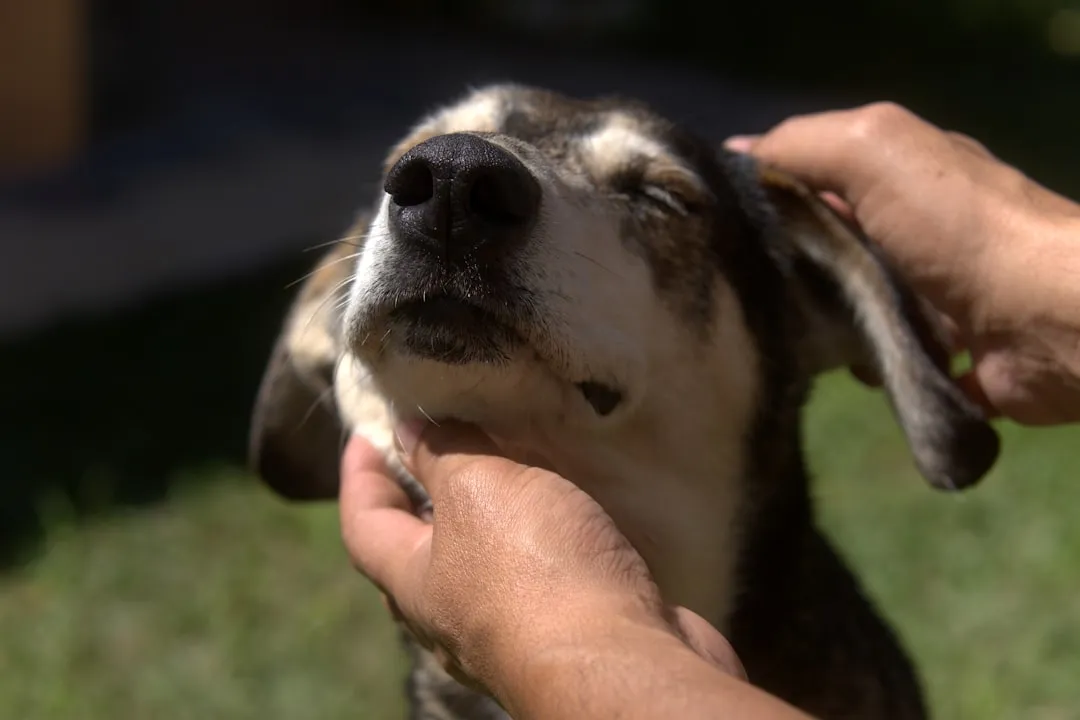
Touch carries its own kind of memory, separate from scent or sound but just as powerful in shaping a dog’s emotional world. Positive interactions, such as gentle touches, treats, and playtime, strengthen the emotional bond and reinforce a positive memory. A dog who has been regularly held, scratched behind the ears, or comforted through a storm builds an entire library of physical reassurance tied to specific hands.
This is part of why some dogs lean into certain people immediately, almost on instinct, while staying wary of others despite identical body language or tone. Emotional and physical memory work together here, layering years of gentle contact into something closer to trust than simple habit. It’s less about any single cuddle session and more about the cumulative pattern of how touch has consistently made them feel over time.
Reunions After Long Separations

Perhaps nothing demonstrates emotional memory more clearly than a dog’s reaction to being reunited with someone after months or years apart. There are numerous cases where dogs separated from their owners for five to ten years showed instant recognition upon reunification, demonstrating that dogs do not forget those who made a lasting emotional impression, regardless of time apart. These aren’t rare anomalies either. They’re consistent enough across documented cases to represent a genuine pattern in canine memory.
The intensity of that reunion reaction often correlates directly with the strength of the original bond. A dog that has shared a strong emotional bond with a person is very likely to remember them even after a long absence, though factors like the quality and frequency of interaction, and the dog’s age and health, matter a lot here. A dog who spent years being genuinely cared for tends to react far more dramatically upon reunion than one whose bond was more casual or inconsistent.
The Feeling of Being Someone’s Whole World
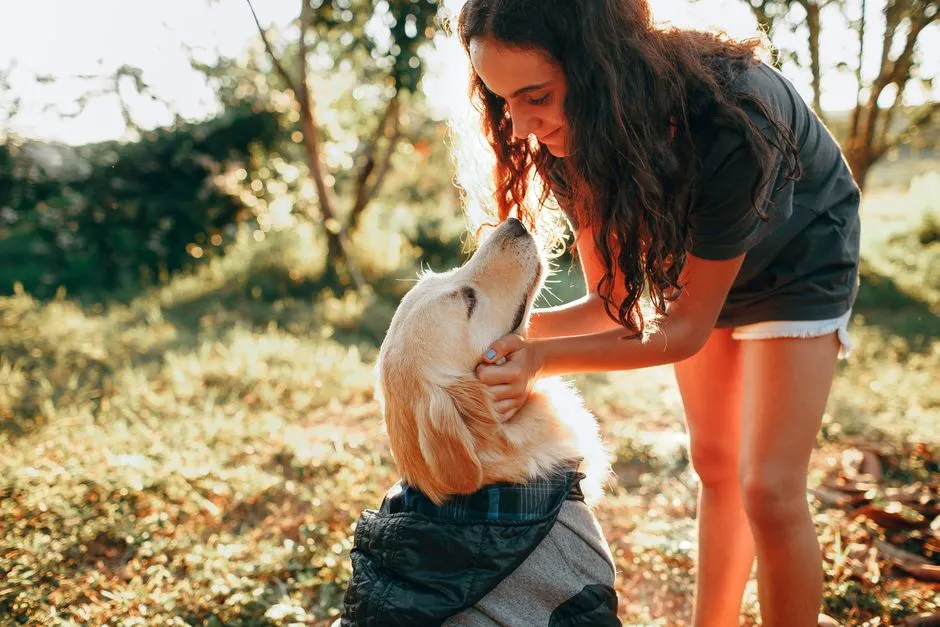
Beyond individual moments, dogs seem to build something closer to a general emotional impression of a person, a lasting sense of what that relationship has meant overall. Dogs are increasingly stepping into an emotional and relational gap, not merely as pets but as surrogate companions, and research shows dog-human relationships combine the upsides of best friend relationships and parent-child bonds, making them more supportive and positive than most relationships between humans. That’s a striking claim from serious researchers, not casual pet owner sentiment.
This broader emotional imprint may be the closest thing dogs have to remembering “who you were to them” across an entire lifetime together. Dogs are emotional archivists, and if you’ve consistently shown them kindness, affection, and care, those feelings are stored not in a journal but in emotional muscle memory, since dogs don’t need perfect recall to remember you matter, they just know. It’s a quieter, less precise kind of memory than ours, but arguably a more forgiving and more loyal one.
Final Thoughts

After digging through the research, one thing stands out clearly. Dogs don’t remember us the way we remember them, with specific dates or detailed replays of conversations. What they carry instead feels almost more honest, an accumulated emotional verdict built from scent, tone, touch, and consistency over time. That’s arguably a healthier kind of memory than our own, one that filters out the noise and holds onto what actually mattered.
If there’s a takeaway worth sitting with, it’s this. Every quiet, consistent moment of kindness you offer a dog gets banked somewhere, shaping how they’ll feel about you for years, sometimes for the rest of their life. That’s not a small responsibility, and it’s not something to take lightly.

As a little kid, I fell in love with nature, wildlife, and animals. Living in the USA, South Africa, Italy, China and Germany gave me the opportunity to discover the world's Wildlife. My favorite animals are Mountain Gorillas, Siberian Tigers, and Great White Sharks.
I'm a certified PADI Open Water Diver, went to Everest Base Camp and Trekked Gorillas in Uganda. I hold a Master of Science in Economics and Finance.
Please send any feedback to feedback@animalsaroundtheglobe.com
- 10 Emotional Things Dogs Remember About Their Humans Forever - July 18, 2026
- 14 Most Intelligent Marine Animals - July 18, 2026
- Why Crabs Are Marching Across U.S. Coastal Towns - July 18, 2026