
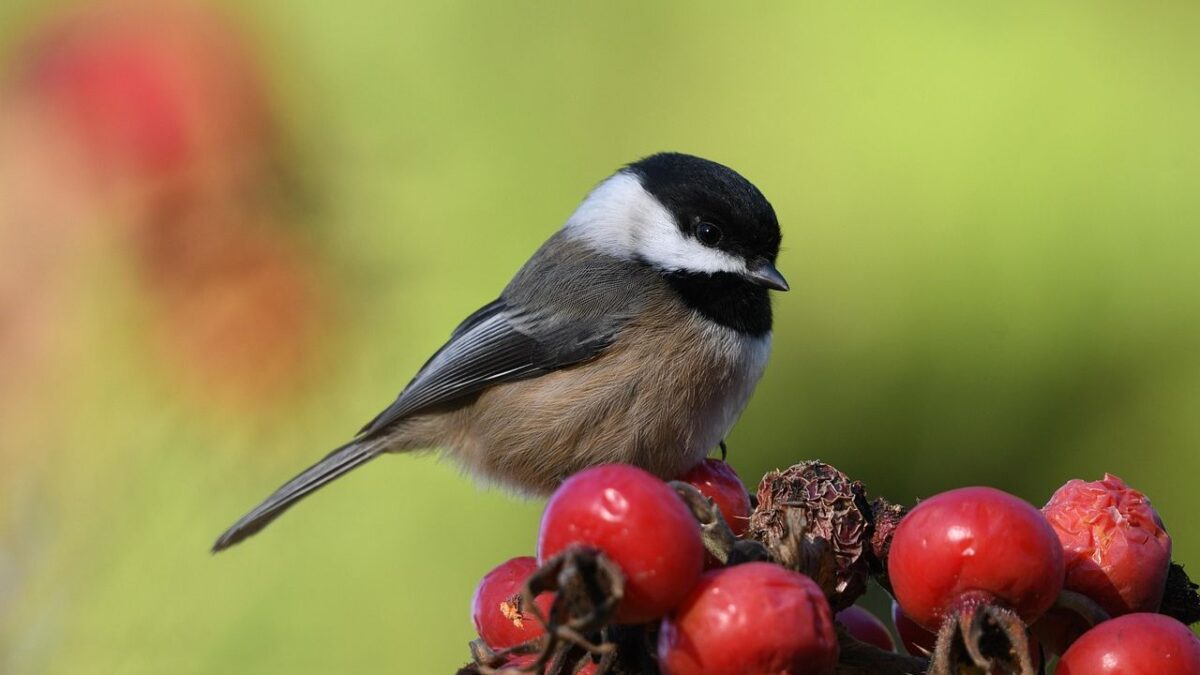
They Cache Thousands of Food Items Every Year
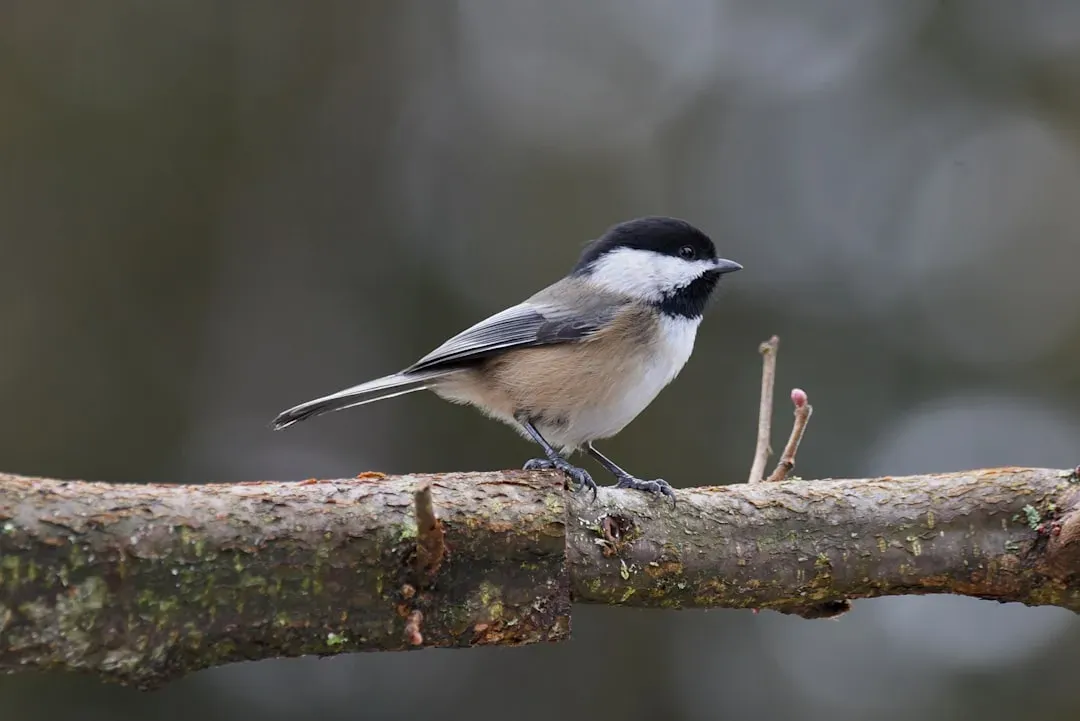
Every fall, black-capped chickadees cache thousands of seeds, insects, and other snacks to help them survive North America’s harsh winters. This isn’t casual snacking behavior. It’s a meticulously organized survival strategy carried out across an entire landscape.
Black-capped chickadee individuals have been observed caching over 100,000 items in a given year, with roughly 80,000 items being cached during the fall. Each item goes into a separate hiding spot, spread out to reduce the risk of any single loss being catastrophic. The scale of the operation is genuinely hard to wrap your head around.
Their Memory Is Pinpoint Precise

A single bird of this species stores its surplus in thousands of hiding spots throughout the forest to make the sustenance ready for times of scarcity. That alone would be impressive. The precision with which they return to those spots is what crosses into the extraordinary.
That memory is extraordinarily precise: chickadees can pinpoint the location of their scattered food caches down to the centimeter, and they remember which item they stashed in which spot. Not roughly where. Not generally in that tree. Down to the centimeter. For thousands of locations.
Their Brains Use Something Like Neural Barcodes
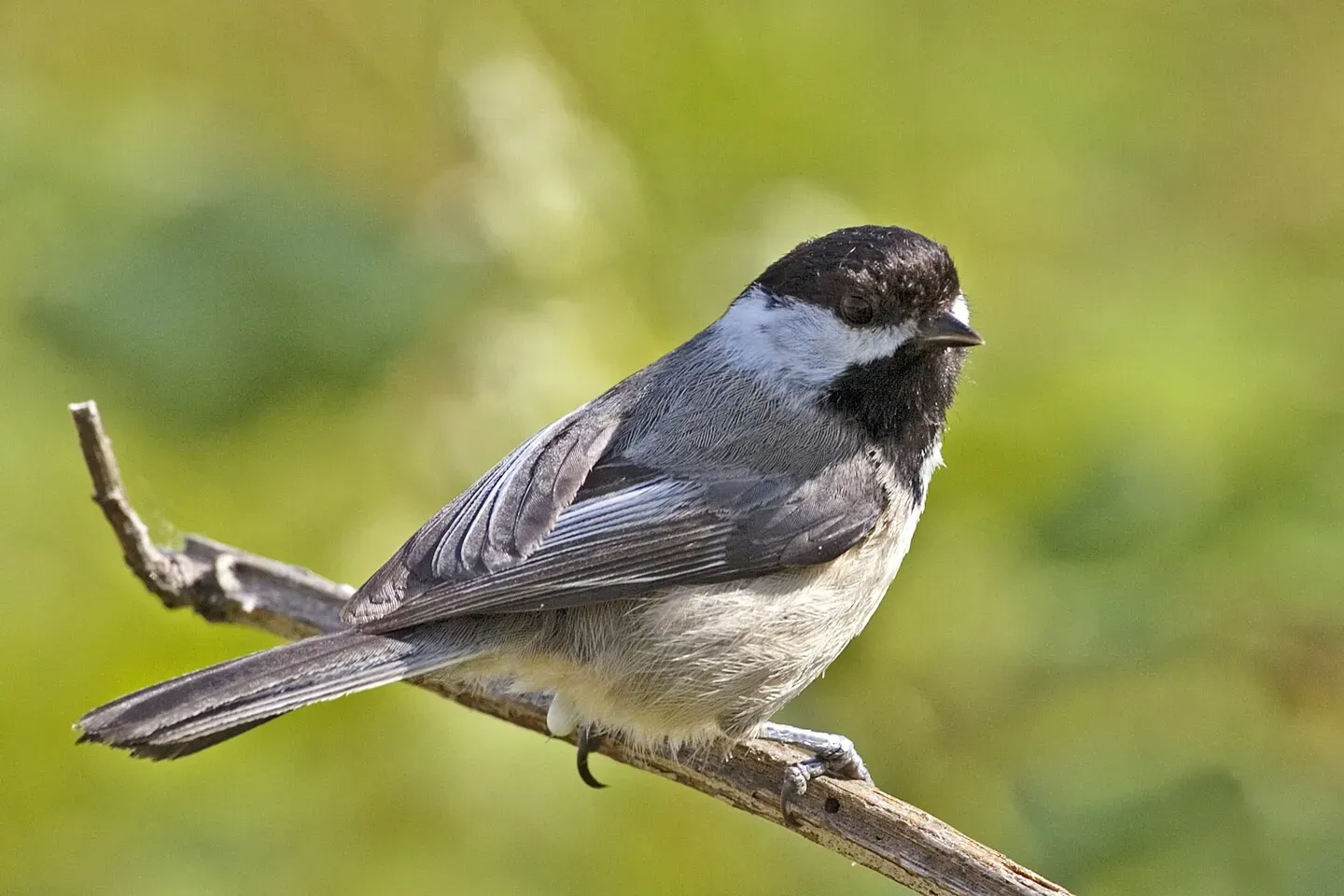
Black-capped chickadees have extraordinary memories that can recall the locations of thousands of morsels of food to help them survive the winter. Scientists at Columbia’s Zuckerman Institute have discovered how the chickadees can remember so many details: they memorize each food location using brain cell activity akin to a barcode. This finding, published in the journal Cell in 2024, surprised even the researchers conducting the study.
Each time a chickadee stashed food at a cache site, its hippocampus briefly lit up with a unique pattern, similar to a barcode on an item in a store. When the bird went back to that site to retrieve the seed, researchers observed the same pattern in its brain. These neural “barcodes,” which have yet to be observed in any other species, may allow the birds to store and retrieve many similar memories without getting them mixed up. It’s an elegant neural solution to what is, objectively, a very complicated memory problem.
The Hippocampus Actually Grows and Shrinks With the Seasons
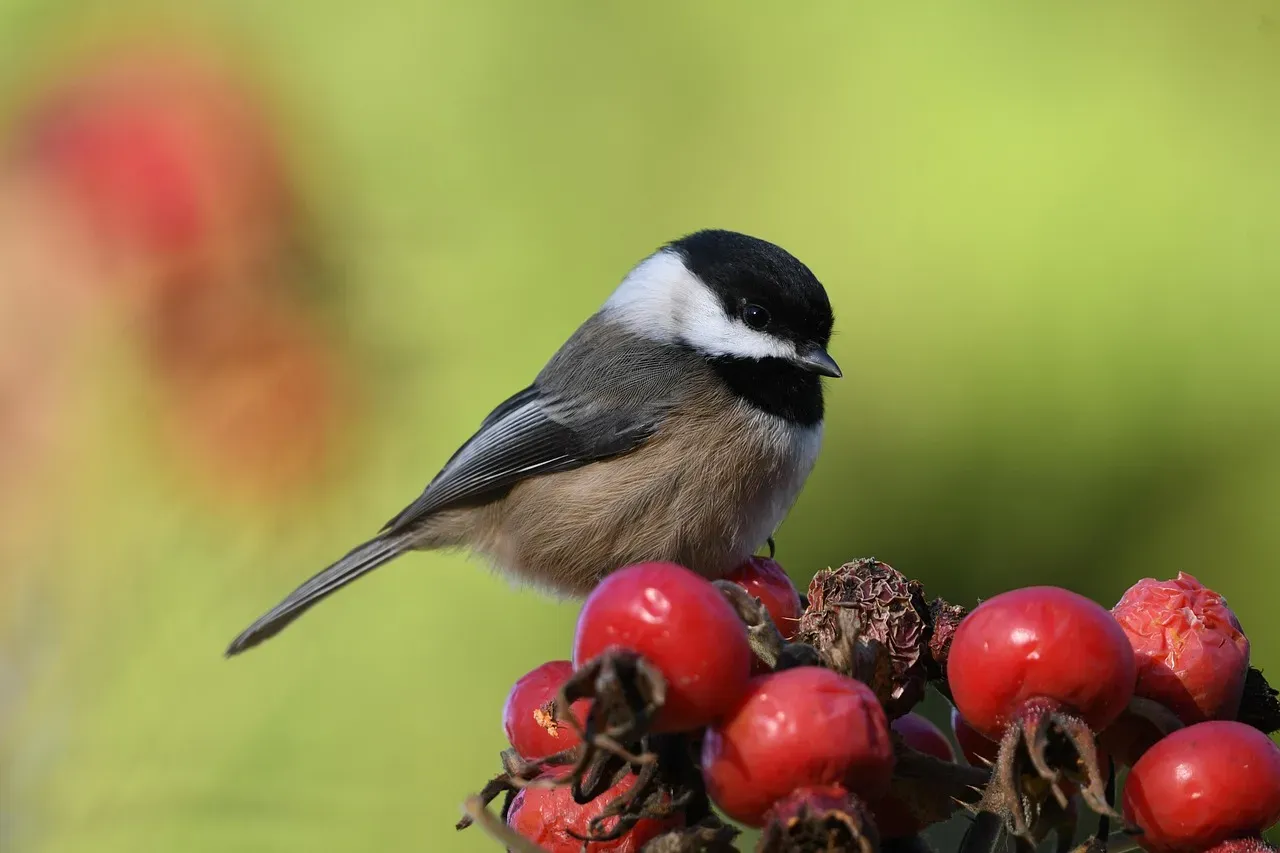
A chickadee’s hippocampus, the part of its brain responsible for spatial memory, is larger in chickadees that live in places with colder, harsher weather. The hippocampus actually shrinks in the spring when food is easily available and grows again when it’s time to survive the winter. This seasonal brain remodeling is one of the more remarkable things in vertebrate biology.
According to psychology professor Diane Lee of Cal State University, the volume of the chickadee hippocampus expands by about 30 percent during the fall and retains its volume during the winter. Come spring, the memory of where those seeds were hidden disappears and the size of the memory center returns to its pre-caching volume. The brain literally restructures itself around the demands of the season.
They Grow Brand New Brain Cells
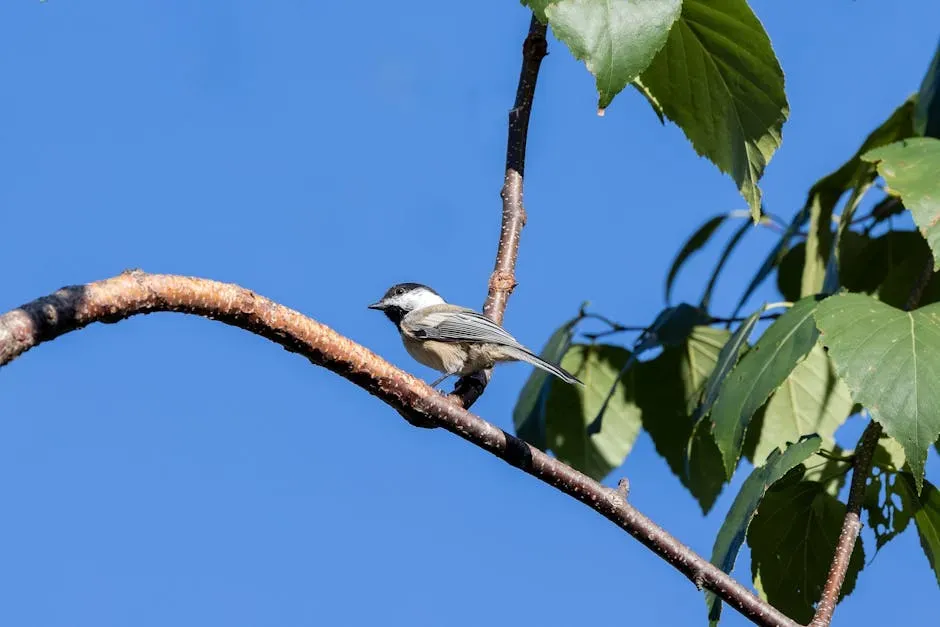
Dr. Fernando Nottebohm of Rockefeller University studied the remarkable ability of black-capped chickadees to recall the locations of hundreds of stored seeds. His lab produced the first evidence that in the adult brain of birds, neurons are replaced periodically, with the learning of new behaviors. This kind of neurogenesis in adult animals was once considered impossible by mainstream neuroscience.
In black-capped chickadees, neurogenesis in the hippocampus occurs throughout their lifespan and even increases during certain times of the year. Over the last three decades, studies have concluded that during the fall, specifically in October, when their diet changes from insects to a mainly seed diet, their hippocampus becomes enlarged. The brain doesn’t just retain existing cells more efficiently. It manufactures new ones specifically to handle the memory load ahead.
Colder Climates Produce Bigger Brains
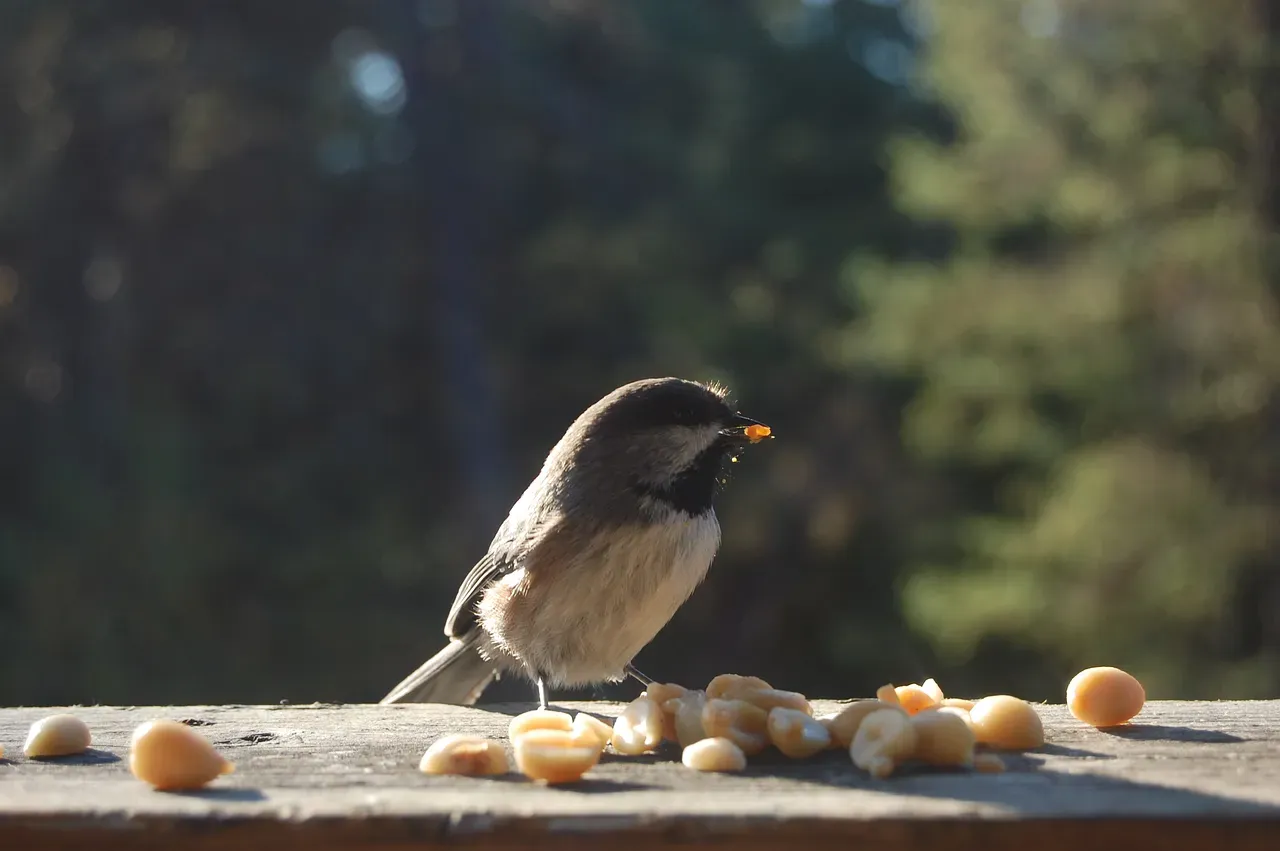
Food-caching chickadees rely on stored food for survival over winter and require the use of spatial memory to recover their stores. These species also exhibit extensive climate-related population-level variation in spatial memory and the hippocampus, including volume, the total number and size of neurons, and adults’ rates of neurogenesis. In other words, the harsher the winter a population faces, the more elaborate the memory hardware it develops.
The hippocampus of food-caching birds is hypertrophic, roughly three times larger than the hippocampus of non-food-caching birds. When survival depends directly on spatial memory, evolution appears to invest heavily in that specific neural real estate. The chickadee is essentially a living demonstration of the brain adapting to environmental pressure.
Their Alarm Call Is a Sophisticated Language
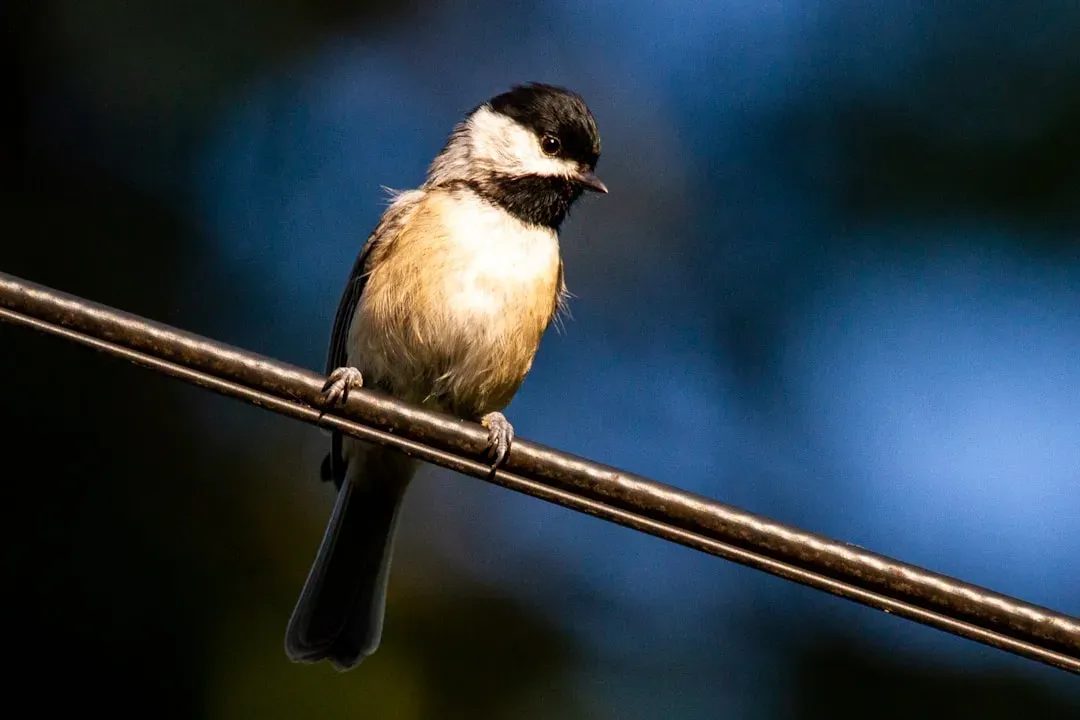
Chickadees sound an alarm call that alerts other birds when there is danger. The more “dee” notes in the call, the greater the danger. In one study, a chickadee added 23 dees when it spotted a small owl nearby. The call isn’t just a binary signal. It’s a graded, information-dense communication that conveys the size and urgency of a threat in real time.
Adults have at least 16 different kinds of vocalizations. The high-intensity alarm note is given particularly when a fast-approaching predator is detected, and is evidently given more frequently by males. Chickadees hearing it typically freeze, holding their position until they hear a chickadee-dee call as an “all-clear” signal. The system is so reliable that other bird species in the vicinity also respond to it and take shelter, effectively making the chickadee a kind of sentinel for the whole forest community.
They Enter a State of Controlled Torpor at Night
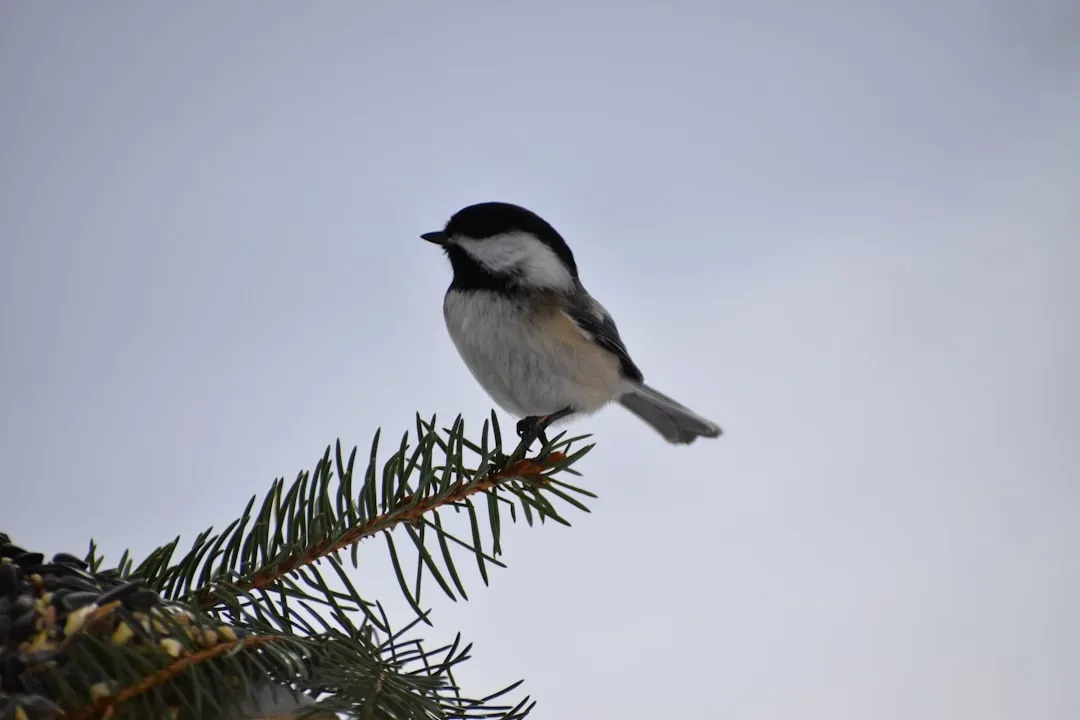
A chickadee does something that few other birds do: it enters a state of torpor, slowing its metabolism and lowering its body temperature at night to conserve body fat. On a cold night, a chickadee can lower its body temperature by about 50 degrees Fahrenheit, reducing its metabolic rate by roughly 32 to 45 percent. For an animal that weighs less than half an ounce, retaining heat is a constant and costly challenge.
On cold winter nights, these birds can reduce their body temperature by as much as 12 degrees Celsius from their normal temperature of about 42 degrees Celsius to conserve energy. Such a capacity for torpor is not very common in birds. It still takes a lot of energy to survive in winter, and chickadees need roughly 20 times as much food in cold weather as in warm summer weather. Torpor keeps that energy demand from becoming impossible to meet.
Their Social Hierarchy Is Rigid and Long-Lasting
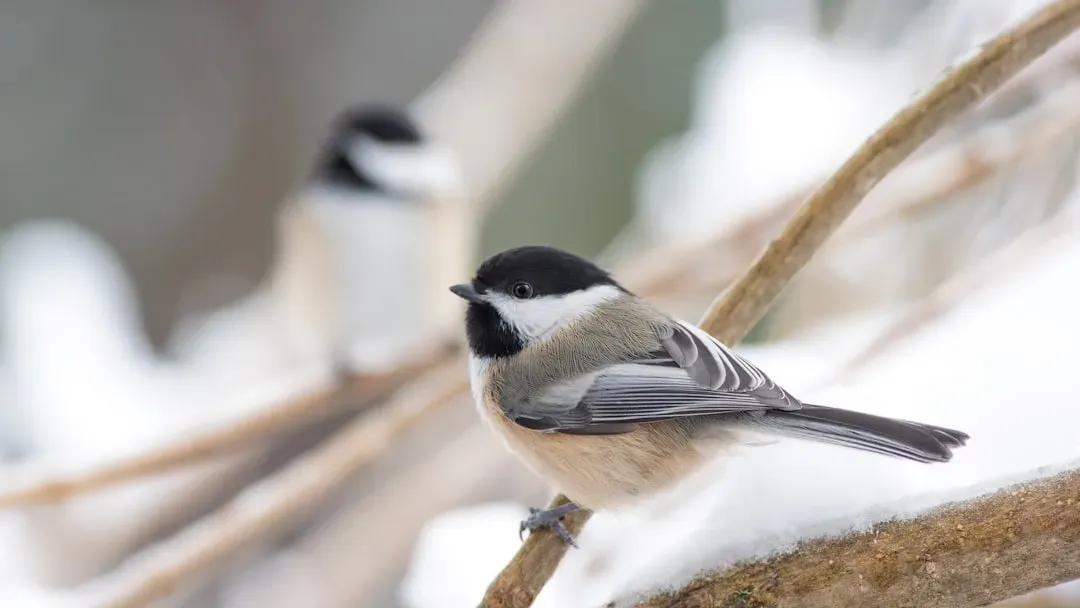
Flocking chickadees have a rigid social hierarchy. Males outrank females, and older birds outrank younger ones. This dominance hierarchy allows chickadees to coexist without too much squabbling and wasted energy. Higher-ranking chickadees have larger territories, larger bodies, higher singing rates, better mating success, and lower mortality rates. Status in a chickadee flock is not a trivial thing.
These hierarchical relationships are embedded into memory and last for years without change. Considering most chickadees live only two to three years, these relationships are likely to last a lifetime. Lower-ranking chickadees tend to forage on the outer parts of trees where predators can see them more easily, while dominant birds forage low and close to a tree trunk, where they are better sheltered. Social rank isn’t just about prestige. It directly affects survival odds.
They May Hold Clues to Human Memory Disorders
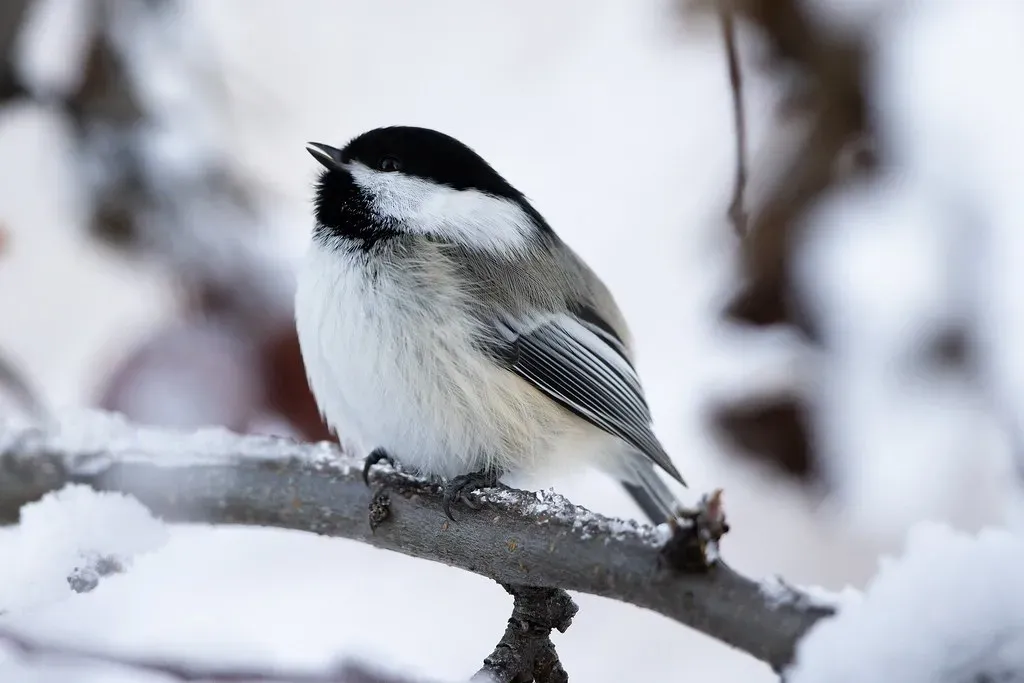
Many neurodegenerative diseases involve the hippocampus. In humans, strokes can affect the hippocampus and cause a profound deficit in memory, especially in the ability to make new memories. In the brains of Alzheimer’s patients, the hippocampus shrinks. The parallel to the chickadee’s seasonal hippocampal shrinkage is not lost on researchers.
Researchers are also eager to know if the barcoding tactic they have uncovered in chickadees is in widespread use among other animals, including humans. Such research may help shed light on a core part of the human experience. The findings could offer new insights into how humans and other mammals create and store memories. A bird the size of a golf ball might, in a very real sense, help scientists understand one of the most devastating conditions affecting aging human brains.
They Are Non-Migratory and Built for Year-Round Residency
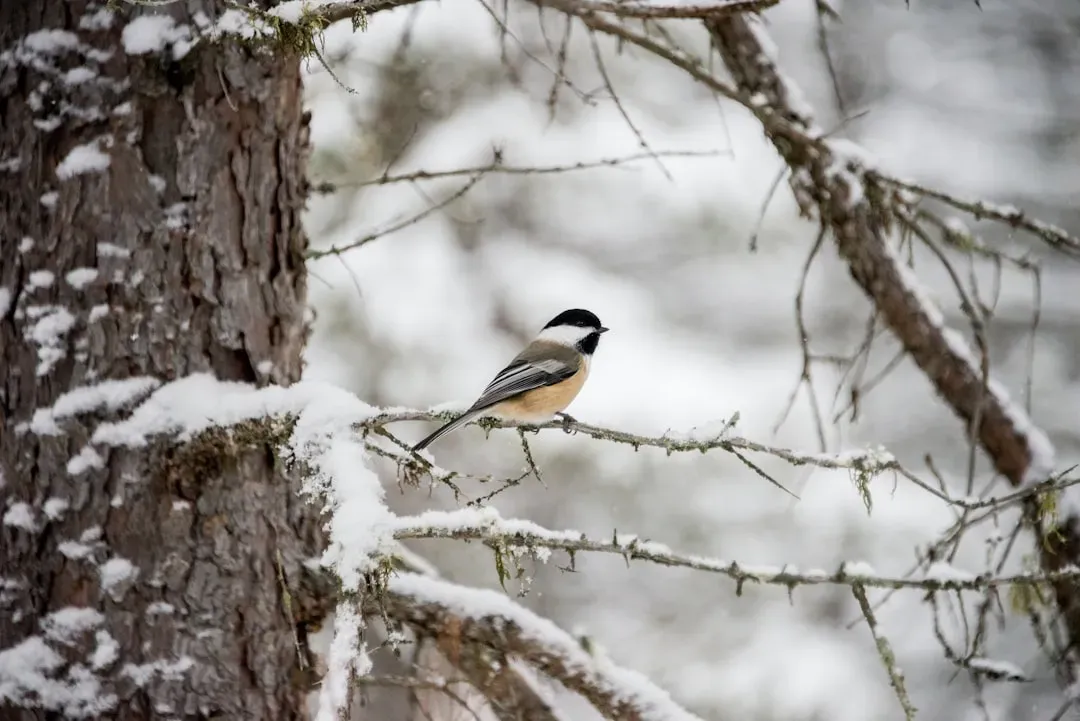
The black-capped chickadee is one of North America’s most common and widely distributed birds. It can be found from coast to coast, covering a significant portion of Canada and the northern two-thirds of the United States. These birds don’t typically migrate; they stay in their range throughout the year. Staying put through a Canadian winter is, in itself, a feat that demands the full portfolio of adaptations these birds carry.
During the winter, chickadees often flock together, and many other species of birds, including titmice, nuthatches, and warblers, can often be found foraging in these flocks. Mixed flocks stay together because the chickadees call out whenever they find a good source of food. This calling-out forms cohesion for the group, allowing the other birds to find food more efficiently. Non-migration isn’t a passive choice. It requires active community behavior, sharp cognition, and a body capable of enduring conditions that drive most other birds south.
Conclusion
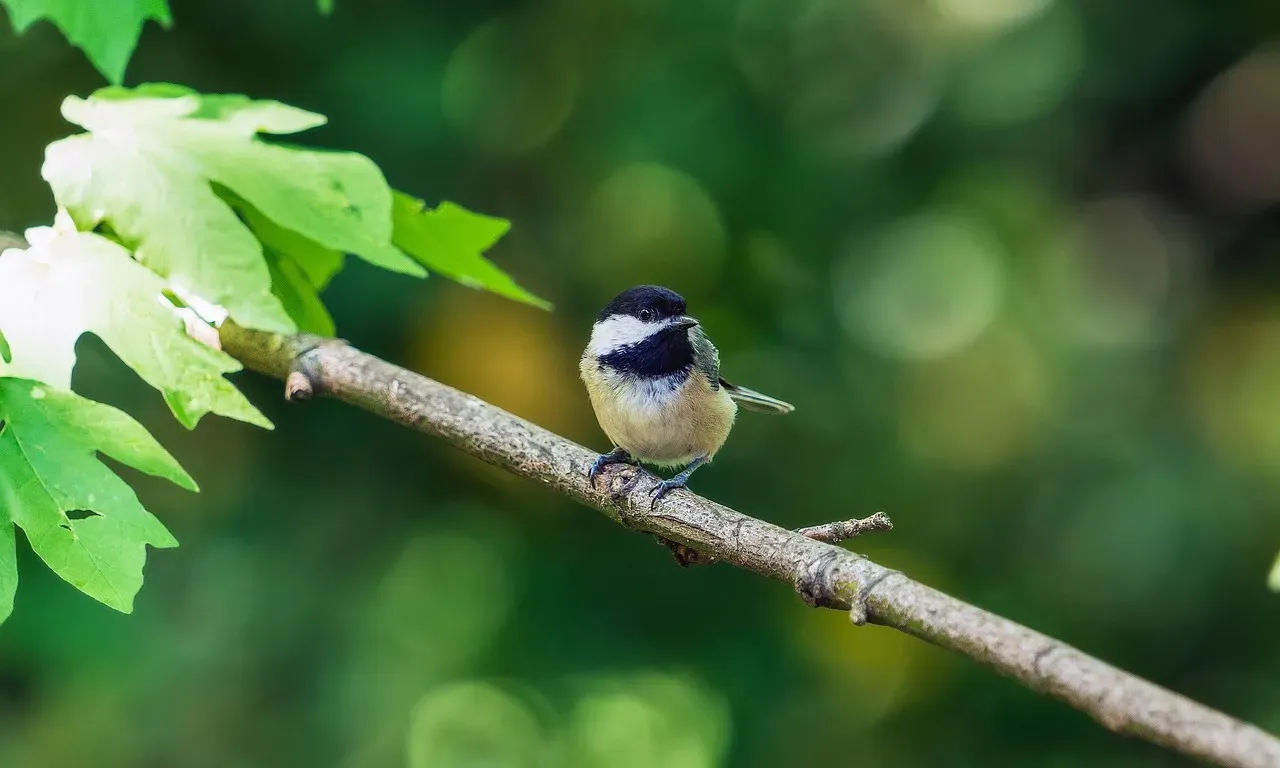
The black-capped chickadee deserves considerably more credit than most people give it. It isn’t just a backyard bird that looks good on a winter morning. It’s a genuinely sophisticated animal whose brain grows and shrinks on a seasonal schedule, forms unique neural signatures for every single memory it creates, and communicates threat-level information to an entire woodland community through the structure of its calls.
What’s particularly striking is how much the chickadee has already contributed to neuroscience, and how much more it likely has to offer. The barcode memory discovery alone opens questions about whether similar processes operate in the human brain. A creature that weighs less than a handful of coins is actively helping scientists work toward understanding Alzheimer’s disease.
There’s something worth sitting with there. The next time a small bird lands near a feeder and tilts its head with that distinctive black cap, it’s not just surviving. It’s running one of the most sophisticated memory systems the natural world has ever produced, calibrated over millions of years to do exactly what it needs to do. That’s not a trivial thing. That’s a masterpiece in miniature.

- Why Veterinarians Say If Your Cat Sleeps With Their Back to You, It's the Highest Form of Trust in Feline Behavior - July 20, 2026
- Animal Science Says Ravens Remember Human Faces for Years and Warn Other Ravens About Dangerous People - July 20, 2026
- Marine Biology Says When Dolphins Suddenly Go Silent in Open Water It's Not Rest – They've Detected a Predator You Cannot See and Their Survival Strategy Reveals How They Read Danger - July 20, 2026