

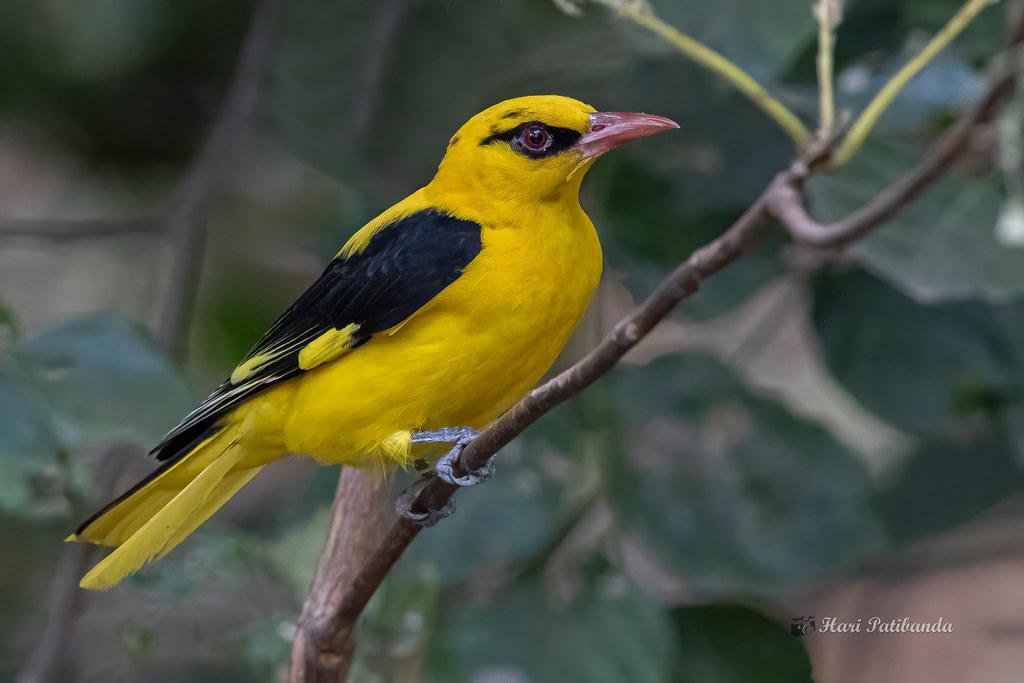
Picture this: it’s early spring and you’re sipping coffee in your backyard when suddenly, a flash of brilliant orange and black catches your eye. That dazzling streak of color you just spotted might be one of nature’s most spectacular songbirds – an oriole. These feathered gems have become the holy grail for many bird watchers, and once you see one, you’ll understand why. Their vibrant plumage, sweet melodies, and acrobatic feeding habits make them a true spectacle to behold.
Getting these magnificent visitors to grace isn’t just wishful thinking though. It’s absolutely achievable with the right approach and timing. The secret lies in understanding what makes these birds tick and creating an irresistible paradise they simply can’t pass by. Ready to transform your backyard into an oriole haven?
Start Early for Maximum Success
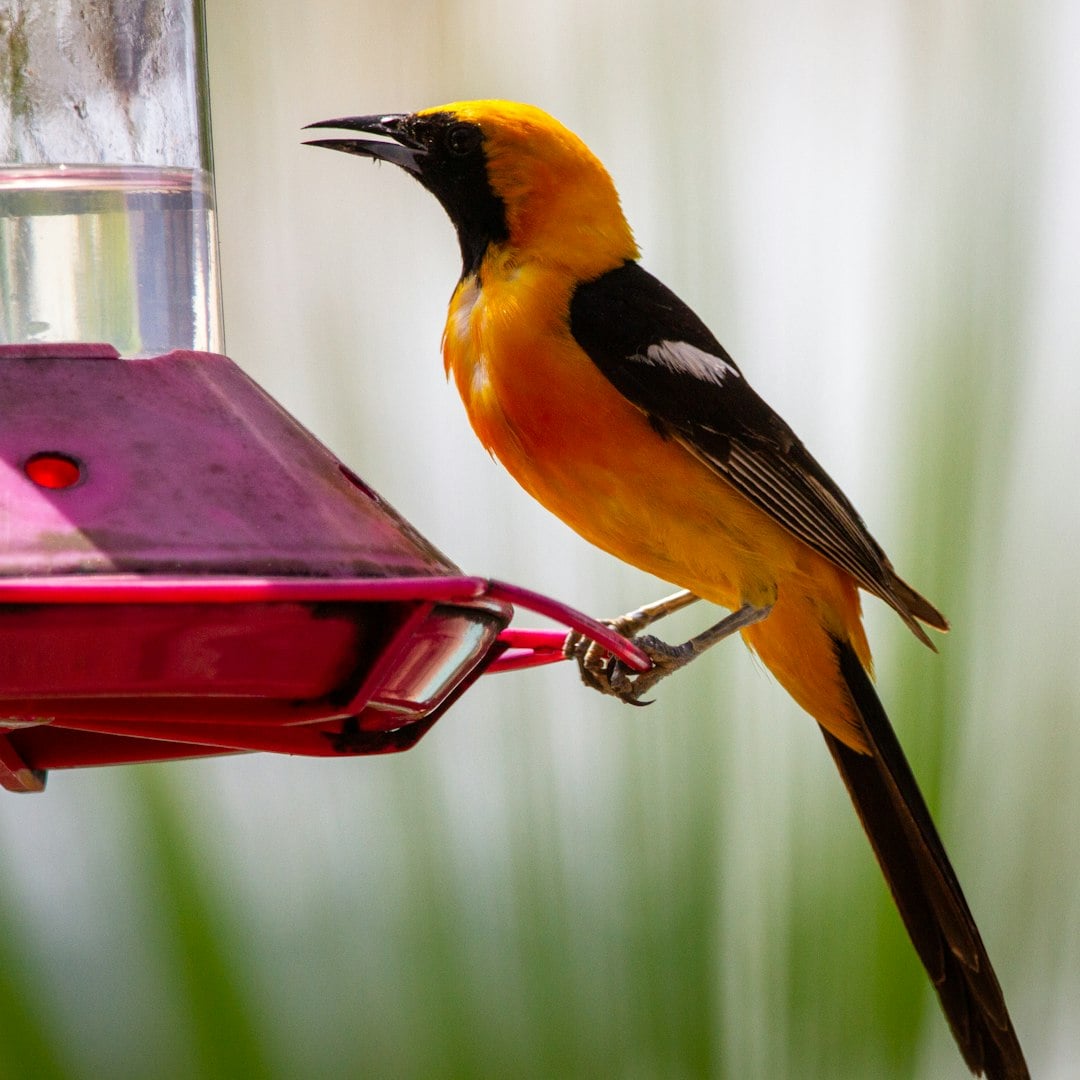
The most critical mistake many bird enthusiasts make is waiting too long to set up their oriole attractions. One of the biggest mistakes many birders make when trying to attract orioles is that they don’t set up feeders early enough. Don’t wait until you’ve spotted the first oriole of the season before setting them out! Feeders should be placed several weeks before you expect them to arrive in your area.
Think of orioles as travelers looking for the best rest stops during their long journey north. Set up and fill your oriole feeder about a week before the first one arrives. Males typically arrive a few days before females and begin claiming territories. If your yard isn’t ready when they pass through, they’ll simply move on to the next available option.
The Orange Connection
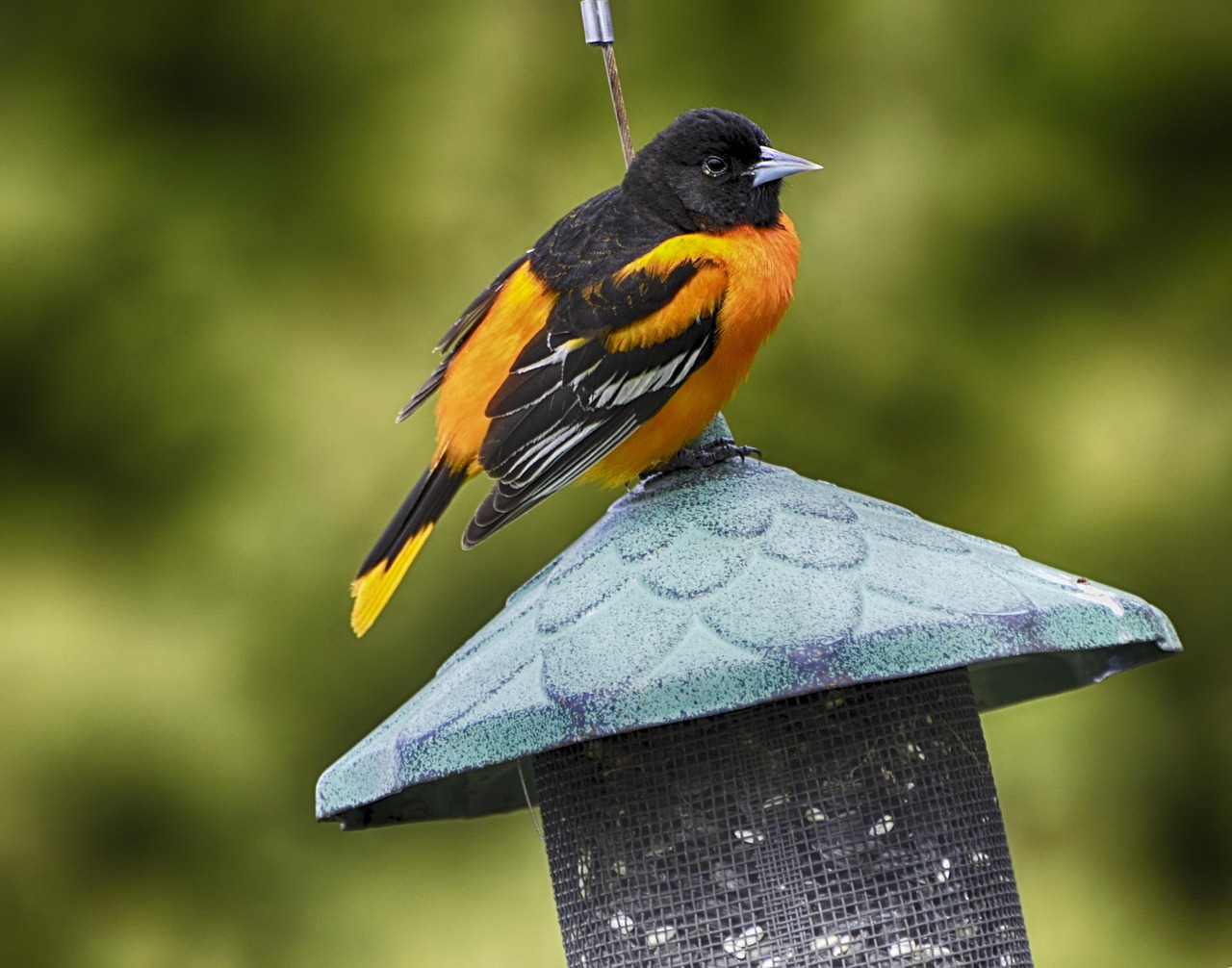
While hummingbirds are attracted to red, orioles are particularly drawn to the color orange. This isn’t just a coincidence – it’s a powerful tool you can use to your advantage. To catch the eye of orioles passing overhead, place orange feeders in visible spots around your yard. You could also try tying orange ribbon or surveyor’s tape around trees, railings, or bushes to lure them down from the sky.
The psychological impact of this vibrant color on orioles is remarkable. It acts like a beacon, signaling from far above that your garden offers something special worth investigating. Once they figure out that your yard offers an abundant food source, they may decide to stick around.
Fresh Fruit – Nature’s Candy
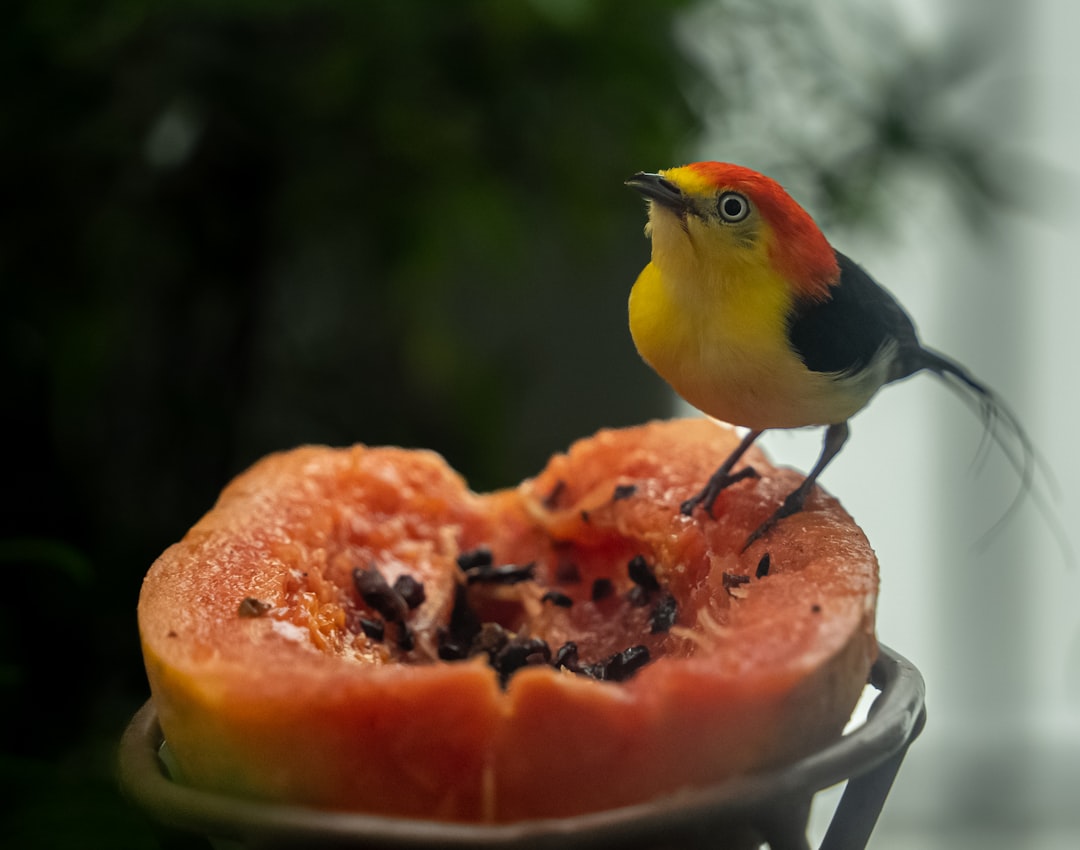
Start by offering fresh fruit – healthy food that they love. Oranges and grapes are favorites. The beauty of fruit feeding is its simplicity – no fancy equipment required. Many fruit feeders are available to purchase, but it can be as simple as slicing an orange in half and impaling the halves on a branch.
These birds will happily munch on orange halves, slices, or chunks, and they won’t say no to crushed grapes or berries either. Peaches, apples, and even bananas can all give orioles a sweet bite. The key is keeping the fruit fresh and replacing it regularly. Make sure to change your orange halves regularly as they dry out quickly and can grow mold which is harmful to birds.
The Irresistible Appeal of Grape Jelly
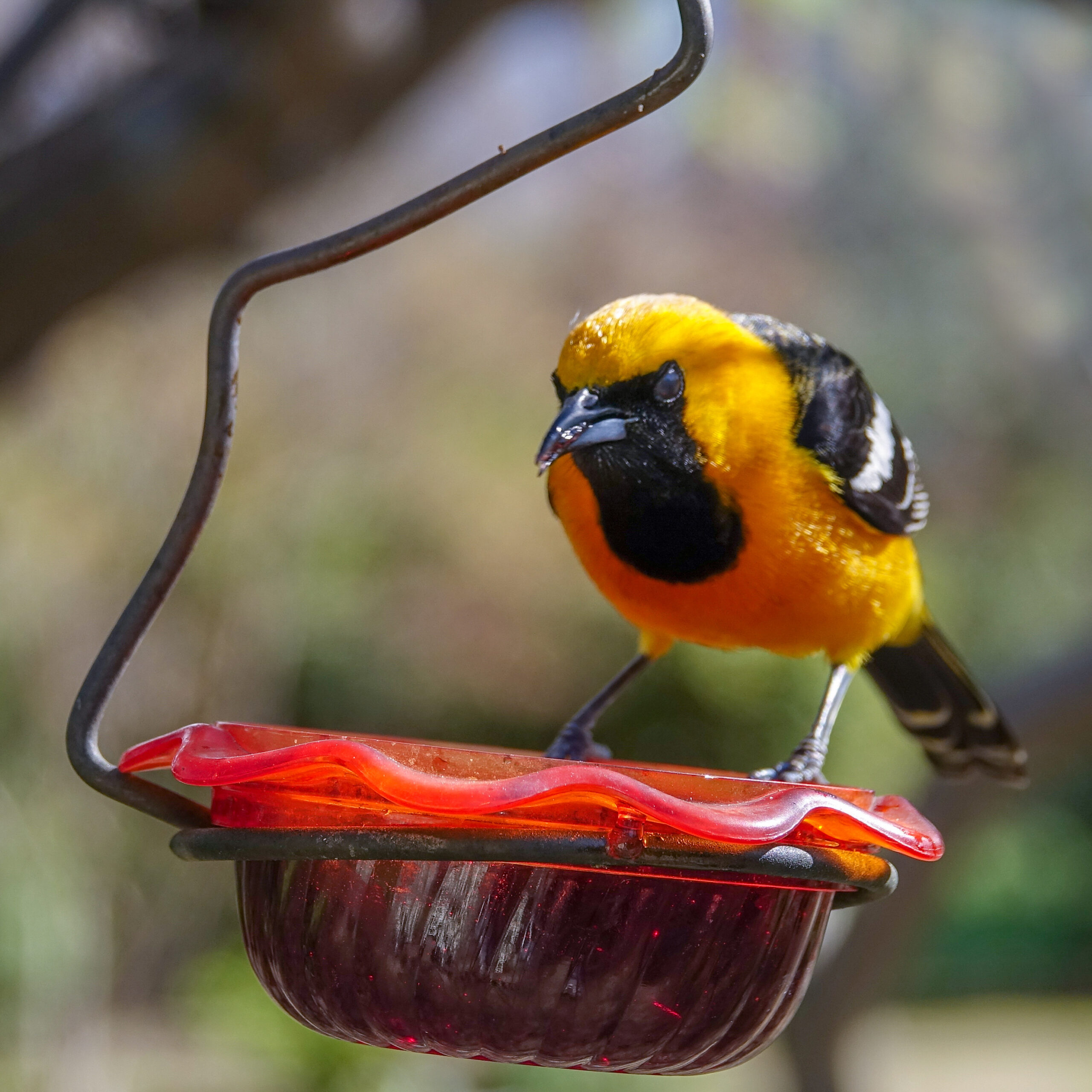
Jelly is another oriole favorite, and any grape, apple, raspberry, or strawberry jam or jelly, as well as orange marmalade, can be a tempting treat. This sweet delicacy provides the high-energy sugars orioles crave, especially during migration when they need quick fuel for their long journeys.
However, there’s an important caveat here. No sugar-free options should be offered to orioles, however, as they do not contain the nutrition orioles need, and the extra additives could be dangerous for the birds. Stick with regular, full-sugar varieties to keep your feathered friends safe and satisfied.
Perfect Nectar Solutions
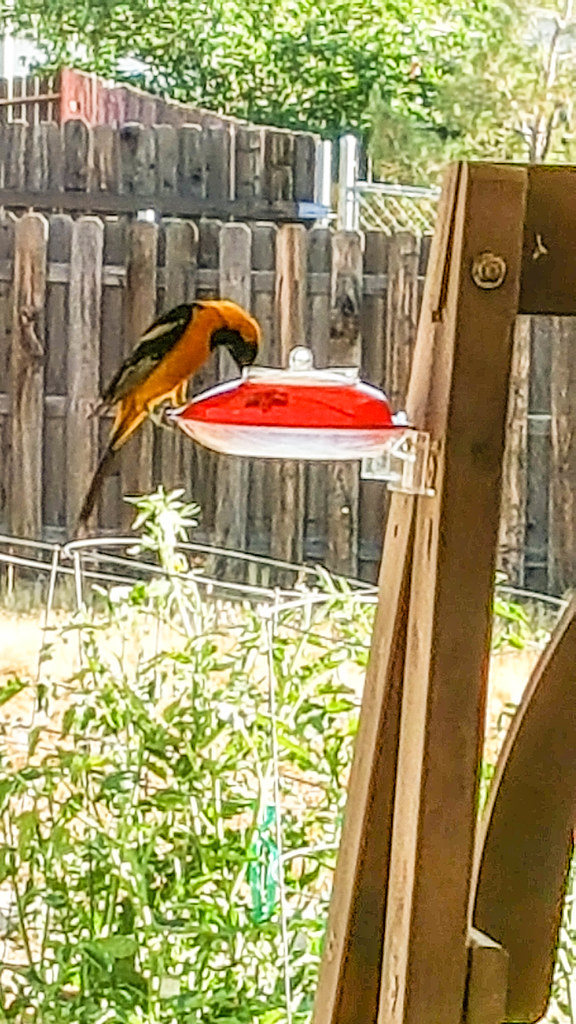
Orioles also love sugar water, and there are feeders made specifically for them, similar to hummingbird feeders but designed with larger ports. Use this recipe for orioles: one part granulated white sugar to six parts non-distilled drinking water. (Note: orioles prefer a weaker solution than hummingbirds, which use a 1:4 ratio.) Heat the water if necessary to dissolve the sugar. There is no need to boil safe drinking water.
Safety is paramount when preparing nectar. Honey fosters bacterial and fungal growth, and ferments faster than sugar water, so it should never be used in hummingbird or oriole feeders. Additionally, While red dye is unnecessary for attracting birds, current research does not show evidence of harm to hummingbirds or orioles. Keep it simple with plain sugar water.
Protein Power with Mealworms
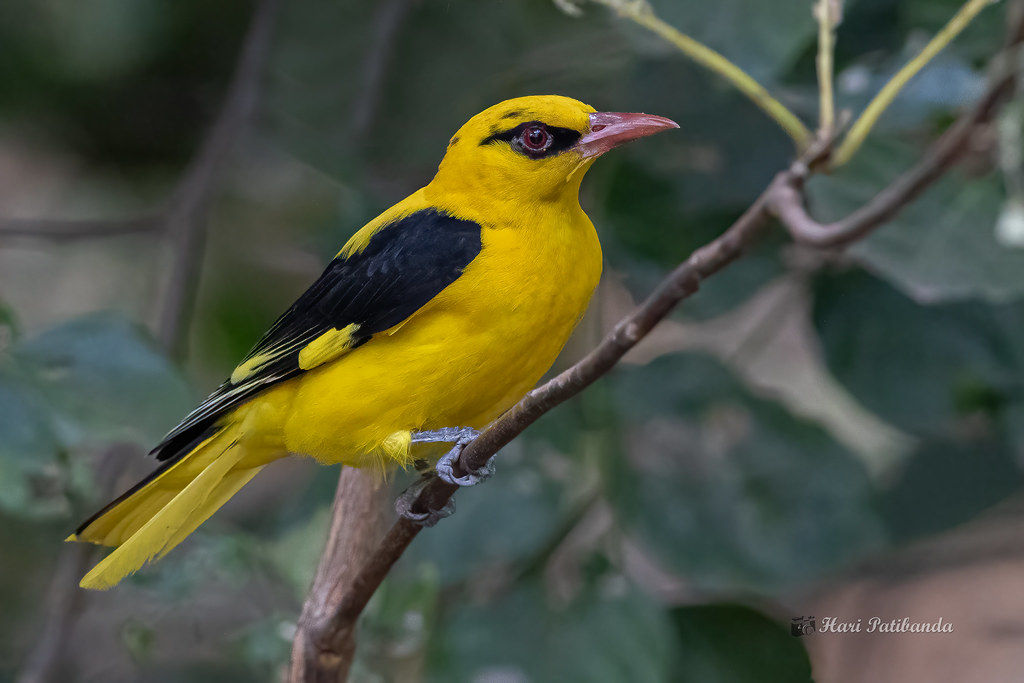
Orioles change their diet when they are nesting to insects and often stop coming to feeders. At this time, you can try offering mealworms in an open dish. This will provide more protein and nutritional value. This dietary shift reflects their natural behavior as responsible parents.
They will even use the protein-rich mealworms to feed their nestlings. During breeding season, adult orioles become insect-hunting machines, requiring substantial protein to support their growing families. Mealworms bridge this nutritional gap perfectly.
Strategic Feeder Placement
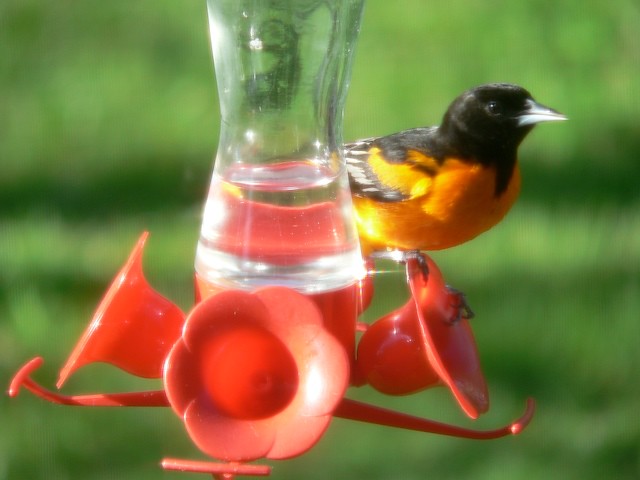
If you are new to feeding orioles we recommend placing the your oriole feeder away from any othe feeders in a quiet “corner” of your yard. Once they begin to visit the feeder, you can slowly start moving it closer to the house for a better view. This gradual approach helps build trust between you and these sometimes skittish birds.
Place feeders in a quiet area where they are easy to see and convenient to refill. Place feeders close to natural cover, such as trees or shrubs to provide refuge to birds as they wait their turn to feed. Think like an oriole – they want easy access to food but also quick escape routes if danger approaches.
Native Plants for Natural Attraction
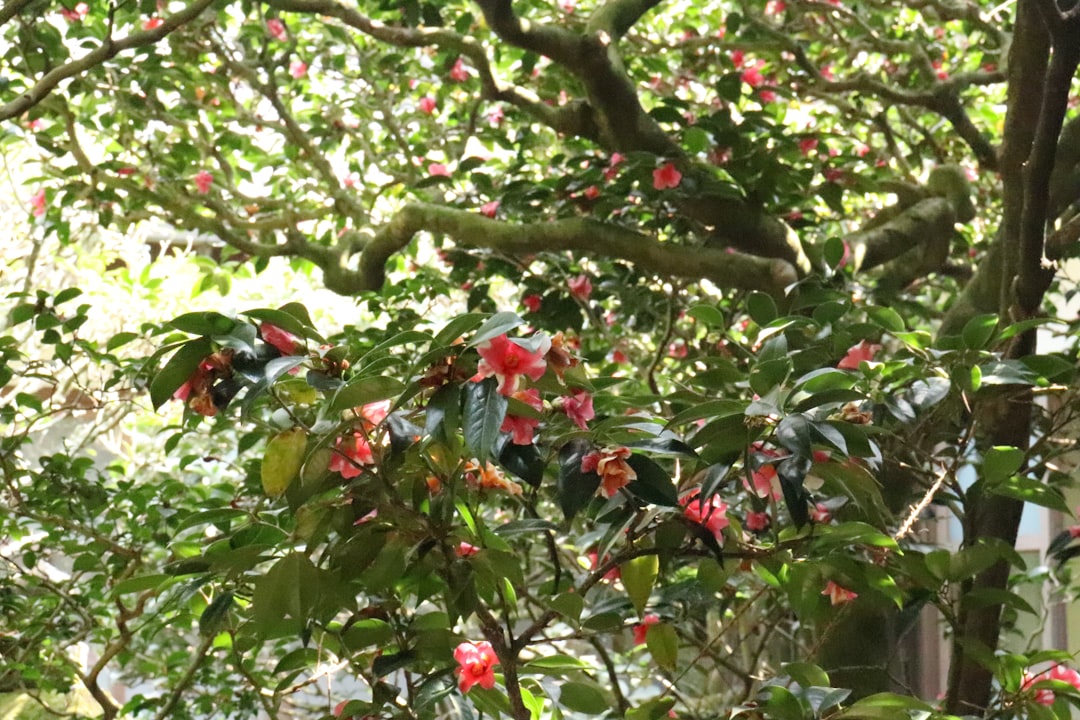
Plant native plants to attract orioles and provide natural food. Plants like black cherry, blueberry, serviceberry, red mulberry, raspberries, and blackberries are attractive options for orioles because of their darkly coloured fruits. These plantings create a sustainable food source that keeps giving year after year.
Keep in mind that orioles are also searching for insects as a protein source. The best sources for caterpillars include Quercus (oak species), Prunus (cherry species), Betula (birch species) and Salix (willow species). Native trees don’t just provide fruit – they support entire ecosystems of insects that orioles desperately need.
The Water Element
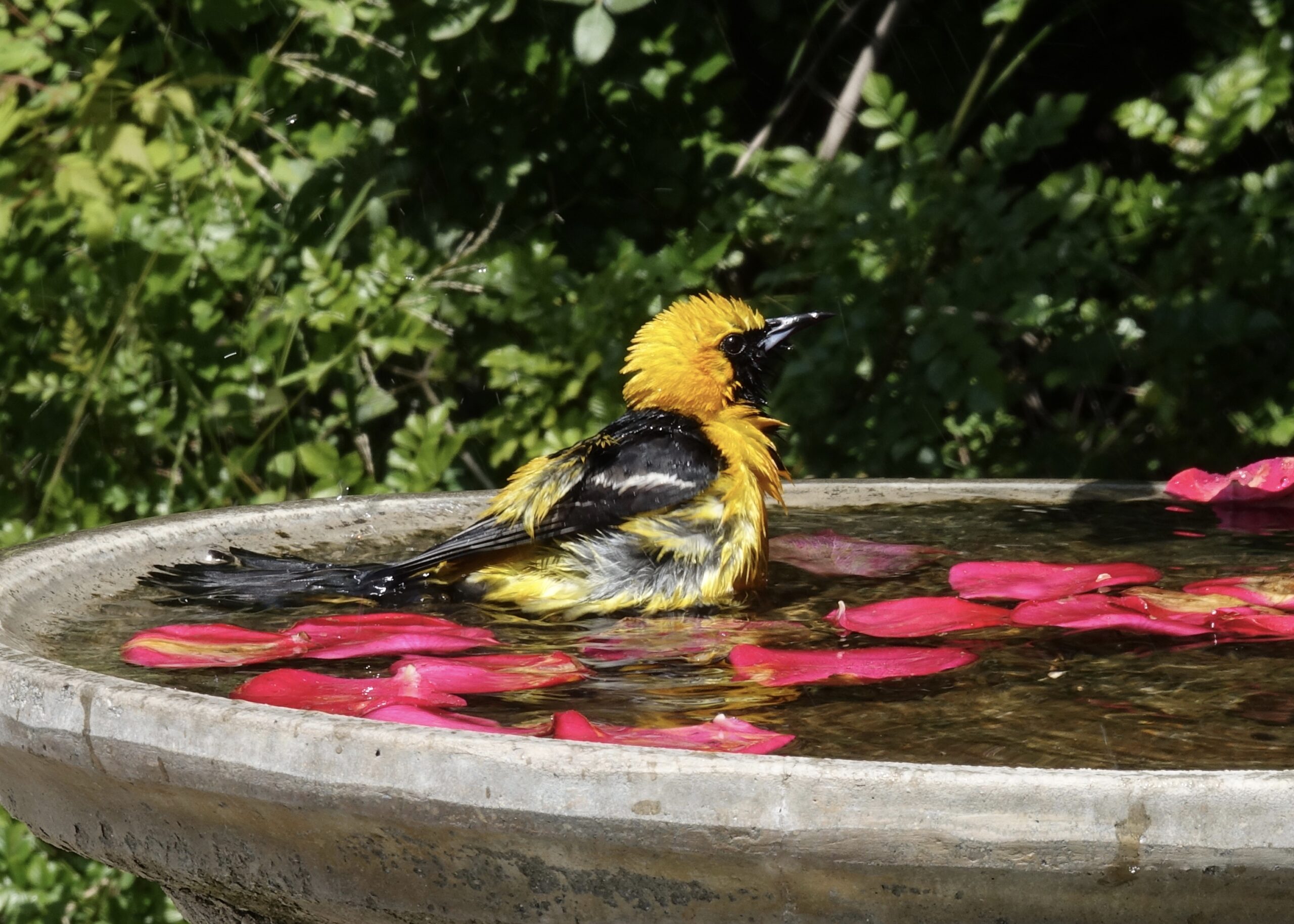
Water is essential to all birds and providing a bird bath means they don’t have to travel great distances to find water. But orioles have specific water preferences that set them apart from many other backyard visitors. These particular birds are attracted to shallow dishes and moving water sources, so adding that will be a strategic choice in attracting orioles. Orioles are attracted to the sight and sound of moving water, so add a moving water bath near your oriole feeder.
The gentle sound of trickling water acts as an auditory magnet for these birds. Consider adding a small fountain, dripper, or even a simple water wiggler to create that irresistible movement and sound that catches their attention from above.
Understanding Their Nesting Needs
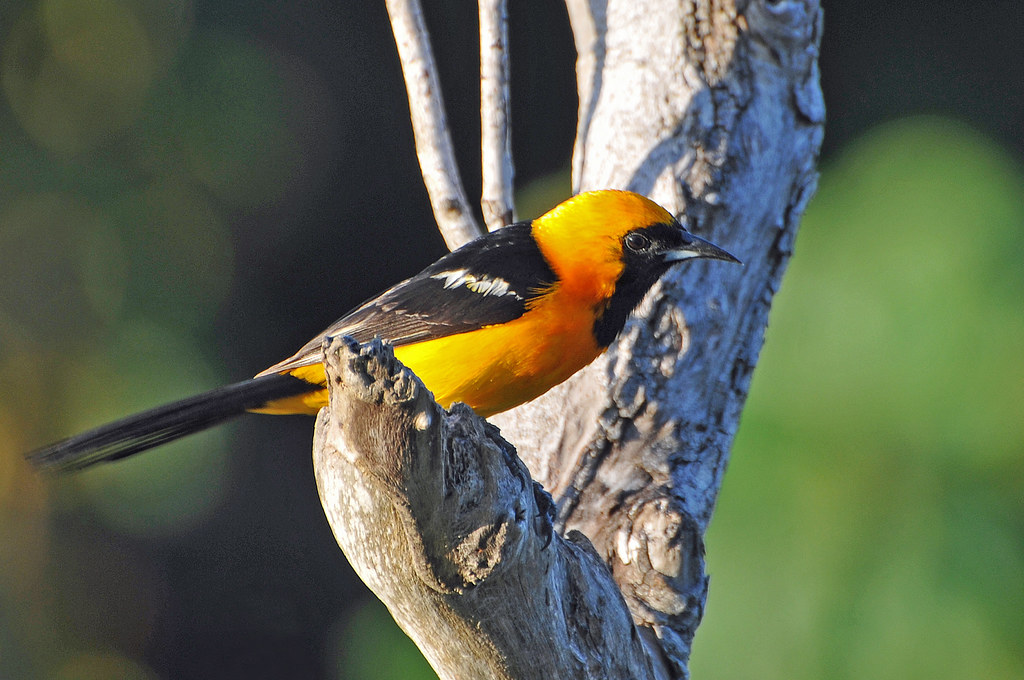
The female selects a site for the nest, usually in a deciduous tree, often a tall one. Orioles prefer trees such as Elm, Cottonwood, or Maples to build their nest. The nest is typically located at the end of a branch, which provides some protection against predators. If you want orioles to truly call your garden home, providing suitable nesting sites is crucial.
Baltimore Orioles often nest in American elms, but will build in other trees, especially maples and cottonwoods. Orioles do not use birdhouses, but will raise a family in your yard if you have fairly tall trees nearby. Many orioles look for tall deciduous trees. These remarkable birds create hanging, basket-like nests that sway gently in the breeze – architectural marvels of the bird world.
What do you think about transforming your garden into an oriole paradise? These strategies have helped countless bird enthusiasts successfully attract these stunning visitors, turning ordinary backyards into extraordinary wildlife sanctuaries that bring joy throughout the spring and summer months.
