
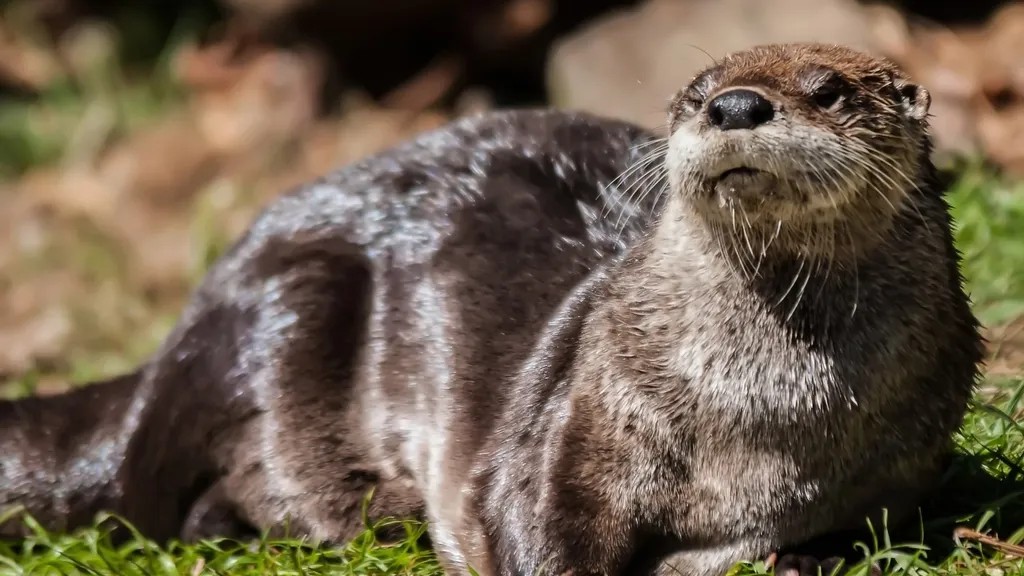
There’s something about river otters that stops people in their tracks. Maybe it’s the way they tumble down a muddy bank like they’ve got nothing better to do, or the way they seem to be genuinely enjoying themselves in a manner that feels almost too relatable. Whatever the draw, these animals are far more than just charming faces at the water’s edge.
Otters are fascinating, intelligent, emotional, and sentient beings, and river otters in particular carry a depth of behavior that researchers are still working to fully understand. What looks like play is often something much richer. What looks like socializing is often a carefully organized system of communication and survival. The more you learn about them, the harder it is to look away.
#1: They Slide for the Sheer Joy of It
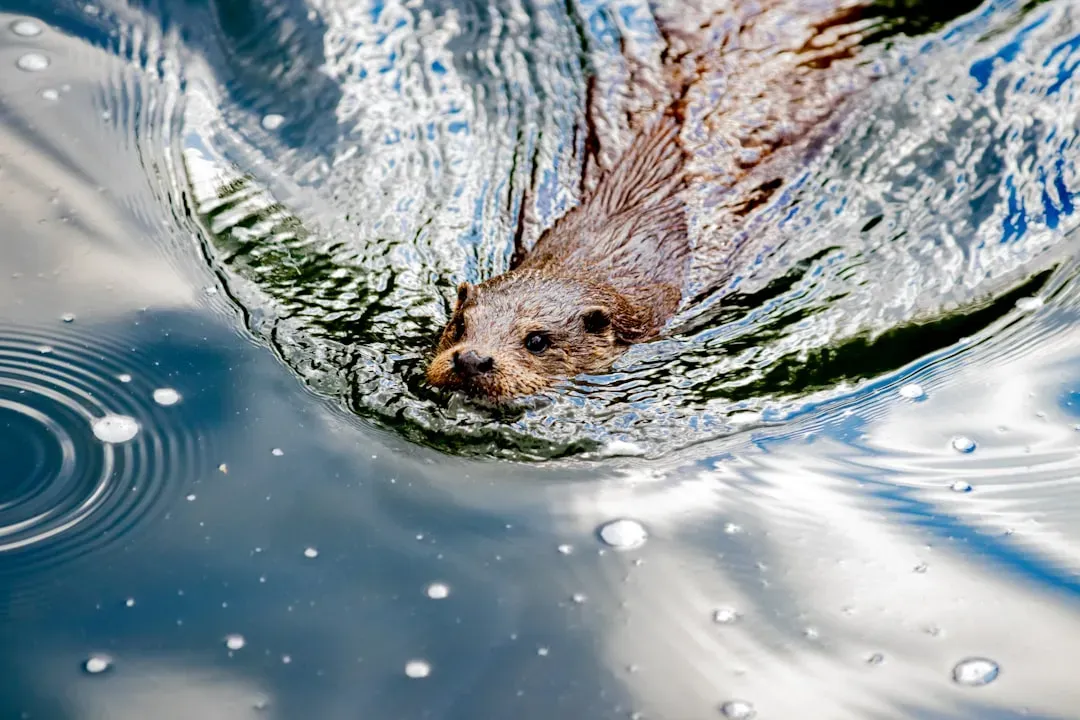
Of all the behaviors that make river otters so compelling, sliding is the one that most humans find impossible to explain away as purely functional. It has been suggested that otters are not actually playing when they slide, rather that they are using water as a means of locomotion. Scientists investigated this hypothesis using remote video cameras and concluded that the animals slide down water for the sheer enjoyment of it. That’s a meaningful finding.
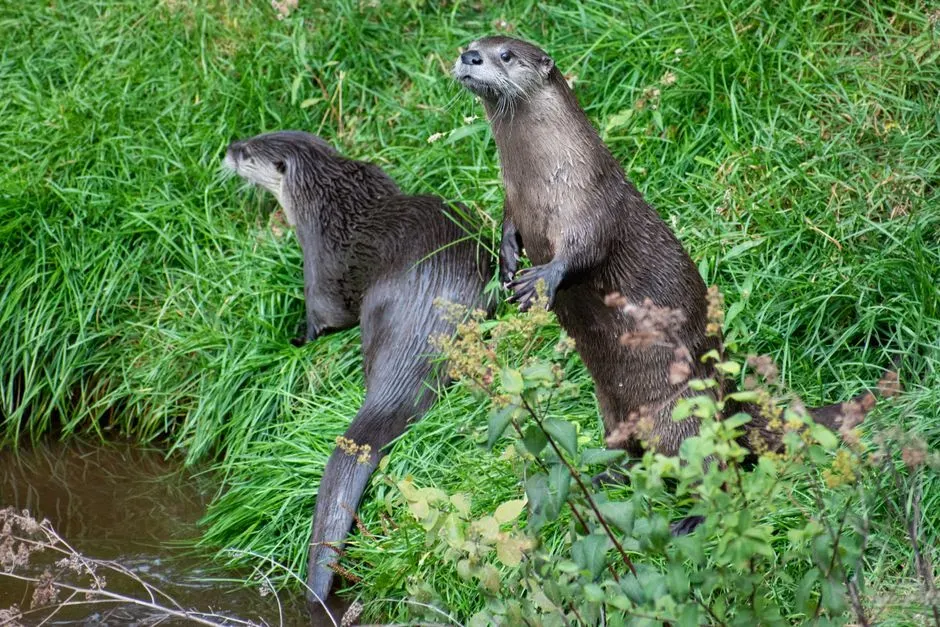
While river otters tend to live alone or in pairs, they often socialize in groups and are known for their playful behavior. Their long, agile bodies enable them to quickly twist, turn, roll and dive, and they are frequently seen sliding or burrowing in the mud or snow. On land, a river otter can run at speeds of up to 15 miles an hour and can slide even faster. Speed plus enjoyment is a combination that seems to suit them perfectly.
#2: Play Is a Serious Business for Them
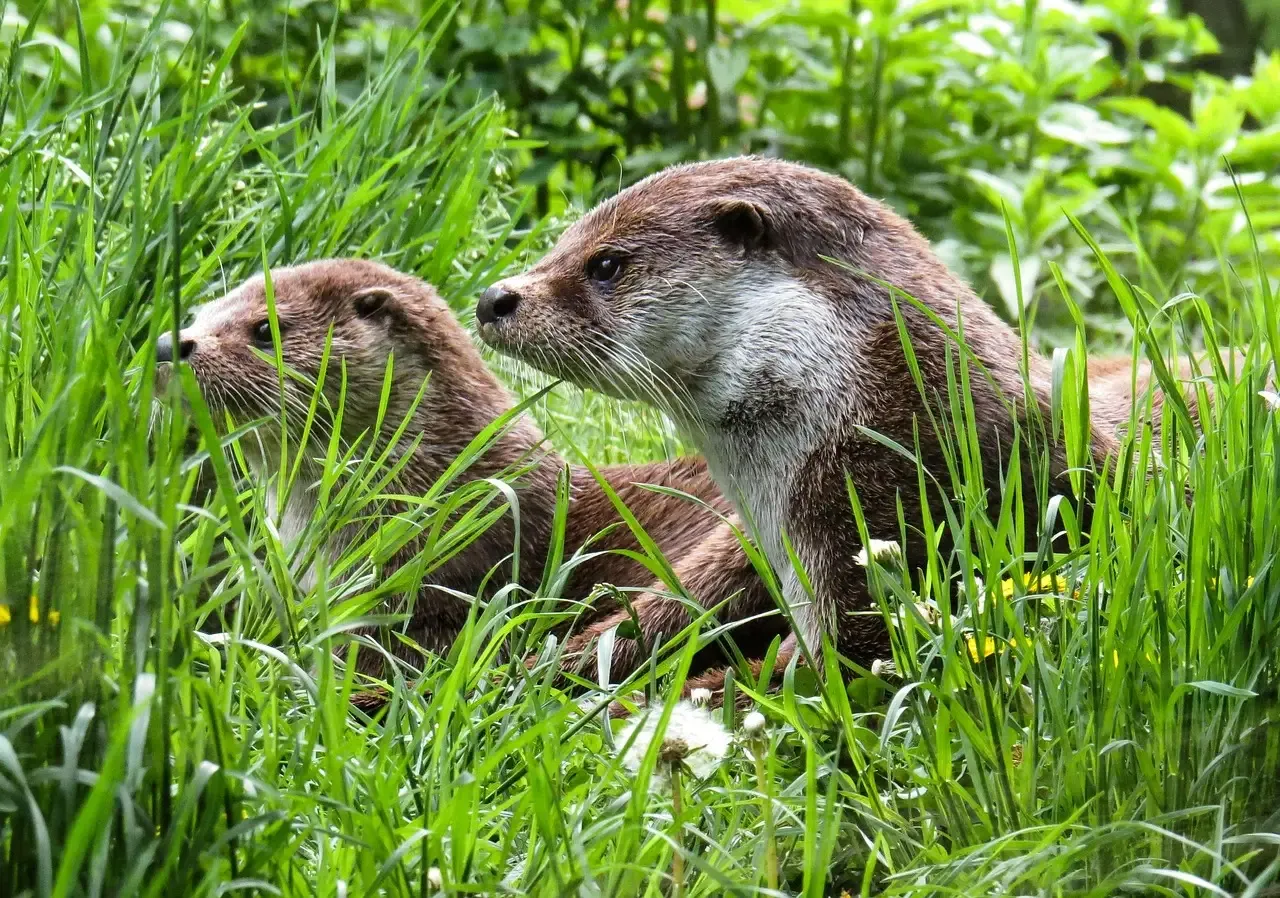
There is evidence that river otters’ play activities strengthen social bonds, improve hunting techniques, and scent mark territories. So what looks like goofing around is actually doing several important things at once. The otter sliding down a bank is, in a sense, also training, bonding, and communicating.
Their playful snow and mud sliding, tail chasing, water play, and snow burrowing activities also serve other purposes – they help strengthen social bonds and let young otters practice hunting techniques. Researchers have proposed many positive consequences from play that include improving motor skills, strengthening cardiovascular systems, mimicking adult behaviors, and enhancing social communication. It’s a full curriculum disguised as fun.
#3: They Have a Rich and Complex Vocal Language
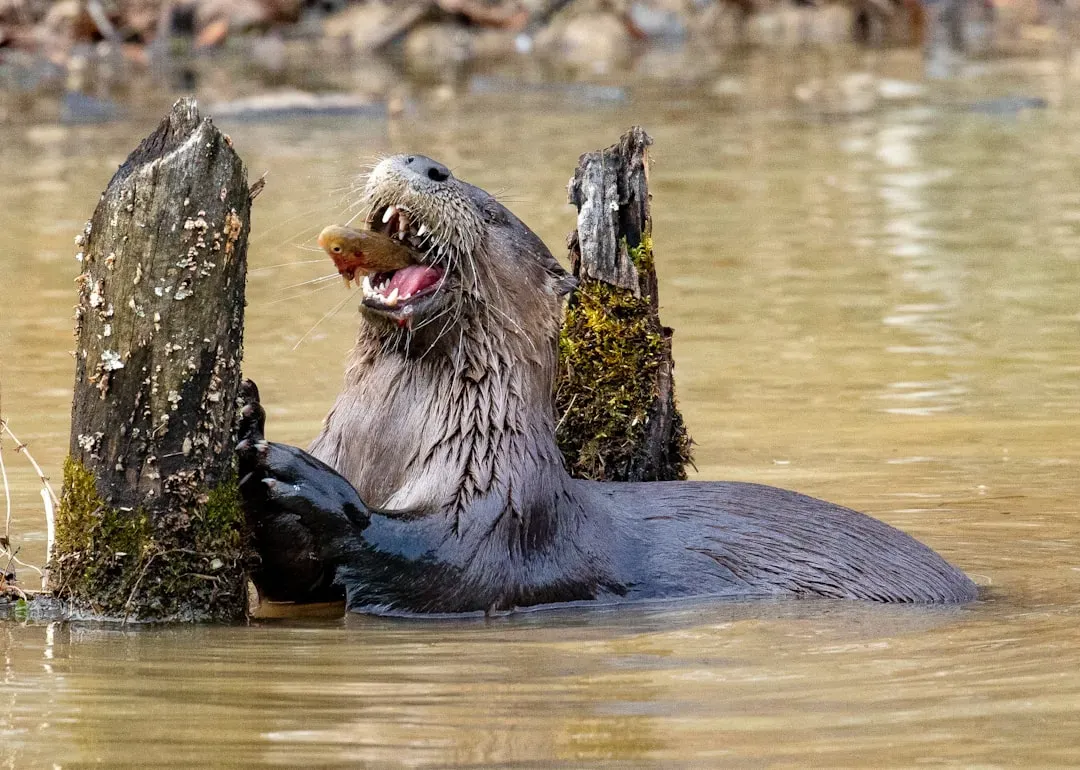
River otters can communicate vocally with shrill chirps, soft chuckles, low grunts, nasal snorts, hissing, and screams. That’s a remarkably varied repertoire for a mammal that spends much of its time in the water. Each sound carries a different social weight, and experienced observers can often tell the mood of an otter group just by listening.
River otters produce a variety of noises. They growl, caterwaul, and whine. When alarmed, individuals emit an explosive sound. When two or more are together, they often produce a mumbling noise that seems to be a form of conversation. When river otters are happy and play with each other, they usually make purring sounds like someone is chuckling or laughing softly. That soft chuckling sound alone is enough to make any wildlife observer stop and listen.
#4: Their Whiskers Are Precision Hunting Tools
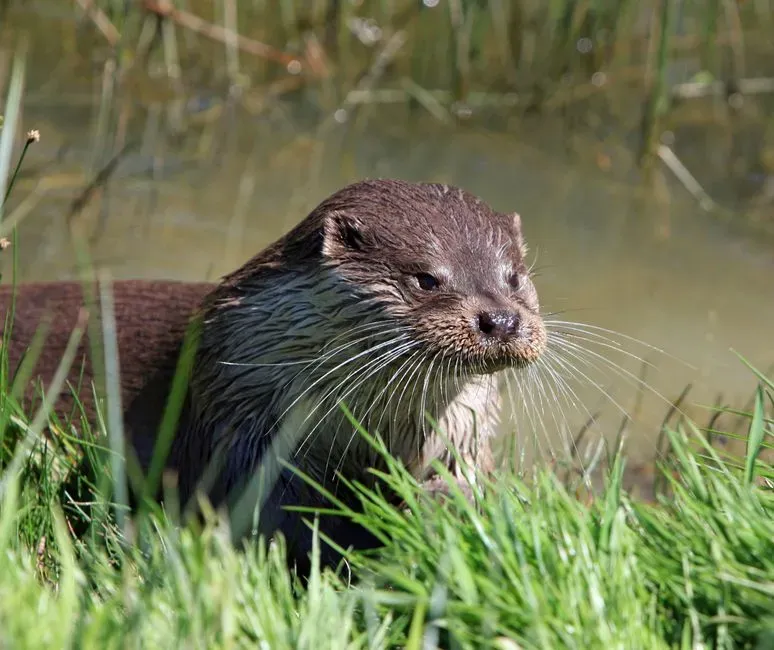
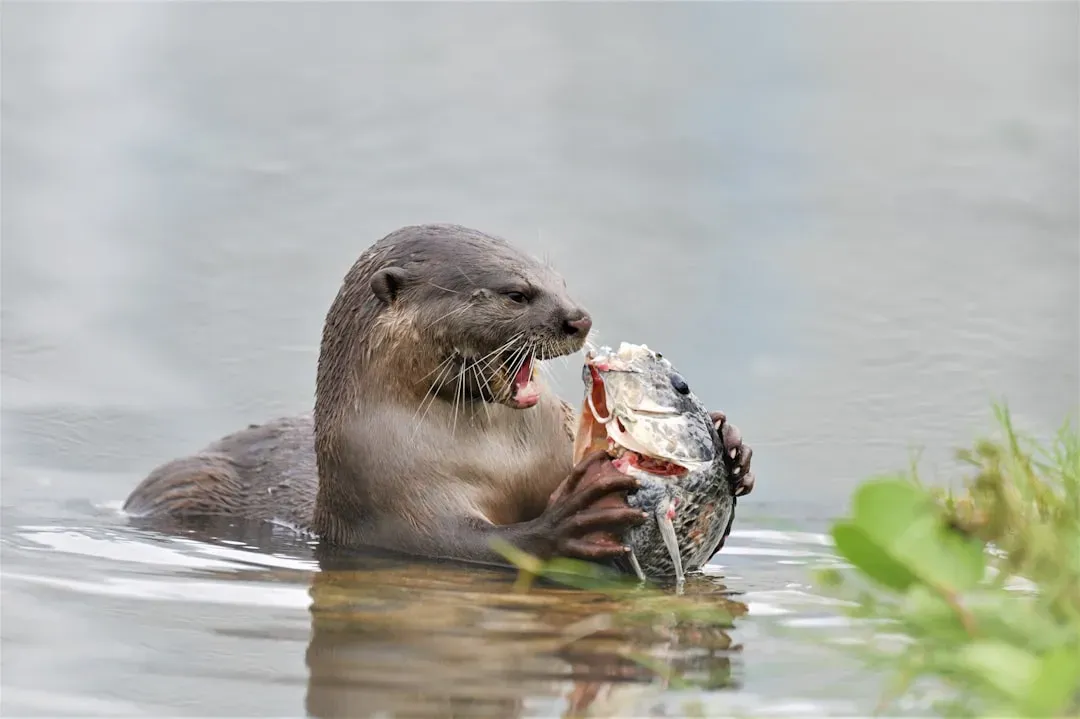
River otters use their sensitive whiskers to detect prey within muddy river bottoms. This is more impressive than it sounds. In turbid or low-visibility water, vision is nearly useless, yet otters locate prey with remarkable accuracy. Their whiskers pick up the faint pressure waves generated by moving fish or invertebrates.
River otters appear to have well-developed senses of smell and hearing. Their vision is not especially good but may be better underwater than above. Several sets of strong whiskers are used by the animal for hunting and avoiding obstructions. In a sense, their whiskers function as a navigation system built directly into their face, one that works precisely when their eyes cannot.
#5: They Are Sophisticated Problem-Solvers
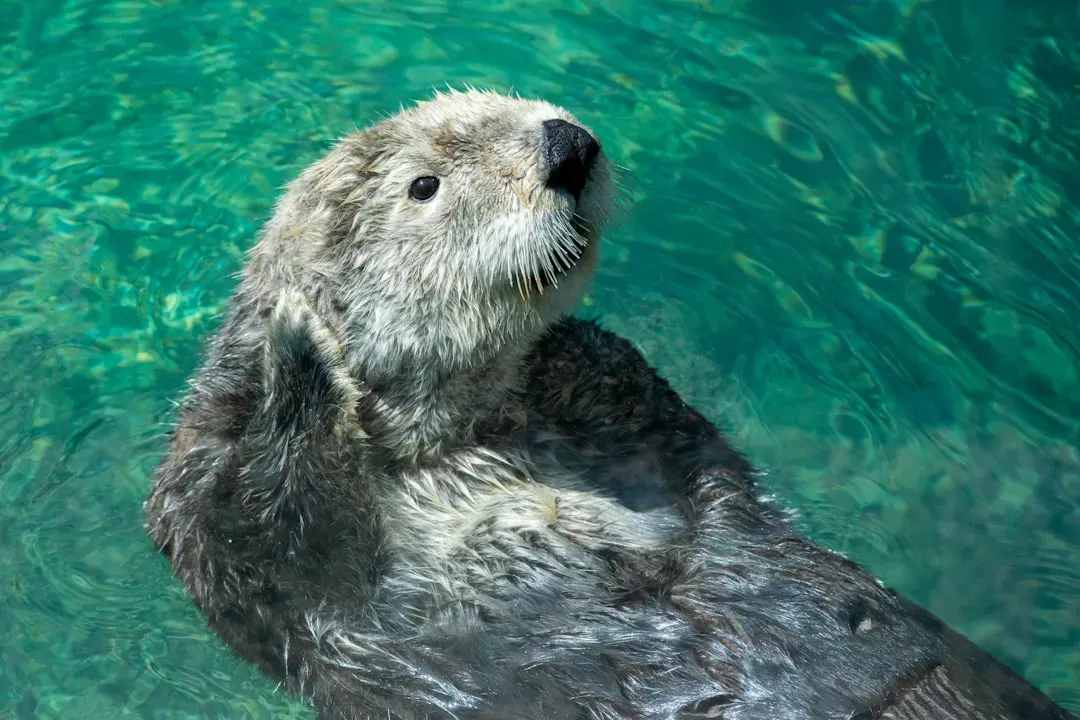
While less frequent in the wild, river otters also display problem-solving in controlled settings. Studies involving Asian small-clawed otters and smooth-coated otters presented them with transparent puzzle containers baited with food. These otters successfully learned to open the containers by twisting lids or pulling handles. This demonstrates learned dexterity and memory recall, as the otters solved the same puzzles significantly faster after several months had passed.
Otter intelligence is characterized by cognitive flexibility, allowing them to adapt their behavior to different environments and resource availability. The thirteen species inhabit diverse ecological niches, from freshwater rivers to marine kelp forests, each requiring specialized hunting techniques. This adaptability demonstrates a dynamic intelligence that responds to environmental demands. They don’t just solve problems once. They remember how, and they get better at it.
#6: They Juggle Rocks as a Form of Mental Exercise
River otters are known to “juggle” small rocks or pebbles, a behavior thought to be a form of play or dexterity practice. This isn’t random fidgeting. It reflects a brain that needs stimulation and seeks it out through object manipulation, a trait more commonly associated with primates than with semi-aquatic mustelids.
The fact that otters actively seek objects to occupy their mind shows a naturally high level of mental activity. When their minds are not stimulated enough, they find ways to entertain themselves. Complex play behavior, such as juggling small stones, is common in many otter species and serves as practice for hunting and motor skill development. There’s a practical edge buried inside every seemingly pointless pebble-toss.
#7: Their Social Structures Are Surprisingly Layered
River otters are social animals and will form two types of social groups: families, which consist of adult females with her young of the year and a helper or two, and clans, which are primarily males. These aren’t loose, casual associations. They reflect a deliberate social architecture that serves both protective and practical purposes.
Intelligence also plays a role in their social dynamics, particularly in species that form complex social structures. While some otter species are more solitary, many engage in social behaviors from raising young to cooperative activities. Play, as noted, strengthens social bonds and contributes to the development of social skills. The ability to learn from others and communicate effectively helps maintain group cohesion and facilitates the transmission of survival skills across generations.
#8: Mothers Teach Their Pups to Swim

Pups are taught to swim by the female, who must coax or drag them into the water. River otter pups are not born with any instinctive drive to enter the water. Swimming is a learned skill, passed directly from mother to offspring in what is a surprisingly hands-on education process. Baby otters are born blind, toothless, covered with fur, and with properly formed claws. They start to open their eyes after 30 days, begin playing after one month, and consume solid food only after two months. By the time a baby river otter is two months old, its coat is fully grown, and it is at this point that mothers show them how to start swimming.
Research shows that otters can learn from their peers when solving novel foraging tasks, such as opening puzzle boxes to get food. This transmission of knowledge, particularly from mothers to their offspring, is significant for learning complex behaviors like hunting and predator avoidance. The mother-pup relationship is, in every practical sense, an apprenticeship built on trust and patient repetition.
#9: They Are Built Like Athletes
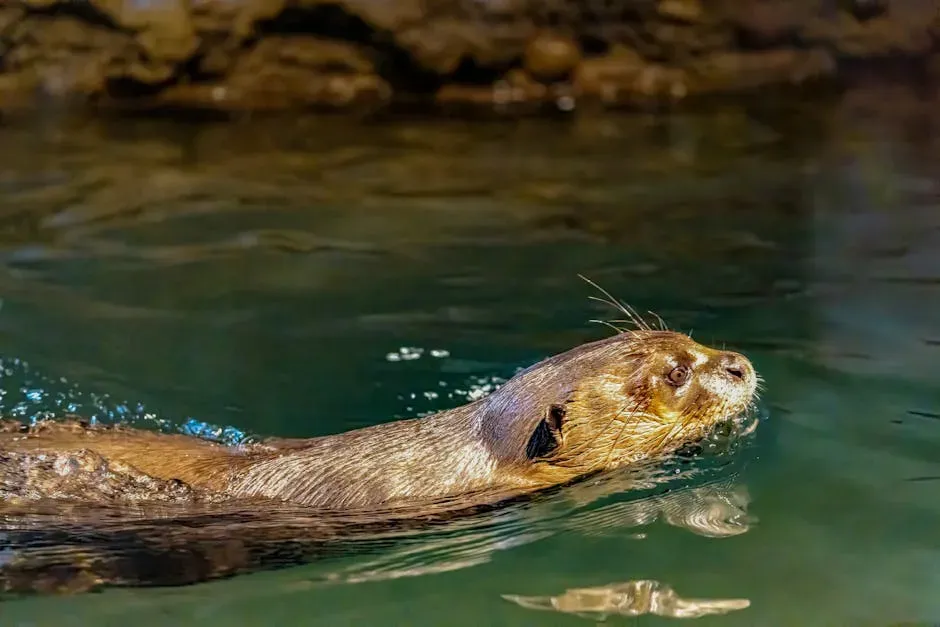
River otters can hold their breath for up to 8 minutes underwater. Their powerful jaws can crush the shells of crustaceans with ease. River otters can swim at speeds of up to 7 miles per hour. These aren’t just impressive statistics. They reflect millions of years of refined physical adaptation to a life split between land and water.
The river otter’s eyes and ears are located high on its head for surface swimming. A third eyelid, or nictitating membrane, protects the eye and allows the otter to see when swimming underwater. The otter’s ears and nostrils close underwater. Every part of the otter’s body is tuned for its environment with a precision that is genuinely hard not to admire.
#10: They Are Ecosystem Guardians
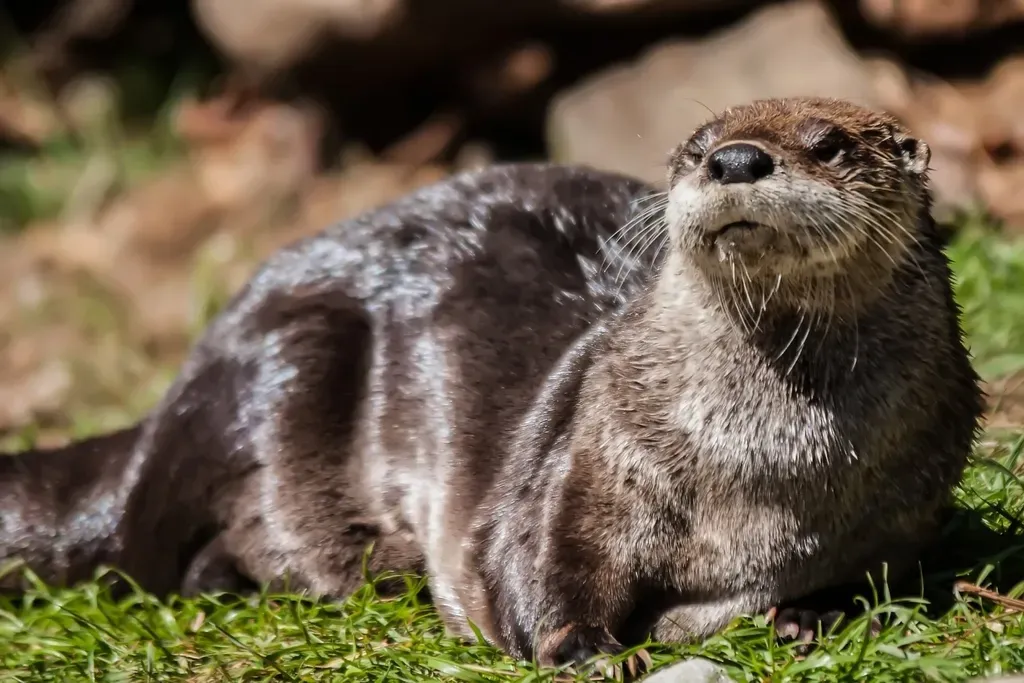
As top predators, river otters help maintain balance in their habitats and often serve as indicators of healthy ecosystems. Their presence in a waterway is, in effect, a certification of water quality. Where river otters thrive, the broader ecosystem is typically functioning well. Their absence, on the other hand, is often one of the first signs that something has gone wrong.
River otters are known as indicator species of wetlands with ample high-quality water. They are also used as a flagship species to save wetlands and other aquatic habitats. Conservation groups have long used this status strategically. Protect the otter, and you protect the river. Protect the river, and you protect everything that depends on it.
#11: Their Scent Is as Unique as a Fingerprint
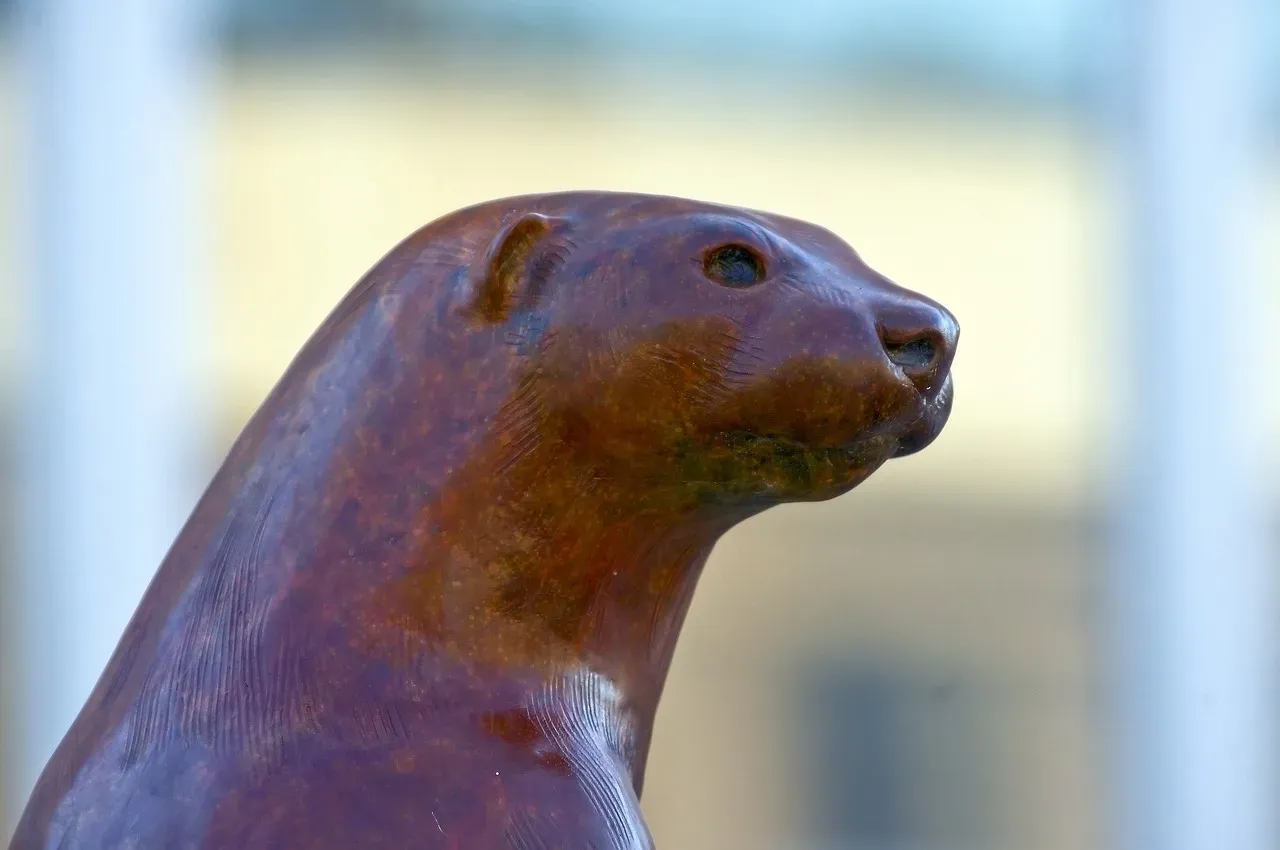
Each otter’s scent is unique, allowing them to identify individuals within their social groups. This level of chemical individuality means that river otters carry, quite literally, a biological ID with them at all times. Scent isn’t just a territorial tool. It’s a full communication channel carrying information about identity, status, and presence.
River otters mainly communicate by olfaction. They make scent posts throughout their territory to announce their presence and minimize contact with other otters. They will also deposit scent on other areas frequently used such as haul outs, bedding sites, rolling sites, scrapes, dens, and diggings. Non-verbal cues, such as body language and scent marking, also play a role in conveying information about identity, age, sex, and territorial boundaries. It’s an invisible language written on the landscape, and river otters read it fluently.
A Final Thought
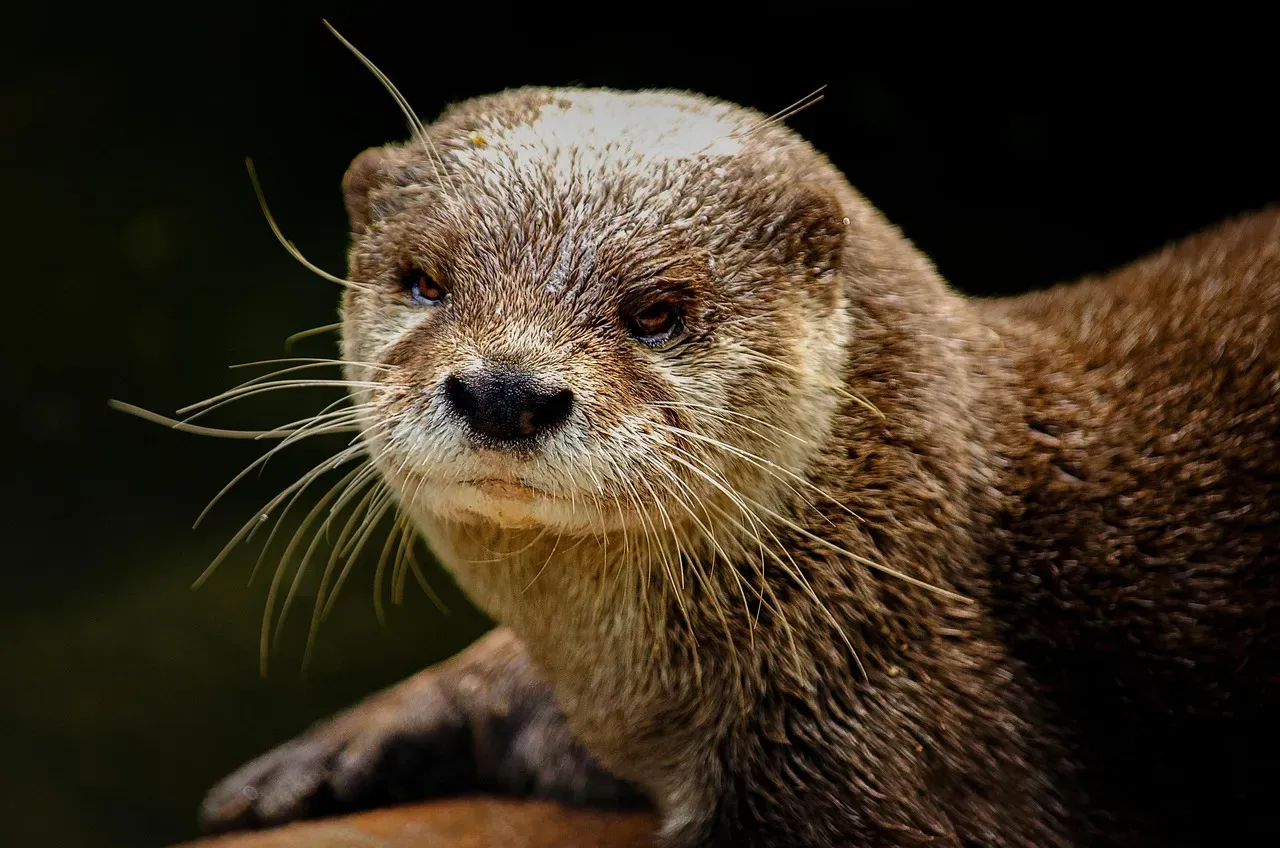
River otters occupy a curious space in the animal world. They’re charismatic enough to make headlines and elusive enough to remain genuinely mysterious. The North American river otter is the most abundant otter species, but surprisingly little is known about its life in the wild. That gap between familiarity and true understanding is exactly what makes continued study so worthwhile.
What the science increasingly confirms is something observers have suspected all along. Otters have been protected and celebrated for their intelligence, as tool users, ecosystem engineers, and environmental sentinels. They are not simply entertaining. They are essential. And the more carefully we watch them, the more clearly that becomes.
