
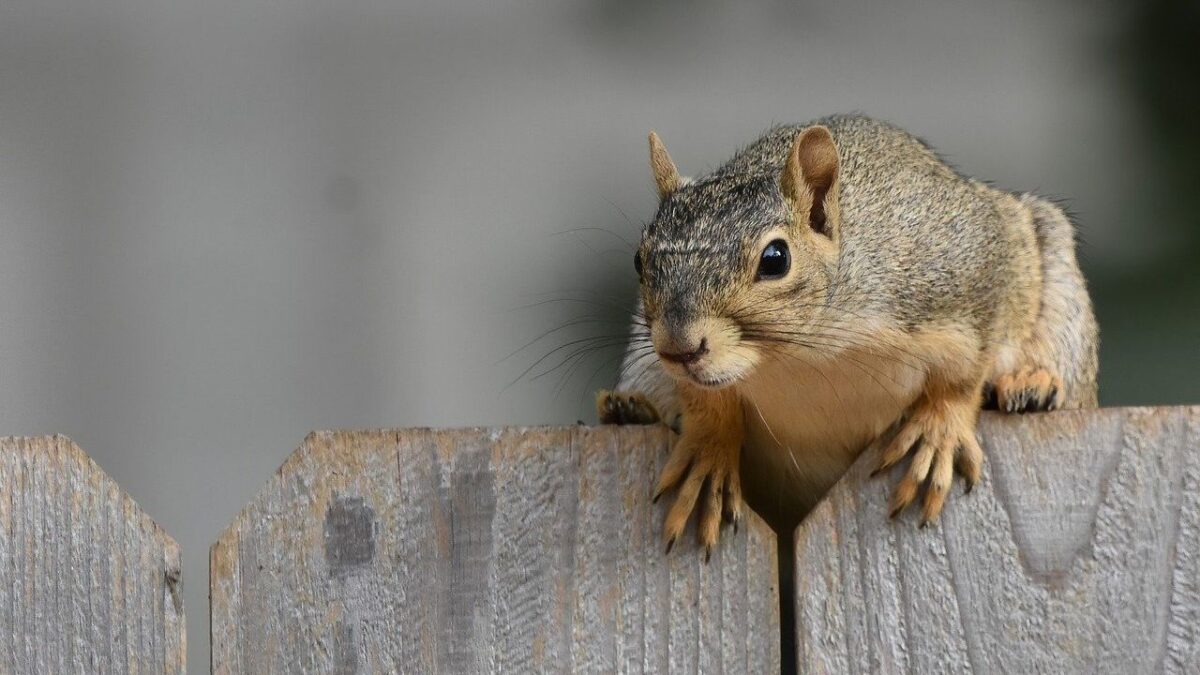
Most people see squirrels every day without really seeing them at all. They dart across a lawn, vanish up a tree trunk, freeze oddly in the middle of the road, and then disappear again. Easy to overlook. Surprisingly hard to understand. These small, twitchy creatures have been sharing our parks, gardens, and city streets for so long that we’ve stopped wondering why they act the way they do.
Spend any time reading the science behind them, though, and something shifts. Squirrels are not just bushy-tailed background noise. They are problem-solvers, ecosystem engineers, skilled communicators, and in some cases, accomplished deceivers. What follows are eleven facts that actually explain the behavior you’ve been watching without fully understanding.
#1. Their Teeth Never Stop Growing, Which Explains All That Gnawing
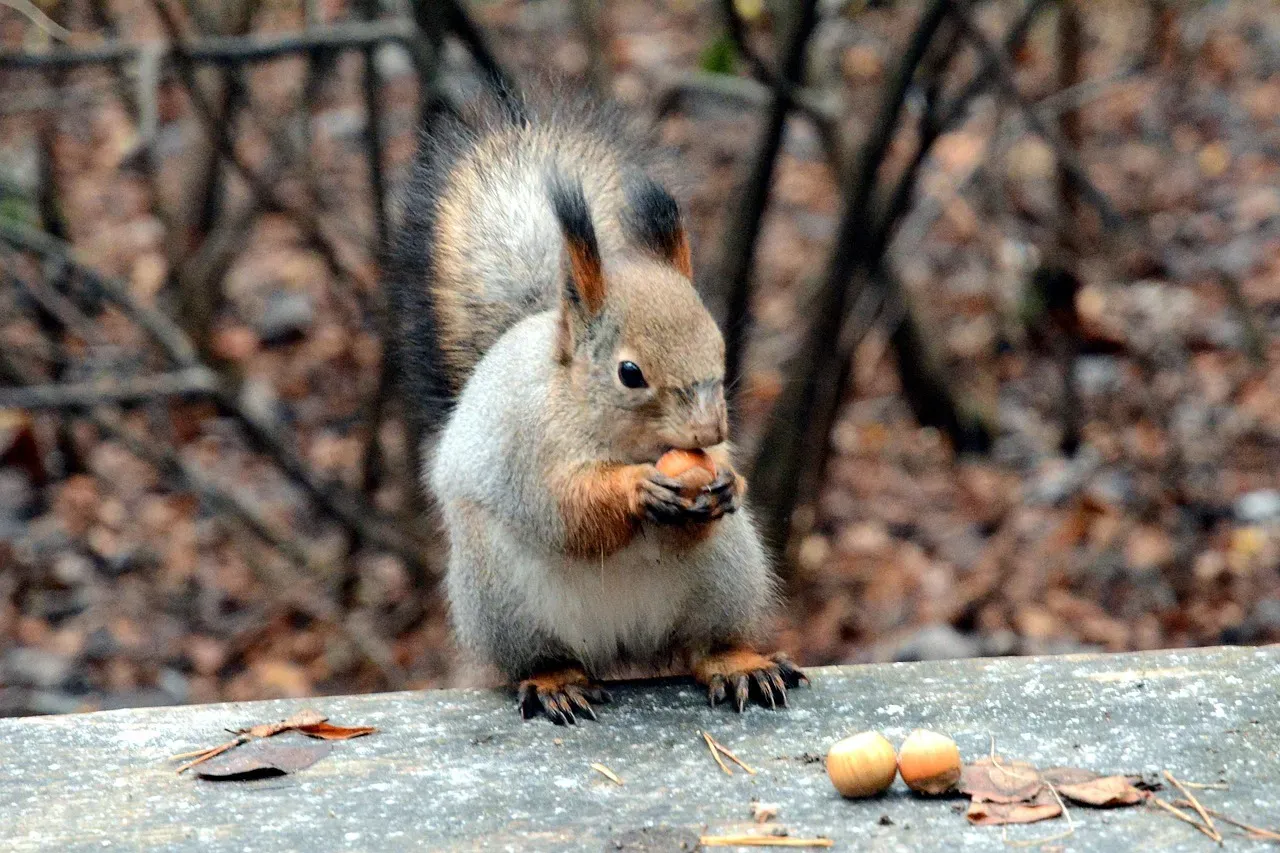
All squirrels, including tree squirrels, ground squirrels, and everything in between, are rodents. One of the hallmark characteristics of rodents is teeth that never stop growing. The four front teeth of all rodent species in the world never stop growing, which is why so many rodents are known for their chewing behavior.
Because their teeth are always growing, they have to gnaw on things frequently to prevent them from getting too big. This explains why squirrels seem to chew on everything in sight, even things that aren’t food. They gnaw on hard substances, including wood, nuts, and plastic, to keep their teeth from getting too long. Unfortunately, this natural behavior can lead them to chew on wires, wood, and insulation within homes, resulting in costly repairs.
#2. They Are Accidental Master Gardeners of the Forest
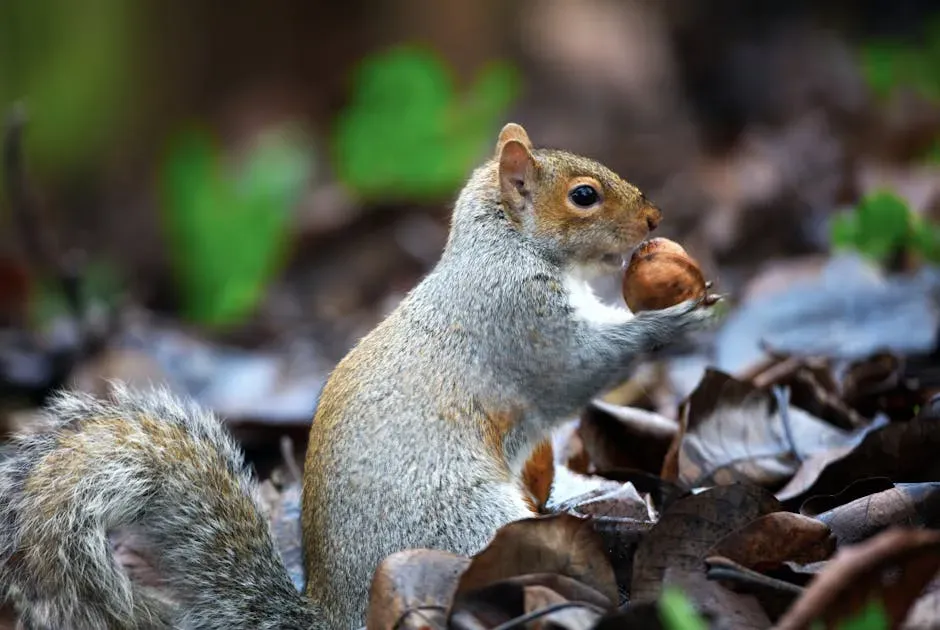
Studies show that a single squirrel can bury as many as 10,000 nuts annually. They play a massive role in the ecological role of the forest ecosystem through forest regeneration and seed dispersal. That’s not a minor contribution. That’s a forest being quietly built, one forgotten acorn at a time.
Squirrels play a crucial role in sustaining the health of our environment, acting as vital seed dispersers. Scientists have estimated that squirrels forget roughly sixty to eighty percent of the seeds and nuts they bury, which leads to new plantings. With acorns and pinecones too large for birds or insects to disperse effectively, squirrels have become integral dispersal agents for these robust species. Squirrels, along with jays, have been important in maintaining and regenerating second-growth oak forests, and scientists think they may even have been responsible for spreading vast stands of oak trees across North America.
#3. They Practice Deliberate Deception When They Think They’re Being Watched
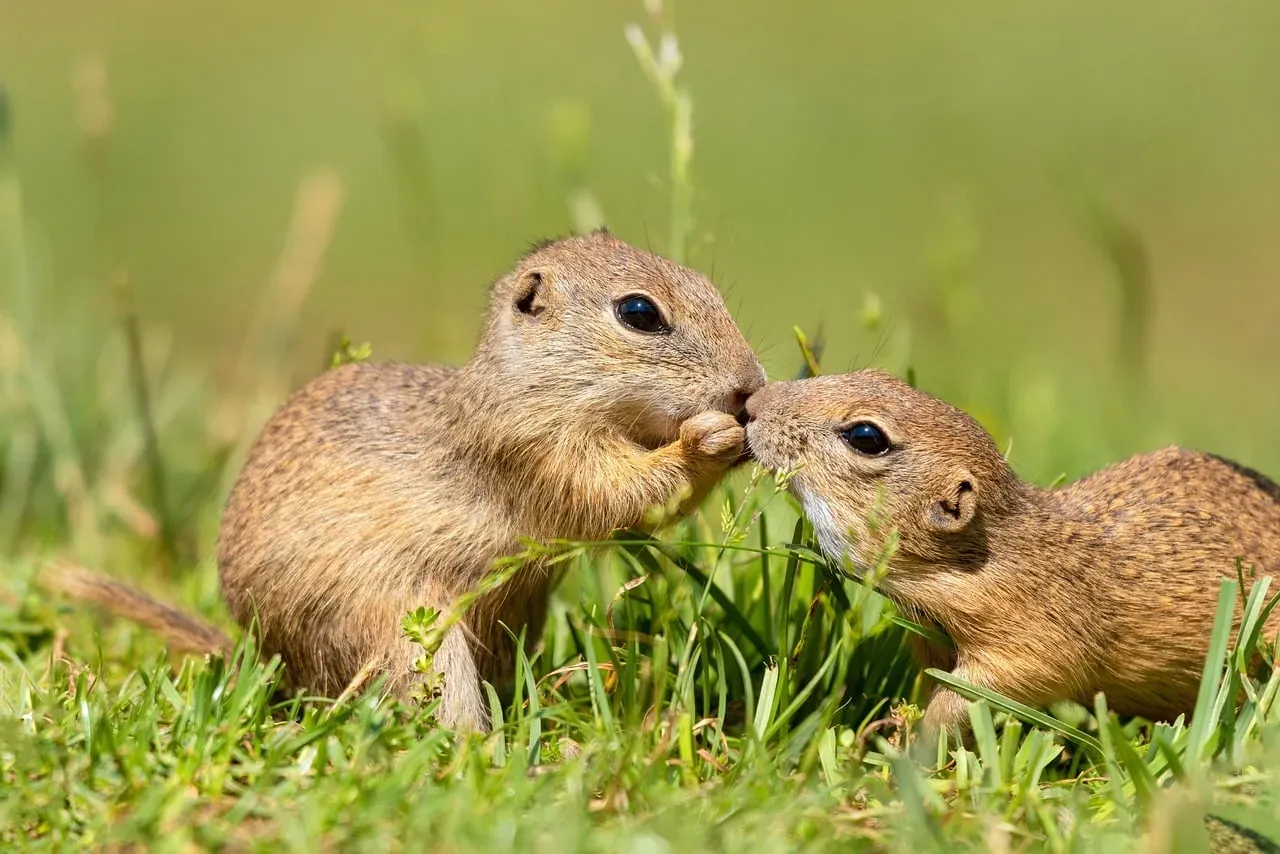
A 2010 study found that squirrels actually engage in deceptive, or paranoid, behavior. When squirrels are being watched, they’ll construct fake caches, pretending to bury a nut by digging a hole, patting it down with their front teeth, and scraping dirt or grass over the top while concealing the nut in a pocket near their armpit, and will make the real cache somewhere else. Even while watching, it can be difficult to tell when a squirrel is making a fake or a real cache.
Think about what that requires: awareness that they are being observed, a decision to act deceptively, and the physical control to carry out a convincing performance. Some squirrels will pretend to bury food if they sense another squirrel is watching, effectively using deception to guard their supply. These behaviors show that their intelligence isn’t just about remembering locations, but also about anticipating threats and adapting to competition.
#4. Their Spatial Memory Is Genuinely Remarkable
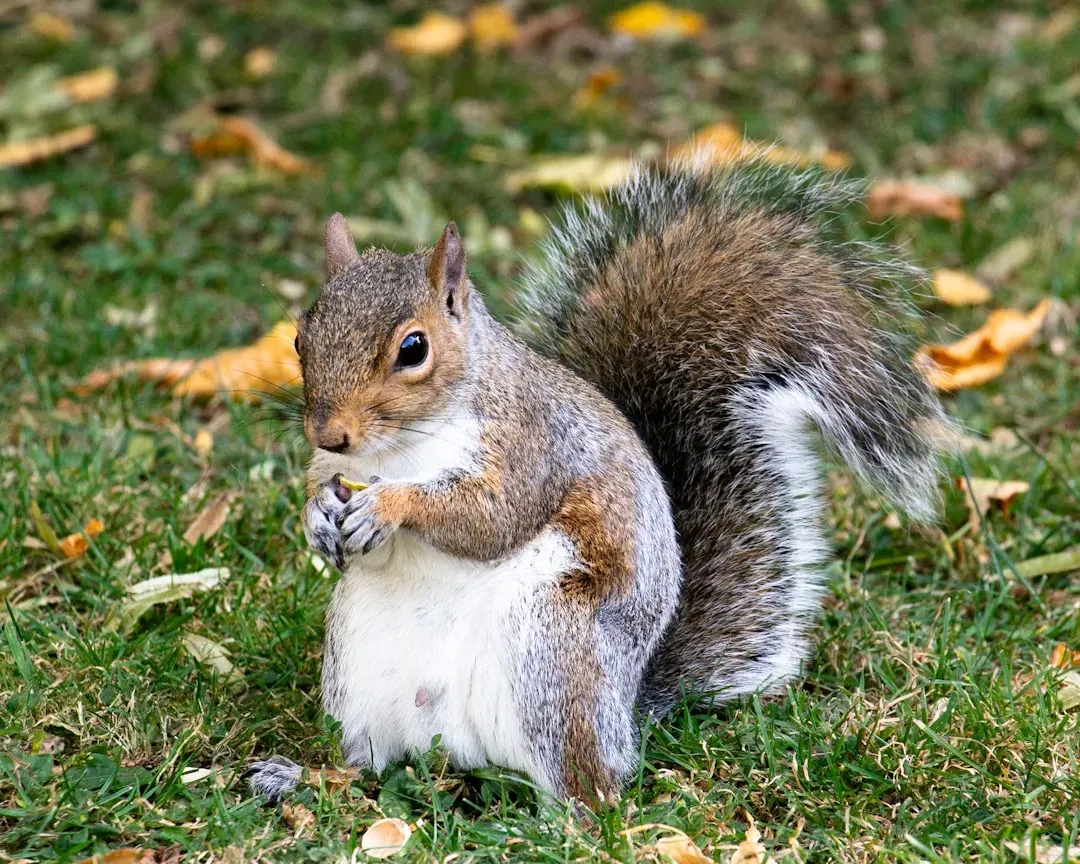
Gray squirrels can remember up to twenty-four cache locations for up to two months. More recently, researchers have shown that lab-reared squirrels can use the relative position of nearby landmarks such as bushes and trees to guide them to their caches in an enclosed study area. This is active, deliberate spatial reasoning, not just sniffing around.
It seems that squirrels are capable of “spatially chunking,” that is, placing nuts of the same type into individual caches that are separate from those belonging to another type, and this process may help them remember the locations of each cache more easily. Squirrels remember the contents of their caches as well as their location. They remember and return first to the caches that have larger amounts of food stored in them. There’s a practical intelligence operating here that most people don’t credit them with.
#5. Their Tail Is a Full Communication System
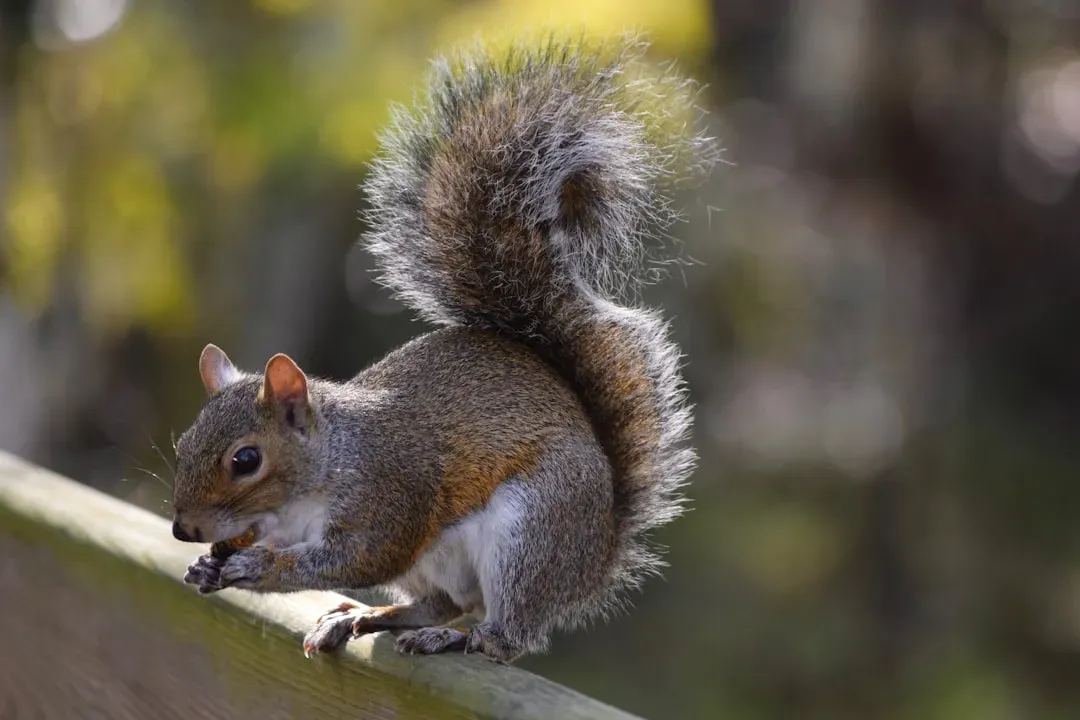
A squirrel’s tail is its most useful form of visual communication and has been studied for several species, including the common Eastern gray squirrel. Their tails are, after all, prominent parts of their anatomy. Of the two main types of movements, tail flagging is the most dramatic, involving long, arching sweeps of the tail, often rapidly and vigorously. These movements are a response to a threat posed by a predator, like a cat or a snake, and are intended to let others know that they have been spotted.
Researchers have also recently discovered that Eastern gray squirrels use their tail positions to communicate aggression and their position within their dominance hierarchy. Their fluffy tails act as rudders that help them steer when they jump, parachutes that slow them down when they fall, and umbrellas that shield them from rain. In short, the tail is doing a lot of work at any given moment, and that constant twitching you notice is rarely random.
#6. They Can Survive Falls From Extraordinary Heights
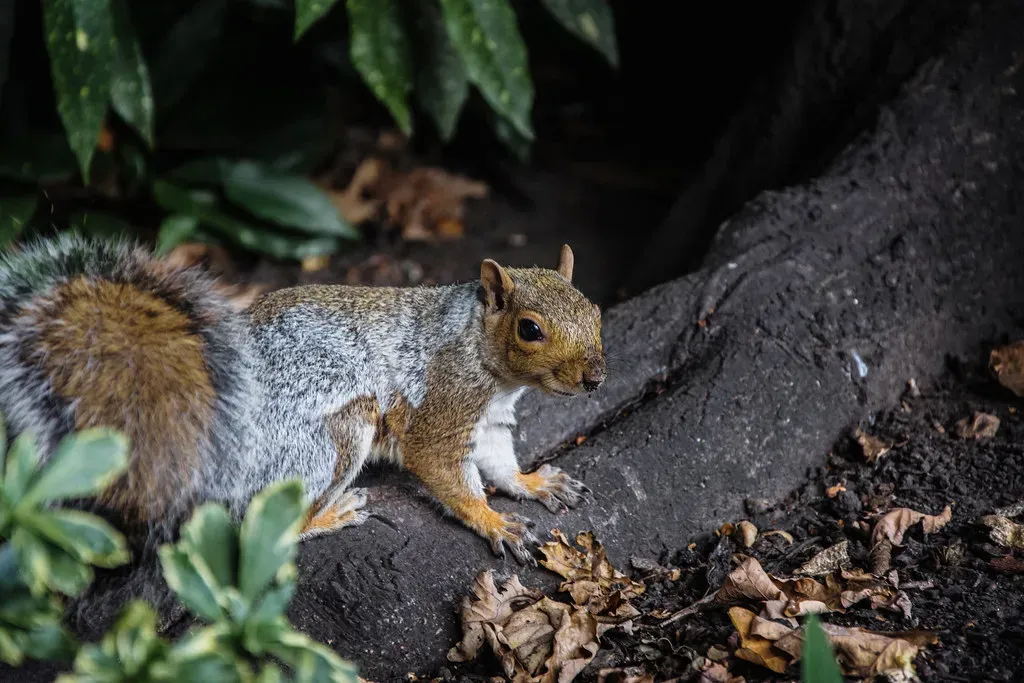
Squirrels are small and lightweight, which means the force of gravity they have to withstand when they fall isn’t that great. Their small size alone isn’t enough to save them, but that combined with how they fall is. When squirrels are falling, they instinctively spread their bodies out with legs extended. This slows down the speed at which they are falling because it increases the wind resistance.
A squirrel’s tail can also serve as a parachute to ease falls, and squirrels can fall from heights of up to one hundred feet without injuring themselves. This allows the squirrels to glide as they fall. It is the same principle that allows flying squirrels to glide, not fly, through the air. The next time you see one leap recklessly from a high branch, know that it has likely done the physics, even if not consciously.
#7. Their Hind Legs Are Engineered for Tree Life
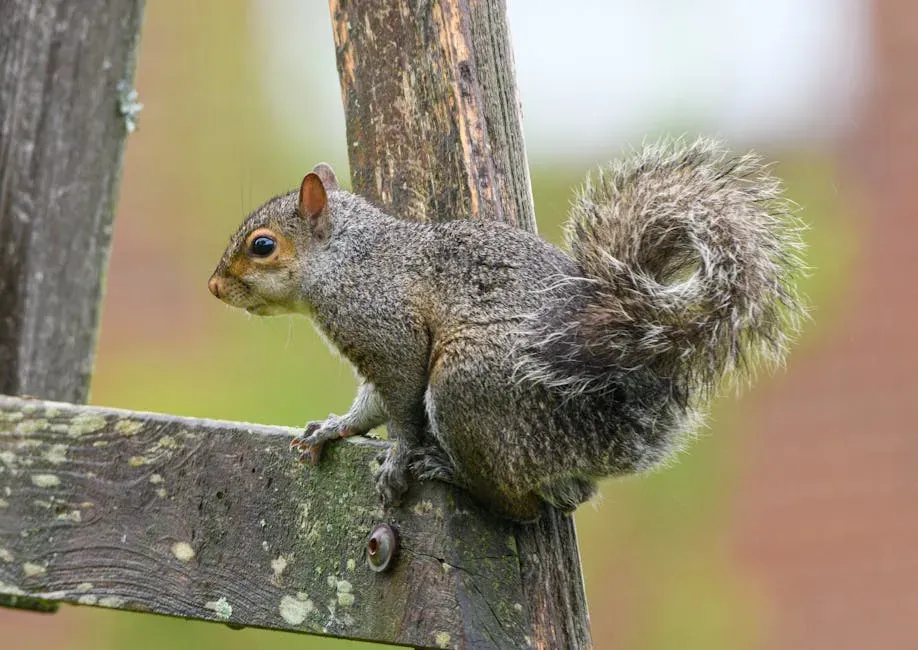
Squirrels have double-jointed ankles. These allow squirrels to rotate their feet almost one hundred and eighty degrees, which helps them climb trees and maneuver quickly. This flexibility is crucial when they need to escape predators or navigate complex environments.
This enables them to run down trees almost as quickly as they can run up them. Their strong legs act like springs, helping them leap from branch to branch or accelerate when running. Very few animals can descend a tree headfirst at speed, and the squirrel’s double-jointed anatomy is precisely why they can do it so effortlessly while you watch in mild disbelief.
#8. They Learn by Watching Other Squirrels
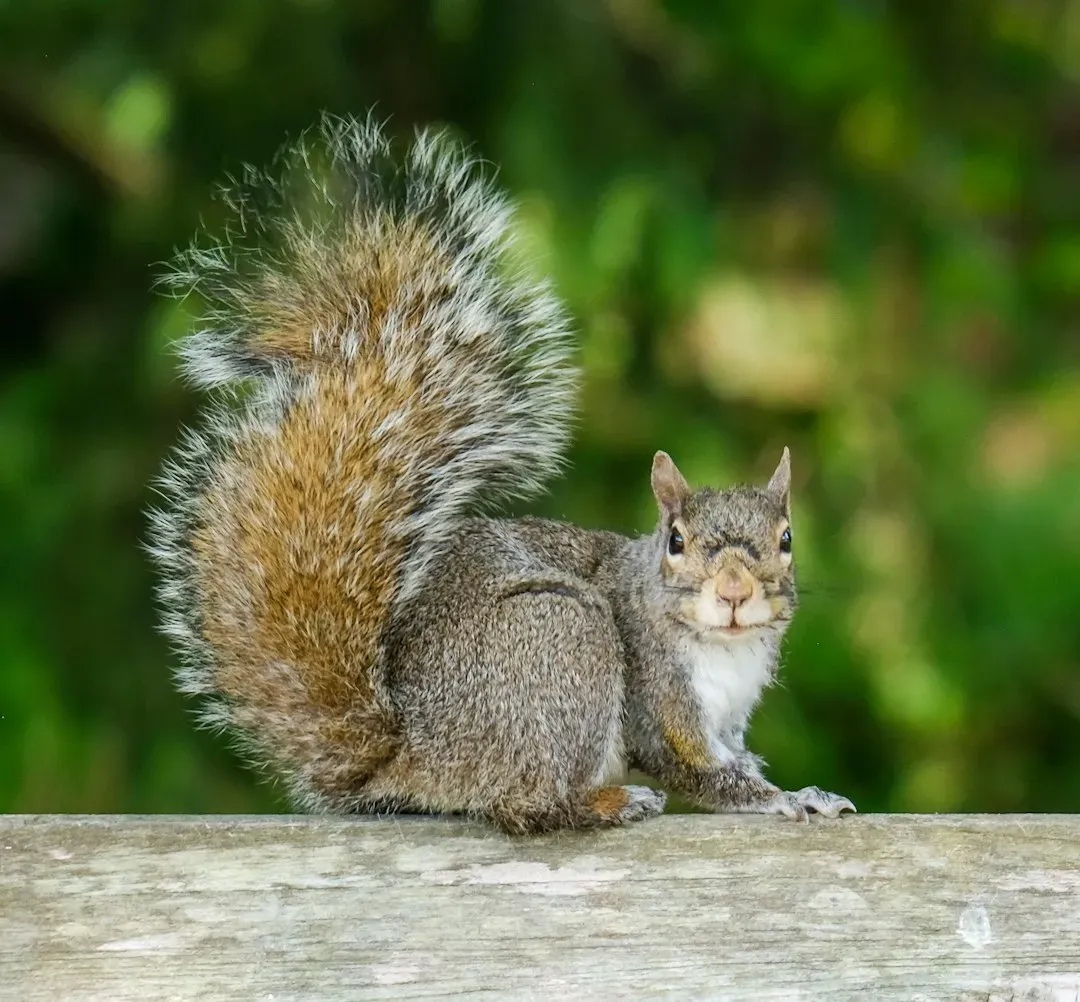
In 2009, researchers at the University of Exeter devised a test to determine if gray squirrels have the ability to learn from observing other gray squirrels. The findings pointed toward something important: squirrels are not simply running on fixed behavioral programs. They observe, they process, and they adapt.
Squirrels would see another squirrel remove a nut from one of two pots. The squirrels learned quickly that if the squirrel they watched took the nut, the pot would be empty, and that going for the opposite pot was the better bet. That is social inference. Watching someone else’s outcome and adjusting your own behavior accordingly is a cognitive skill with real depth behind it. It’s the kind of reasoning we typically associate with much larger-brained animals.
#9. A Male Squirrel Can Smell a Female From Nearly a Mile Away
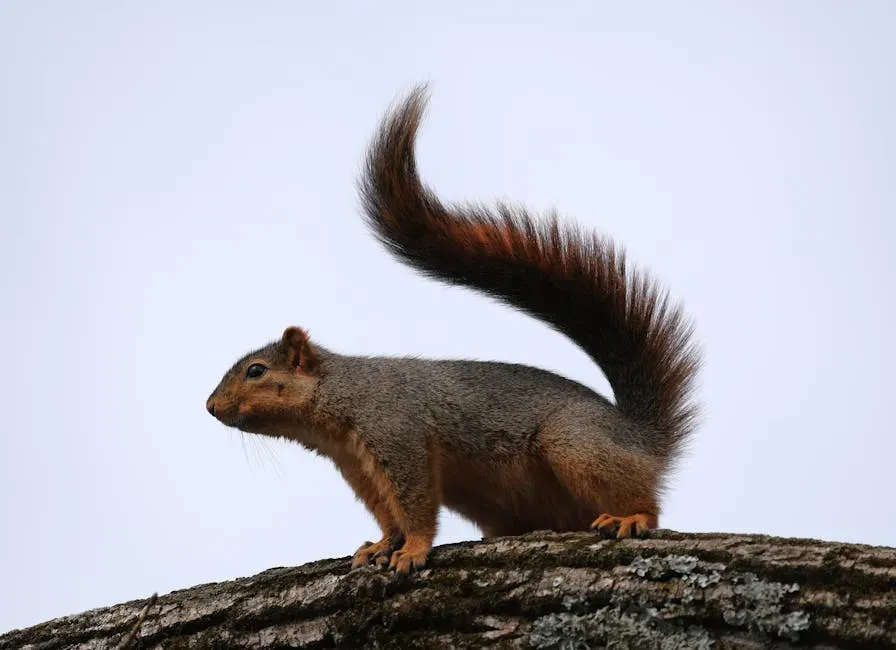
Male squirrels have an impressive sense of smell, capable of detecting a female in heat from up to a mile away. This olfactory ability plays a crucial role during mating season, which occurs from February to May. The male’s keen sense of smell helps him locate potential mates, facilitating reproduction and the continuation of the species.
Mating season for squirrels runs from February to May, with a forty-four-day gestation period. Generally, two to four young are born per litter. Baby squirrels depend entirely on their mother for about twenty-six to forty-two days. That frantic springtime chasing you sometimes see in the park isn’t playing. It’s competition, and those sharp noses are directing much of the action.
#10. Their Behavior Is Actually Reshaping Our Understanding of the Human Brain
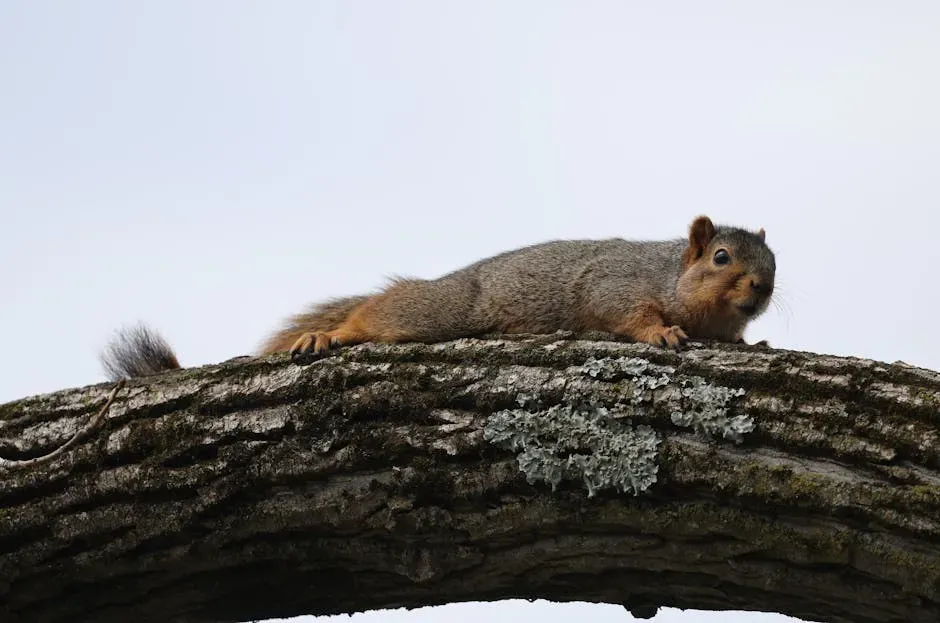
Research has shown that squirrels create a cognitive mental map to remember where their nut stashes are, and this research is helping us learn more about the human brain and spatial memory. The hippocampus, memory consolidation, and spatial cognition are all areas where squirrel behavior has opened new avenues of inquiry.
Scientists have suggested there may be simple ways that squirrels are organizing their lives that could potentially be translated to help a person with Alzheimer’s. That is not a trivial connection. A small, bushy-tailed creature running through a park may hold clues to one of the most devastating conditions facing aging populations worldwide. The link between squirrel foraging behavior and neurological research is one of the more quietly surprising corners of modern science.
#11. They Adapt to Urban Life With Remarkable Ease, But It Changes Them
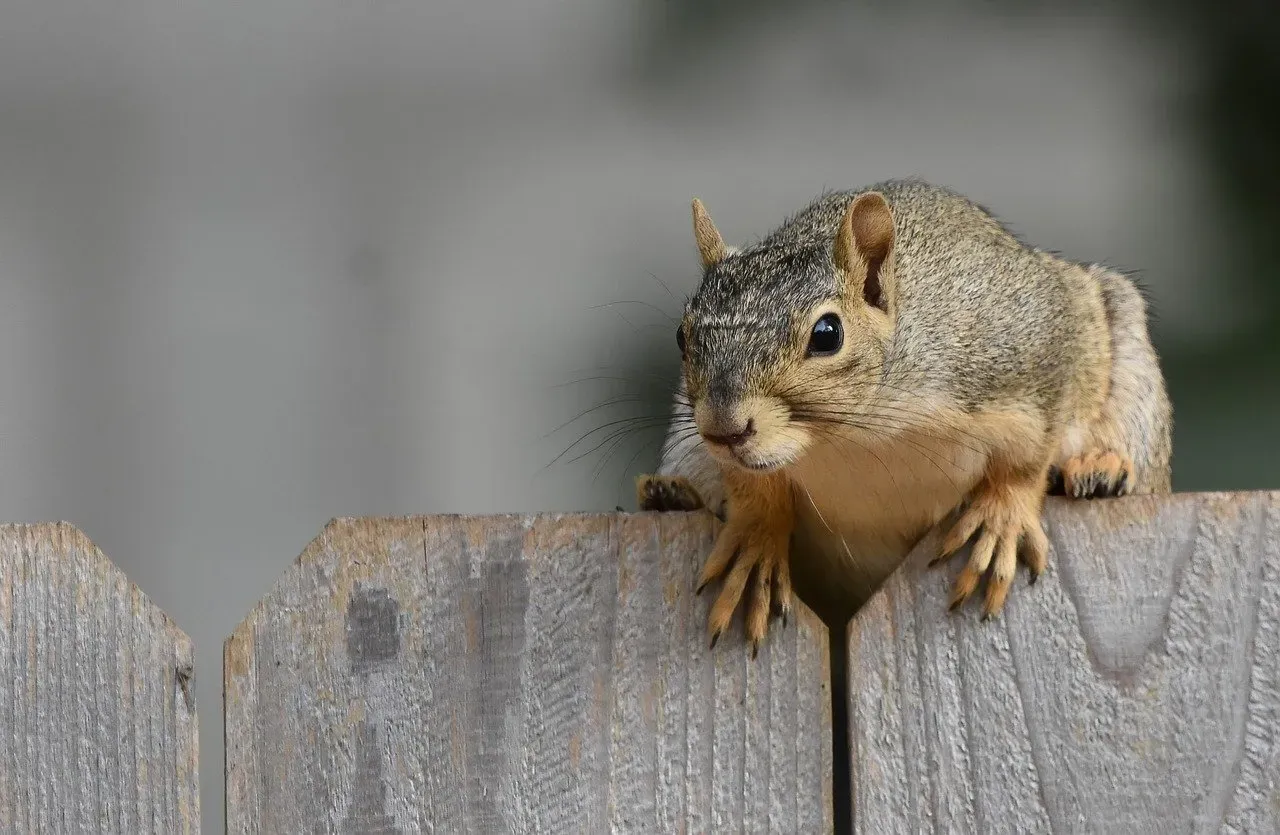
Squirrels, like pigeons and feral cats, are synanthropes, in that they benefit and thrive from their interaction in human environments. This gradual process of successful interaction is called synurbanization, wherein squirrels lose their inherent fear of humans in an urban environment. This is why city squirrels often approach humans boldly while their forest counterparts vanish the moment you look at them.
When squirrels were almost completely eradicated during the Industrial Revolution in New York, they were later reintroduced to “entertain and remind” humans of nature. The squirrel blended into the urban environment so efficiently that when synanthropic behavior stops, for example when people do not leave trash outside during particularly cold winters, they can become aggressive in their search for food. Familiarity, it turns out, has shaped them just as much as wildness has.
A Creature Worth a Second Look
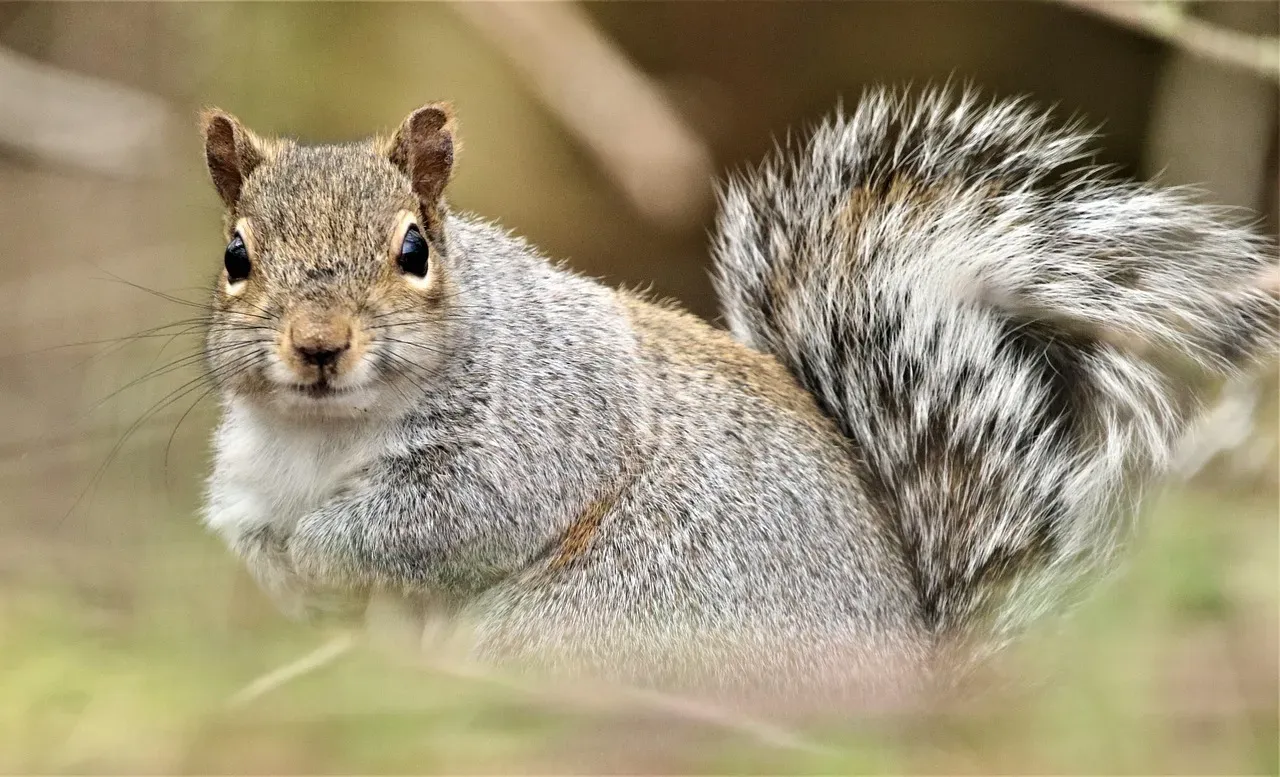
There’s something quietly humbling about realizing how much depth is packed into an animal most of us barely glance at. Squirrels deceive rivals, build spatial maps in their minds, help grow entire forests without meaning to, and are actively contributing to neuroscience research. They have adapted to every environment we’ve pushed them into, and they’ve done it on their own terms.
The next time one freezes on a nearby branch and stares at you with those wide, dark eyes, it may genuinely be reading the situation, deciding whether you’re a threat, a source of food, or simply not worth its time. Chances are, it already knows more about its immediate environment than you do about yours.
