
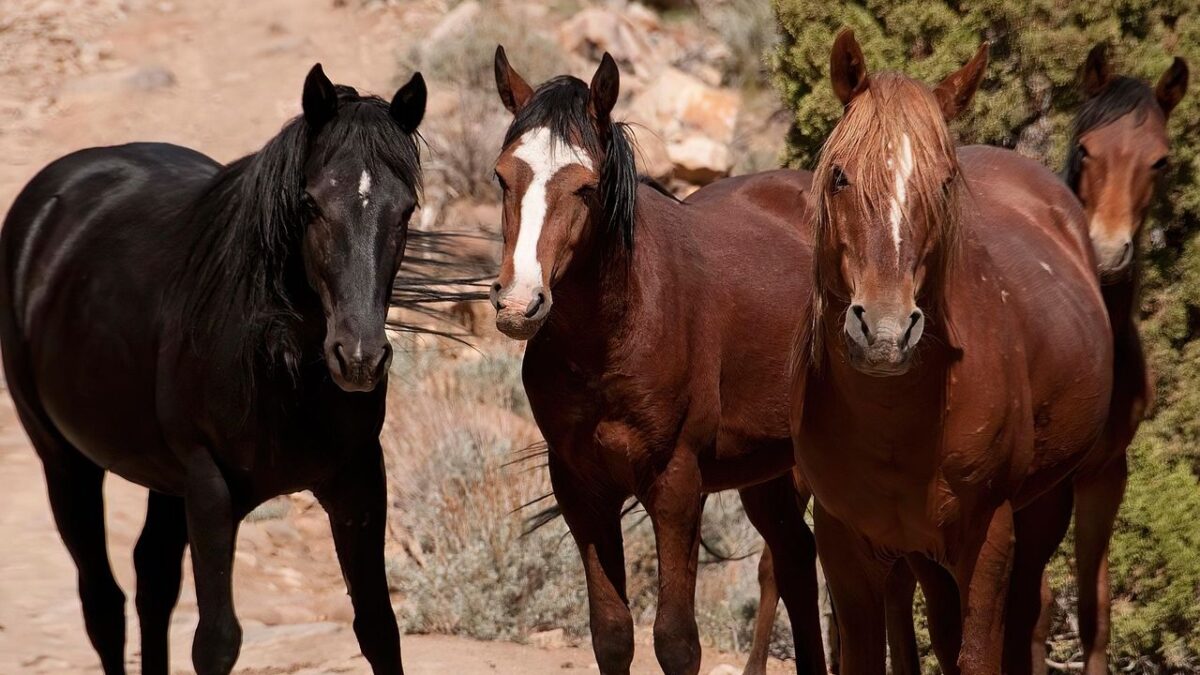
There’s something that stops you cold the first time you see it. A herd of wild horses moving across open land, no saddles, no fences, no handlers anywhere in sight. It’s one of those rare moments in modern life where the landscape feels genuinely ancient.
Most wild horses and burros living today are descendants of animals that were released or escaped from Spanish explorers, ranchers, miners, the U.S. Cavalry, and Native Americans. The so-called “wild” horses that roam across the U.S. today are actually descended from horses that were previously tamed, and for one reason or another, found a way to survive away from humans. That origin story makes them no less extraordinary to witness.
Across the West, there are at least 175 federally recognized areas where horses roam freely. Yet only a handful of places offer the kind of encounter that stays with you for years. These eleven are among the finest.
Virginia Range, Nevada
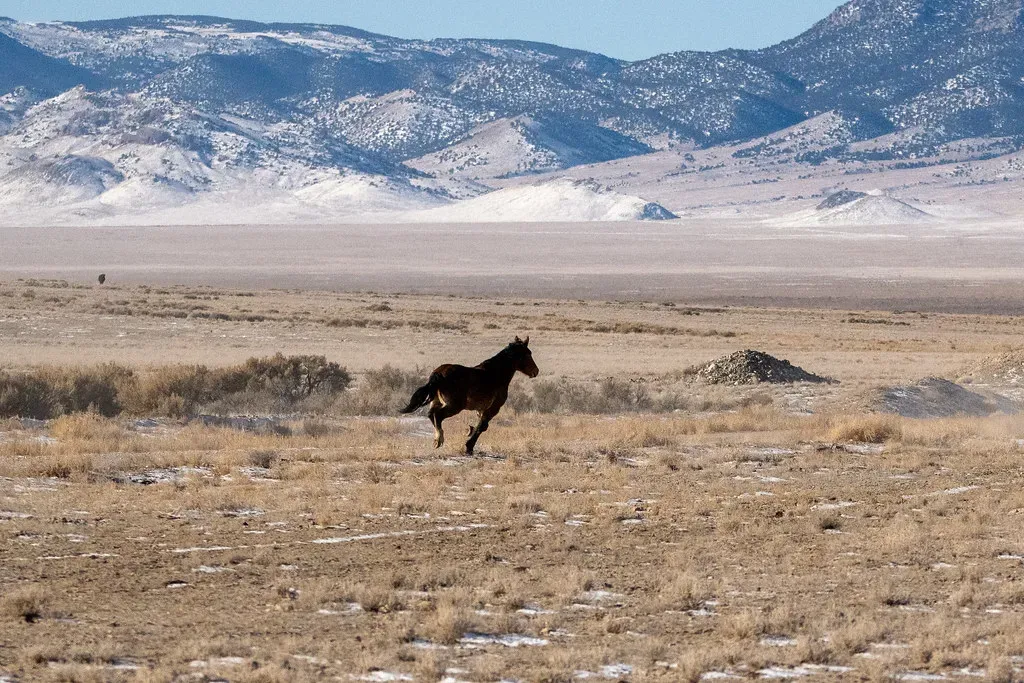
Nevada is home to the nation’s largest population of wild horses, with an estimated 38,000 or so mustangs roaming the Silver State, far more than any other state in the union. The Virginia Range is arguably the crown jewel of that population.
Wild horses live in several areas of Nevada, but the Virginia Range is arguably the most beautiful. Located in western Nevada between Virginia City and Reno, it is home to roughly 2,000 wild horses, which can sometimes be seen walking down the streets of the historic Virginia City and running in the hills of Storey County.
The trail east of Reno on the Virginia Range is the most probable place to see the mustangs, and many tours offer their services to take you to the best spots. Few wildlife experiences feel quite this cinematic.
Assateague Island, Maryland and Virginia
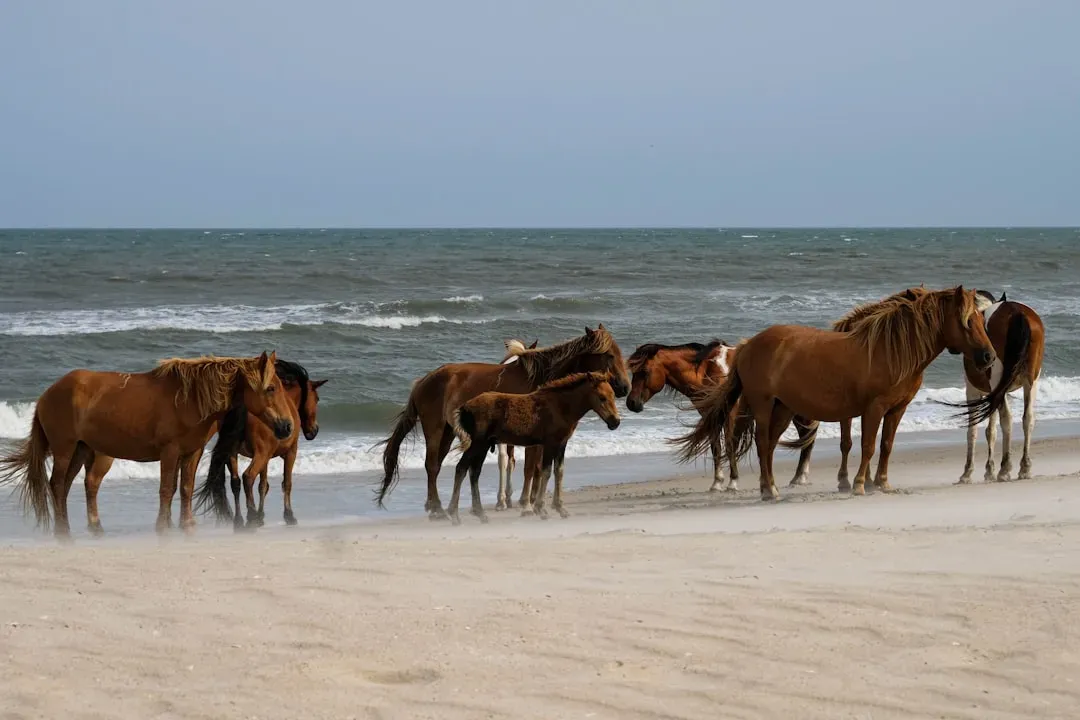
This remote and windswept barrier island straddling Maryland and Virginia is beautiful in its own right, but the free-roaming ponies add an entirely other level of wonder. There are about 150 adult horses on the island, roaming in bands of two to twelve and spotted on beaches, trails, and forests.
Local folklore says the horses are survivors of a shipwreck off the Virginia coast, but the more likely explanation is that they descended from 17th-century horses kept on the island to avoid livestock taxes. Either way, the mystery is part of what makes this place so compelling.
The Maryland horses, which roam the Assateague Island National Seashore, are looked after by the National Park Service, while the Virginia horses, which graze at Chincoteague National Wildlife Refuge, are cared for by the Chincoteague Volunteer Fire Company. Two herds, two management styles, one unforgettable island.
Outer Banks, North Carolina
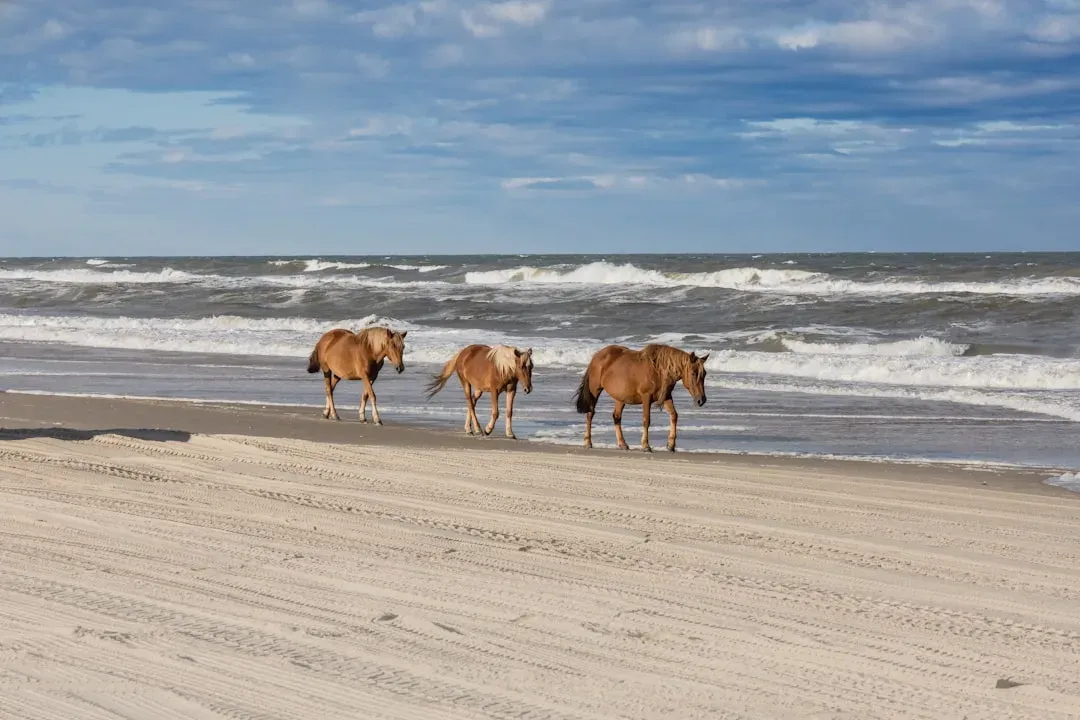
North Carolina’s barrier islands host two distinct populations of Spanish mustangs that have roamed these shores since colonial times. At Corolla Beach, horses stroll right past vacation homes and along the northern beaches. Their cousins on Shackleford Banks live in complete wilderness, accessible only by boat.
DNA testing has confirmed that the Corolla herd carries markers linked directly to Colonial Spanish mustangs, connecting them to breeds brought over during the 1500s. Roughly 100 to 120 wild horses roam the beaches of Corolla and Carova, making this one of the last places in the entire United States where you can witness free-roaming coastal mustangs in their natural setting.
The Corolla herd is easiest to see via guided four-wheel-drive tours that venture beyond the paved roads. For Shackleford Banks, catch a ferry from Beaufort and explore on foot.
Pryor Mountain Wild Horse Range, Montana and Wyoming
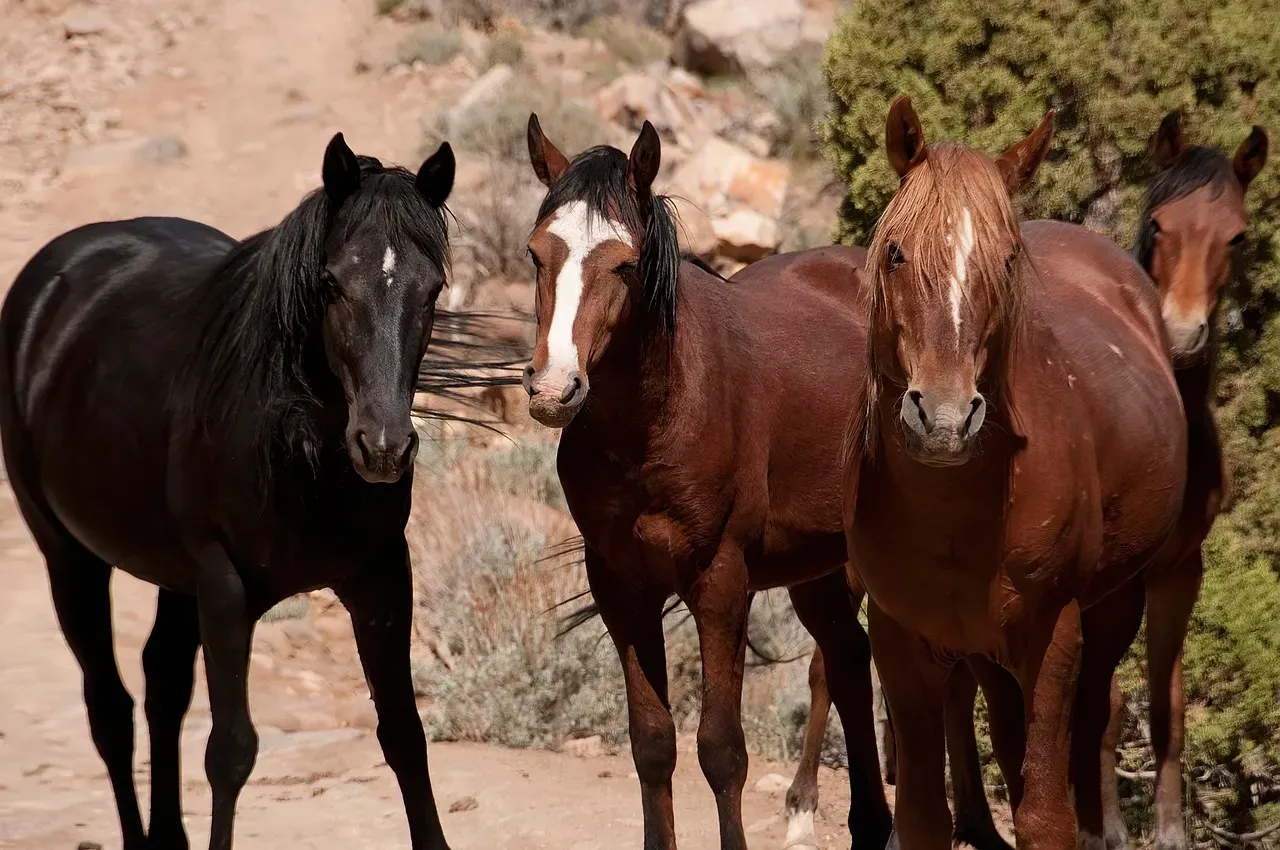
The Pryor Mountain Wild Horse Range consists of 38,000 acres straddling the Montana-Wyoming border. In 1968, U.S. Secretary of the Interior Stewart Udall created the country’s first wild horse range here, originally spanning 31,000 acres. The range was later expanded, but the horses are truly free to roam, with no fences to keep them from wandering into adjacent national forest land.
Many of the horses display distinctive markings, including a long dorsal stripe along the back and zebra-like coloration on their legs. The Pryor Mountain Wild Mustang Center believes the animals are descendants of colonial Spanish horses brought to the area by Native American tribes in the 17th and 18th centuries, with genetic studies confirming consistency with Spanish genetic traits.
This tough little horse, derived from the horses of Portugal and Spain, has been present in this rugged mountain area for nearly 200 years. That continuity alone makes visiting feel like a genuine privilege.
Theodore Roosevelt National Park, North Dakota
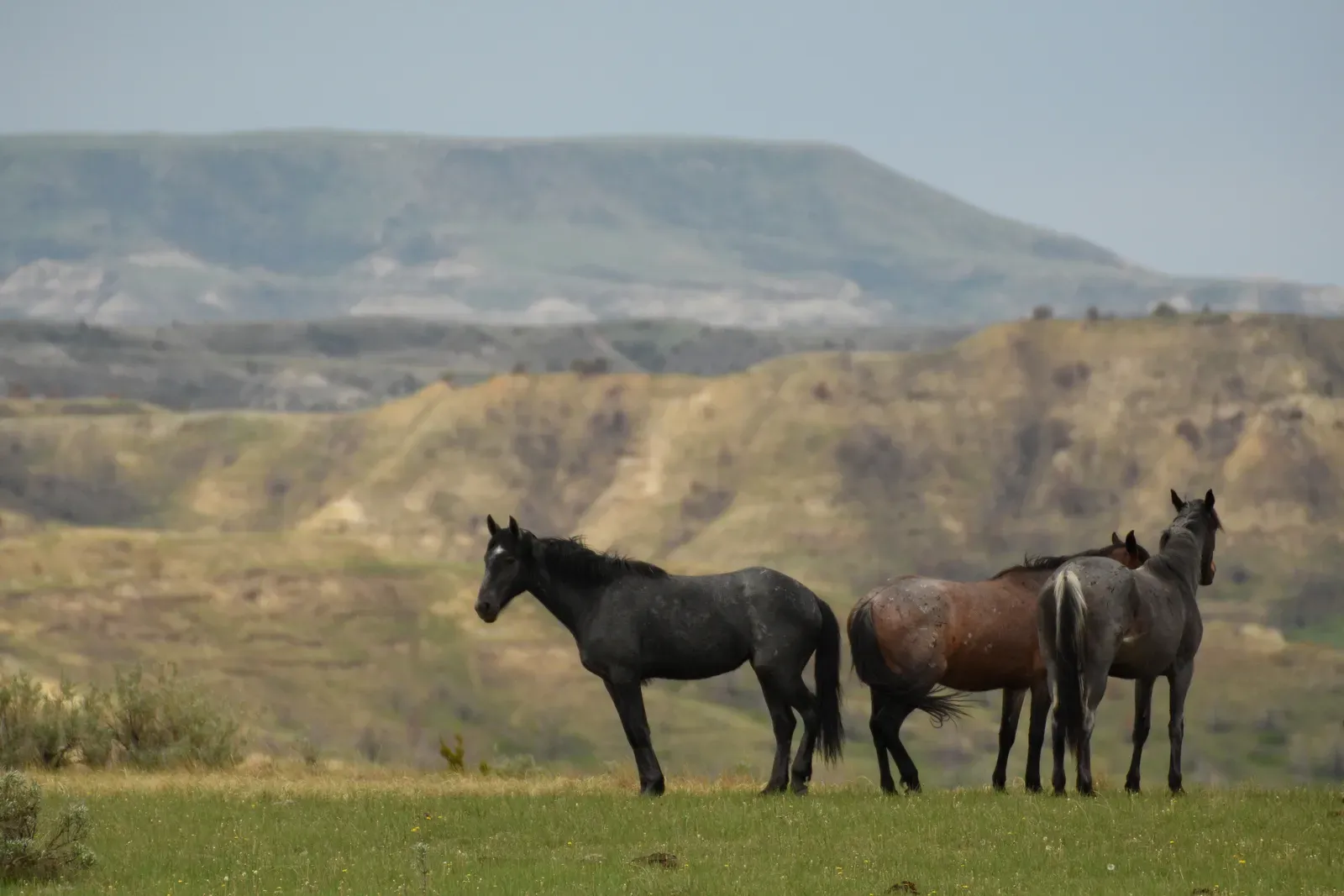
The symbolism of the American mustang is on full display at the 70,467-acre Theodore Roosevelt National Park, home to 100 to 200 free-roaming horses, which can be seen grazing and galloping across the Dakota badlands.
Theodore Roosevelt National Park is one of only a few areas in the country where there are wild horses living in a national park setting. The herd exists thanks to 19th-century ranchers who regularly turned horses out on the open range. Eventually, that open land was fenced and became the national park it is today. Most of the horses were removed in 1954, but several small bands eluded capture. After several failed attempts to round up the remaining horses, it was eventually decided that the free-roaming herd was an important part of the park’s legacy.
In warm summer months, the horses are often spotted grazing near the park boundary along Interstate 94. Many visitors have also had luck spotting them from the Painted Canyon Overlook and Buck Hill.
Onaqui Mountains, Utah
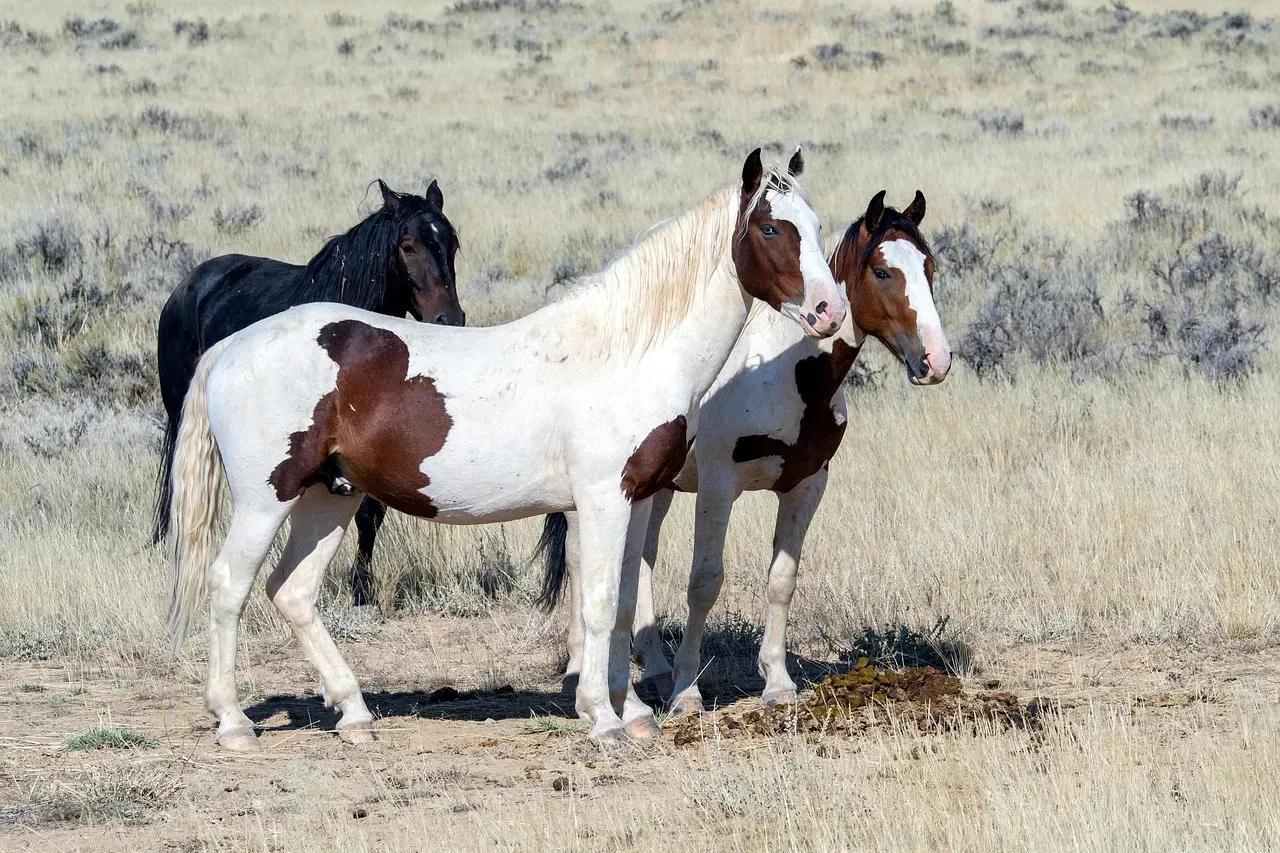
Utah boasts a significant population of wild mustangs, with the iconic herd at the Onaqui Mountains standing out as one of the most photographed in the world. Located near Salt Lake City, the Onaqui herd roams an expansive area of desert and sagebrush, offering stunning photo opportunities for wildlife enthusiasts.
This area has become legendary among wild horse photographers because the horses here display stunning variety in coat colors and patterns. Pintos, palominos, bays, and grays roam together in family bands across rolling hills covered in sagebrush. The basin sits at about 6,500 feet elevation, creating a landscape of endless horizons and big western skies.
Dirt roads crisscross the area, making it relatively accessible for patient visitors willing to drive slowly and scan the terrain. Spring brings adorable foals, while fall showcases horses fattened up for winter with glossy coats.
Sand Wash Basin, Colorado
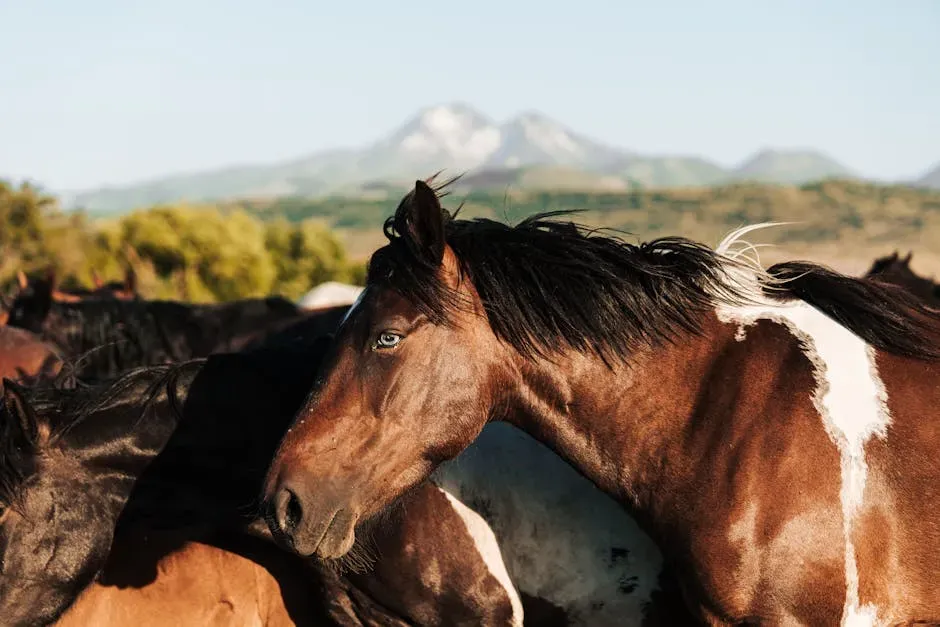
In the wide-open spaces of Sand Wash Basin, Colorado, wild mustangs roam freely, attracting enthusiasts and photographers alike. The natural beauty here is unparalleled, offering a serene escape from modern life. The basin’s vastness provides an ideal stage for observing the mustangs’ social dynamics and natural behavior.
Colorado also has another notable location worth knowing. Nestled within the striking geological formations of the Little Book Cliffs, this population of wild mustangs showcases the remarkable endurance and adaptability of these animals. Spanning over 30,000 acres of canyons and plateaus, the area provides a natural paradise where the mustangs graze, socialize, and roam without restraint.
The Little Book Cliffs Wild Horse Area in western Colorado is home to a diverse group of wild horses, with a wide variety of colors including bay, pinto, palomino, black, chestnut, gray, and blue roan. The range is home to around 150 wild horses.
Salt River, Arizona
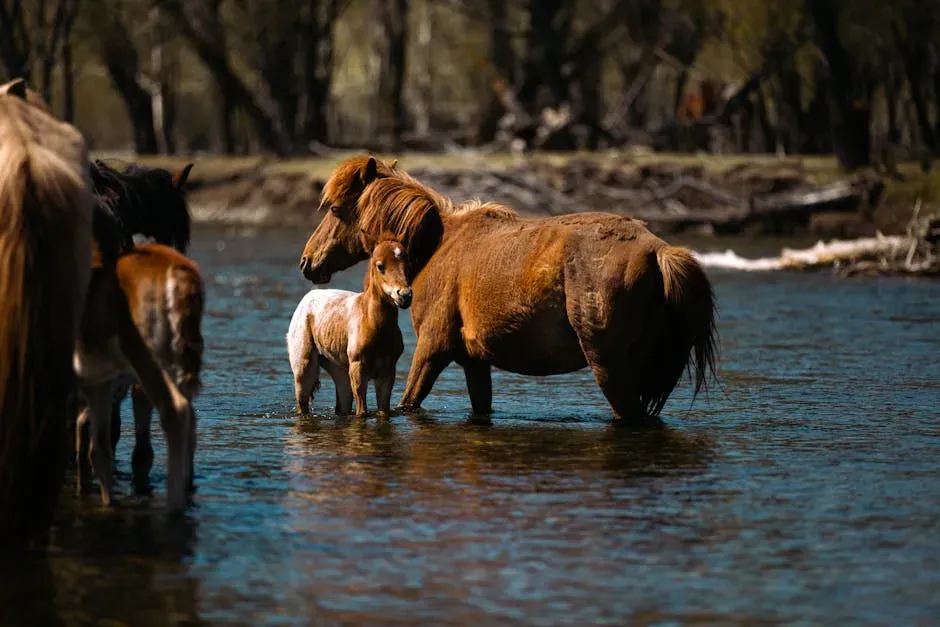
Arizona’s Salt River wild horses are a beloved population of mustangs that roam the Tonto National Forest. These horses have become iconic to the region, drawing visitors who want to witness their beauty in a breathtaking desert setting.
The horses in Tonto National Forest often roam along the banks of the Salt River. If you’re lucky, you may see the horses munching on eelgrass in the river, which is a truly incredible sight. It’s an image that feels completely at odds with every preconception of what a wild horse habitat looks like.
Though the horses were once almost removed, advocates rallied to preserve and protect them. That community effort is a big part of why this herd still exists today.
Steens Mountain, Oregon
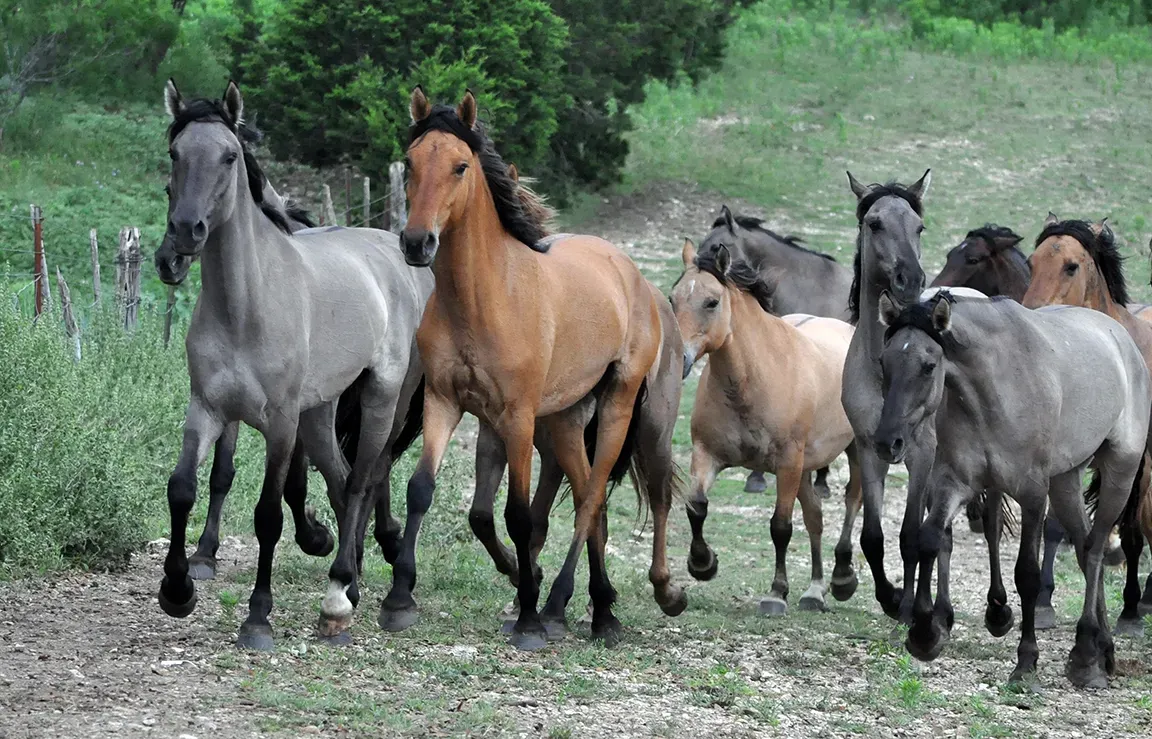
Located in scenic Hines, Oregon, Steens Mountain Wilderness Area is home to breathtakingly beautiful wild horses. Several herds call the area home, including the Kiger Mustang. Kiger Mustangs trace back to Spanish horses brought over by the Conquistadors.
Kiger Mustangs are most commonly dun in color, with distinctive primitive markings found on most horses. Many visitors come to the Steens Mountain Wilderness Area hoping to see them. Horses are often found along the South Steens Campground, and for a unique opportunity, guided trail rides are available for a chance to see these stunning wild horses.
The sheer drama of the landscape here adds something extra. The breathtaking alpine views juxtaposed with the endurance of these mustangs create a compelling tableau of natural beauty and survival.
Cumberland Island, Georgia
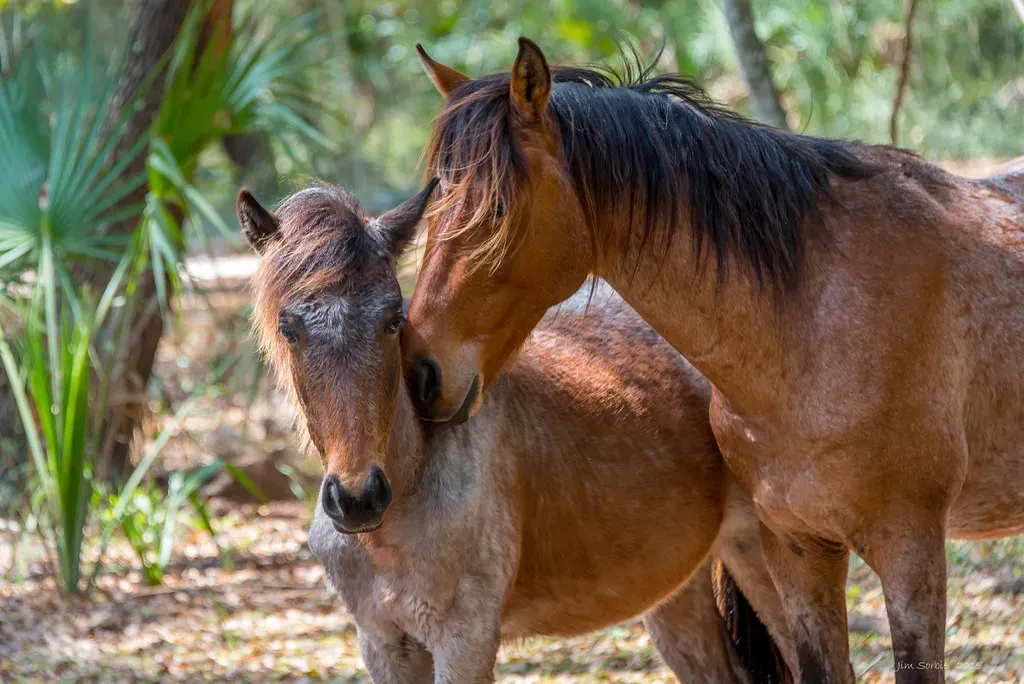
Further down the East Coast, you can find a unique herd of wild horses roaming the largest and southernmost of Georgia’s Golden Isles, Cumberland Island. These equines are the only herd in the region not managed by the park service or any other group of humans. They’re often spotted grazing between sandy dunes and amongst the haunting historic ruins left on the island, such as the Dungeness Mansion, a former home of the Carnegie family.
The 20-mile-long island is a historically rich location that is a designated national park. Wild horses wandering past crumbling Gilded Age ruins is not something you’d expect to find anywhere, let alone in the American Southeast.
The horses on the island are closely related to Tennessee Walkers, American Quarter Horses, Arabians, and Paso Finos. Tourists can view the island on foot and by bicycle. Horses commonly graze in the open lawn of the Dungeness Historic District.
Paynes Prairie Preserve State Park, Florida
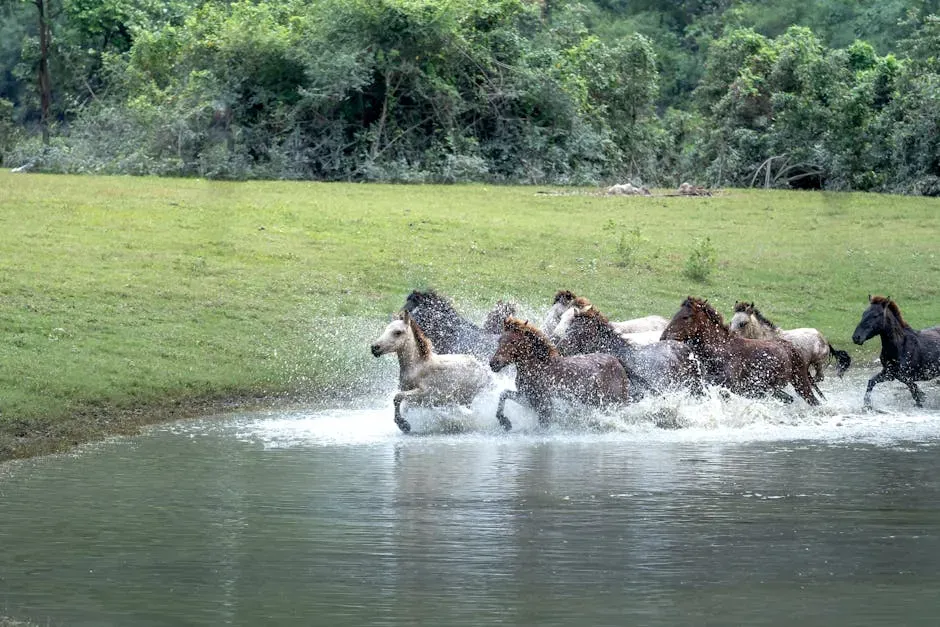
Florida is not a place most people associate with wild horses, which makes this one all the more surprising. There is a place in Florida where wild American bison and horses roam free. This place is Paynes Prairie Preserve State Park, a 23,000-acre seasonally flooded prairie just outside Gainesville.
On spring evenings at La Chua Trail, on the prairie’s edge, herds of wild horses have been observed emerging from thick vegetation and beginning to graze by the water. A few alligators are often present in the water nearby. That detail alone should convey just how genuinely wild this ecosystem is.
The sheer variety of wildlife sharing this habitat makes Paynes Prairie unlike any other horse-watching destination in the country. Horses, bison, alligators, and wading birds all occupy the same ancient basin, creating something that feels closer to a lost world than a state park.
A Living Part of American History
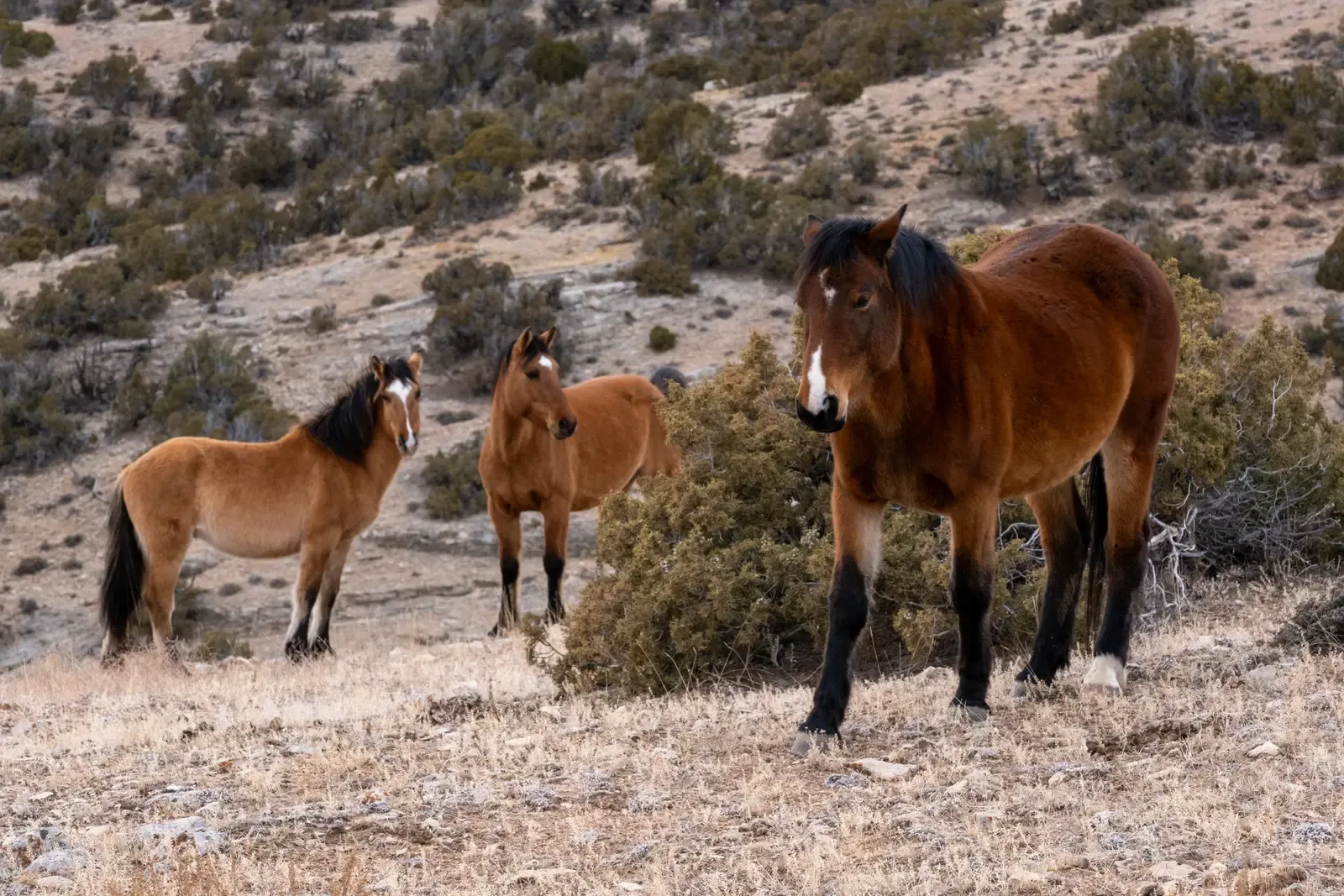
Without natural population controls such as predation, herds can increase at a rate of up to 20 percent annually, doubling in size in just four to five years if not appropriately managed. Most of these herds currently live on land managed by the U.S. Bureau of Land Management, where they are cared for in a manner designed to achieve and maintain a thriving natural ecological balance on the public lands.
Many horses are being caught and domesticated, and the available public land for them to roam is shrinking. The pressures on these animals are real, and the policy debates around their management remain unresolved.
Conservation projects across the U.S. are committed to safeguarding these spirits of the wilderness, aiming for a harmonious balance between human advancement and the sanctity of wild spaces. The good news is that public interest in protecting these herds remains strong, and the places on this list prove that wild horses still have room to run.
There’s a particular kind of stillness that settles over you when a herd passes nearby on open land. No soundtrack needed. The hoofbeats do all the talking.

- 6 Exotic Bird Species You Can Spot in U.S. National Parks - July 19, 2026
- 11 Iconic American Birds Facing New Challenges and How You Can Help - July 19, 2026
- 10 Friendliest Animals in the World - July 19, 2026